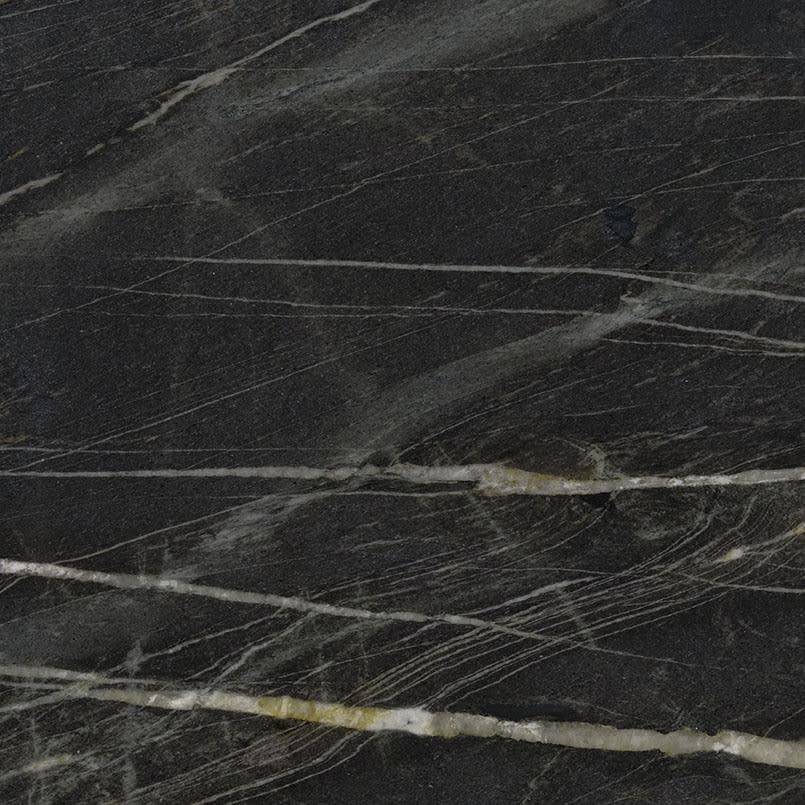
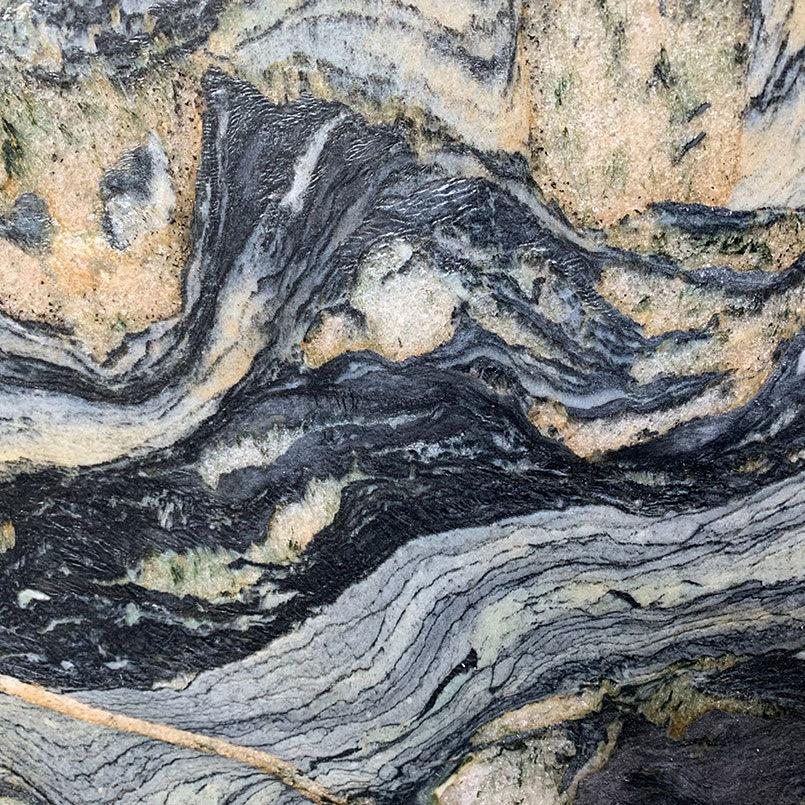
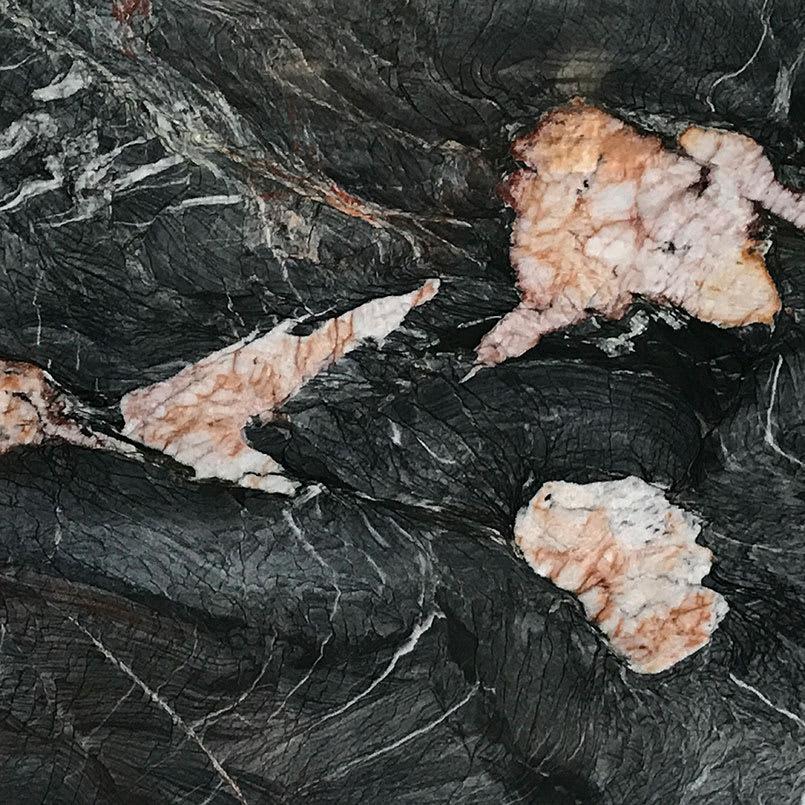
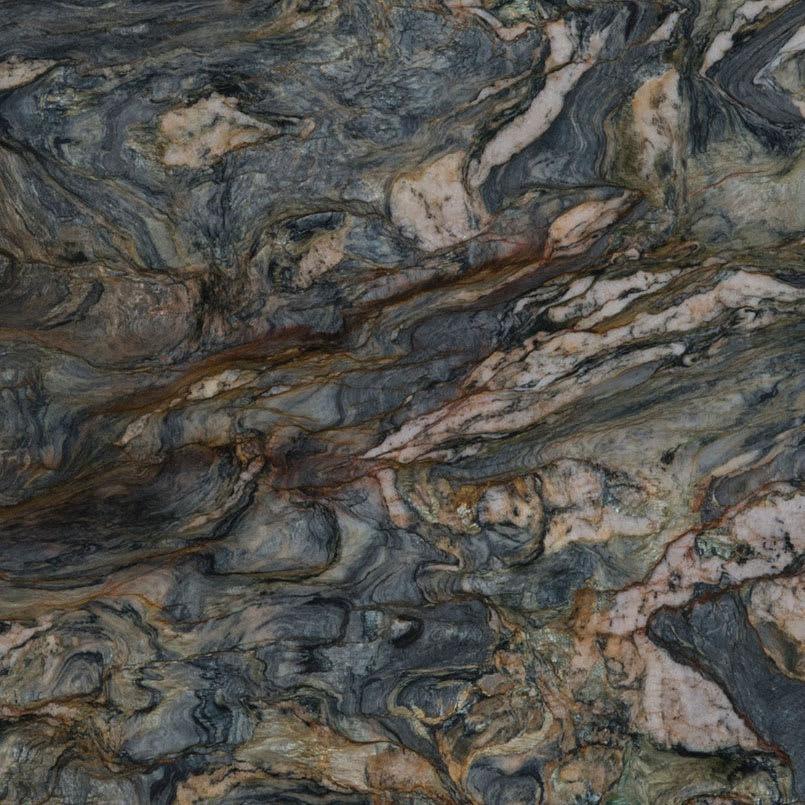
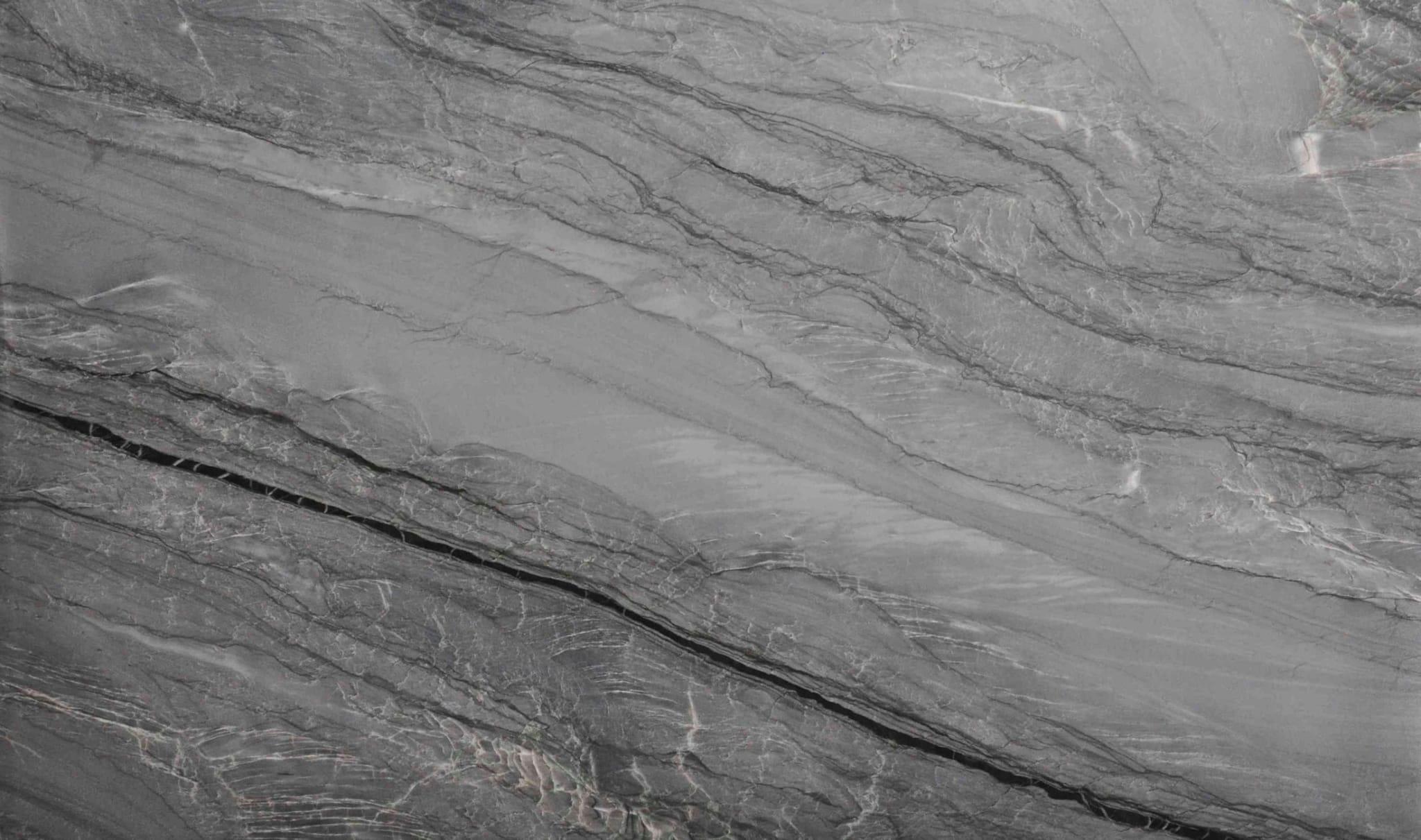
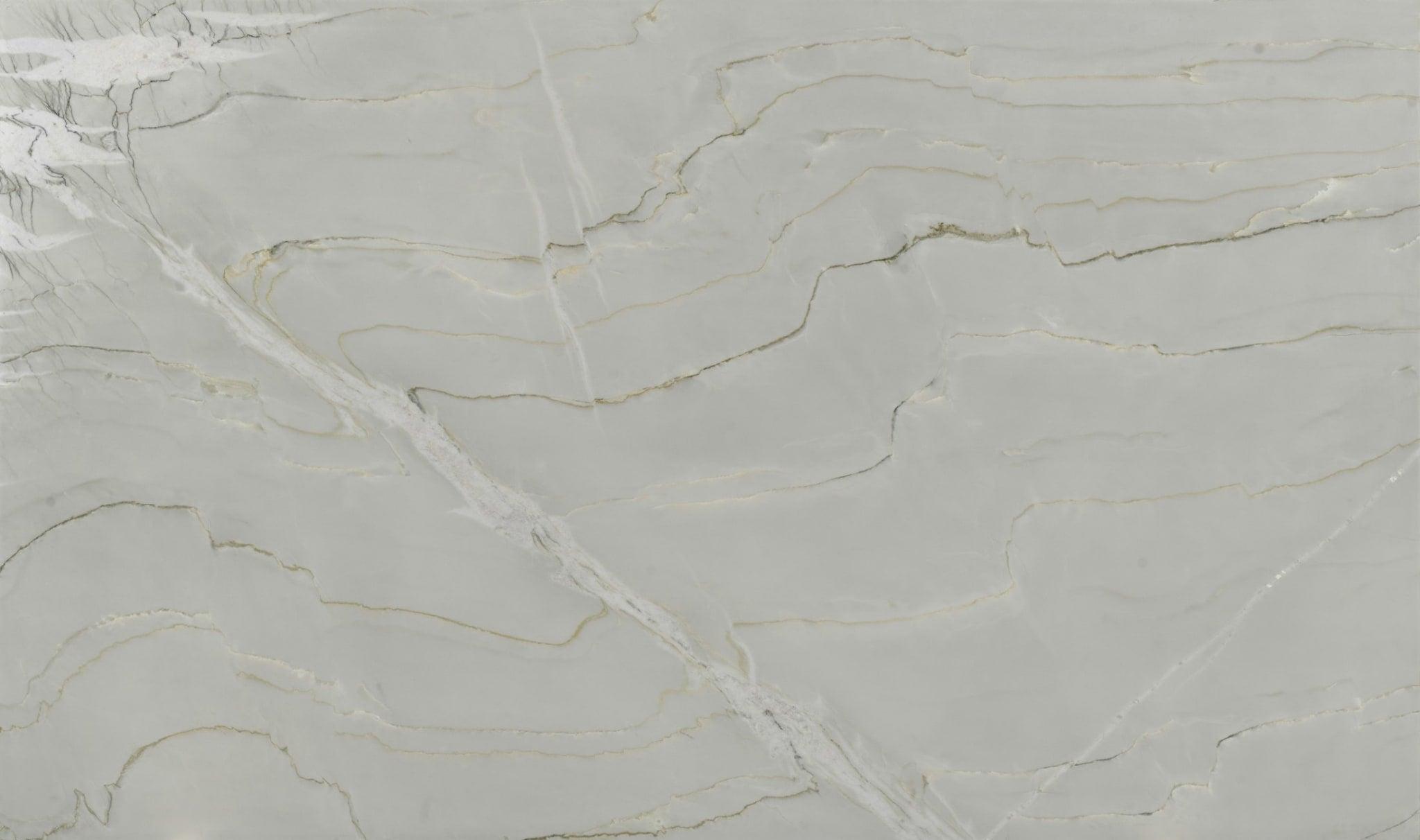
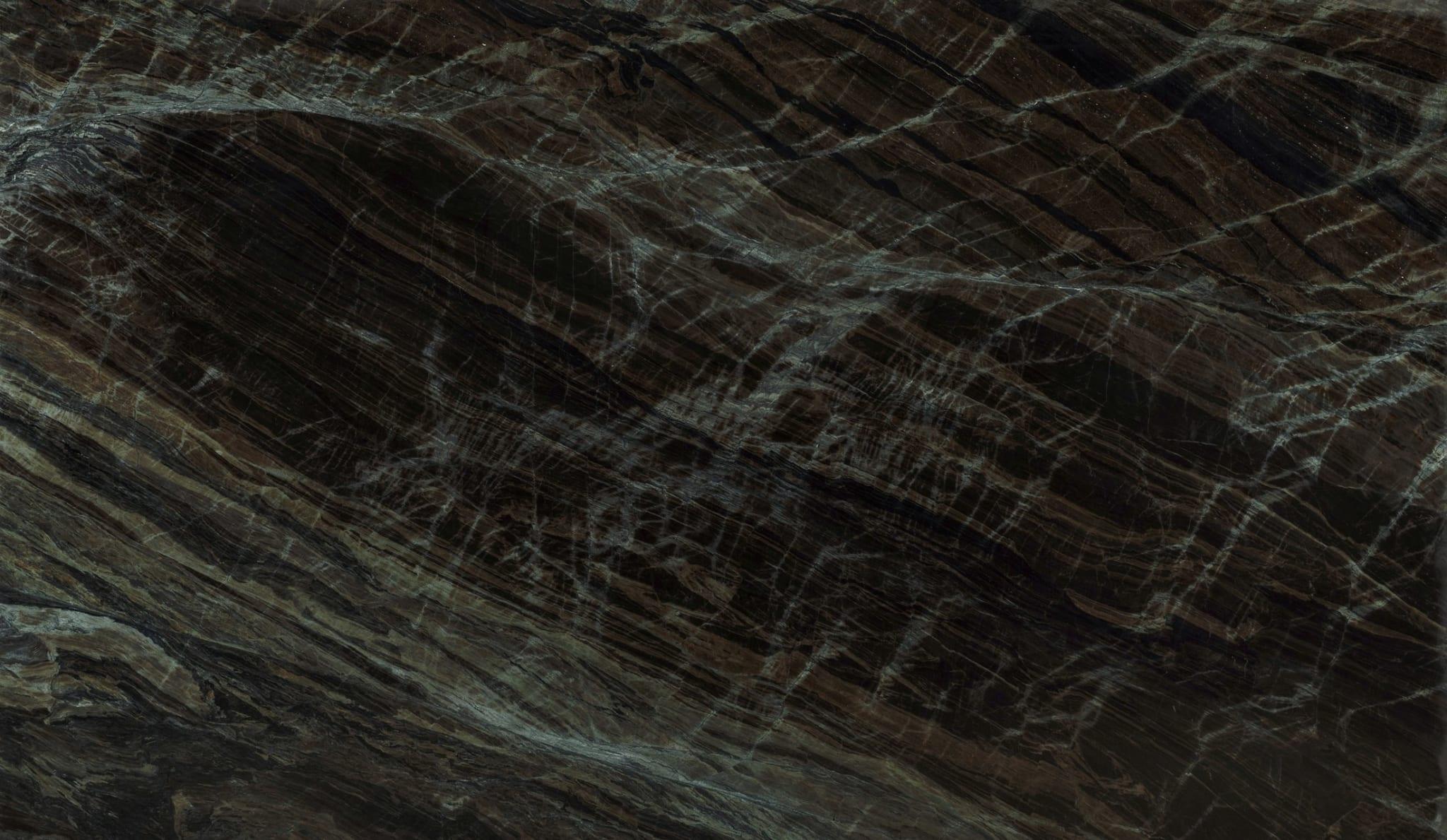
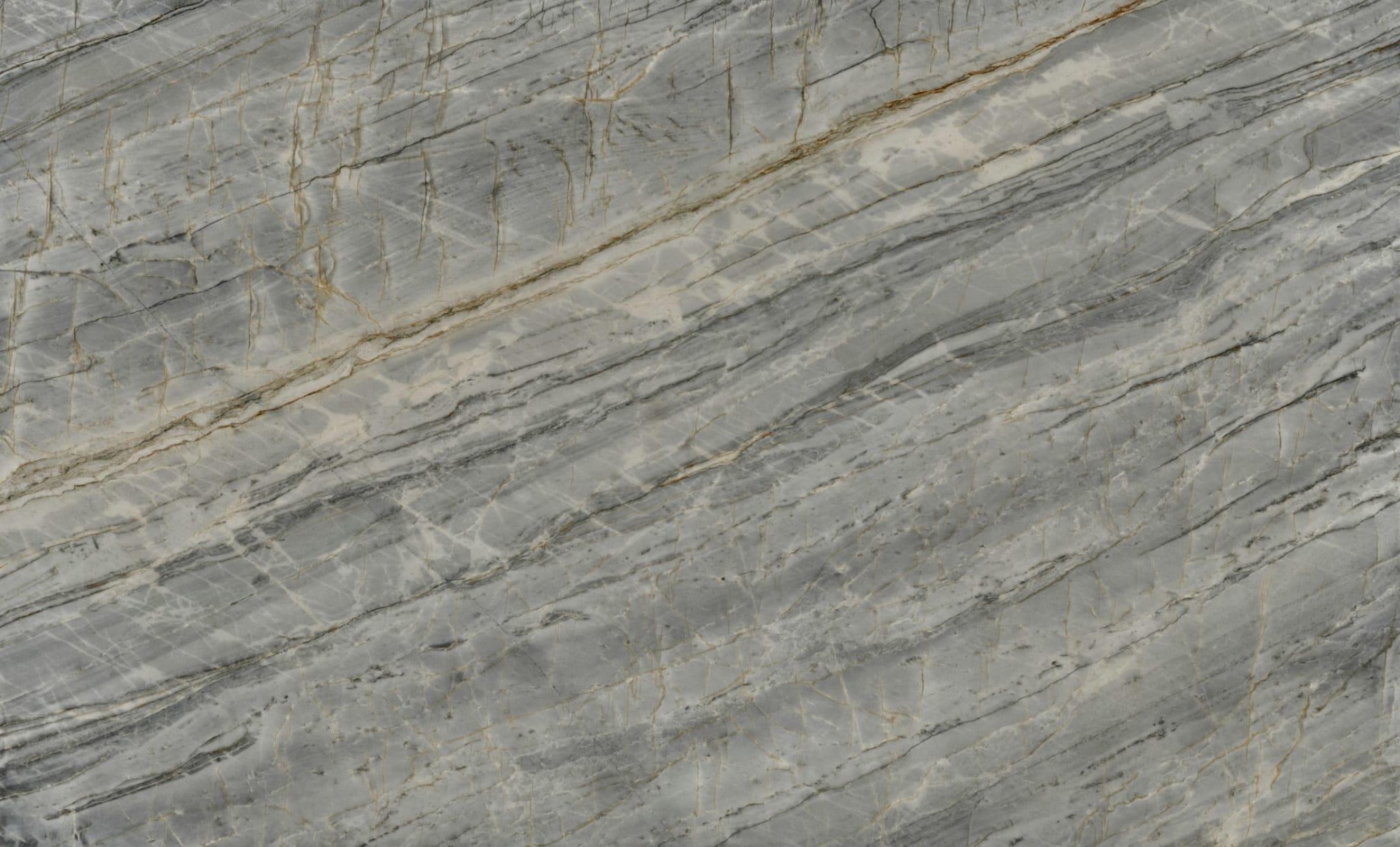
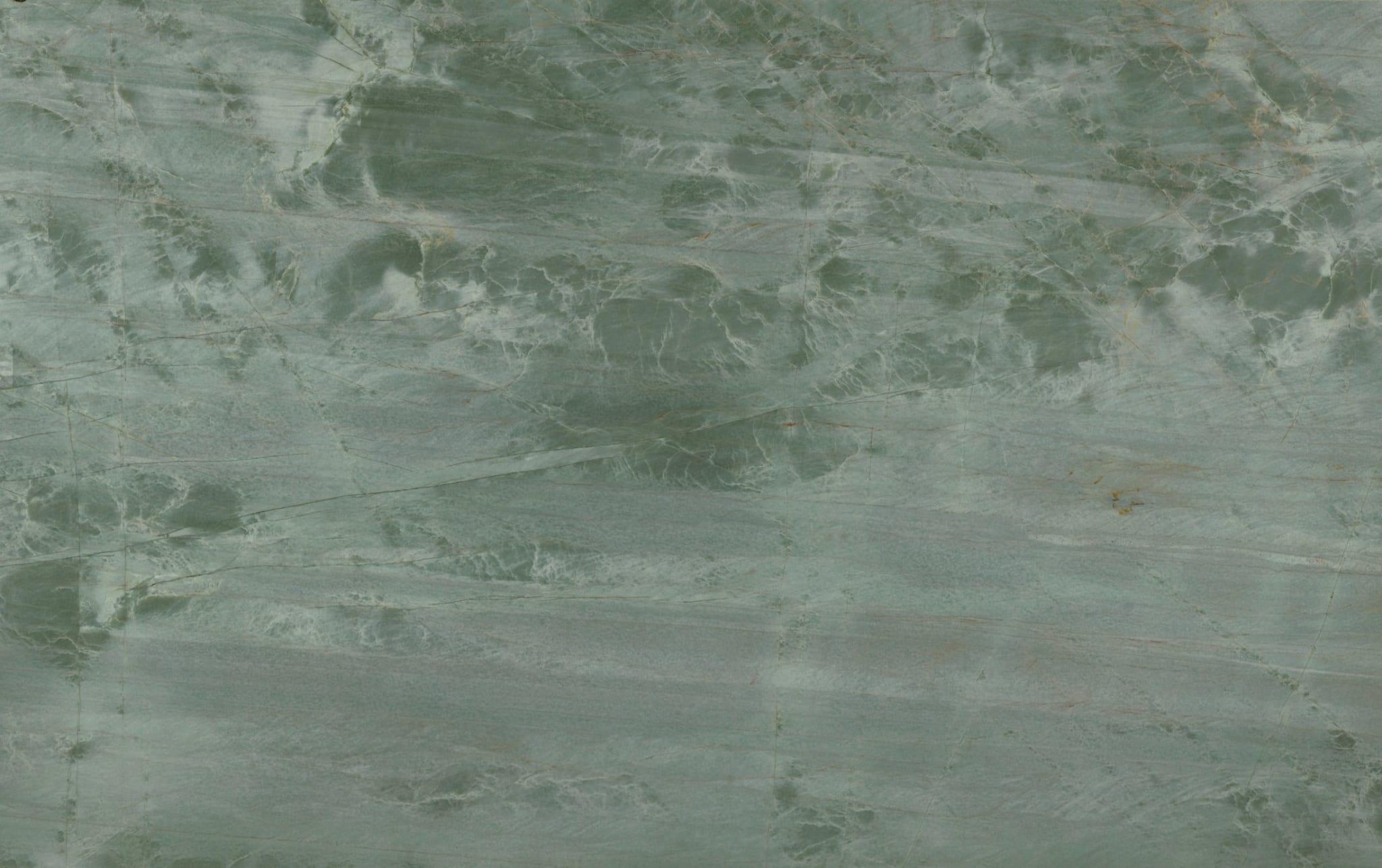
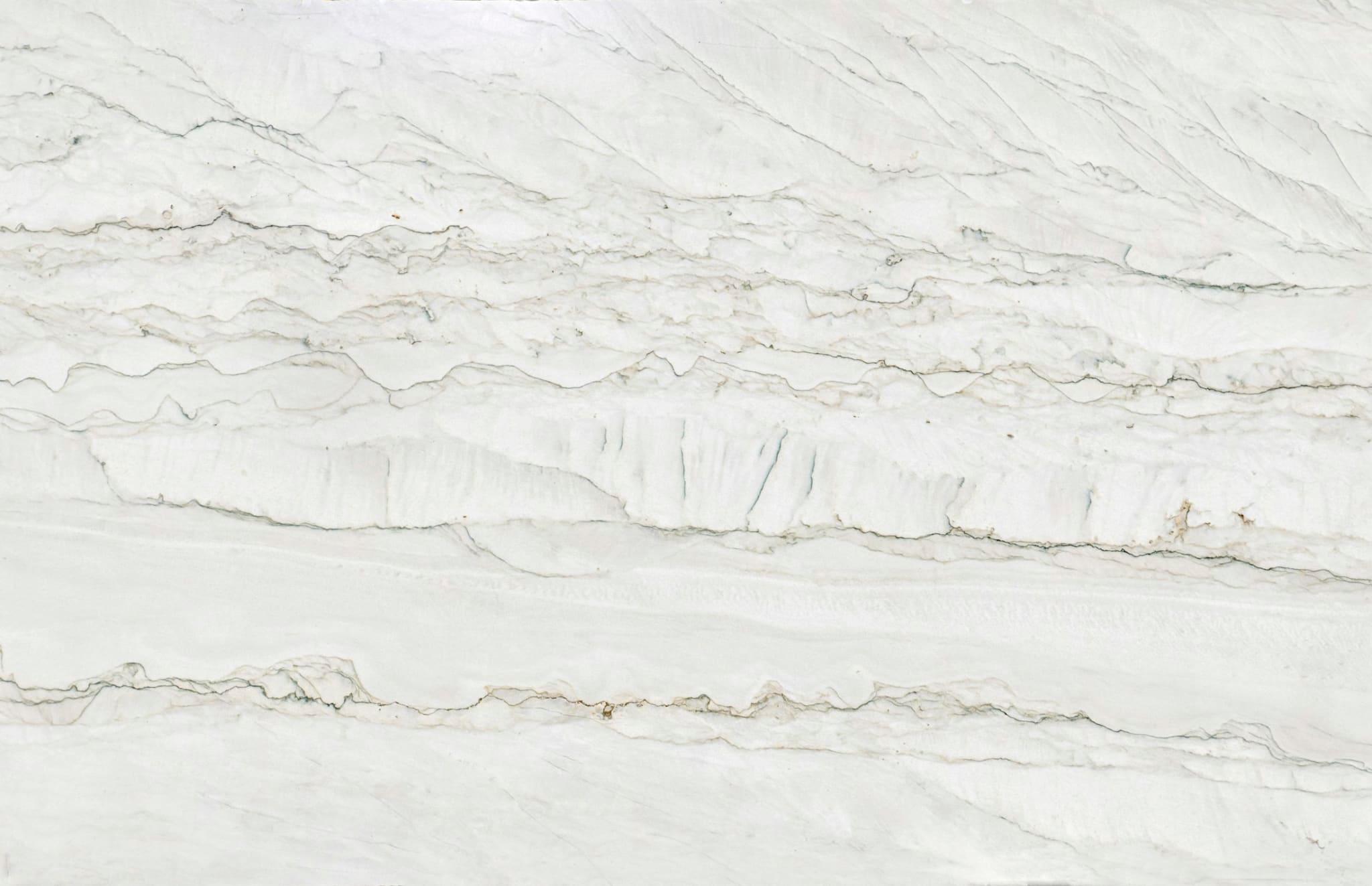
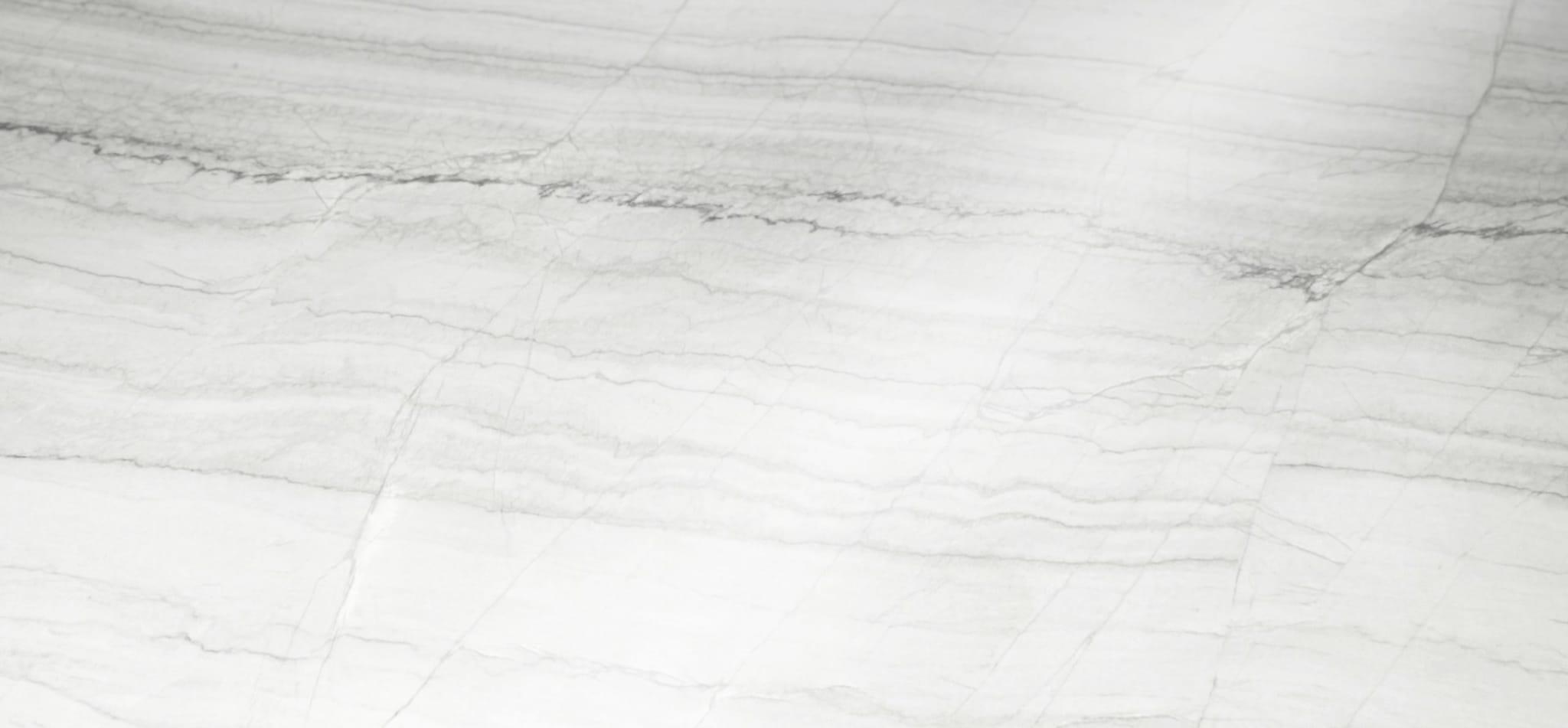
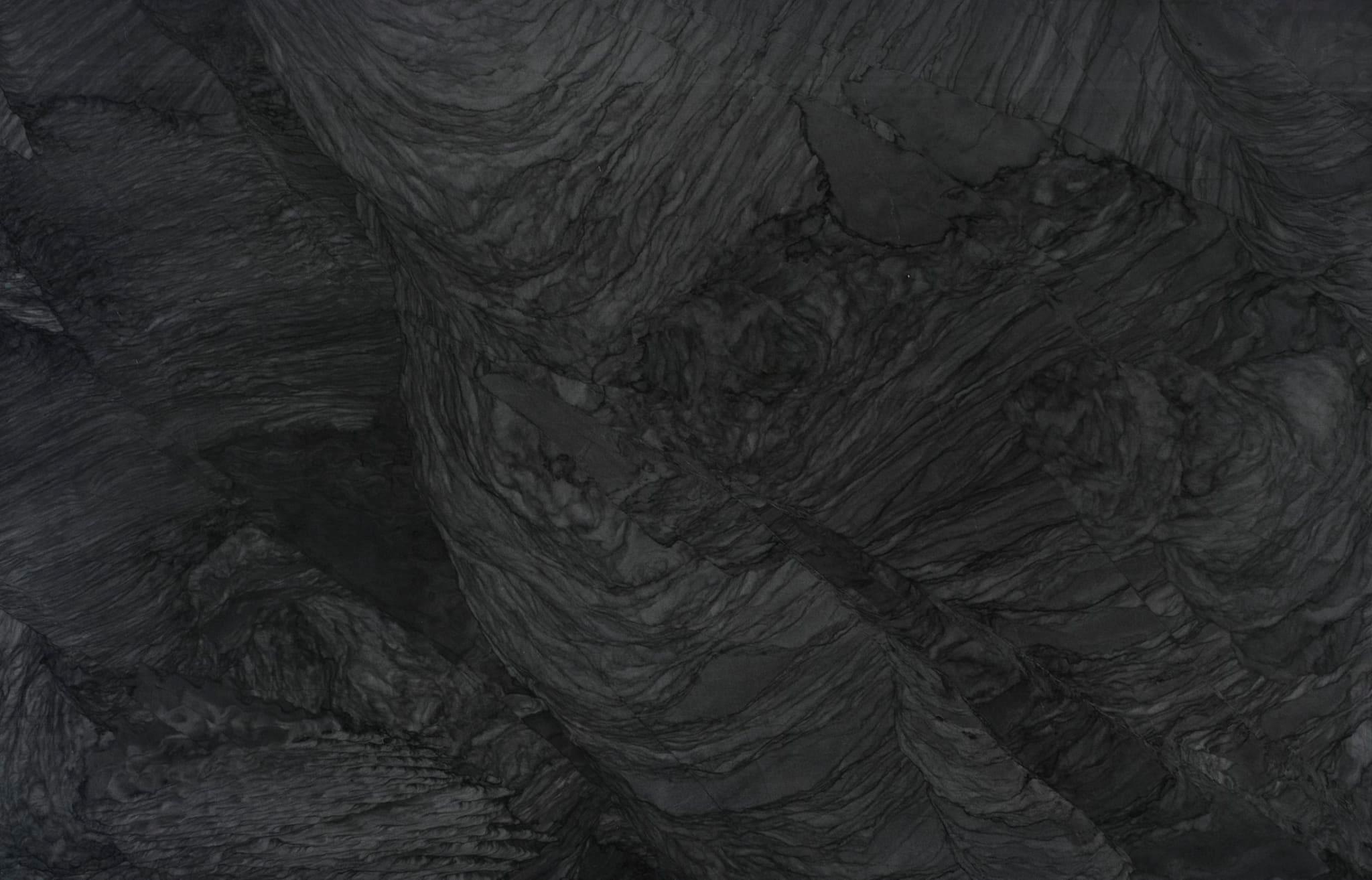
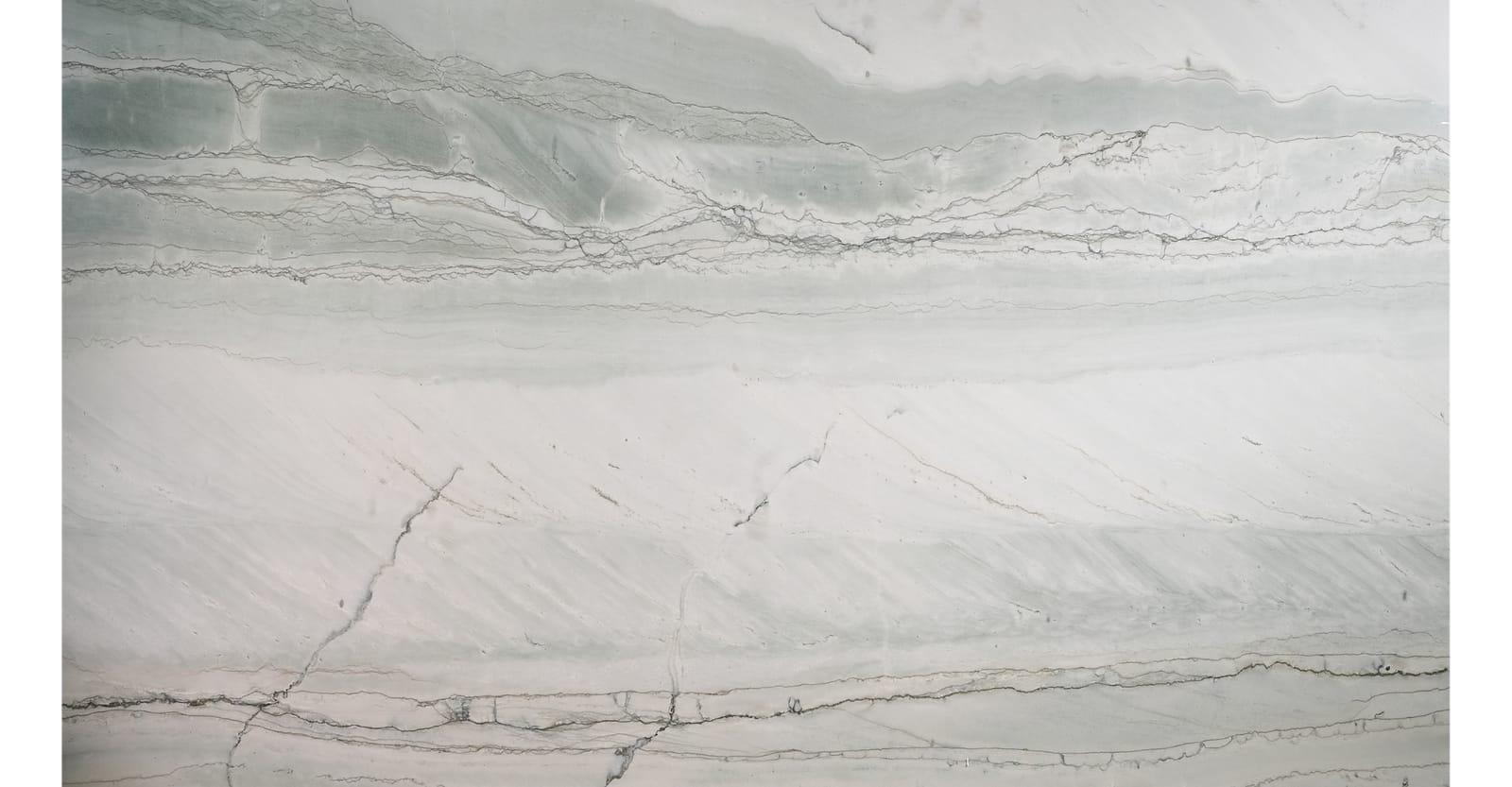
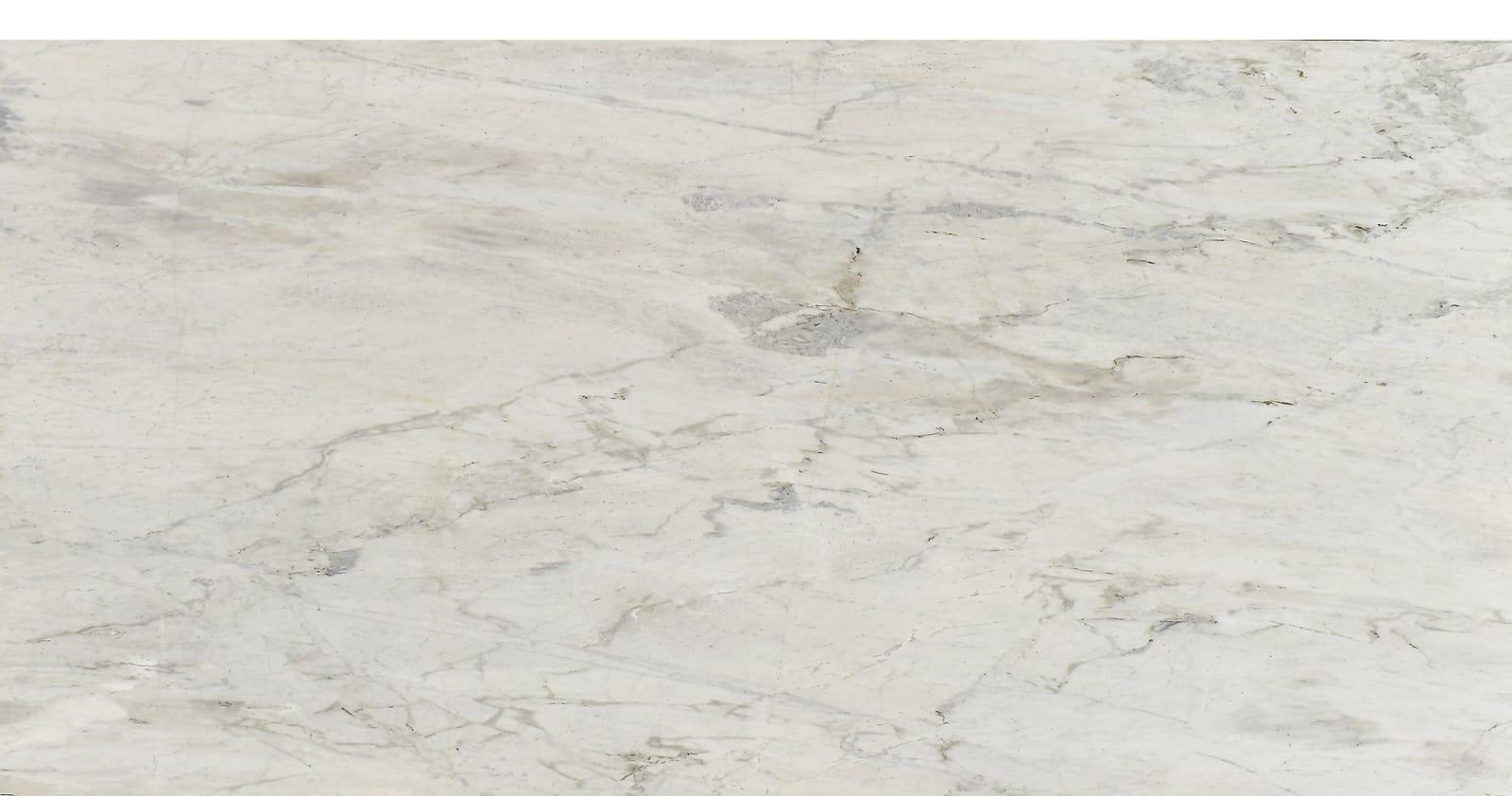
Quartzite countertops give your projects the "real stone" story clients love, with durability that often outperforms granite and a look that many people mistake for marble. This guide covers how to spec them correctly, price them for real-world projects, and set client expectations on sealing and maintenance.
What Quartzite Countertops Actually Are
Quartzite is a natural stone formed when sandstone is subjected to extreme heat and pressure, transforming into a dense, crystalline rock that is harder than granite. Quartzite is a distinct material from both engineered quartz and marble, though clients frequently confuse all three. Addressing the difference early in a spec conversation saves time and prevents mismatched expectations.
- Very hard, high-silica stone that resists scratching and etching far better than marble.
- Still porous to varying degrees, so sealing is part of a responsible maintenance plan.
- Each slab is unique; veining, tone, and movement shift between bundles, which affects lot control and over-ordering.
On GoSource, quartzite is available as full slabs from top brands and importers, ready for professional fabrication. You or your fabricator can browse and price options in the Top Slabs collection and build them directly into project quotes.
Taj Mahal Quartzite: Warm, Soft, and Surprisingly Tough
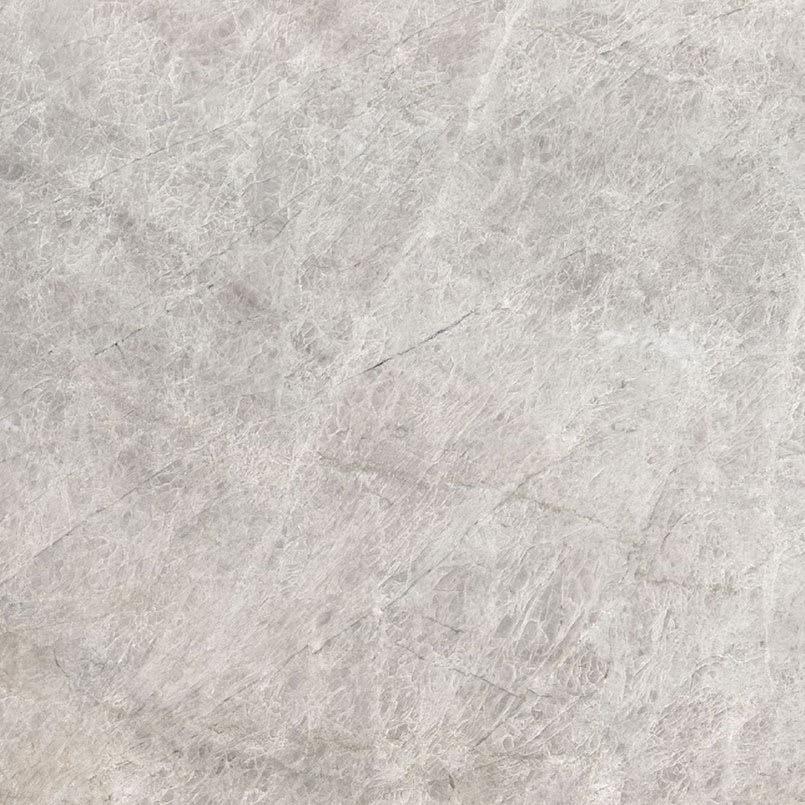
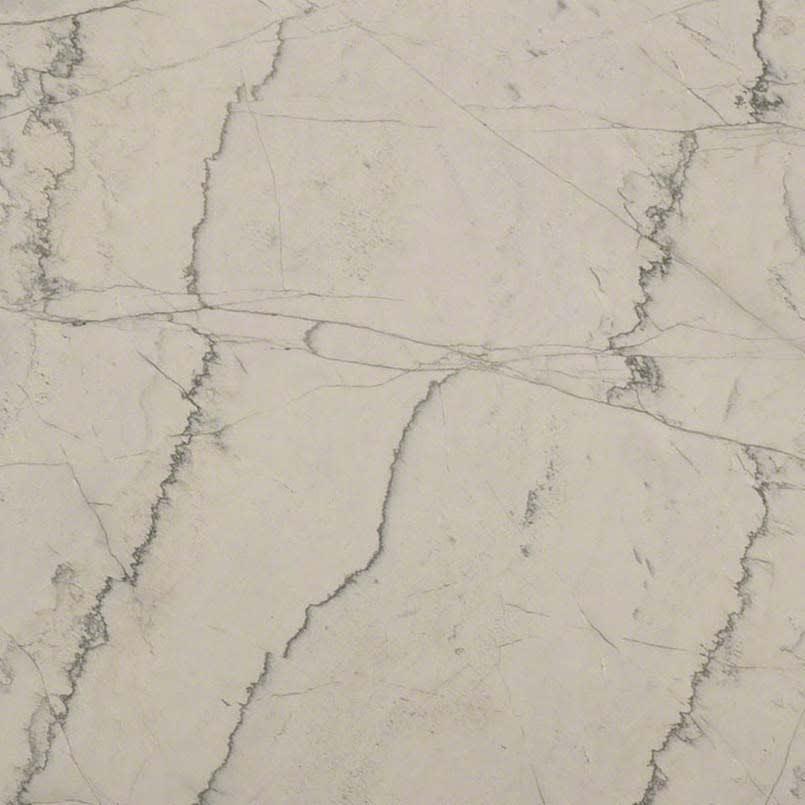
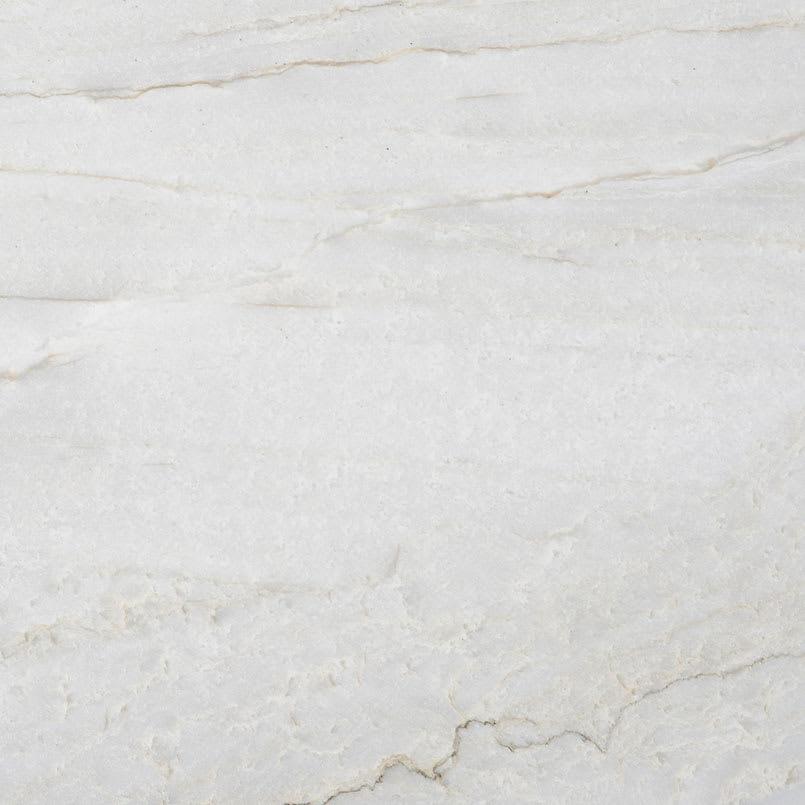
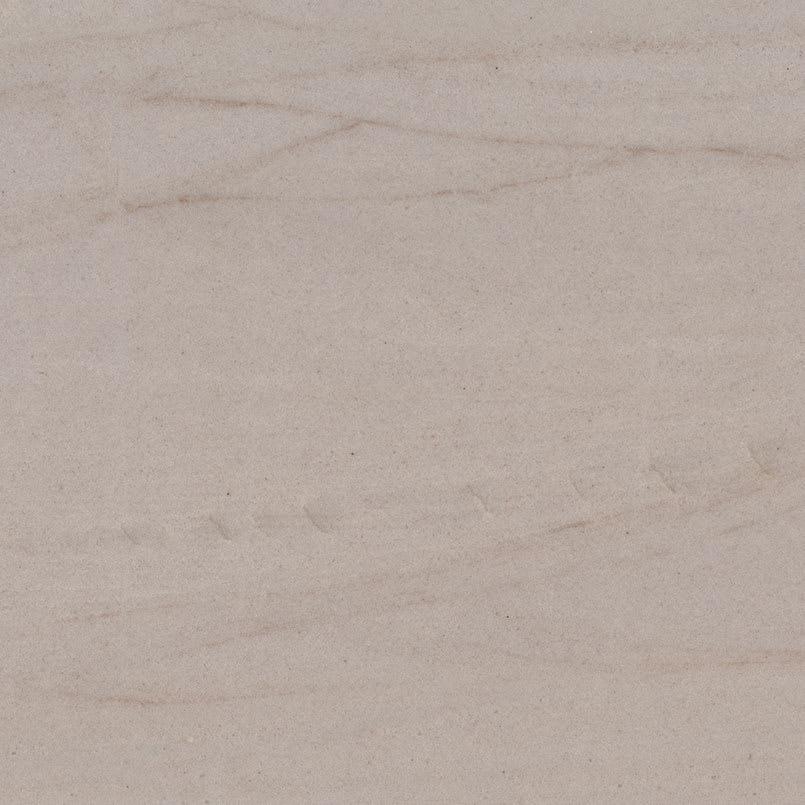
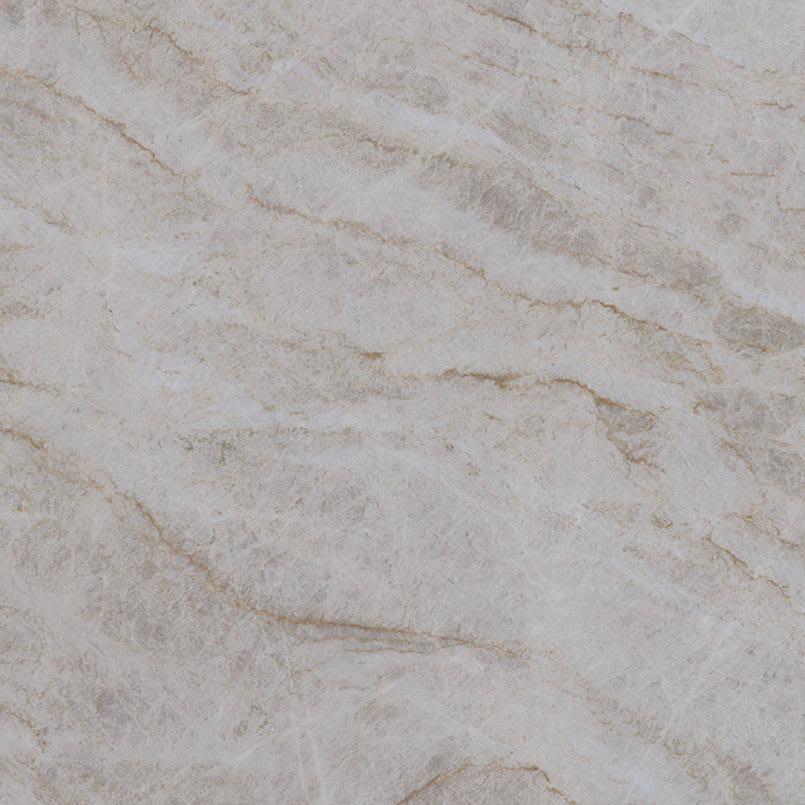
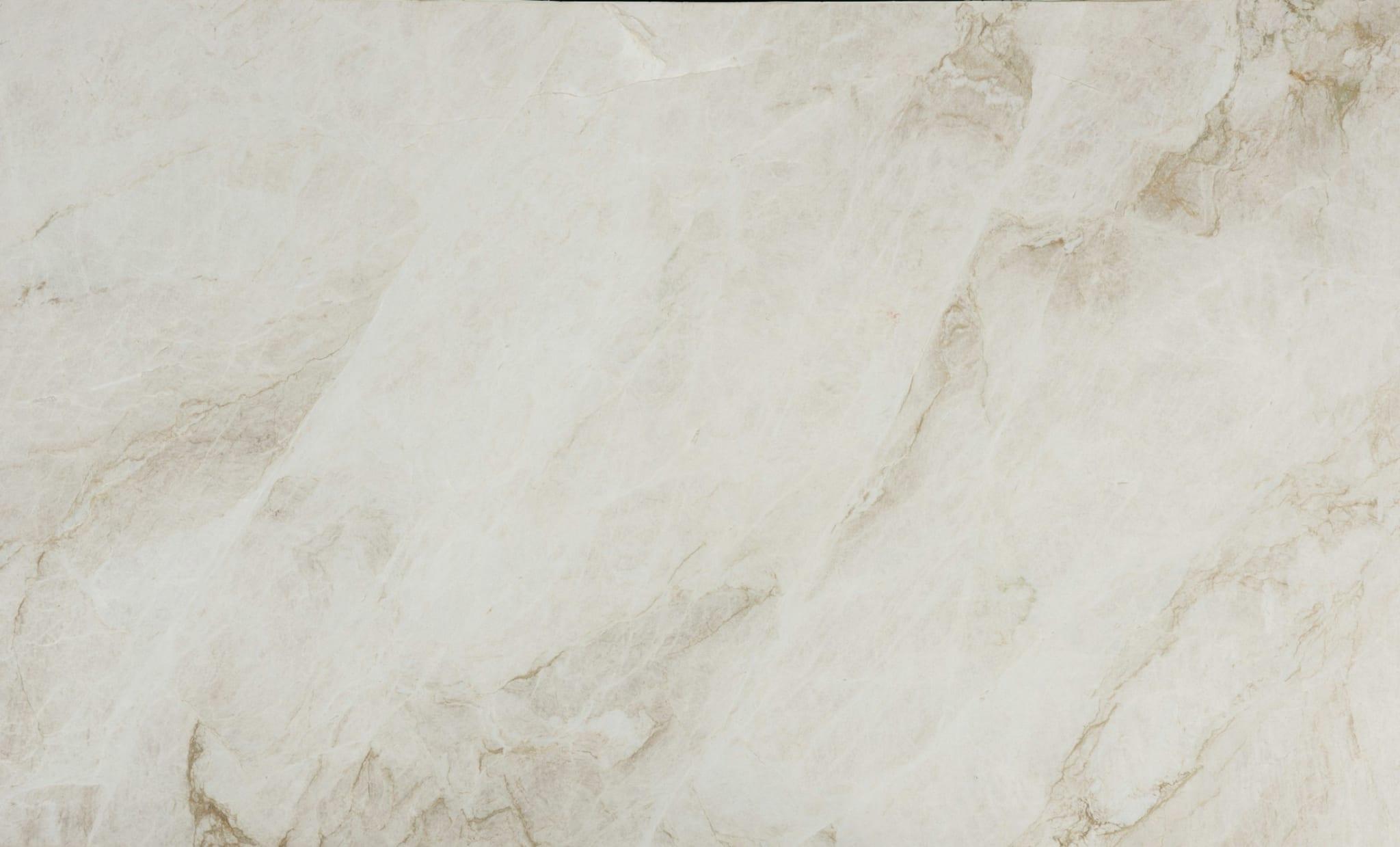
Taj Mahal quartzite has become one of the most requested premium materials because it delivers the soft, warm elegance clients associate with marble, with the durability of quartzite.
- Look: Gentle white and cream background with soft beige or gold veining. It reads warm and calm on the slab and photographs beautifully.
- Applications: Ideal for countertops, waterfall islands, accent walls, and floors in residential and commercial spaces.
- Pricing: In most mid-to-high-end markets, Taj Mahal quartzite projects typically land between $100–$150+ per sq ft installed, depending on thickness, edge detail, and layout complexity.
You can source Taj Mahal slabs from brands like MSI directly through GoSource. Start with our MSI Taj Mahal Quartzite slab page, then compare it against other premium slabs when you need alternatives at different price points.


Macaubas and Other Premium Quartzites
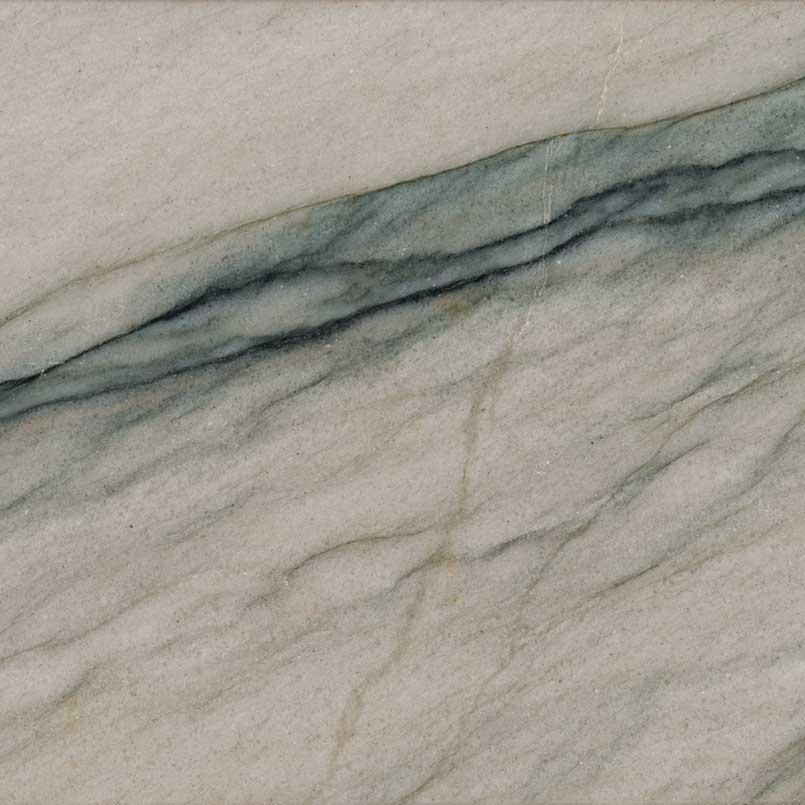
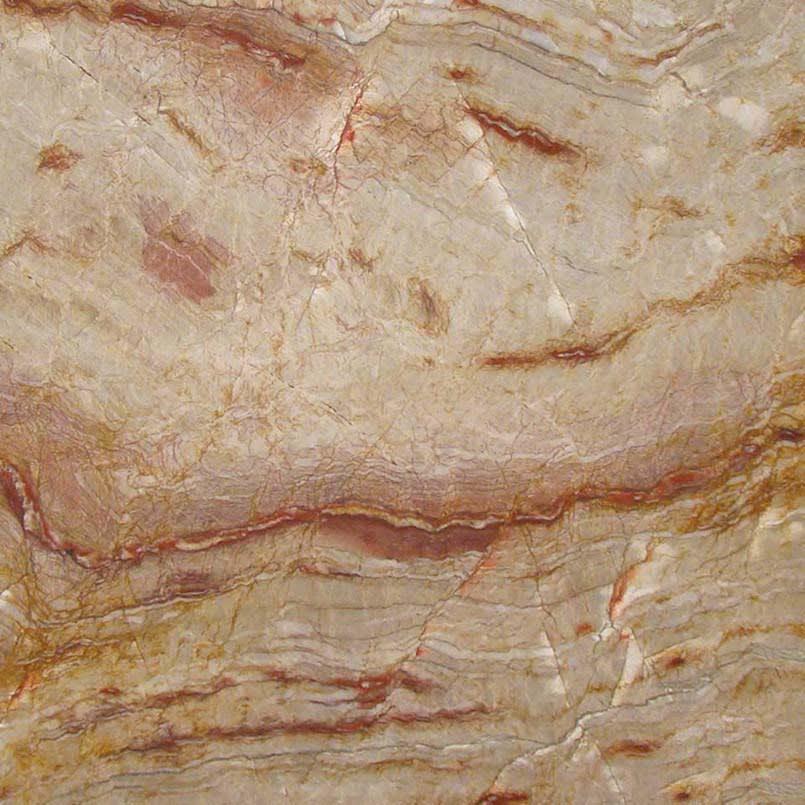
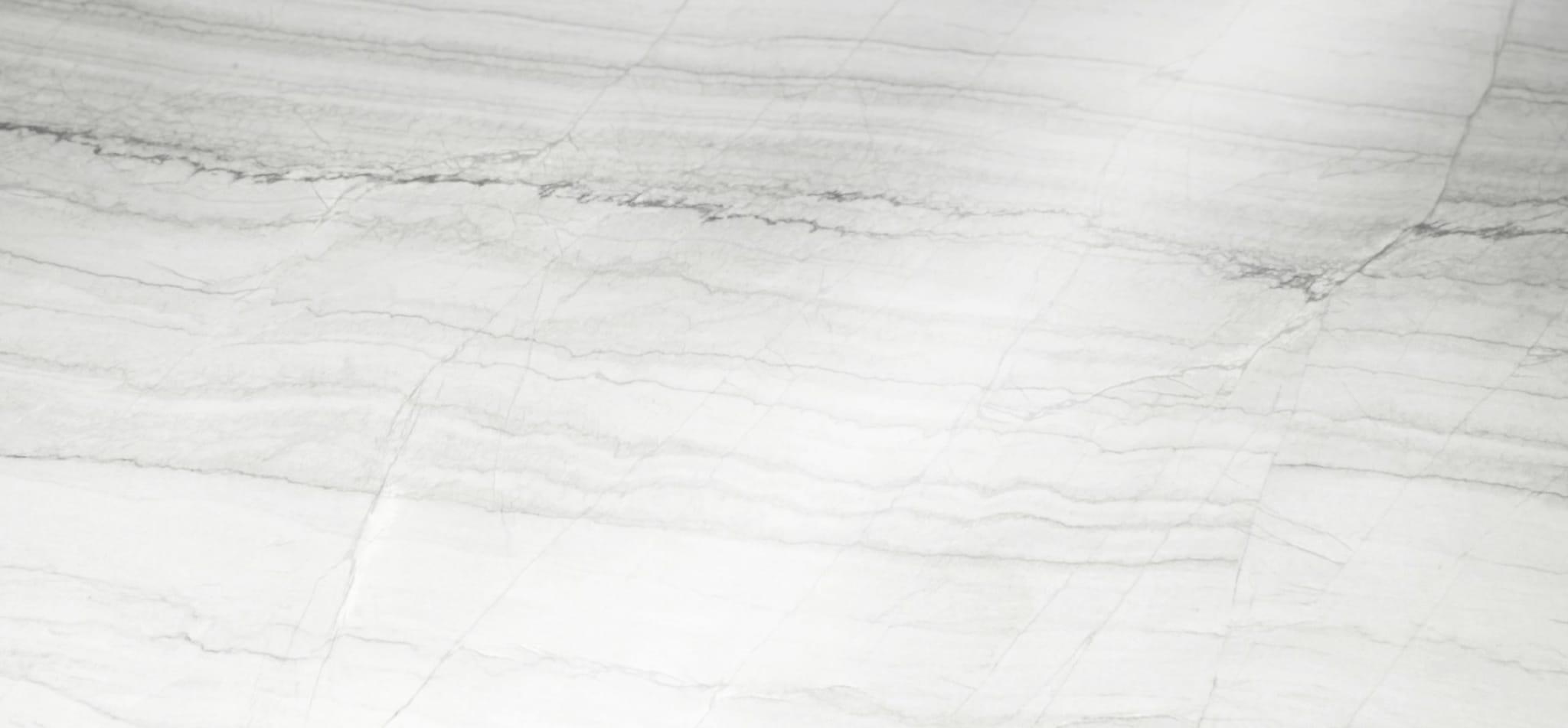
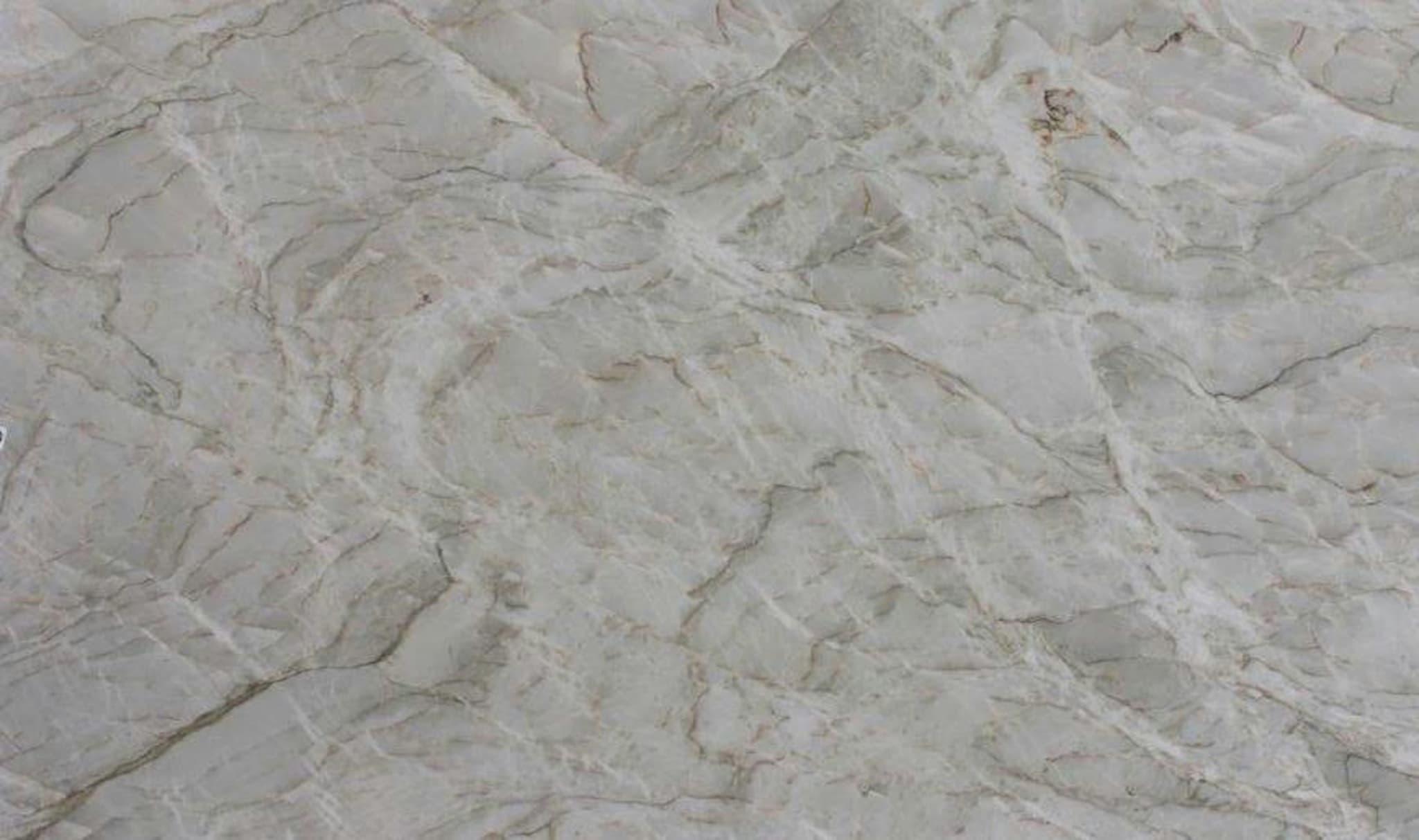
Taj Mahal leads when the design calls for warm, creamy tones. Macaubas-type quartzites serve a different purpose: cooler, more linear stones for projects that need visible movement and an architectural feel.
Common premium options you'll see from suppliers and can source through GoSource:
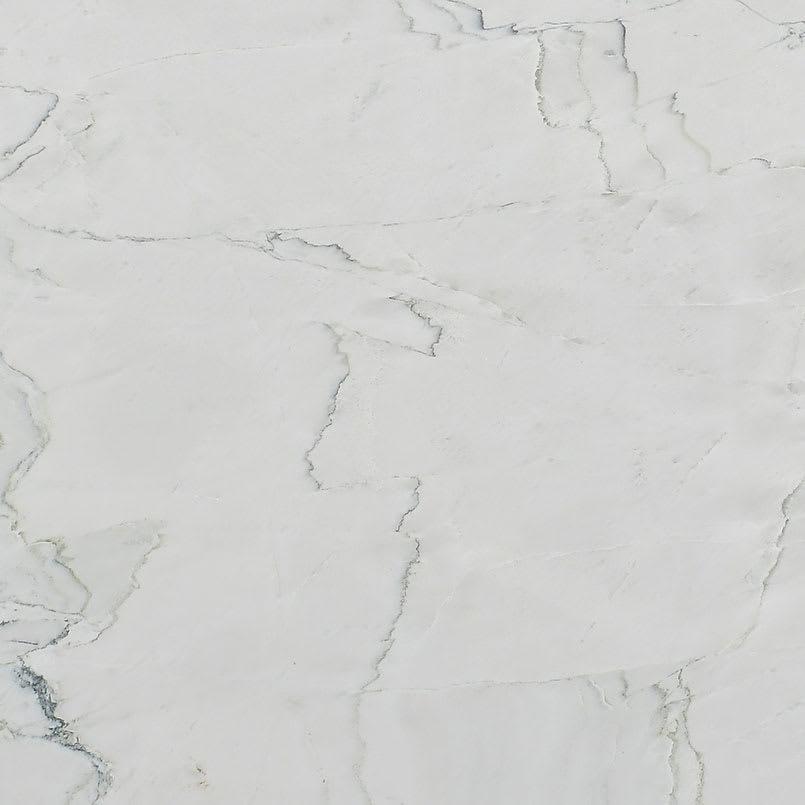
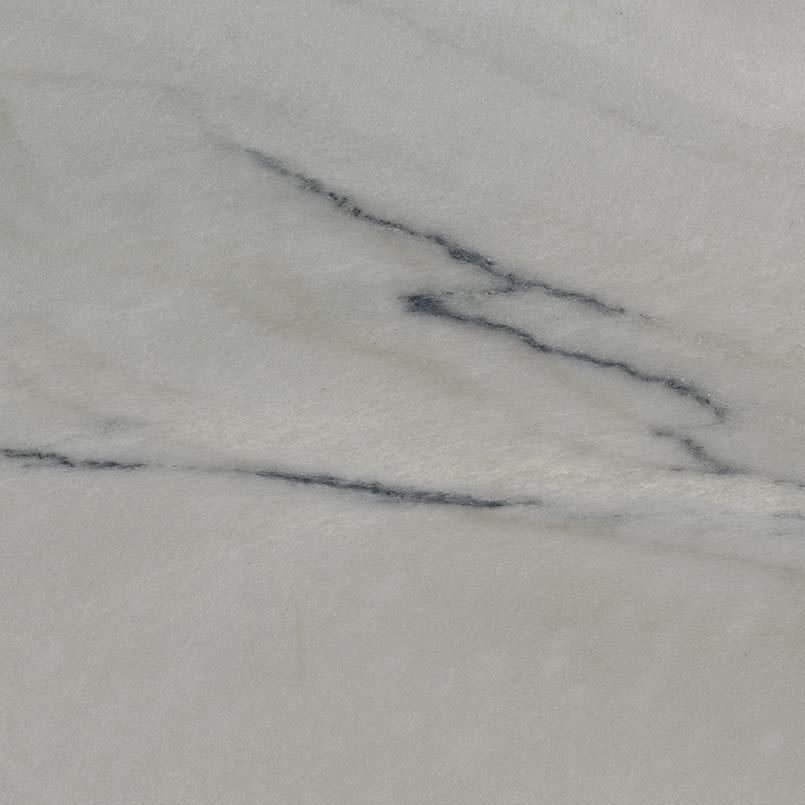
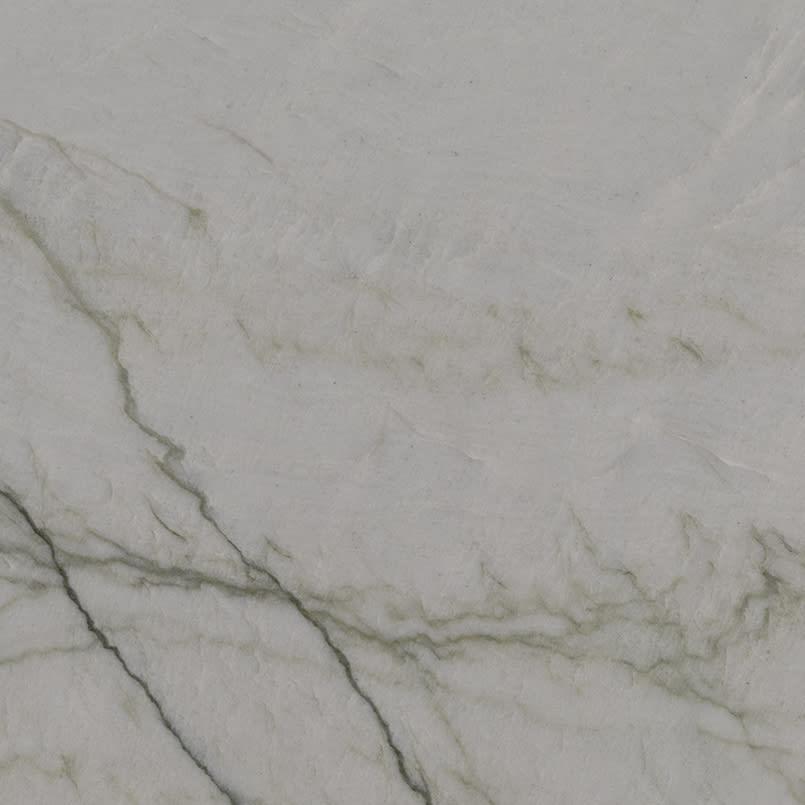
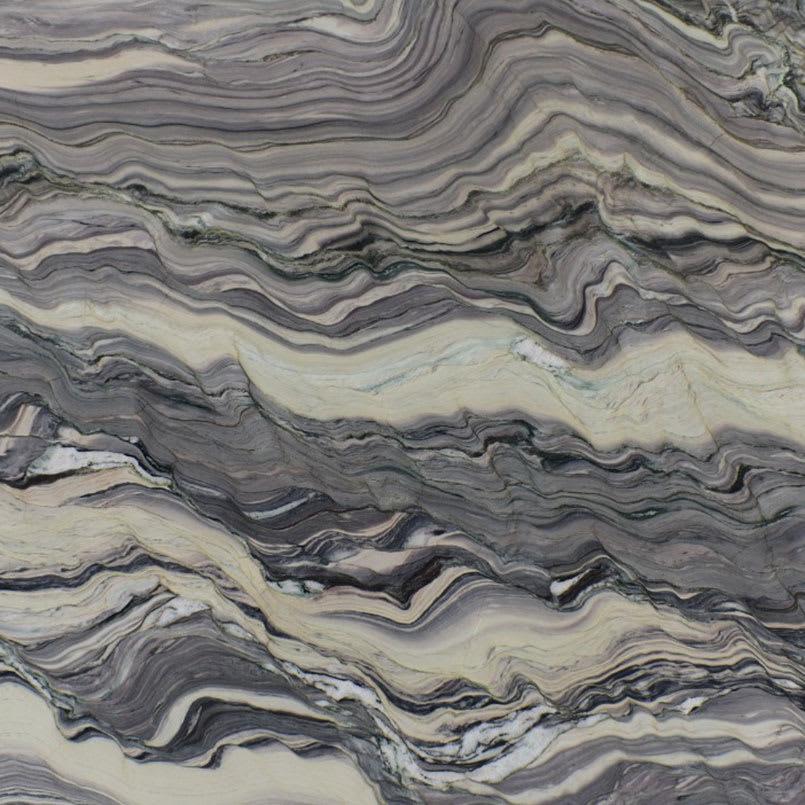
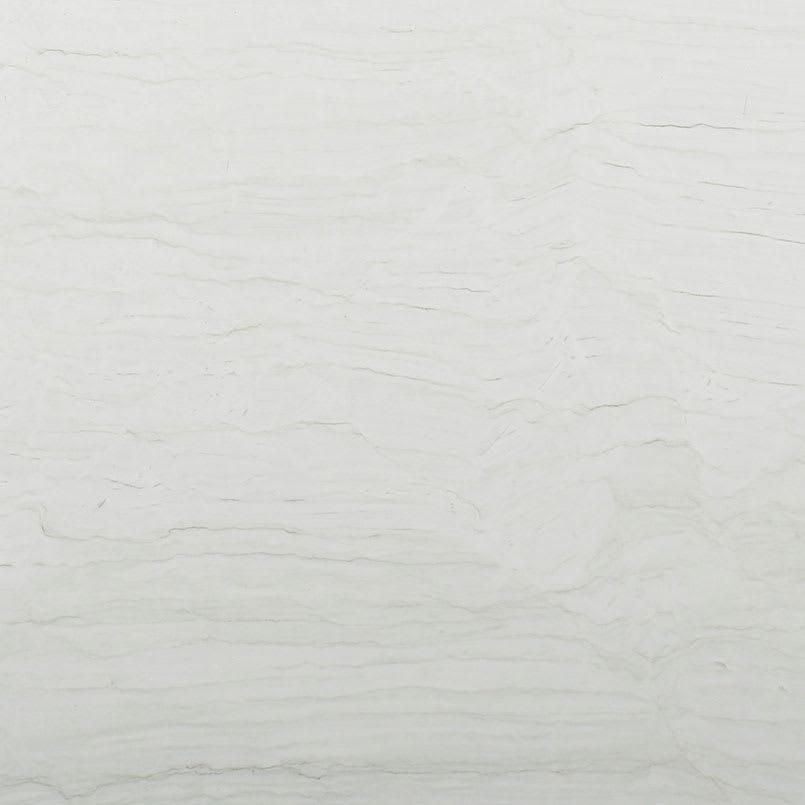
- White Macaubas-style quartzites: Cool white to light gray with horizontal, linear veining. Excellent for modern kitchens and long countertop runs.
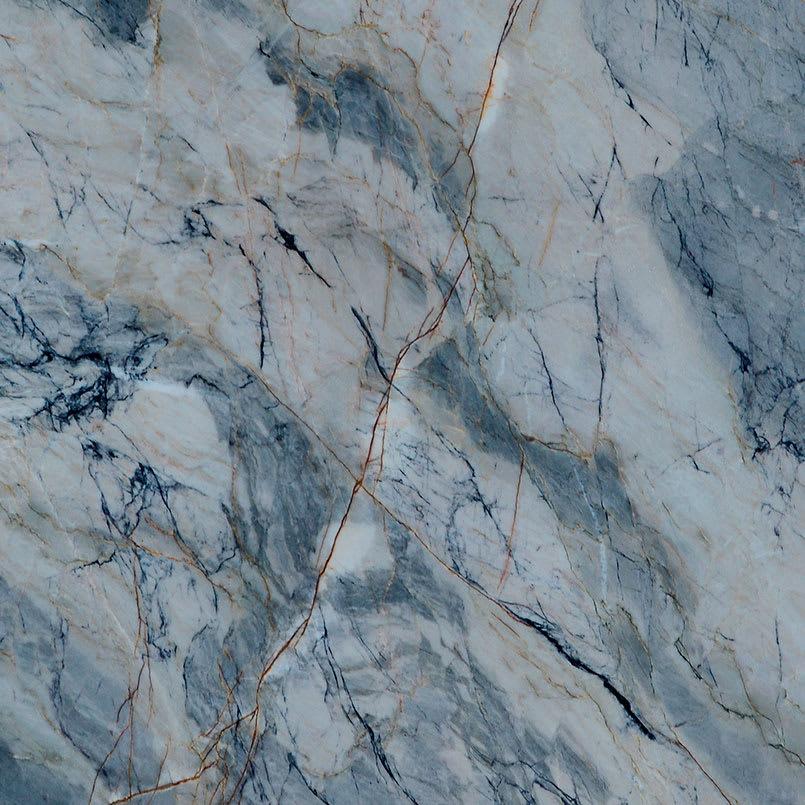
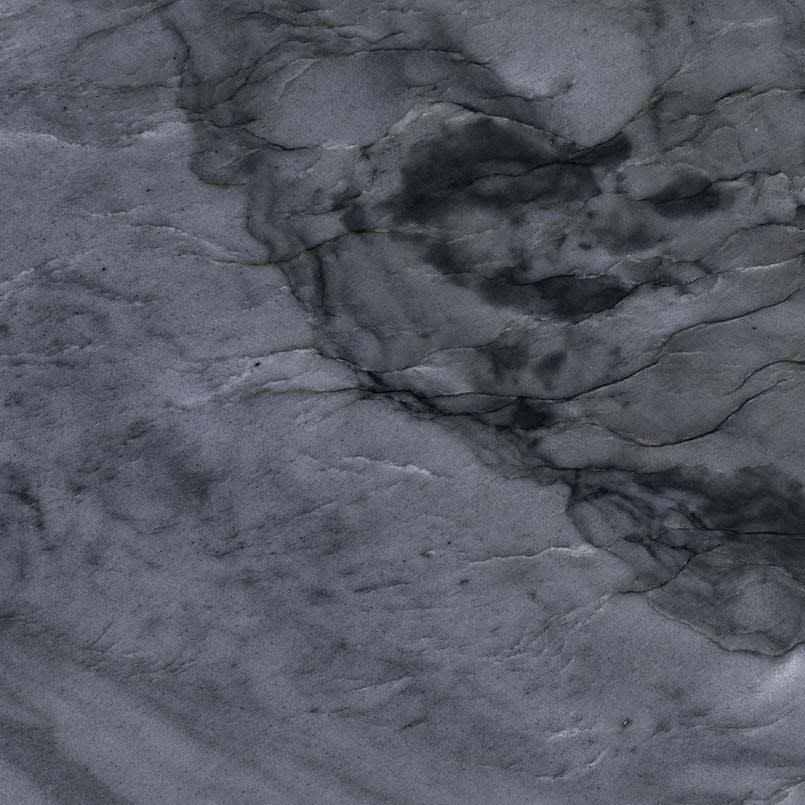
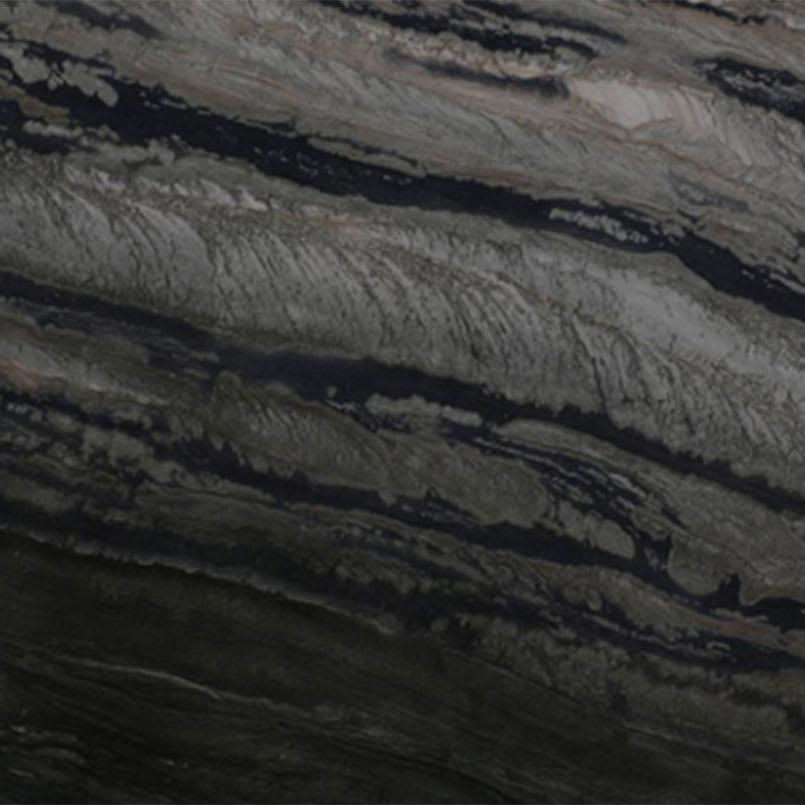
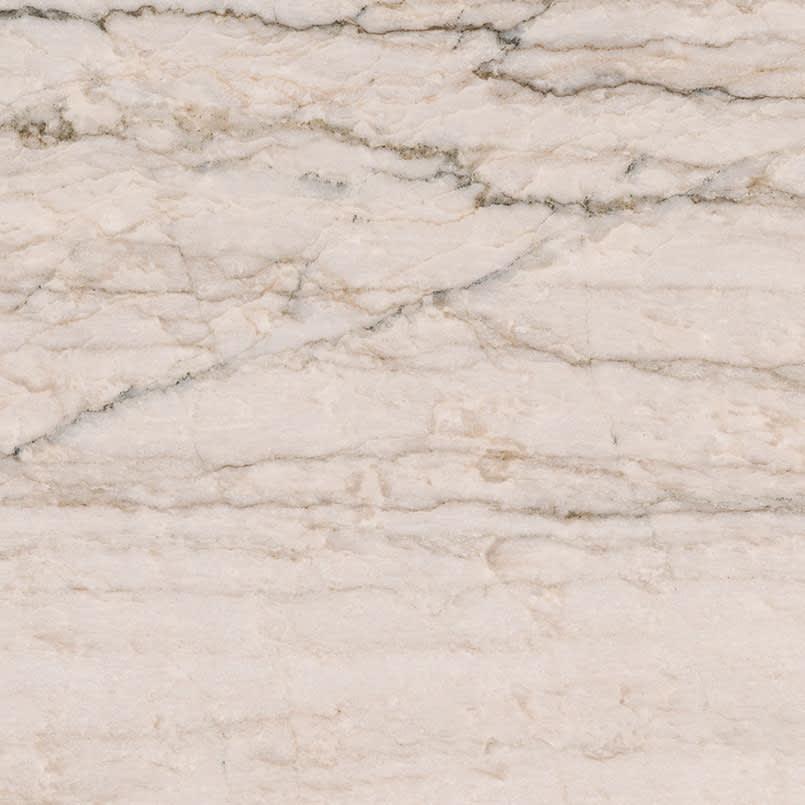
- "Macaubas family" stones: Variants that lean more gray, taupe, or blue, used where a client wants visible movement and a structured look.
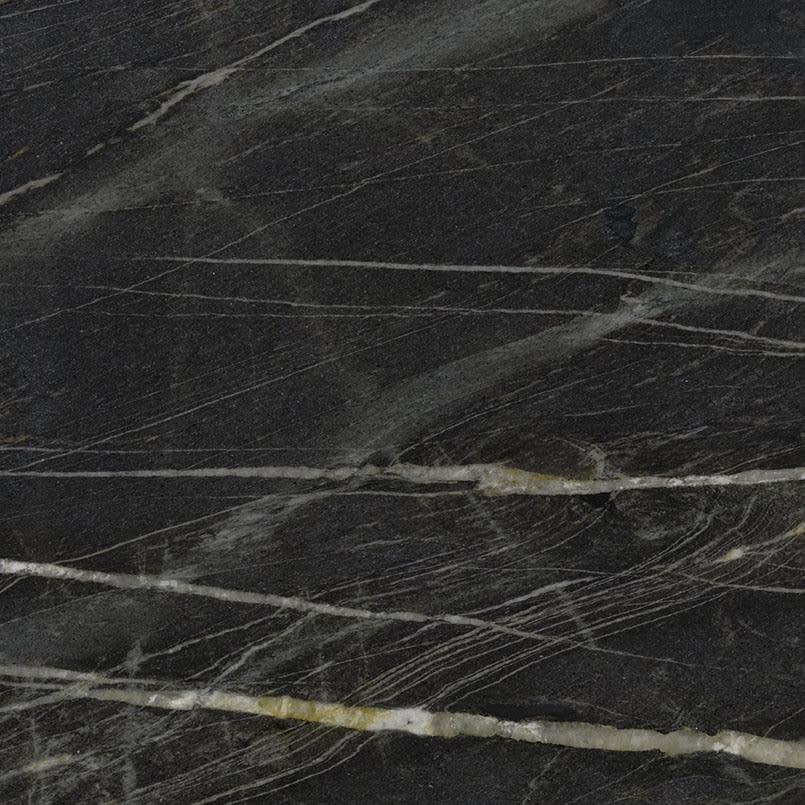
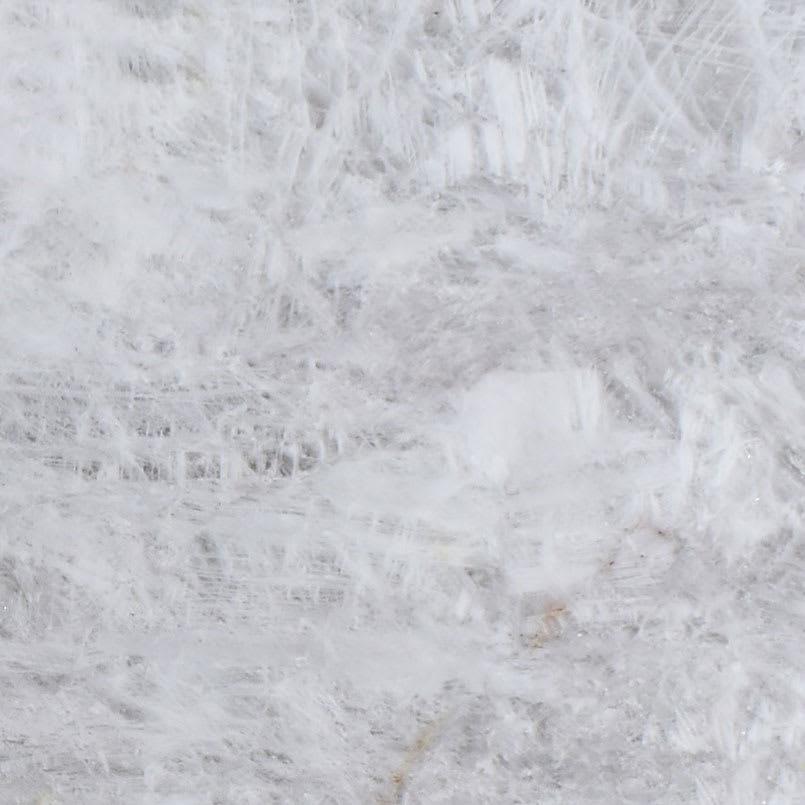
- Boutique or "super" quartzites: Super White, various Macaubas colors, and other named slabs that often become the visual anchor of a kitchen or lobby.
Quartzite pricing is wide. Classic whites can start around $60 per sq ft for material only, while named stones like Taj Mahal and Macaubas typically command premium slab pricing. GoSource lets you compare multiple quartzite SKUs on a single screen, so you can show clients exactly what an upgrade costs before locking in the spec. Browse available options in our GoSource premium slabs collection, then request quotes through your GoSource account manager.
Durability, Sealing, and Real-World Performance
From a trade perspective, quartzite's main selling point is that it performs like a hard-working stone in real life.
Durability basics
- Scratch resistance: True quartzite is harder than granite, so it shrugs off most daily wear that would visibly mark marble.
- Heat: It handles normal kitchen heat and hot pans better than many engineered surfaces, though you should still recommend trivets.
- Etching: Because it is mostly quartz, it is far less prone to etching from acids compared with marble, an important talking point for busy kitchens and hospitality projects.
Sealing expectations
- Quartzite countertops should be sealed. Hardness reduces how the surface scratches and etches, but does not eliminate porosity.
- Porosity varies by stone. Taj Mahal is typically easier to maintain, while some Macaubas-type quartzites can darken quickly without a sealer and may require more frequent applications.
- A quick "water test" on a sample or remnant (does water darken the stone quickly, or sit on top?) is still the best field check when you're finalizing a spec.
When sourcing through GoSource, you can build sealing and care recommendations directly into your specs, so the installer and client are both working from the same information established at the design stage.


Pricing Quartzite Countertops: What to Tell Clients
Quartzite sits firmly in the premium tier in most markets, but it covers a wide price range, from premium but accessible to genuinely luxurious, depending on stone variety and sourcing.
Installed cost ranges to use as talking points:
Many quartzite countertop projects land between about $80 and $220 per sq ft installed.
Taj Mahal, White Macaubas, and similar premium quartzites often lean toward the upper half of that range—$100–$150+ per sq ft installed for typical high-end work.
For an average 30–40 sq ft kitchen, upgrading from a mid-range quartz or granite to Taj Mahal quartzite can add several thousand dollars to the stone package.
How to use this in proposals:
For single-family and custom work, frame Taj Mahal or Macaubas as a premium, long-term upgrade that clients will see and touch every day.
In multi-unit or commercial projects, consider quartzite as a targeted upgrade: islands, lobbies, bars, or feature walls where the stone carries the room and justifies the spend.
Because GoSource aggregates quartzite, quartz, granite, and marble in one place, you can build side-by-side quotes that show exactly how a quartzite upgrade changes the budget. Pull candidate slabs from our Slabs collection, then have your GoSource account manager help you sharpen pricing.
When to Recommend Quartzite
For experienced fabricators and designers, the recommendation stays simple:
- Choose Taj Mahal quartzite when you want warm, marble-like elegance with real stone character and better durability than marble in a working kitchen.
- Choose Macaubas-style and other premium quartzites when the design calls for linear movement, cooler tones, or dramatic veining that can carry a whole space.
- Choose engineered quartz when consistency, budget control, and minimal maintenance matter more than uniqueness, especially across many identical units.
- Choose marble only when the client understands patina, accepts etching and staining as part of the look, and the space sees light to moderate daily use.
When you're ready to spec this look, log in to GoSource to view live slab inventory, lock in wholesale pricing, and put GoCash and GoClub to work on your next install.