
If you make a living fabricating and installing stone, the job does not end when a client signs off on new countertops, a fireplace surround, or a feature wall. It only ends successfully when the slabs arrive on time, the details line up in the field, and you don’t get calls a few weeks later about something that went wrong.
Why Big‑Box Taj Mahal Jobs Hurt Your Margins
Big‑box Taj Mahal projects can get expensive fast. On paper, they promise a one‑click solution with premium quartzite priced at $100 to $150 per square foot. In practice, they shift risk, coordination, and warranty exposure onto the fabricators, designers, and contractors who are already juggling tight schedules and thin margins.
At GoSource, most of our Taj Mahal orders do not come from impulse buyers on a Saturday morning. They come from pros who are on their second, fifth, or twentieth project with us and who care more about predictable outcomes than splashy marketing. They are loyal not because we are the cheapest line item, but because they can call a real person, get precise slab specifications and delivery details. They also know that the material, pricing, and support will hold up across the entire job.
This guide reveals how big‑box sourcing quietly erodes profitability on a Taj Mahal project, and how a trade‑first pipeline for slabs, pricing, and support gives you back control over margins and the client experience.


Durability and Performance on Real Jobs
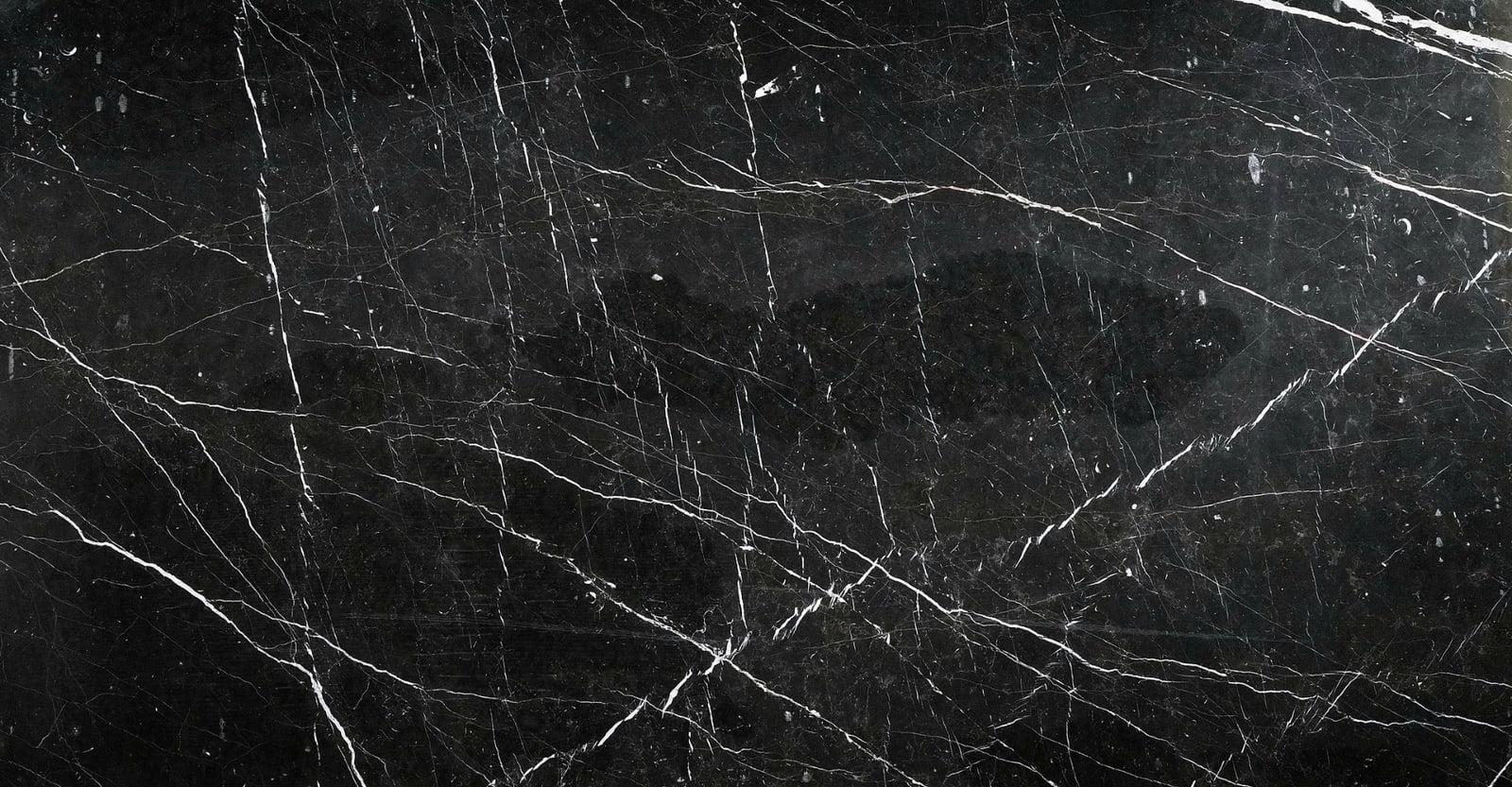
When comparing Calacatta quartz and Calacatta marble from a durability standpoint, the differences are significant. Calacatta quartz is non-porous, which means it resists liquid absorption and everyday staining without the need for sealing. It’s highly scratch-resistant for typical residential use and holds up well to daily wear. Quartz also resists etching, so its finish stays consistent even when exposed to common kitchen substances like citrus, vinegar, or household cleaners. In contrast, Calacatta marble is naturally porous and can absorb liquids if it isn’t properly sealed, making it more vulnerable to stains from oil, wine, coffee, and spices. Marble is softer than quartz, so it’s more prone to scratching and surface wear over time, and it etches easily when exposed to acidic foods or cleaners. Unlike quartz, marble requires regular professional sealing to maintain its appearance and protect the surface.
For trade professionals, this means quartz dramatically reduces the risk of callbacks for stains and etching. This risk is especially prevalent in white/Calacatta-look installations that show every flaw. Marble still makes sense when patina and “lived-in” character are selling points, and the client accepts maintenance and wear as part of the aesthetic.
Why Taj Mahal Is So Hot Right Now
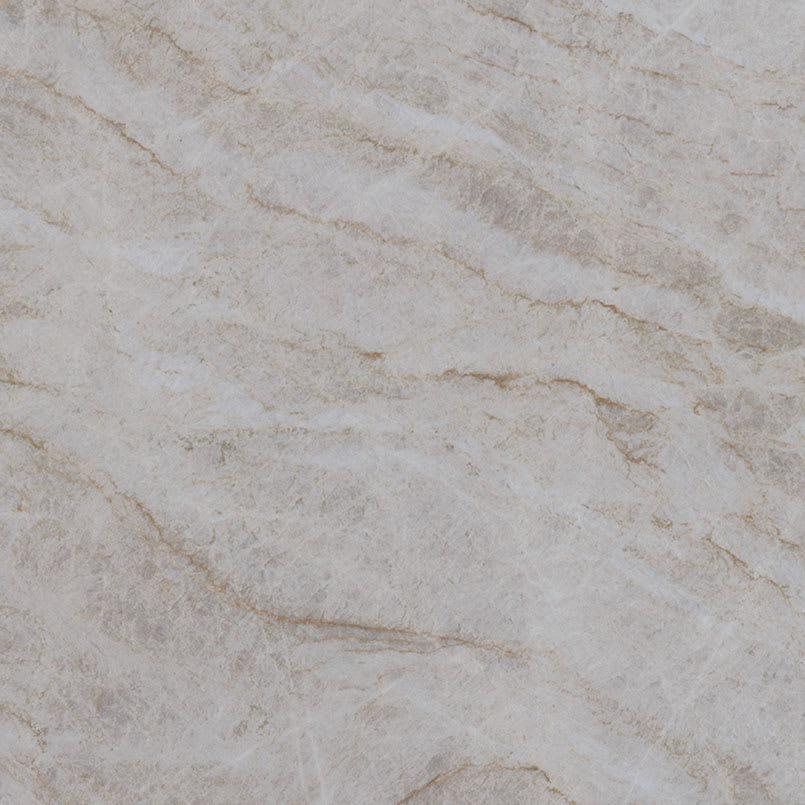
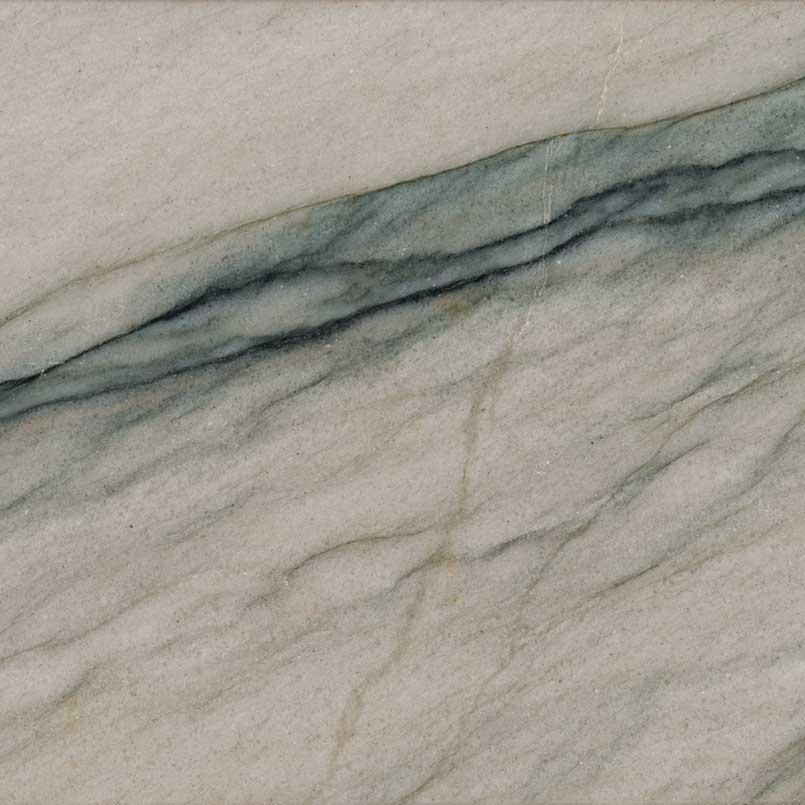
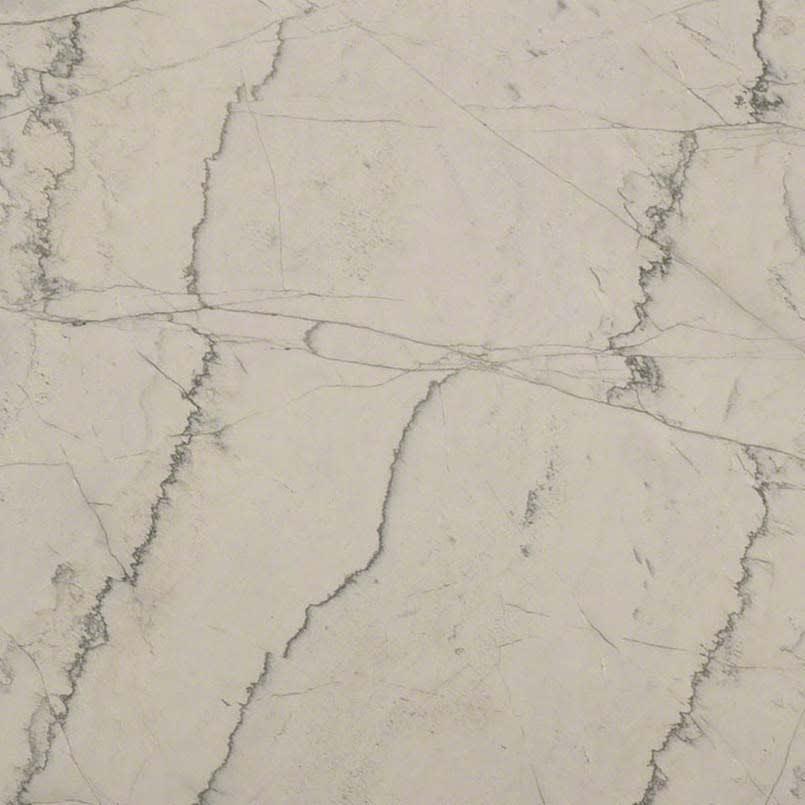
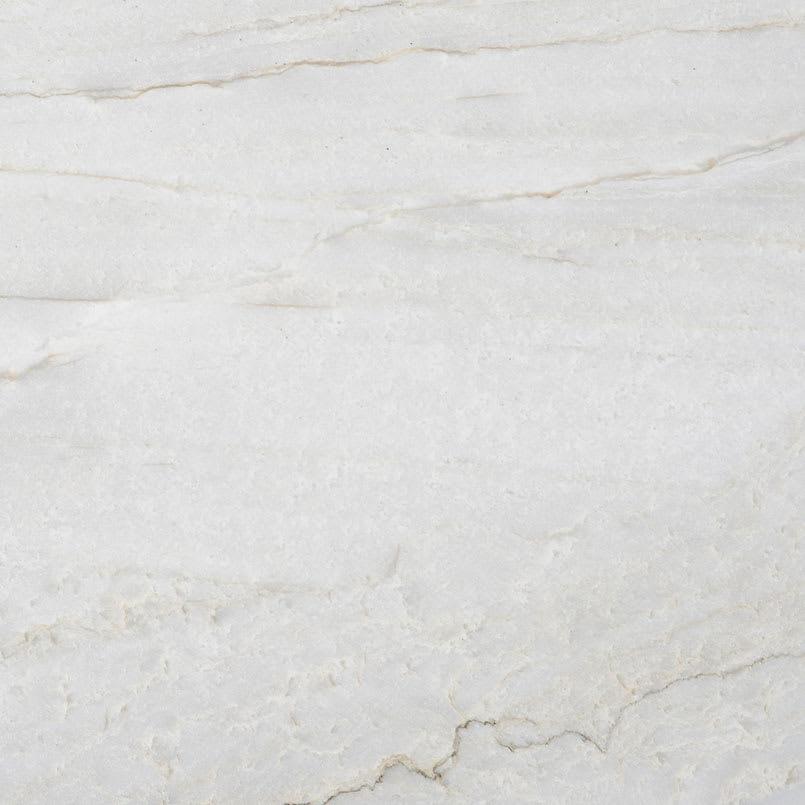
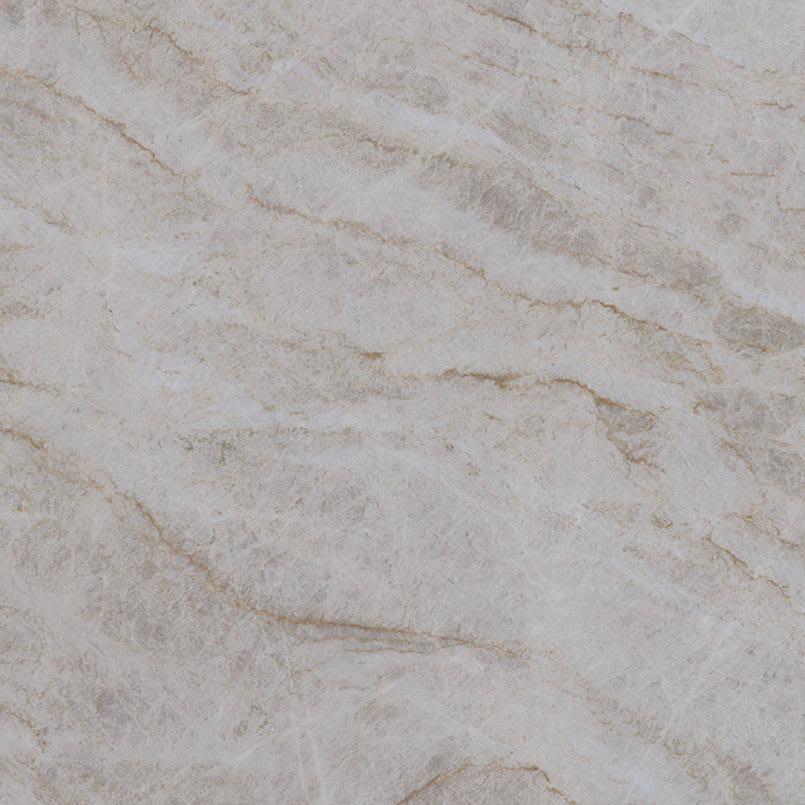
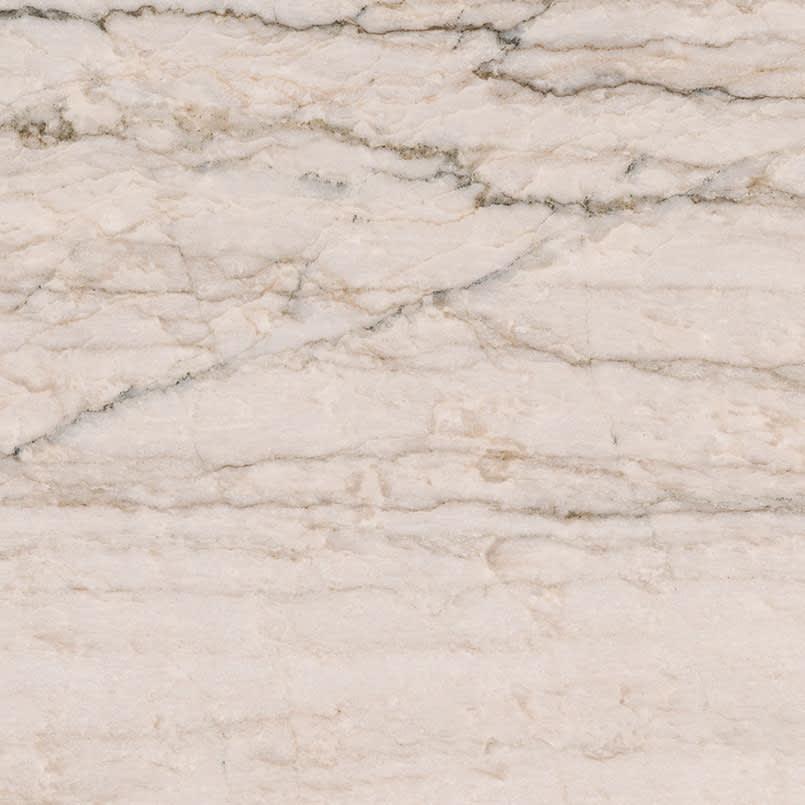
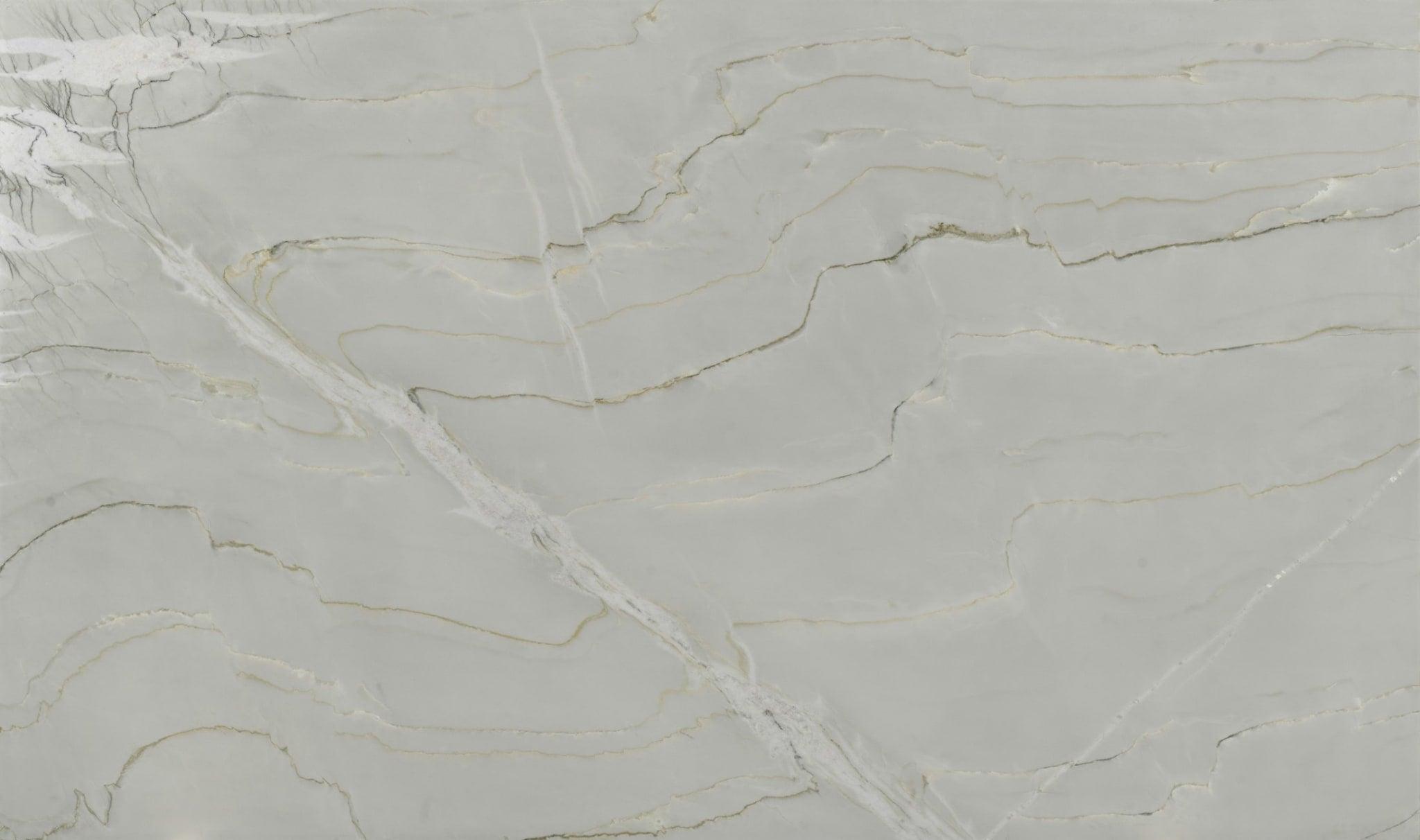
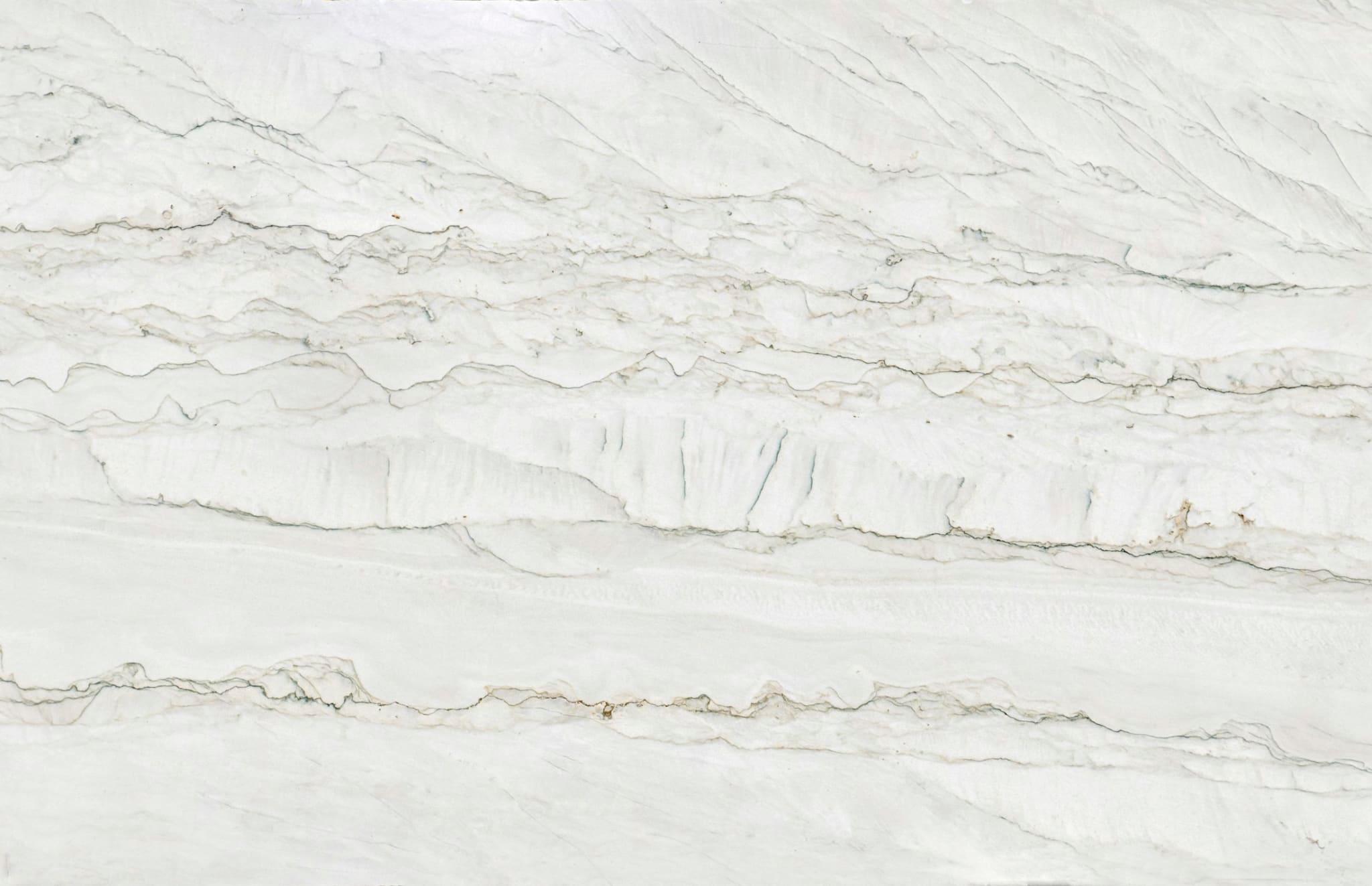
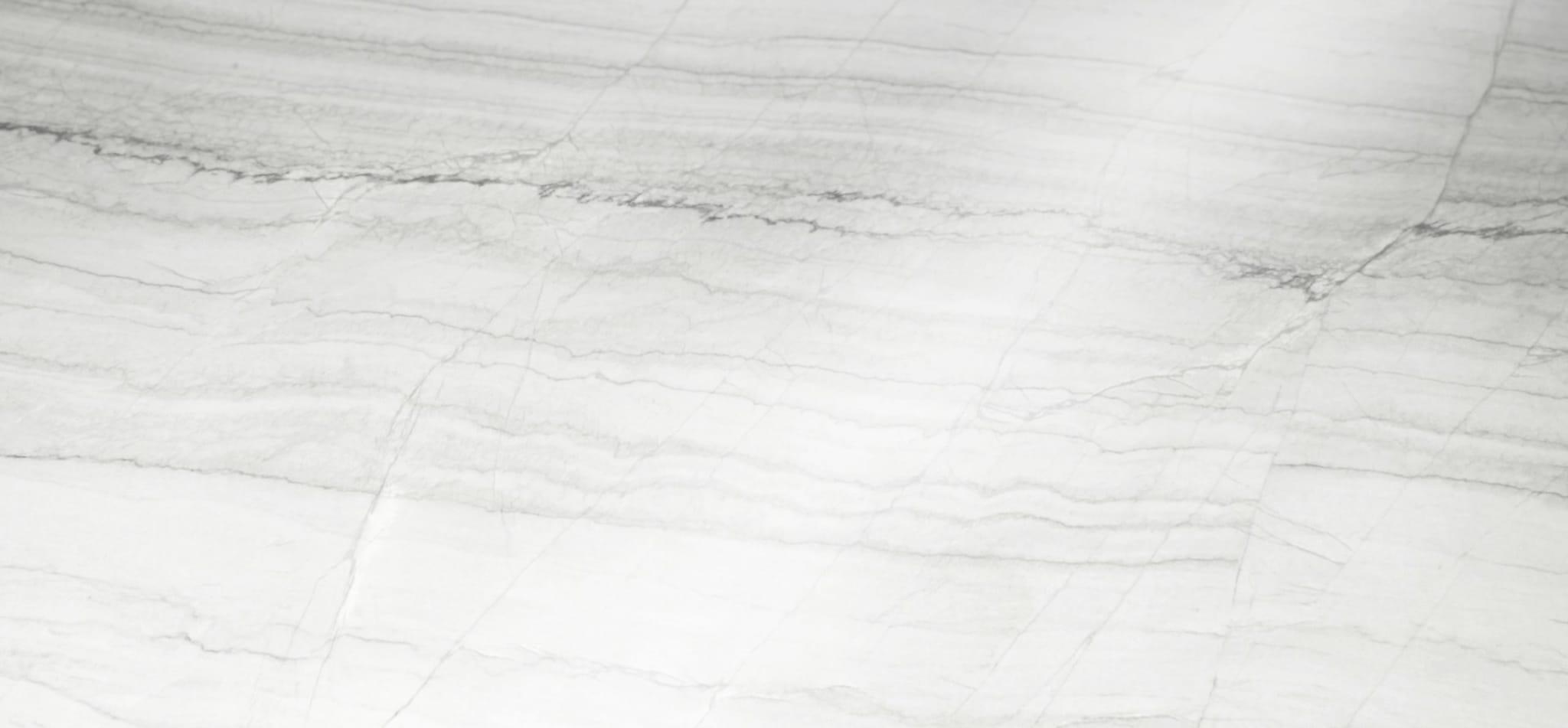
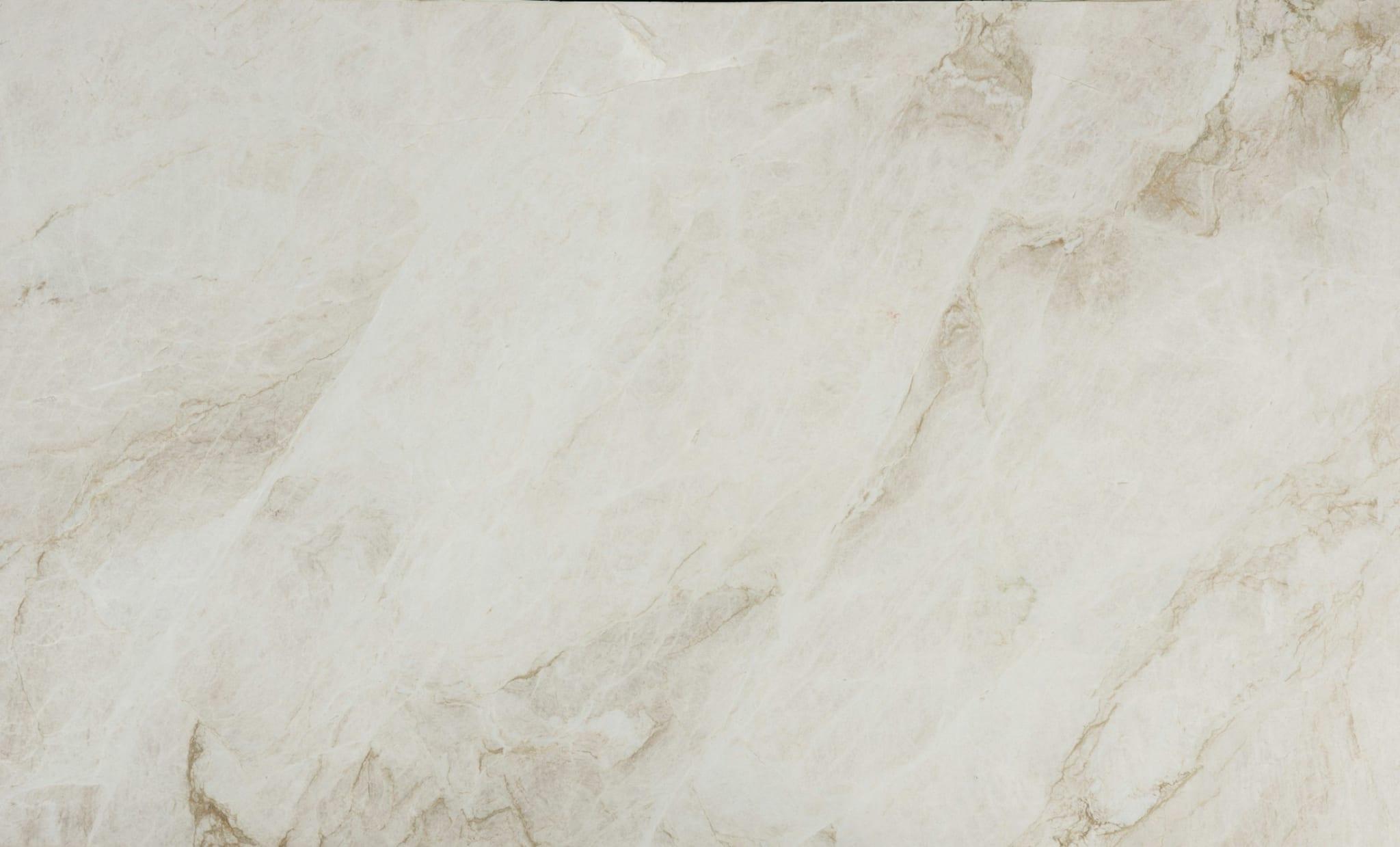
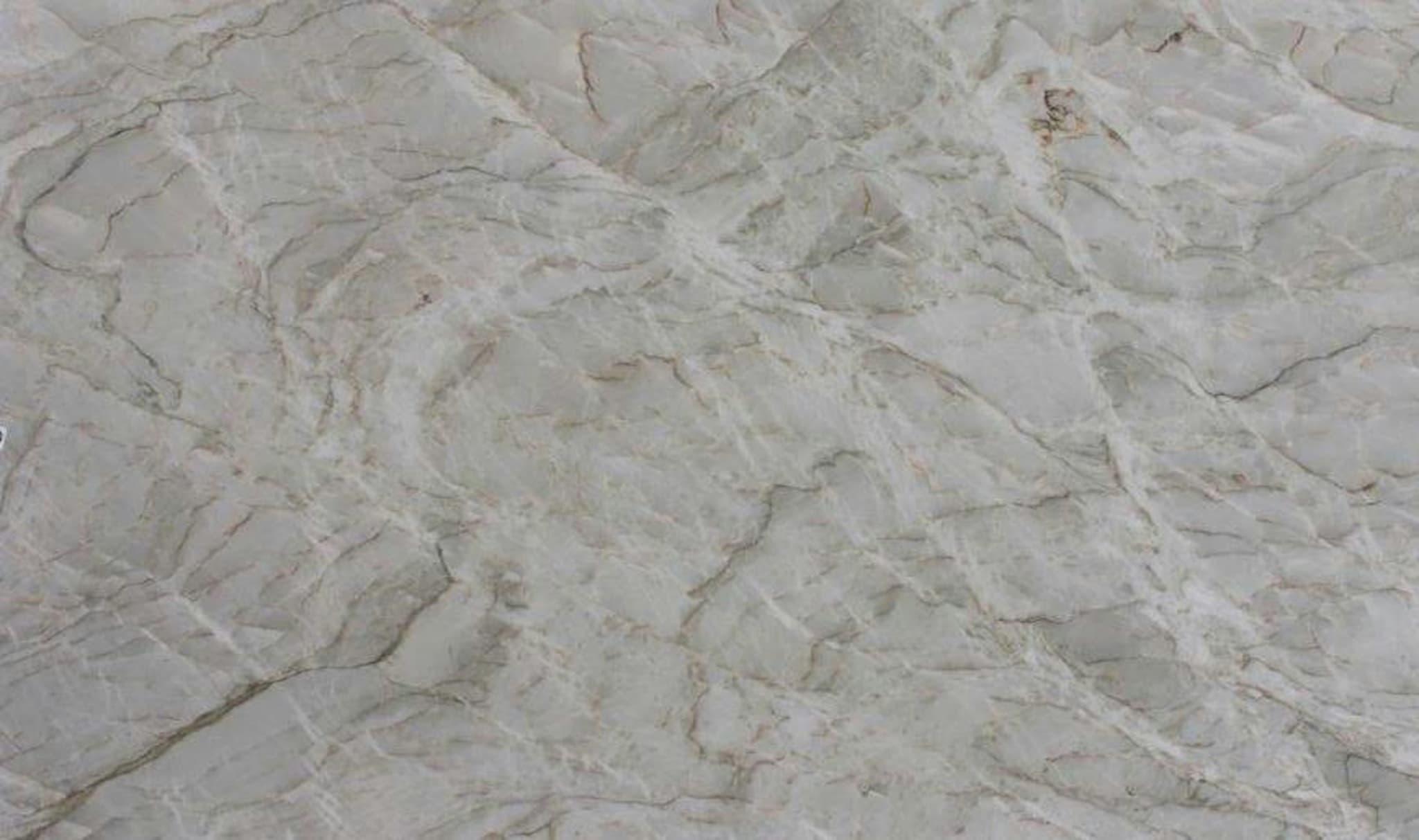
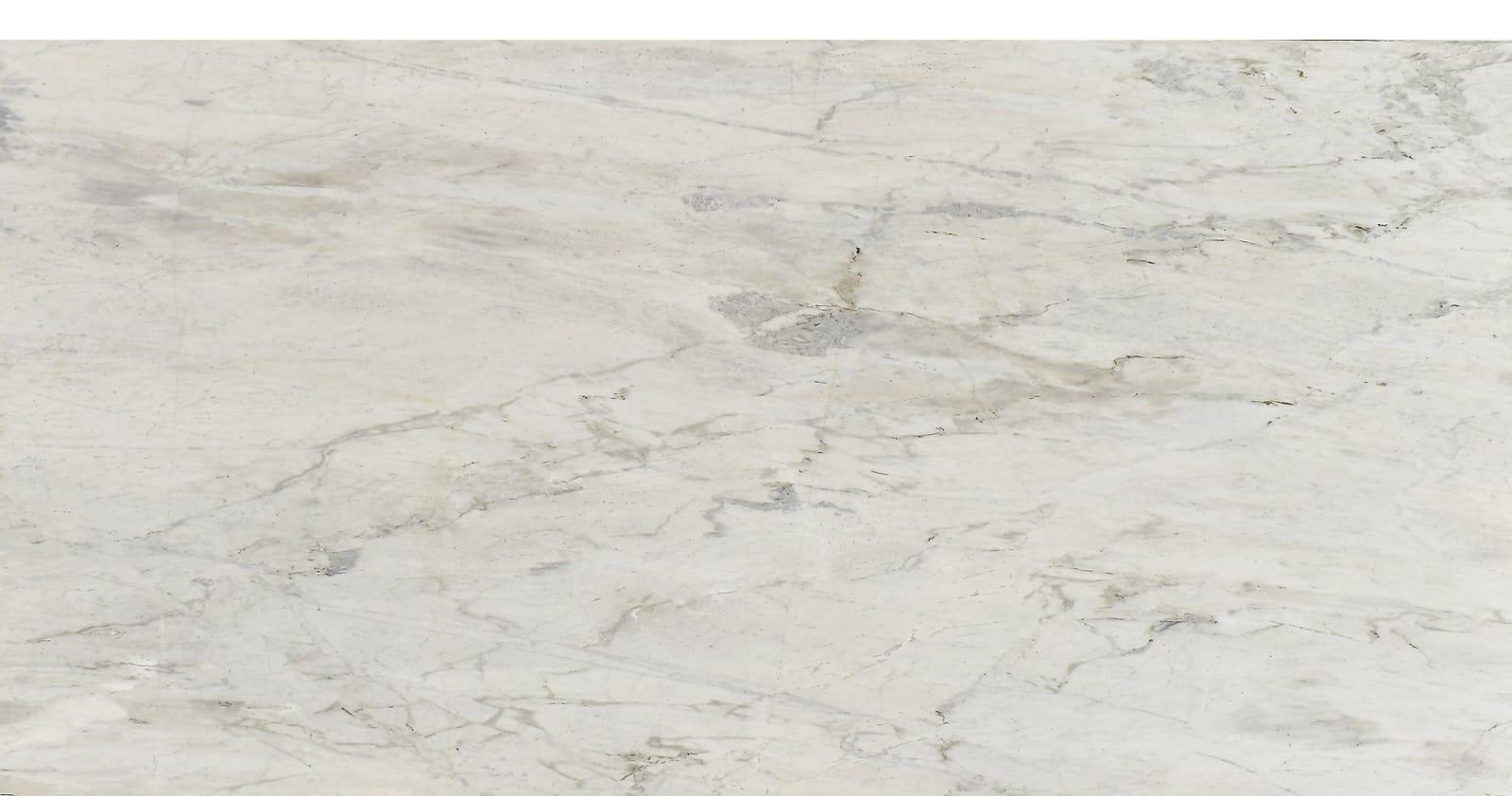
There is a reason clients keep asking for Taj by name. It is a natural quartzite, quarried in Brazil, with a warm ivory‑to‑beige background and soft gold or grey veining, giving you a high‑end marble look with far better durability. Designers like that it pairs well with almost any cabinet color, from warm woods and creams to soft beiges and light grays, without making the room feel cold or clinical.
From a performance standpoint, Taj Mahal quartzite is hard (around 7 on the Mohs scale), highly scratch‑resistant, and impressively heat‑tolerant compared with many engineered materials. When homeowners use trivets and cutting boards as directed, they hold up exceedingly well in busy kitchens and other high‑traffic areas.
That is why the installed Taj Mahal pricing in the 100-150 dollars per square foot range has become “normal.” It is positioned as a premium surface that looks like marble and performs like a workhorse. The problem is not the price point. The problem is how much of that number quietly disappears from your margin when the job runs through a big‑box retailer.


The Big‑Box Trap: Where Your Margin Disappears
On paper, big‑box quotes look tidy: a single number that covers “material and install.” In reality, the way these packages are structured forces risk and complexity onto the fabricator and installer. That is where you’ll find the hidden costs.
- Slab Quality and Selection Risk
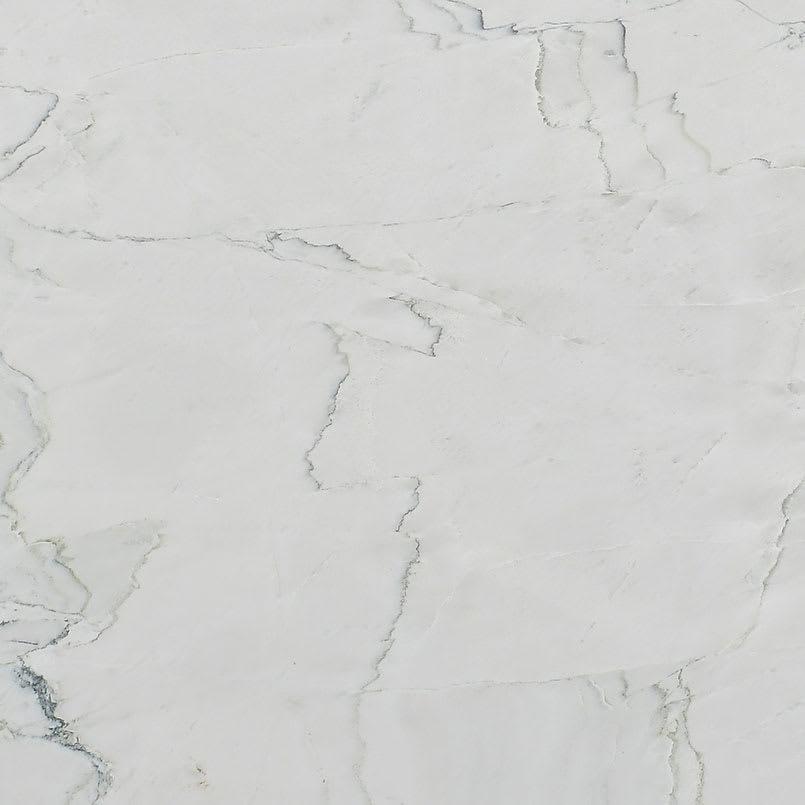
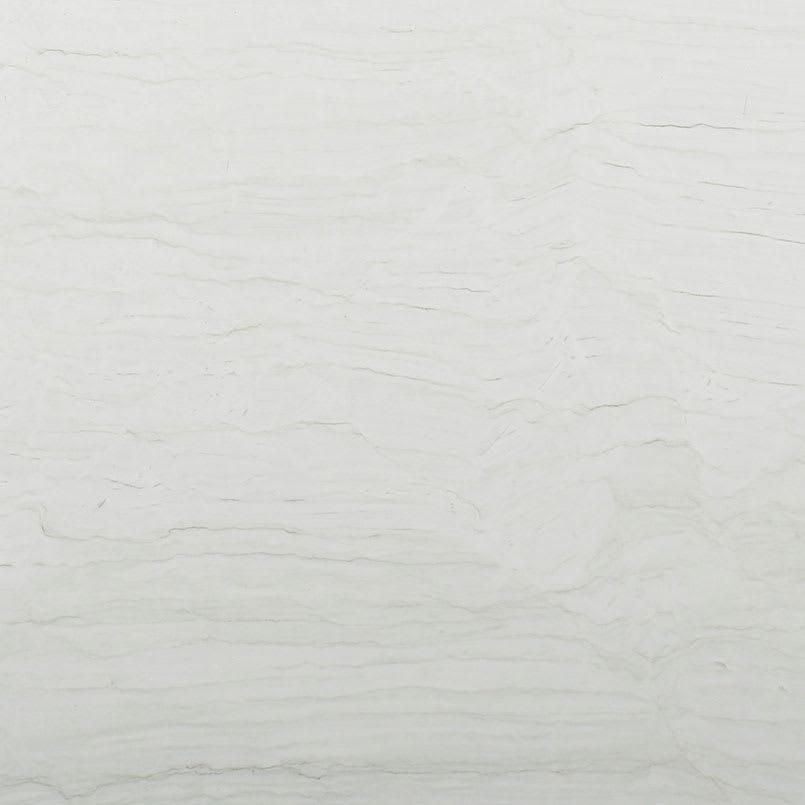
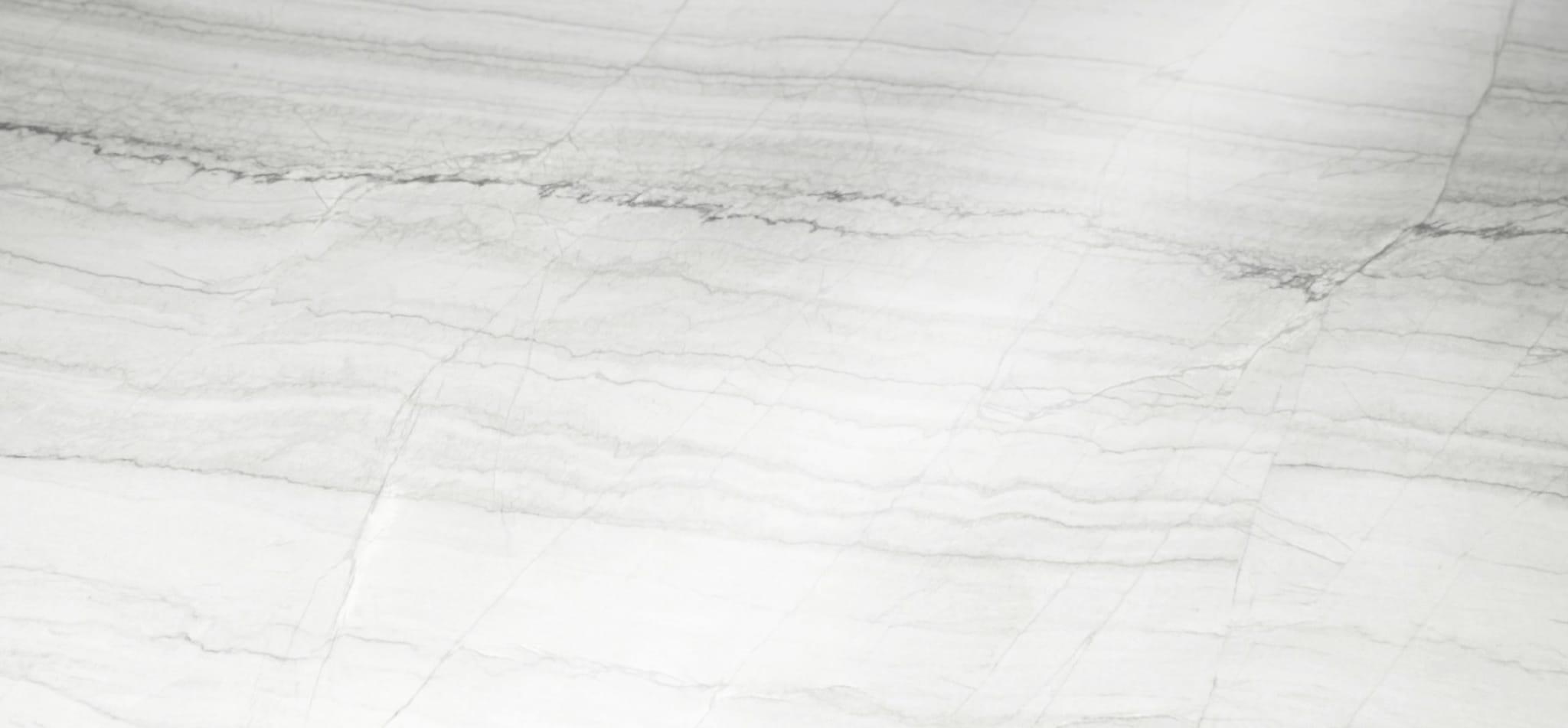
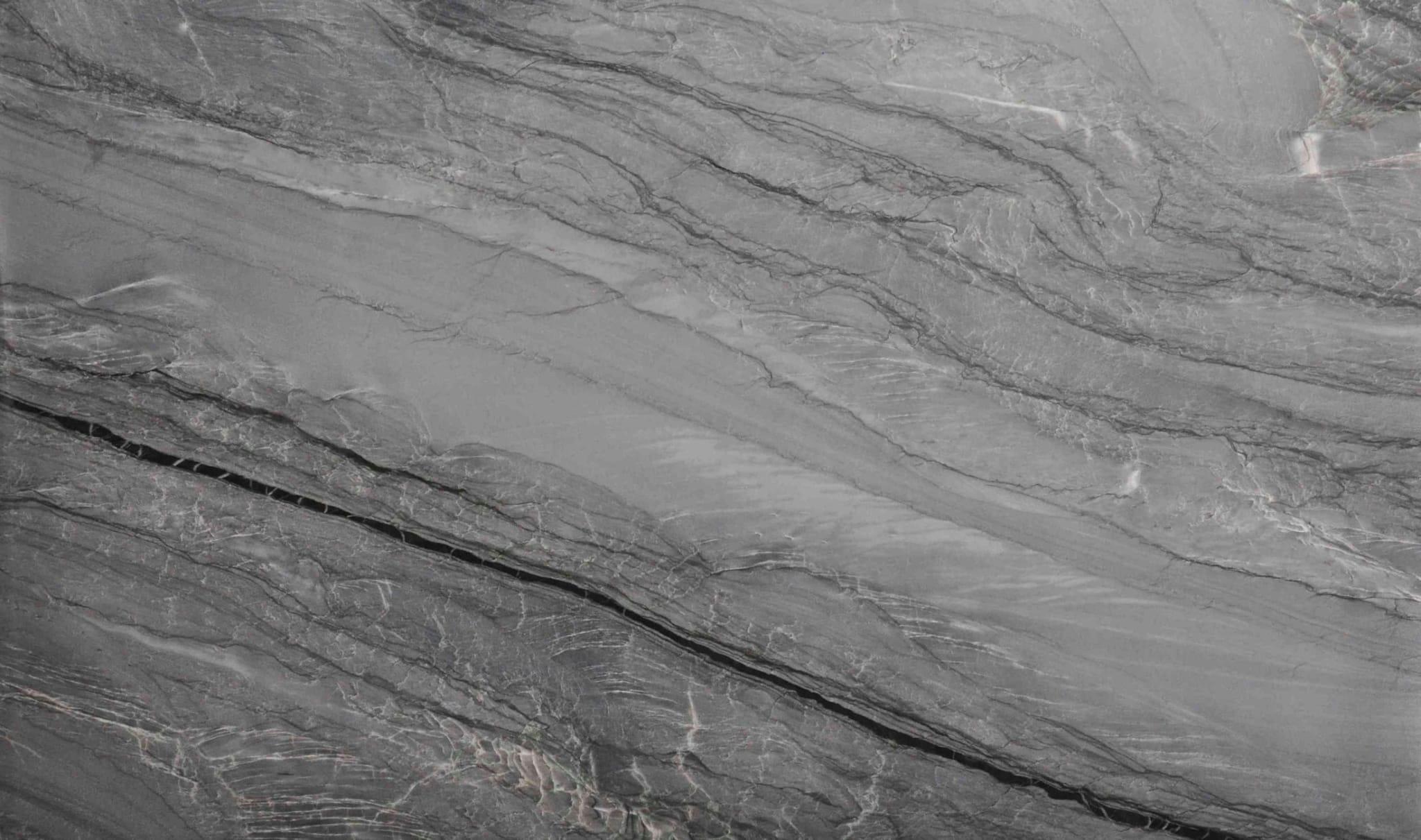
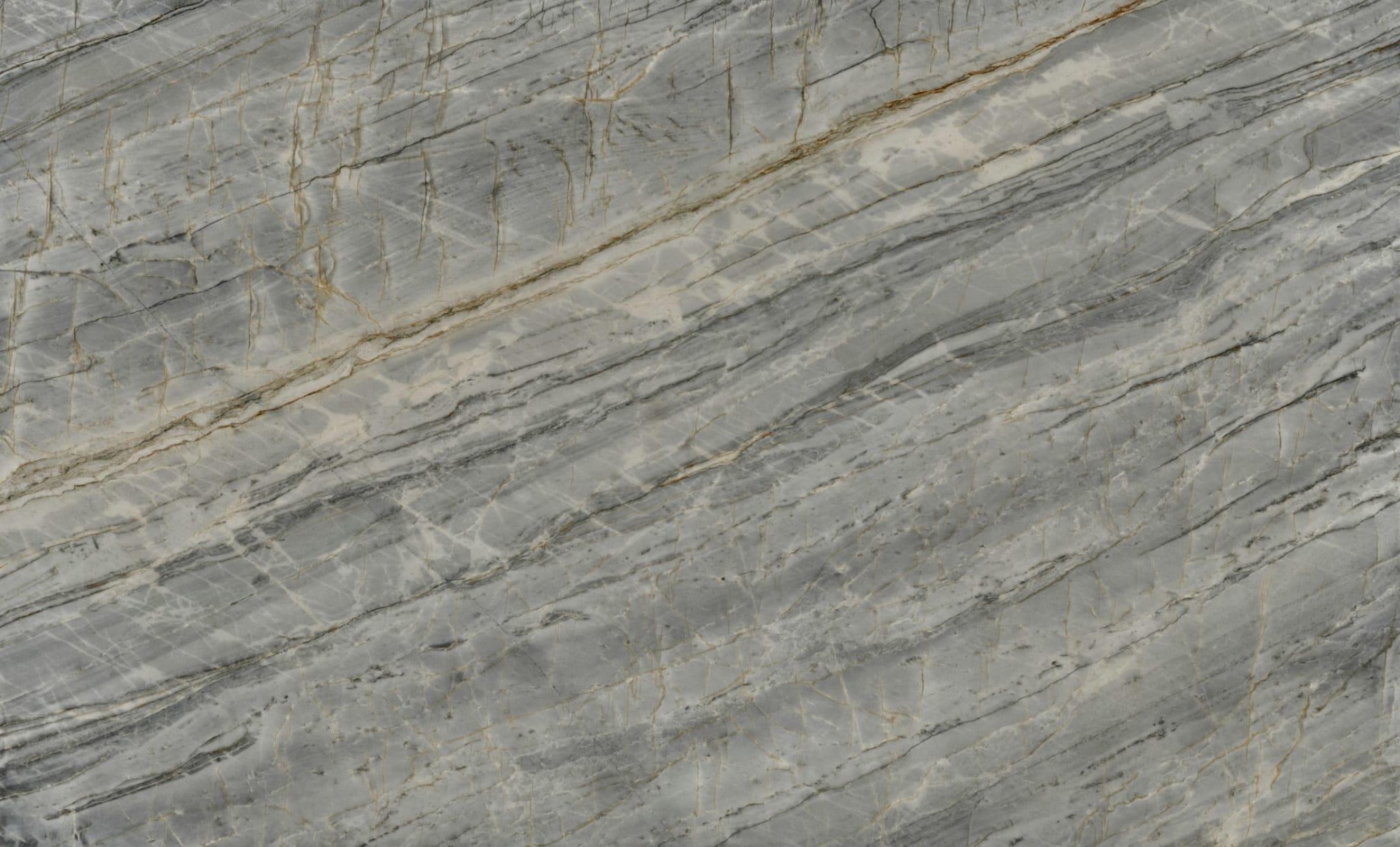
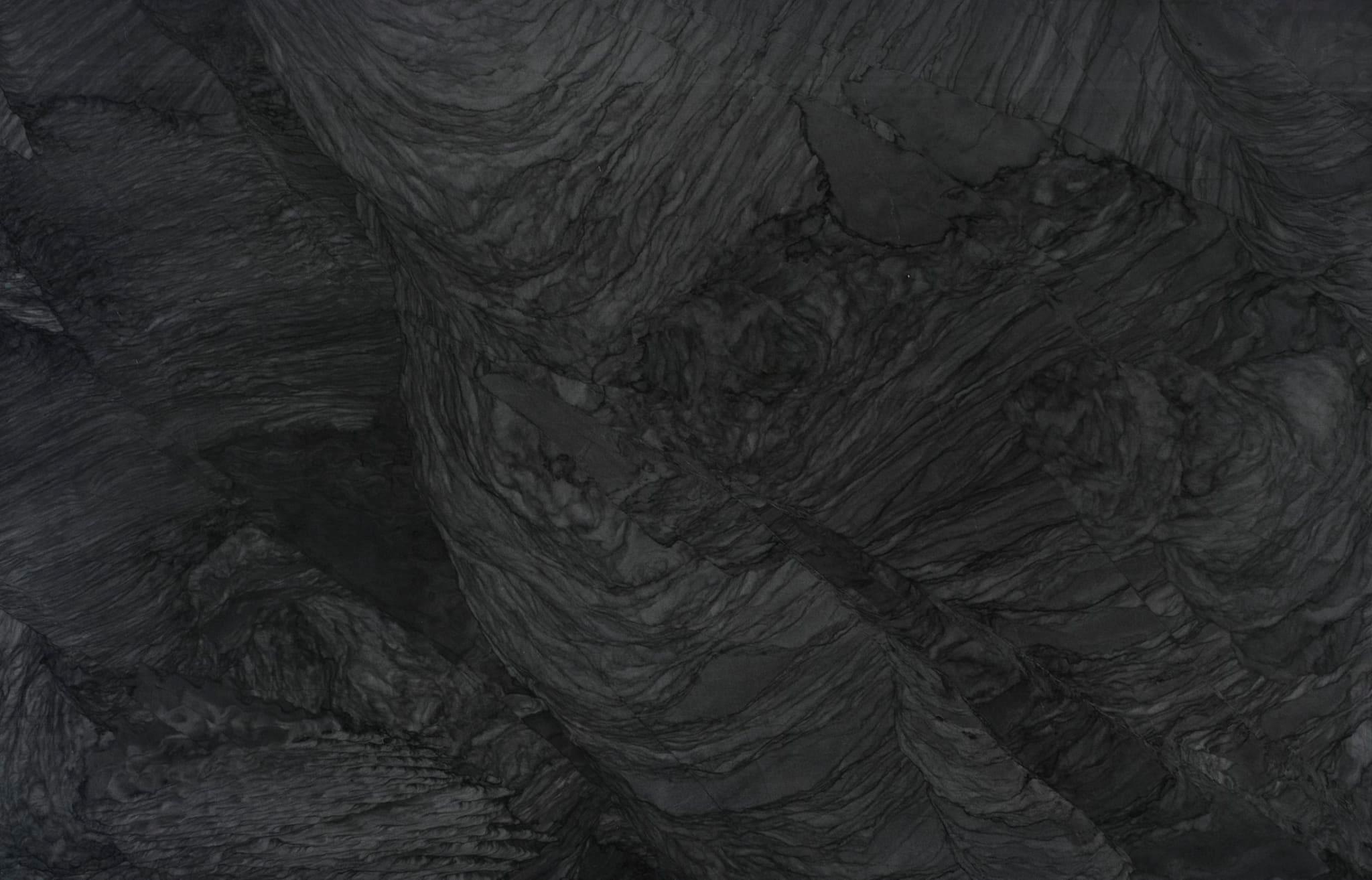
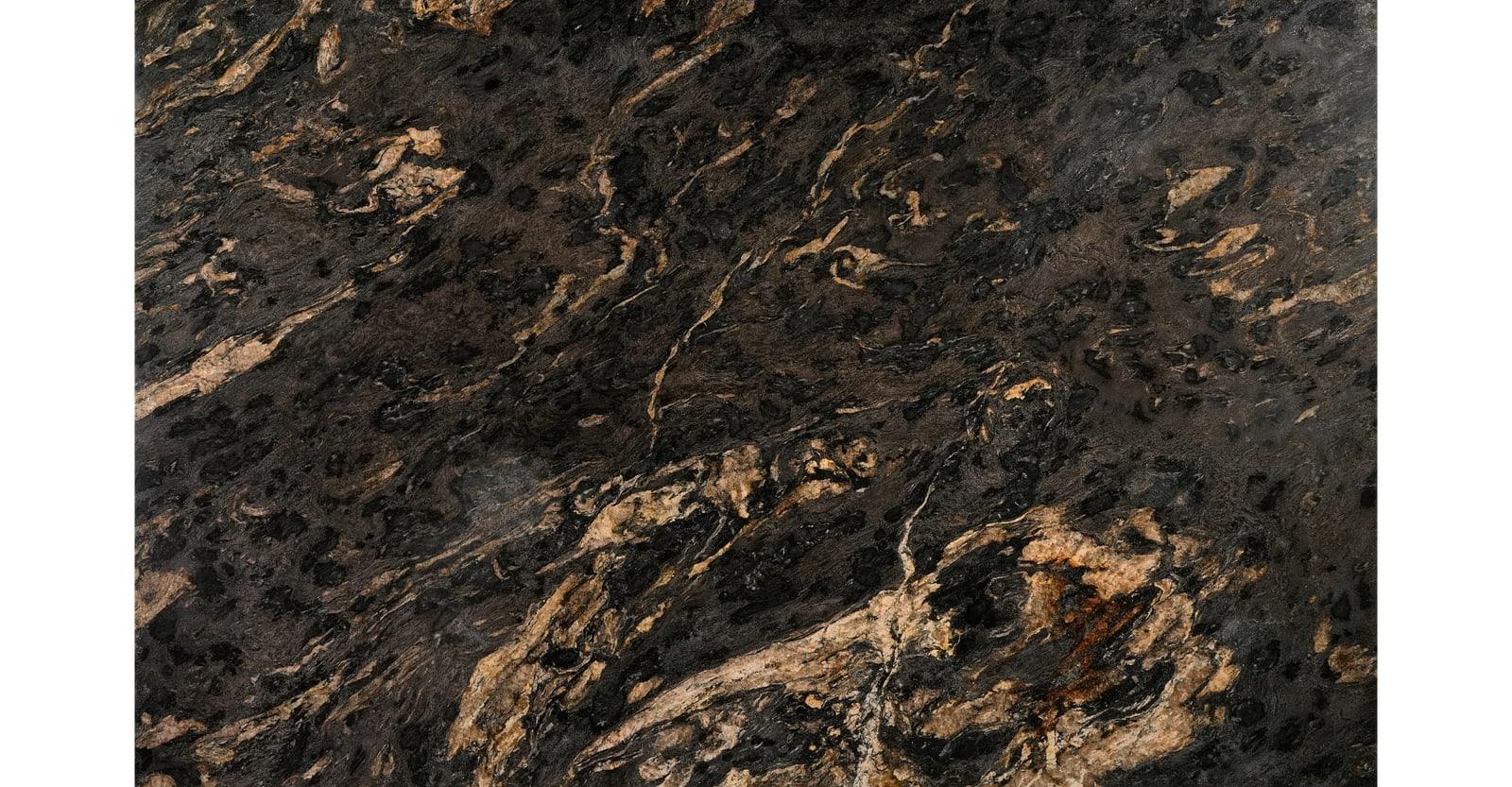
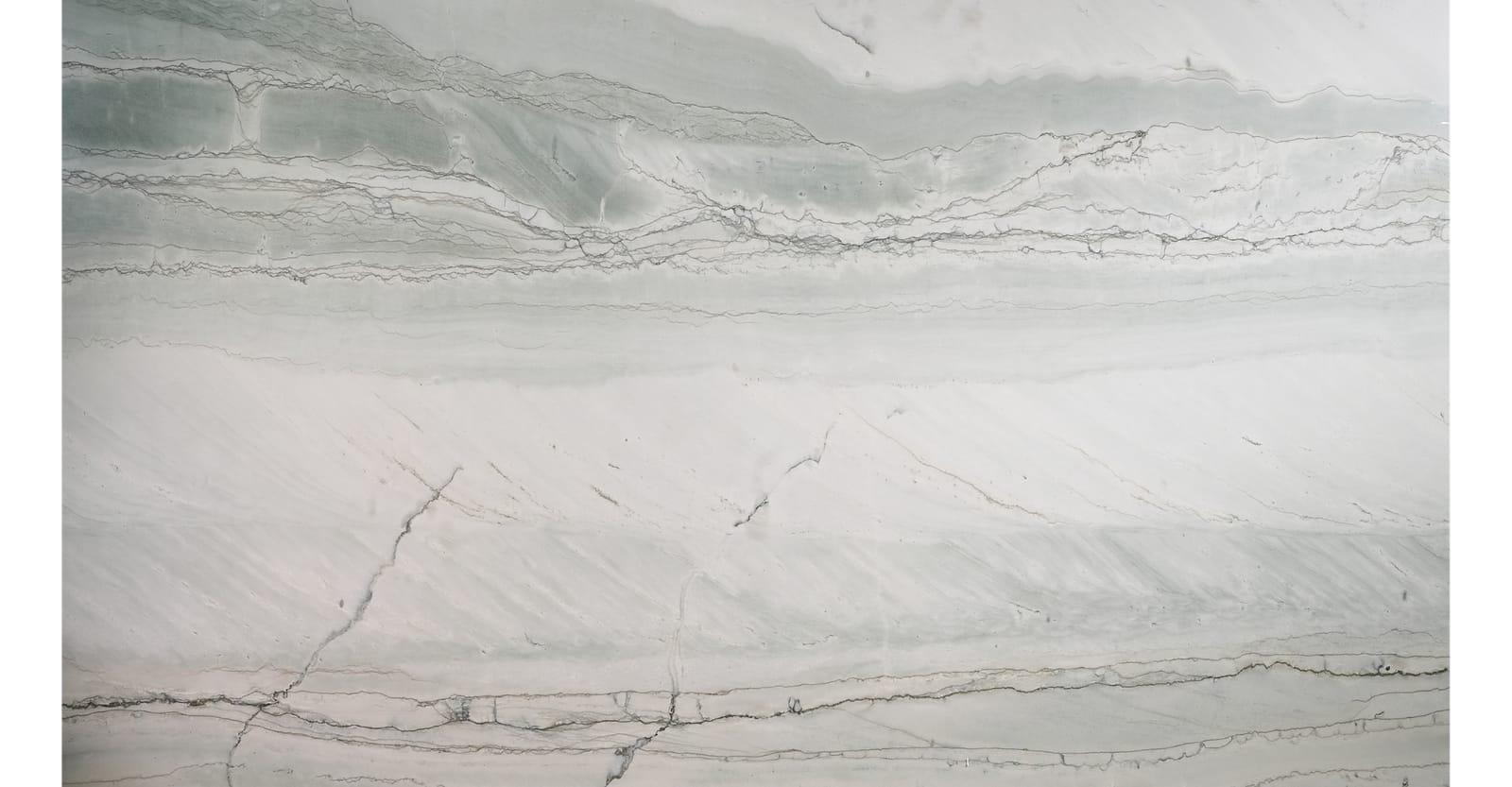
Taj Mahal demand has exploded, and quarry and export pressures mean slab quality is far from consistent. The best bundles show depth, balanced veining, and a stable background; weaker lots have cloudy patches, dead zones, or awkward banding that are hard to design around.
Inside a big‑box workflow, you usually get whatever bundle helps clear inventory, not the specific lots you would choose for an island run or a long L‑shaped perimeter. Pushing back on a structurally weak or visually poor slab turns into a ticket and a delay, not a quick conversation. Every round of re‑selection, re‑templating, and client expectation‑management means time you will not get paid for.
- Unrealistic Pricing for Complex Work
The Taj Mahal jobs your clients want are the hardest ones to build. Think waterfall islands with a thick mitered edge, full‑height backsplashes, and carefully vein‑matched range walls. Big‑box pricing engines are not built for that level of work. They are focused on simplified line items, not the real cost of vein matching across slabs, crafting thick edges, or holding tight tolerances around appliances and panels.
Big‑box pricing engines are not built for that level of work. They are built around simplified line items, not the real cost of vein matching across slabs, crafting thick edges, or holding tight tolerances around appliances and panels.
When Taj Mahal is sold at a flat rate per square foot without proper allowances for pattern control and detailing, something has to give. Either corners are cut to stay within the quoted number and callbacks increase, or you do the job properly and end up donating hours of unpaid labor. The problem is not the stone. The problem is a pricing model that ignores the real cost of high‑complexity fabrication.
- Coordination Headaches and Change‑Order Chaos
Big‑box workflows are built for volume, not for tight coordination between designer, GC, fabricator, and homeowner. Orders end up based on outdated plans. Cabinet or appliance changes slip through the cracks. Change orders can take days to move through the system. By the time the dust settles, you are the one rebuilding templates, re‑cutting pieces, or adding seams that nobody budgeted for.
- Warranty Exposure on the Wrong Terms
Taj Mahal quartzite is tough, but it is still a natural stone that needs sealing, careful handling, and realistic expectations about staining and scratching. Big‑box sales copy often promises “carefree” performance and glosses over maintenance. When something goes wrong, and you are left owning expectations you never set, but the client calls you, not the retailer.
When something goes wrong, you’re left explaining that:
- No natural stone is truly stain‑proof, even when sealed.
- Dragging cast iron across any surface can scratch it.
Setting red‑hot pans directly on any finished surface is risky in the long term.
If your name is on the installation but not on the spec, you carry the reputational hit. Meanwhile, the retailer hides behind fine print.
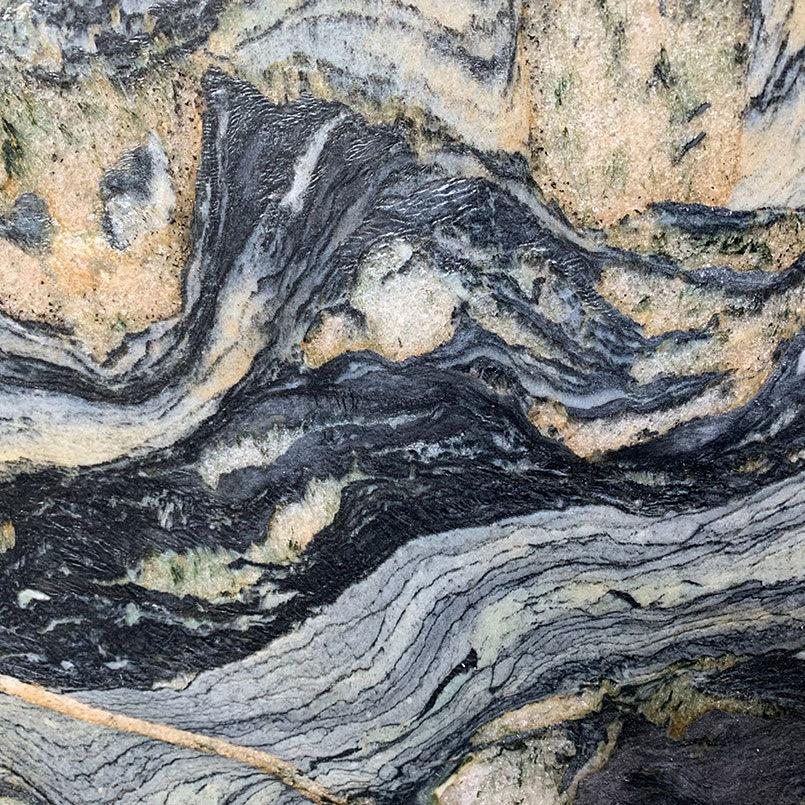
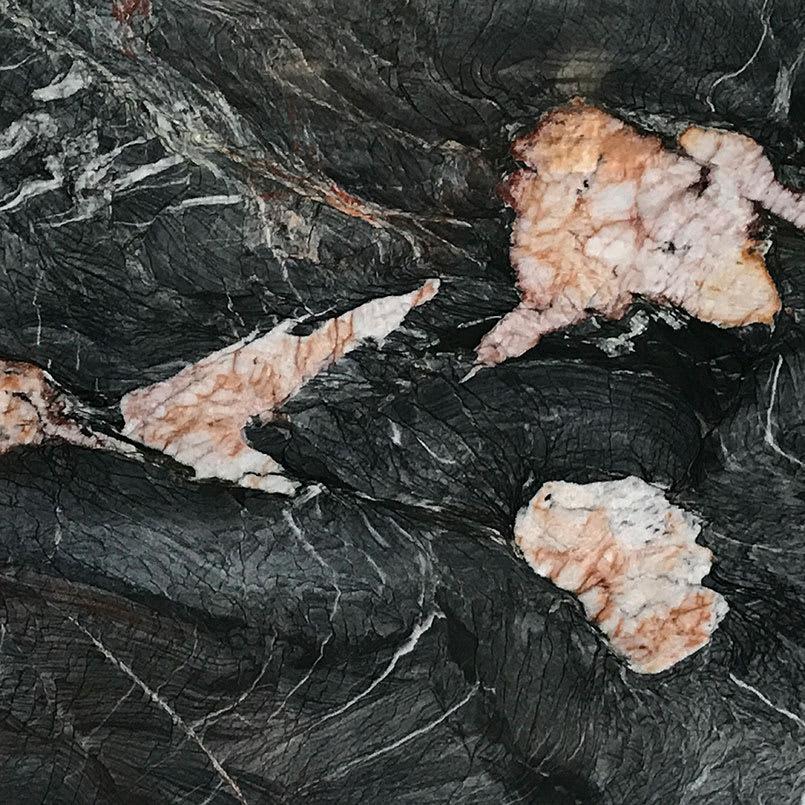
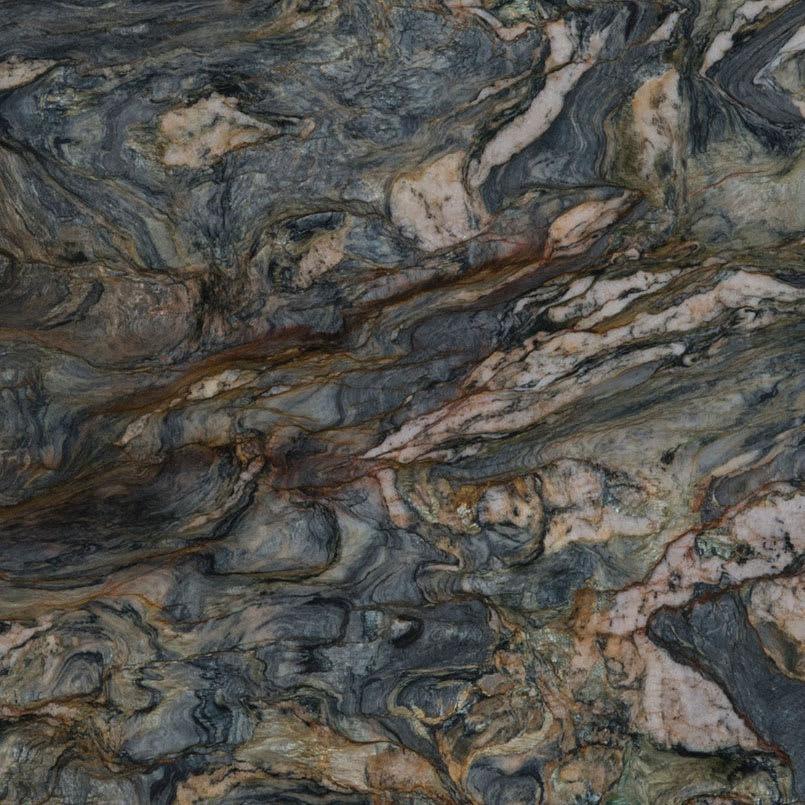
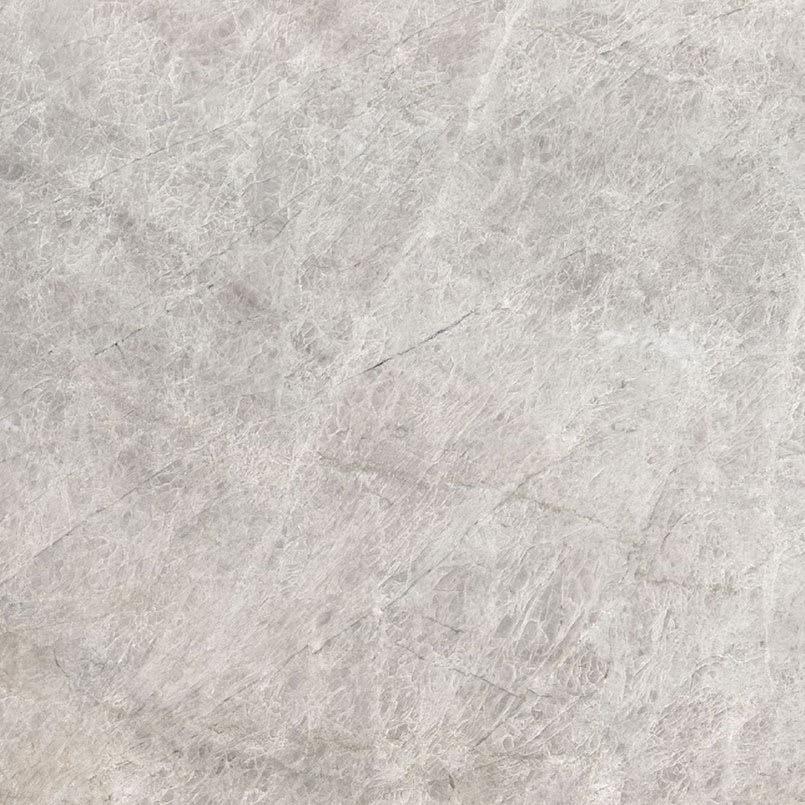
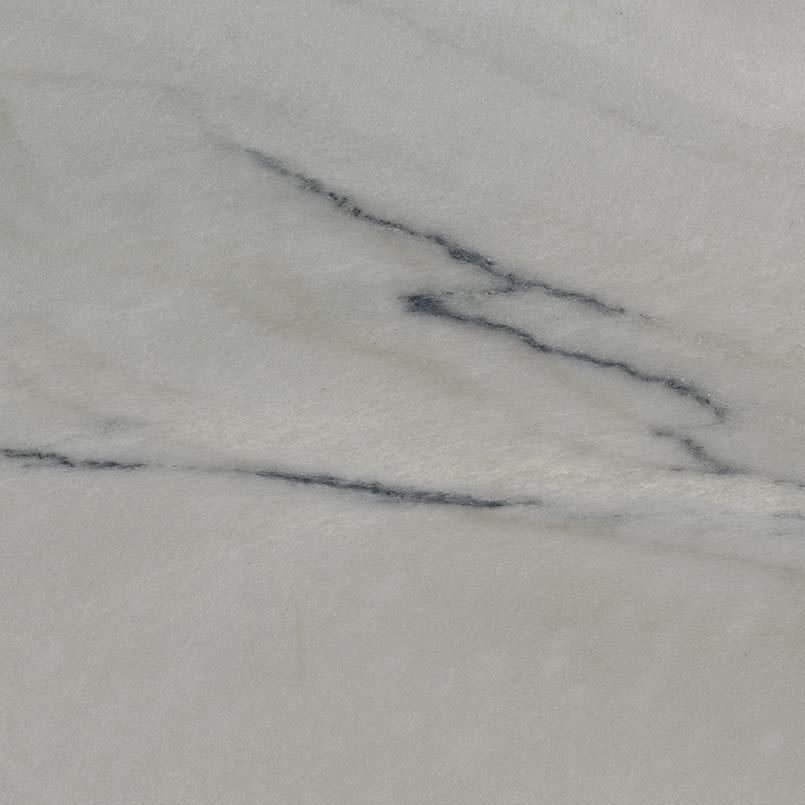


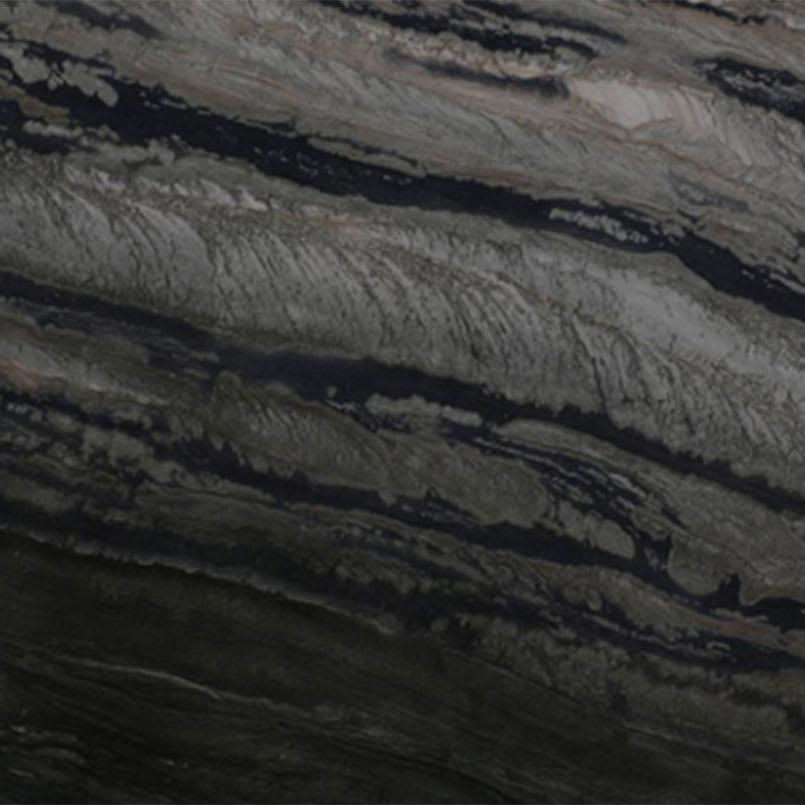

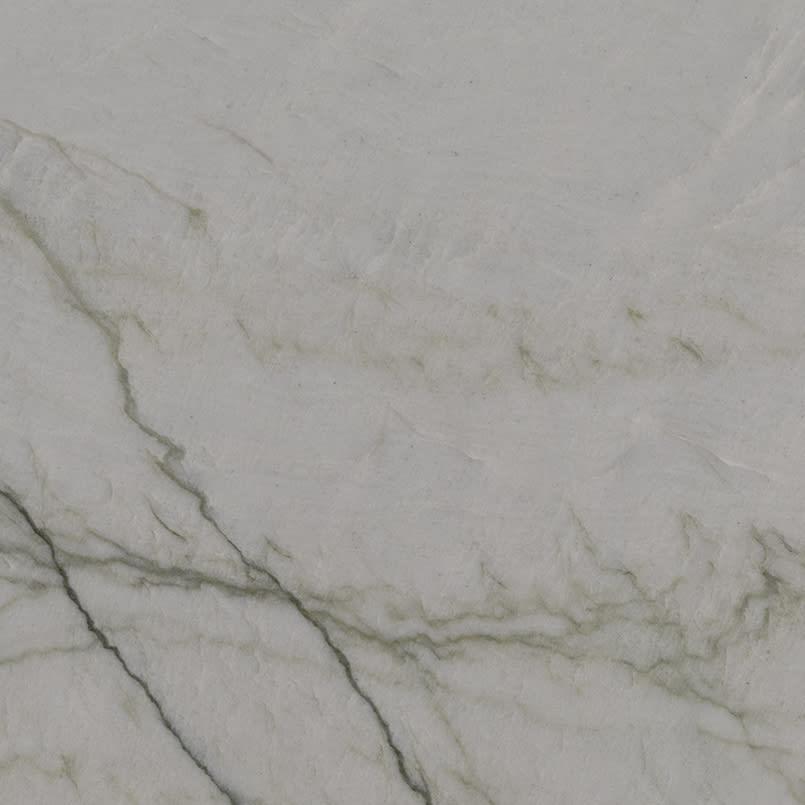
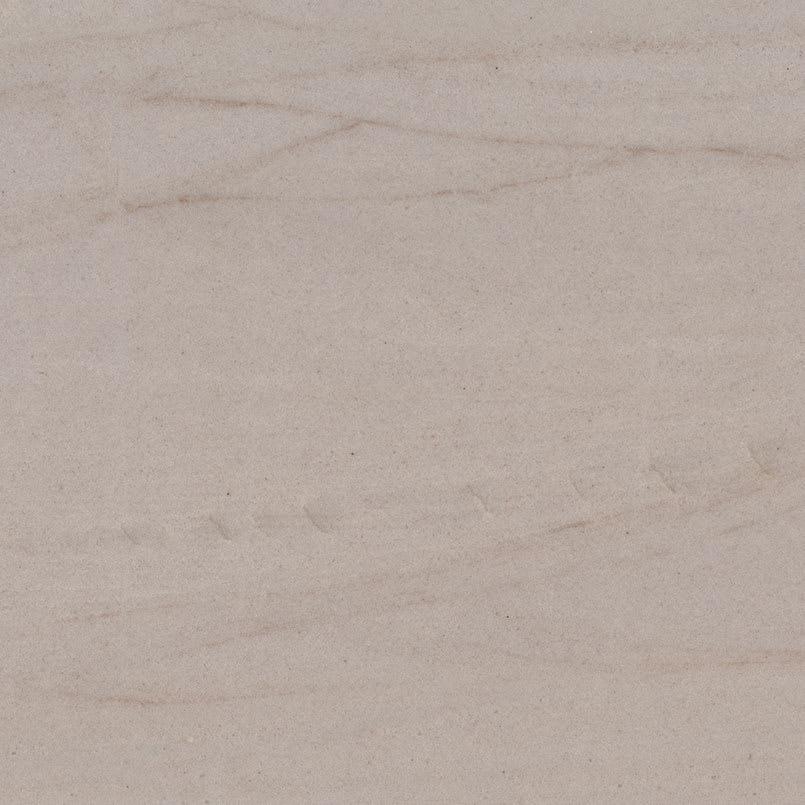






Why Trade‑Focused Sourcing Changes the Math
When you control where your Taj Mahal slabs come from, you control much more than the truck schedule. A trade‑focused platform like GoSource is structured to support fabricators and design pros first, not to move commodity volume.
Here’s how that shows up on Taj projects:
- Curated slabs and precise specs: See finish (polished or brushed), sizes, and real‑world photos, then match slabs to the design intent before you bid.
- Trade‑appropriate pricing: Taj Mahal stays in the premium 100-150 dollars per square foot installed range, but material costs and freight are structured so your labor and expertise are covered.
- Real variation warnings: Natural stone variation is explicit, so you can set expectations and plan layout for the actual bundle you receive.
- Better alignment with repeat buyers: Designers and contractors source through the same interface, so you can standardize looks and finishes you know you can fabricate profitably, again and again.
Instead of fighting against a one‑size‑fits‑all retail process, you’re building your Taj Mahal pipeline around the way your shop actually works.
Where to Source Taj Mahal for Your Next Project
If you are planning a Taj Mahal project, start by choosing the proper supply chain, not just the right project photos. Sourcing Taj Mahal through GoSource means curated slabs, trade‑appropriate pricing, and support built around repeat pros, not one‑off retail shoppers. When you’re ready to make that your default, explore our Taj Mahal options and consider joining GoClub so every order works harder for your business.

