
The Calacatta look is one of the most requested finishes in residential and commercial projects right now. For most kitchen and bath applications, Calacatta quartz is the lower-risk, lower-maintenance choice. Authentic Calacatta marble stays the right call for ultra-luxury statement pieces where patina is part of the brief.
Why Does This Question Matter in 2026?
Trade professionals are navigating tighter budgets, more demanding timelines, and clients who want “marble but not the headache.” Designers need materials that look like high-end stone in photographs but perform well in busy households and rental or multi-family settings.
Fabricators are also feeling margin pressure from big-box competition. Total lifetime cost and callback risk are now as important as the upfront slab cost. Because both options provide bold white-and-grey veining, choosing Calacatta marble is more about performance, liability, and transparent pricing than about aesthetics.


Durability and Performance on Real Jobs
Calacatta quartz is non-porous, so it resists liquid absorption and everyday staining without sealing. It is highly scratch-resistant for residential use and holds up well to daily wear. Quartz resists etching too, meaning its finish stays consistent even when exposed to citrus, vinegar, or household cleaners.
Calacatta marble is naturally porous and absorbs liquids if not properly sealed, making it vulnerable to stains from oil, wine, coffee, and spices. It is softer than quartz, more prone to scratching and surface wear over time, and etches easily when exposed to acidic foods or cleaners. Unlike quartz, marble requires regular professional sealing to maintain its appearance.
For trade professionals, this means quartz dramatically reduces the risk of callbacks for stains and etching. This risk is especially prevalent in white/Calacatta-look installations that show every flaw. Marble still makes sense when patina and “lived-in” character are selling points, and the client accepts maintenance and wear as part of the aesthetic.
Durability snapshot
Aspect
Calacatta quartz
Calacatta marble
Porosity
Non-porous surface resists absorption.
Porous, absorbs liquids without proper sealing.
Scratching
Highly scratch-resistant for typical residential use.
Softer, prone to scratching and wear.
Staining
Strong stain resistance in everyday use.
Vulnerable to wine, oil, coffee, spices, etc.
Etching (acids)
Resists etching, finish stays consistent.
Easily etched by citrus, vinegar, wine, and cleaners.
Sealing
No sealing required.
Needs regular professional sealing.
| Aspect | Calacatta quartz | Calacatta marble |
|---|---|---|
| Porosity | Non-porous surface resists absorption. | Porous, absorbs liquids without proper sealing. |
| Scratching | Highly scratch-resistant for typical residential use. | Softer, prone to scratching and wear. |
| Staining | Strong stain resistance in everyday use. | Vulnerable to wine, oil, coffee, spices, etc. |
| Etching (acids) | Resists etching, finish stays consistent. | Easily etched by citrus, vinegar, wine, and cleaners. |
| Sealing | No sealing required. | Needs regular professional sealing. |


Maintenance, Client Education, and Callbacks
From a maintenance angle, Calacatta quartz is simple. Mild soap, water, and a non-abrasive cloth cover 99% of cleaning needs. There is no need to schedule sealing, and most everyday spills can be left for a brief time without causing permanent damage, which is key in busy family kitchens, rentals, and short-term hospitality.
Calacatta marble, on the other hand, requires a full client briefing. It needs immediate wipe-up of spills, pH-neutral cleaners, avoidance of acidic products on the surface, and resealing every 6–12 months. If that education is not maintained, the fabricator or designer is often blamed when etching or staining appears within months, even though the stone was installed perfectly.
In practical terms, recommending marble endorses a lifestyle: clients must be comfortable with etching, patina, and visible wear in high-use zones. Recommending quartz advocates predictability: fewer variables, more consistent appearance across slabs, and lower long-term service risk for the trade partner.
Pricing Transparency and Total Cost in 2026
Headline material cost is only part of the story. Trade professionals care about landed cost, fabrication complexity, and lifetime performance. In 2025–2026, Calacatta quartz countertops typically fall in the mid- to upper range of quartz pricing, most often $60–$120 per square foot installed, depending on brand, thickness, edge profiles, and regional labor rates.
Premium natural Calacatta marble, by comparison, is more expensive and can cost anywhere from $150 to $400+ per square foot installed for premium varieties, due to quarry scarcity and handling complexity. Factor in sealing, etch polishing, and potential repairs or replacements for badly stained sections. Over time, marble’s total spend can exceed equivalent quartz installations.
For fabricators and designers bidding competitively, that gap opens real value-engineering opportunities. You can offer a Calacatta-look quartz option that gives clients the image they want at a lower, more predictable lifetime cost. It also lets you match materials to the project reality. Use marble only when the client's budget covers the stone and the ongoing professional maintenance it needs.
When to Recommend Each (and How GoSource Fits In)
Choosing between Calacatta quartz and Calacatta marble depends on your project, not a universal rule. You need a clear framework to use on every project and quickly walk clients through when they ask, “Which one is better?”.
Recommend Calacatta quartz when:
- The project is a primary kitchen, a busy family home, a rental, or a hospitality installation where staining and etching are unacceptable.
- You want consistent veining and color across multiple slabs or units (multi-family, condo stacks, large spec homes).
- The budget can accommodate a premium look, but not the maintenance required for genuine Calacatta marble over 10–15 years.
- You want to reduce fabrication risk and post-install service calls while still delivering a showpiece countertop or island.
Recommend Calacatta marble when:
- The project is a low-traffic, design-led space such as a powder room, fireplace surround, boutique retail counter, or statement island where patina reads as character rather than damage.
- The client's budget covers both the material and ongoing professional care, including resealing every 6–12 months and periodic etch polishing.
- The client understands and accepts etching, visible wear, and surface changes over time as part of the natural stone experience, ideally confirmed before installation.
- The space has a defined maintenance plan, such as a managed luxury residence, boutique hotel, or designer showroom with professional cleaning staff.
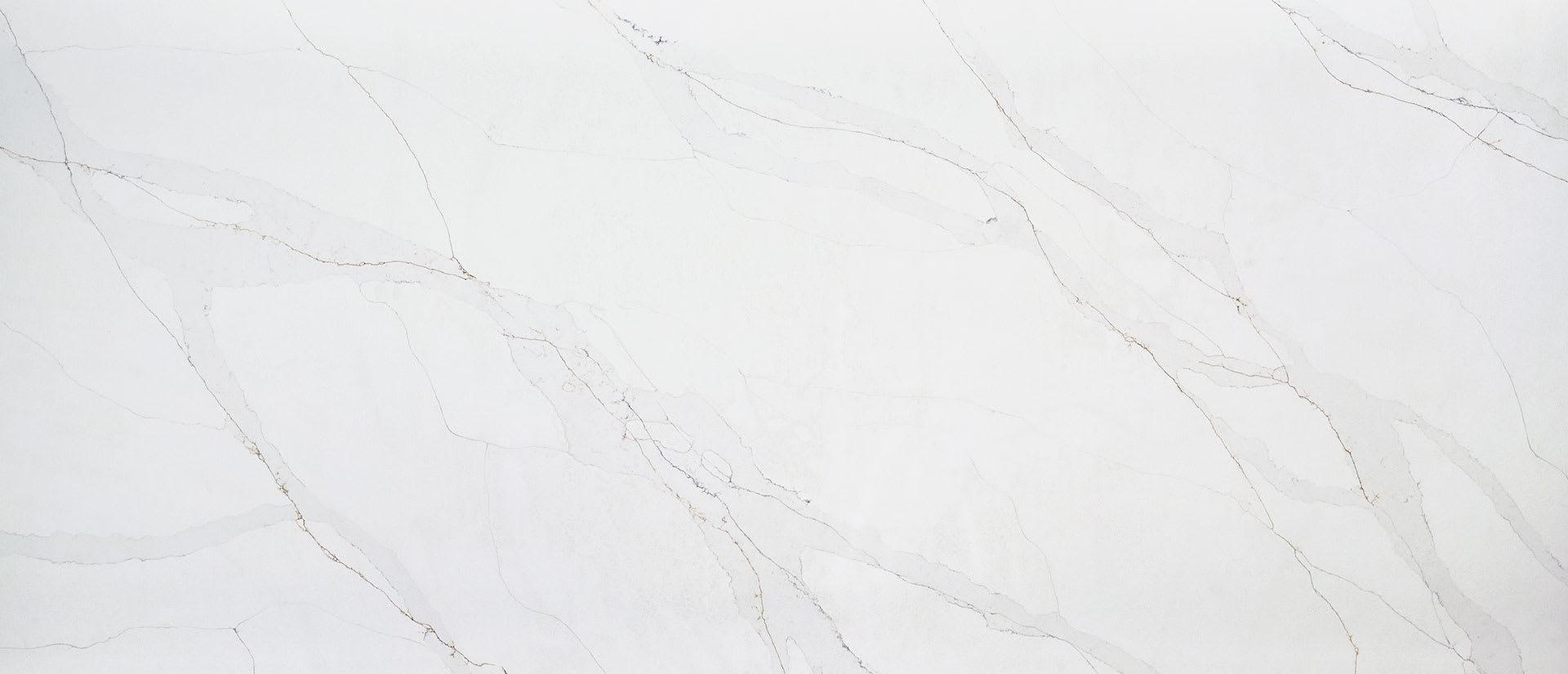
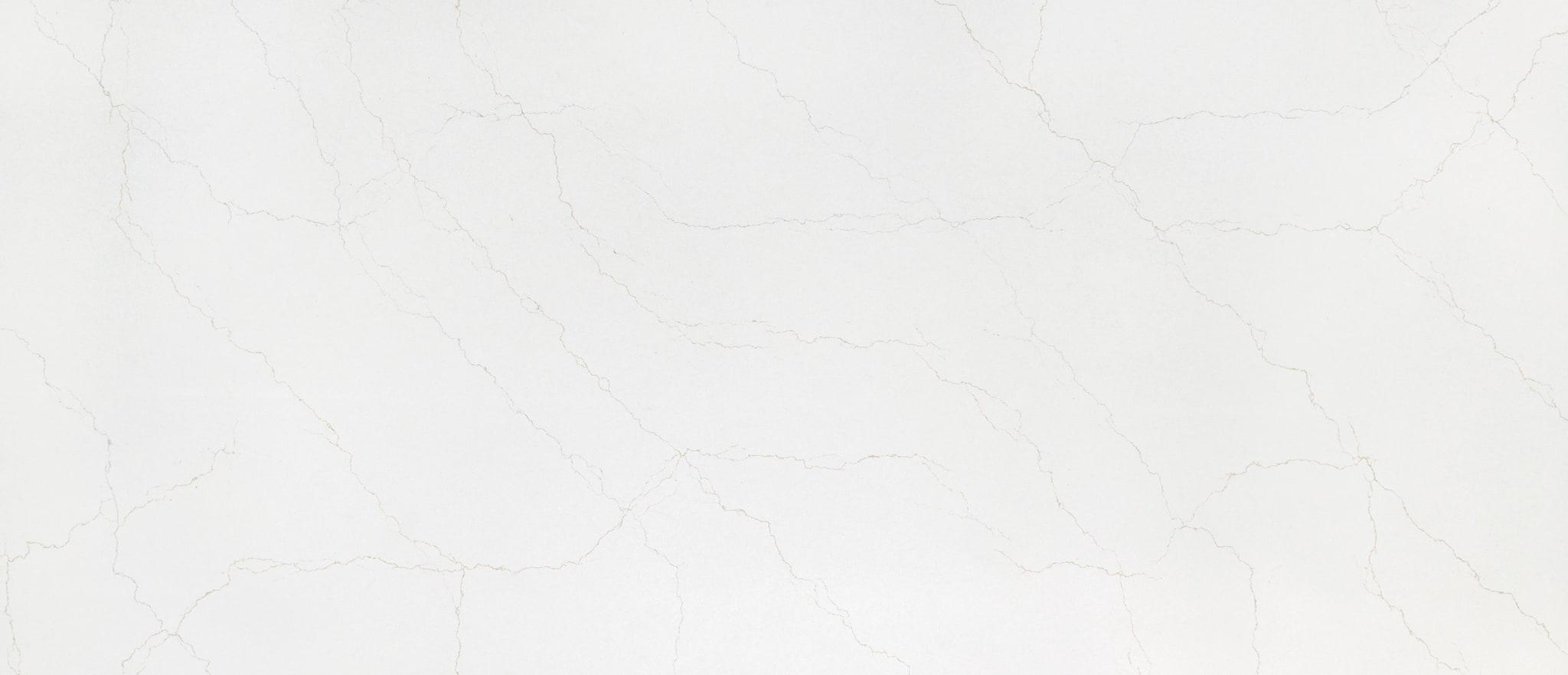
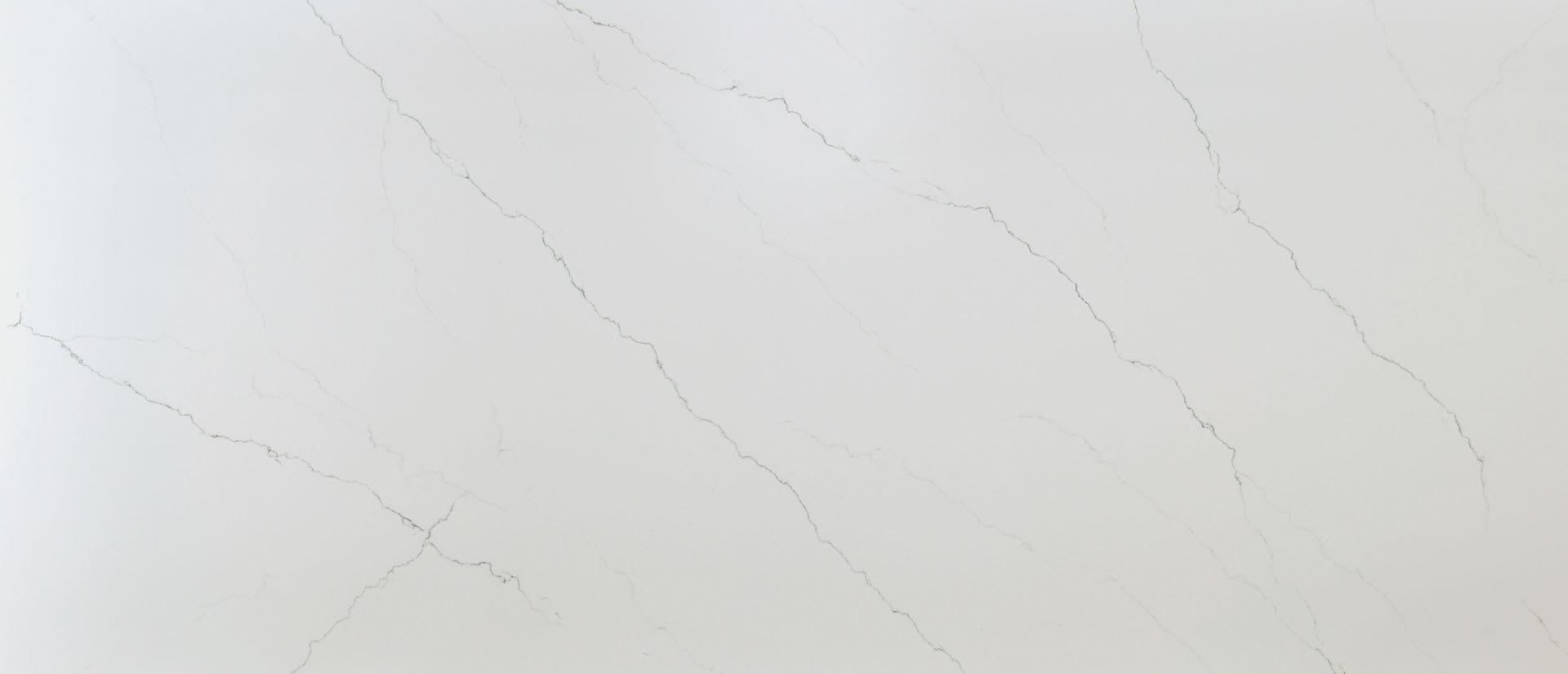
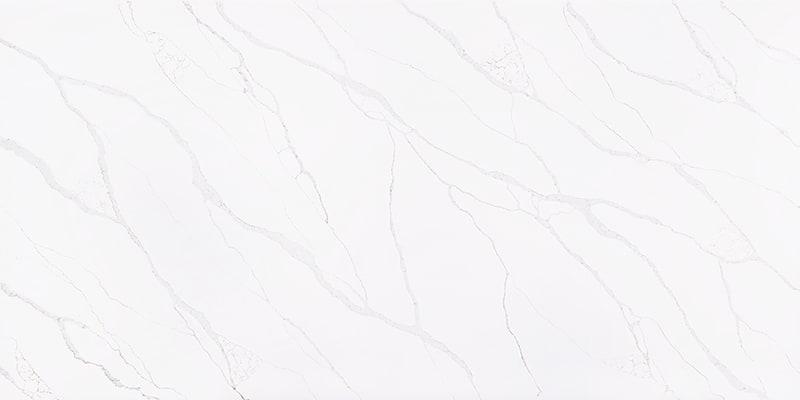
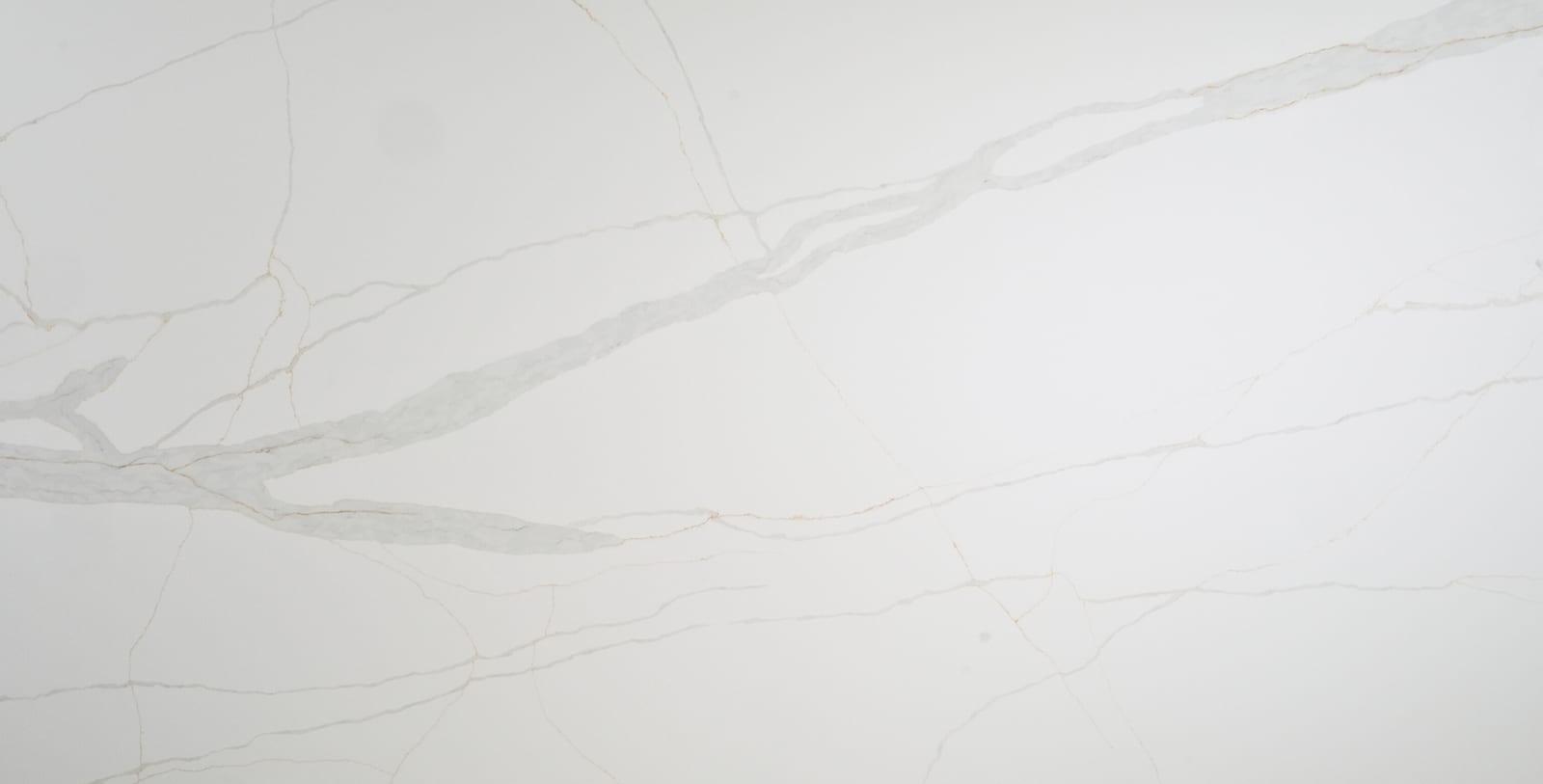
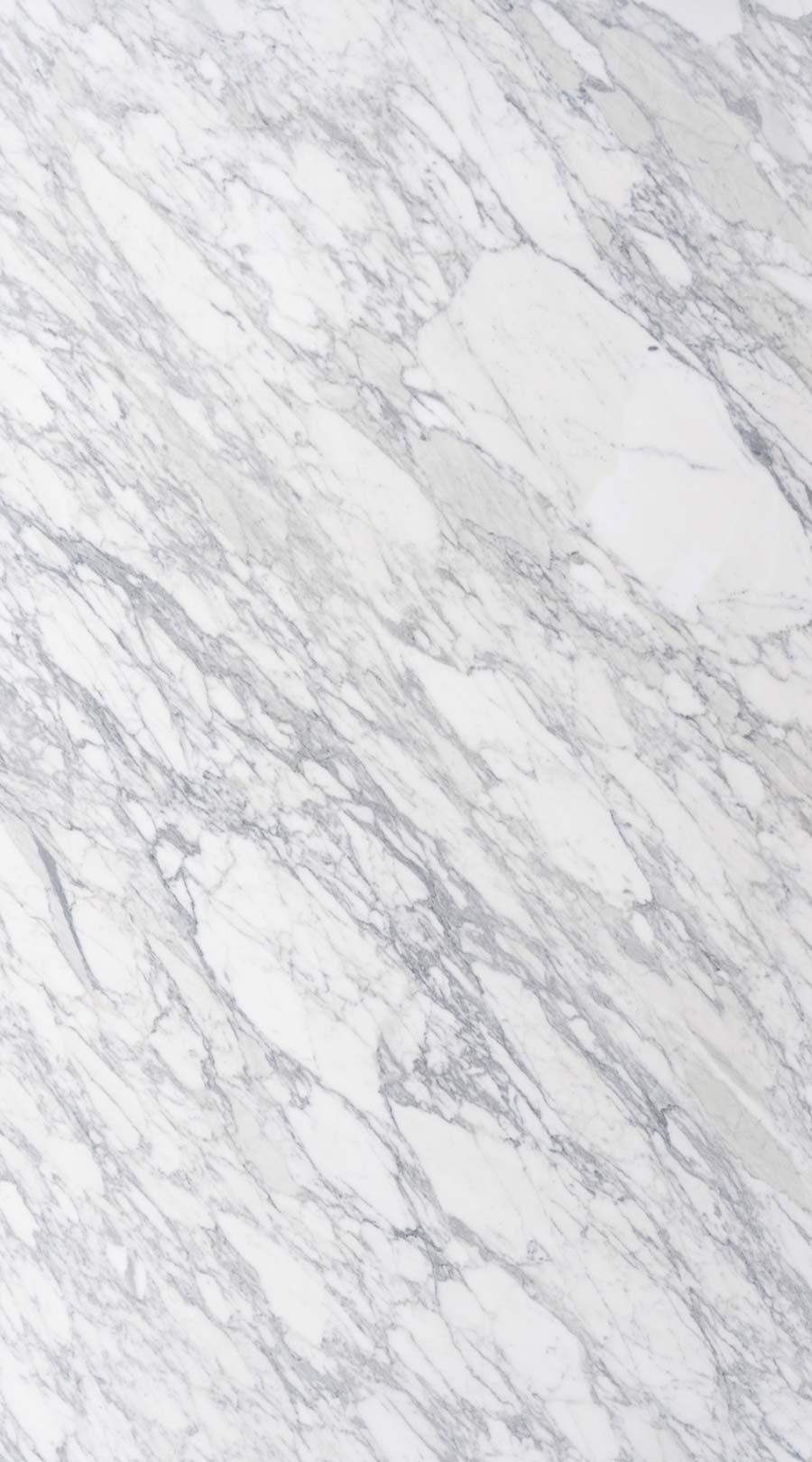
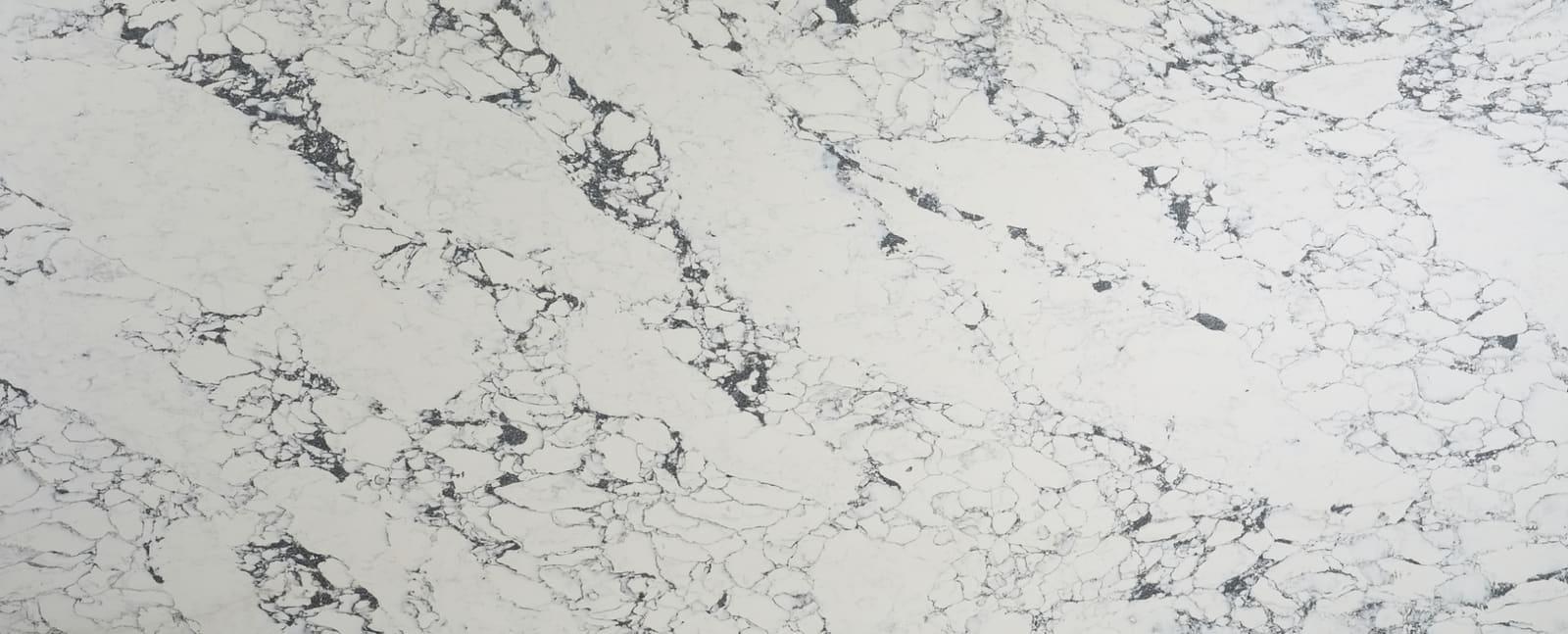
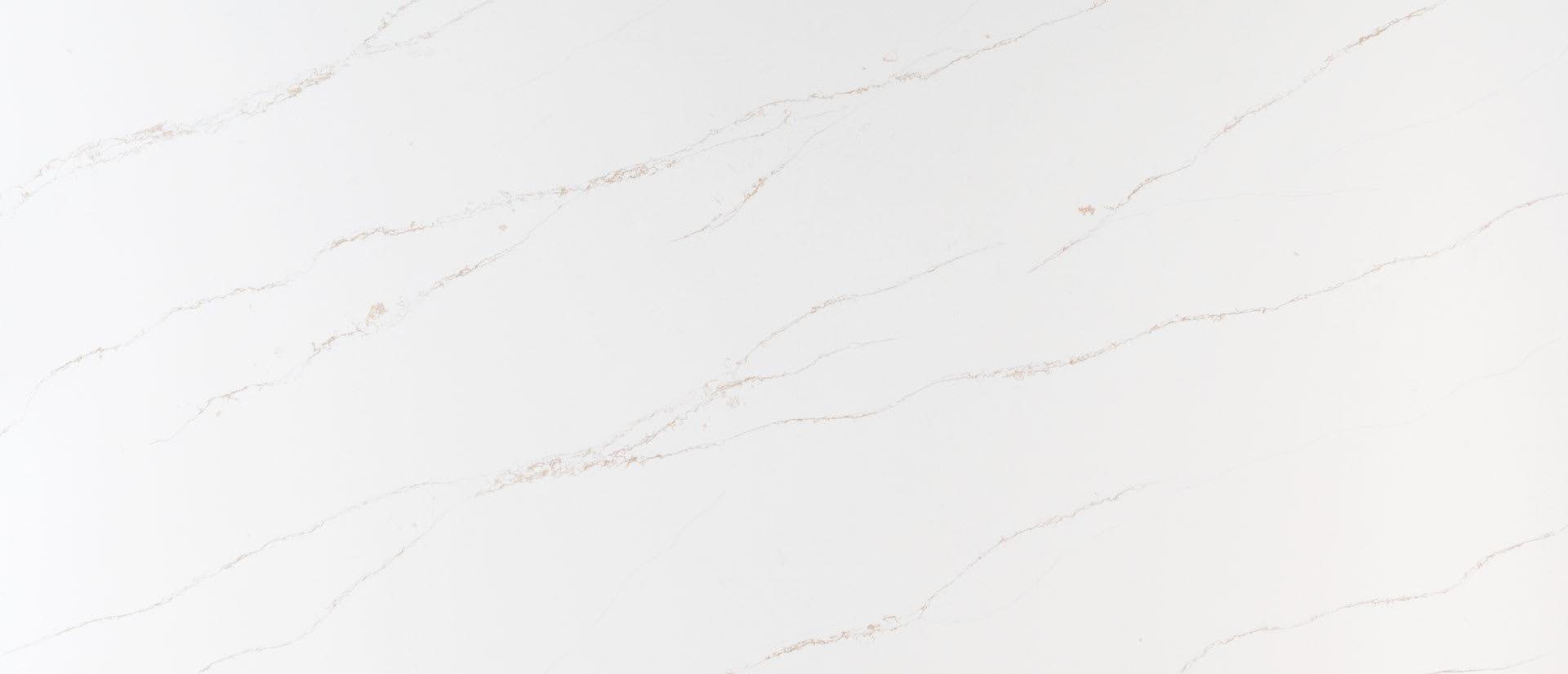
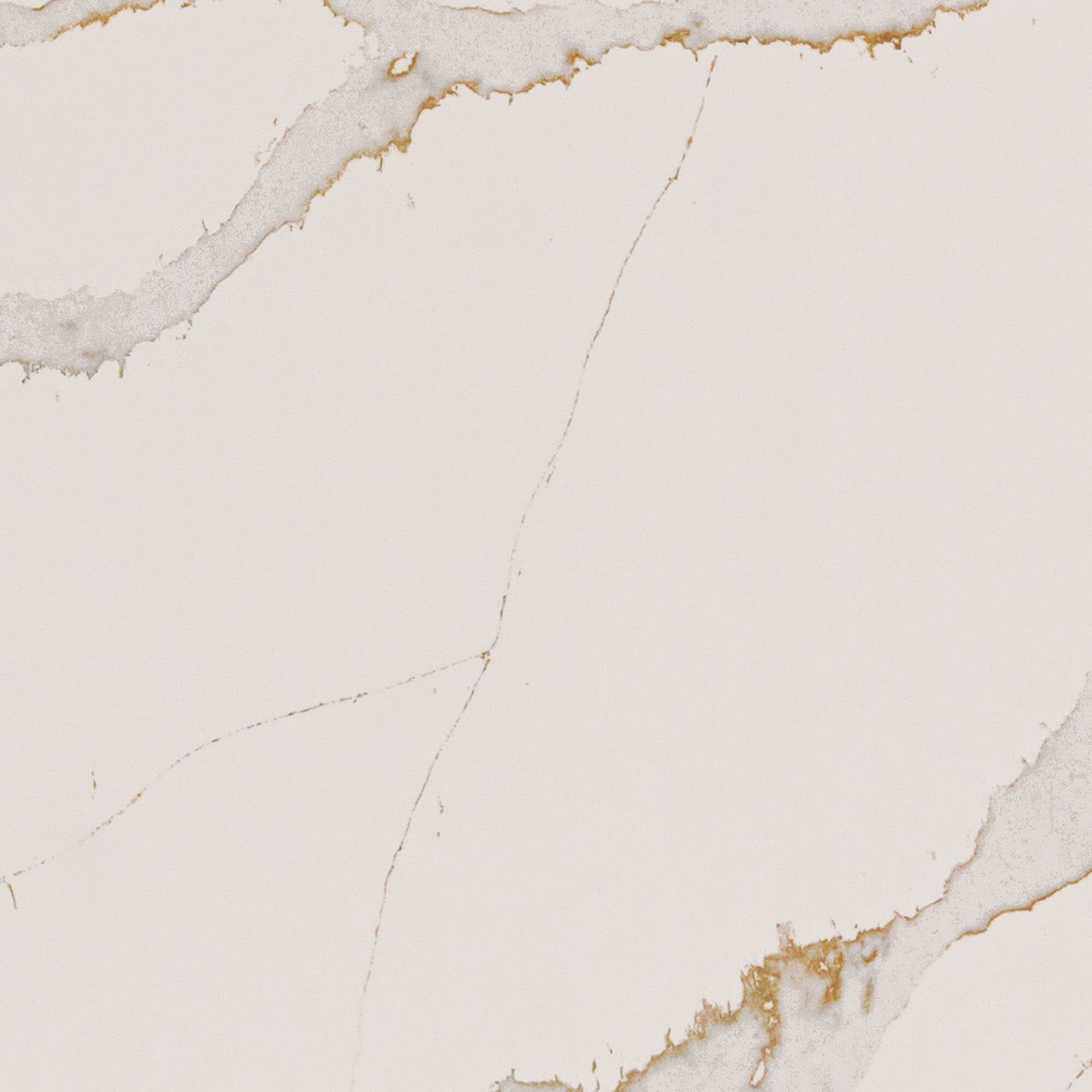
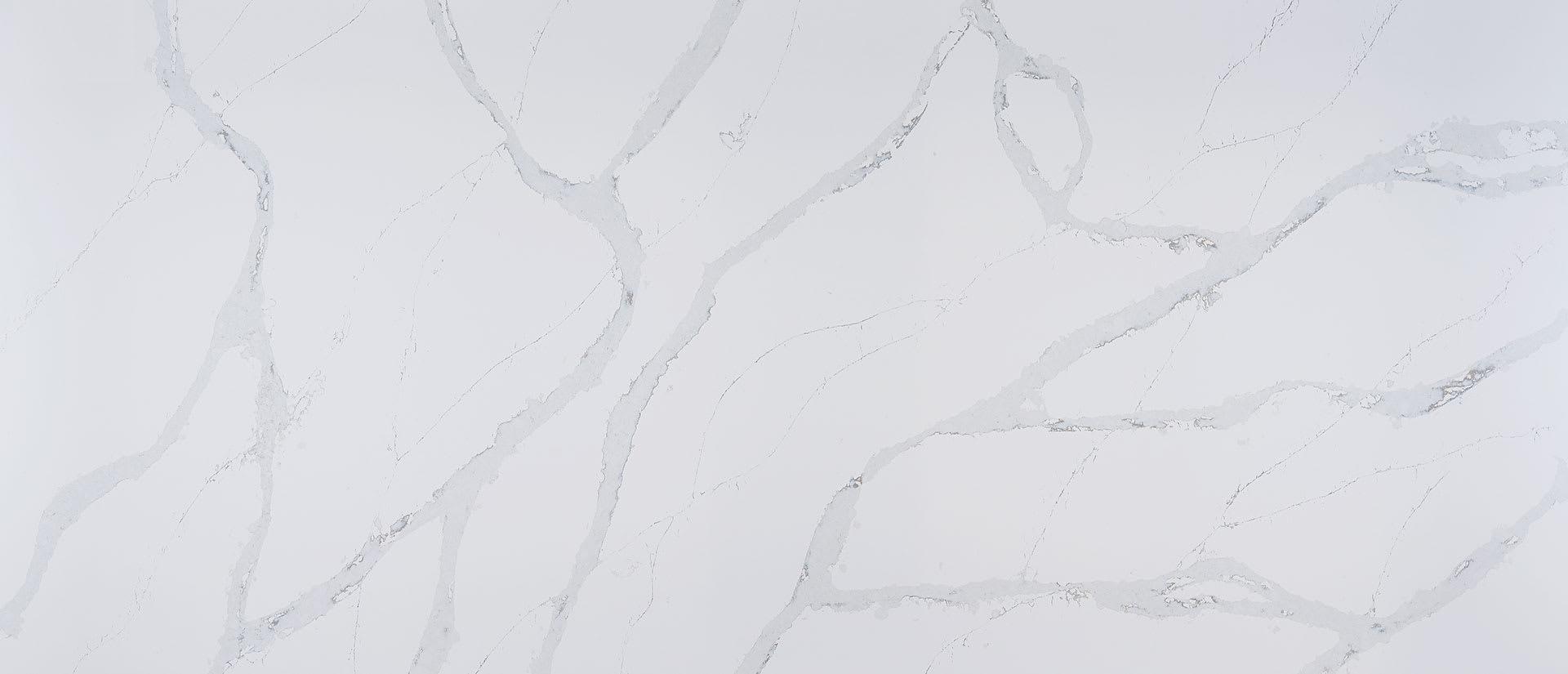
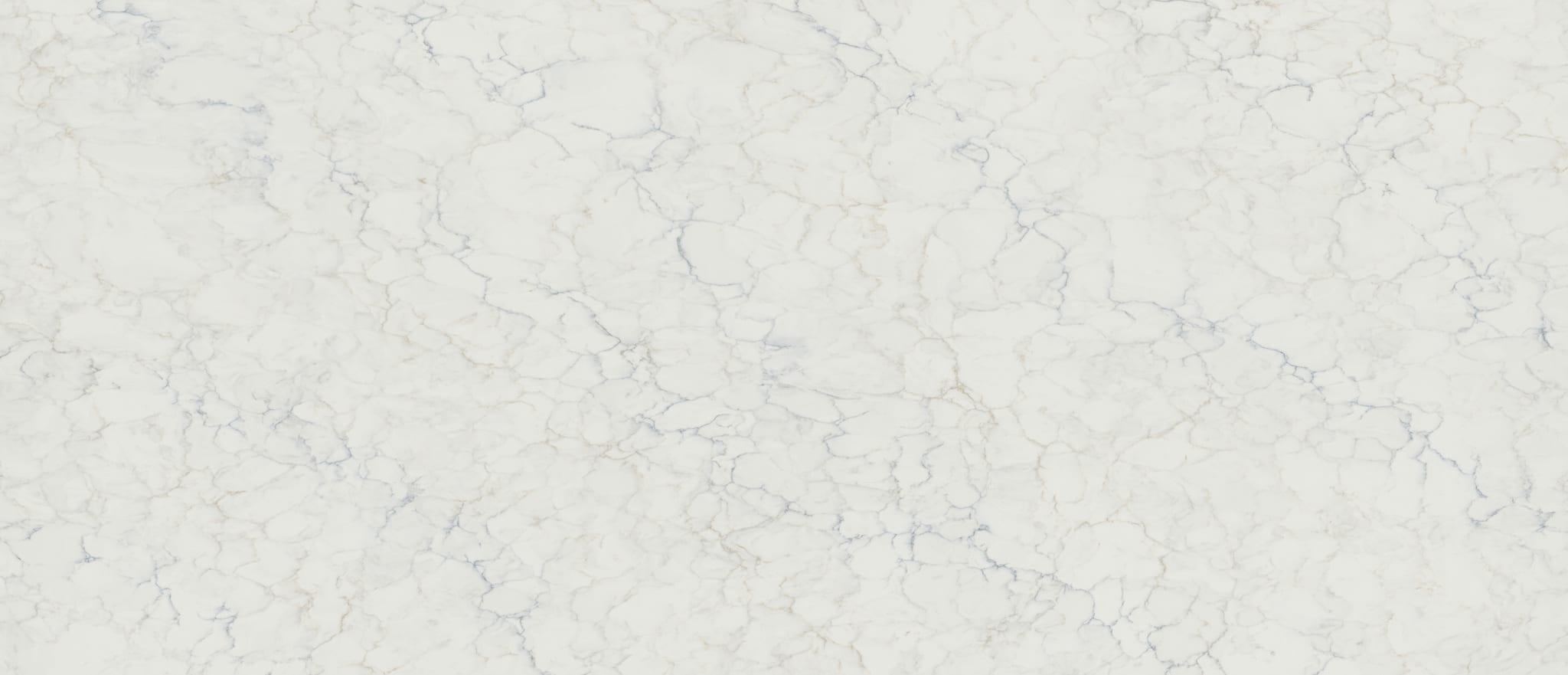
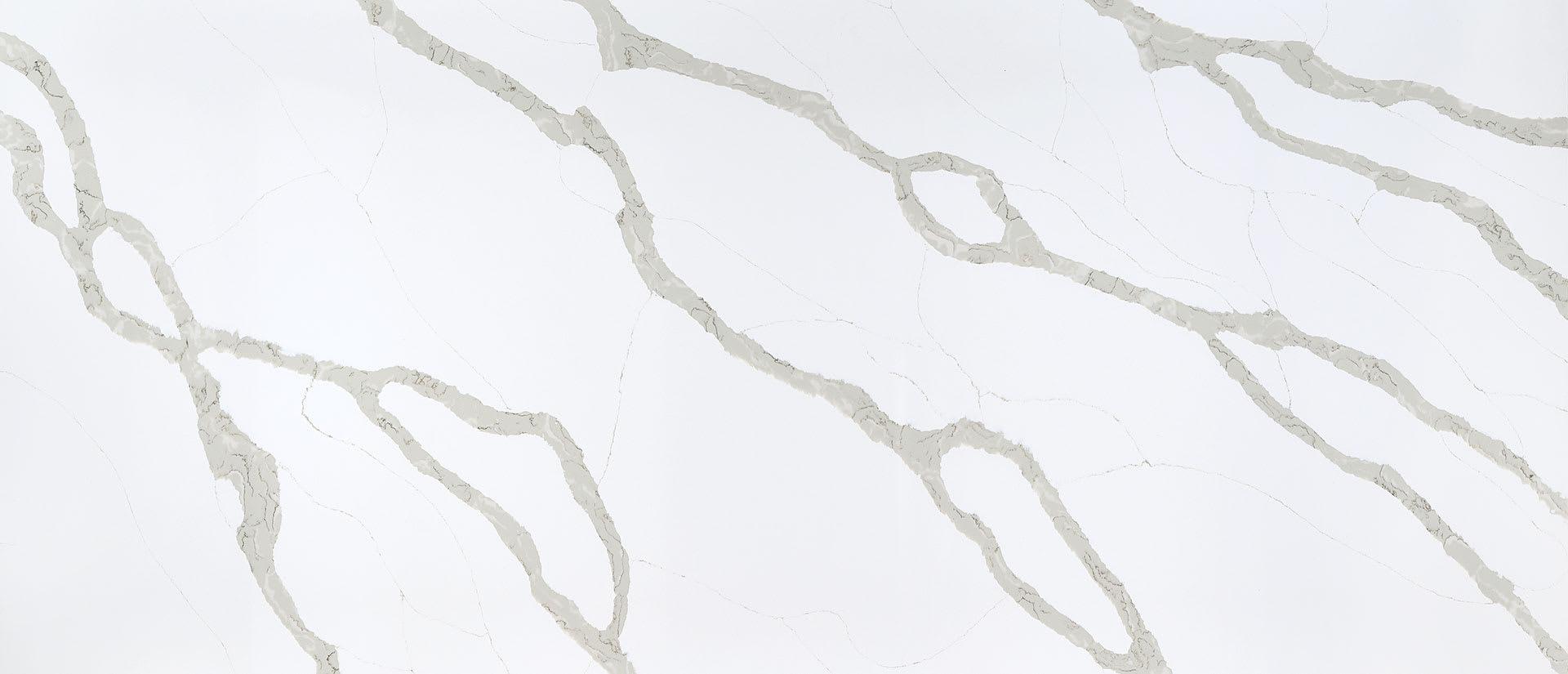
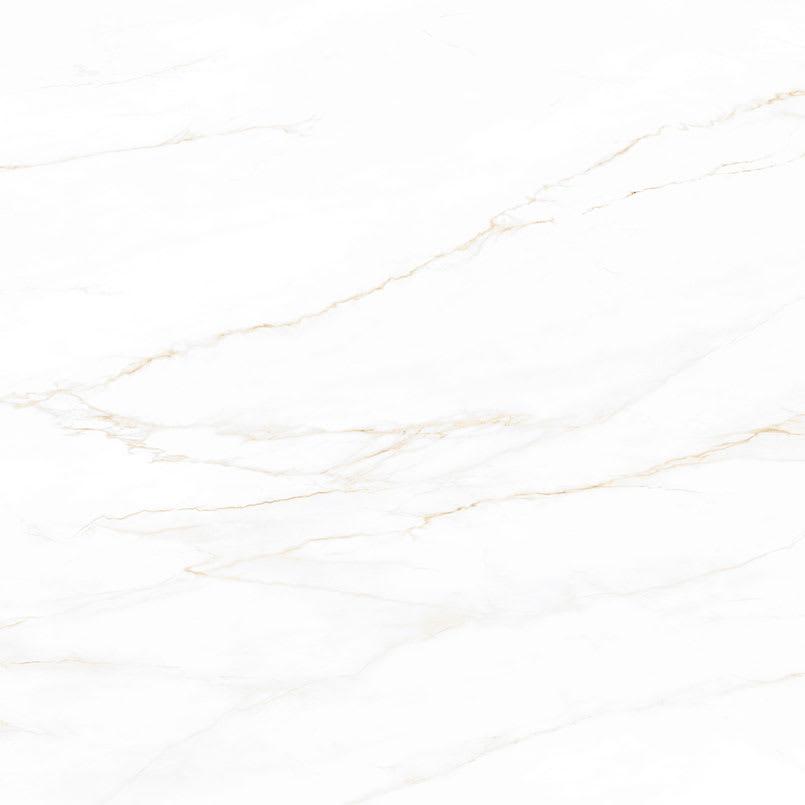
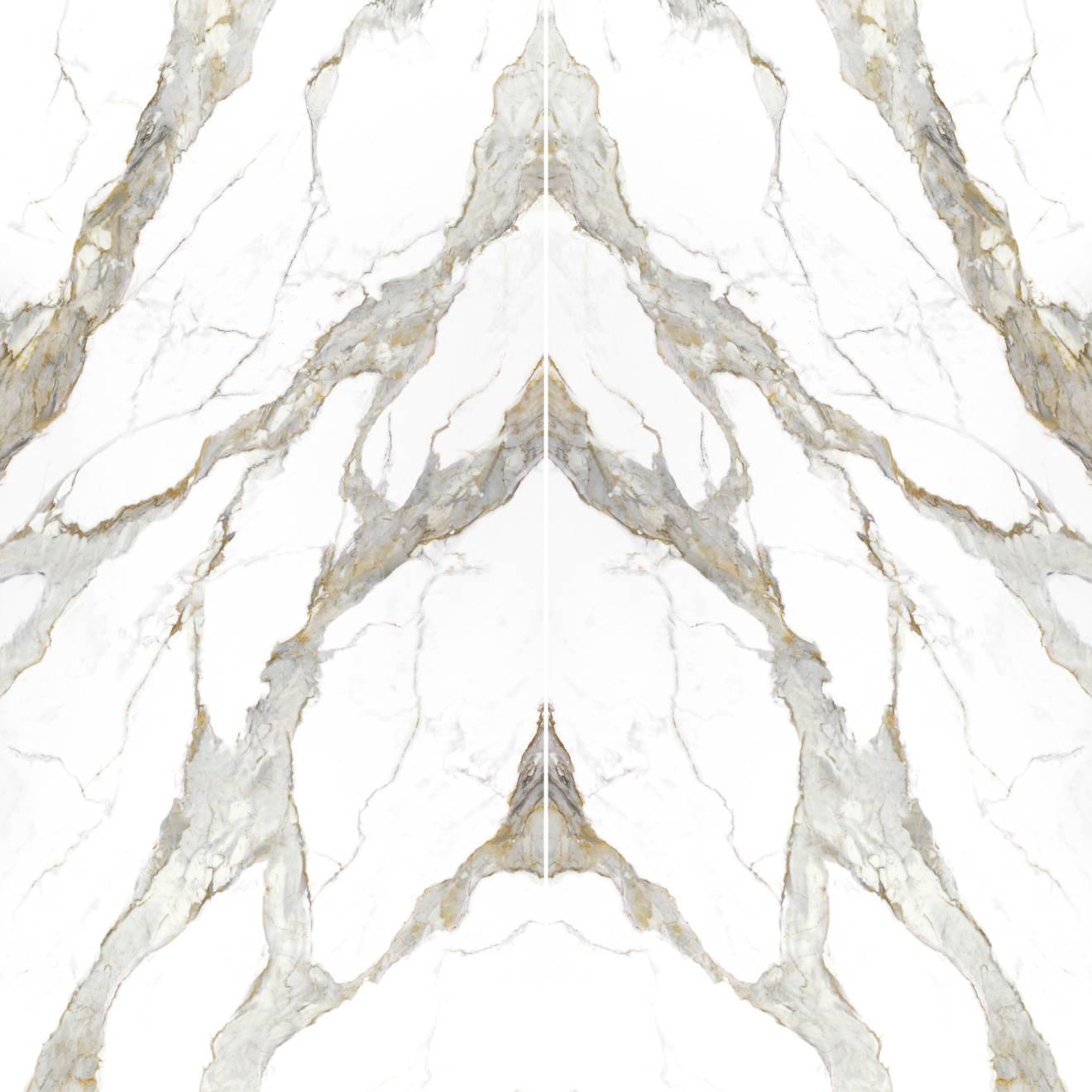
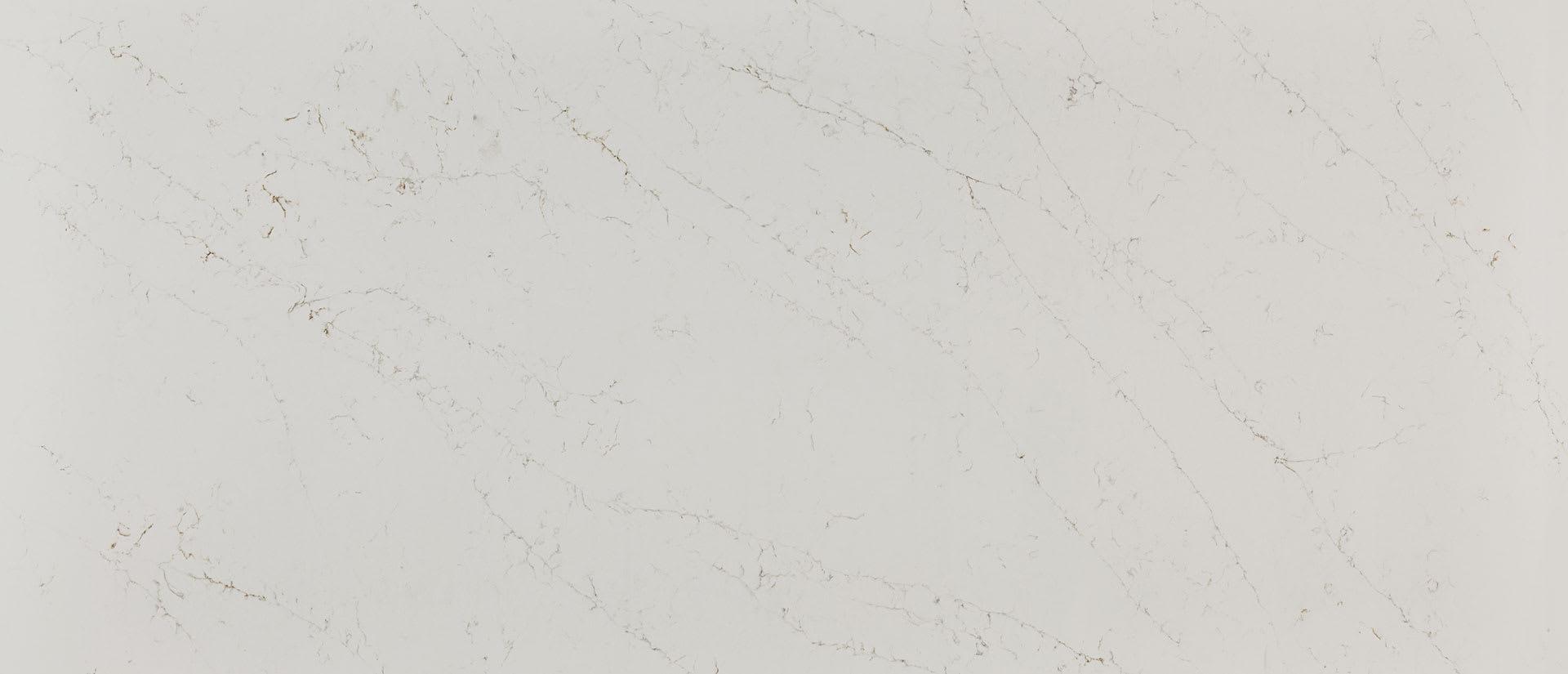
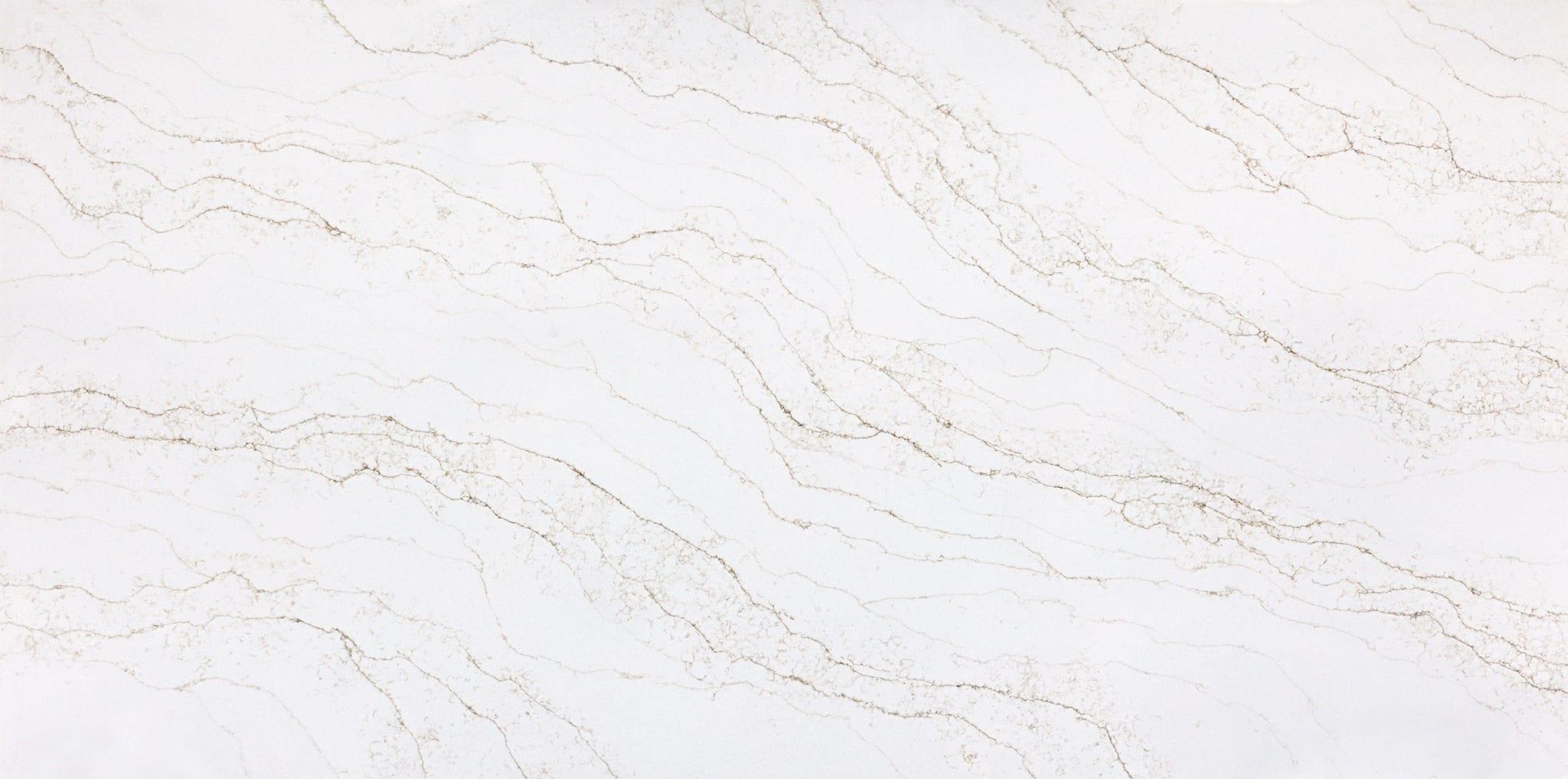
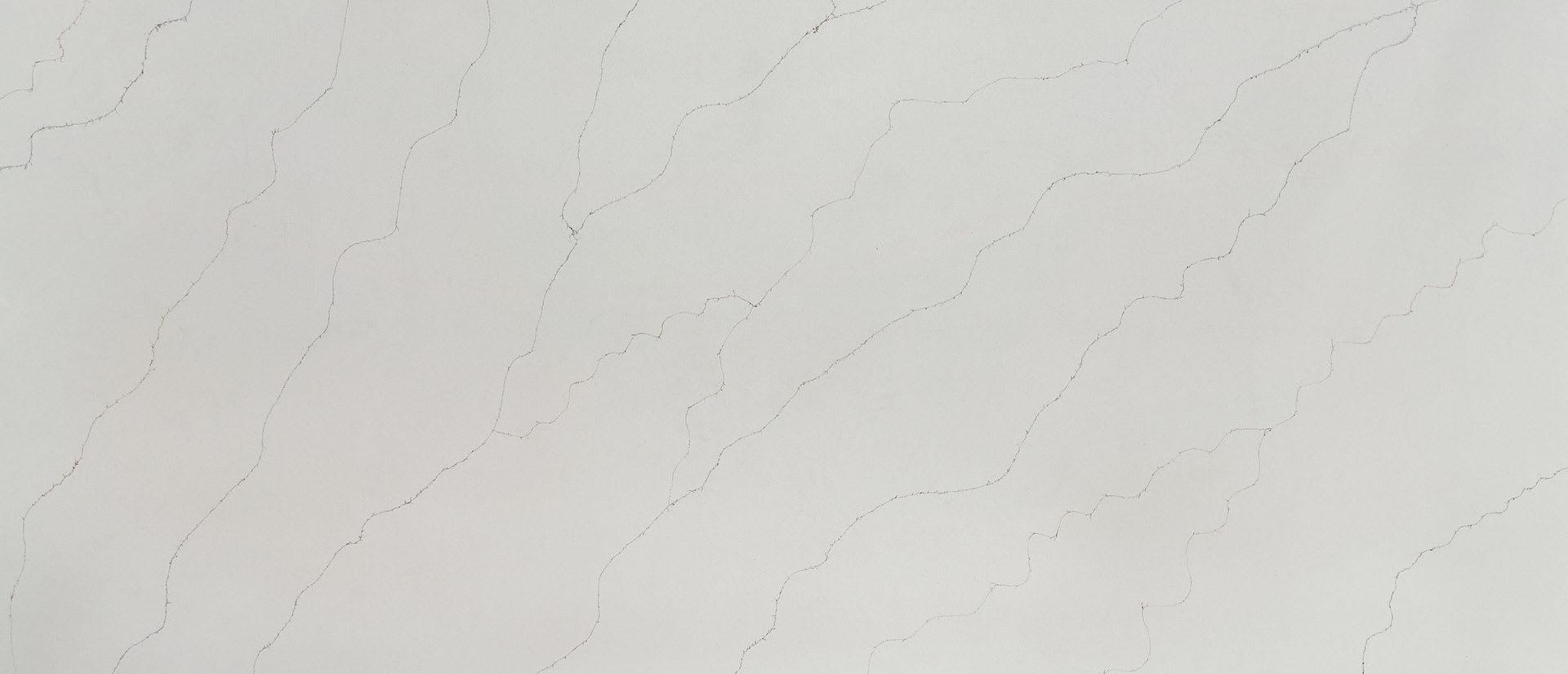
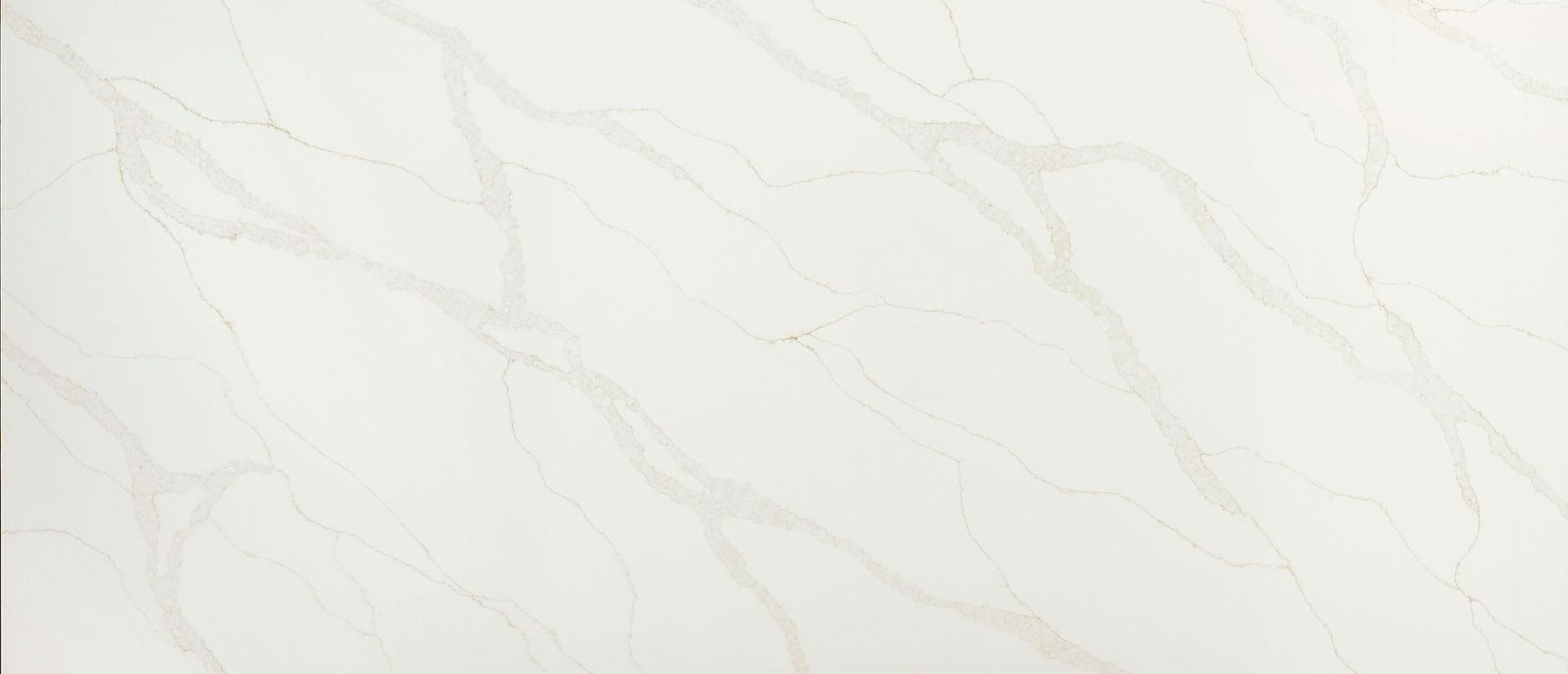
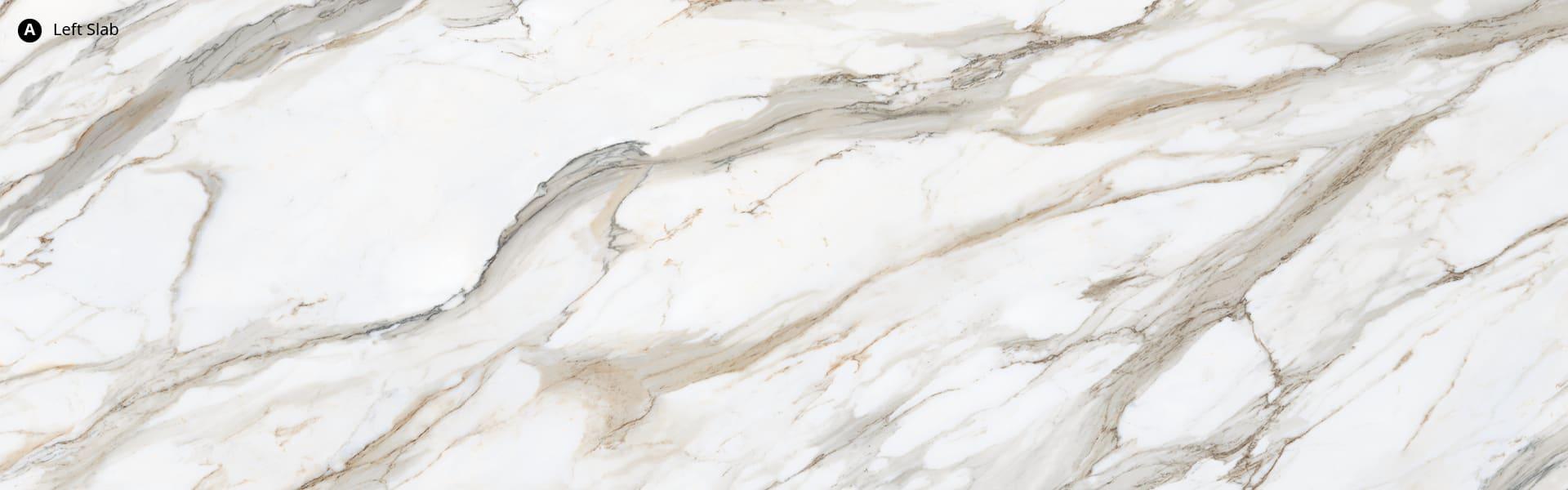
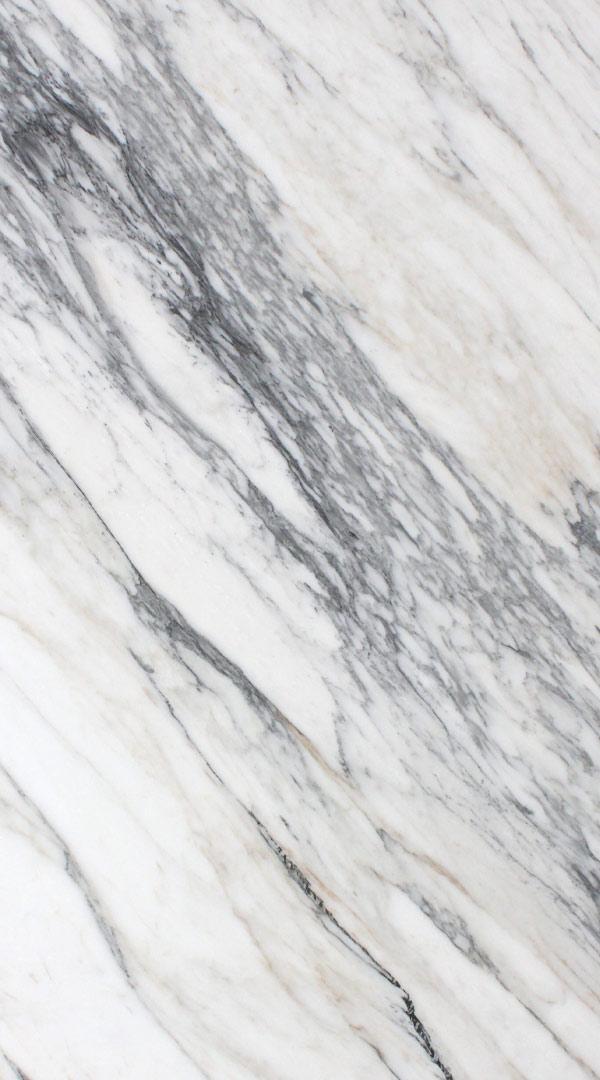
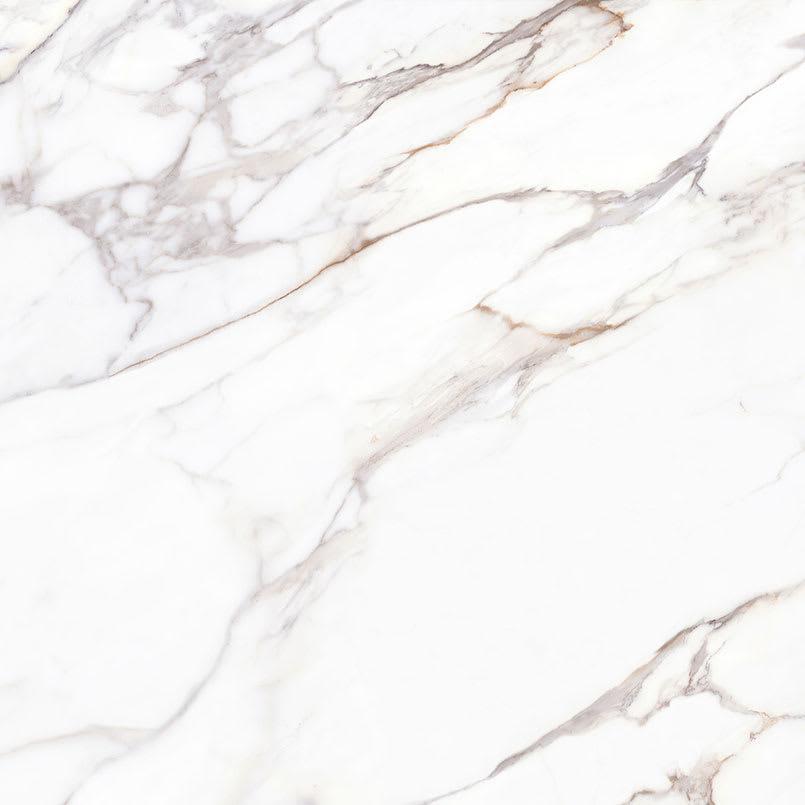
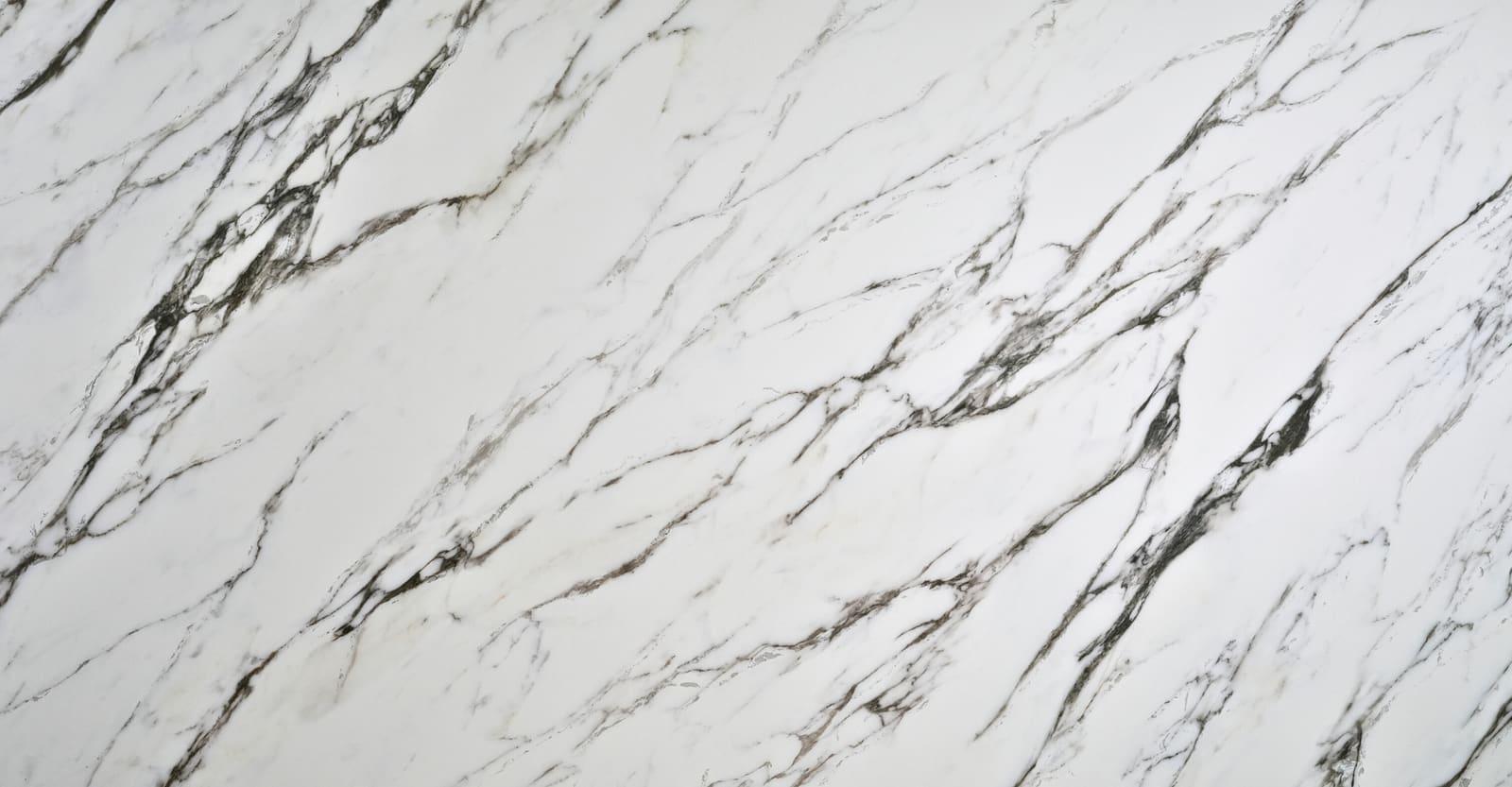
The GoSource online marketplace for slabs offers fabricators and designers a considerable lineup of Calacatta-style quartz and marble from top brands in one place. You also get wholesale‑focused pricing and trade‑only support on every order.
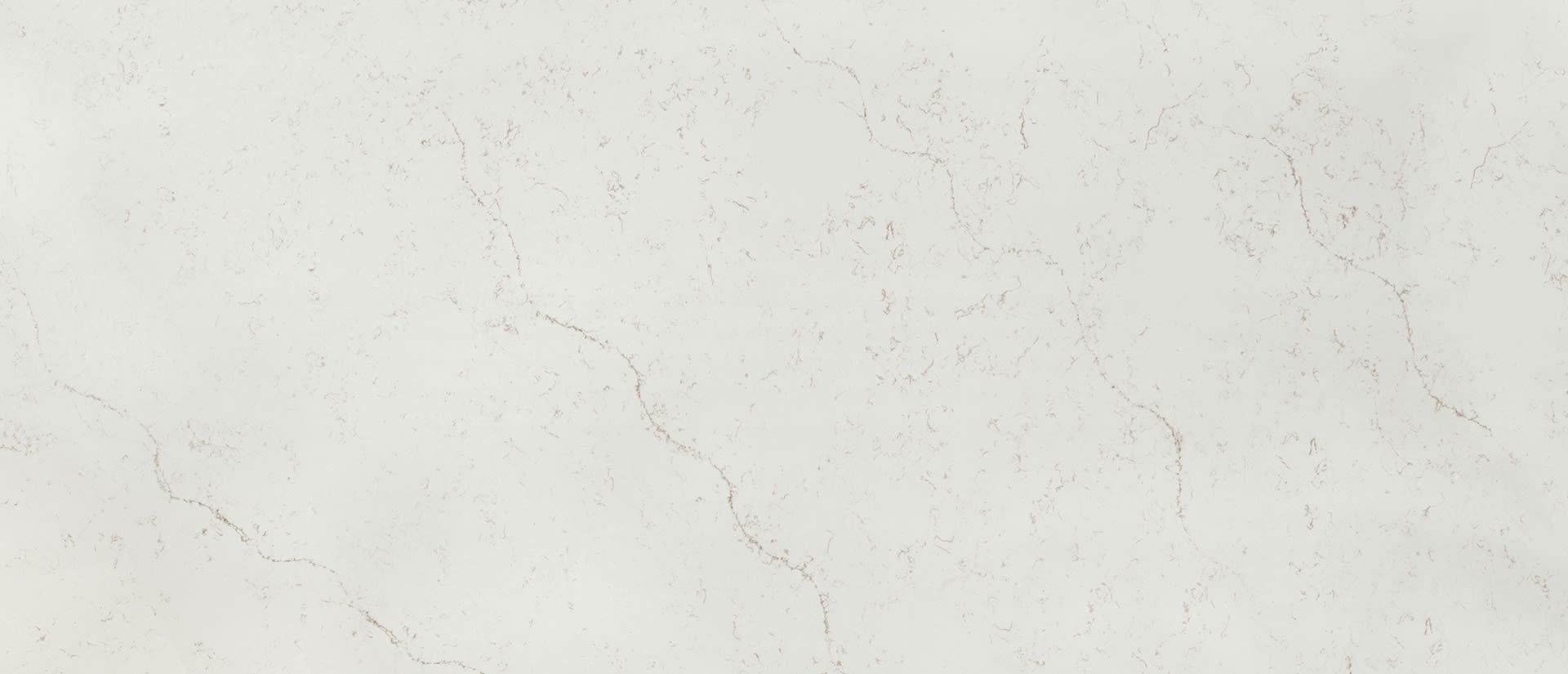
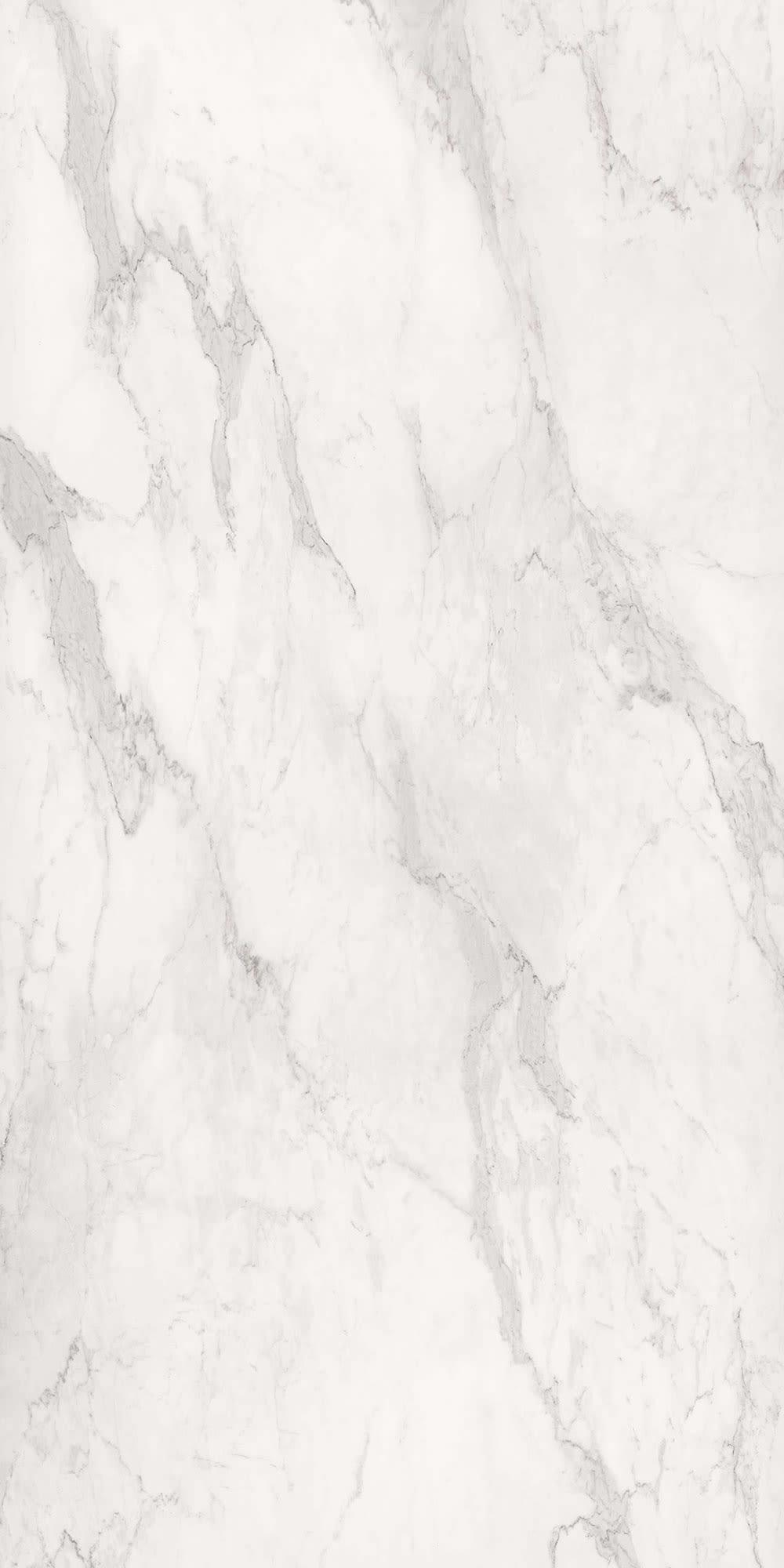
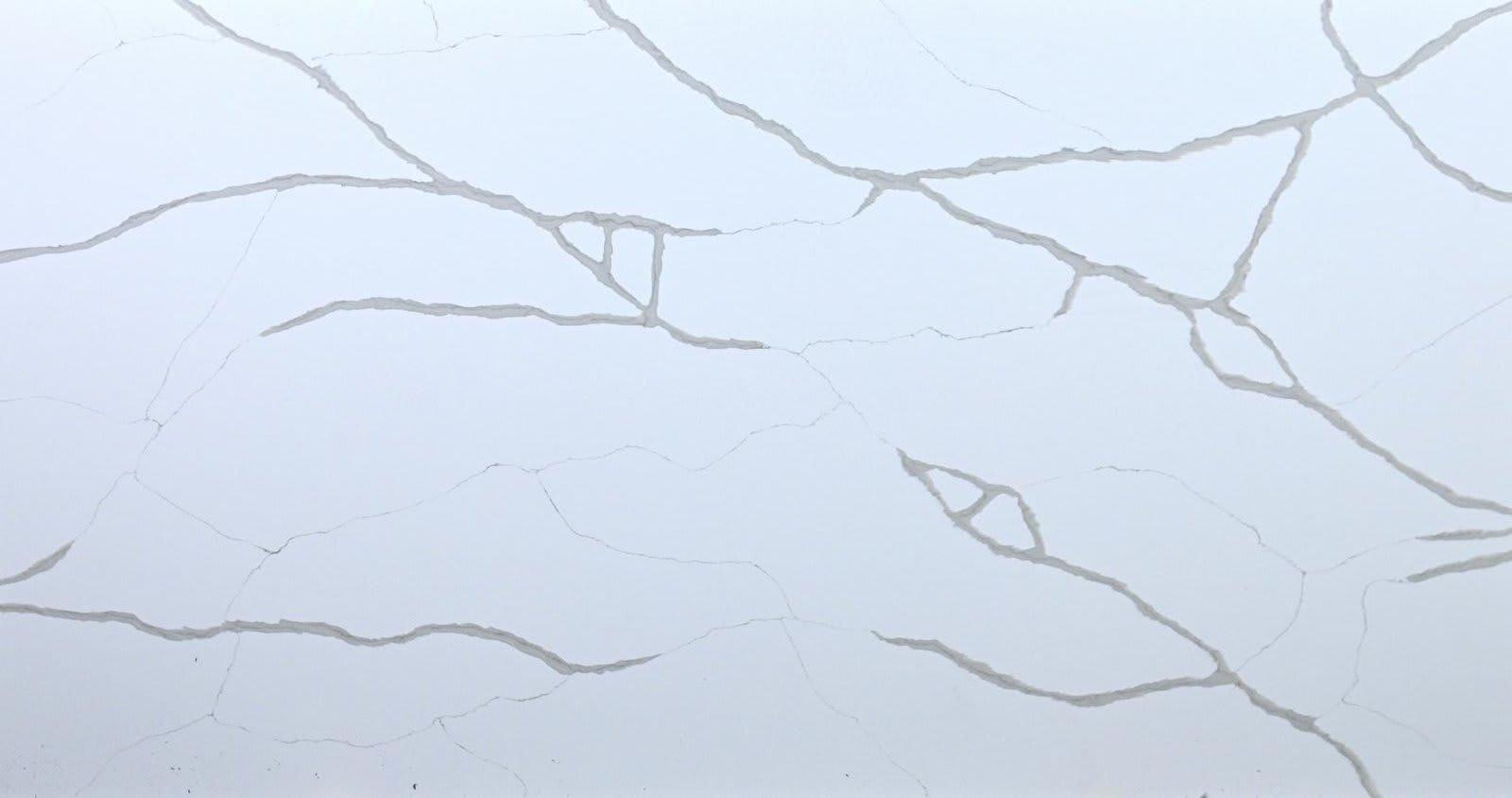
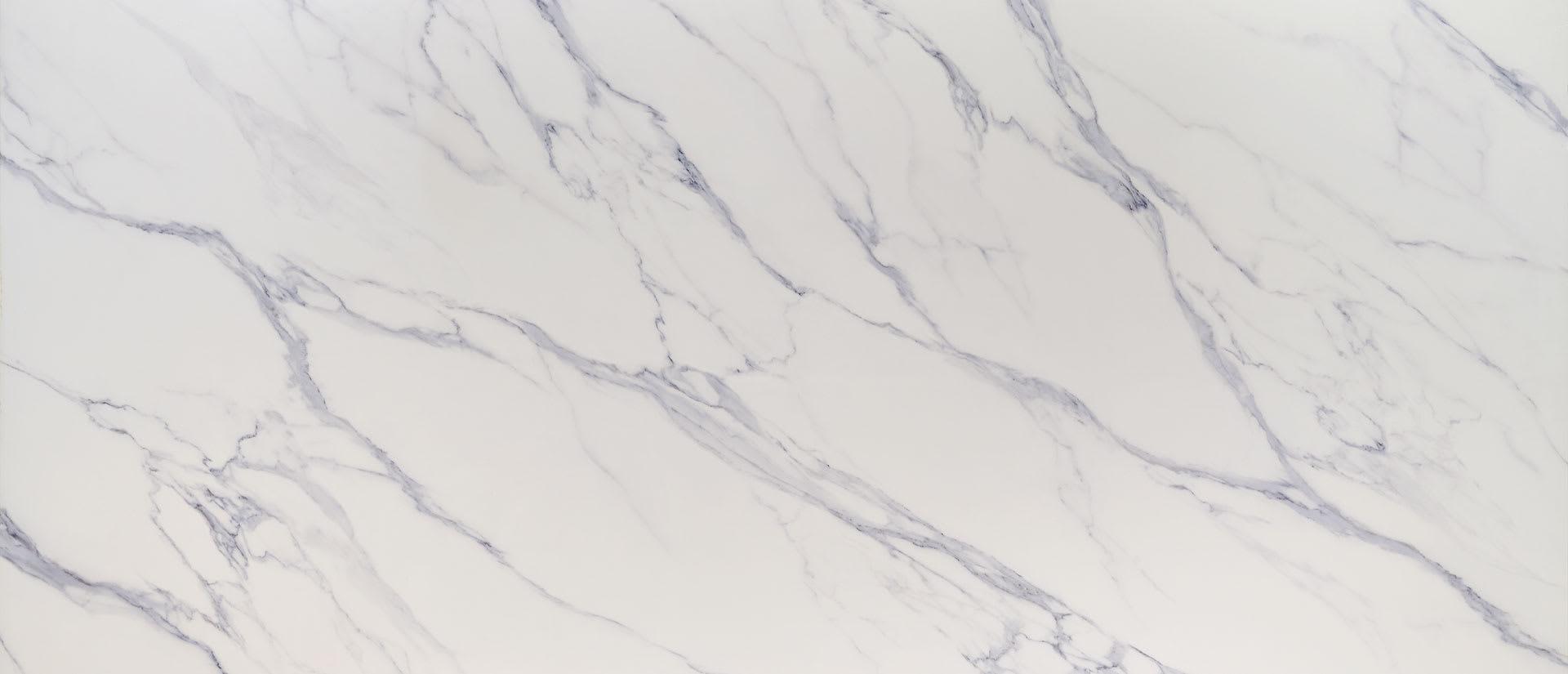

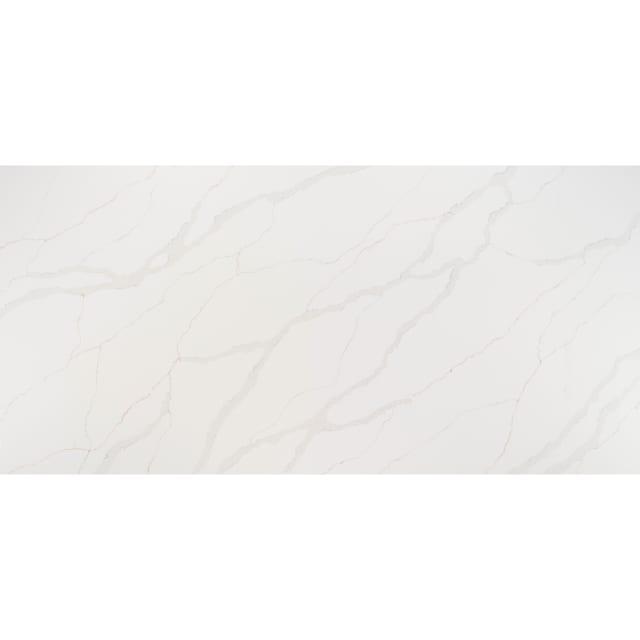
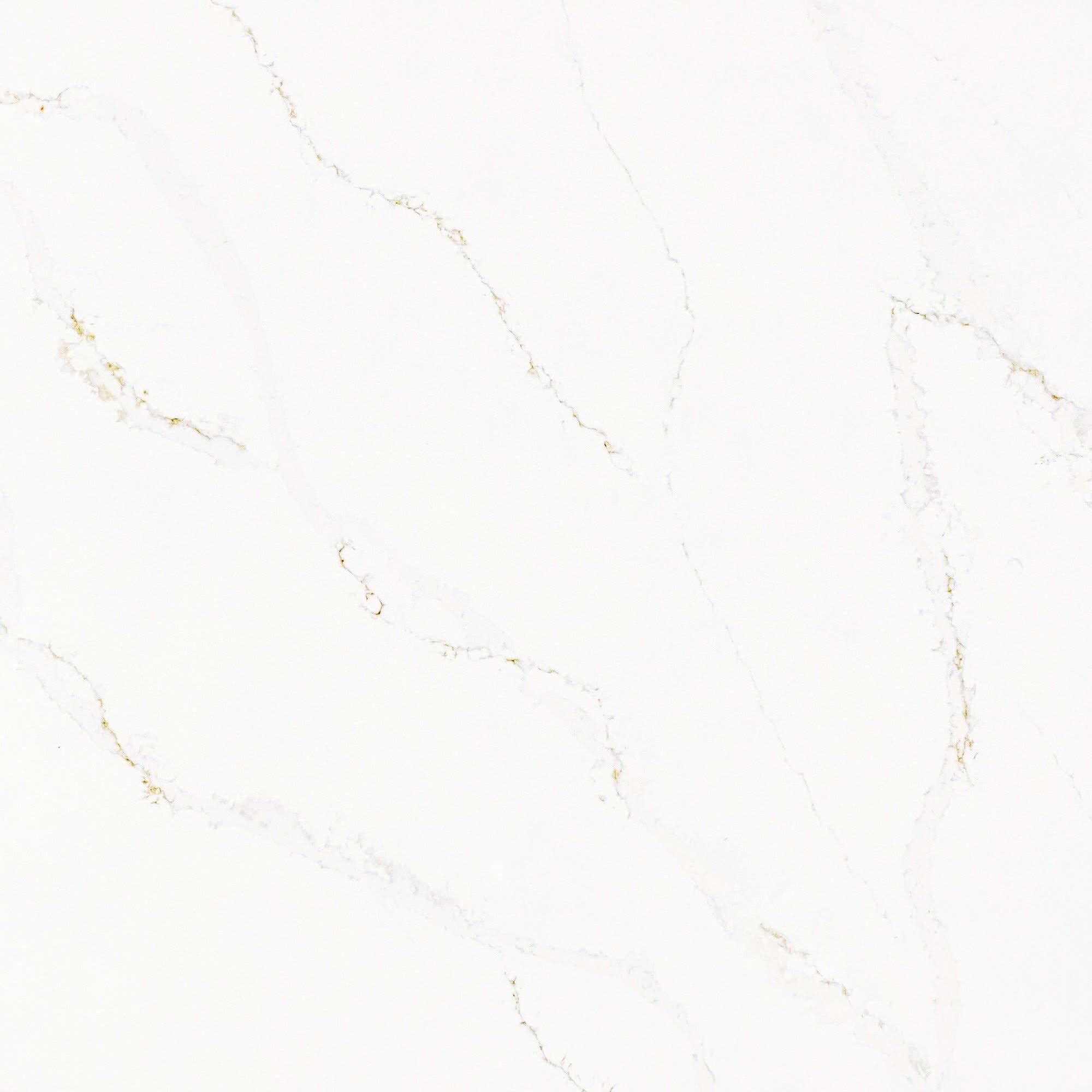
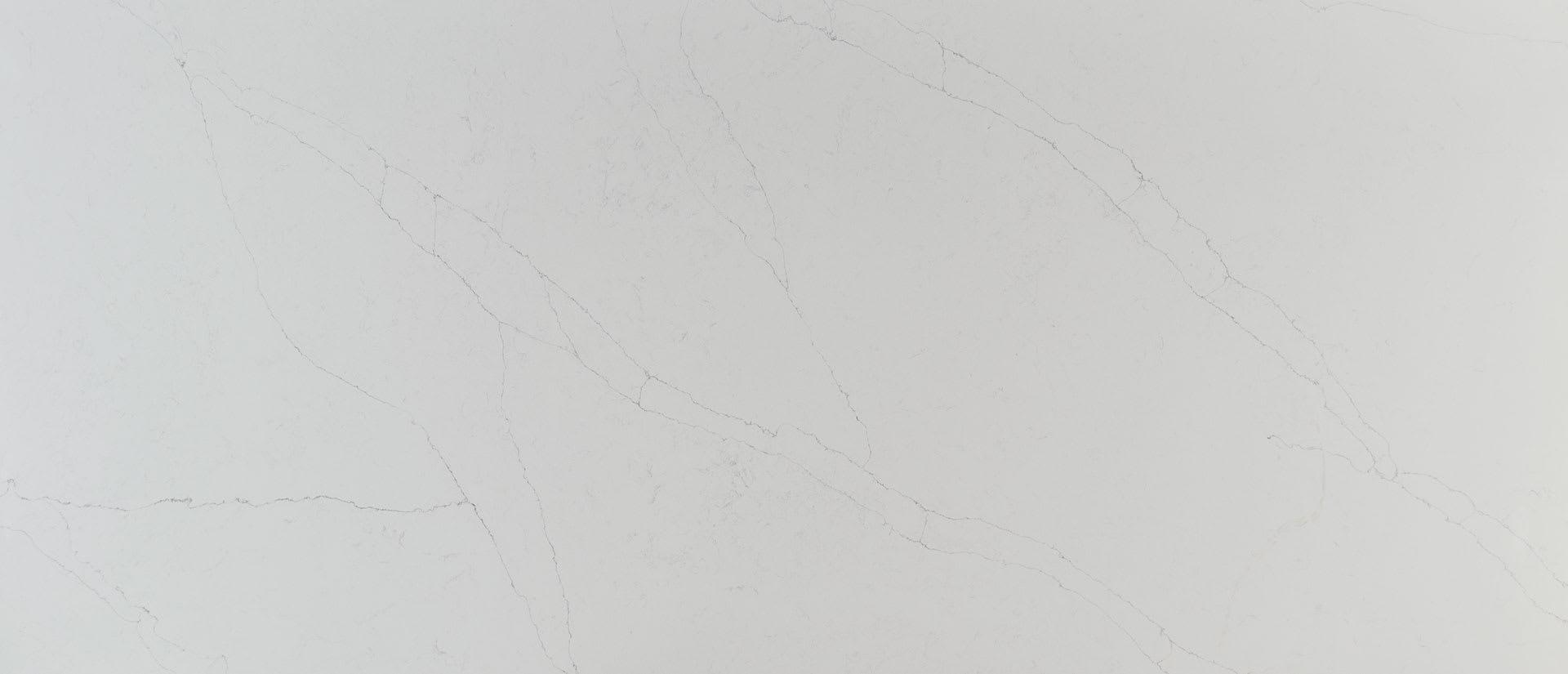
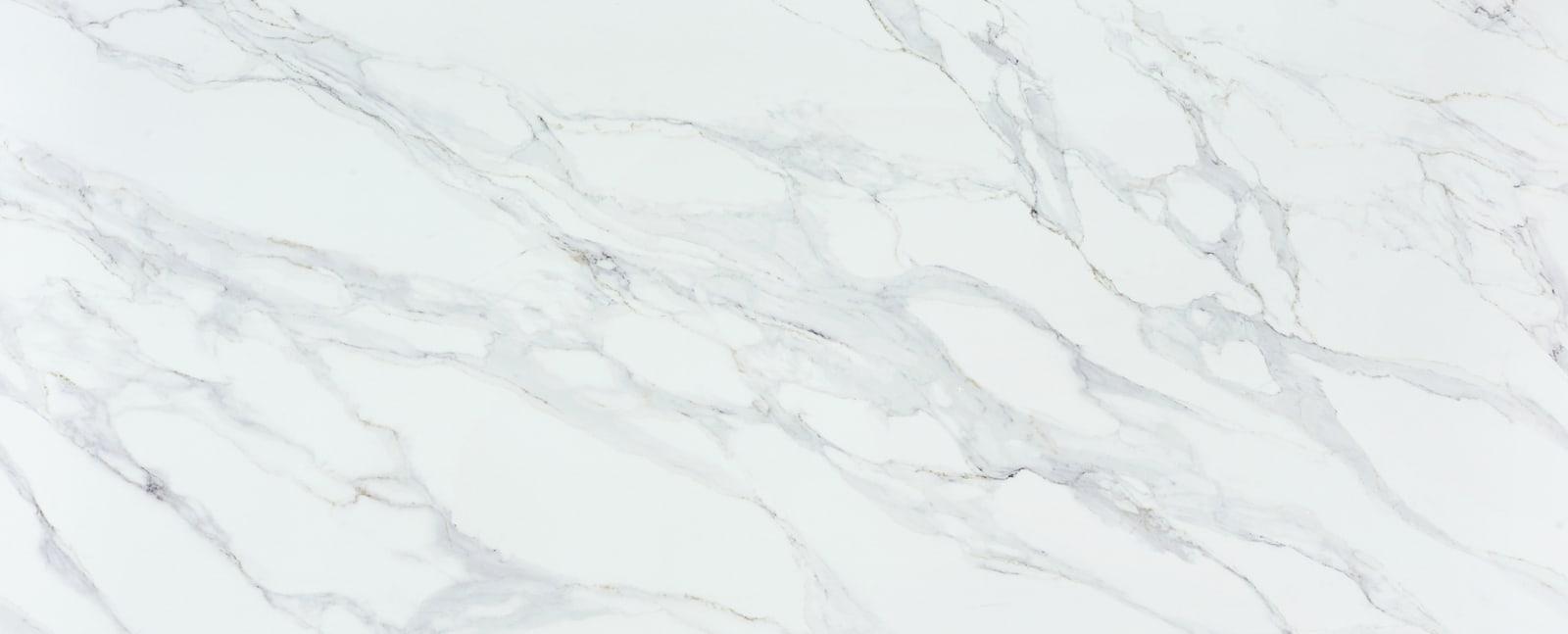


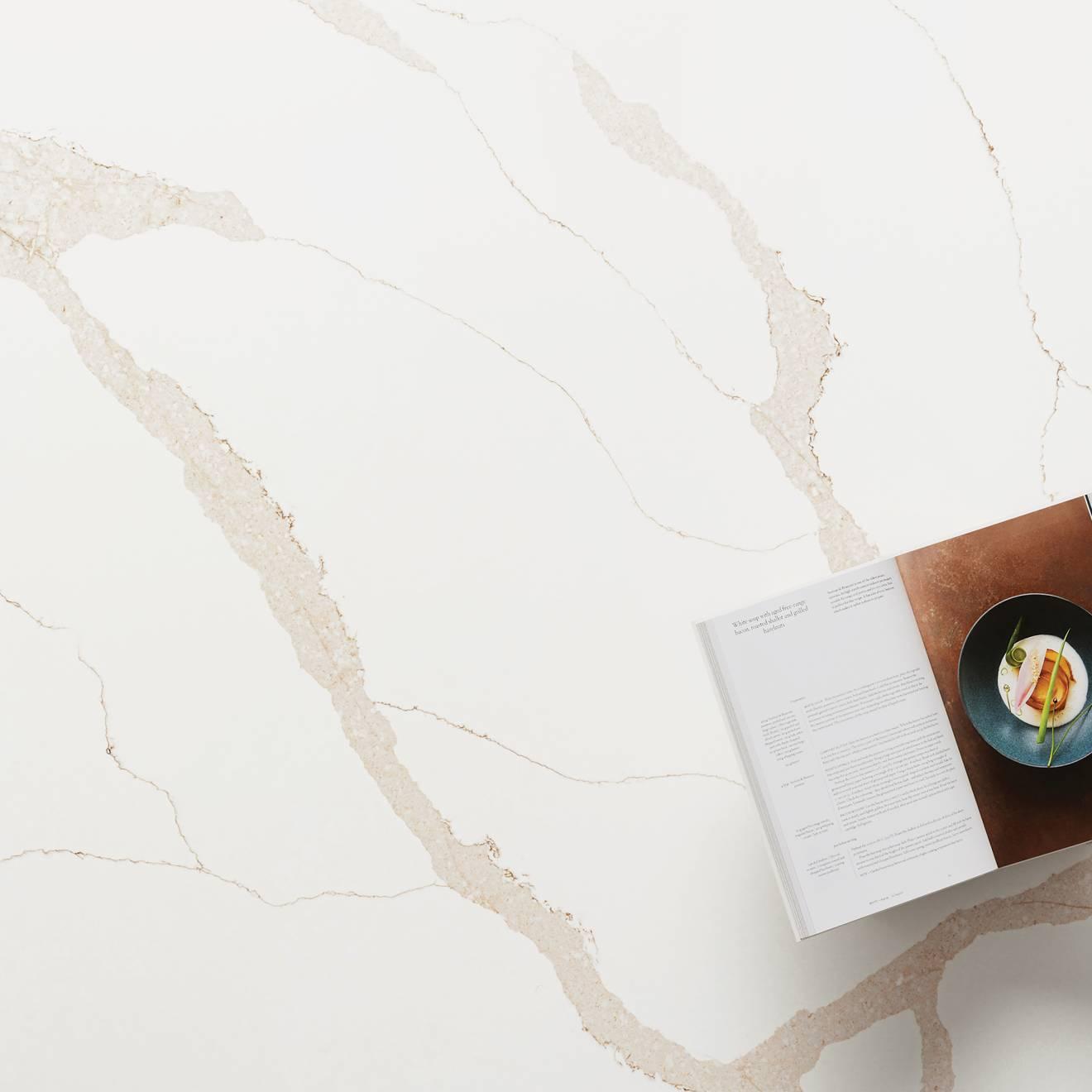
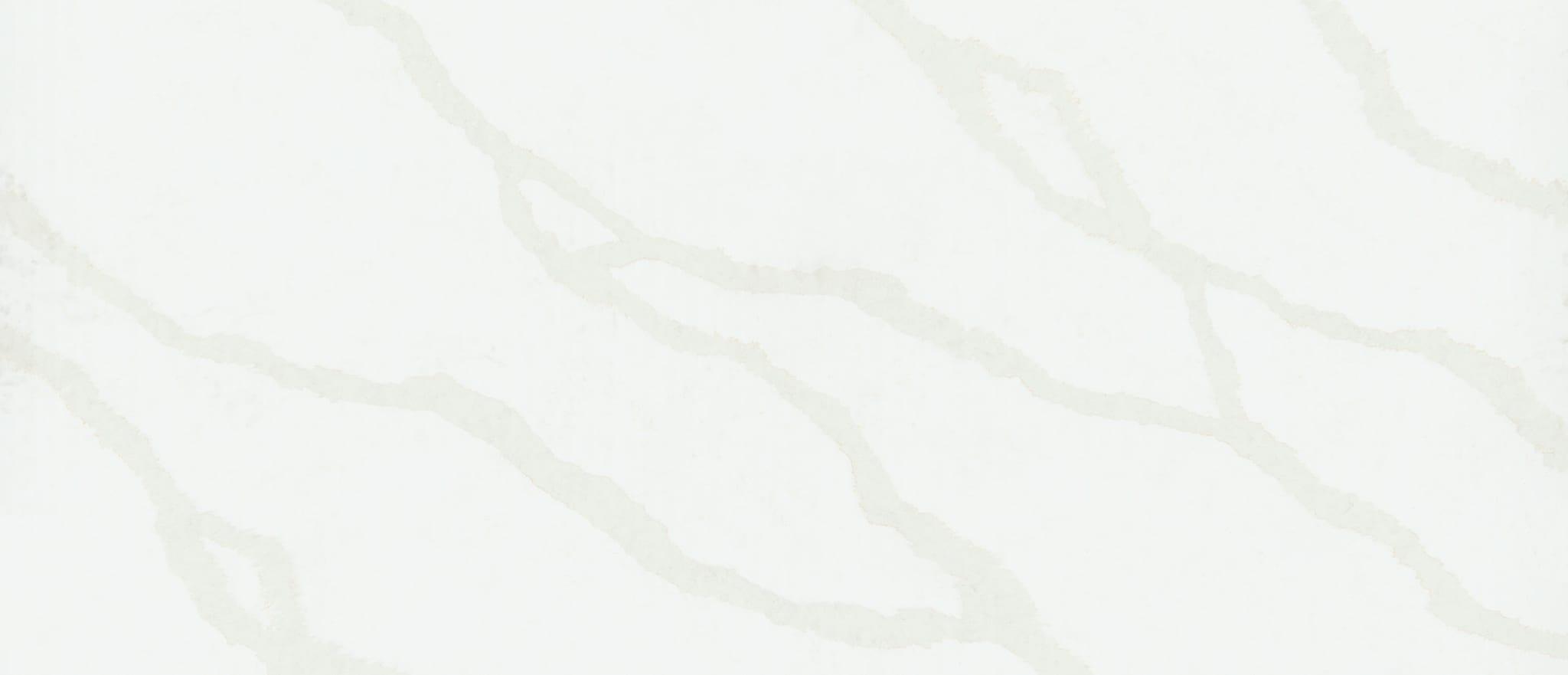

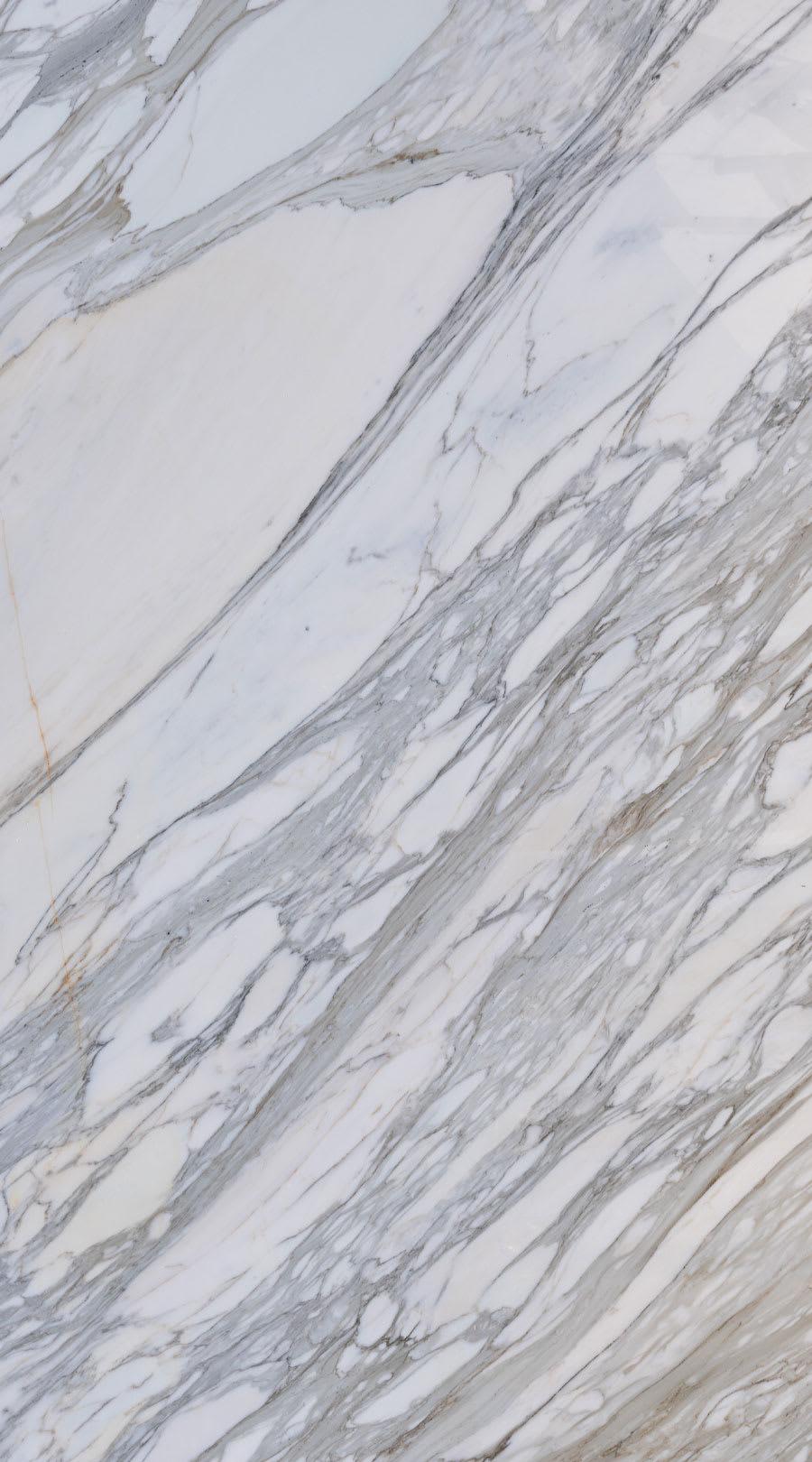


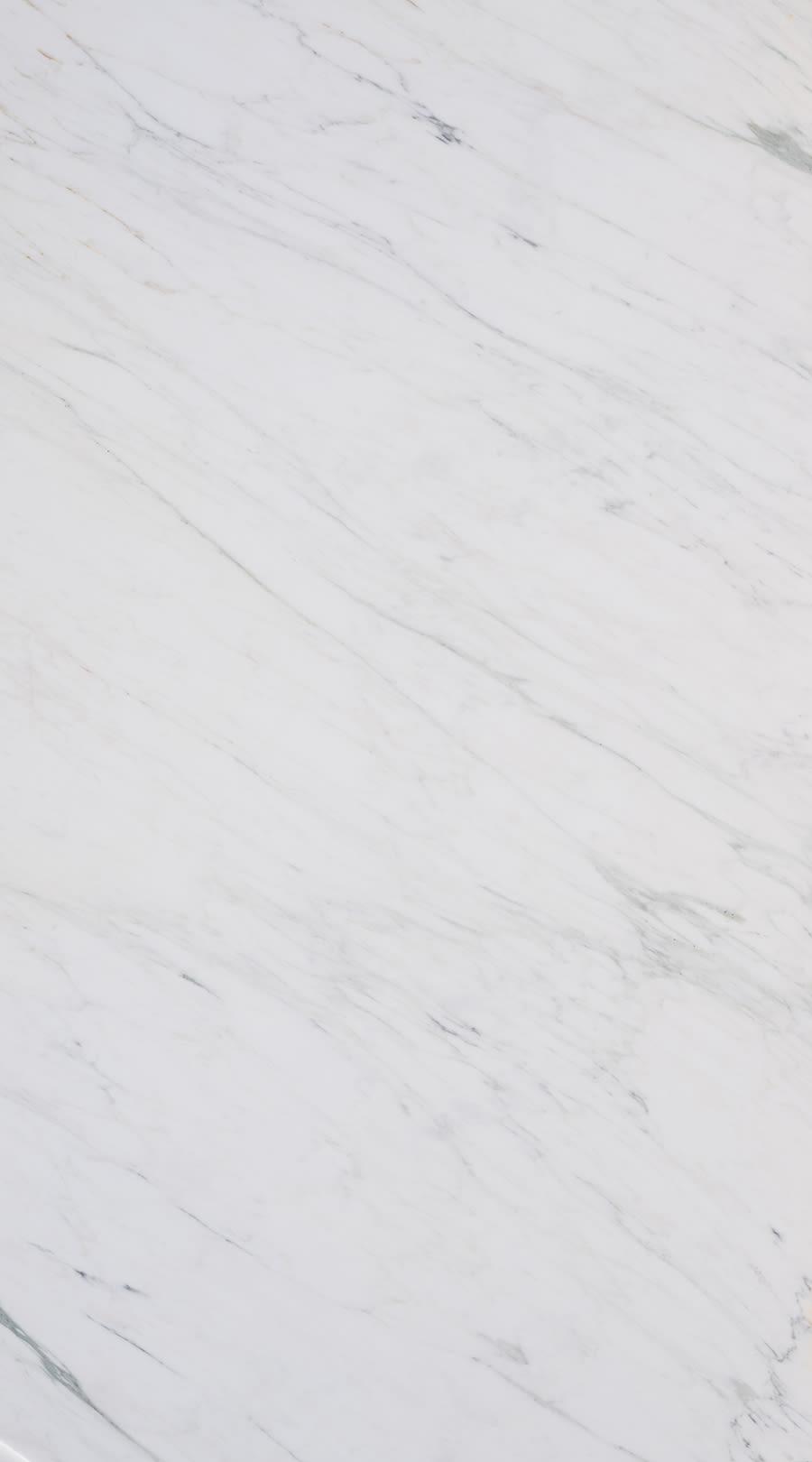
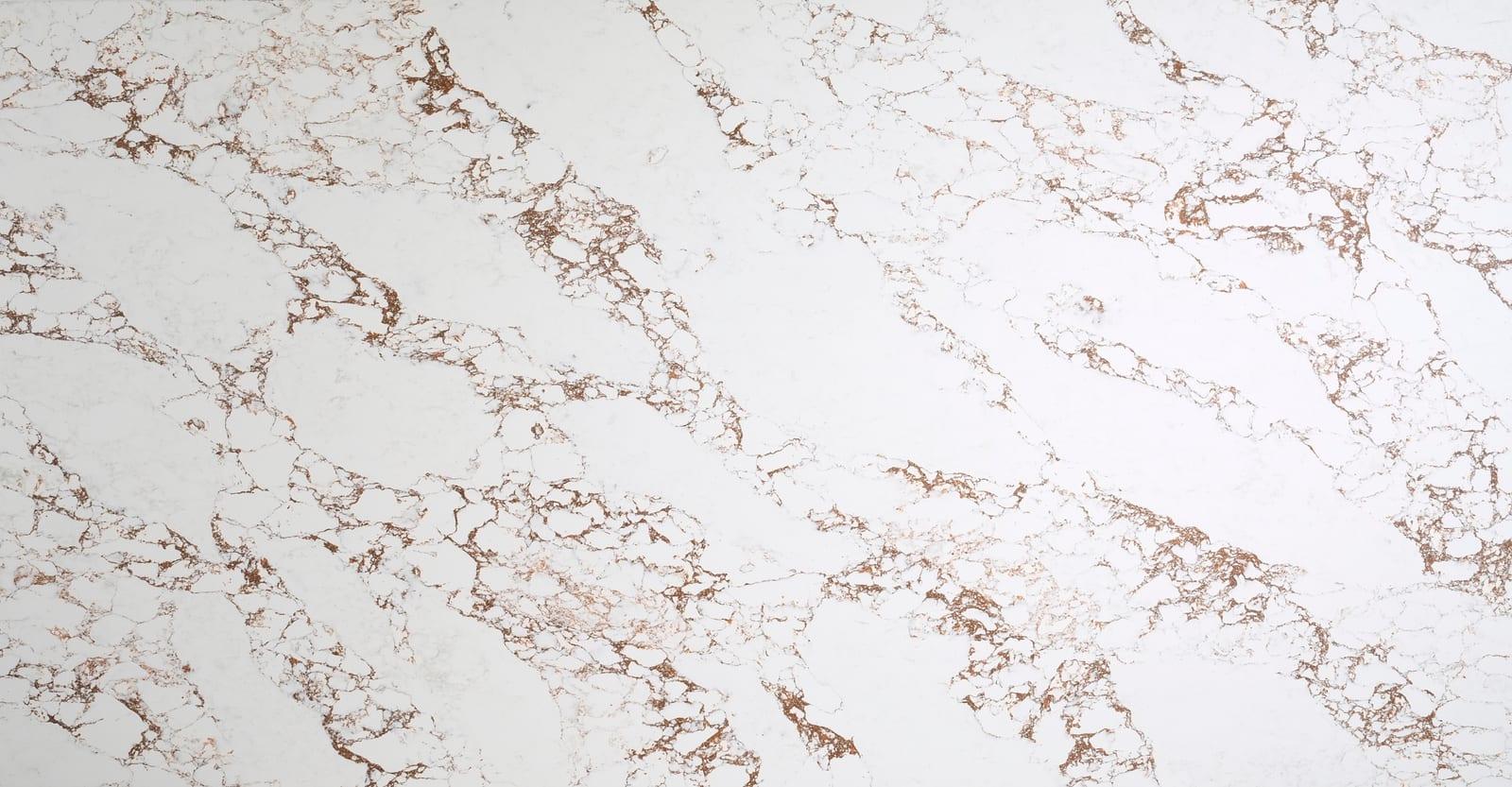
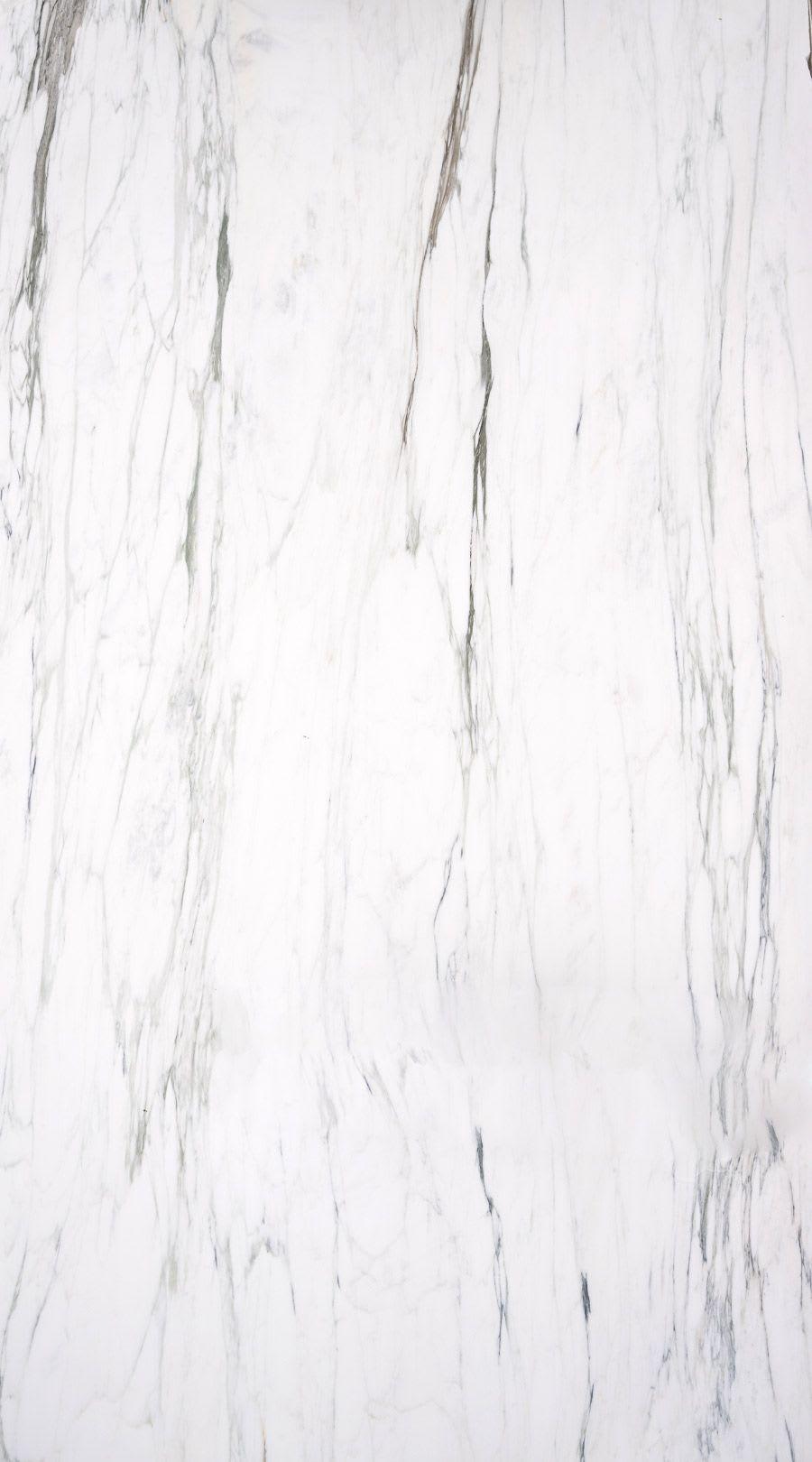
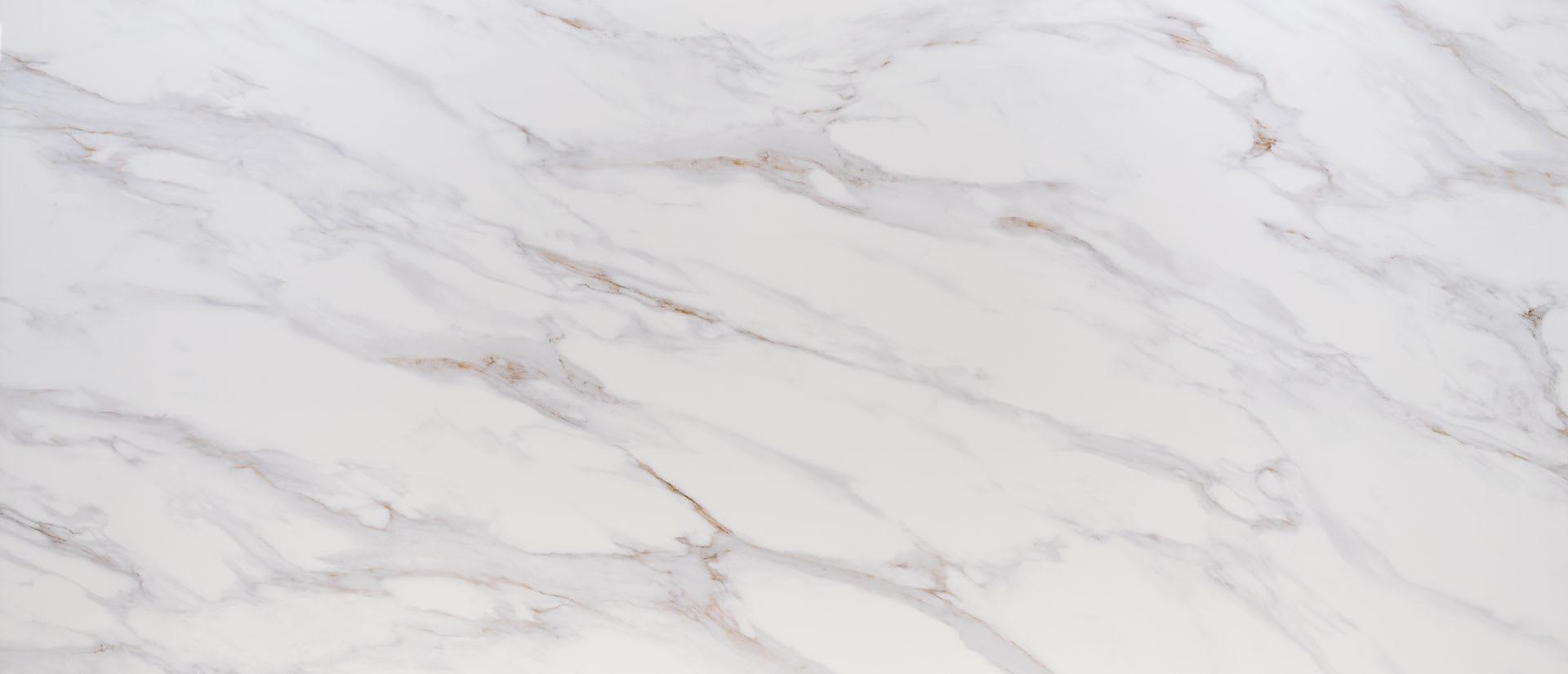
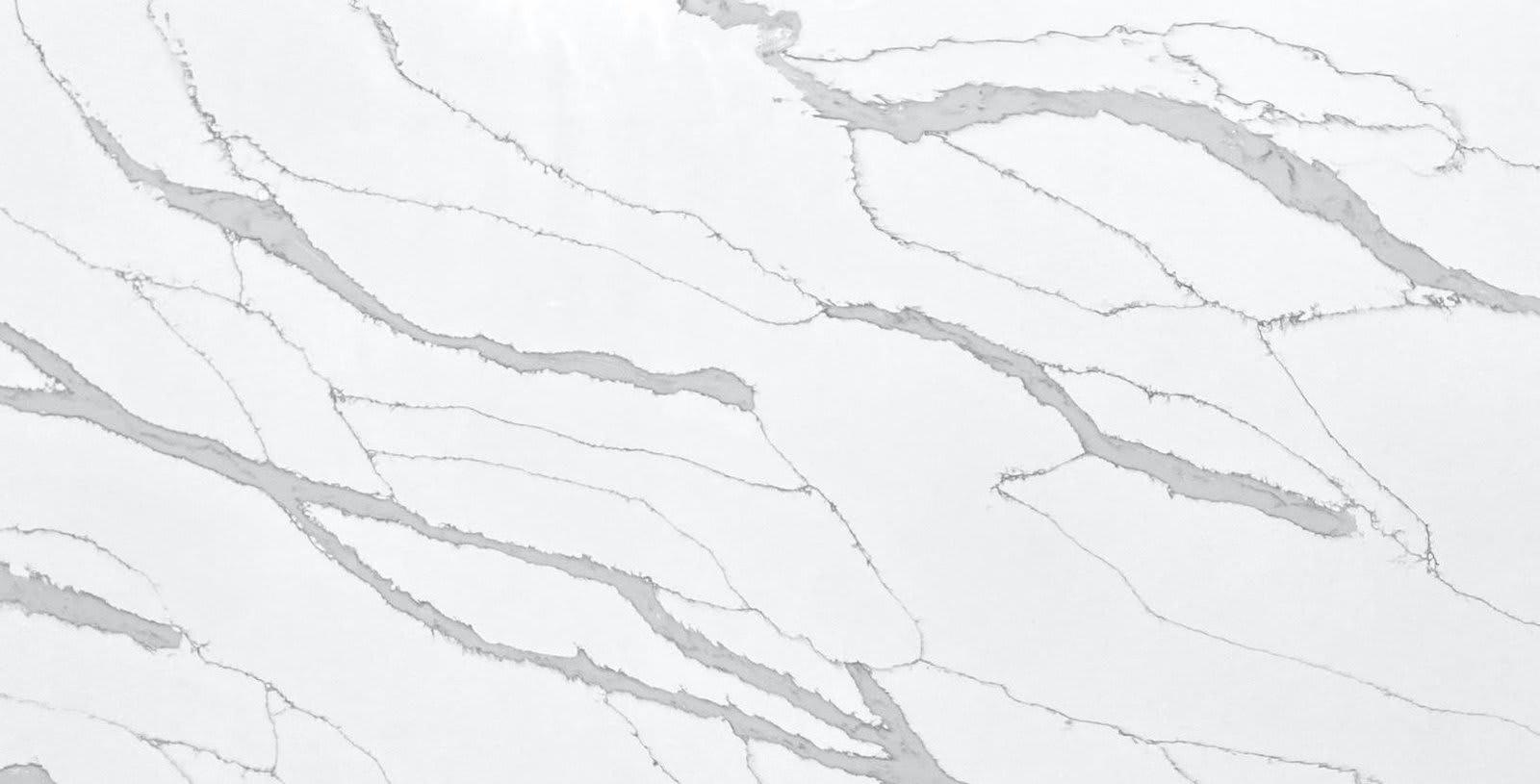
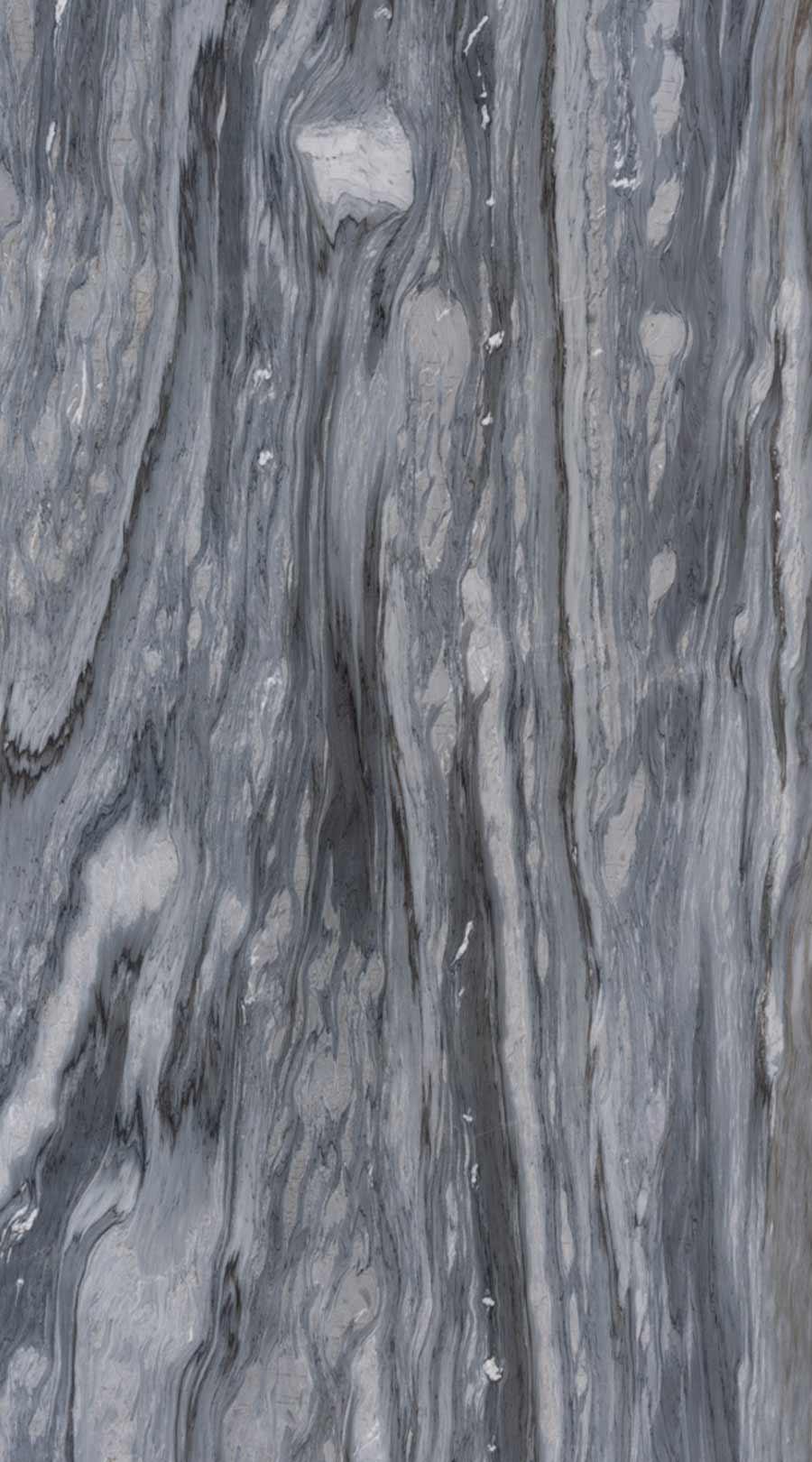
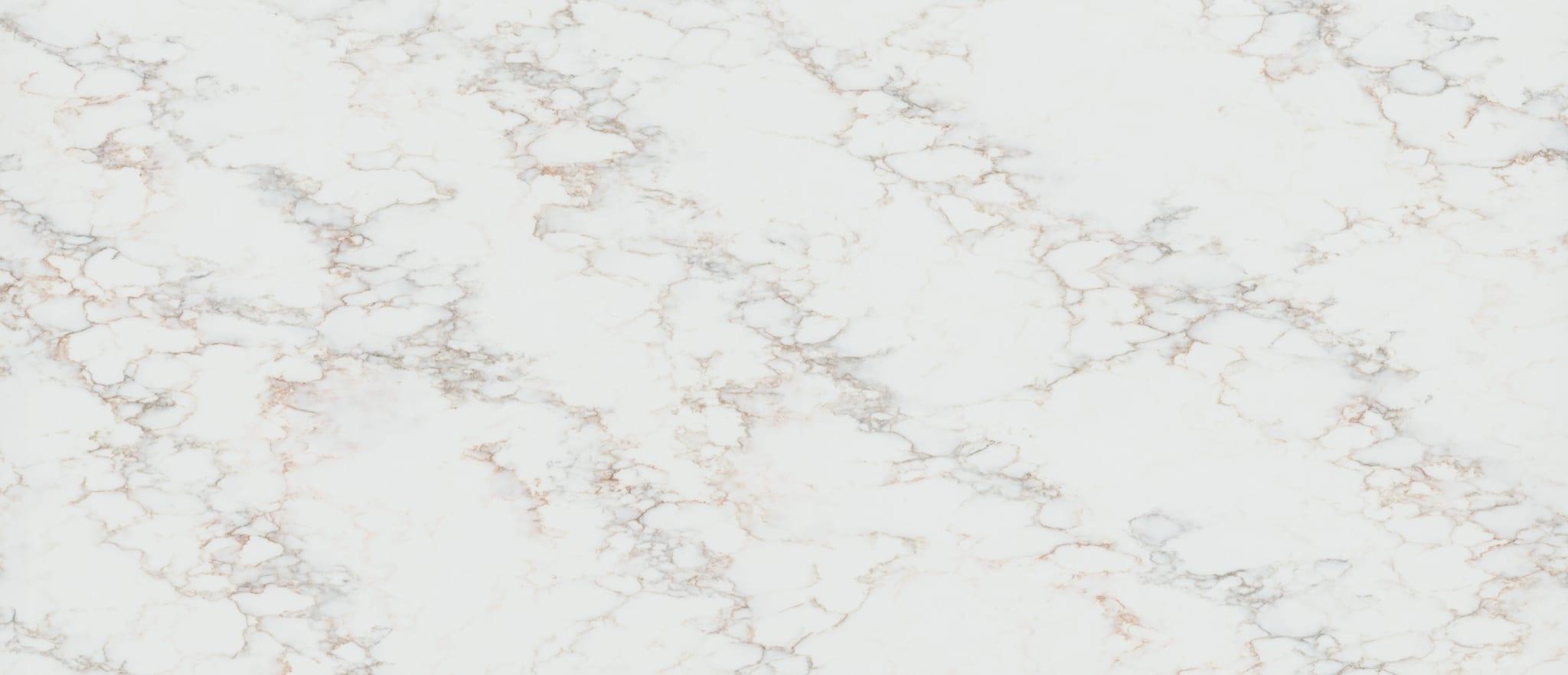
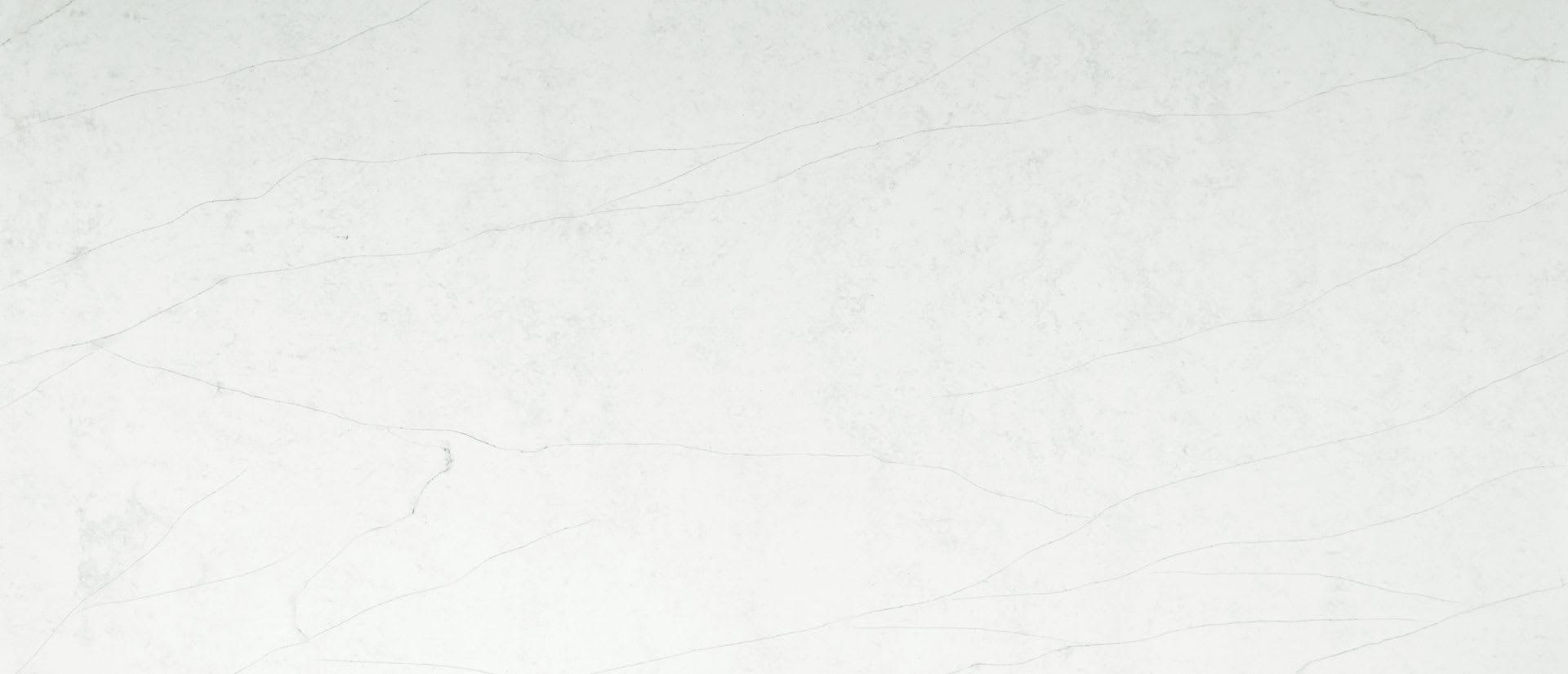
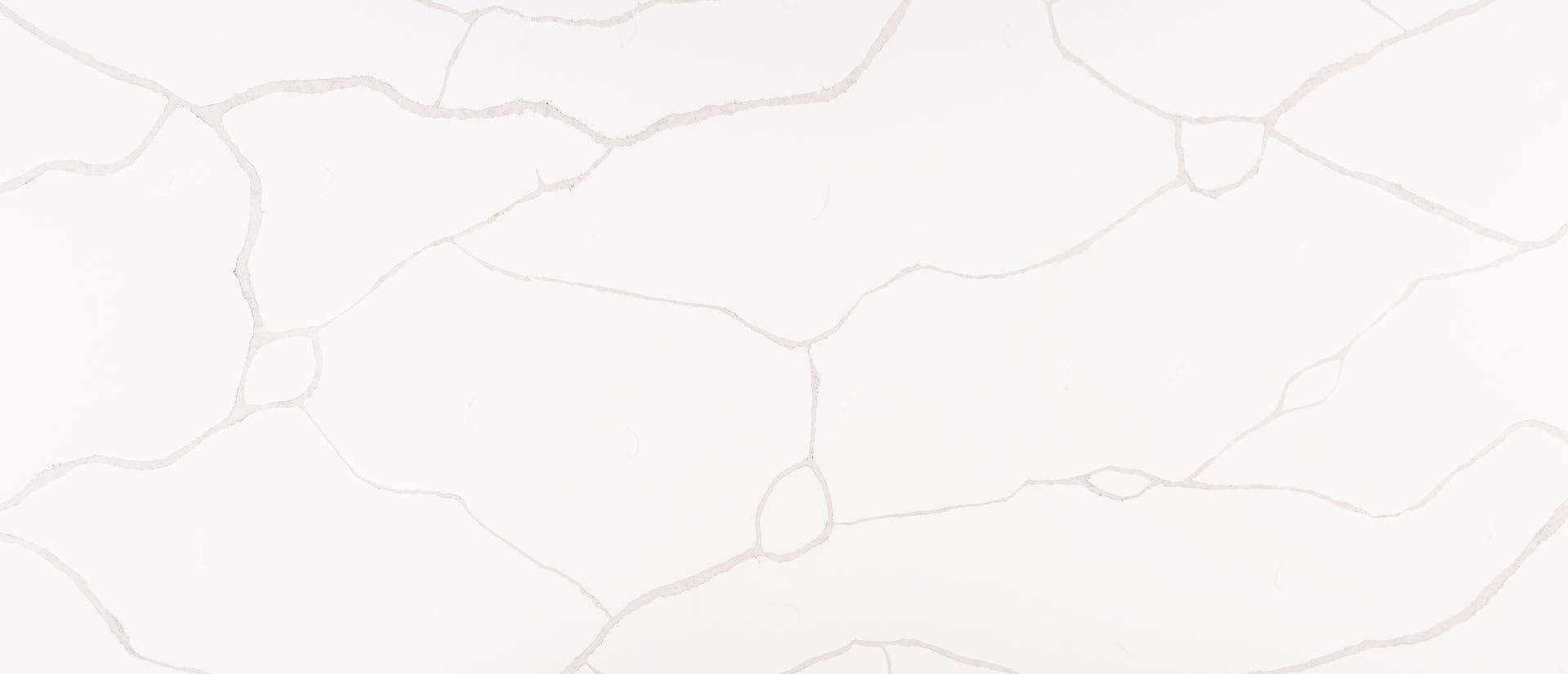

A Smarter Way to Source Calacatta Surfaces
Because GoSource emphasizes pricing transparency, trade professionals can quickly compare Calacatta-look quartz SKUs against natural Calacatta options and value-engineer without spending days chasing quotes from multiple stone distributors.
Dedicated account managers can help with slab selection, veining direction, and lot matching to fit your fabrication workflow, so you can spec bold Calacatta looks confidently across multiple projects.
For repeat buyers, GoCash and GoClub loyalty rewards can effectively reduce material costs on premium Calacatta-look jobs, improving margins without lowering your project pricing.
For most trade professionals in 2026, the default choice is Calacatta quartz: better performance, more predictable results, and lower long-term service risk. Reserve Calacatta marble for clients who genuinely understand, and embrace, what living with natural stone entails.

