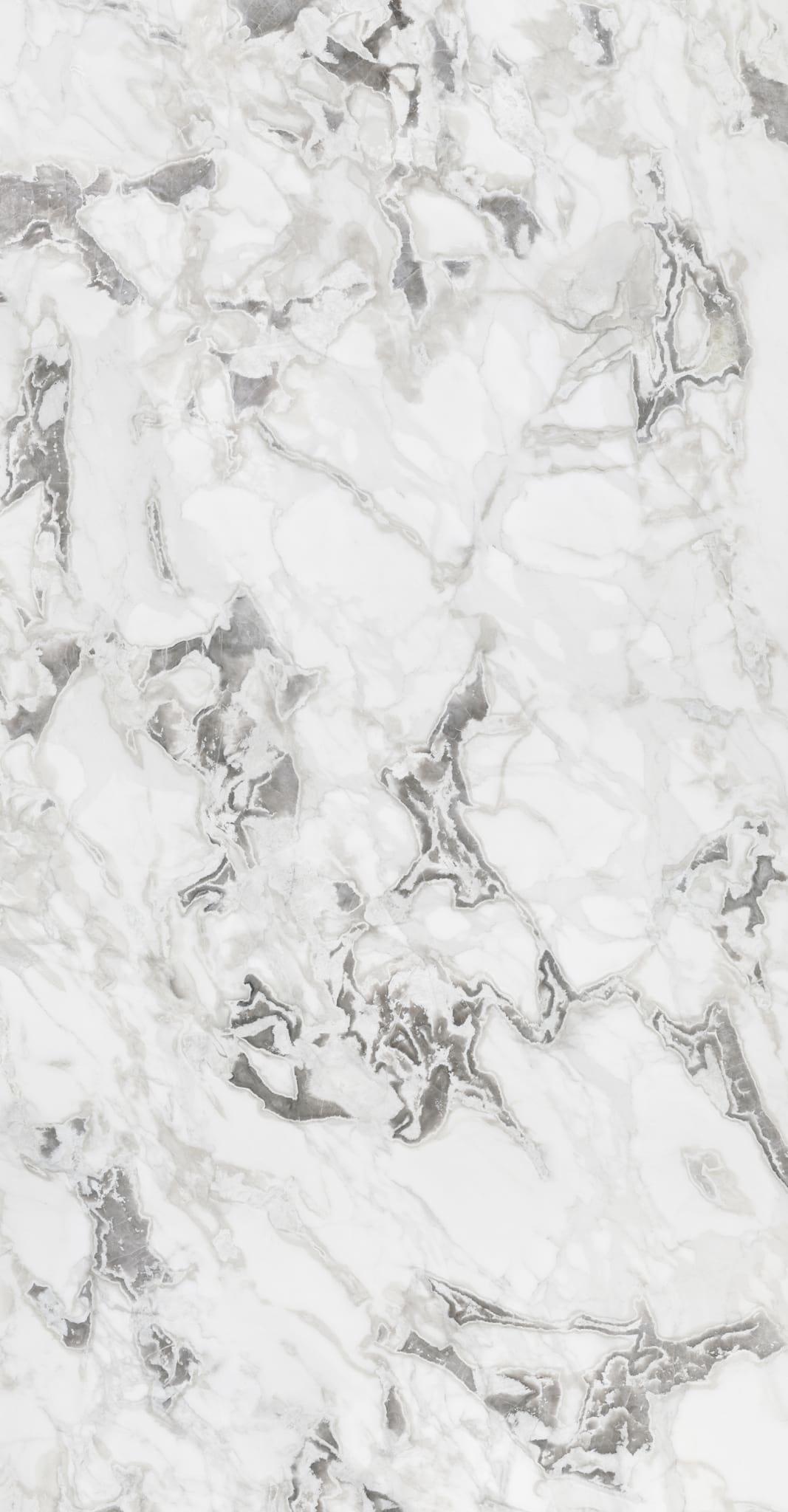
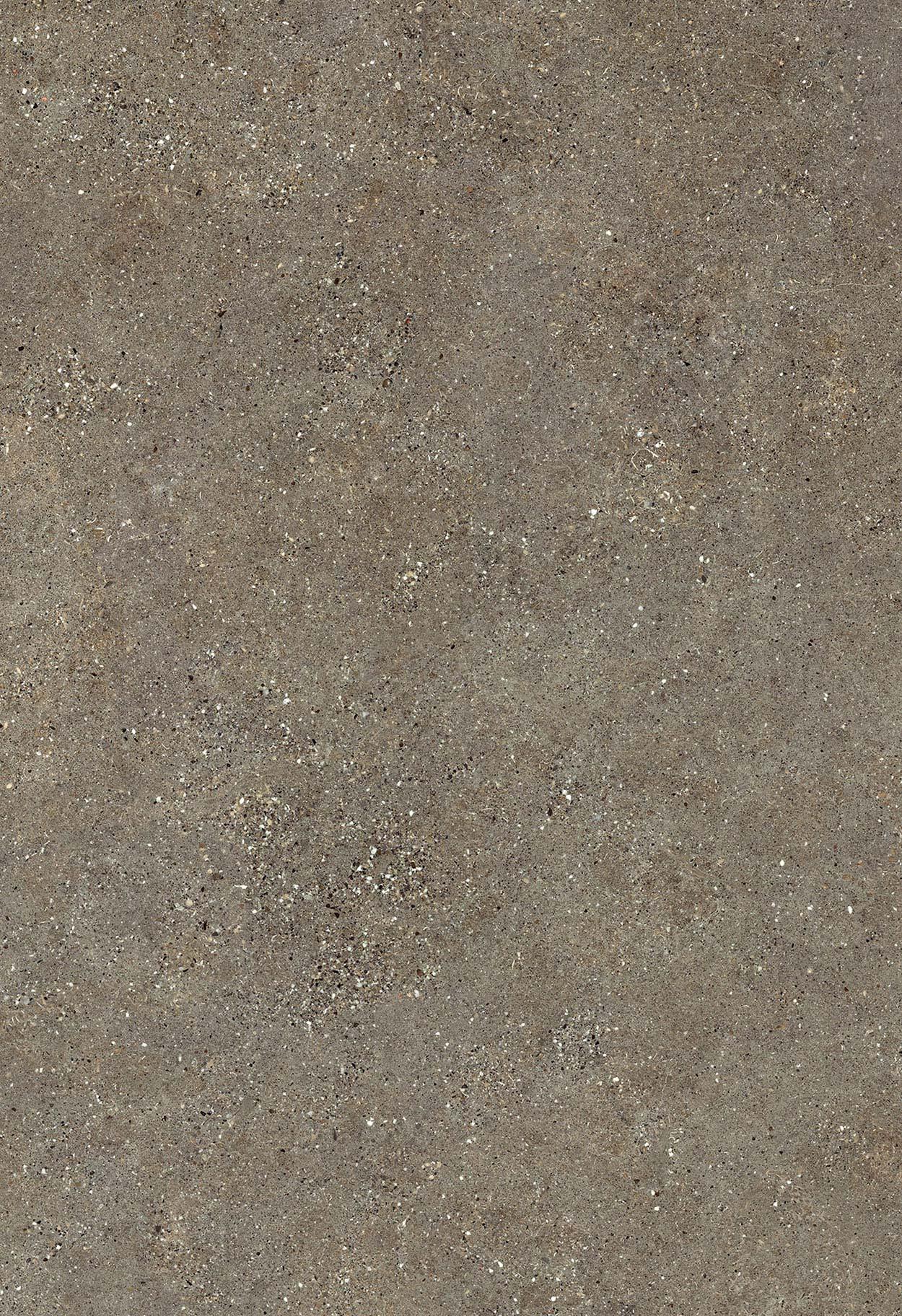
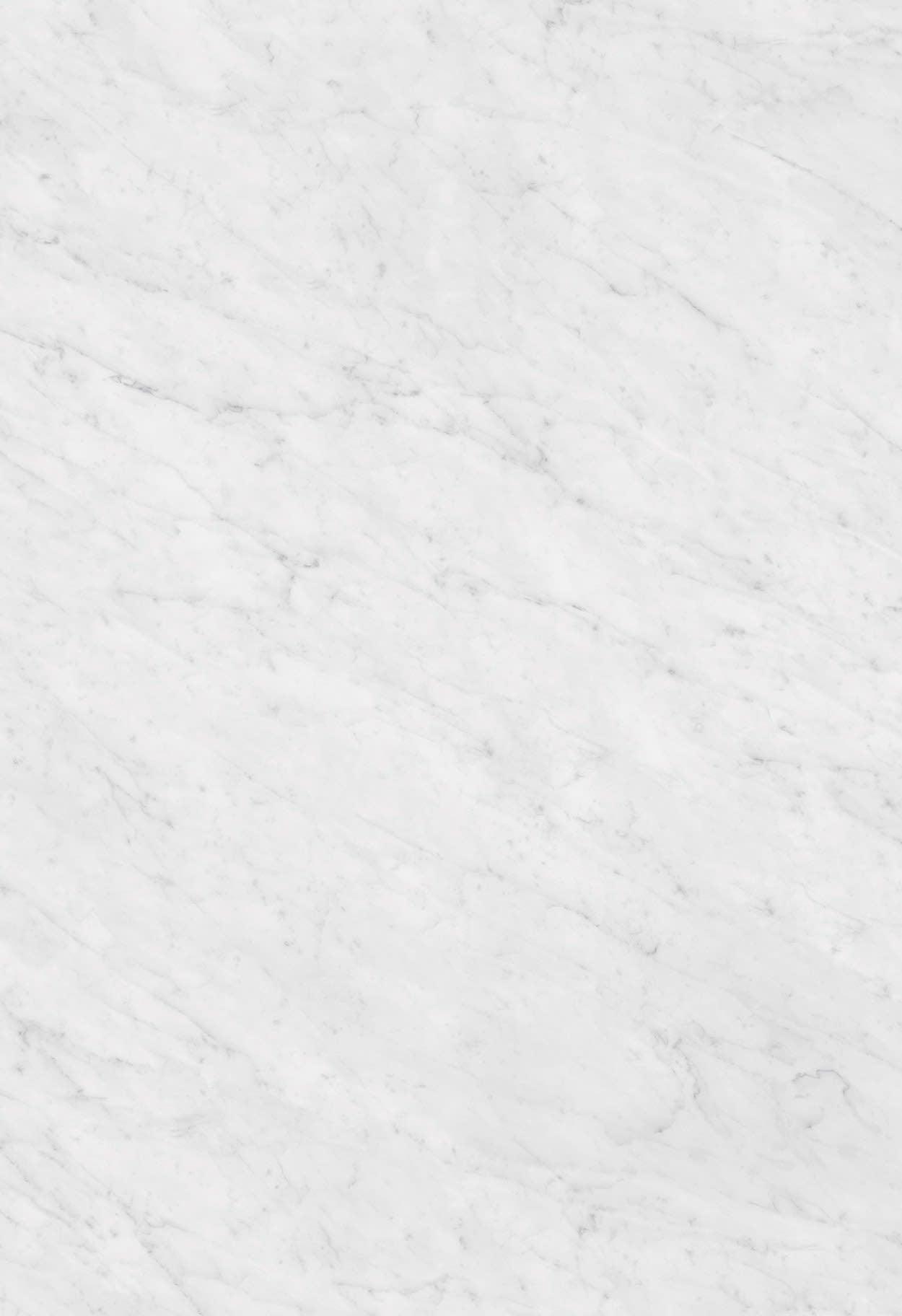
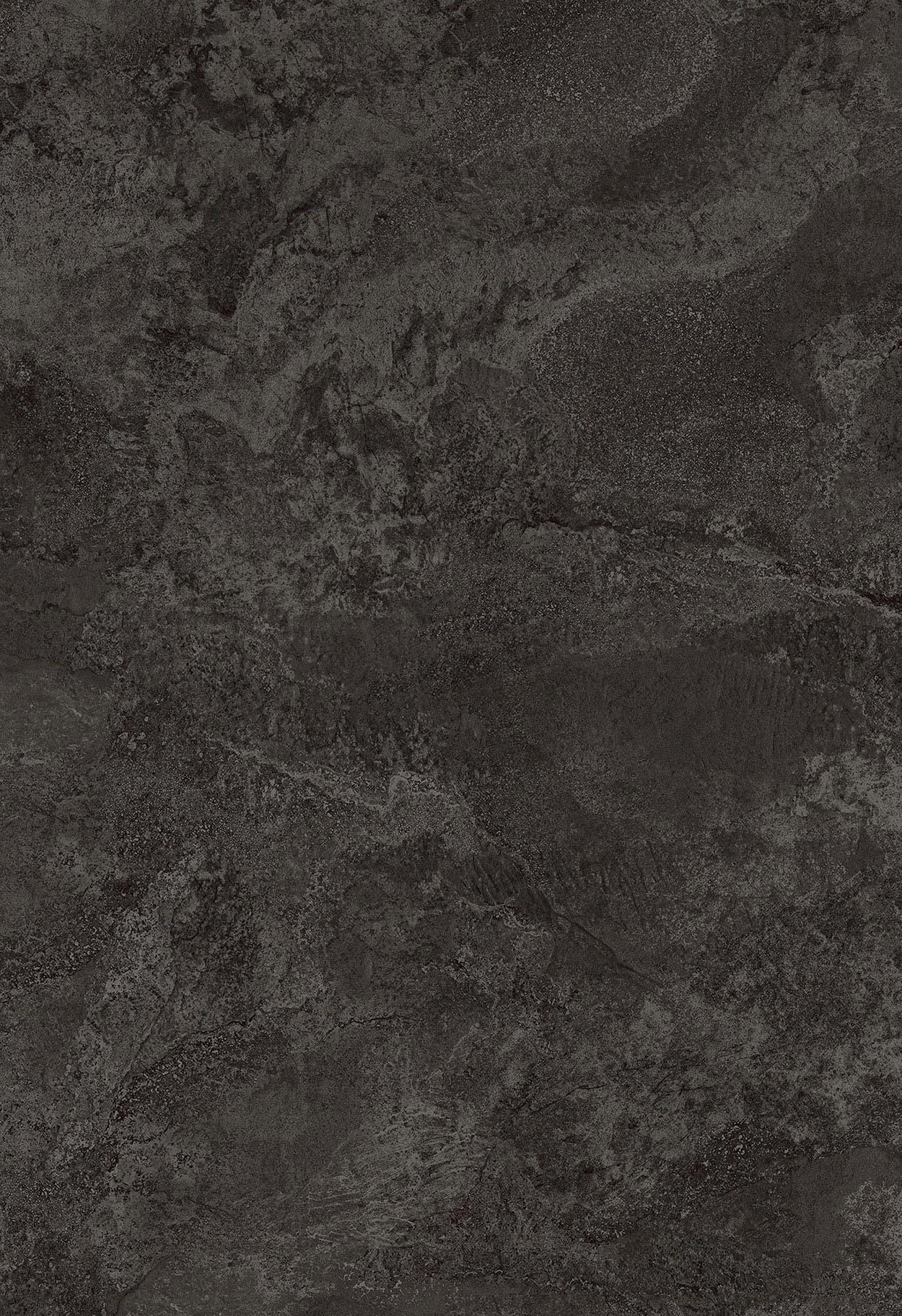
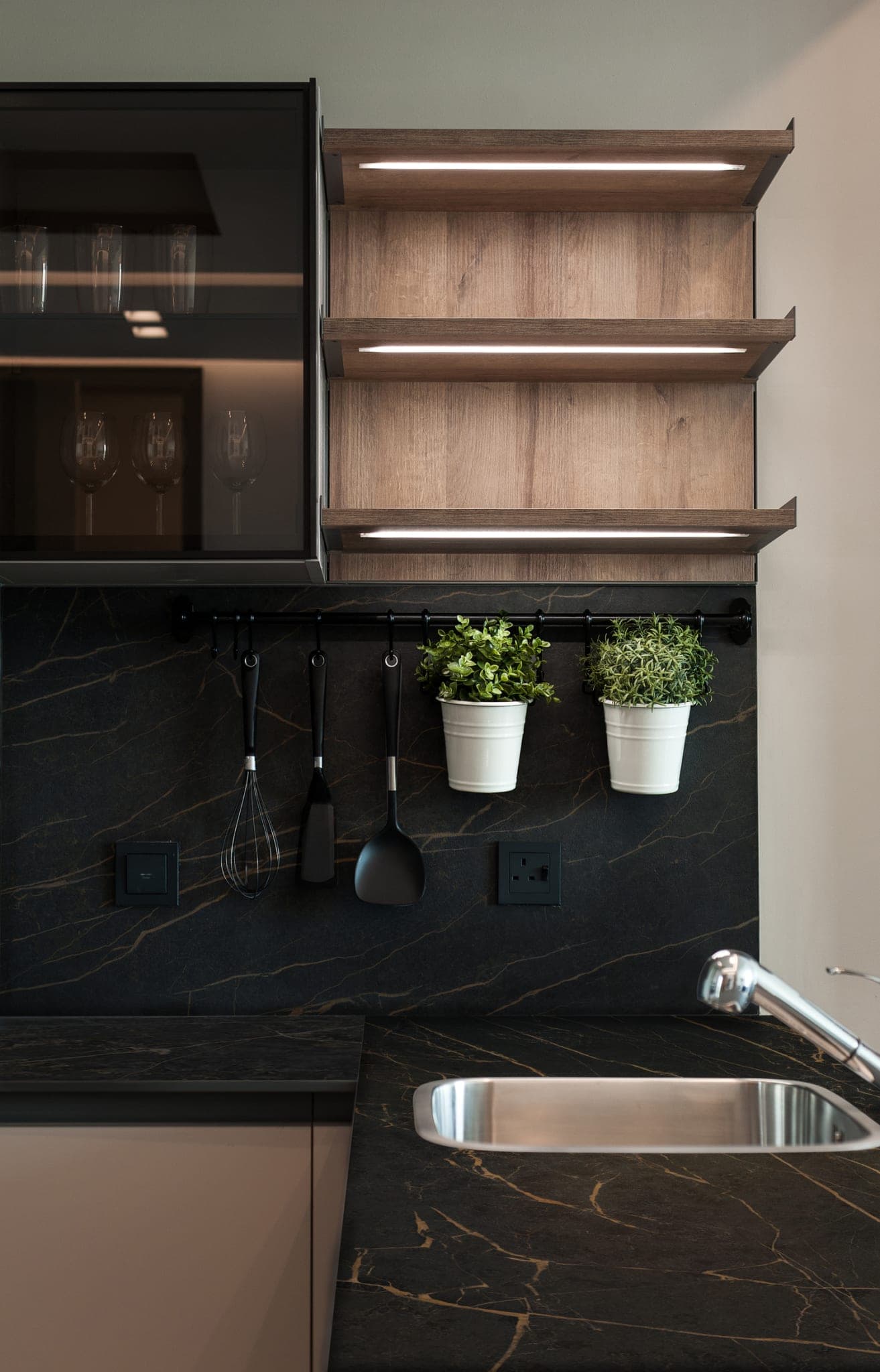
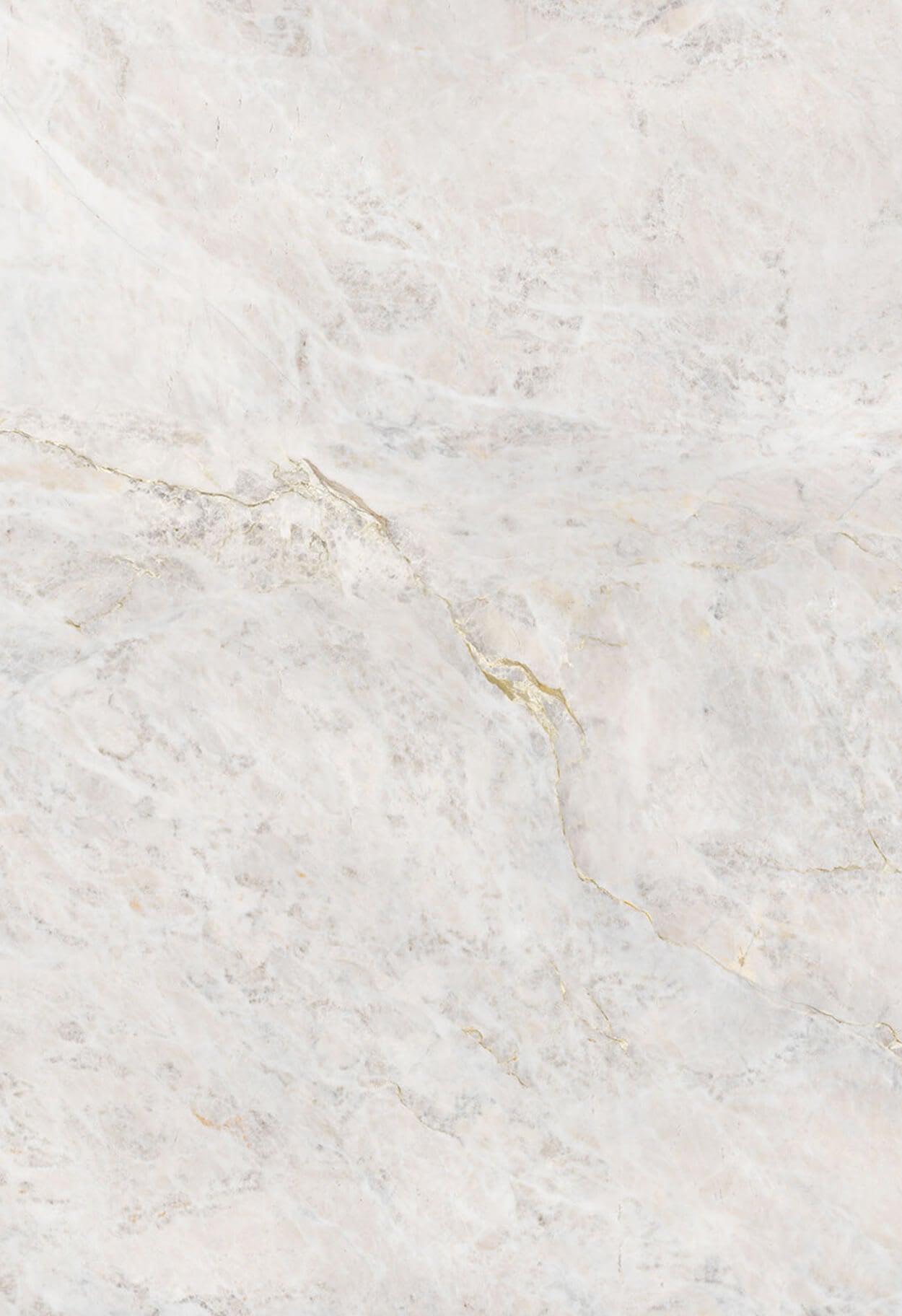
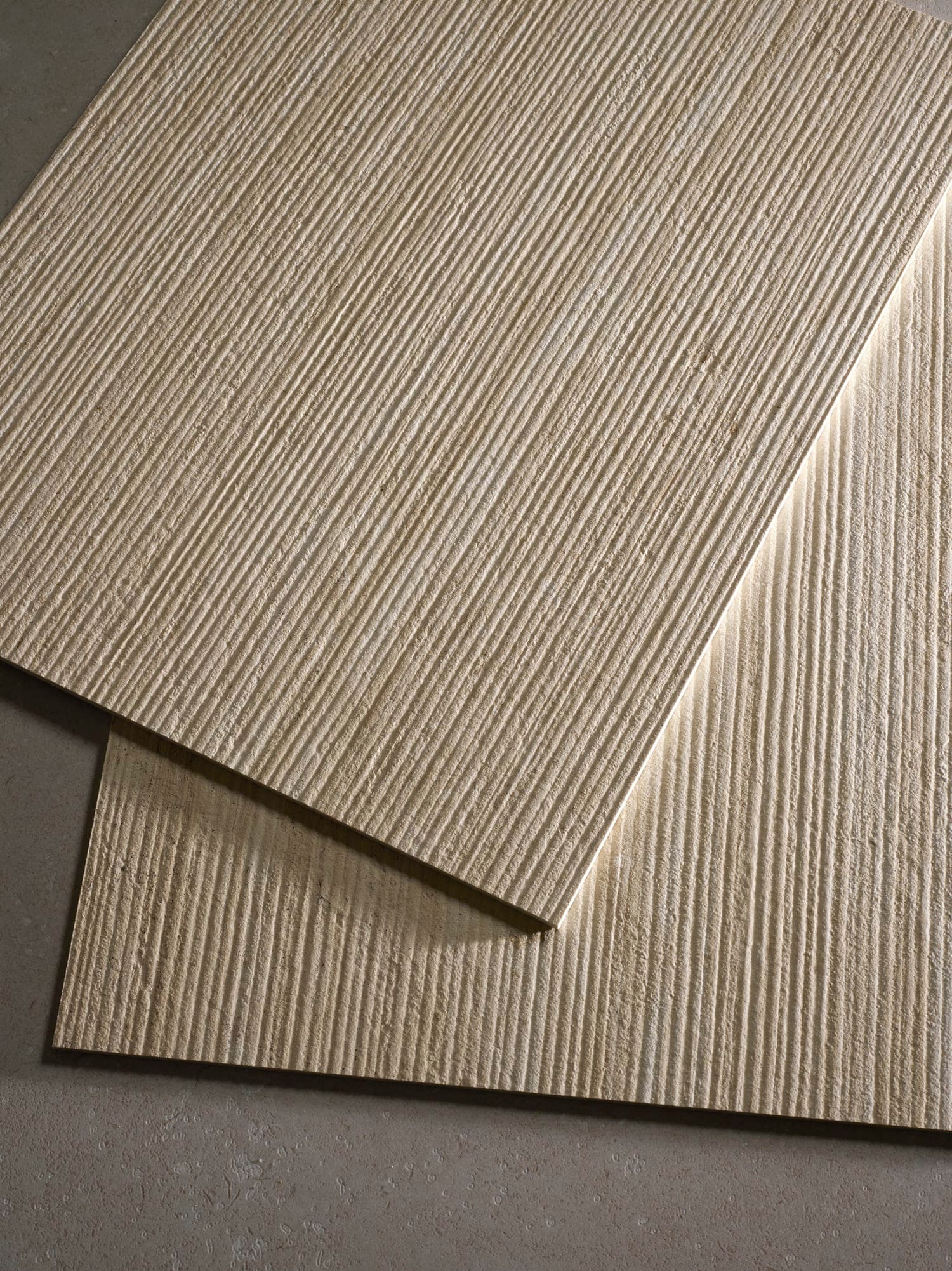
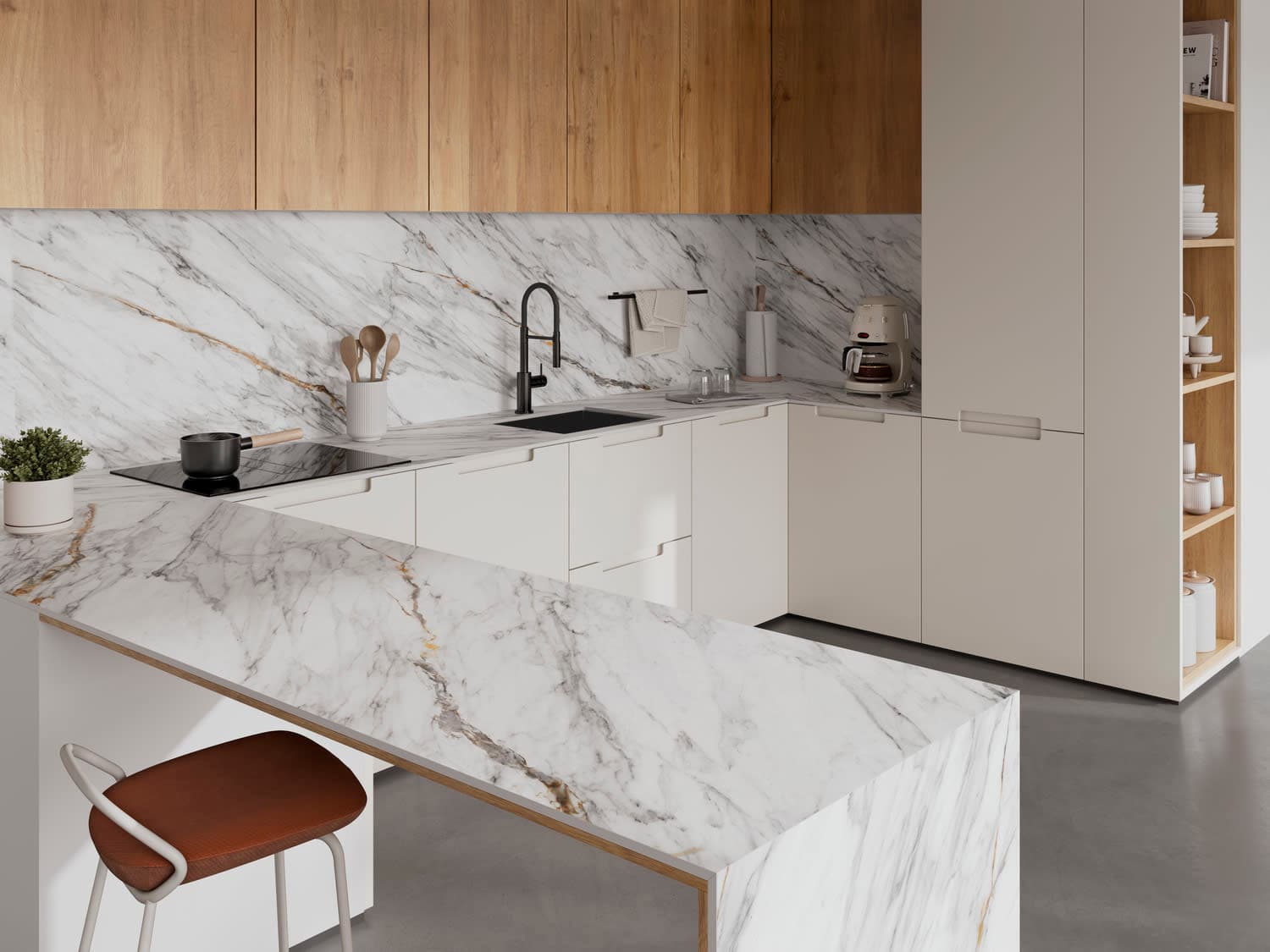
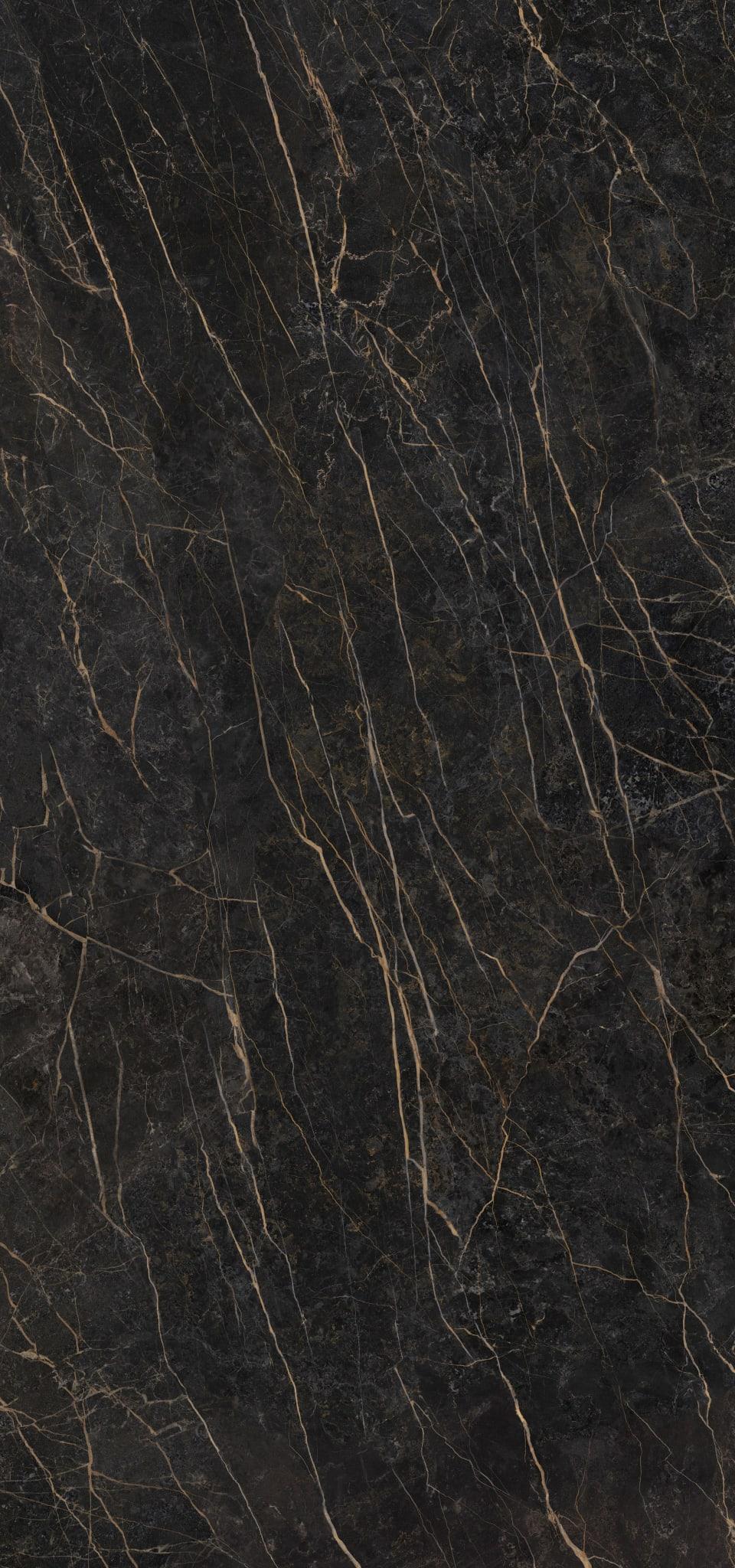
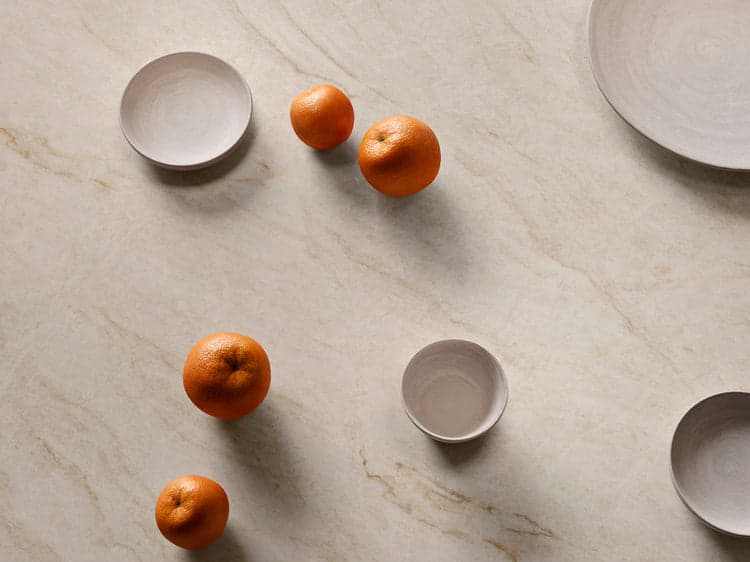
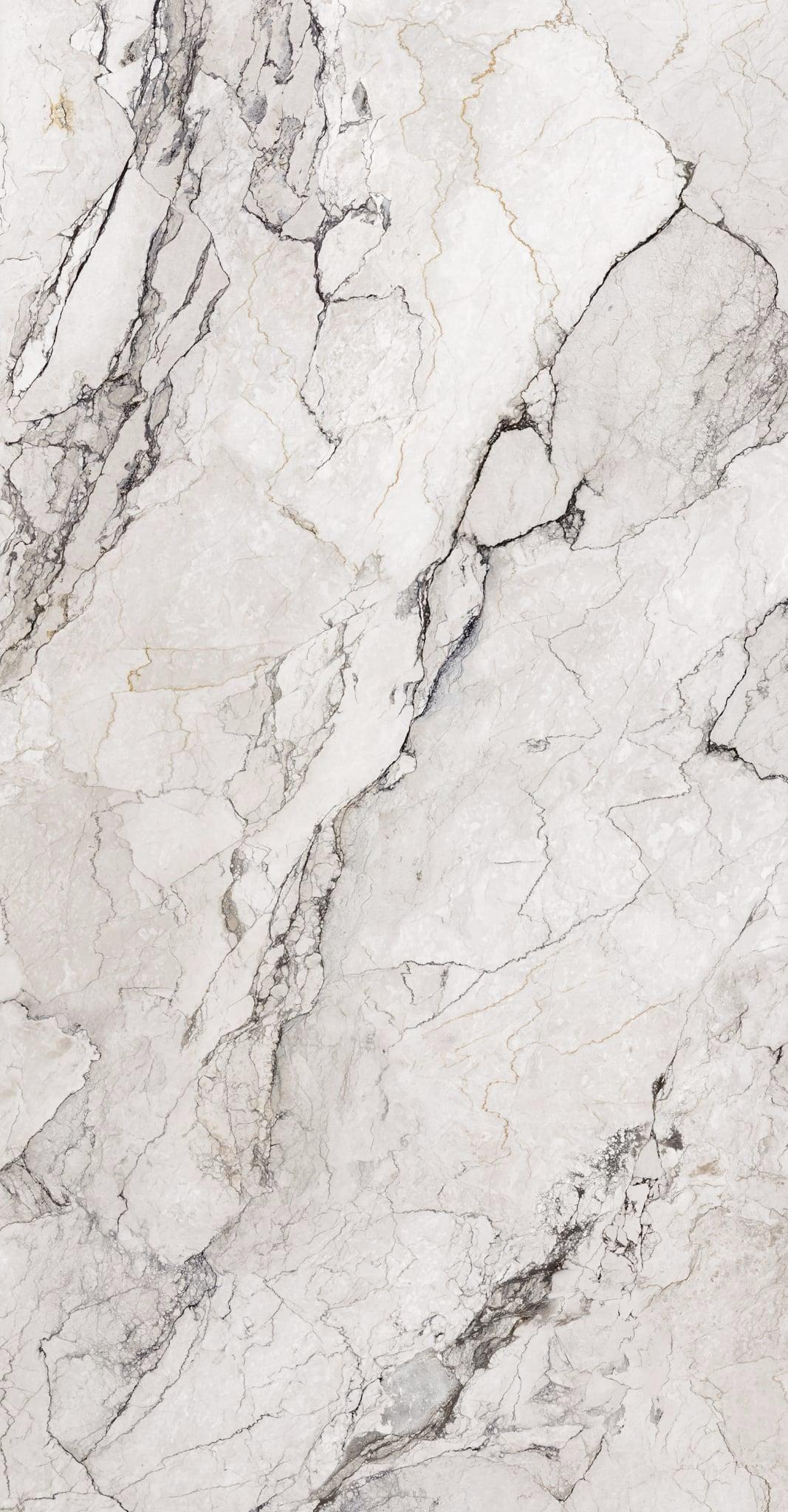
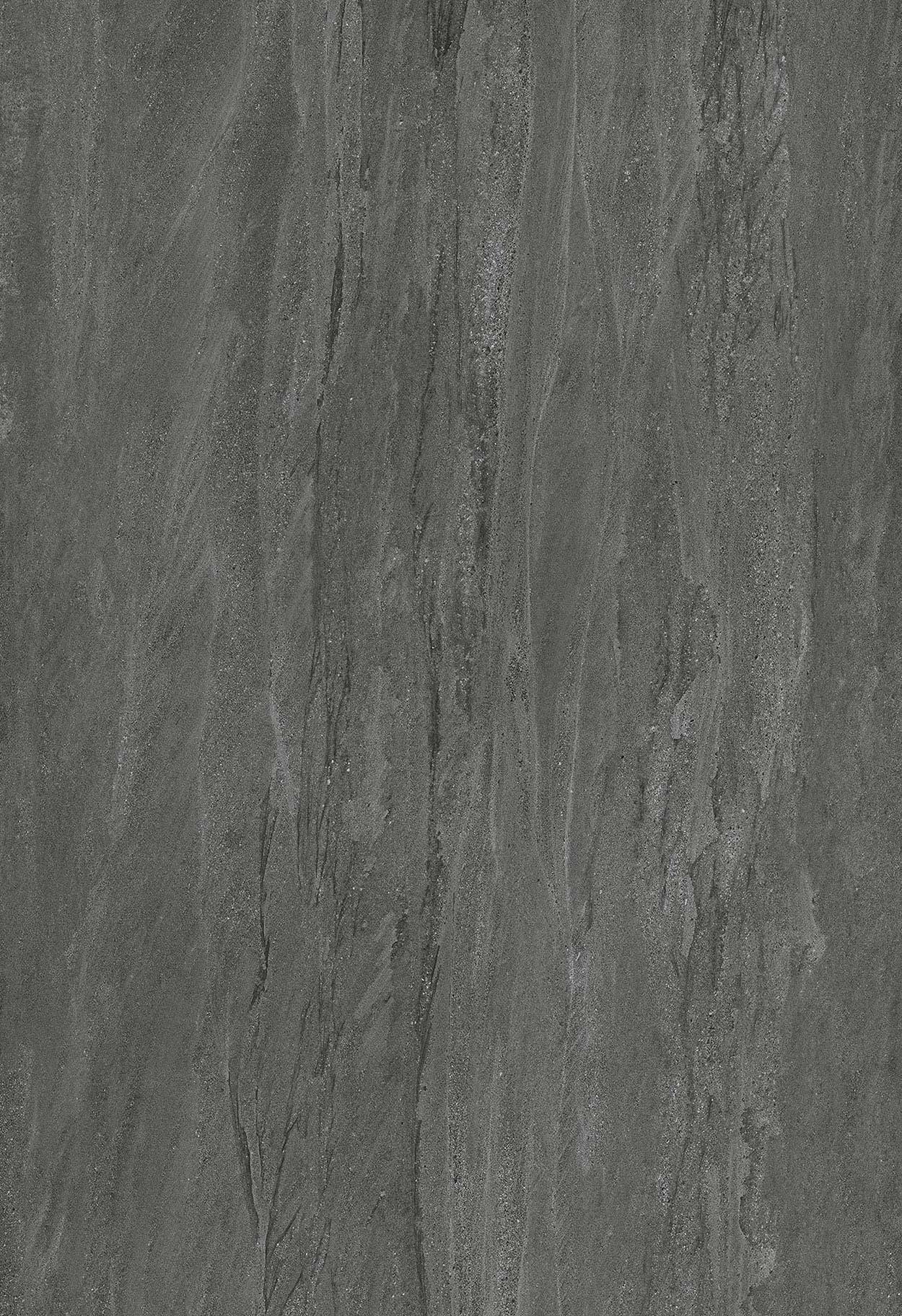
Dekton and Neolith are the two leading ultra-compact sintered stone surfaces on the market. This guide compares durability, fabrication demands, pricing, design options, and outdoor performance to help fabricators, designers, and builders choose the right material for every project.
Dekton vs. Neolith: TL;DR
- Both Dekton and Neolith are sintered stone (ultra-compact surfaces) made without polymer resins.
- They share nearly identical performance: heat-proof, acid-immune, UV-stable, non-porous, and scratch-resistant at Mohs 7–8+.
- Dekton (by Cosentino) offers slightly larger slab formats and a wider thickness range (8mm–30mm). Neolith (by TheSize) has a slightly lower installed price ceiling and offers ultra-thin 3mm options.
- Both carry a 25-year warranty on countertop applications.
- Material cost runs $75–$150/sq ft for slabs; installed cost ranges from $55–$115/sq ft for Dekton and $60–$105/sq ft for Neolith.
- For fabricators: both materials require specialized tooling and a scoring pass technique. Budget a 40–60% labor premium above standard granite rates.
- GoSource members access both brands at below-market rates through bulk buying power.
What Is Sintered Stone?
Sintered stone is a category of engineered surfaces produced by fusing raw mineral materials — glass, quartz, feldspars, and metal oxides — under extreme pressure (25,000+ tons) and heat (1,200°C+) without melting them. This process, called sintering, bonds particles at the molecular level and creates a material with near-zero porosity (typically under 0.1%), Mohs hardness of 7–8+, and no polymer resins.
That last point matters. Conventional engineered quartz contains 7–10% polymer resin, which limits its heat tolerance and makes it unsuitable for outdoor use (UV exposure yellows resin over time). Sintered stone contains no resin at all, giving it properties that quartz cannot match:
- Complete immunity to acids, UV rays, and thermal shock
- Suitability for outdoor kitchen installations
- No sealing required, ever
Dekton and Neolith are the two brands that established sintered stone as a premium countertop category. Many stone fabricators describe sintered stone as the most technically demanding countertop material to fabricate — a property that separates shops willing to invest in it from those that aren't.
What Is Dekton?
Dekton is an ultra-compact sintered surface manufactured by Cosentino, the Spanish company behind Silestone quartz. Cosentino developed the sintering manufacturing technology that the broader category is built on, using a proprietary process called Sinterized Particle Technology.
Dekton slabs are available in sizes up to 55" x 125" (approximately 140 x 320 cm), with thickness options from 8mm to 30mm. This large-format availability reduces seaming in kitchen and bathroom countertop applications.
Key properties:
- Mohs hardness: 7–8+
- Porosity: near zero
- Heat resistance: direct hot cookware contact — no trivets required
- UV resistance: certified for outdoor use without fading
- Freeze-thaw resistance: suitable for cold climates and exterior cladding
- Stain resistance: complete, including paint, bleach, and common household chemicals


What Is Neolith?
Neolith is a sintered stone surface manufactured by TheSize, a Spanish company founded in 2010. Over 150,000 countertops have been installed worldwide since launch, and the brand carries a 25-year manufacturer's warranty on all countertop slabs.
Neolith differentiates itself with its range of ultra-thin formats — available in 3mm, 6mm, 12mm, and 20mm thicknesses — giving designers flexibility for cladding, furniture, and lightweight applications alongside standard countertop use. Slab sizes range from 2 x 2 ft up to 11 x 6 ft, with custom cuts available.
Key properties:
- 100% natural raw materials, no resins
- Partially made from recycled raw materials and fully recyclable
- Resistant to UV rays, chemicals, scratches, and extreme temperatures
- Near-zero liquid absorption
- Available in 40+ colors and multiple surface finishes
Head-to-Head Comparison
Durability and Hardness
Both materials sit at Mohs 7–8+ hardness. In practical kitchen use, neither is easily scratched by metal utensils, ceramic dishes, or standard cookware. Materials harder than the stone itself — abrasive particles in some cleaning agents, diamond jewelry — can mark the surface, so cutting boards and non-abrasive cleaners remain best practice for both.
Dekton performs slightly better under extreme impact and pressure loads, which matters in high-traffic commercial applications. Neolith's thinner format options (3mm and 6mm) trade some impact resistance for weight reduction and design flexibility.
| Property | Dekton | Neolith |
|---|---|---|
| Mohs Hardness | 7–8+ | 7–8+ |
| Porosity | < 0.1% | < 0.1% |
| Impact Resistance | Slightly higher | High |
| Sealing Required | No | No |
Heat and UV Resistance
Both materials offer exceptional heat resistance. With no polymer resins in the composition, direct contact with hot pots and pans causes no burning, discoloration, or surface damage — a key advantage over engineered quartz. This property alone makes either brand a compelling specification for clients who cook heavily.
UV stability is equally strong in both brands. Unlike quartz, which yellows outdoors due to resin degradation, sintered stone's all-mineral composition holds color indefinitely in direct sunlight. Both Dekton and Neolith are certified for outdoor countertop and facade applications. Industry adoption confirms this — sintered stone's UV stability has made it "the material of choice for high-end outdoor kitchen designers."
Slab Sizes and Thickness
| Format | Dekton | Neolith |
|---|---|---|
| Max slab size | ~55" x 125" | Up to 11 ft x 6 ft |
| Thickness range | 8mm – 30mm | 3mm · 6mm · 12mm · 20mm |
| Ultra-thin option | 8mm | 3mm |
| Standard countertop | 12mm · 20mm | 12mm · 20mm |
Dekton's continuous thickness range (8mm through 30mm) provides more flexibility for edge profile work on thicker slabs. Neolith's 3mm option opens up applications in furniture cladding, cabinet fronts, and lightweight feature walls.
Available Finishes
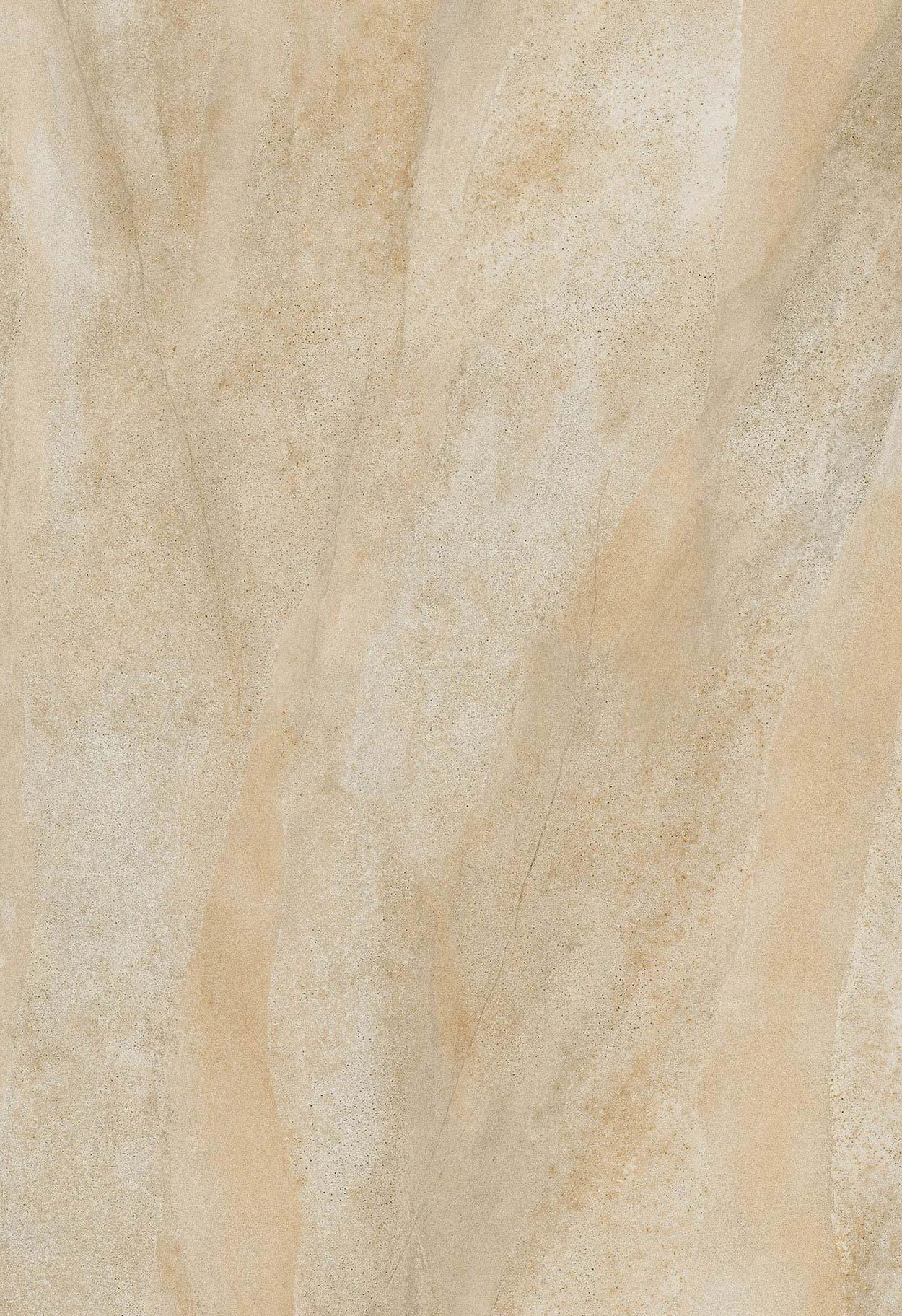
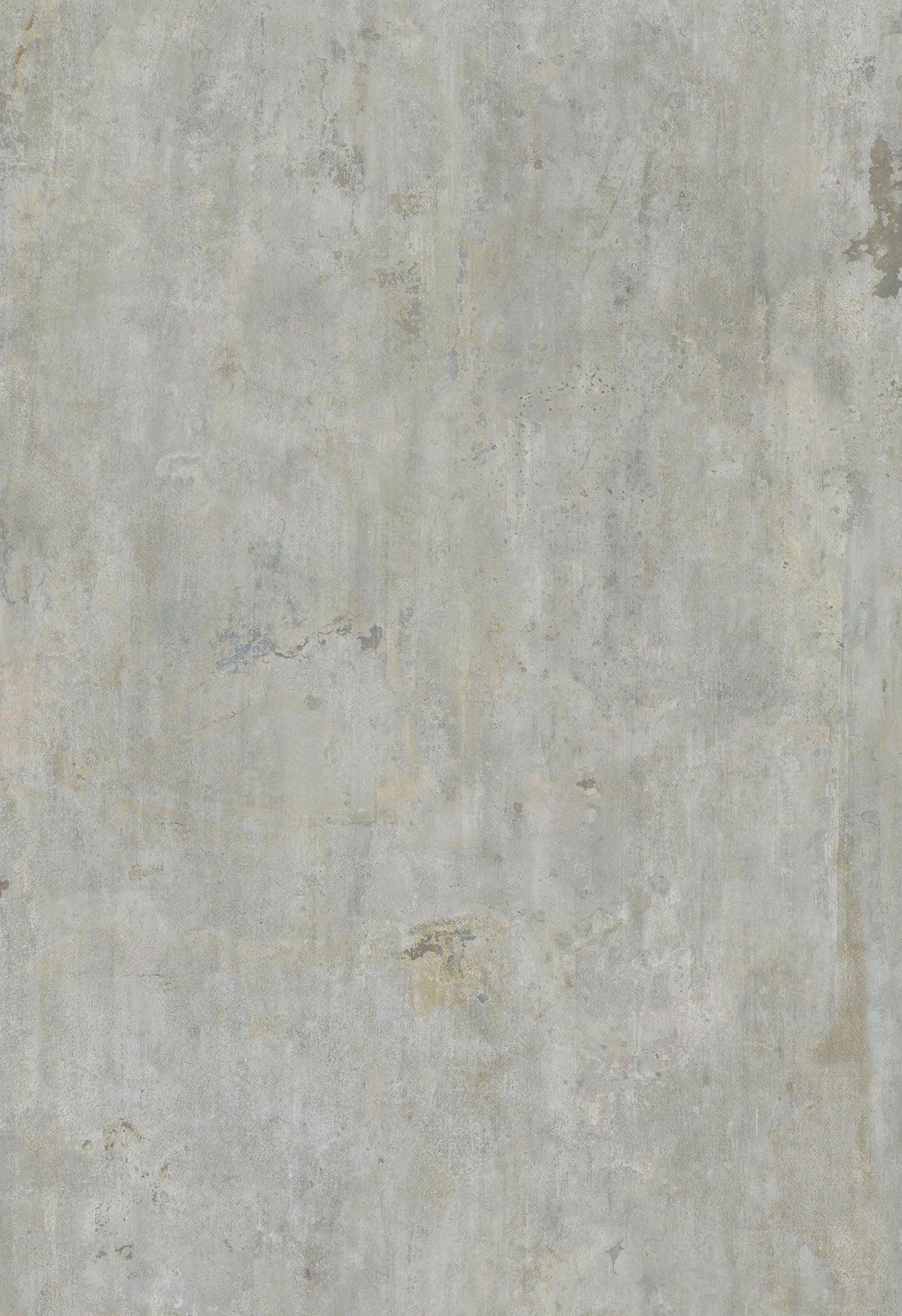
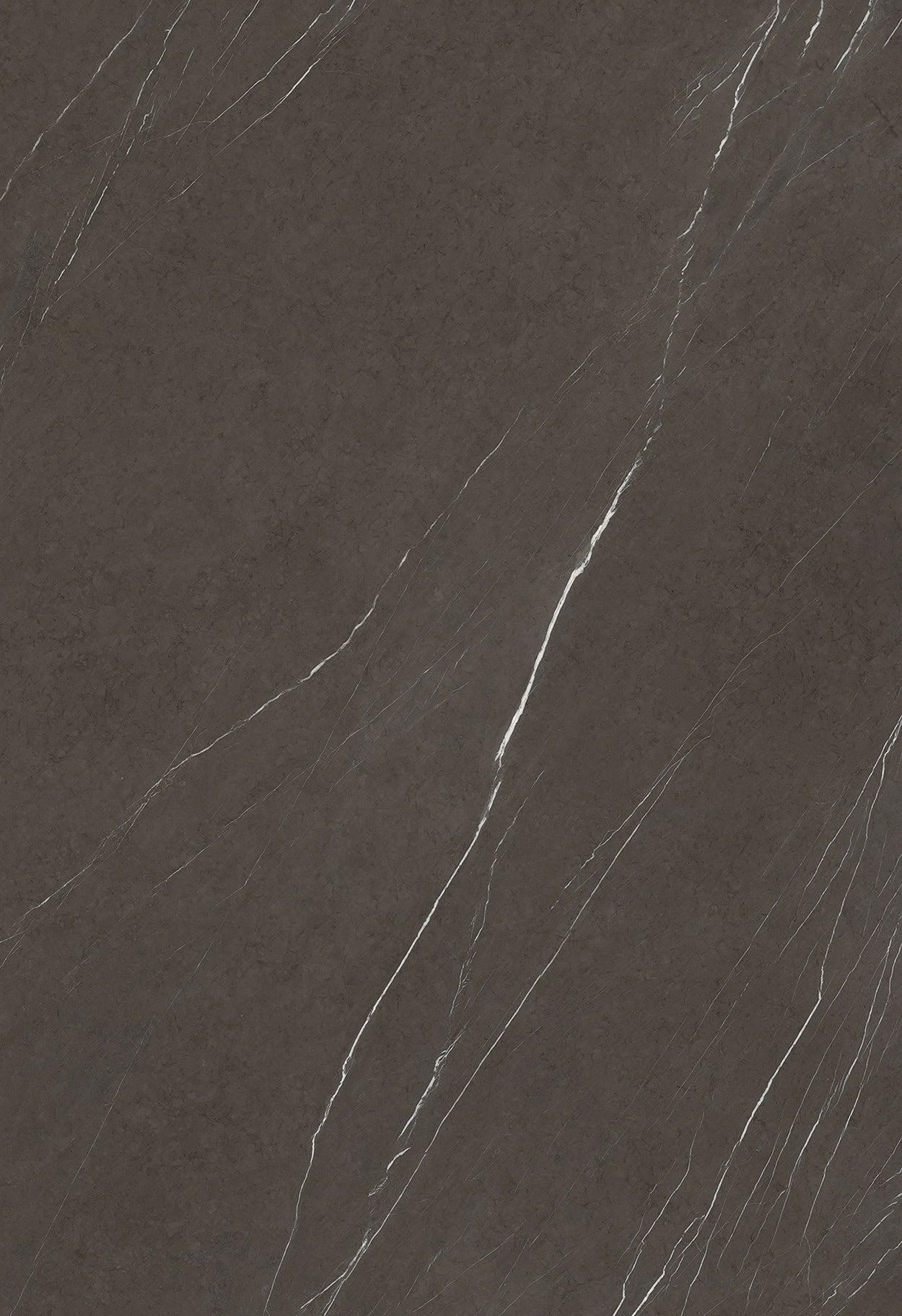
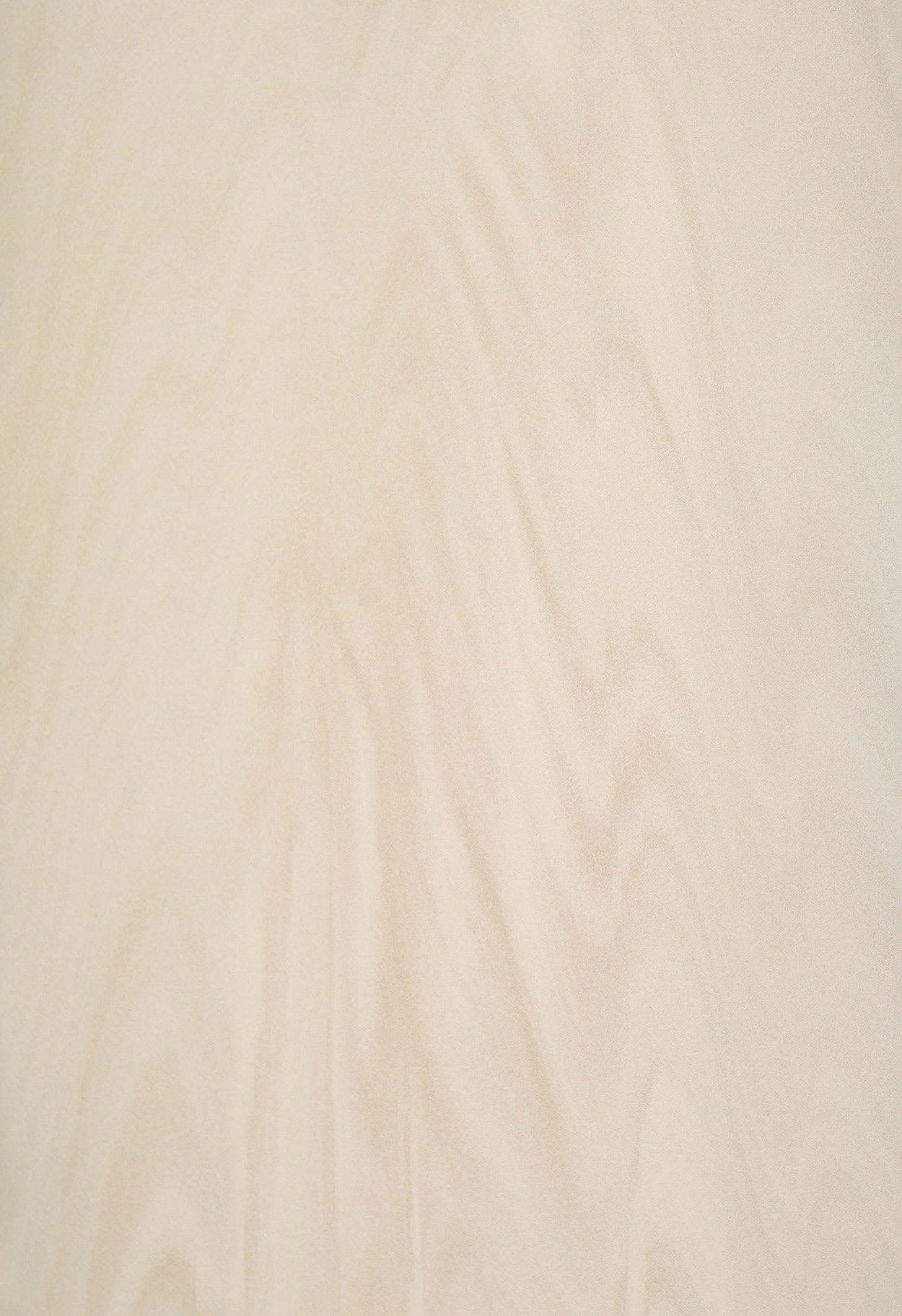
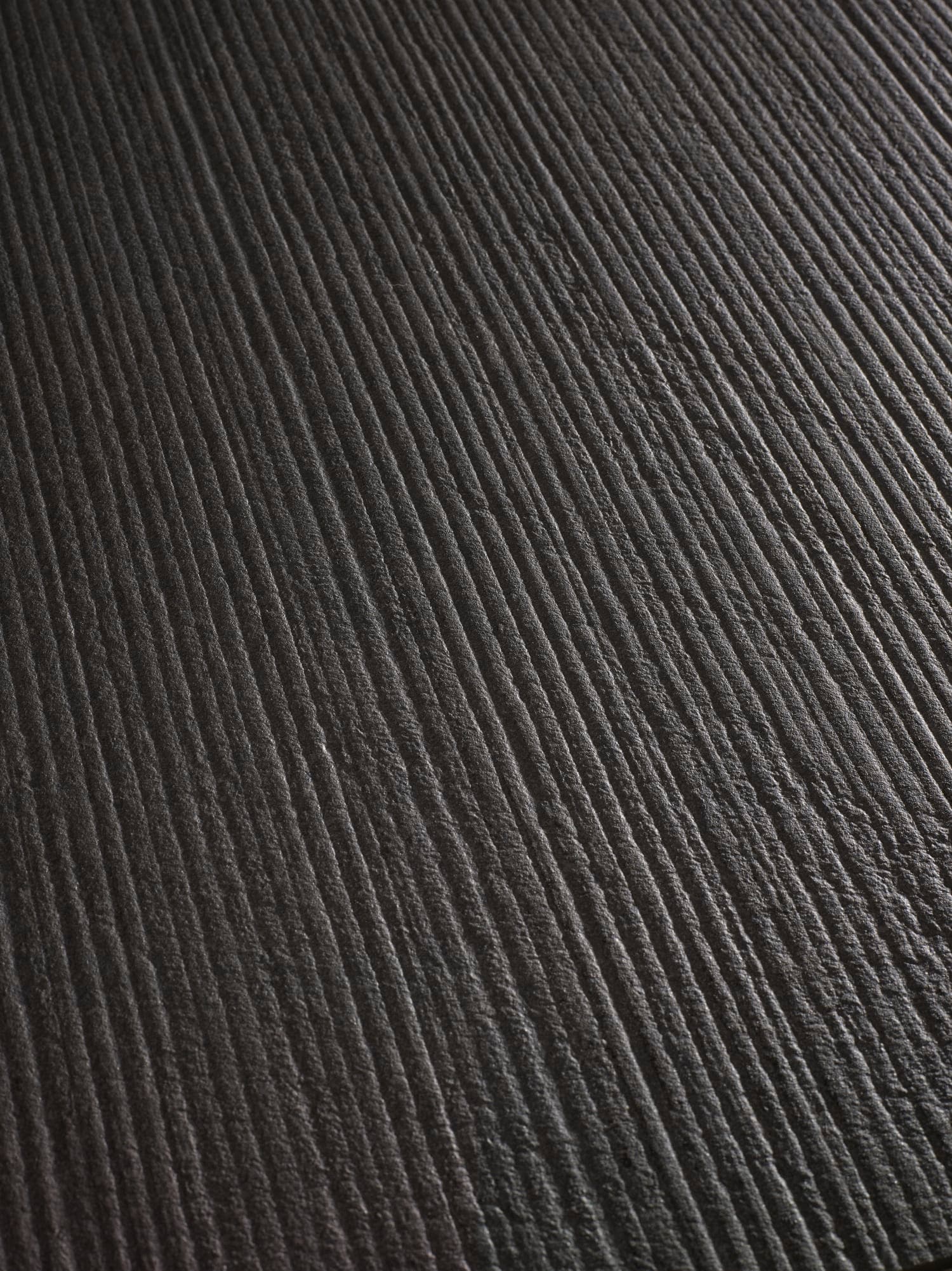
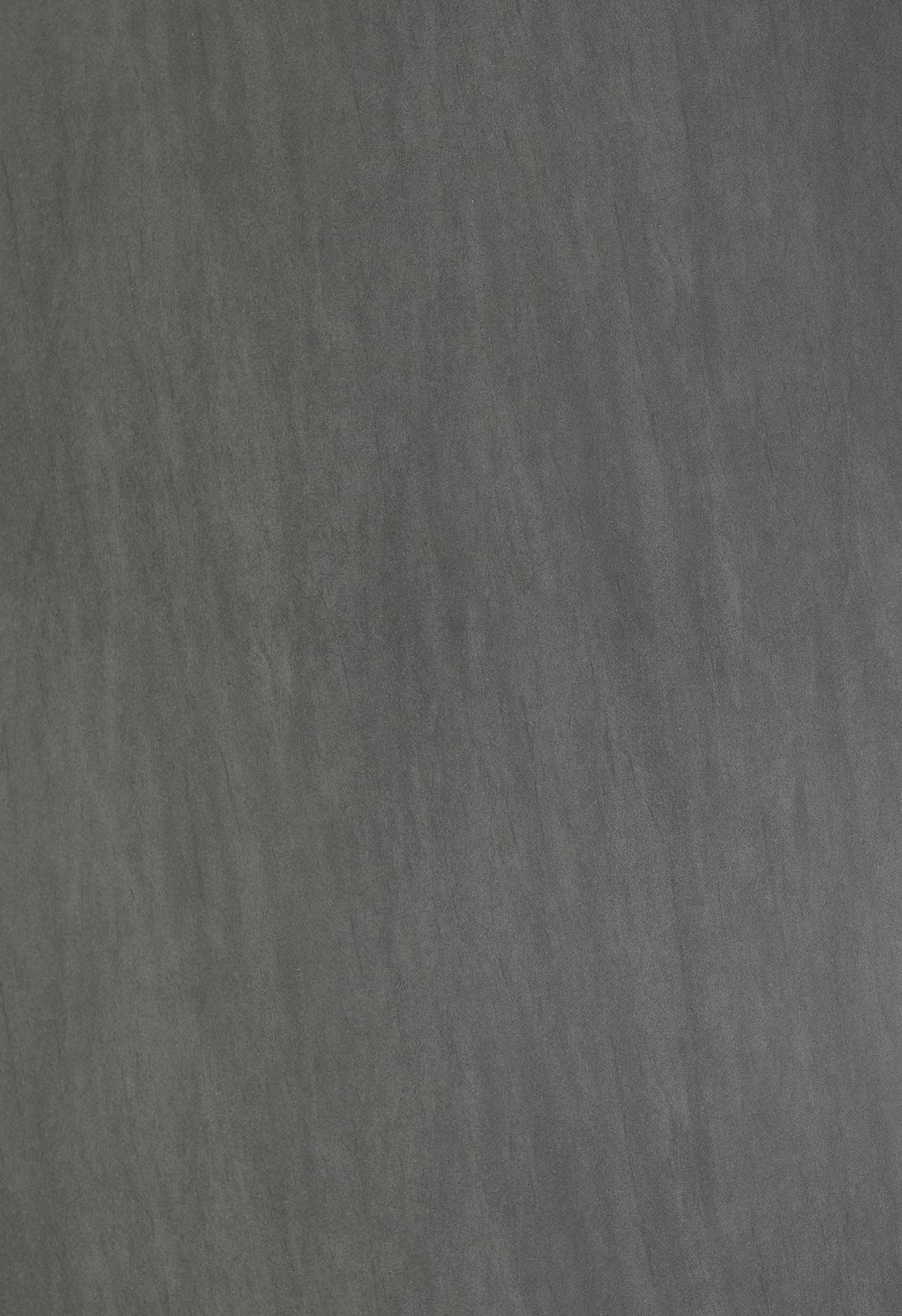
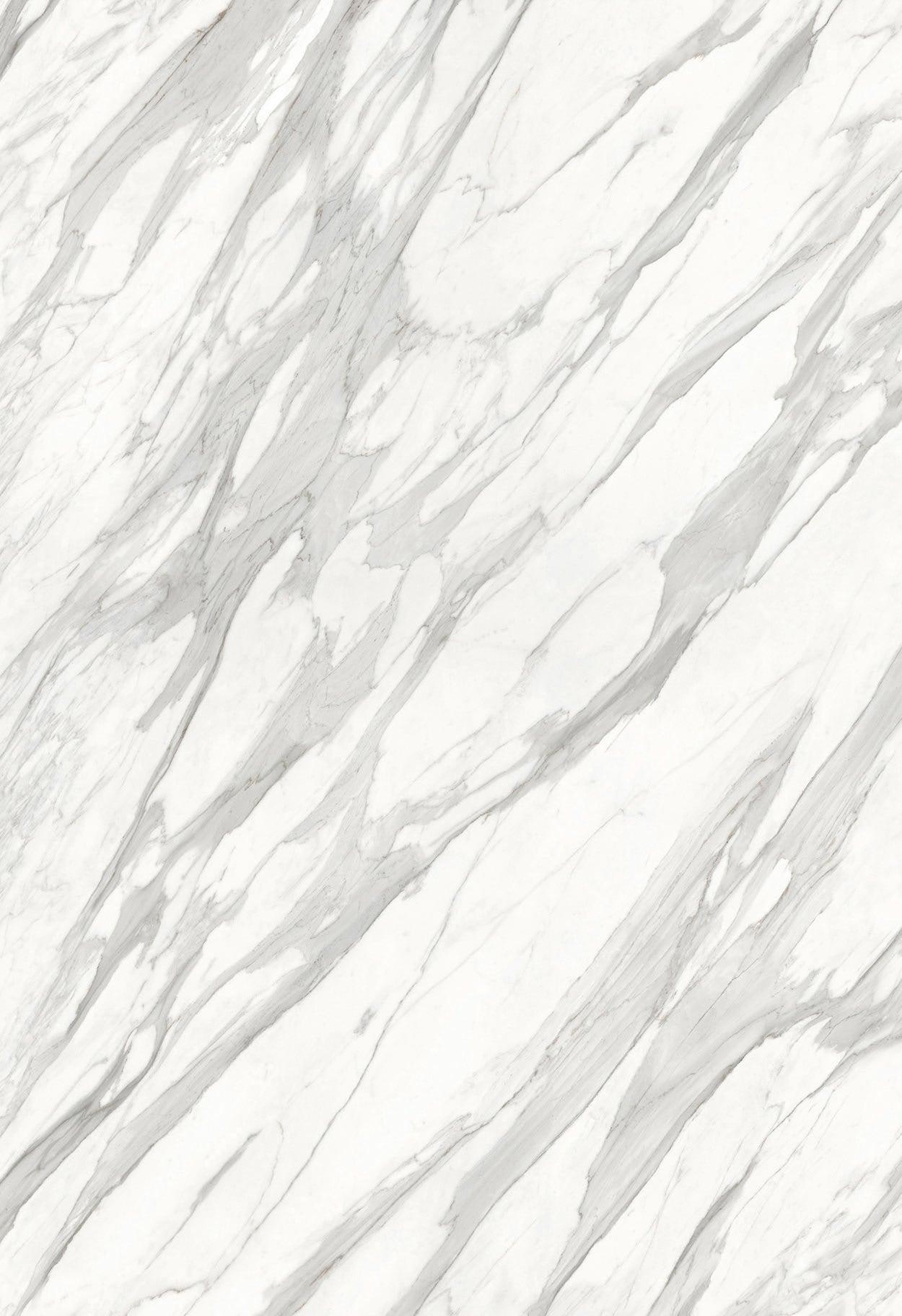
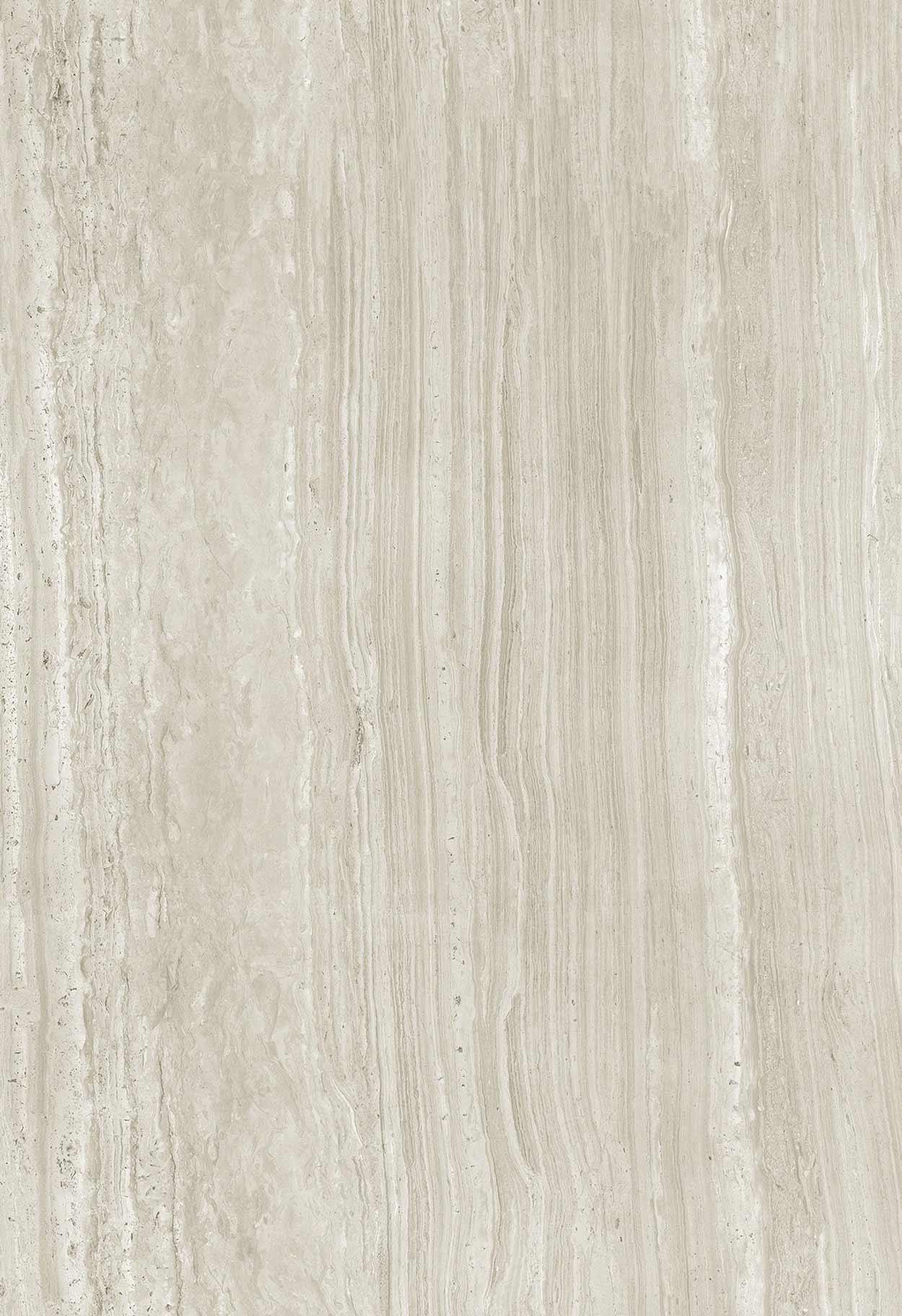
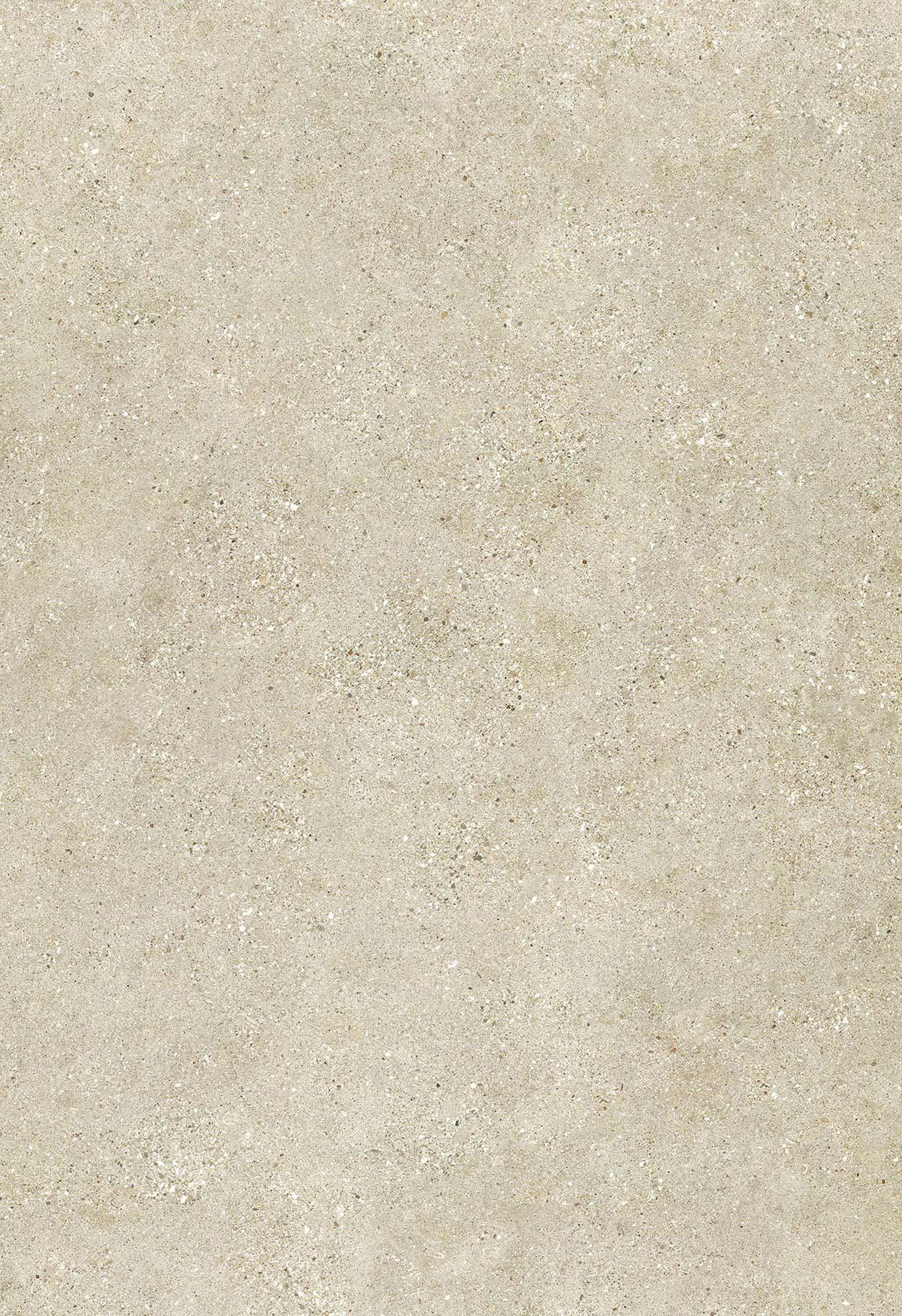
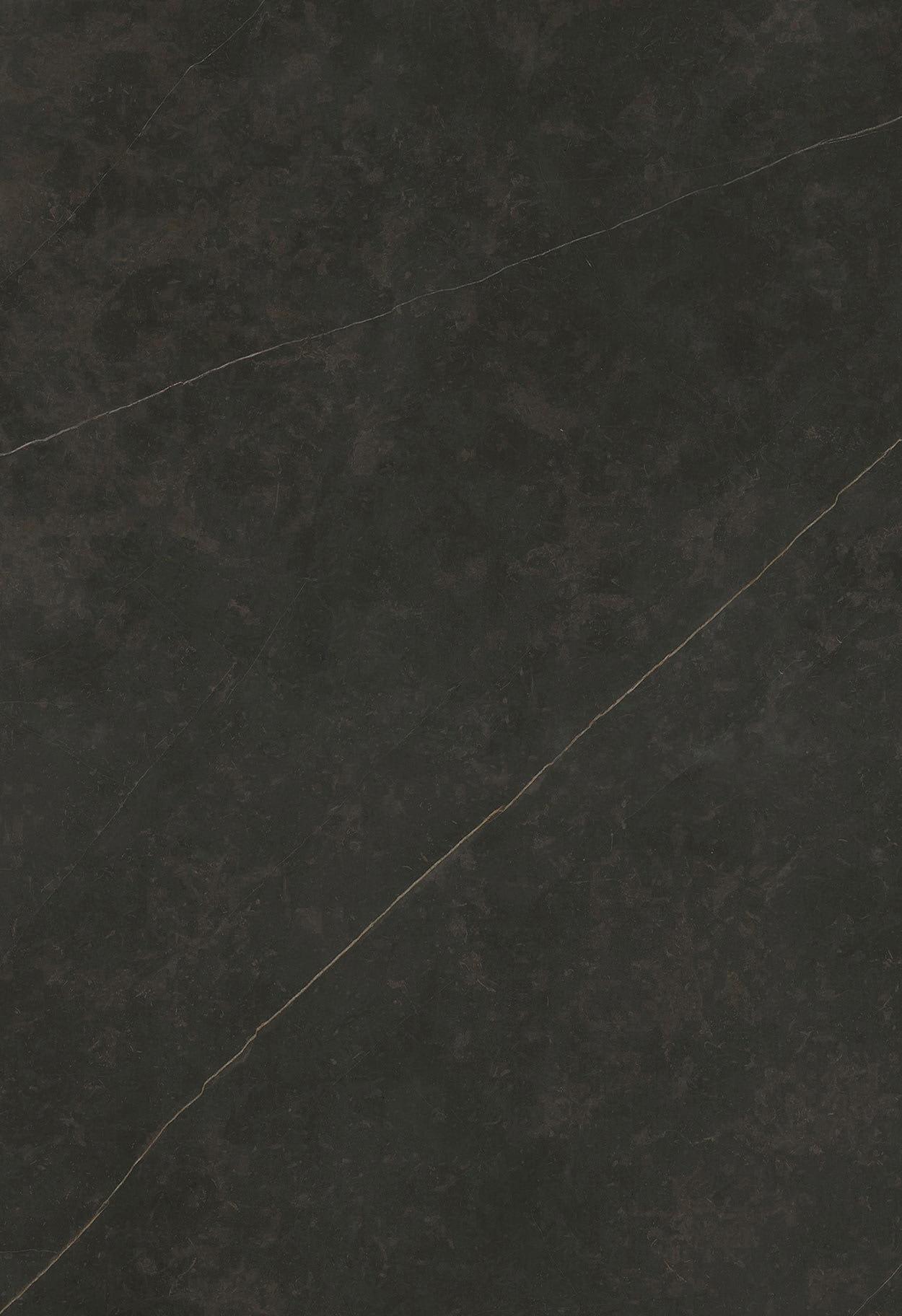
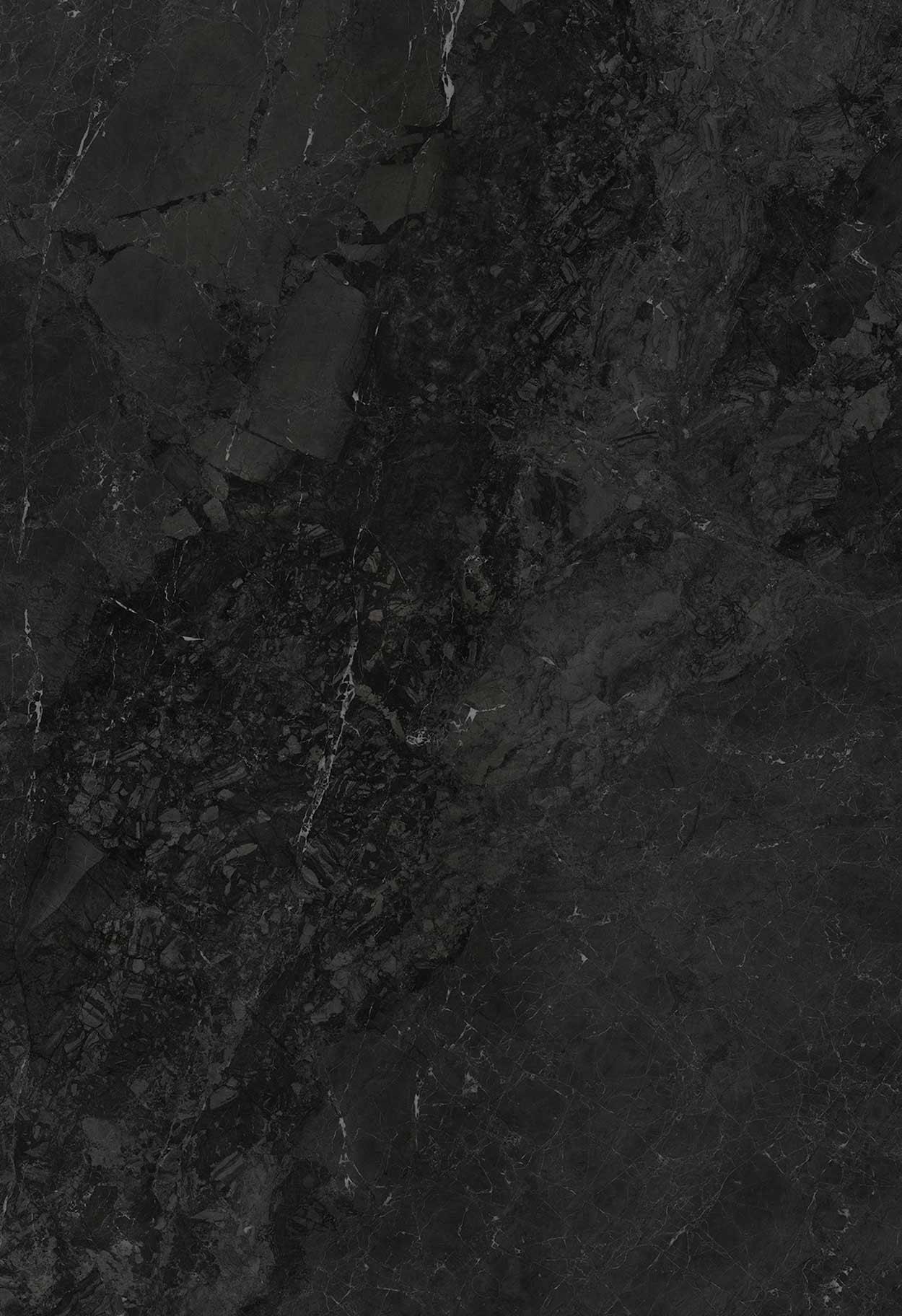
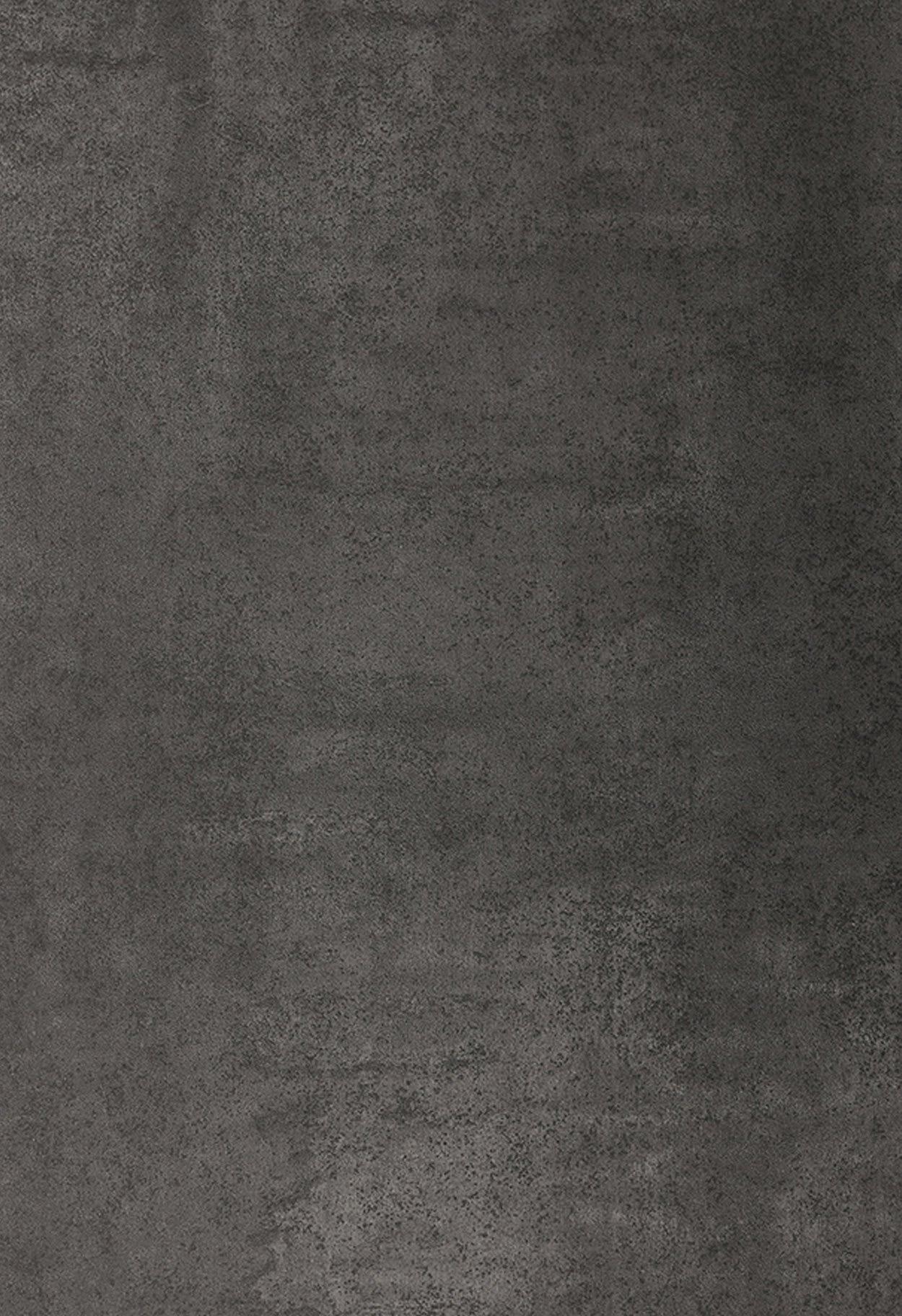
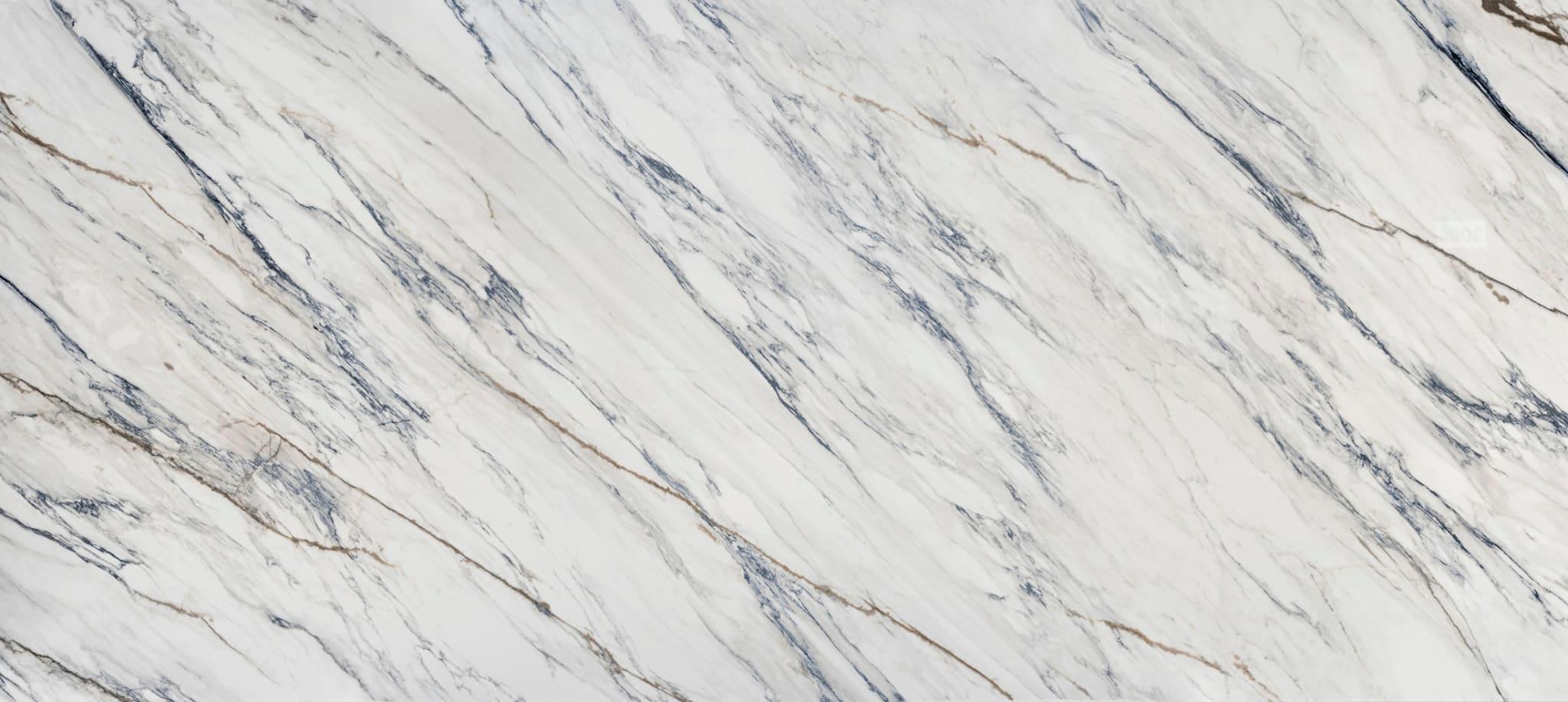
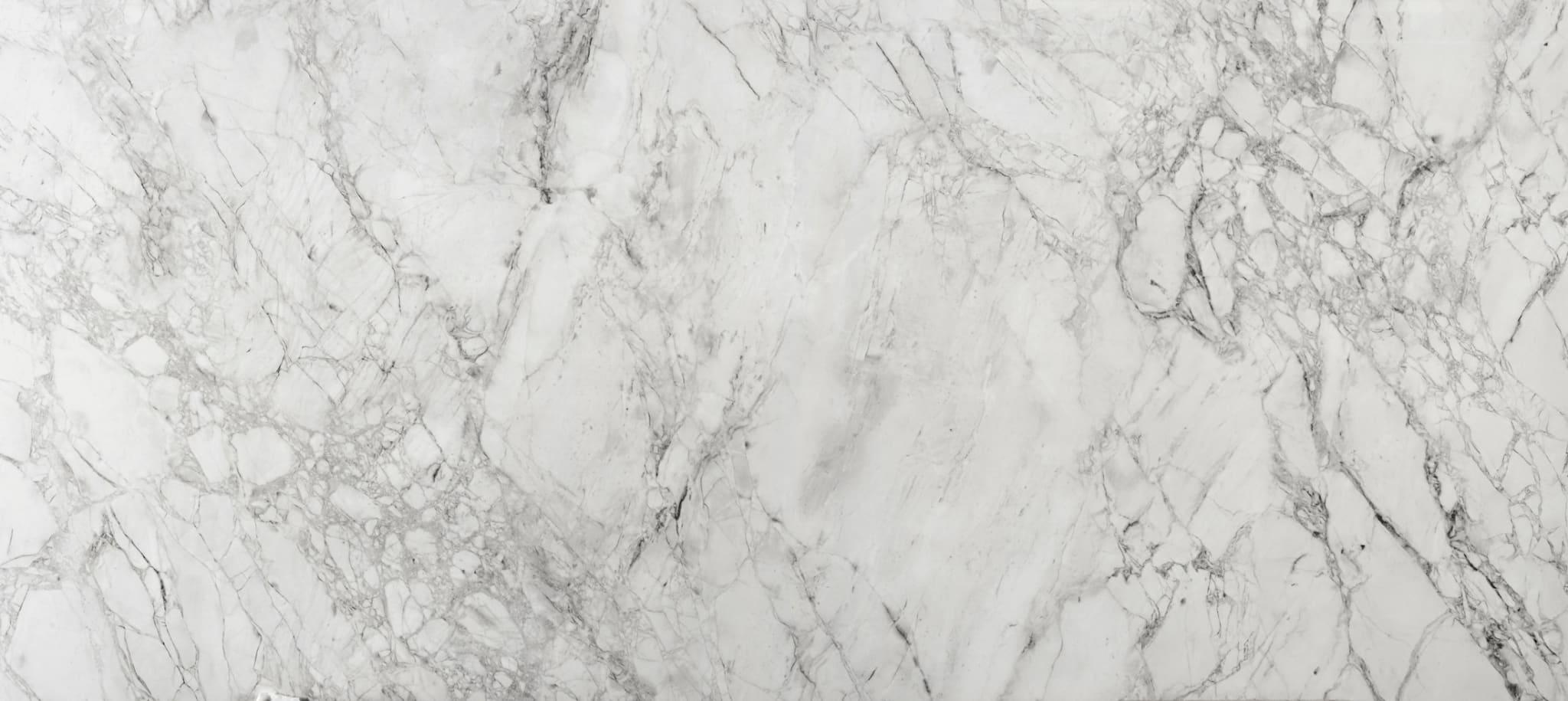
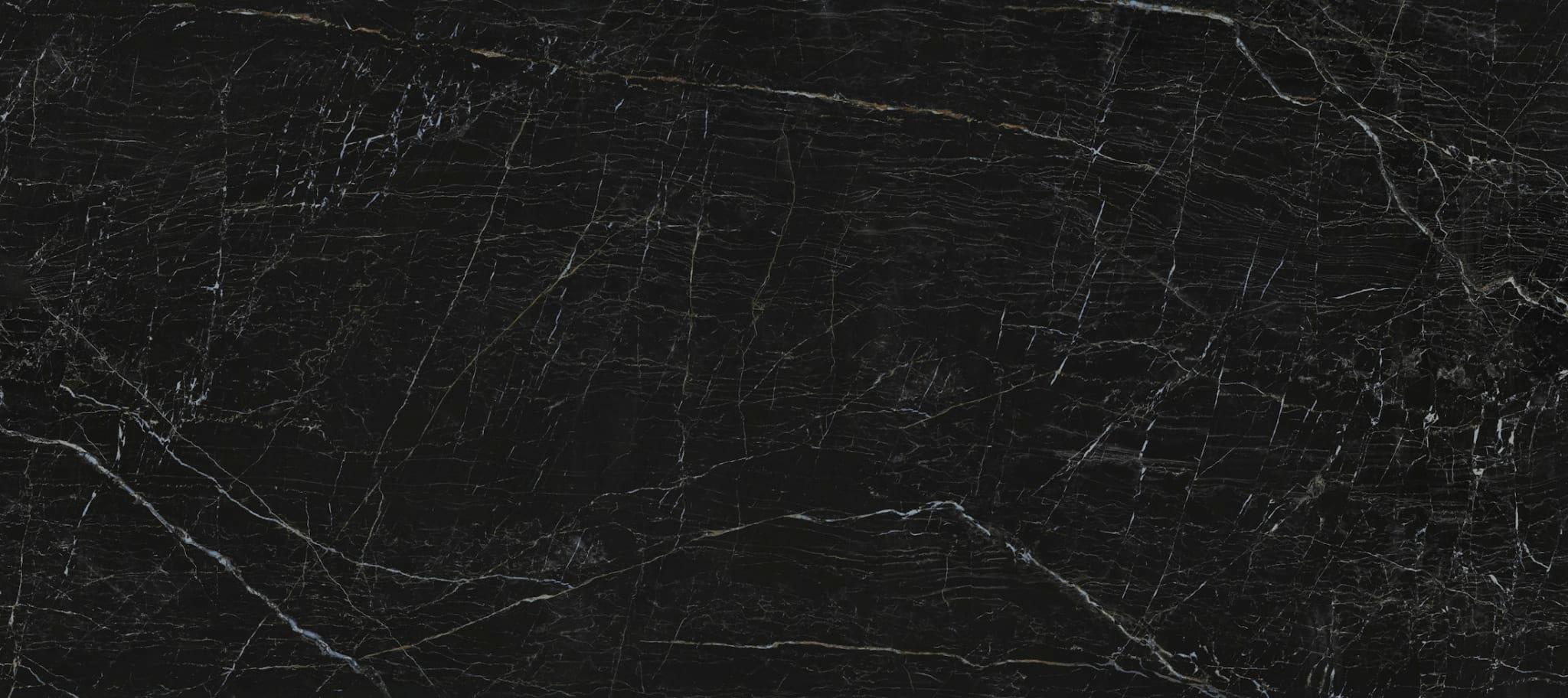
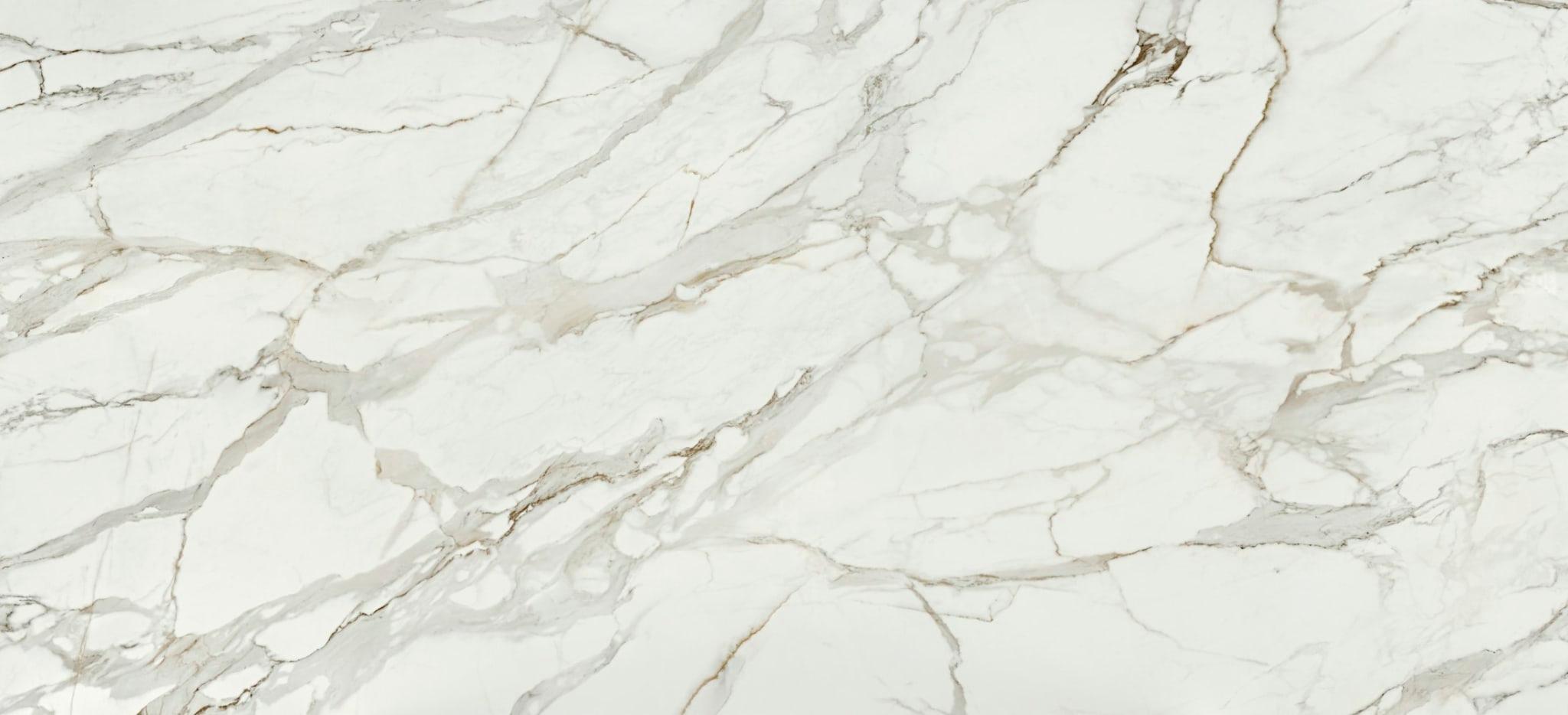
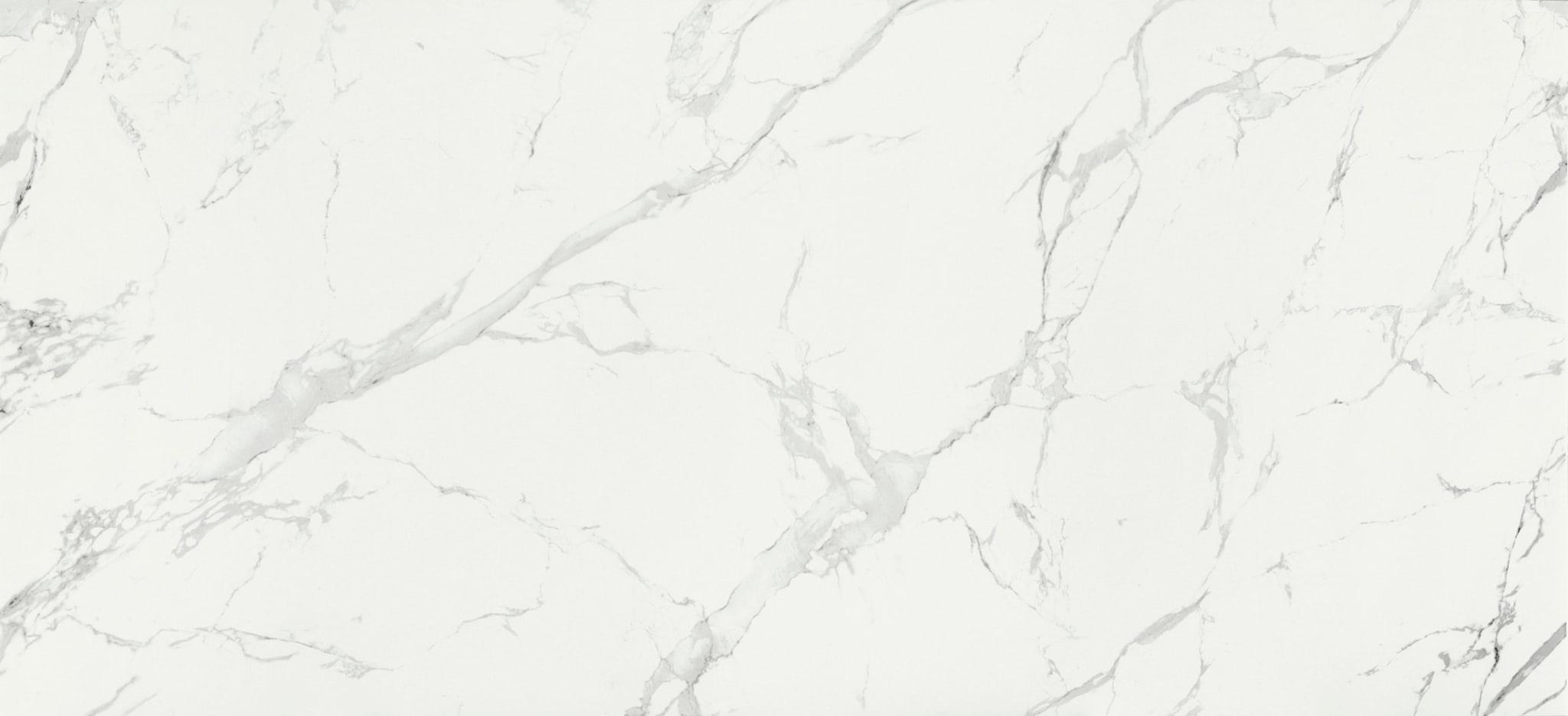
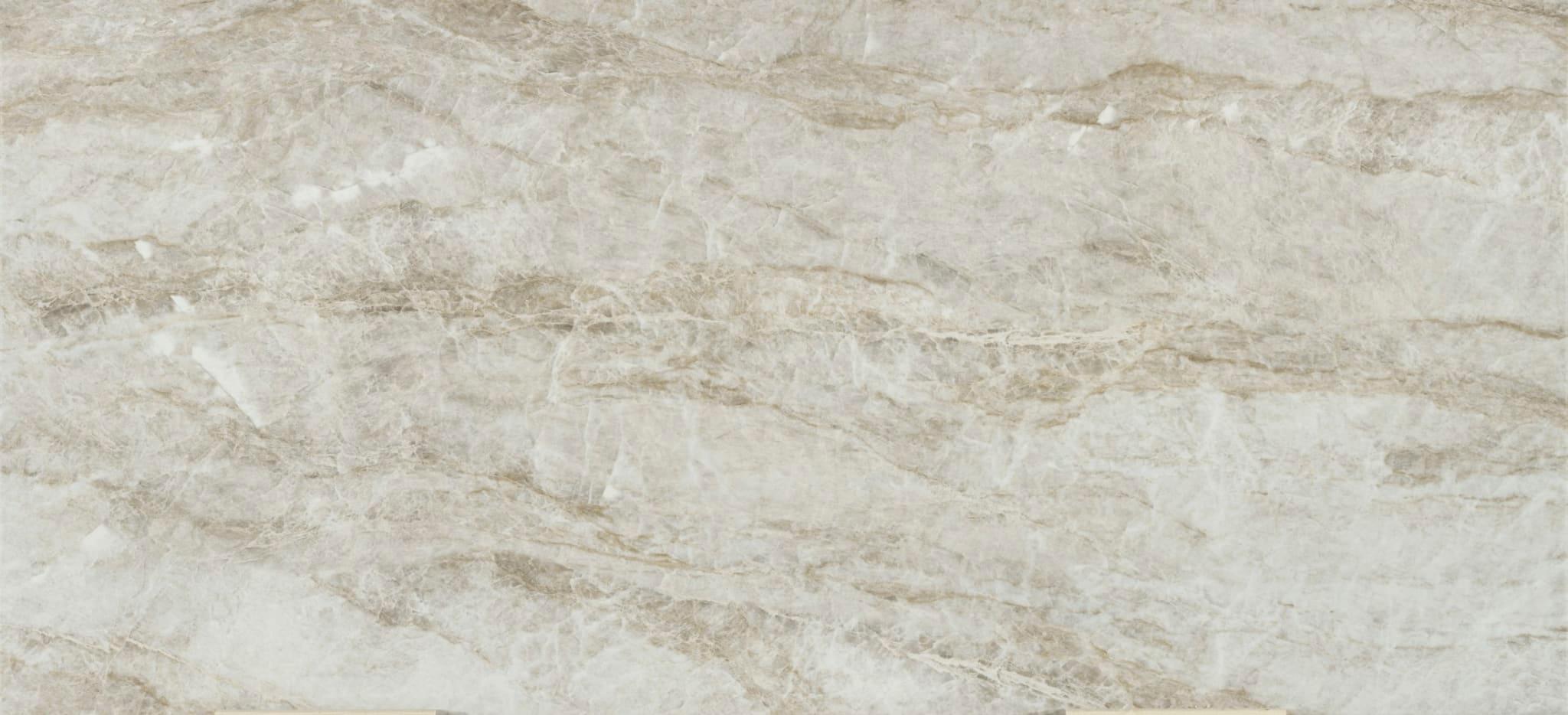
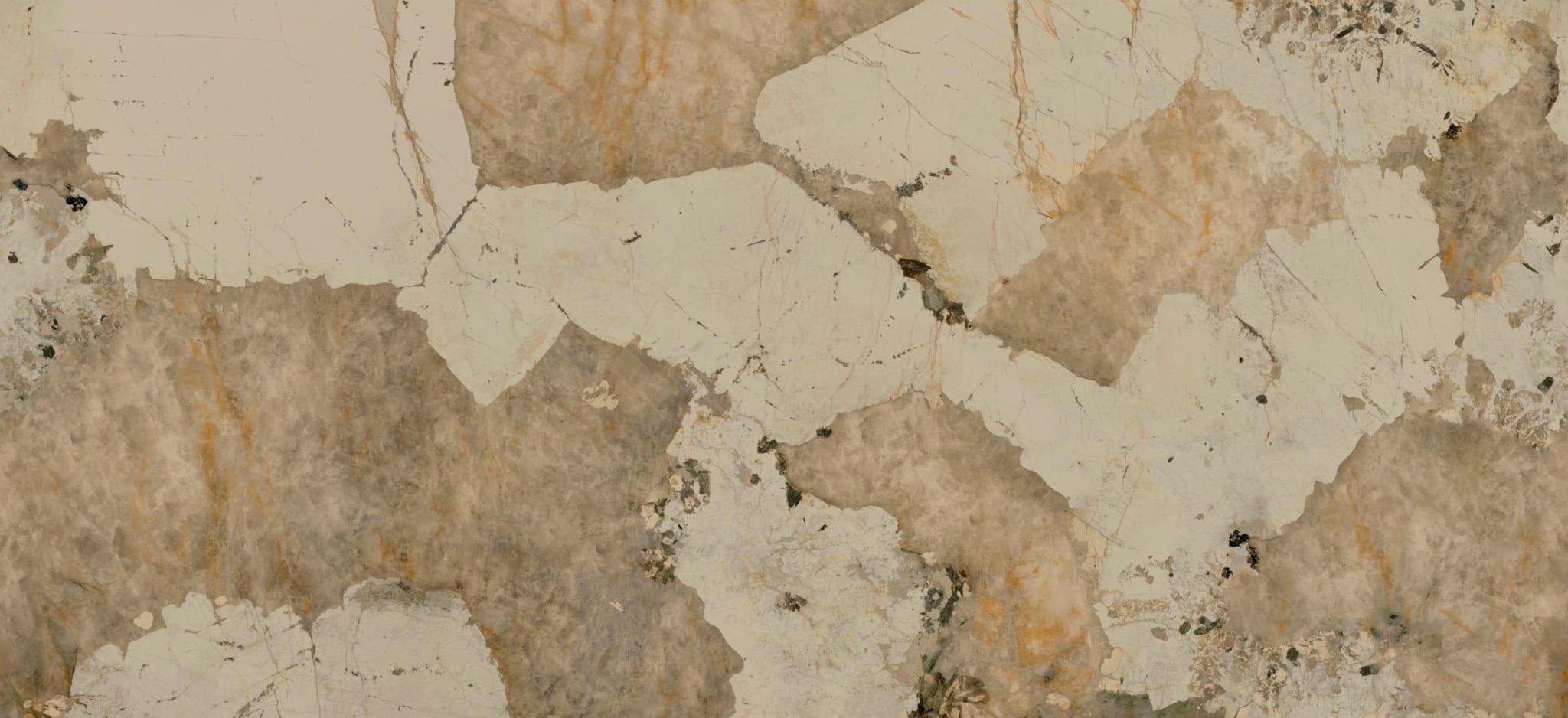
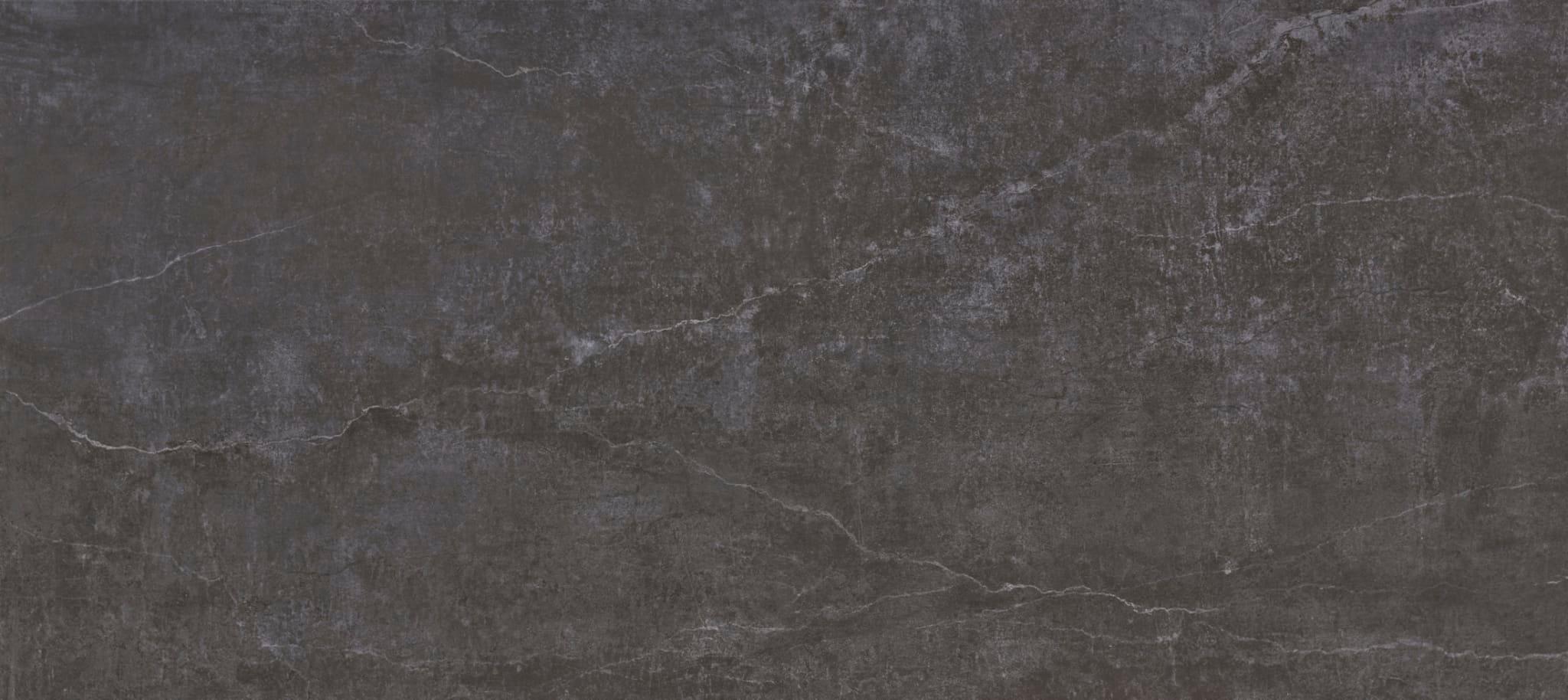
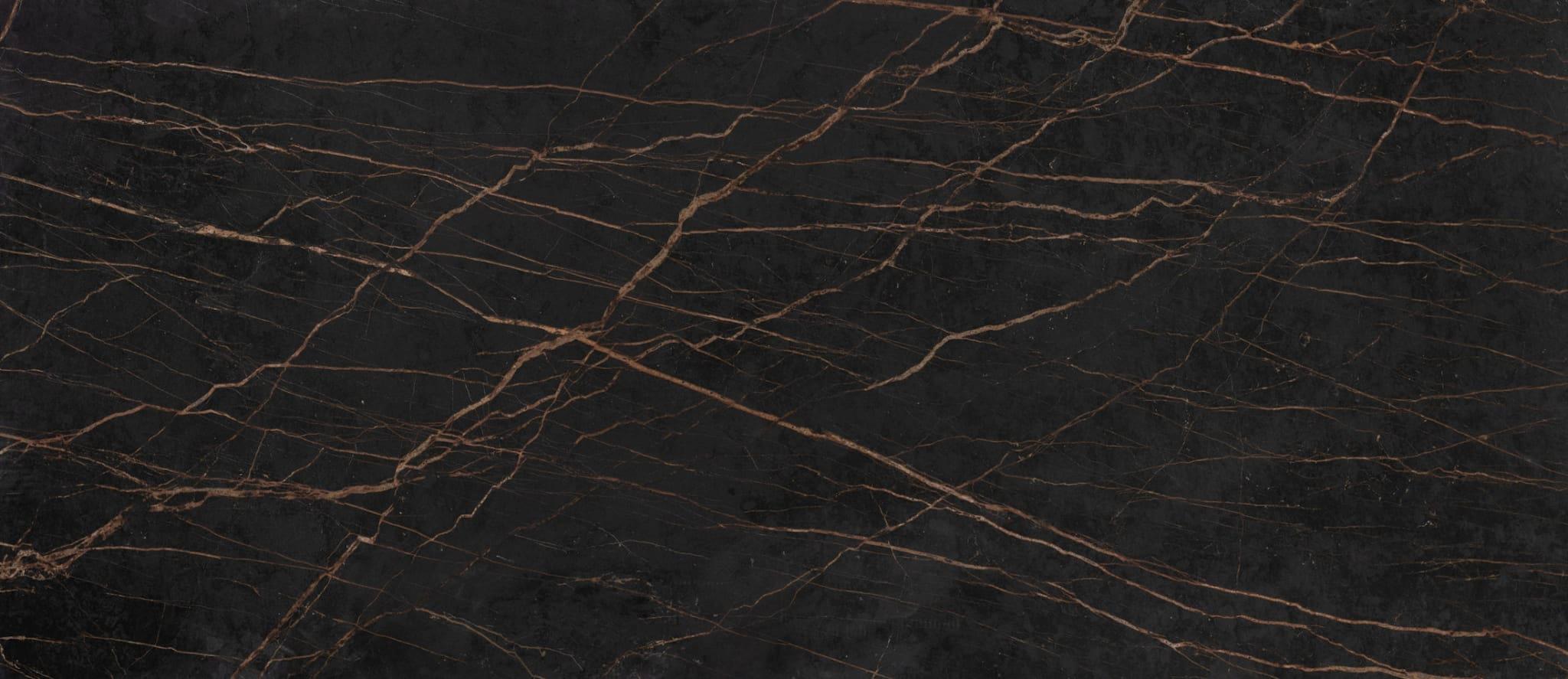
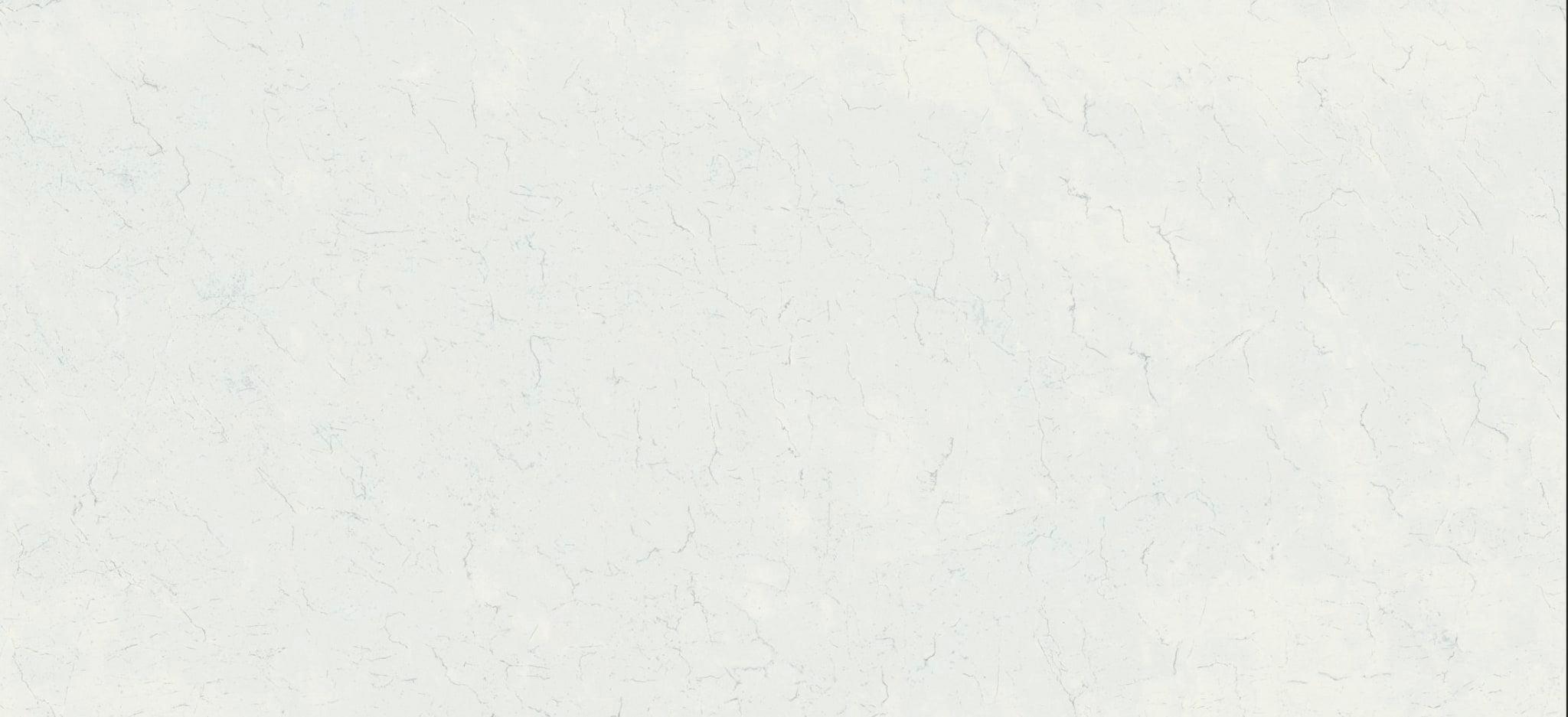
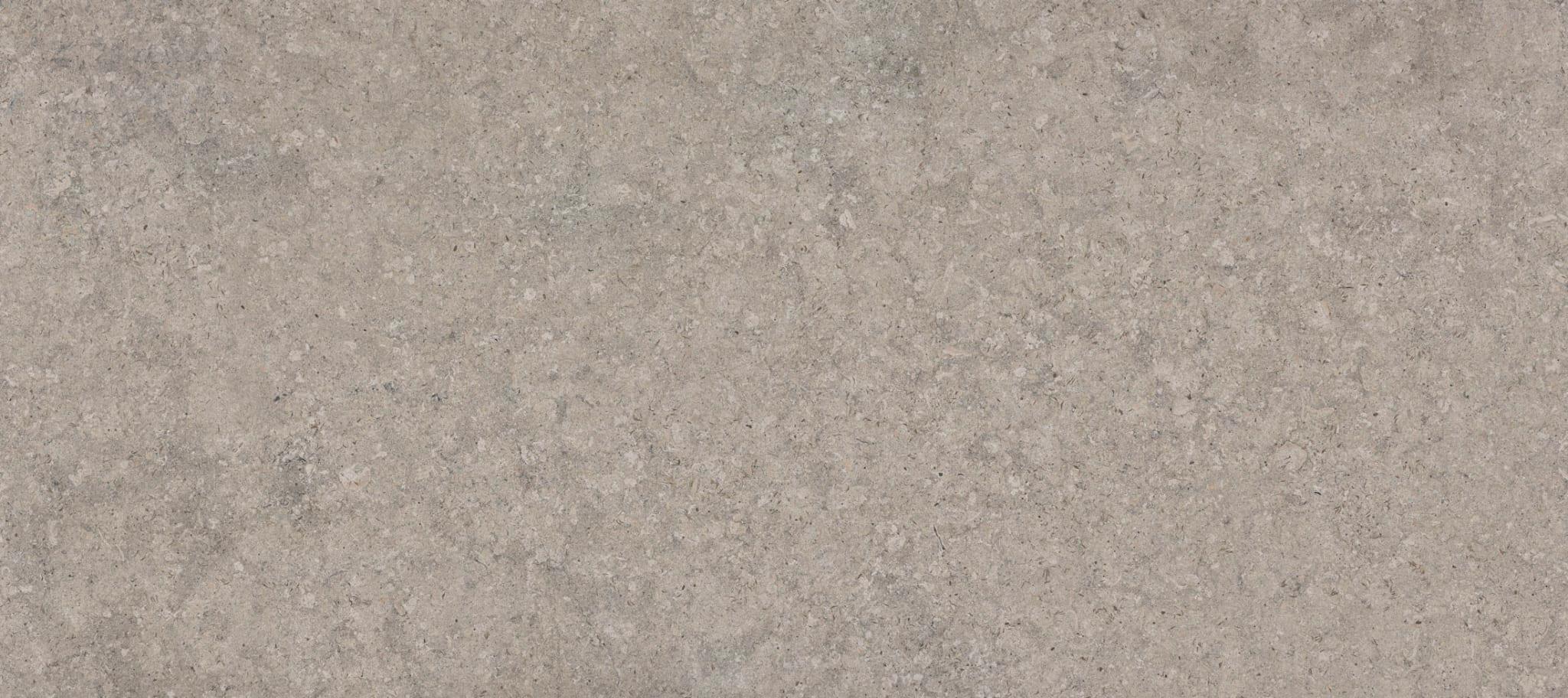
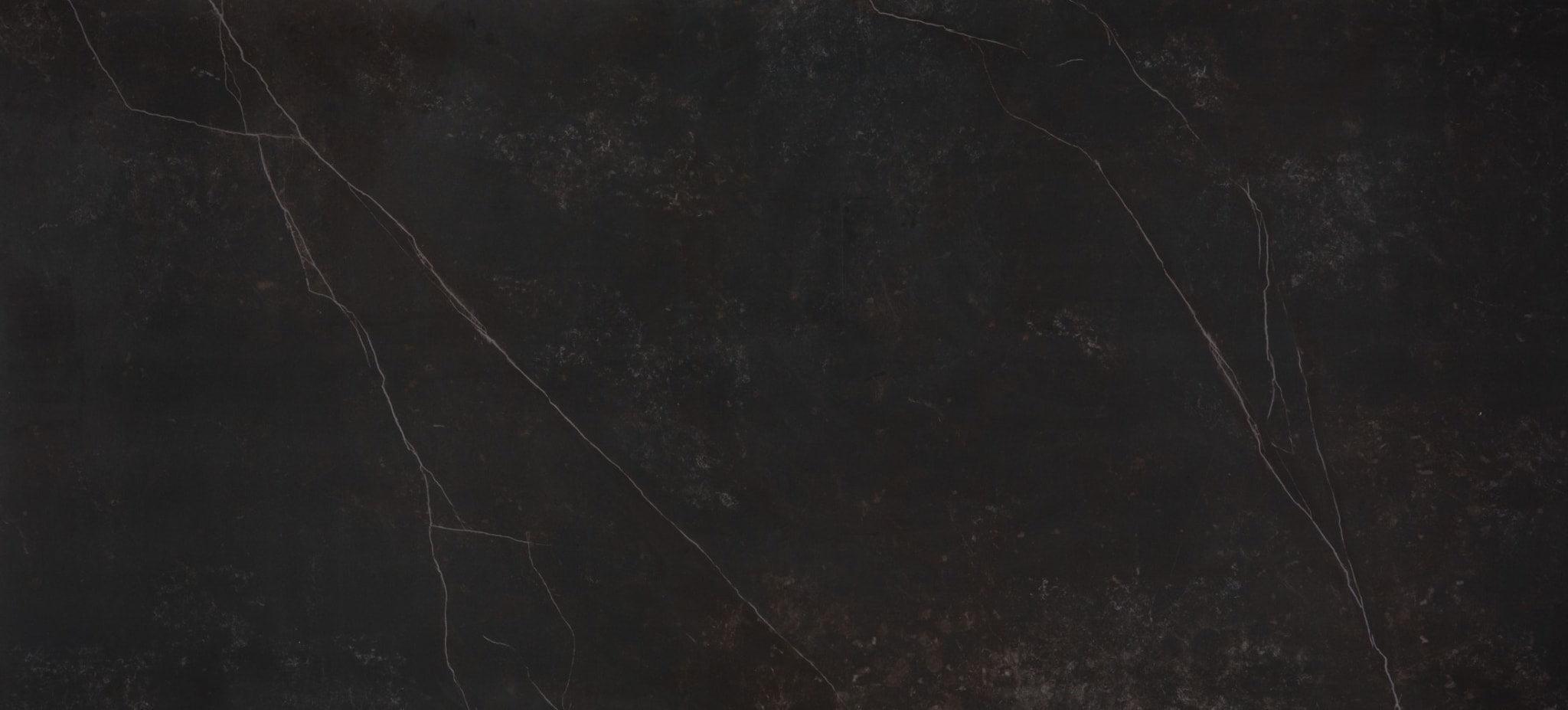
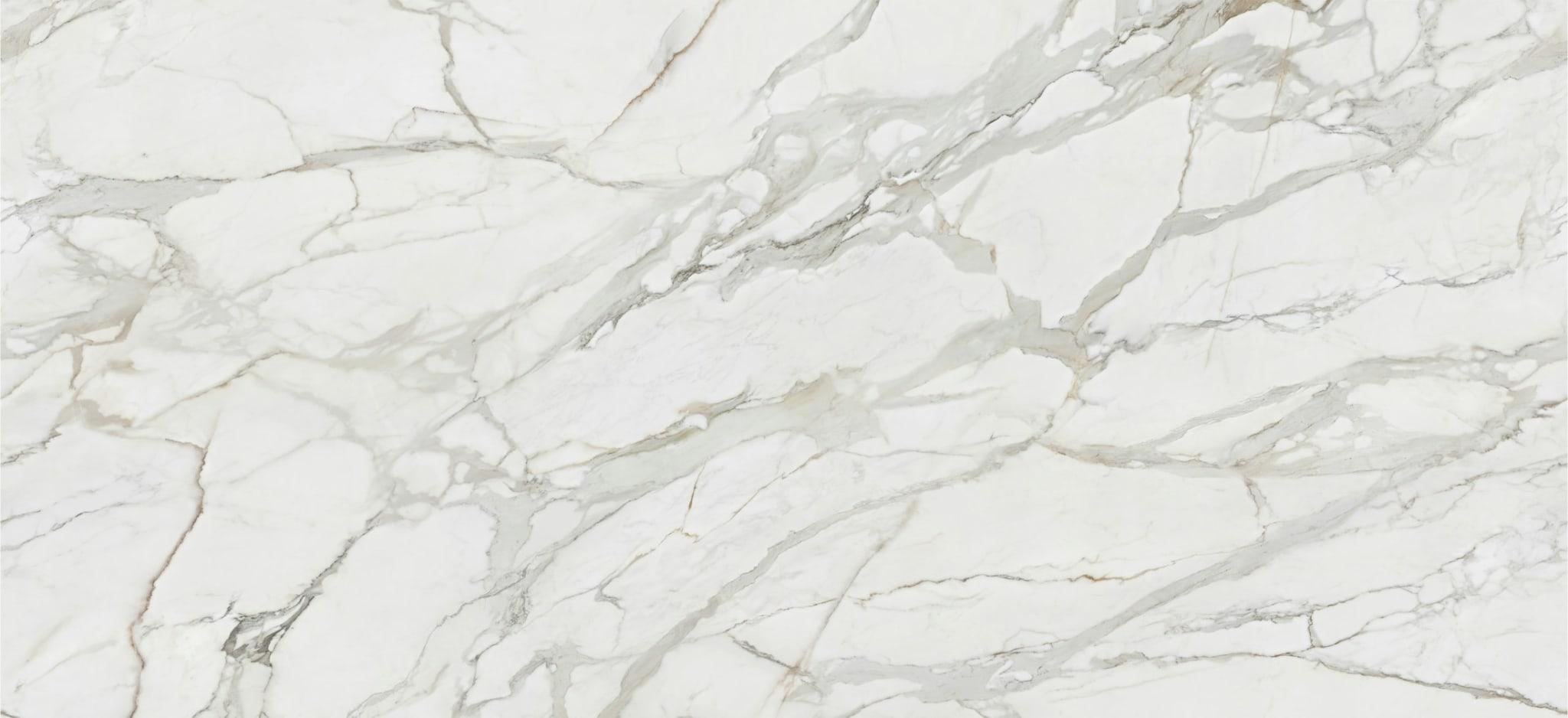
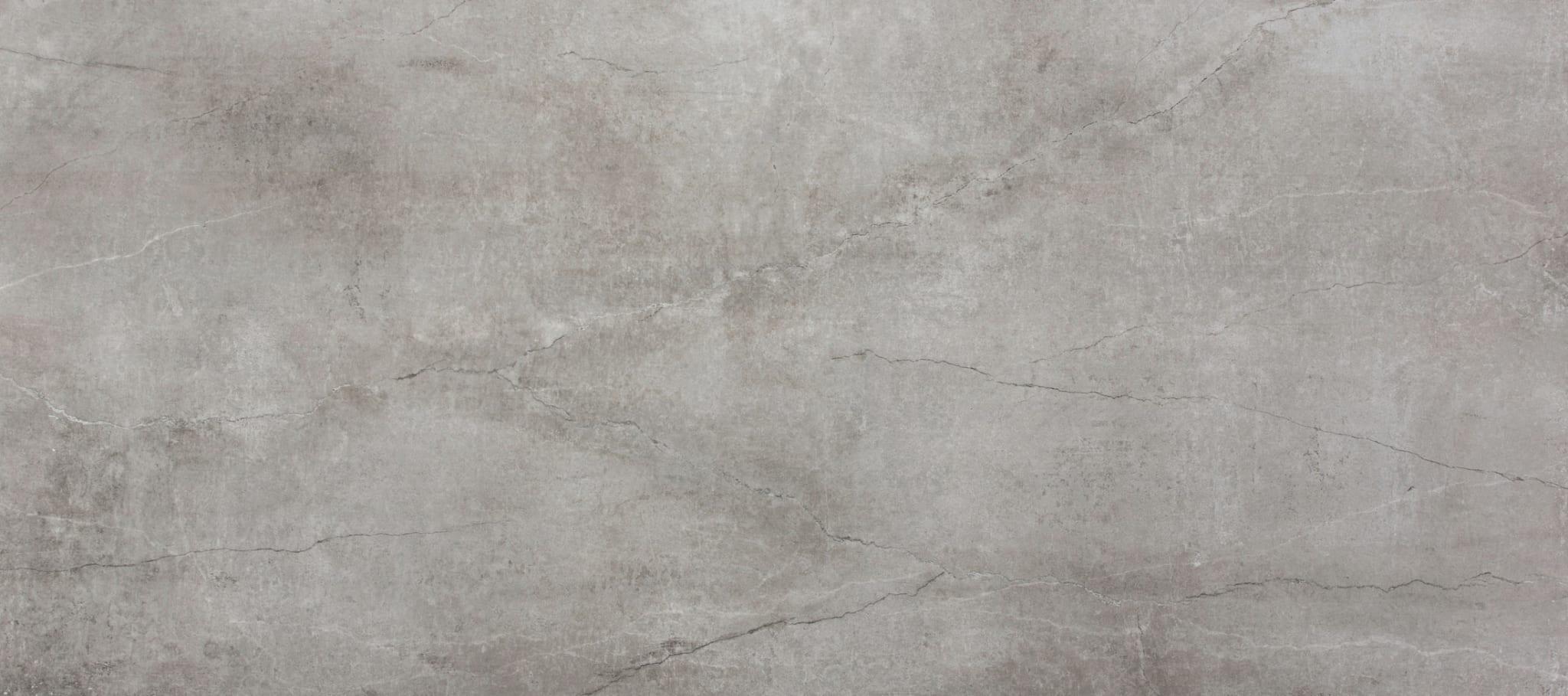
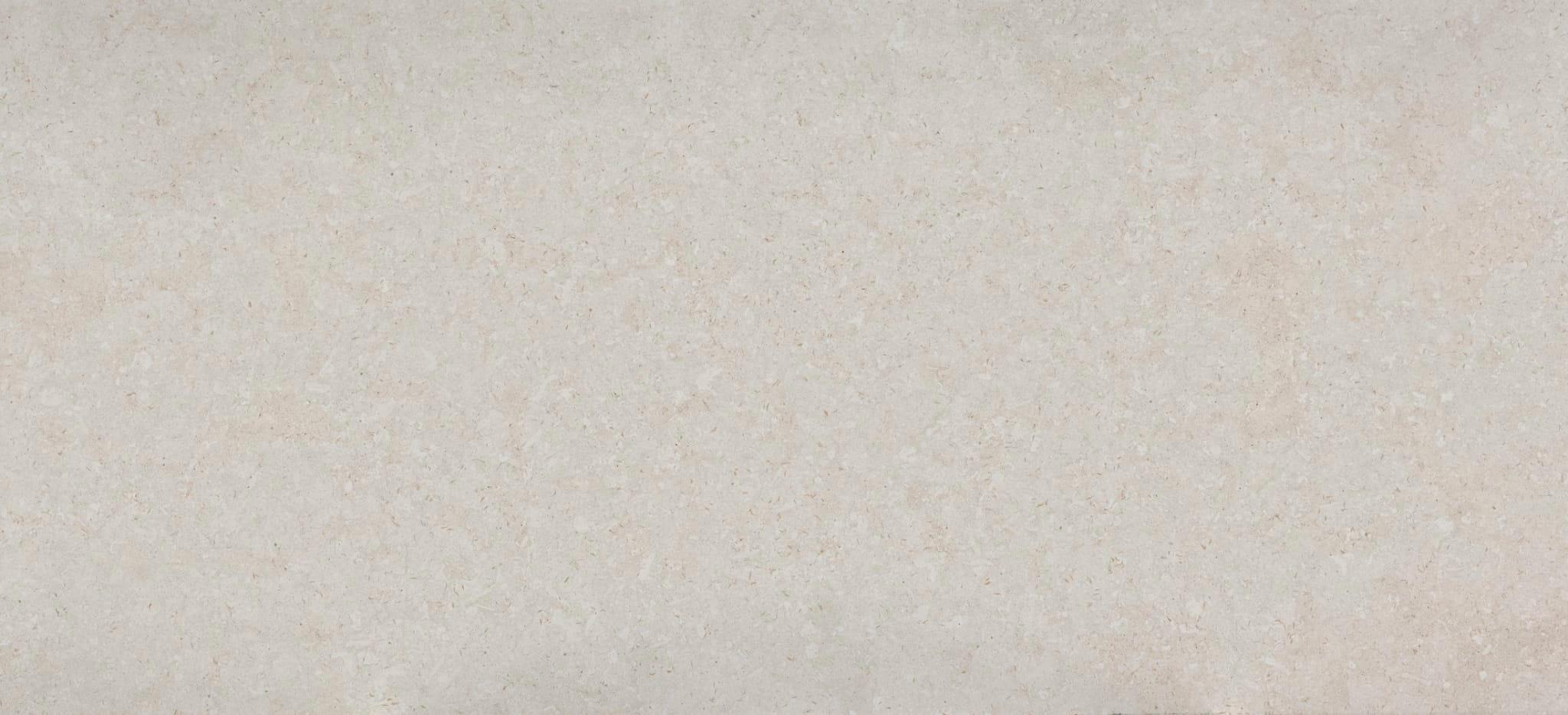
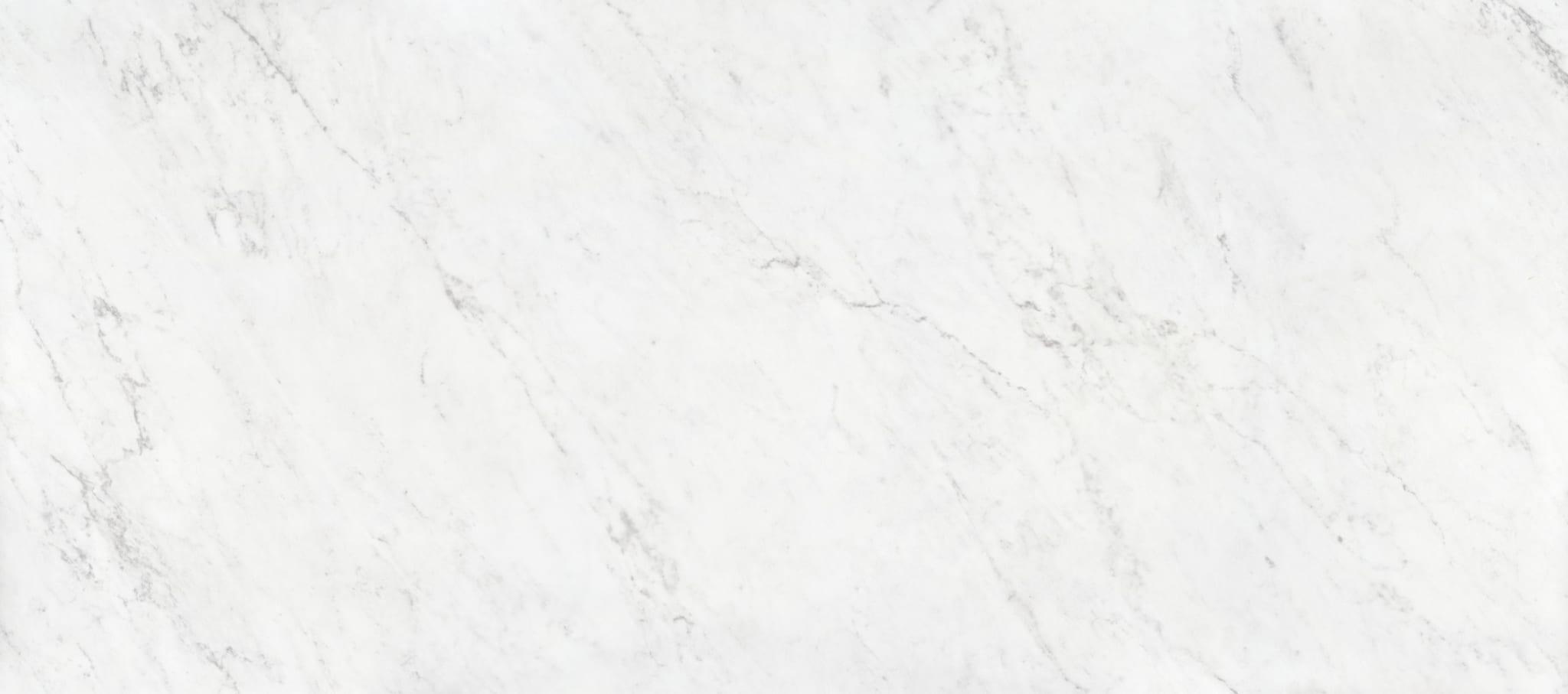
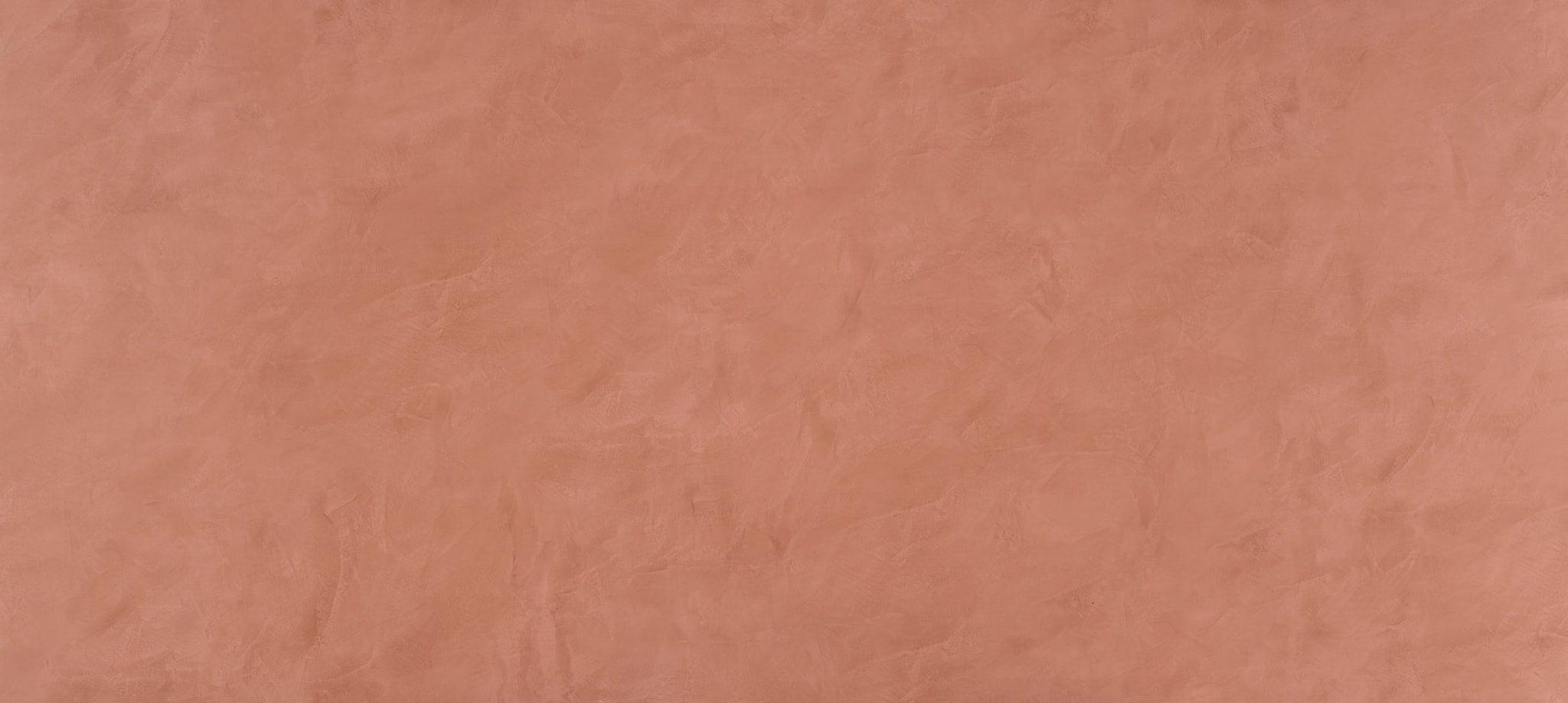
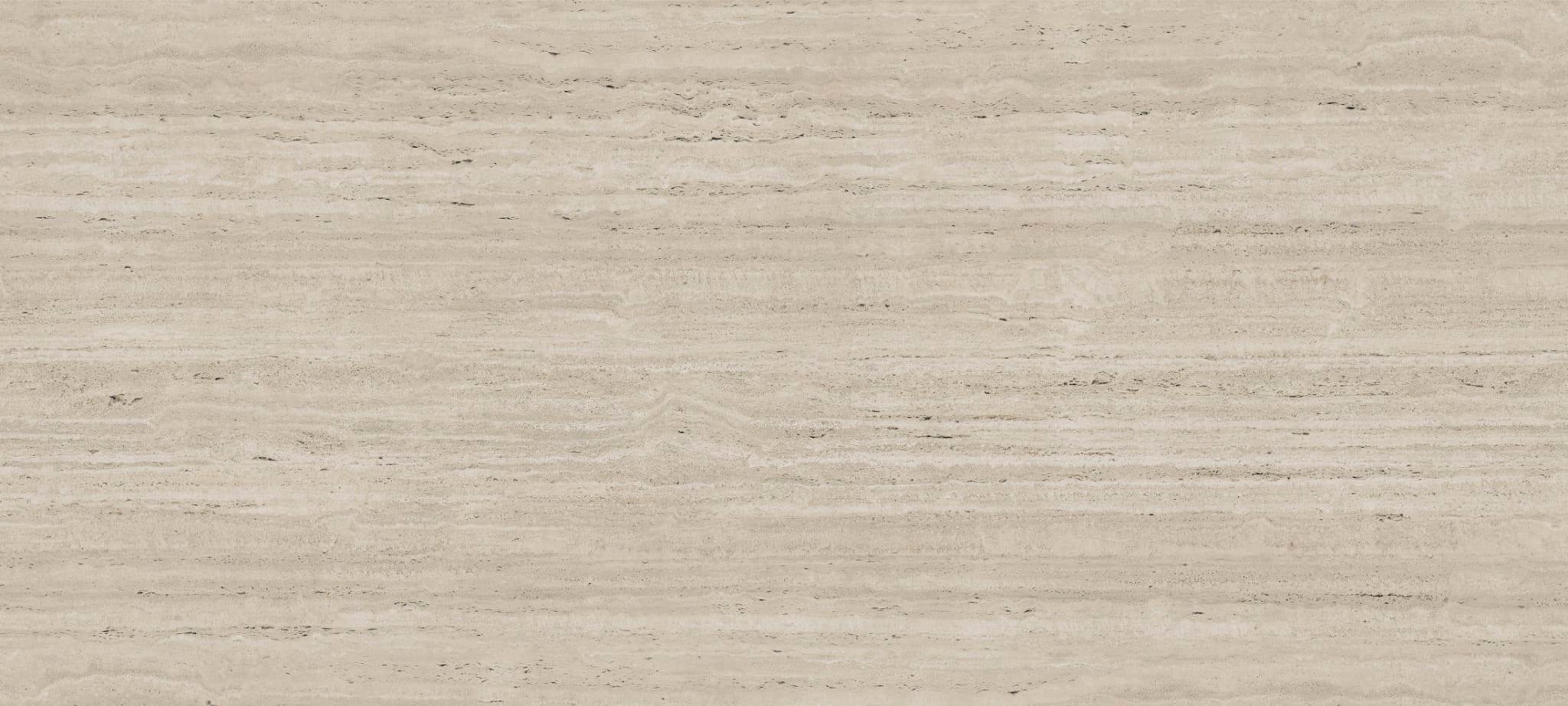
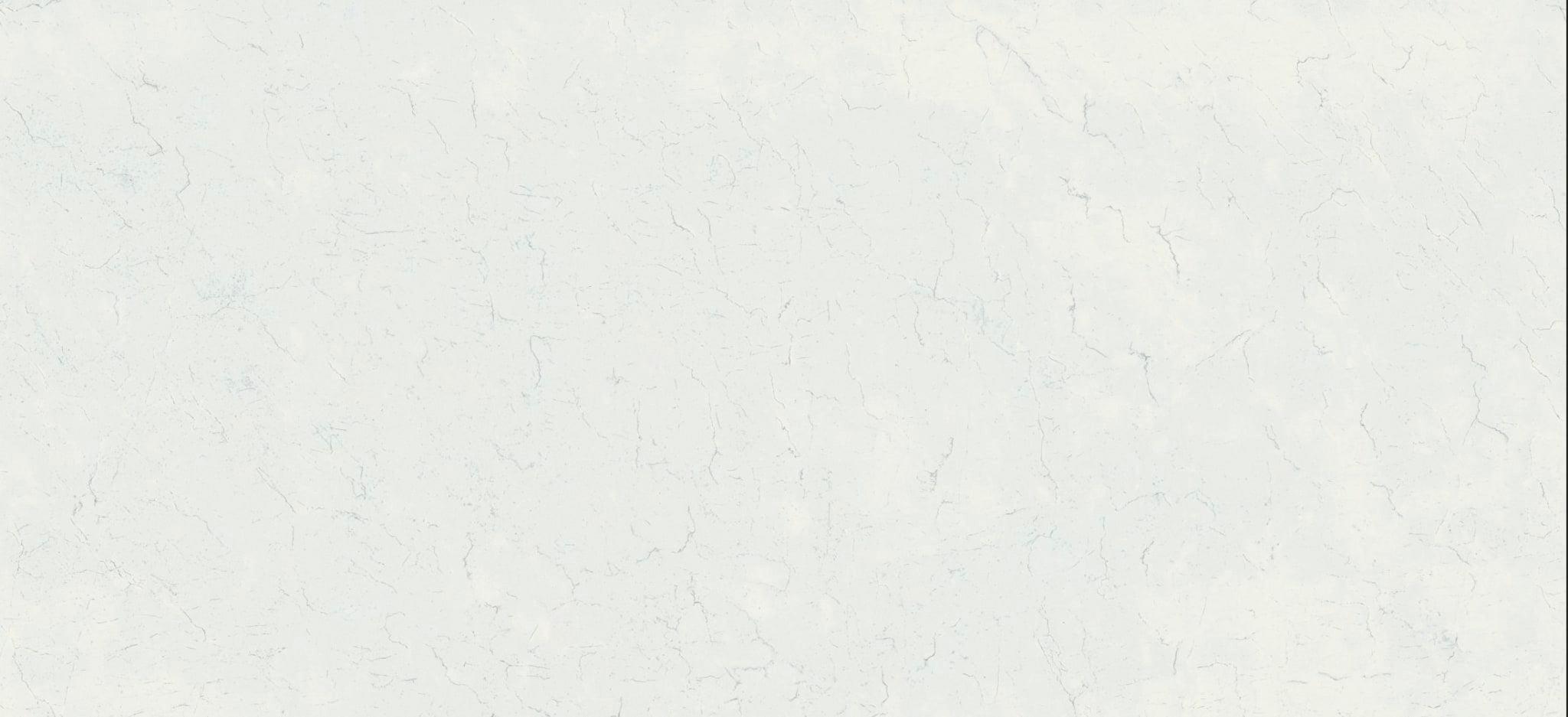
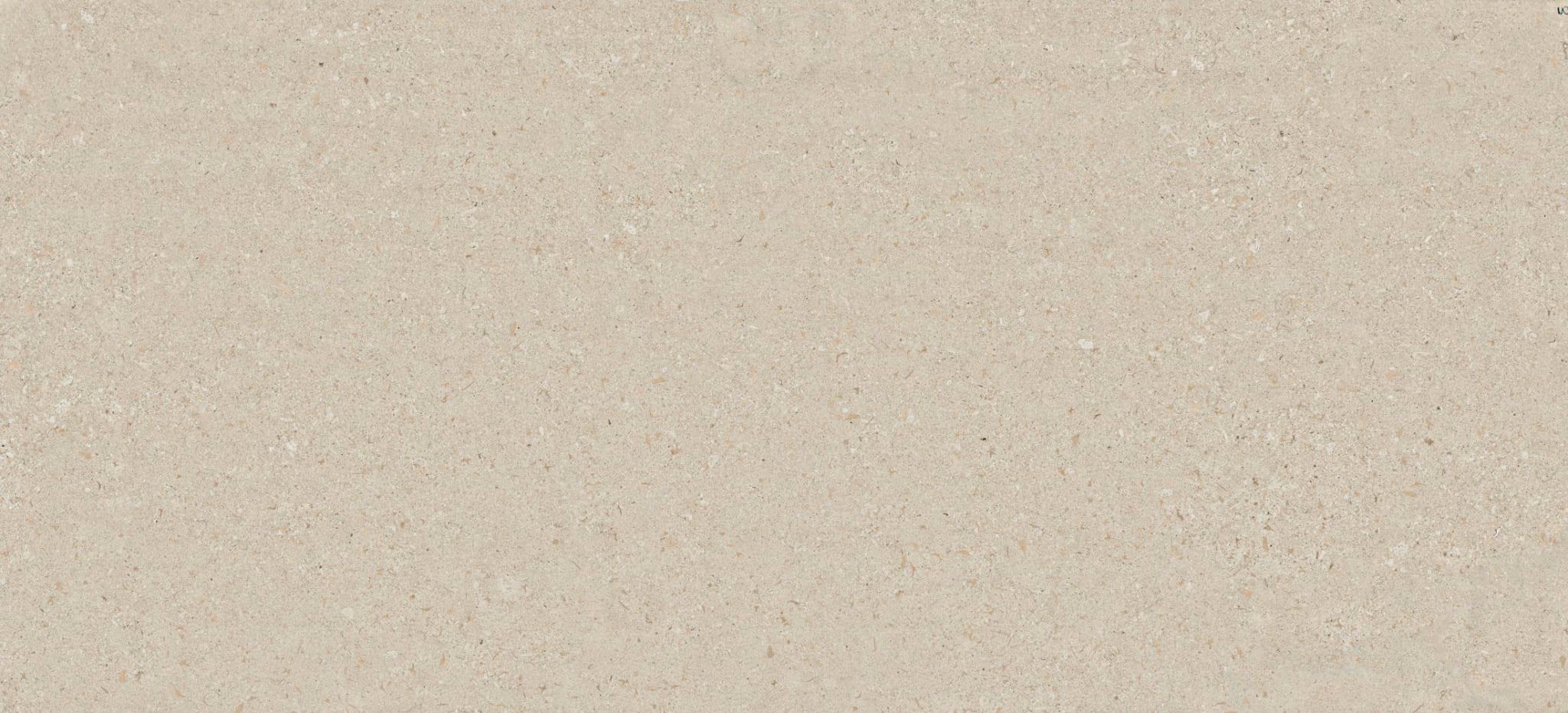
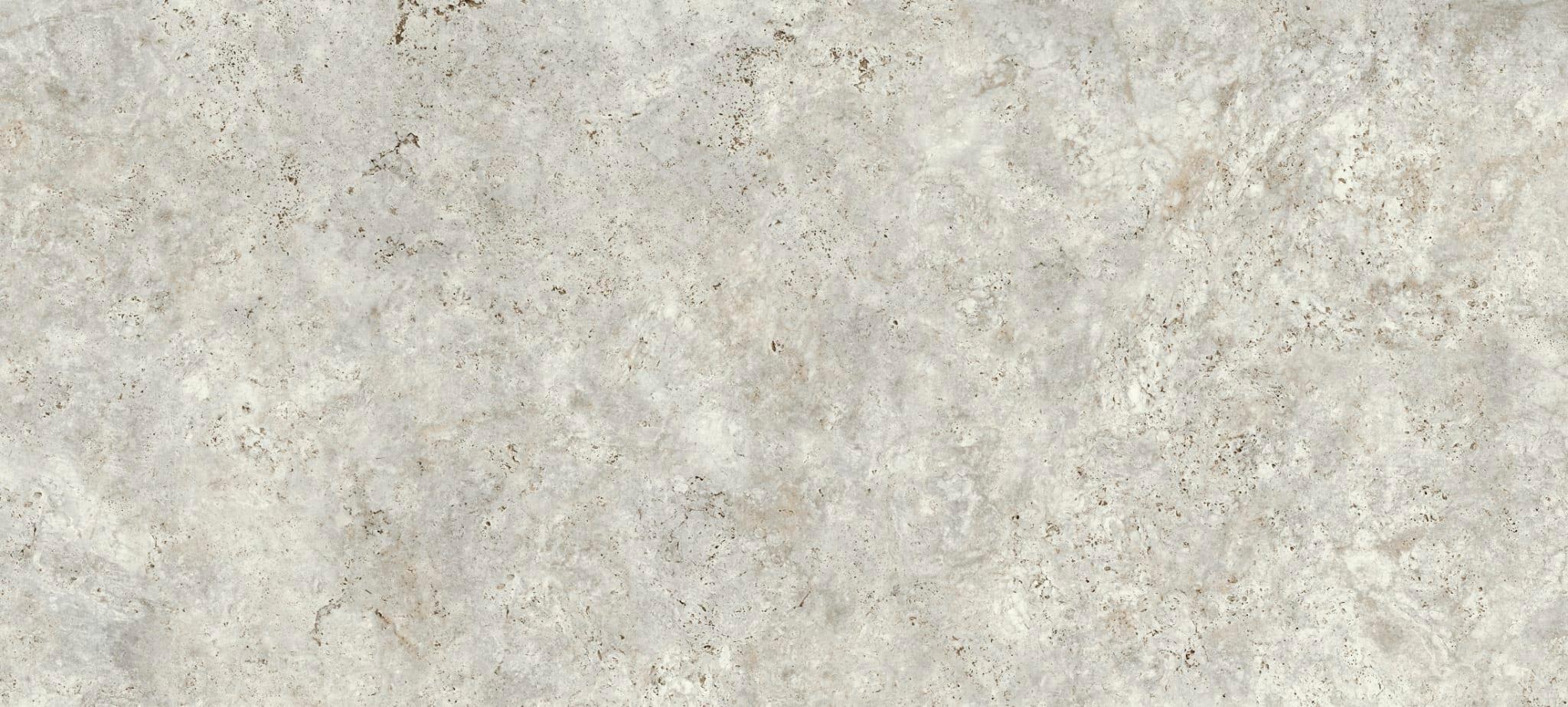
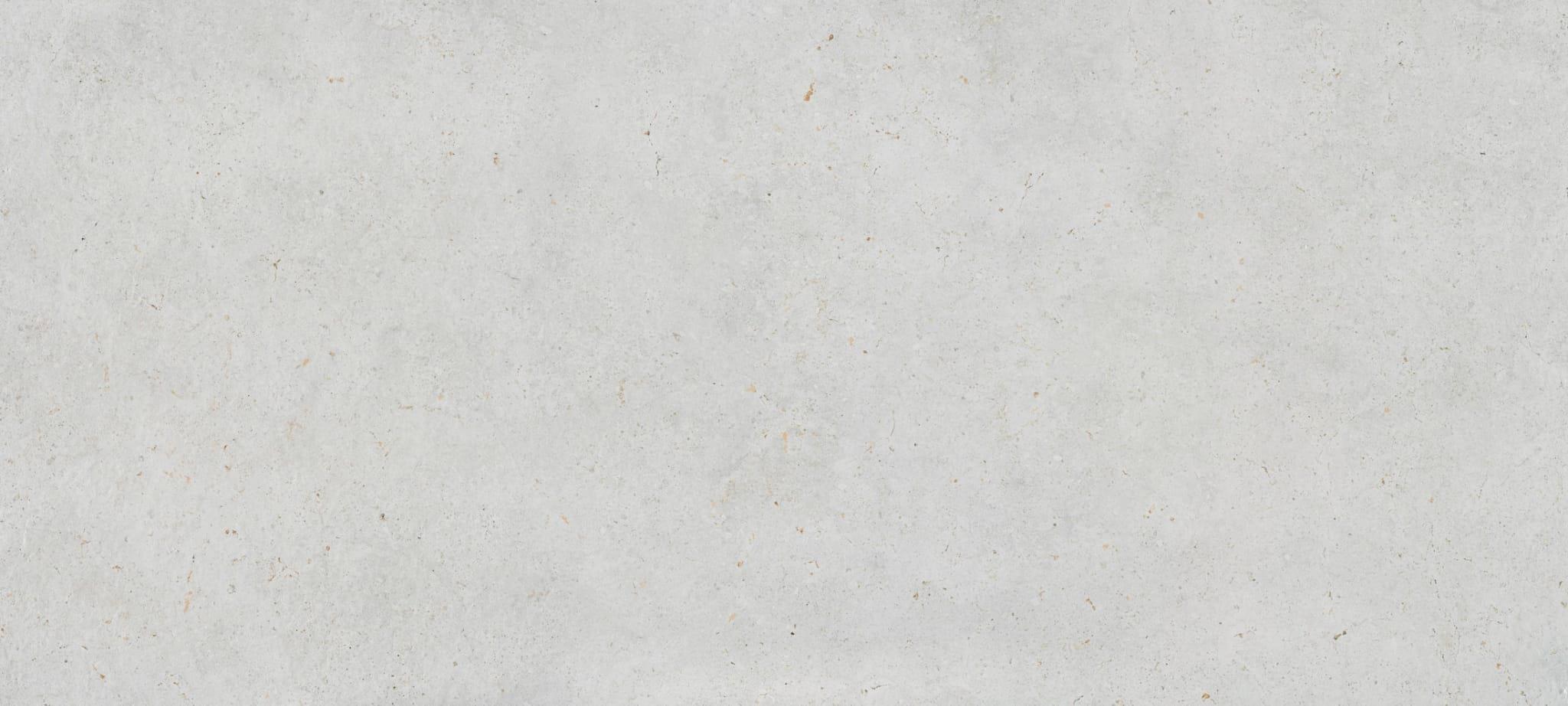
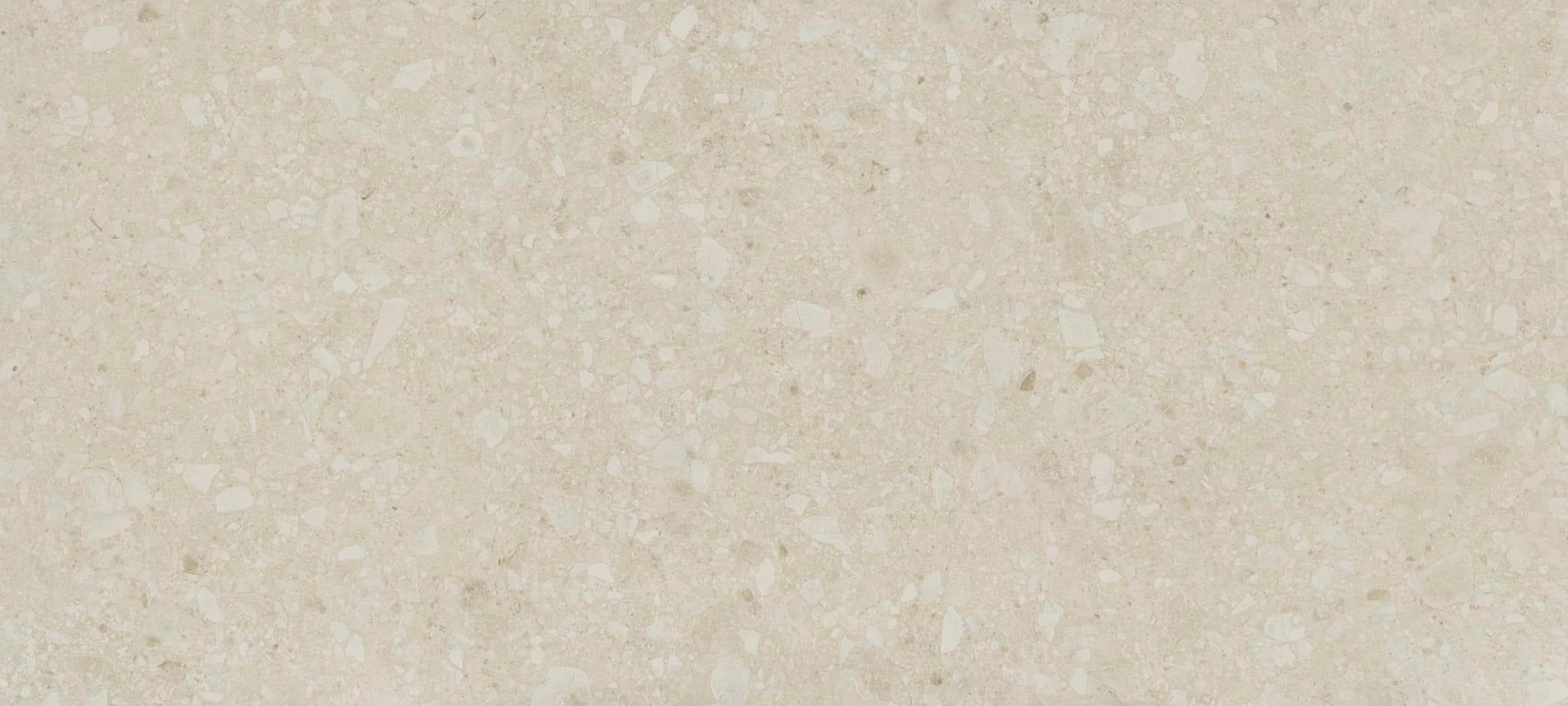
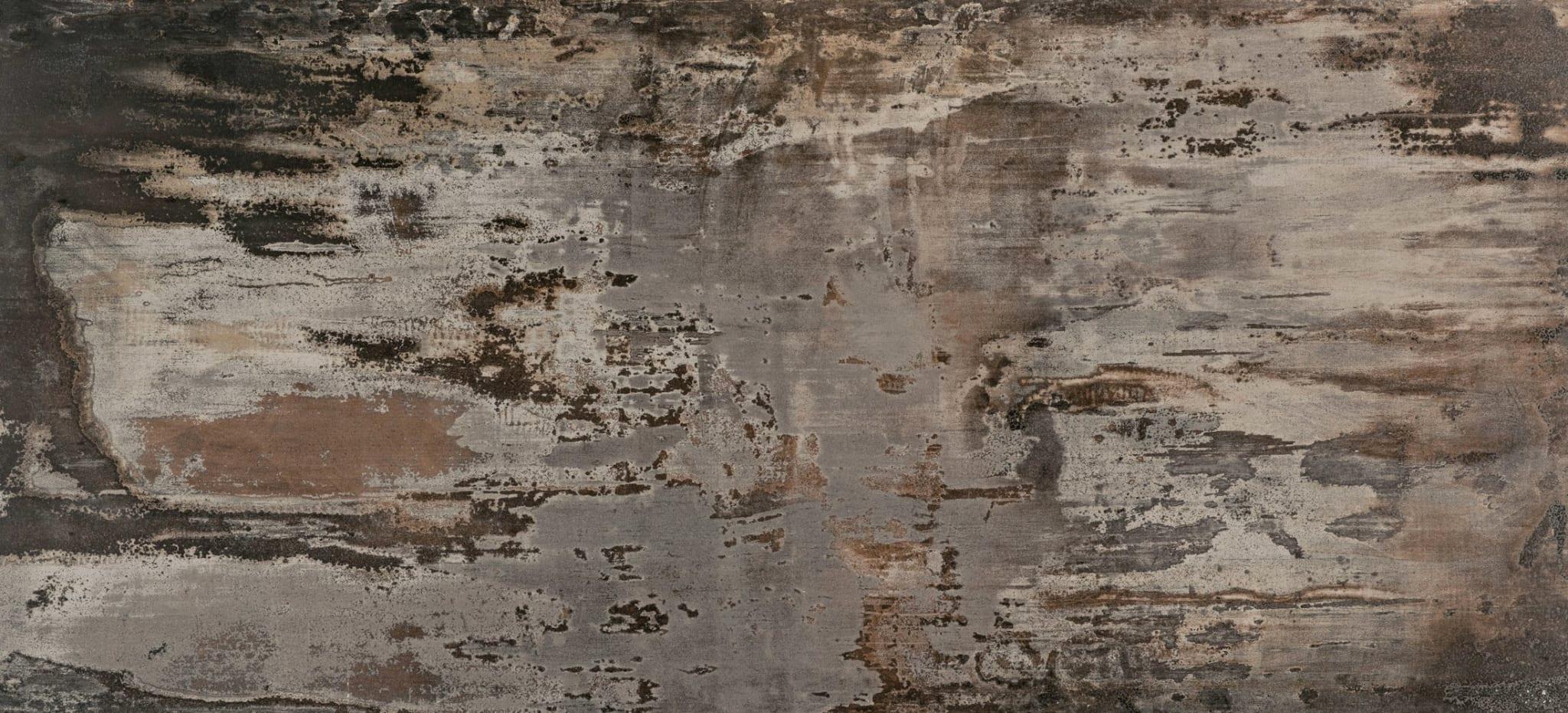
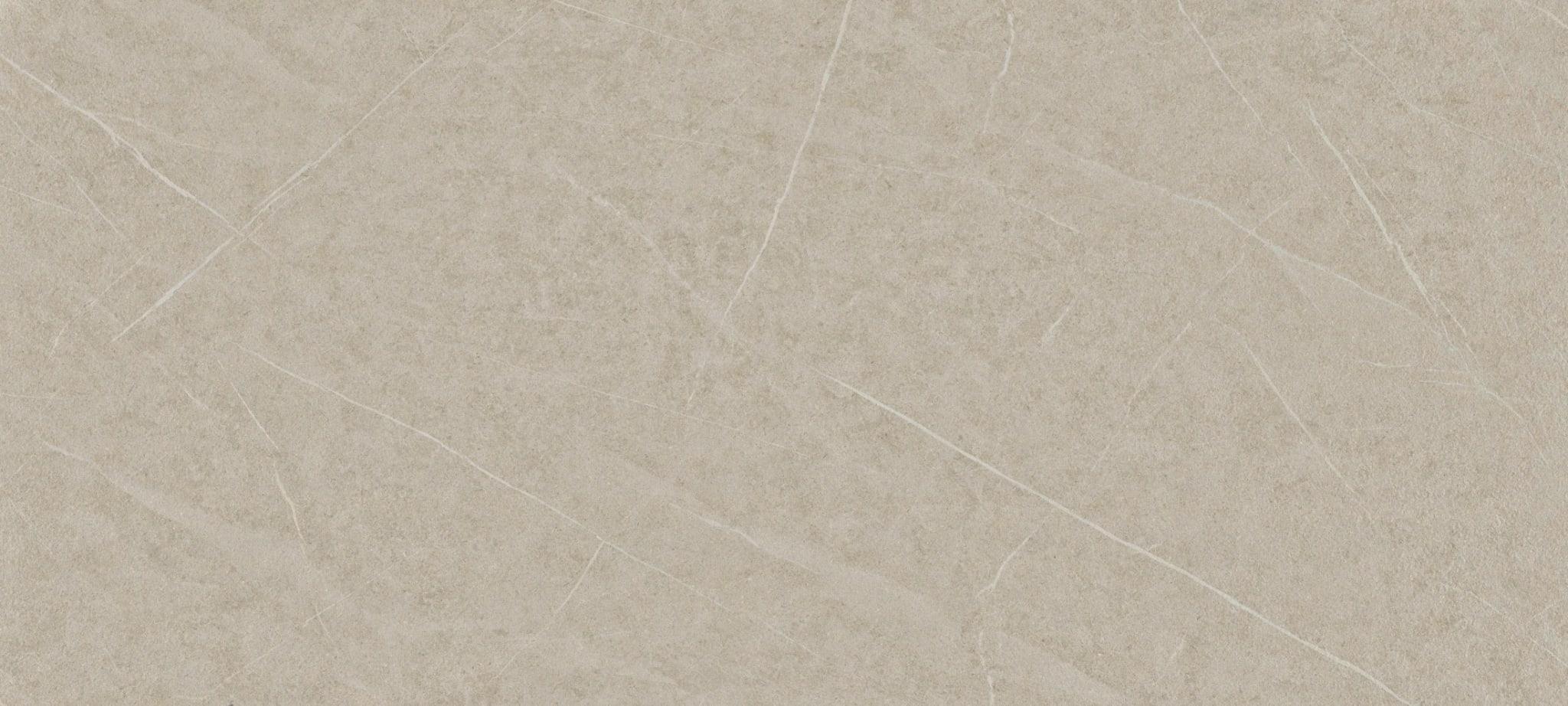
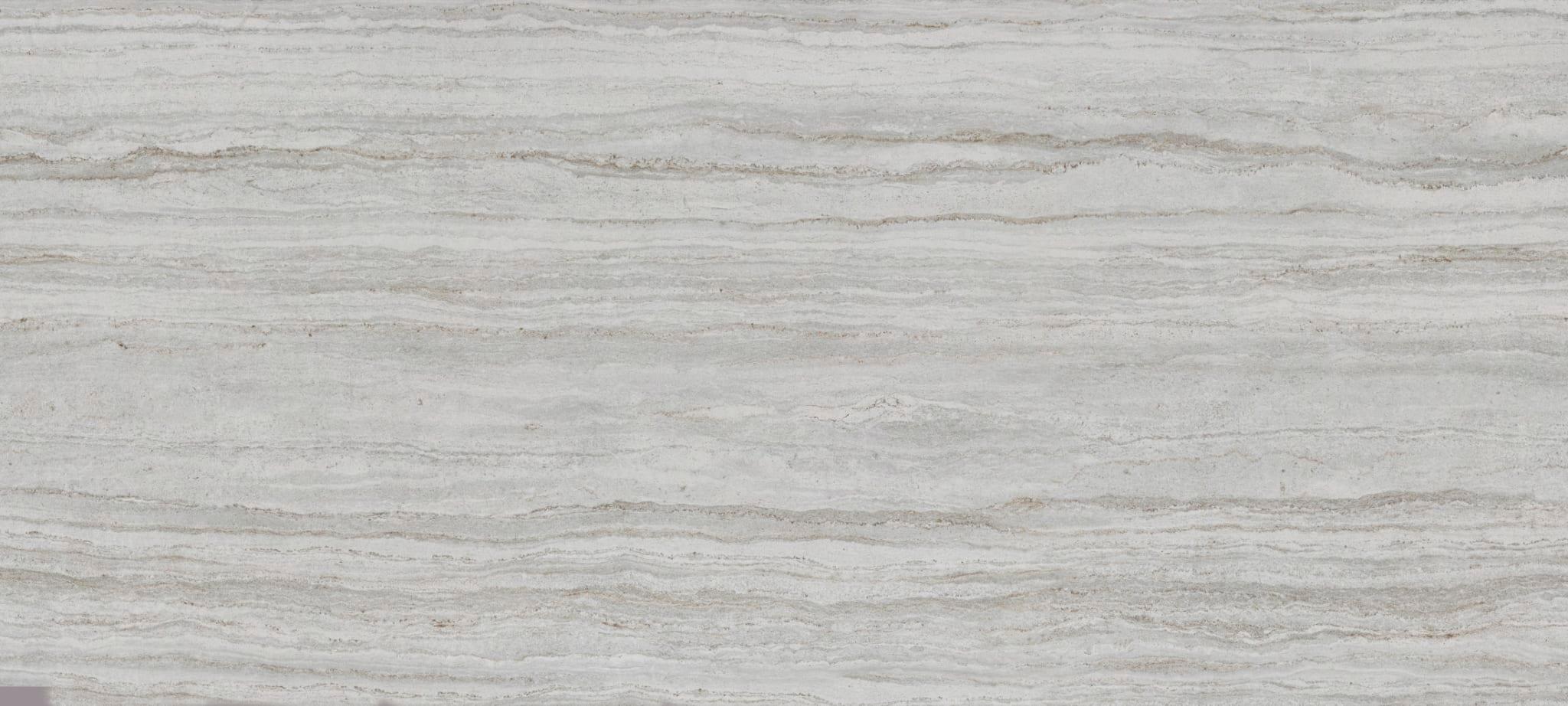
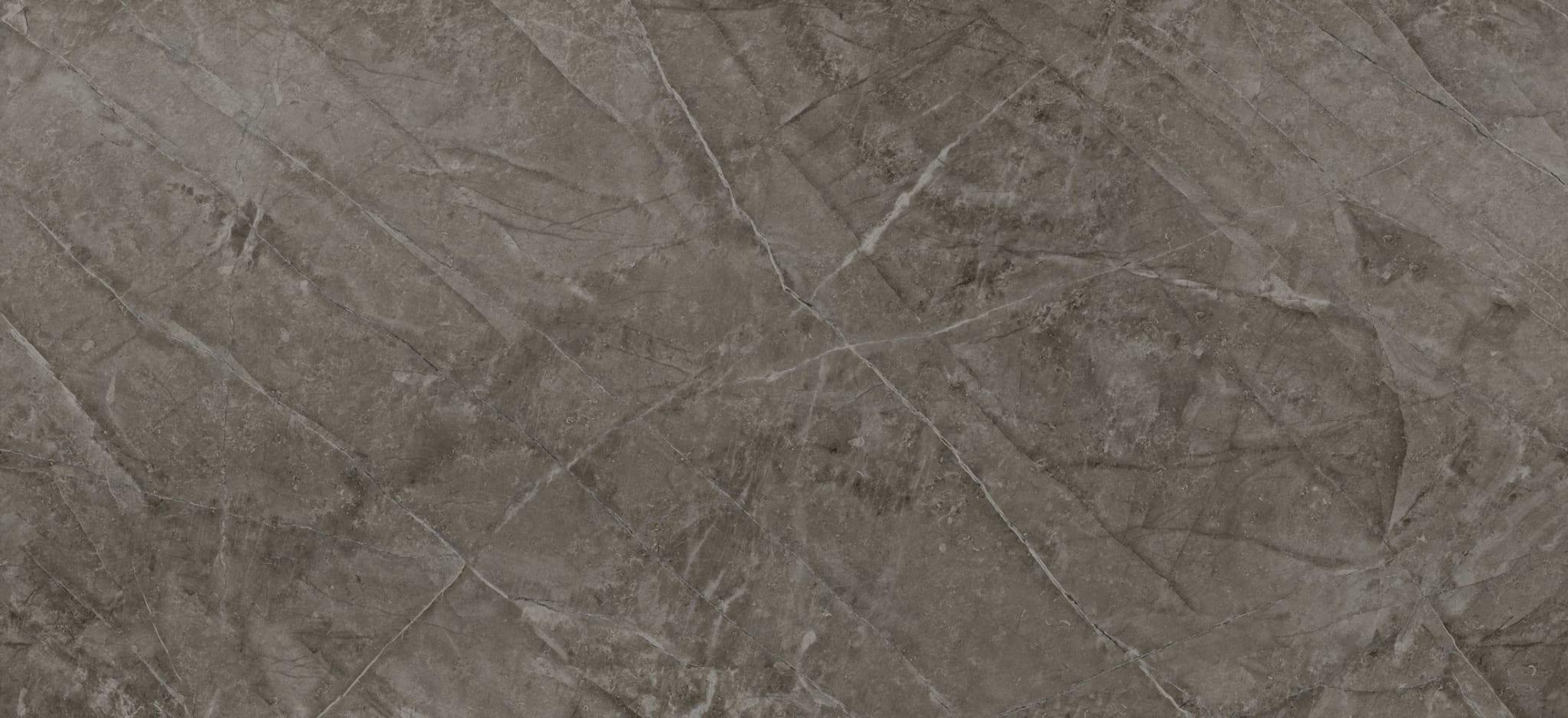
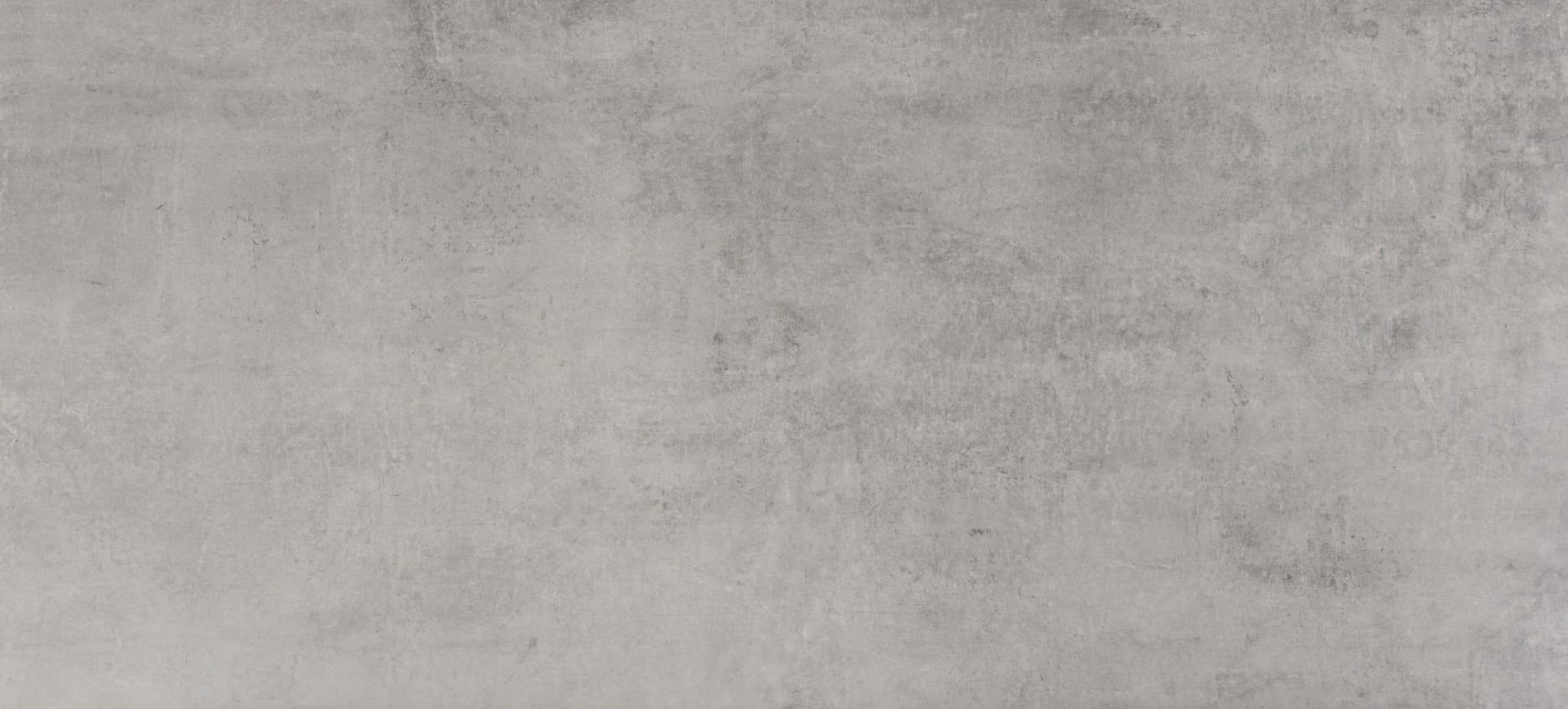
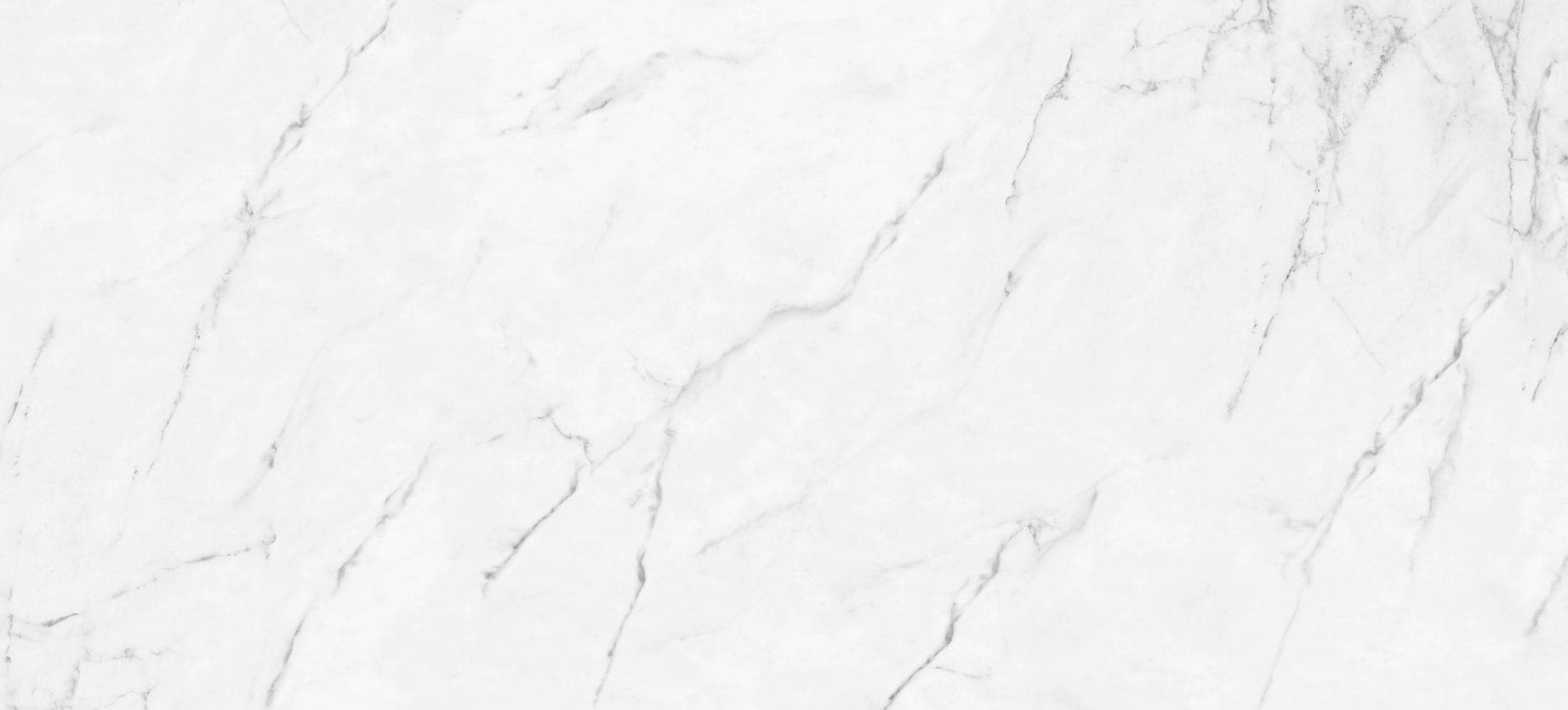
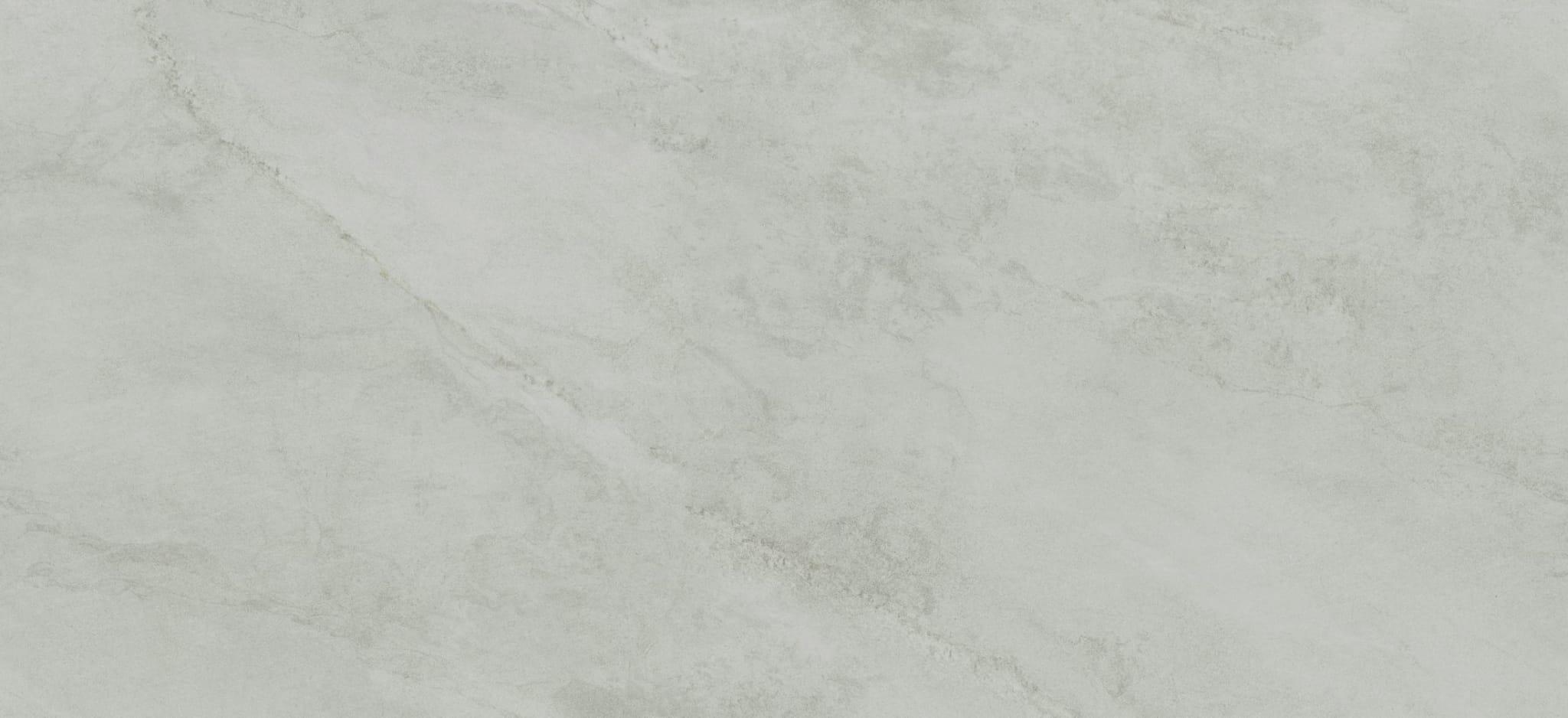
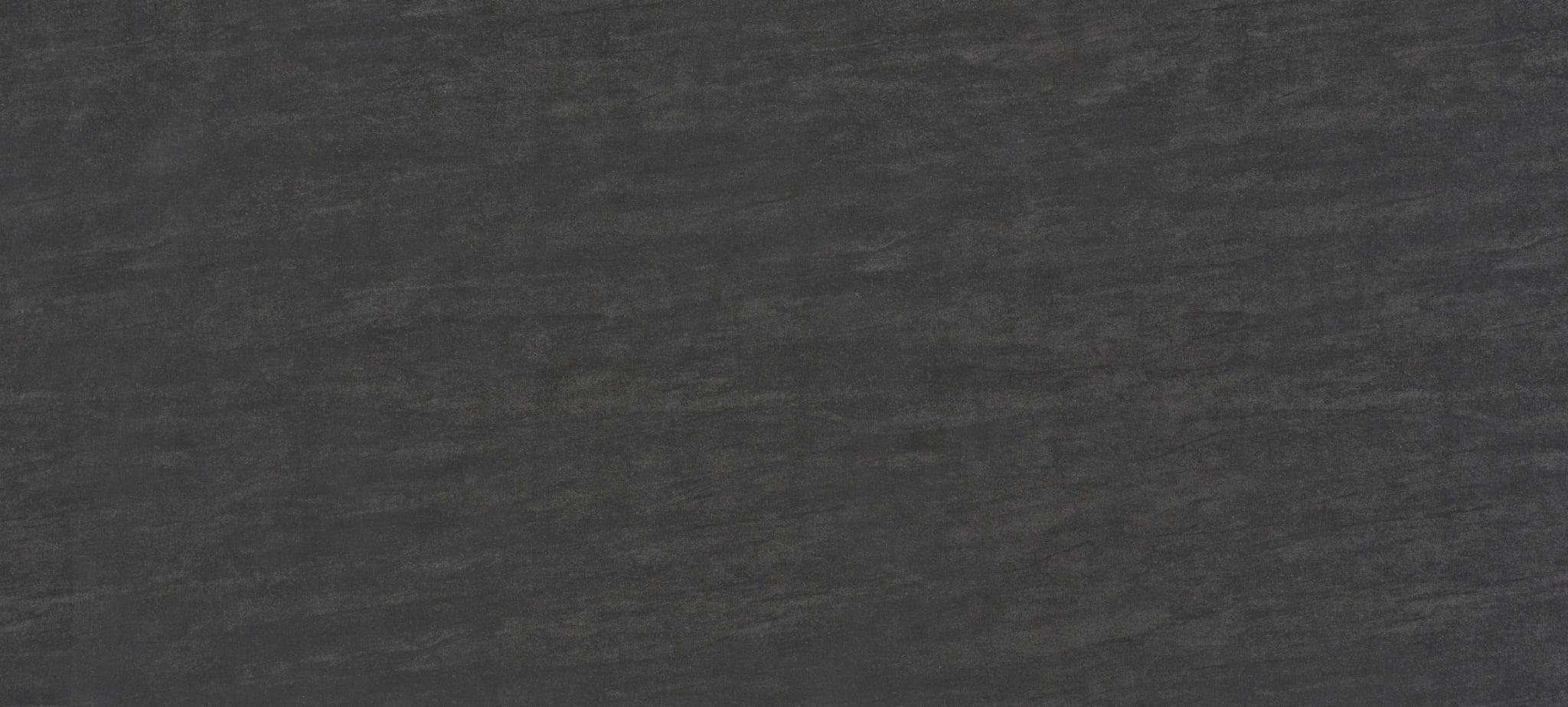
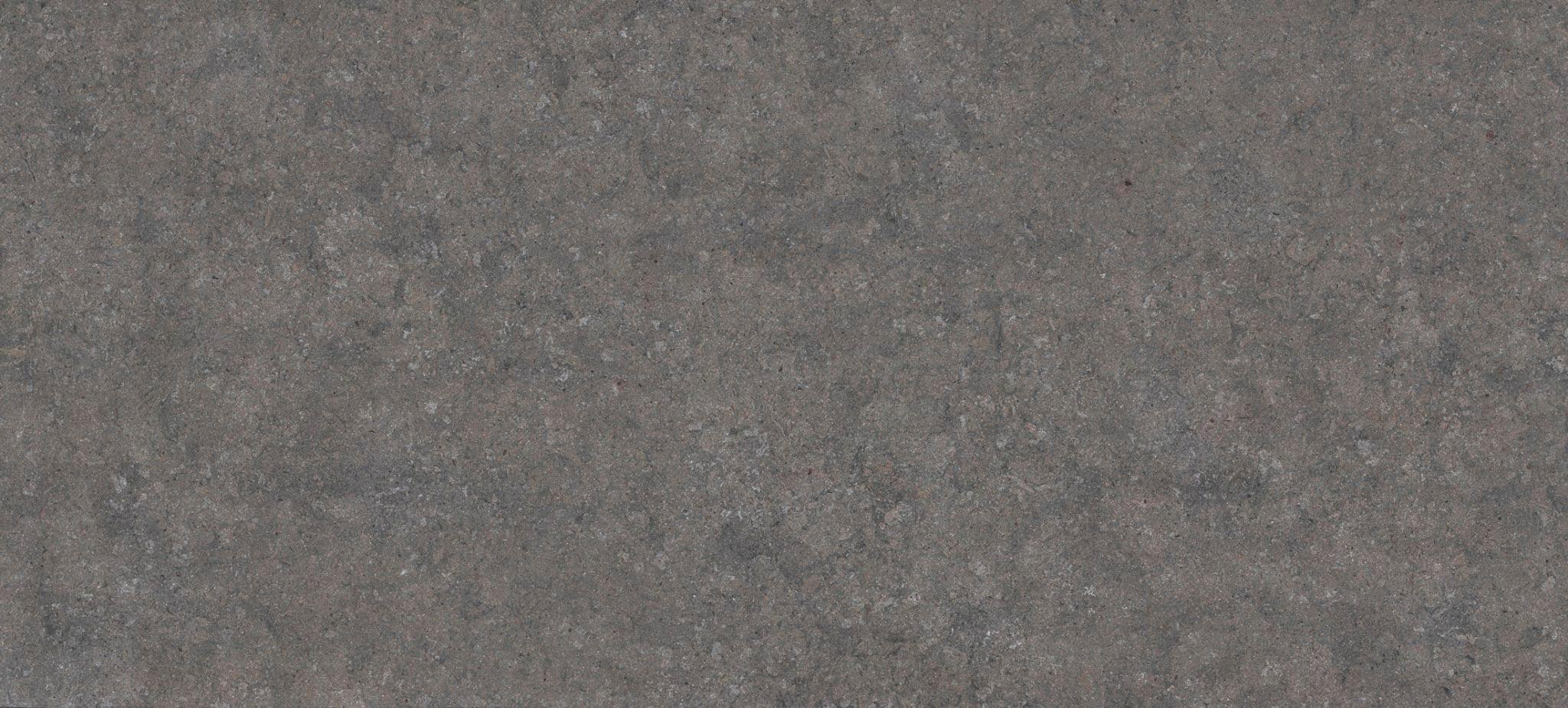
Both brands offer polished, matte, and textured finishes. Dekton's current collection includes realistic wood-look, concrete, marble, and quartzite aesthetics. Neolith offers over 40 designs spanning similar categories with strong representation in clean white and warm neutral palettes.
Edge profile options for both materials are more limited than for engineered quartz or granite. Simple eased edges, mitered edges, and waterfall configurations are achievable. Complex decorative profiles (ogee, dupont) carry significant chip-out risk on 12mm sintered stone and are generally not recommended. The 20mm thickness option for either brand provides better scope for modest decorative profiles. Dekton's standard profile offerings include square, mitered, beveled, bullnose, and chamfered edges.
Fabrication Requirements
This is the most critical dimension for fabricators evaluating either material. Both Dekton and Neolith share the same demanding fabrication profile:
Blade selection: Standard segmented granite blades cause severe chip-out. Continuous-rim or fine-segment diamond blades rated for sintered stone and hard ceramic are required. Sintered stone is harder than porcelain, so blade wear rate is significantly higher than on porcelain jobs — budget for faster blade turnover.
Scoring pass: A shallow 1–2mm scoring pass along the cut line before any full-depth cut dramatically reduces chip-out on the show face. This step is non-negotiable on sintered stone.
Water flow: Maximize coolant throughout all cuts. Inadequate cooling causes thermal cracking in sintered stone — unlike quartz where heat causes surface resin burn, insufficient cooling in sintered stone can cause catastrophic fracture and total slab loss.
Sink cutouts and drilling: Use core drill bits rated for sintered stone, not standard stone core bits. Drill at low RPM with constant water flow at the bit tip. Minimum 3/4" corner radii on sink cutouts, larger where layout permits. A fiberglass mesh reinforcement on the underside of the cutout area reduces fracture risk on both materials.
Labor pricing: Fabricators should price sintered stone jobs at a 40–60% labor premium above standard granite rates to account for slower feed rates, specialized blade requirements, and elevated chip-out risk. Transparency with clients about this premium is a competitive differentiator — homeowners who research sintered stone understand its premium positioning.
Pricing

















| Cost Element | Dekton | Neolith |
|---|---|---|
| Material (per sq ft) | $75–$150 | $75–$140 |
| Installed (per sq ft) | $55–$115 | $60–$105 |
| Typical kitchen project | $2,400–$6,400 | $2,200–$6,000 |
| Custom edges/cutouts | $150–$1,000 | $150–$1,000 |
At these price points, both brands position firmly as premium products. The material cost overlap is significant — for most projects, the final price difference between the two brands comes down to specific collection, finish, and slab size requirements, not a categorical price gap.
GoSource members access Dekton and Neolith slabs at below-market rates through GoSource's bulk buying relationships with Cosentino and partner distributors. For fabricators and builders running volume, the savings on material cost can meaningfully improve project margins.
Learn more about GoSource membership at gosource.us →
Warranty
Both Dekton and Neolith offer a 25-year manufacturer's warranty on countertop applications. Both warranties come with installation requirements — sintered stone that cracks due to improper installation (inadequate substrate support, missing corner radii in cutouts, insufficient silicone adhesive) typically falls outside warranty coverage. Proper installation technique protects the warranty on either brand.
Outdoor Applications
Outdoor performance is one of the clearest areas where both Dekton and Neolith separate themselves from every other engineered countertop category.
Engineered quartz contains polymer resins that UV radiation degrades — quartz cannot be specified for outdoor kitchen countertops without eventual yellowing and surface breakdown. Natural stone is UV-stable but requires outdoor-appropriate sealing and moisture management to prevent water intrusion and freeze-thaw damage.
Sintered stone — in both Dekton and Neolith formulations — is the only engineered surface that handles outdoor conditions correctly:
- UV-stable indefinitely with no color shift
- Non-porous, so no moisture intrusion and no freeze-thaw damage
- Pressure-washable for maintenance
- No sealer required
For designers and builders specifying outdoor kitchens, bars, or facade cladding, the choice between quartz and sintered stone is straightforward. The choice between Dekton and Neolith for outdoor use comes down to aesthetic collection and project-specific slab size requirements — performance is equivalent.
Dekton vs. Neolith: Which Should You Specify?
For most projects, Dekton and Neolith are functionally equivalent. Both deliver the same sintered stone performance profile: heat-proof, acid-immune, UV-stable, scratch-resistant, and maintenance-free. The decision comes down to project-specific variables:
Choose Dekton when:
- Maximum slab size is a priority (Dekton's large-format slabs reduce seaming in open kitchens)
- The project requires a continuous thickness range from thin to thick (8mm–30mm)
- Cosentino's distribution network offers better local availability in your market
- The client is already specified on Silestone and wants brand continuity
Choose Neolith when:
- Ultra-thin cladding or lightweight applications are part of the scope (3mm option)
- The design direction aligns with Neolith's white and neutral collection strengths
- Project budget is slightly tighter (Neolith's installed price ceiling is modestly lower)
- Sustainability credentials are a client priority (Neolith highlights its recycled content and recyclability)
For fabricators, the shop-floor handling of both materials is essentially identical. Shops that develop sintered stone competency with one brand find the transition to the other straightforward.


FAQ
Is Dekton the same as Neolith? Both are sintered stone (ultra-compact surfaces) with nearly identical technical properties. Dekton is manufactured by Cosentino; Neolith is manufactured by TheSize. Their performance specifications — porosity, hardness, heat resistance, UV stability — are equivalent. Differences come down to collection aesthetics, slab sizes, and local distributor availability.
Is Dekton or Neolith better for outdoor use? Both perform equally well outdoors. Unlike quartz, which degrades under UV exposure, sintered stone's all-mineral composition makes it UV-stable indefinitely. Both brands are certified for outdoor kitchen countertops, facades, and cladding. Selection between the two for outdoor projects comes down to aesthetic preference.
How much does Dekton cost compared to Neolith? Material costs for both brands run $75–$150/sq ft. Dekton installed prices range from $55–$115/sq ft; Neolith runs $60–$105/sq ft installed. The overlap is significant — final pricing depends on collection, finish, slab size, and local fabrication rates more than on the brand itself.
Can you put hot pans on Dekton or Neolith? Yes. Because both materials contain no polymer resins, they withstand direct contact with hot cookware without discoloration, cracking, or thermal damage. This is a significant advantage over engineered quartz, which manufacturers universally recommend protecting from direct hot cookware contact.
How do you fabricate Dekton and Neolith? Both require specialized diamond blades rated for sintered stone or hard ceramic, a mandatory scoring pass before full-depth cuts, maximum water flow throughout all cutting operations, and minimum 3/4" corner radii on sink cutouts. Standard segmented granite blades will chip both materials. Fabrication labor should be priced at a 40–60% premium above standard granite rates.
Do Dekton and Neolith require sealing? No. Both materials are non-porous with near-zero absorption and do not require sealing at installation or at any point during their lifetime. Daily maintenance is soap and water.
Where can fabricators and builders source Dekton and Neolith at trade pricing? GoSource is a B2B marketplace for construction surfaces that provides members with below-market pricing on Dekton, Neolith, and other premium surface brands through bulk buying relationships with suppliers including Cosentino. GoSource serves stone fabricators, builders, architects, and designers across the US.