
Two homeowners can request a quote for the same quartz kitchen and get bids that differ by thousands of dollars. The gap usually comes down to three things: material cost, fabrication, and fees that never make it into the headline number.
This guide breaks down each layer so contractors, designers, and fabricators can estimate accurately, explain quotes clearly, and source smarter. Use it to sanity-check bids, set client expectations early, and see where wholesale pricing through GoSource changes the math.
The Three Cost Layers of Any Countertop
Every countertop price you see, whether from a local yard or a big-box store, is built from the same basic pieces:
- Material: the actual slabs or pre-fabricated tops.
- Fabrication: the labor to cut, polish, edge, and install.
- Extras and fees: everything from tear-out to plumbing to “miscellaneous” line items.
For a simple example, take a 50 SF kitchen in a mid-range quartz:
- 40–50% of the total can be raw material cost.
- 35–45% is fabrication and installation.
- 10–20% is extras and fees (tear-out, plumbing, disposal, trip charges).
The numbers vary depending on material choice and project complexity. This split provides a realistic starting point for reviewing or presenting quotes.
Step 1: Estimate Material Cost Per Square Foot
Most homeowners only see “price per SF,” but they rarely see how that number is structured. As a pro, you can walk them through it in three steps:

1. Measure the footprint
- Measure length and depth in inches, including overhangs.
- Convert to square feet: (length × depth) ÷ 144.
- Add 10–15% for waste, cutouts, and layout.
2. Choose the material type
- Entry-level granite and basic quartz typically fall in the same price range, around $40–$80 per SF for material only.
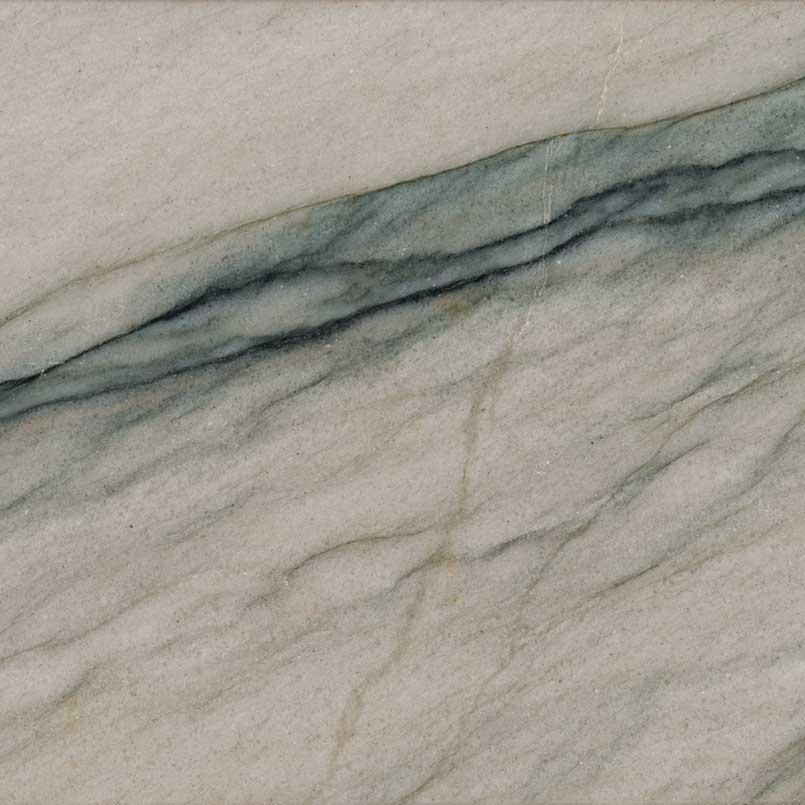
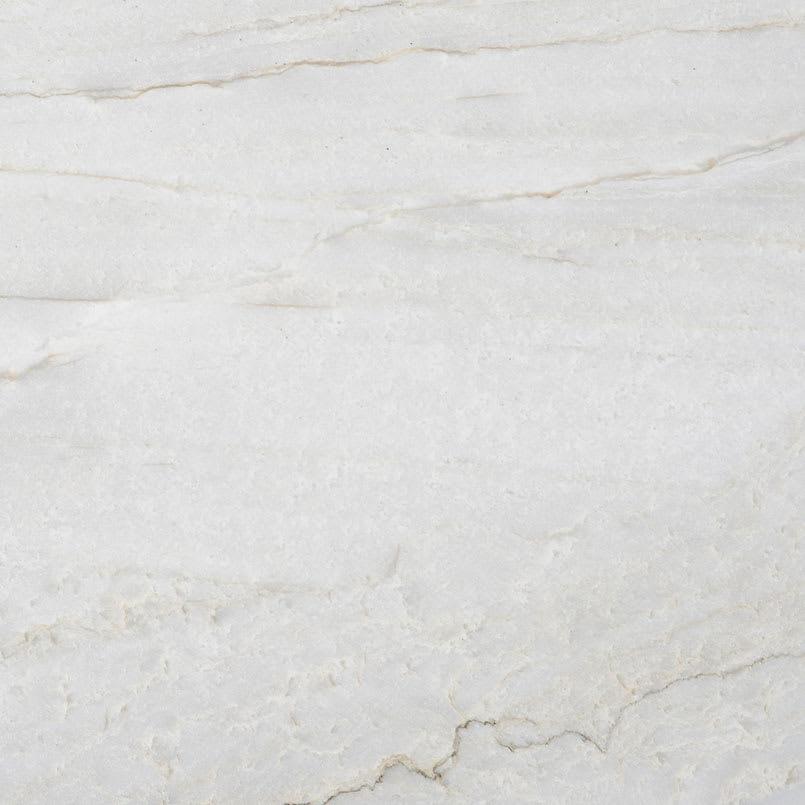
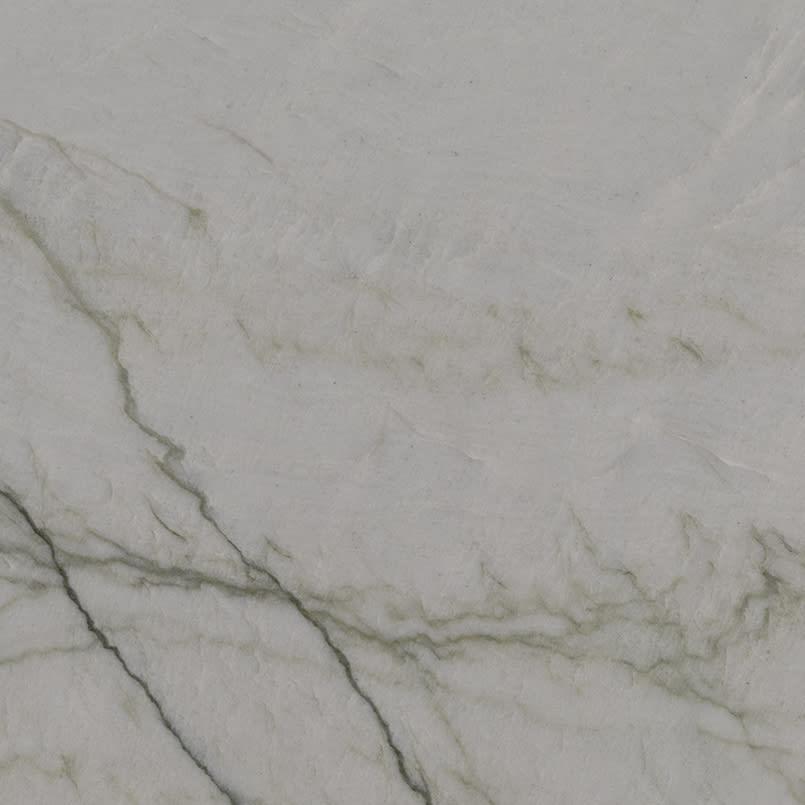
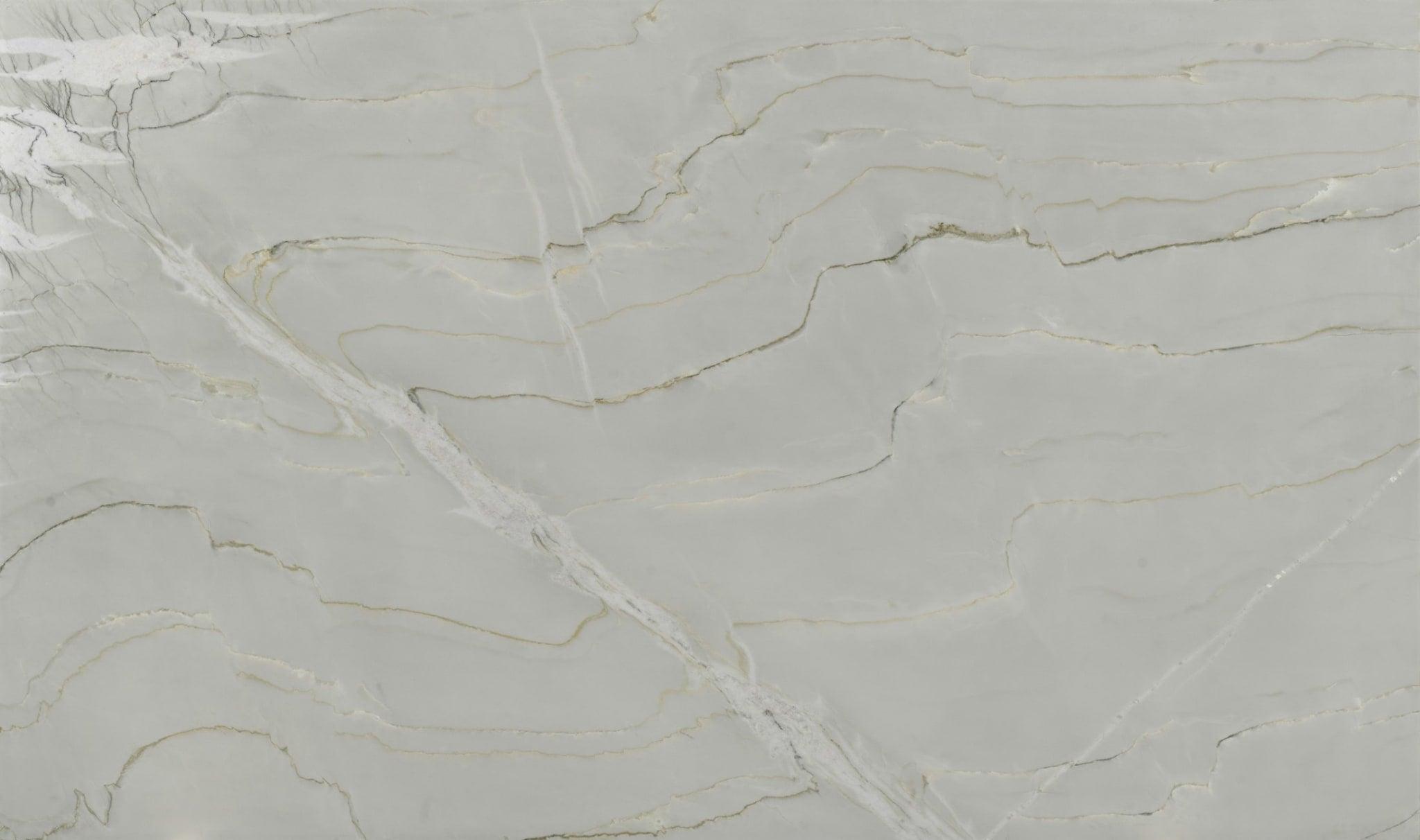
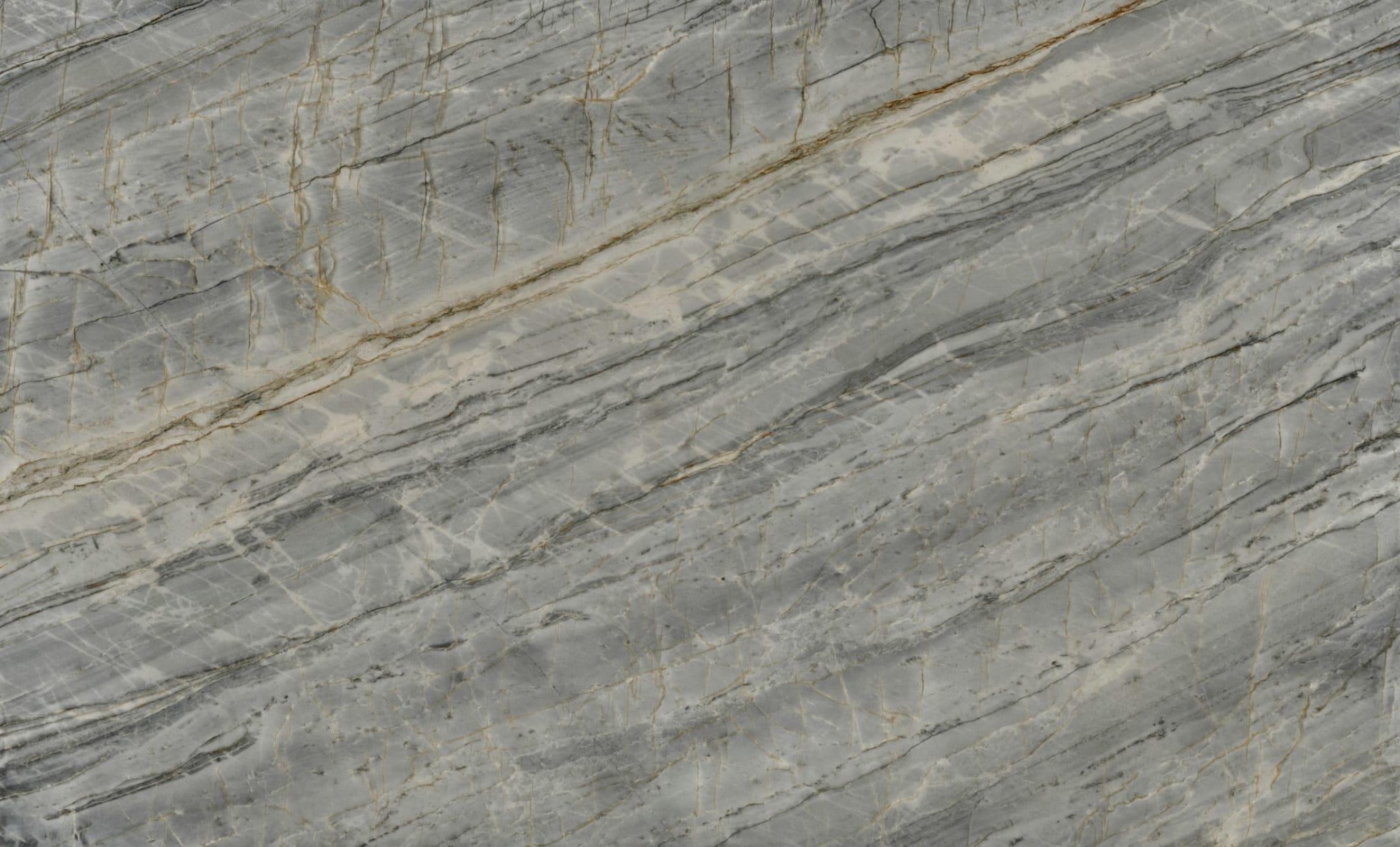
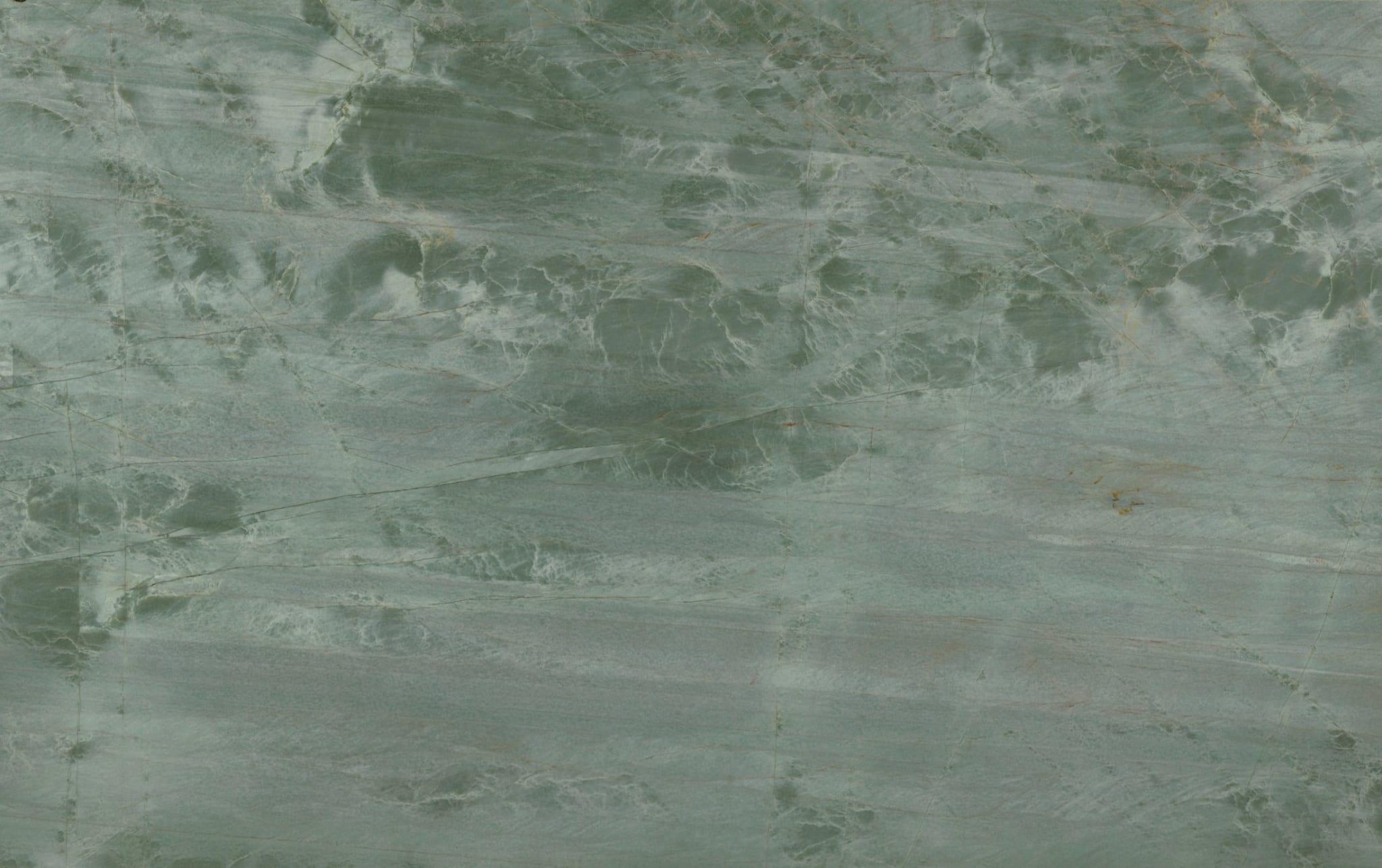
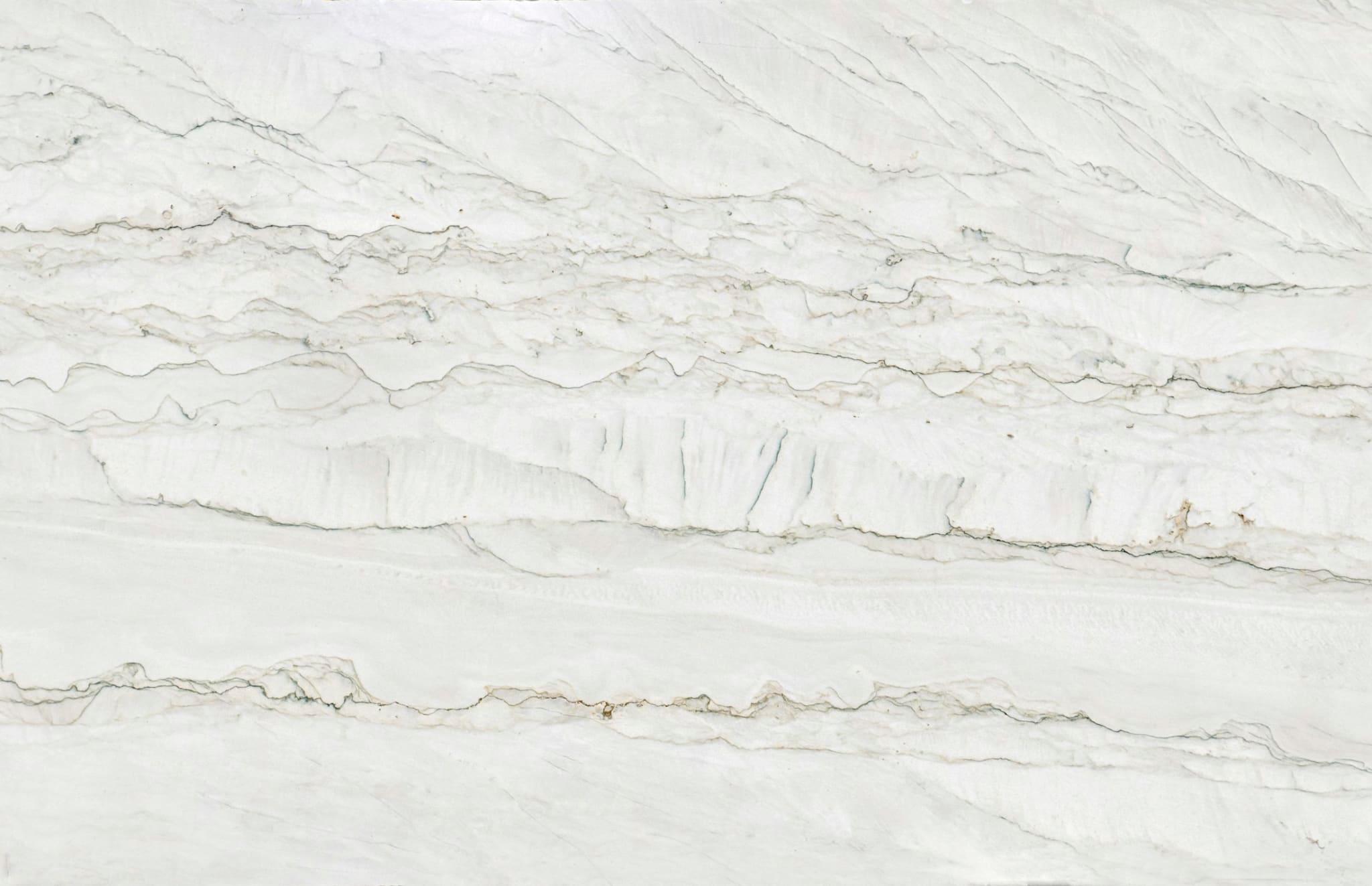
- Premium quartz, and natural stone like marble, and quartzite (like Taj Mahal) run significantly higher.
- Brand, color, and thickness all affect the slab price.
3. Apply a realistic price range
- Example: 50 SF at $80 per SF in a mid-range quartz = $4,000 in material.
- At $120 per SF for a premium quartzite, the same 50 SF is $6,000.
Big-box and bundled quotes often blur this line by combining slab and fabrication into a single “installed price.” Wholesale-aligned platforms like GoSource treat slab pricing as a separate input, so you and your client can see how much of the total goes toward the material itself.
Step 2: Understand Fabrication and Labor
Material is only half the story. Fabrication is where most of the cost and margin are.
Typical fabrication and installation elements include:
- Cutting and polishing the slabs to size.
- Edge profiles (eased, bevel, ogee, or mitered waterfall).
- Sink and cooktop cutouts.
- Seams, backsplash, and on-site fitting.
- Delivery, installation crew, and job-site conditions (stairs, access, levelness).
Many fabricators price with a base rate per SF plus surcharges. For instance:
- Base fabrication and install: $35–$55 per SF.
- Sink cutouts: flat fees (for example, $200–$300 per sink).
- Mitered waterfall edges: per-linear-foot surcharge.
- Full-height backsplash: per-SF add-on.
On a 50 SF kitchen, it’s easy to see fabrication running another $2,000–$3,000, even before extras. When one vendor controls both the slab and the fabrication, the markup can be split across both line items. That is why homeowners comparing an all-in number from one vendor to an itemized quote from another often feel like they are looking at two completely different projects.
Step 3: Spot Hidden and “Gotcha” Fees
This is where quotes get messy. Two bids can use the same material and similar fabrication rates but differ by hundreds or thousands of dollars because of how they handle extras.
Common hidden or easily-overlooked fees include:
- Tear-out and disposal: removing and hauling away old countertops.
- Plumbing: disconnecting and reconnecting sinks, faucets, and disposals.
- Electrical: cooktops, outlets, or other minor adjustments.
- Trip fees: distance, stairs, or difficult access.
- Rush charges: accelerated timelines and off-hours work.
- Change orders: layout tweaks, added backsplash, or upgraded edges after approval.
A simple question homeowners can ask any contractor or fabricator is: “Is this included in the quote, or separate?” As a pro, you can turn that into a standard checklist and avoid surprises on installation day.

How a Countertop Cost Calculator Should Work
A good countertop cost calculator doesn’t just spit out one number. It separates the pieces so clients see how the total is built.
The most useful calculators do two things:
- Ask for key project details
- Square footage
- Material type and approximate price band
- Edge profile
- Number of sinks and cutouts
- Backsplash (none, standard, or full-height)
- Tear-out required (yes/no)
- Location or zip code
- Break the total into a structured estimate
- Material estimate based on SF and material tier
- Fabrication and installation estimate based on typical ranges for that region
- Extras and hidden-fee estimate based on what most projects need.
Contractors and designers can use this style of calculator early in the process to set expectations. Instead of arguing over whether a quote is “too high,” you can show homeowners exactly which line items drive the total and where upgrades change it.
How to Use a Calculator to Compare Vendor Quotes
Quotes feel hard to compare because vendors bundle costs differently. One vendor includes tear-out and plumbing in the base price. Another shows a low per-SF rate and stacks add-ons below it. Big-box stores often present a single "installed price" with no itemization at all.
A transparent calculator gives you a neutral reference point: plug in the project specs, get a breakdown of materials, fabrication, and extras, then lay it next to each vendor quote to see exactly where they are high, low, or missing line items.
If a quote runs well above the estimate, check whether it reflects premium material, extra services, or a wider margin. If it comes in well below, ask what is not included.





















Where GoSource Pricing Fits In
For trade professionals, the real leverage point is slab pricing. If you can buy materials at or near their true wholesale price, you have more flexibility with your own margins. You can still present fair, transparent numbers to homeowners.
When you source slabs, tiles, and flooring through GoSource, you:
- See clear slab pricing instead of “mystery install” bundles.
- Access nationwide inventory and brands, which can sharpen the base price on many materials.
- Can combine wholesale-aligned pricing with loyalty rewards like GoCash and GoClub tiers to further reduce your effective material cost.
That means your calculator inputs are grounded in real market pricing, not guesswork or retail markups.
Putting It All Together: A Simple Workflow for Pros
Here’s a practical way to use this framework on your next project:
- Measure and estimate SF and material tier with the client.
- Use a countertop cost calculator to generate a breakdown of material, fabrication, and extras.
- Source slabs through GoSource to tighten the material number.
- Present a quote that clearly separates those three buckets, with any add-ons indicated upfront.
- Re-use the same process for future projects so clients and your team all use the same language for pricing.
When homeowners understand what drives the cost, trust goes up and price objections go down. When contractors and designers have a clear, repeatable way to estimate and present those numbers, winning jobs and protecting margins gets easier.
Use this framework on your next kitchen project: measure the square footage, run the numbers by layer, and source slabs through GoSource so your pricing is grounded in real wholesale costs, not retail markups.

