
Who This Guide Is For
This comparison is written for:
...who already know quartz is nonporous and does not need sealing.
You are deciding which brand to put on a bid — a design board — or a multi-unit schedule.
Pair with GoSource's quartz vs quartzite vs granite guide and Best Calacatta Quartz Colors of 2026 when you need broader materials or color-specific boards.
Side-by-Side Brand Comparison at a Glance
| Feature | Cambria | Caesarstone | Silestone |
|---|---|---|---|
| Manufacturing origin | USA (Le Sueur, MN) | Israel; USA (GA); global | Spain (Almería) |
| Ownership | Family-owned U.S. | Public; category pioneer | Cosentino Group |
| Composition | ~93% quartz / ~7% resin | ~90-93% quartz / ~7-10% resin | HybriQ+; recycled content focus |
| Standard slab | 122" x 55.5" | 120" x 56" | 120" x 55" |
| Jumbo (approx.) | 132" x 65.5" | 131.5" x 64.5" | 128" x 62" (varies) |
| Thicknesses | 1cm, 2cm, 3cm | 1.3cm, 2cm, 3cm | 1.2cm, 2cm, 3cm |
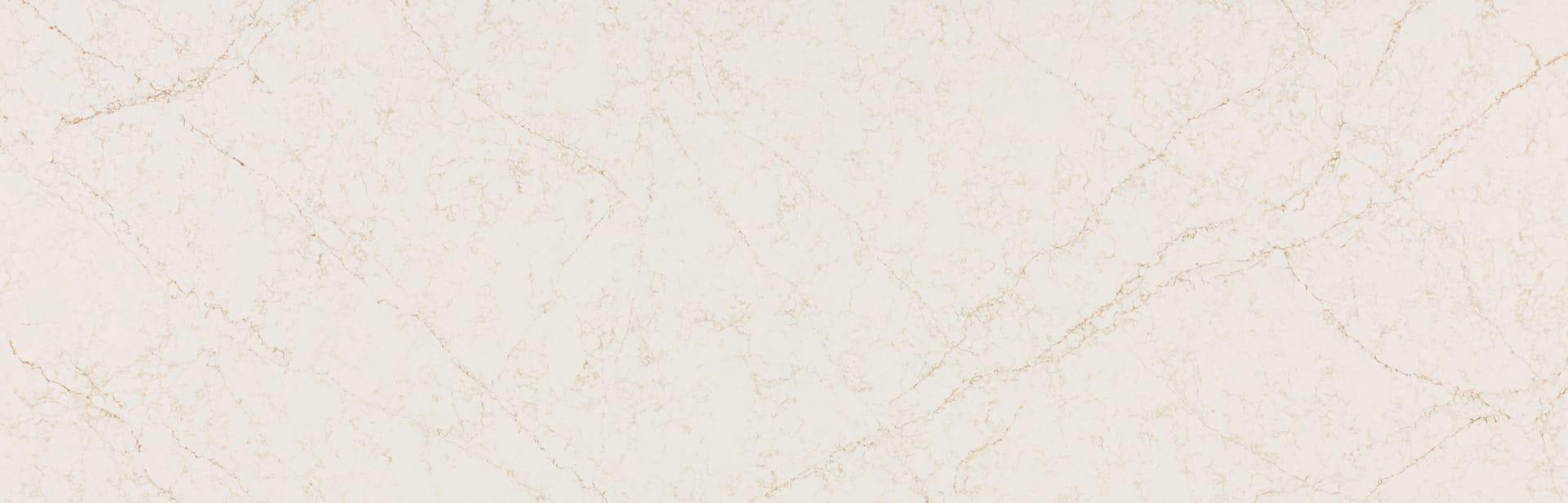
| Signature look | Bold marble movement | Architectural neutrals / concrete | Modern neutrals + suede/matte |
| Surface tech | Dense nonporous body | High-density compaction | N-Boost + HybriQ+ |
| Residential warranty* | Full lifetime, transferable | Full lifetime, transferable | Often 25-year transferable |
| Commercial warranty* | Often 10-year | Often 10-year | Often 10-year |
| Retail material* | $70–$150+/sq.ft | $60–$130/sq.ft | $65–$135/sq.ft |
| Wholesale GoSource* | $55–$118/sq.ft | $48–$102/sq.ft | $52–$108/sq.ft |
What All Three Brands Share
Nonporous engineered surface. Properly fabricated quartz does not need periodic sealing like marble or granite. That is still the #1 reason operators choose quartz over natural stone.
Resin content sets heat limits. Roughly 7-10% polymer binder means hot pans can leave marks or cause thermal stress. Trivets are non-negotiable on all three brands.
Scratch resistance is high — not infinite. Mohs is typically mid-6s to 7 for the quartz fraction. Matte/concrete textures show metal transfer more than polish.
Indoor-first category. Outdoor kitchens favor sintered/ultracompact (Dekton — Neolith) or granite. Do not force quartz into uncovered exterior exposure.
Distributor economics dominate retail. Trade marketplace access keeps material cost predictable without three separate mill accounts for every bid.


Cambria: American Manufacturing and Bold Marble Design
Cambria was founded in 2000 and produces in Le Sueur — Minnesota. Among these three brands — it is the only major quartz brand that leads with a full U.S. manufacturing story and a family-owned identity. That matters in RFPs that score domestic content — client conversations about tariffs and freight — and lead-time planning when import lanes are unstable.
Design language
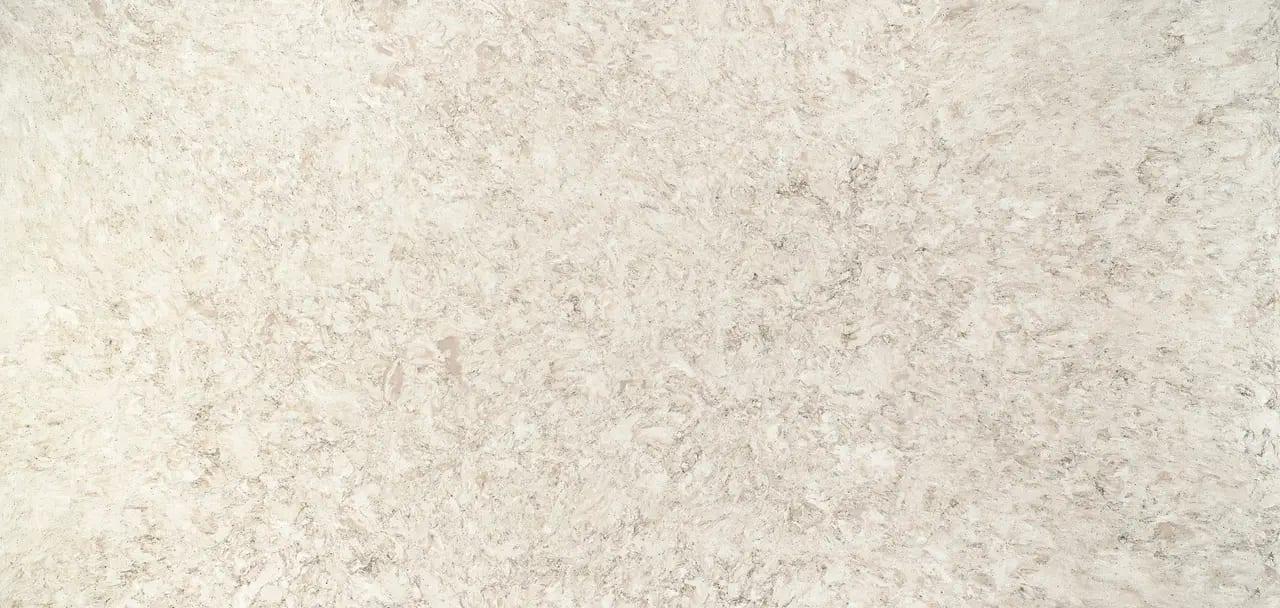
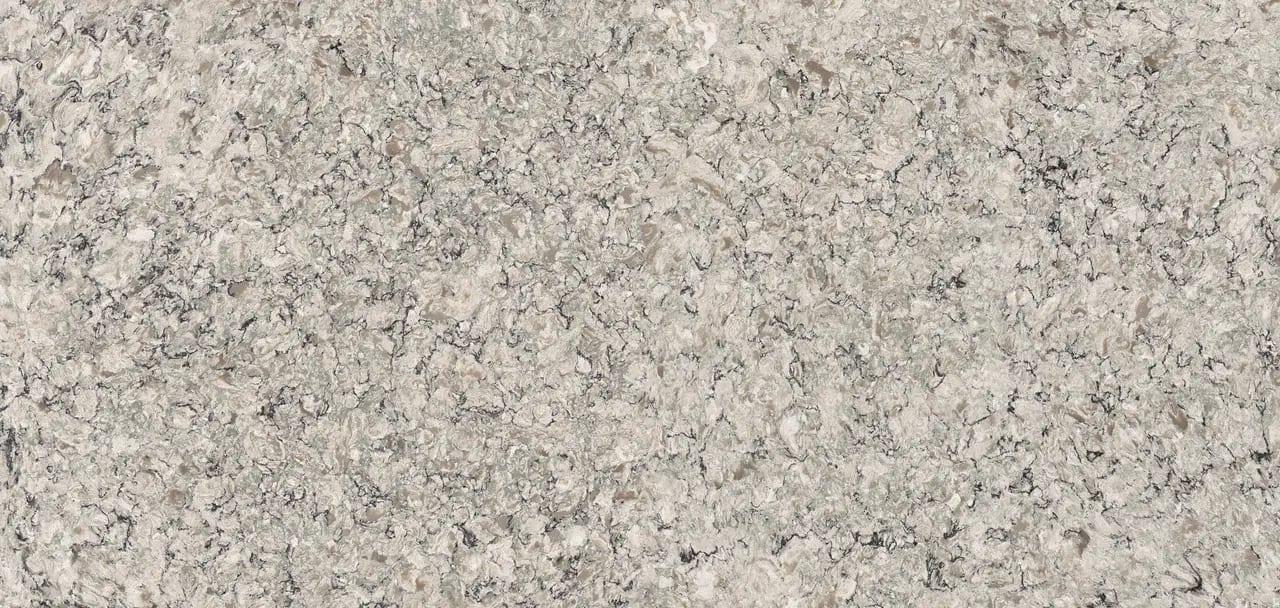
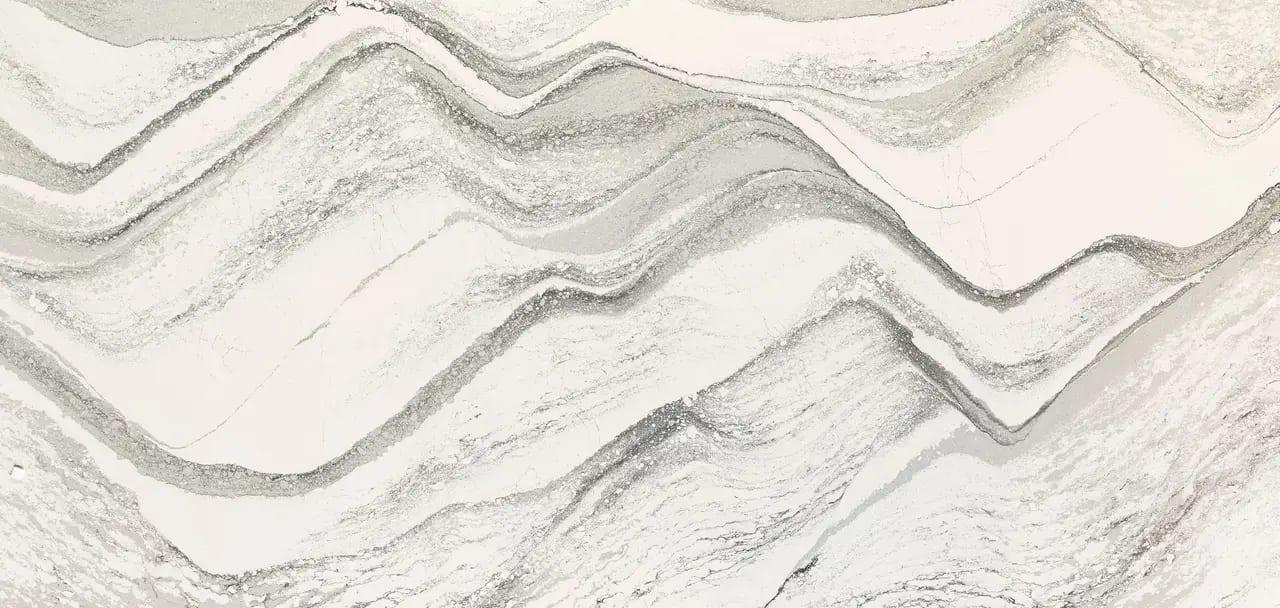
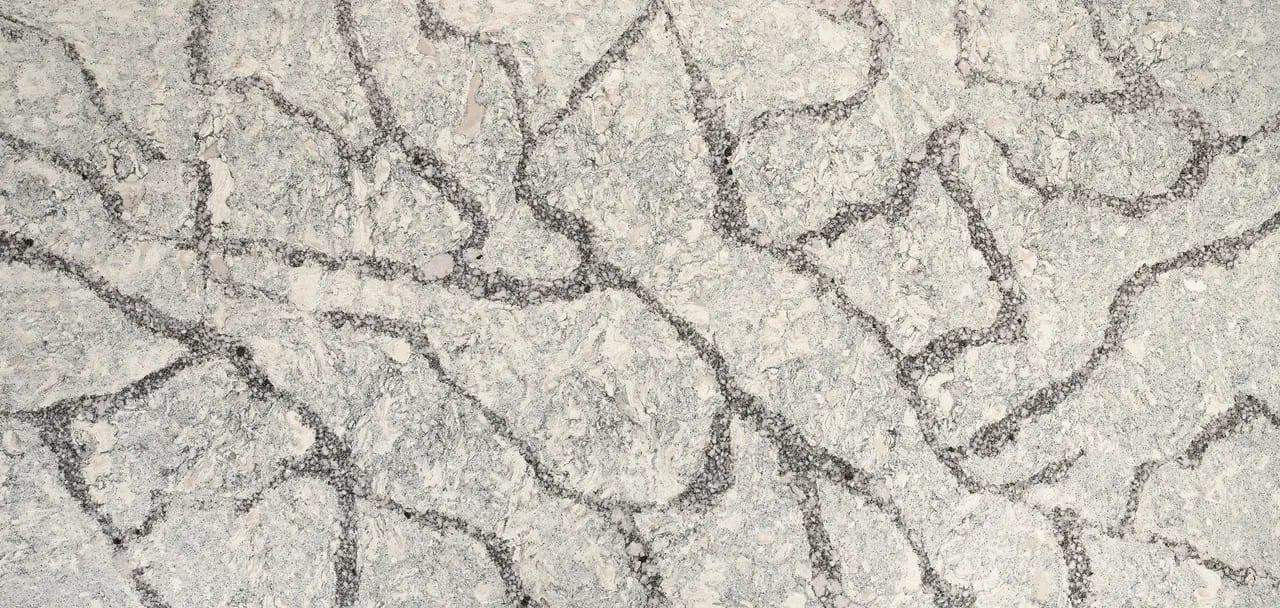
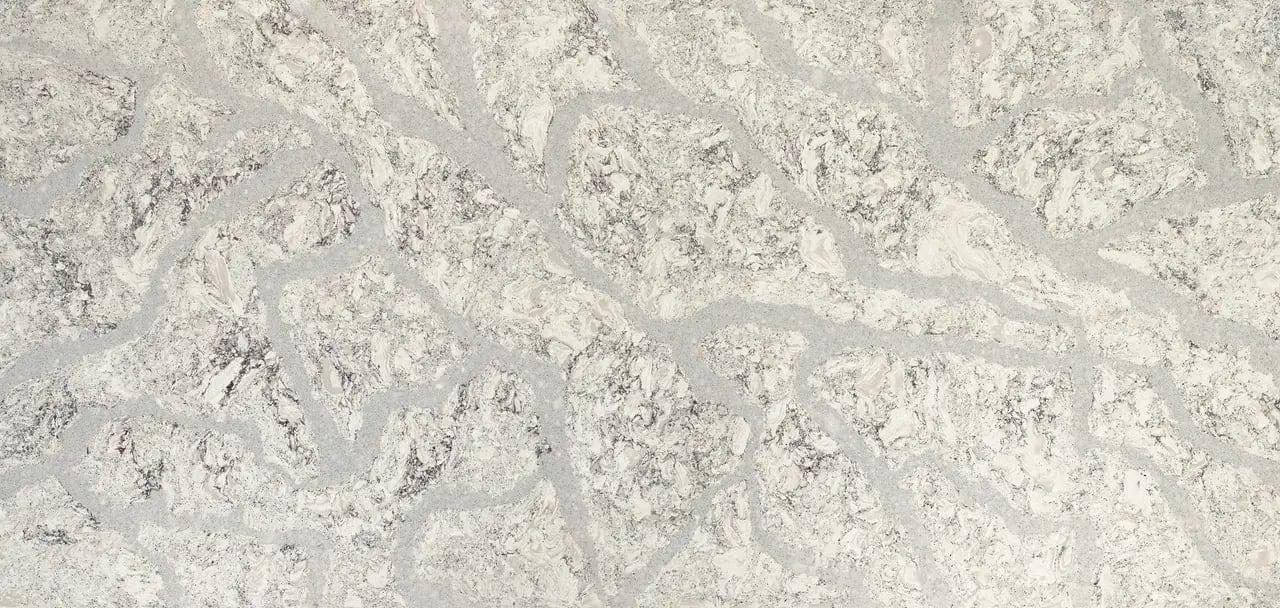
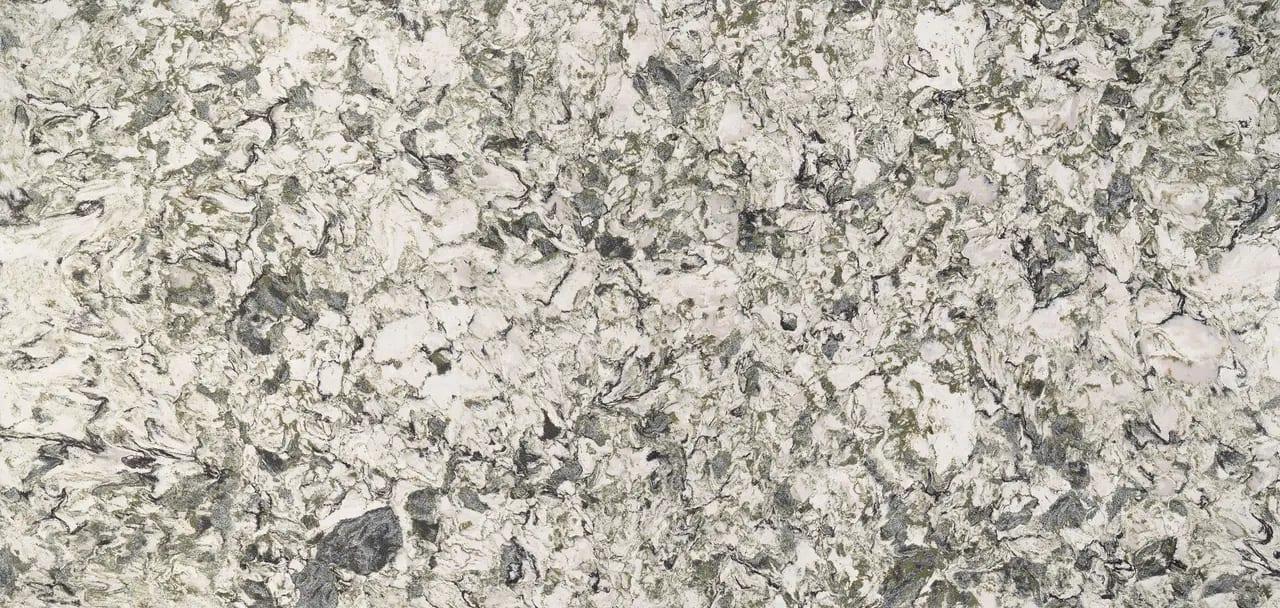
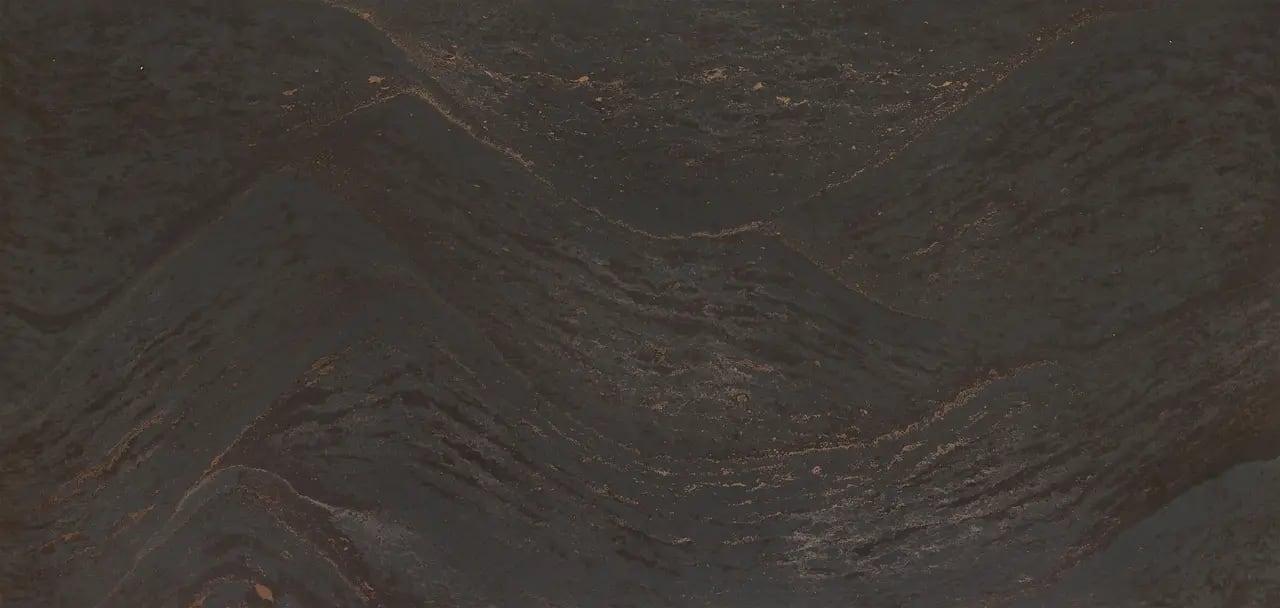
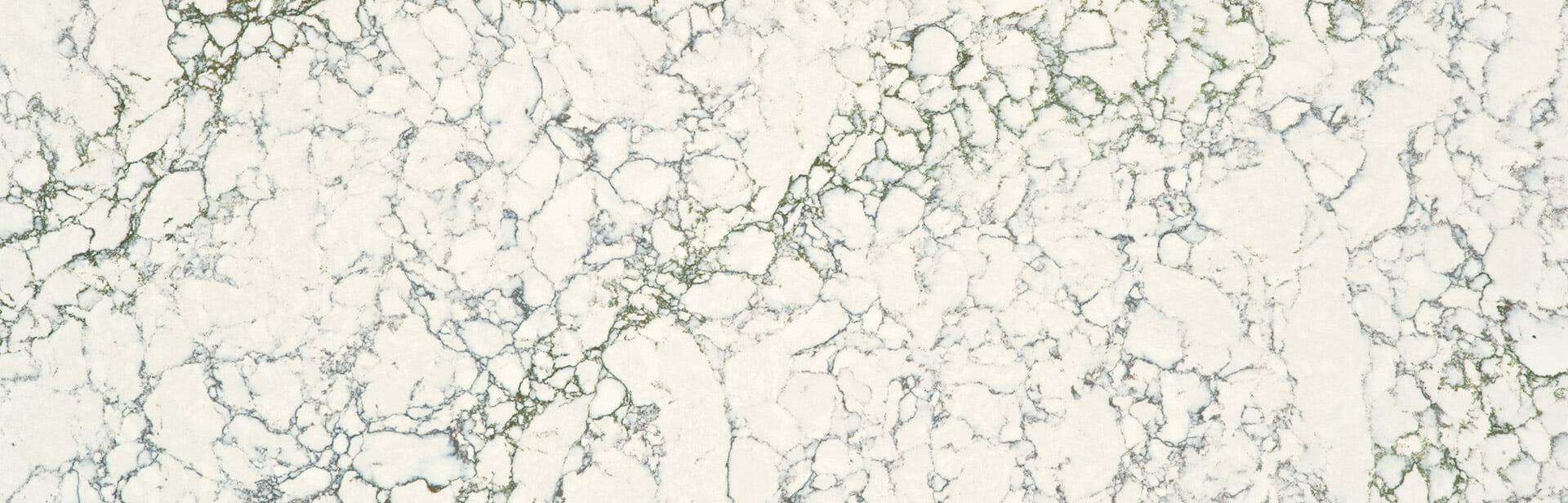
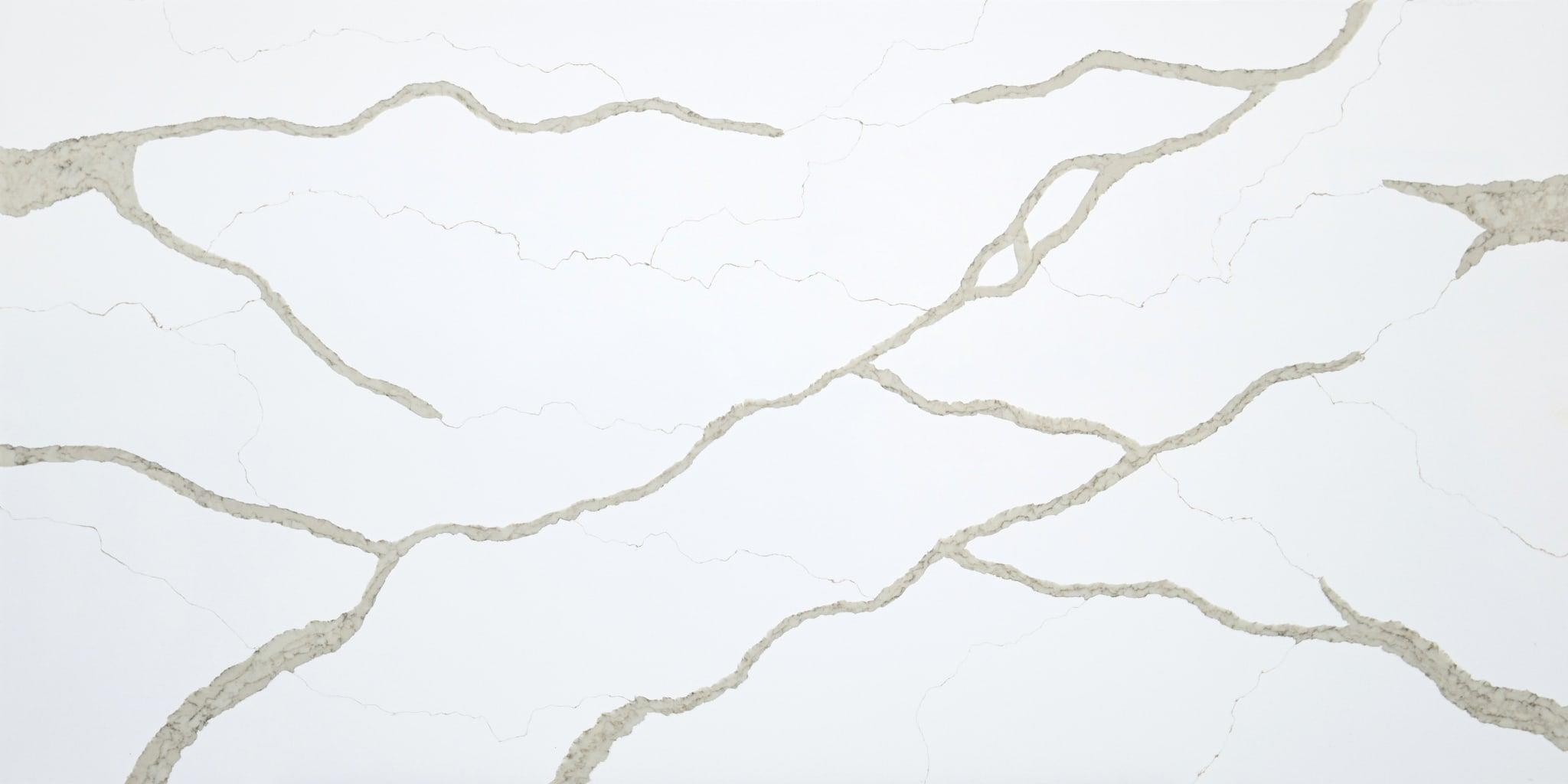
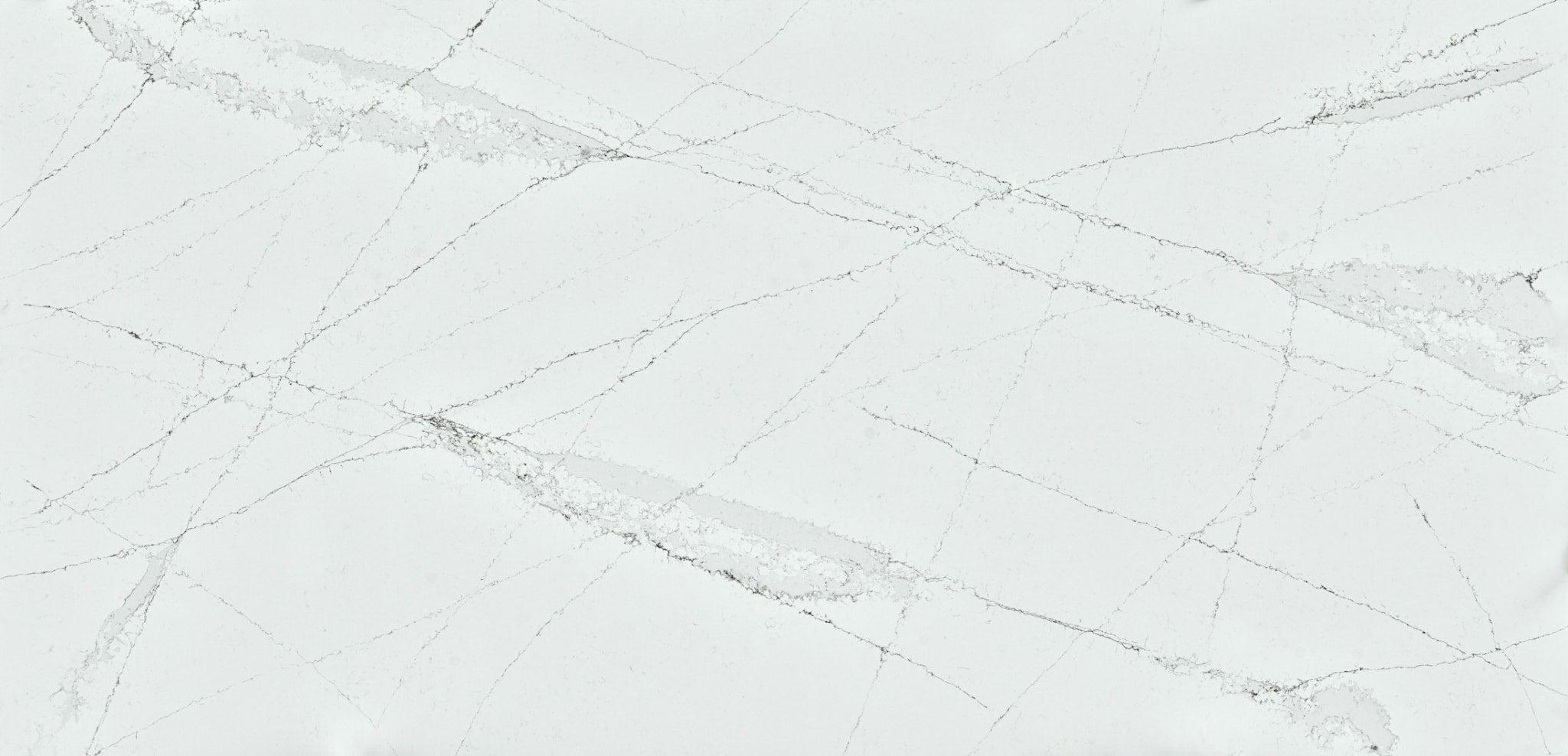
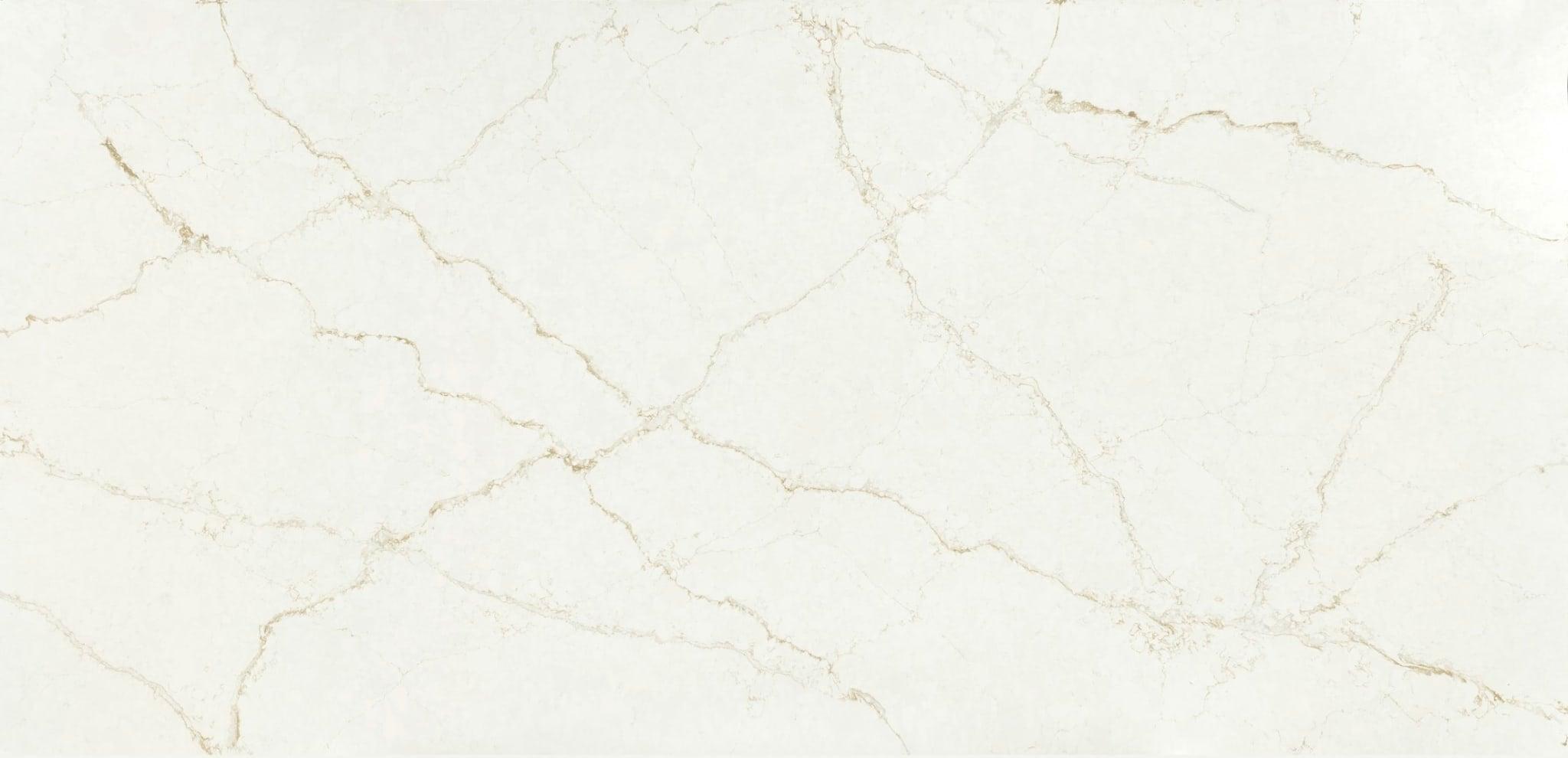
Cambria built its reputation on movement. Where early quartz looked speckled and flat — Cambria pushed large-scale marble patterns with continuous veins that read across a full island. Collections compete with natural Calacatta references: high contrast — bookmatch-friendly drama — finishes that hold up in polished residential kitchens.
Practical effect for designers: Cambria is often the brand you pull when the slab is the design. Waterfall islands — thick mitered edges — and feature walls benefit from patterns that still look intentional after sink and cooktop cutouts.
Fabrication and format advantages
- Jumbo coverage. About 132" x 65.5" is a real yield tool. On a 10-11 ft island, extra length can eliminate a center seam or a second slab buy.
- Thickness menu. 2cm and 3cm dominate North American kitchens; 1cm shows up more in vertical cladding.
- Domestic logistics. Plant-to-distributor lanes inside the U.S. can be easier to forecast than Mediterranean containers when ports or duties shift.
Warranty and client conversation
Cambria's residential lifetime transferable warranty is a strong sales tool on custom homes and luxury renovations. Commercial terms are typically shorter (often 10 years). Always attach the current warranty PDF to the bid.
Where Cambria is the right call
- Statement kitchens and islands where vein drama is the brief
- Spec homes marketing American-made materials
- Projects that need jumbo formats to control seams
- Clients who equate premium quartz with marble-look intensity
Where Cambria is a weaker fit
- Strict industrial/minimal palettes with almost no movement
- Exterior or high-heat outdoor stations
- Bids that only need a quiet solid white at the lowest tier
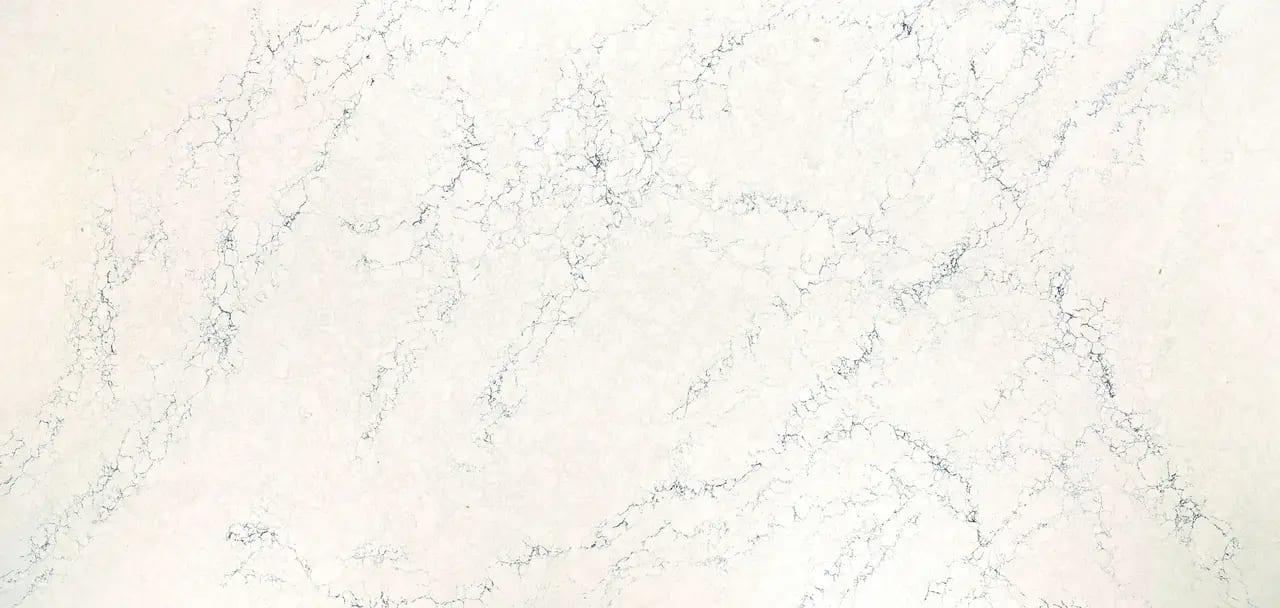
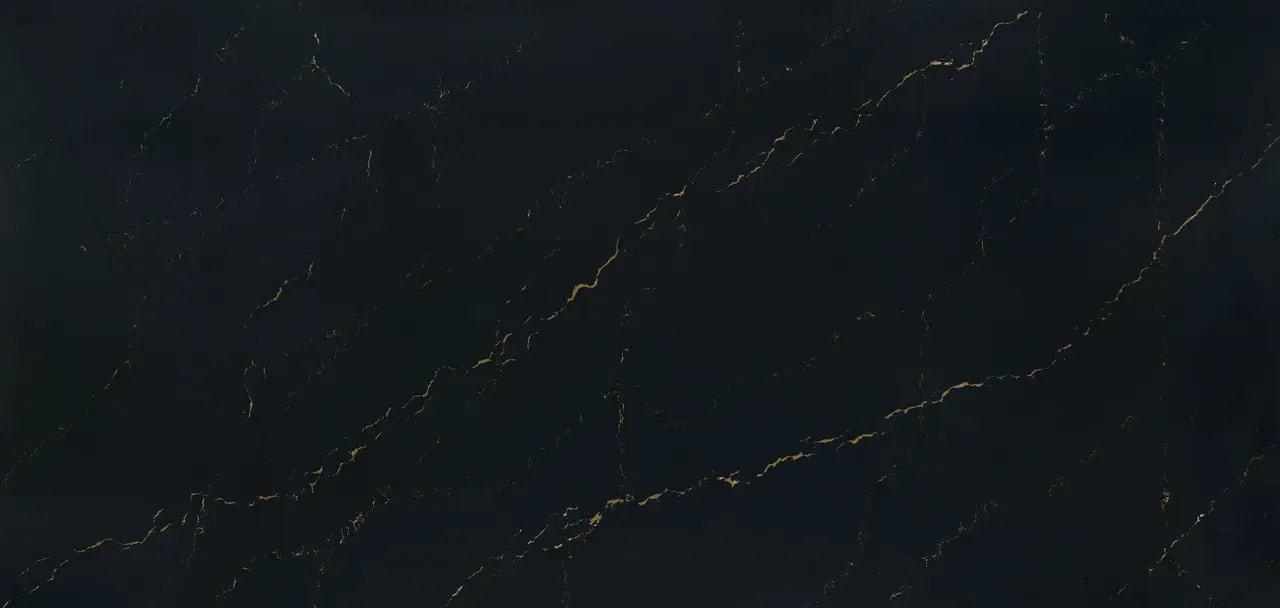


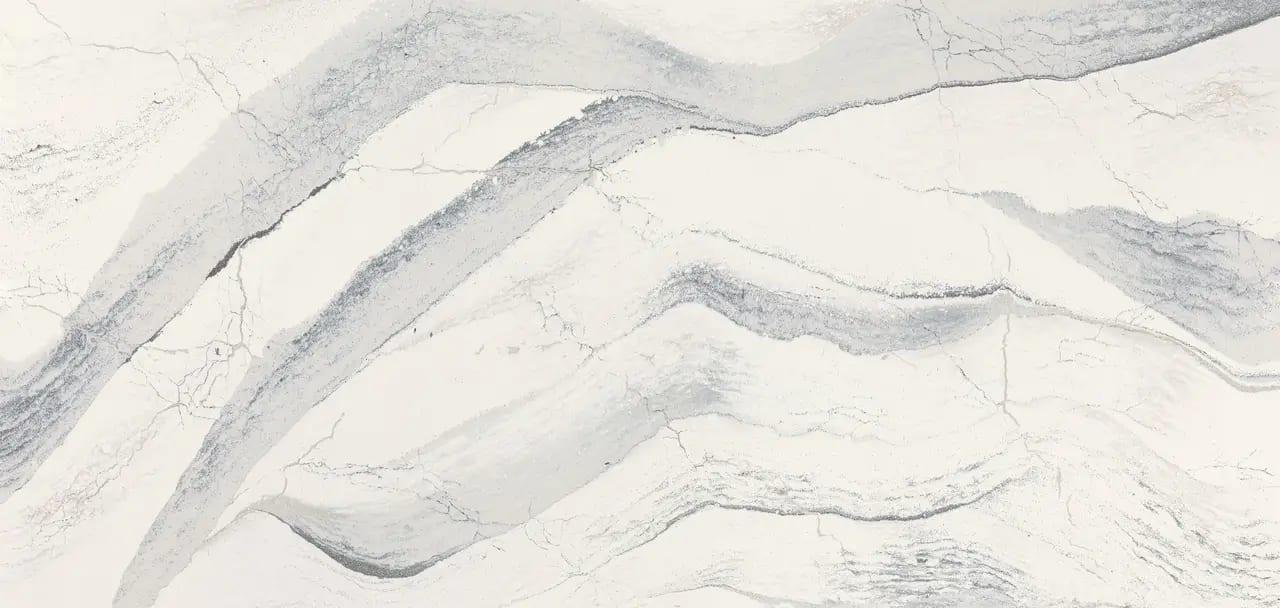

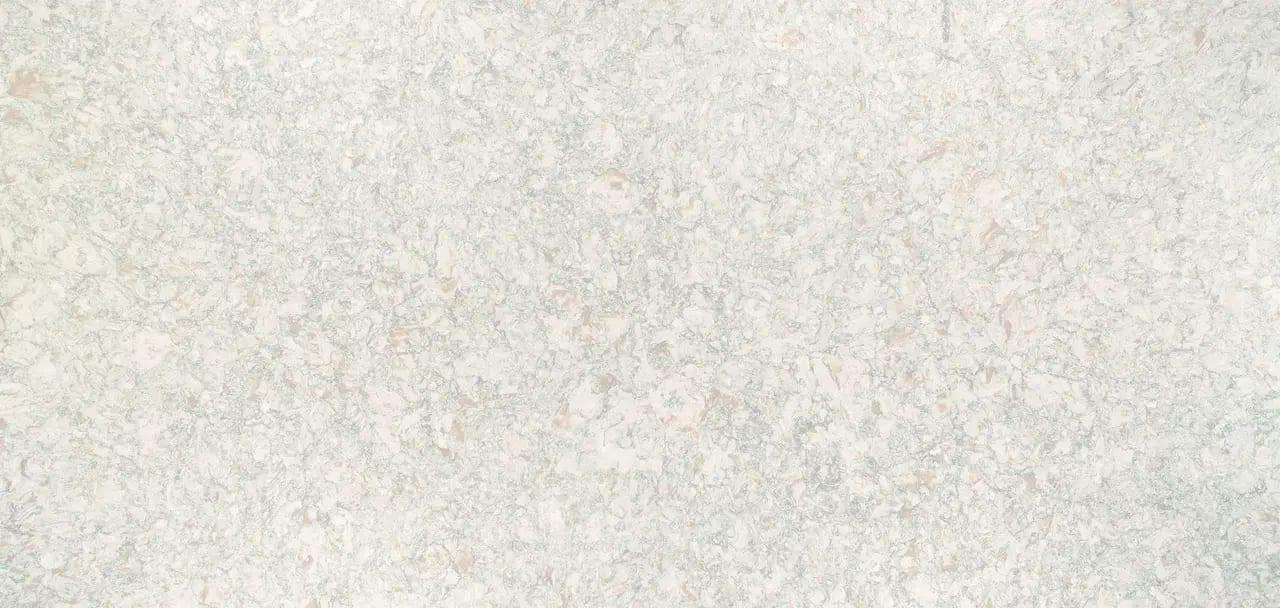

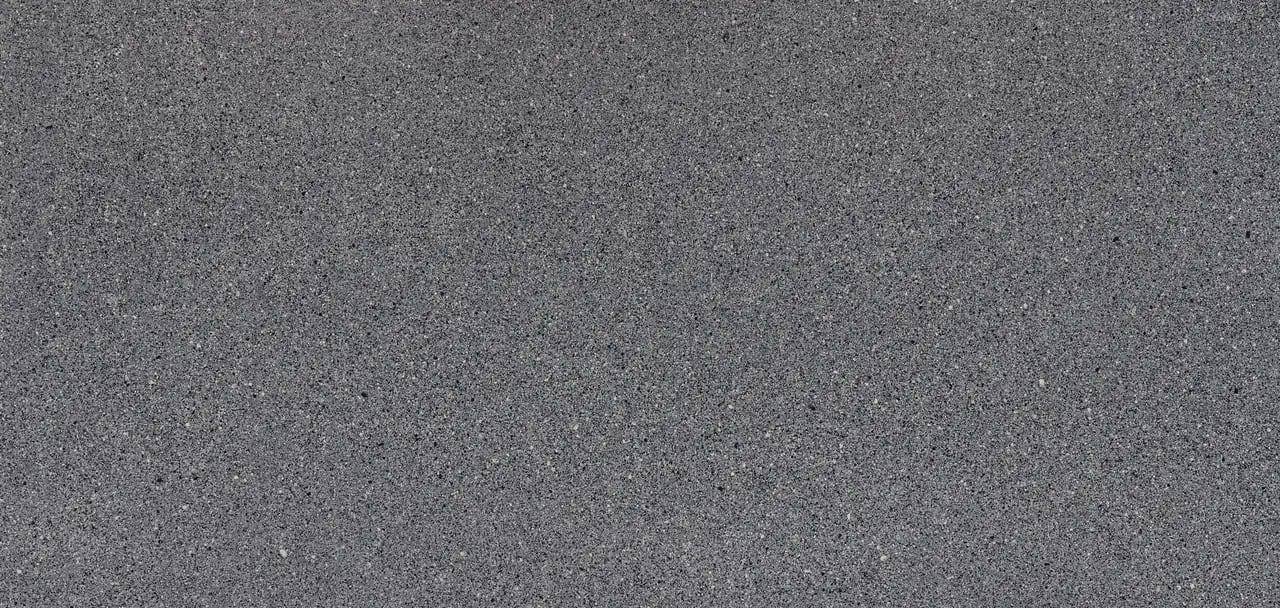
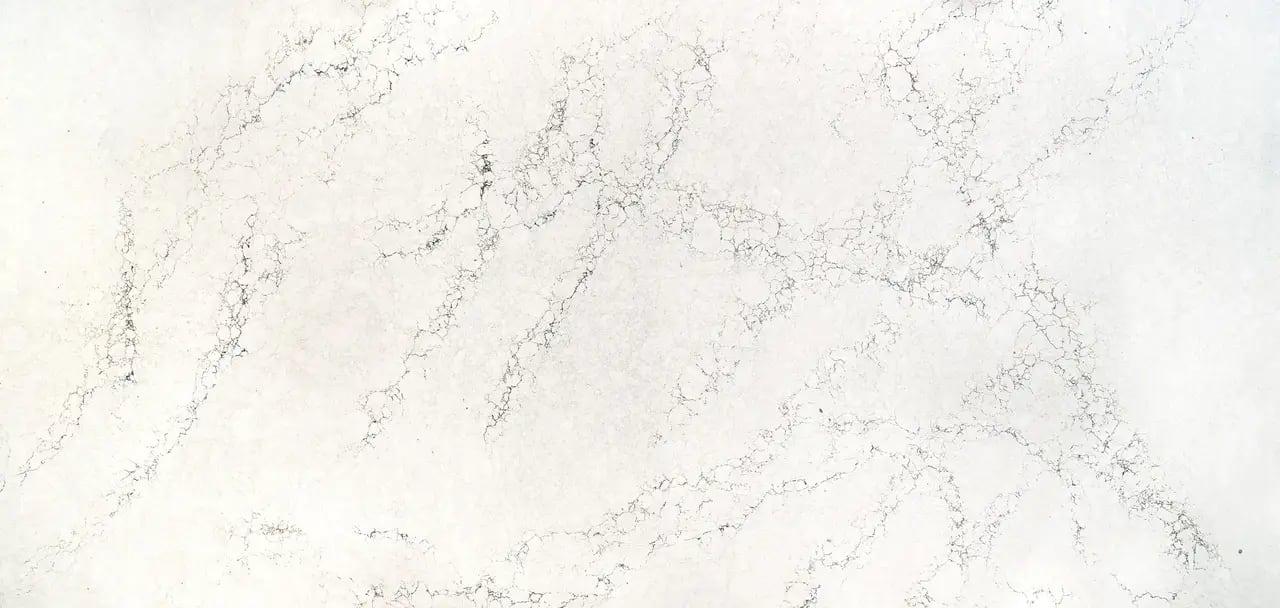



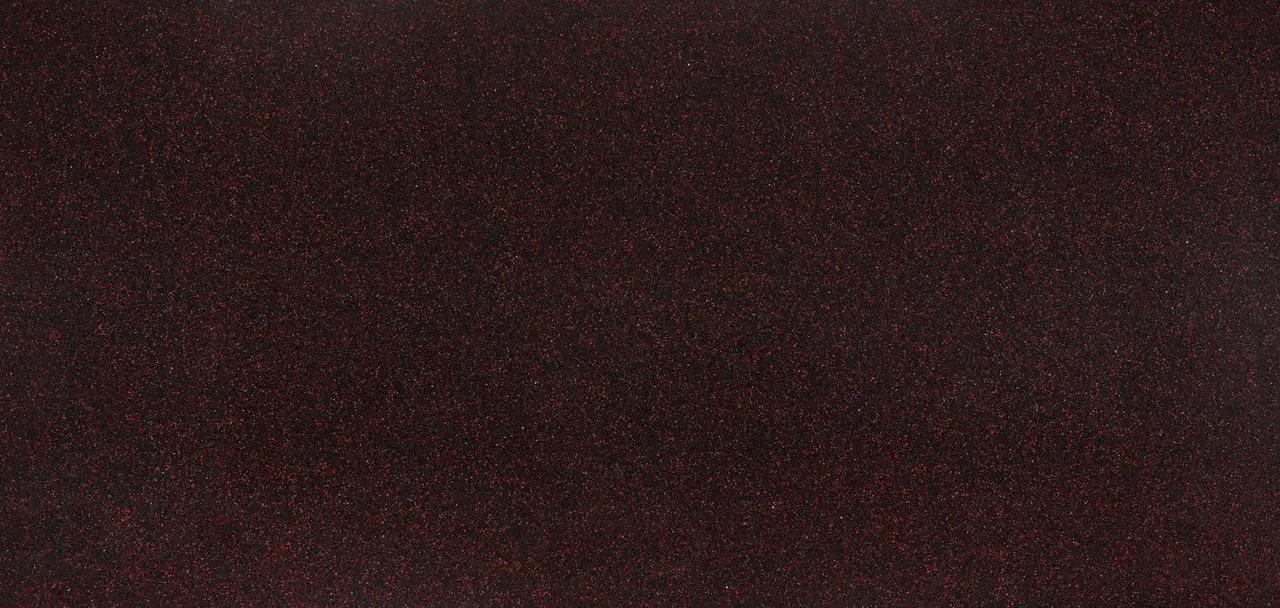




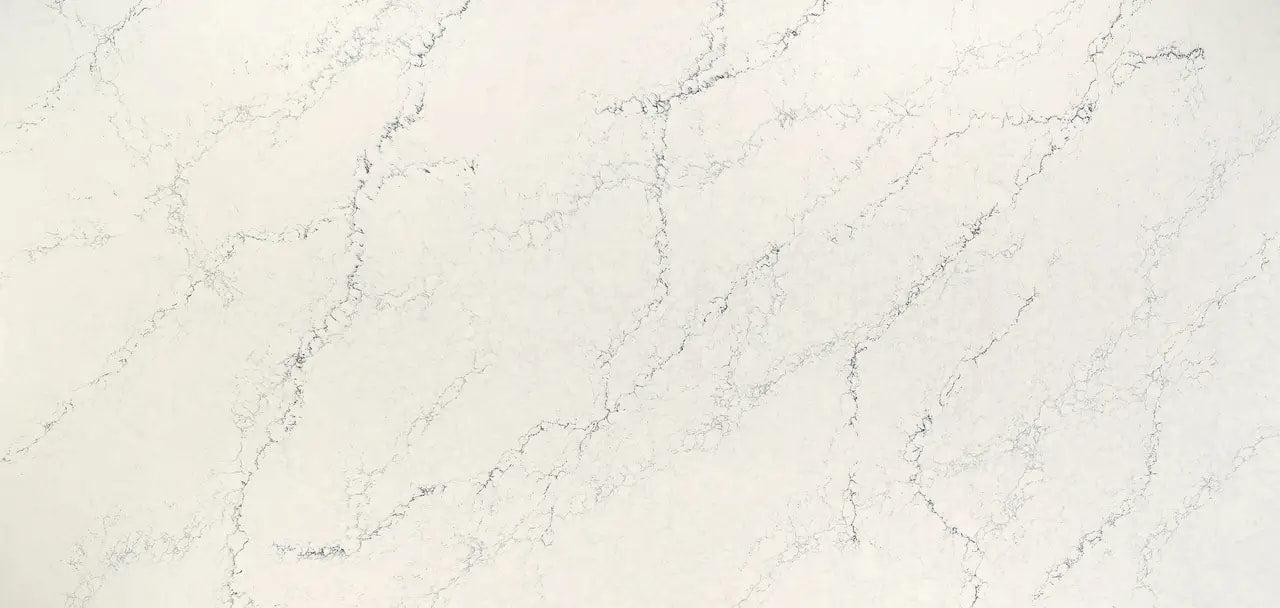











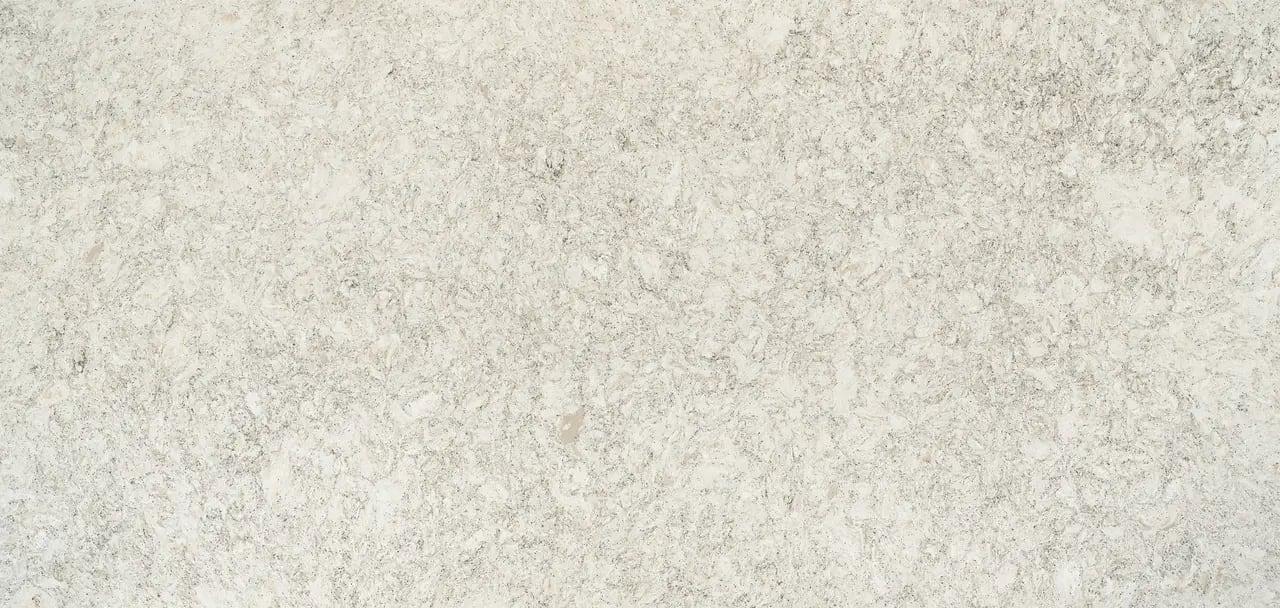

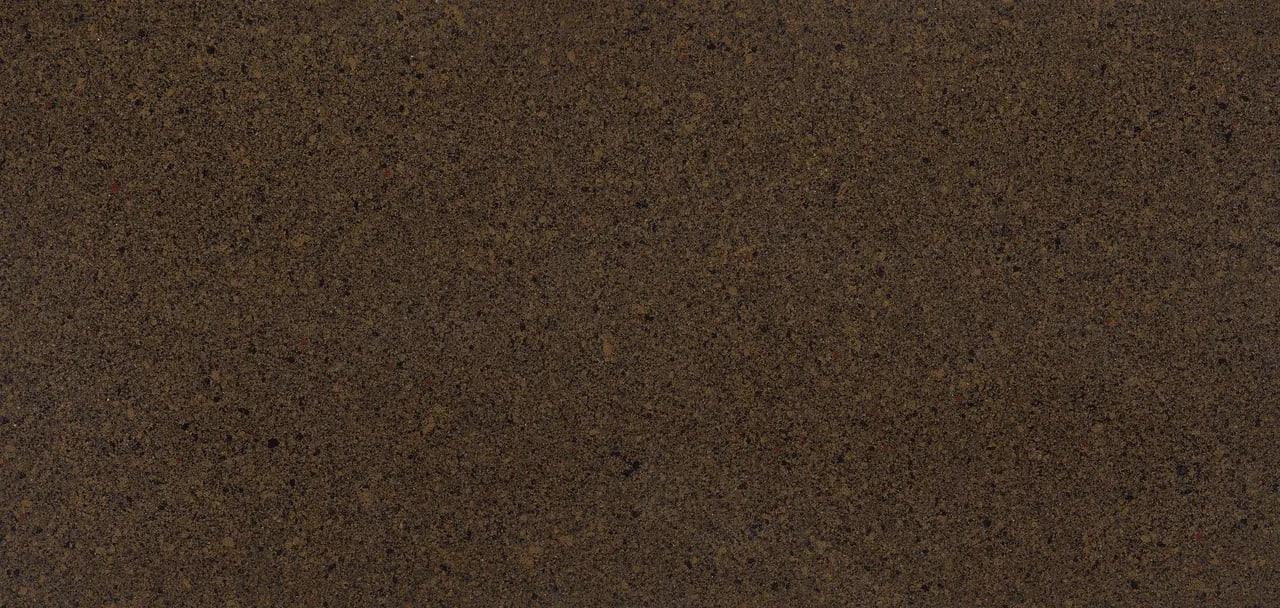
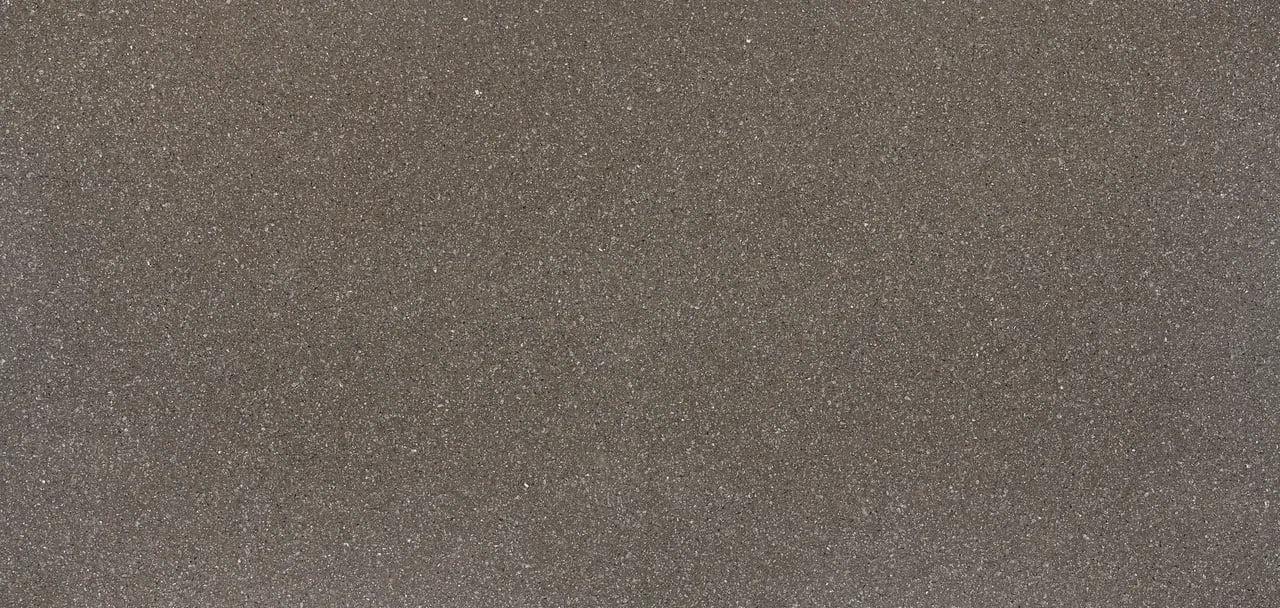
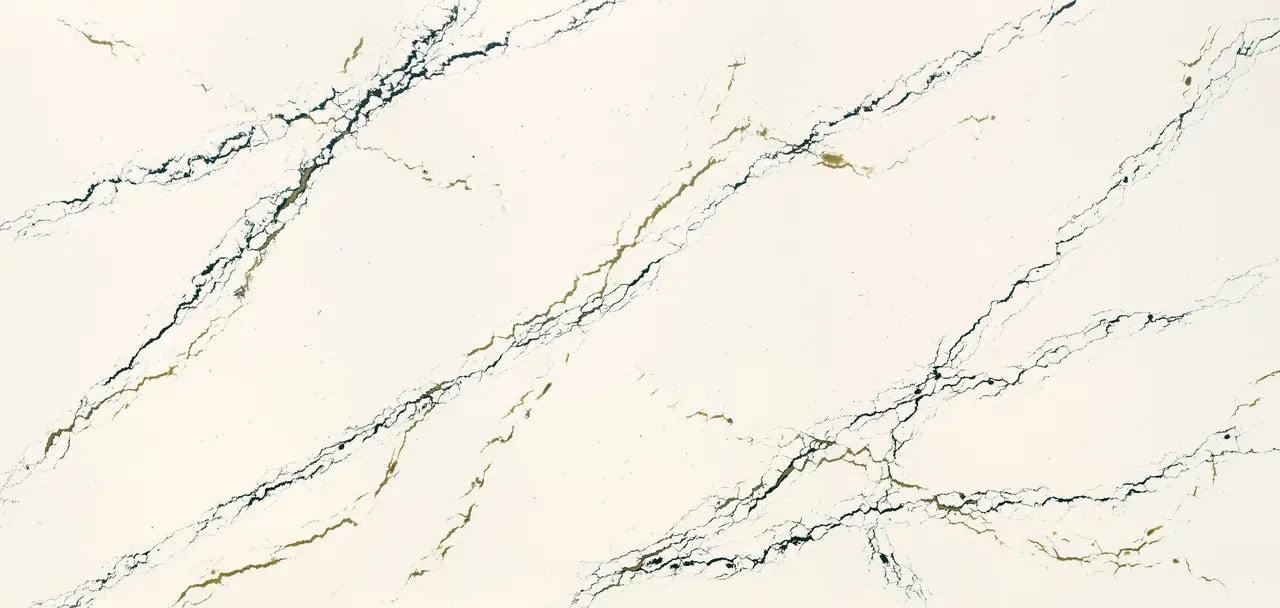



Caesarstone: Category Pioneer and Architectural Standard
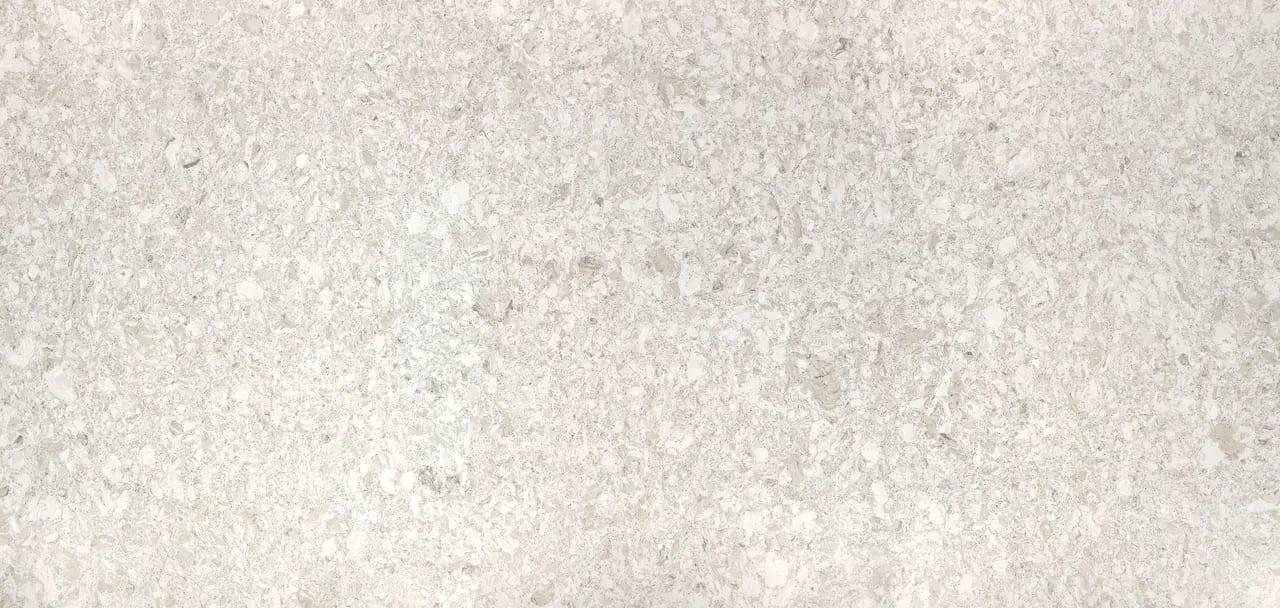
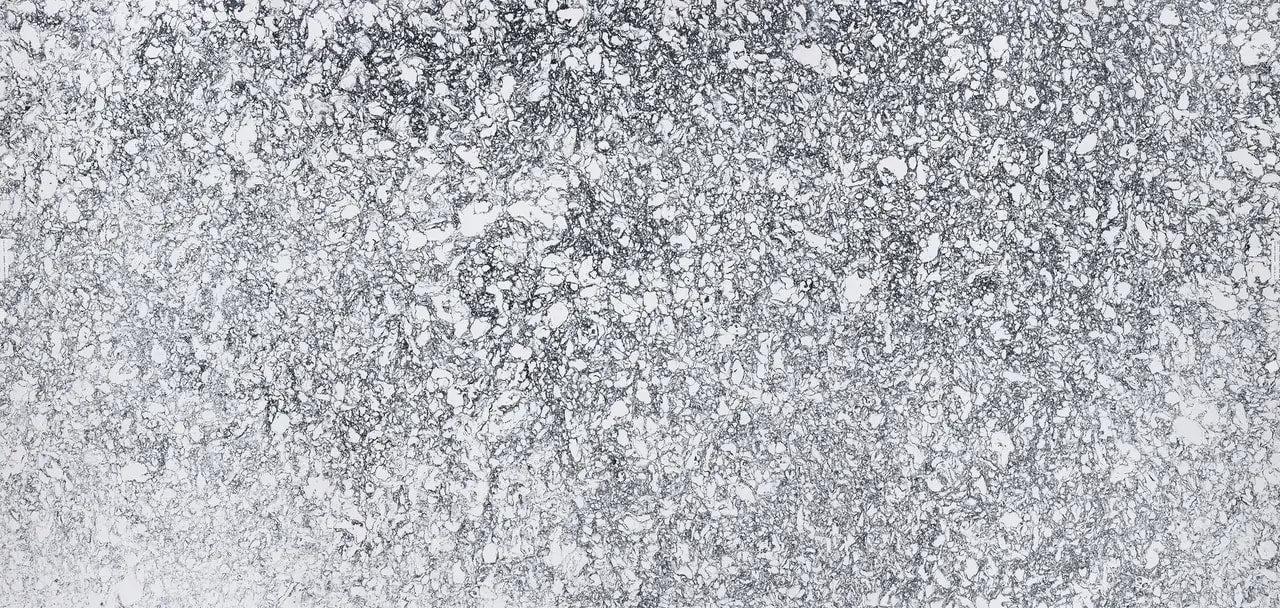
Caesarstone commercialized engineered quartz for the global market beginning in 1987 in Israel. That history still shows up in how architects write specs: proven documentation — familiar color names — and a look that photographs as calm rather than theatrical. U.S. production in Richmond Hill — Georgia — plus global plants — gives a hybrid supply story.
Design language
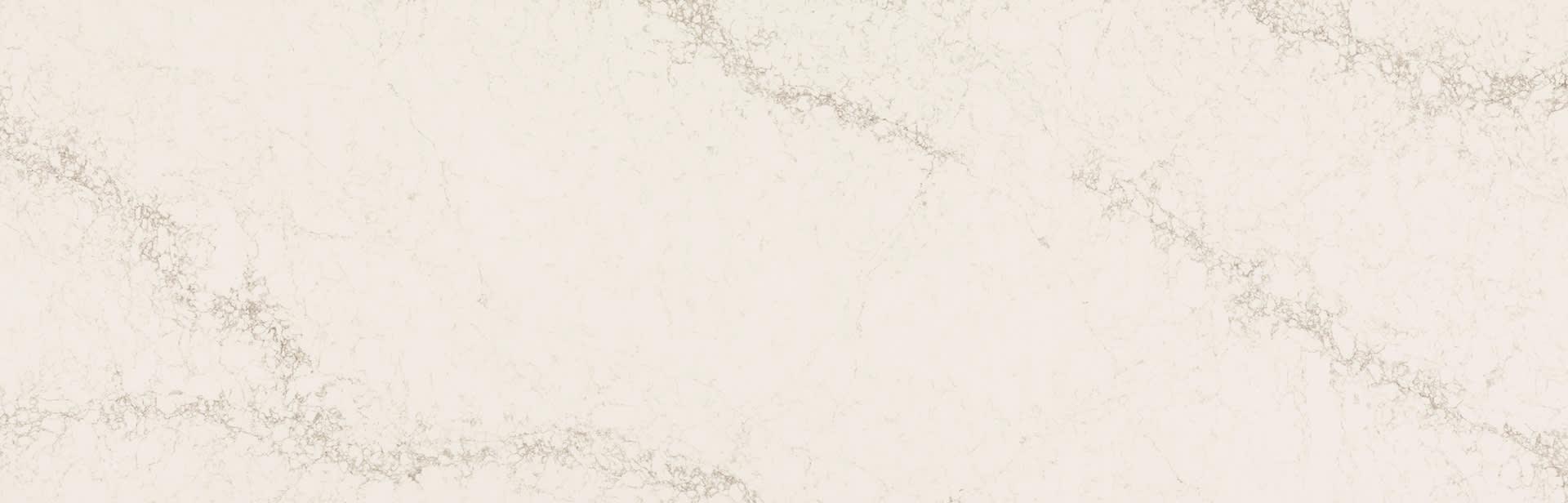
- Clean whites and soft grays that hold up across open-plan residential and workplace interiors
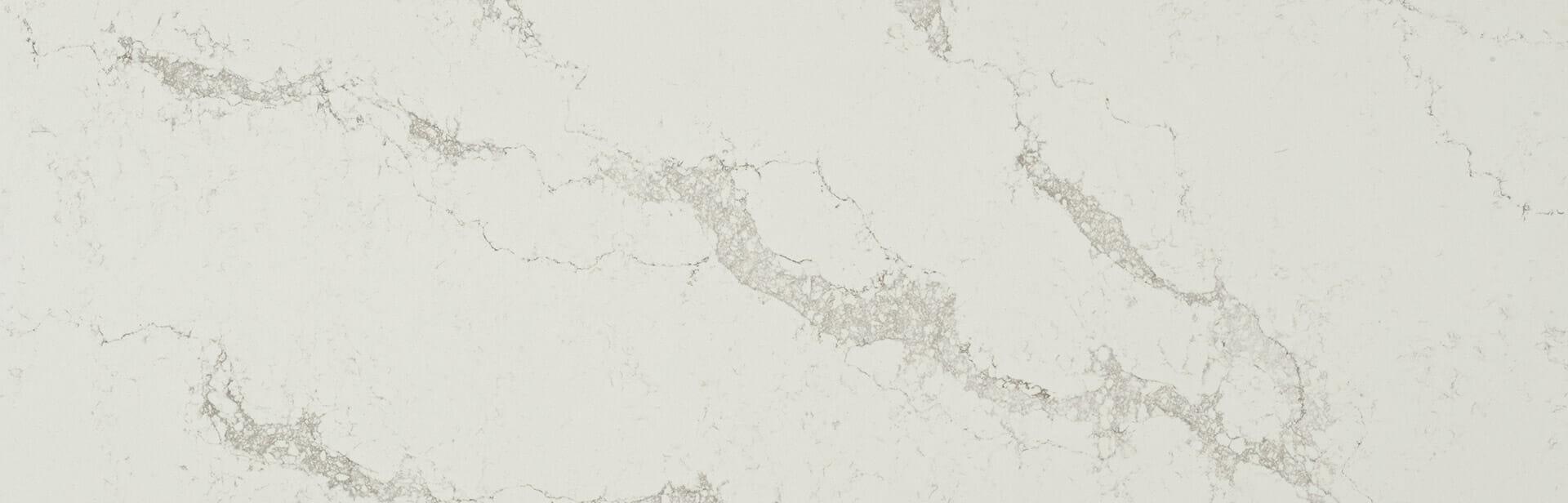
- Supernatural-style marble looks that stay disciplined (veining present, not chaotic)
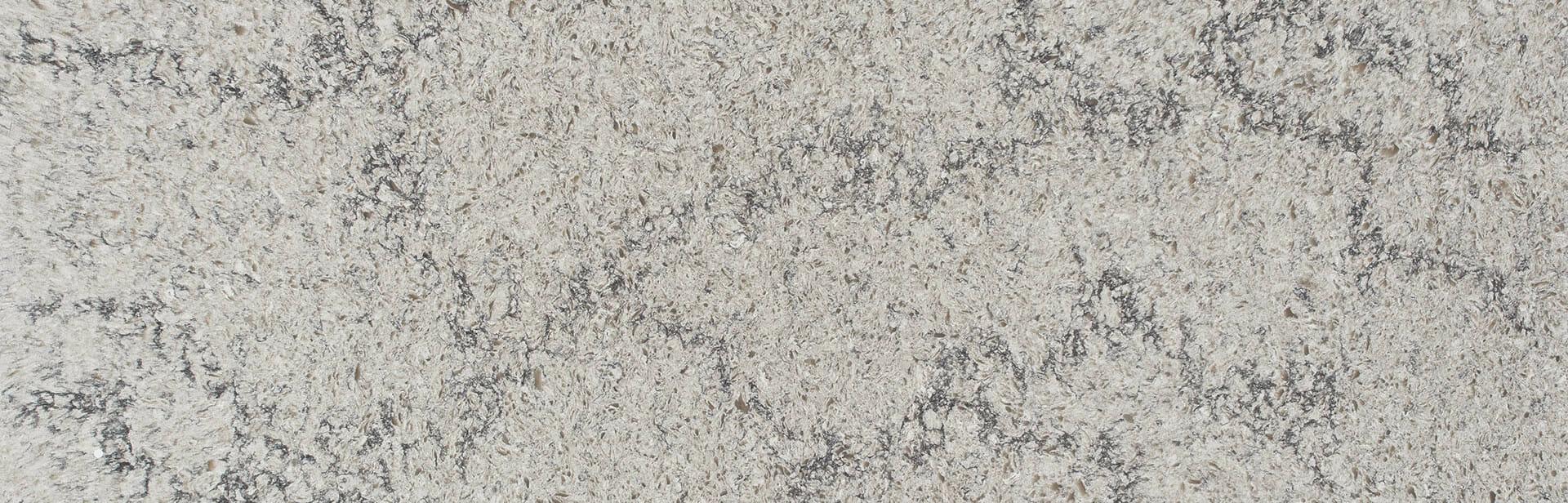
- Metropolitan / concrete families that made industrial textures mainstream in quartz
If Cambria often wins the "wow" island — Caesarstone often wins the full kitchen run — the multifamily package — and the hospitality vanity schedule where hundreds of tops need one design language.
Volume consistency and documentation
Shade consistency across lots is a procurement issue as much as a design issue. Caesarstone's commercial track record is why GCs keep it on approved lists. GREENGUARD Gold and HPD-style transparency docs often support LEED / wellness conversations. Confirm certificates per color and plant of origin for the lot you install.
Fabrication notes
- Standard and jumbo sizes cover most residential islands; jumbo competes with Cambria on large spans.
- 1.3cm exists for weight-sensitive verticals; 3cm remains the structural default for many unsupported overhangs.
- Concrete and rough finishes need a different care script: metal marks read more than on polish.
Where Caesarstone is the right call
- Multi-unit residential, build-to-rent, and hospitality packages
- Modern / minimal / industrial interiors
- Projects that need brand recognition with owners and lenders
- Specs that prioritize quiet neutrals over high-drama marble
Where Caesarstone is a weaker fit
- Clients who want the most aggressive marble movement in quartz
- Projects that need Cosentino's full ecosystem under one brand family
- Outdoor kitchens






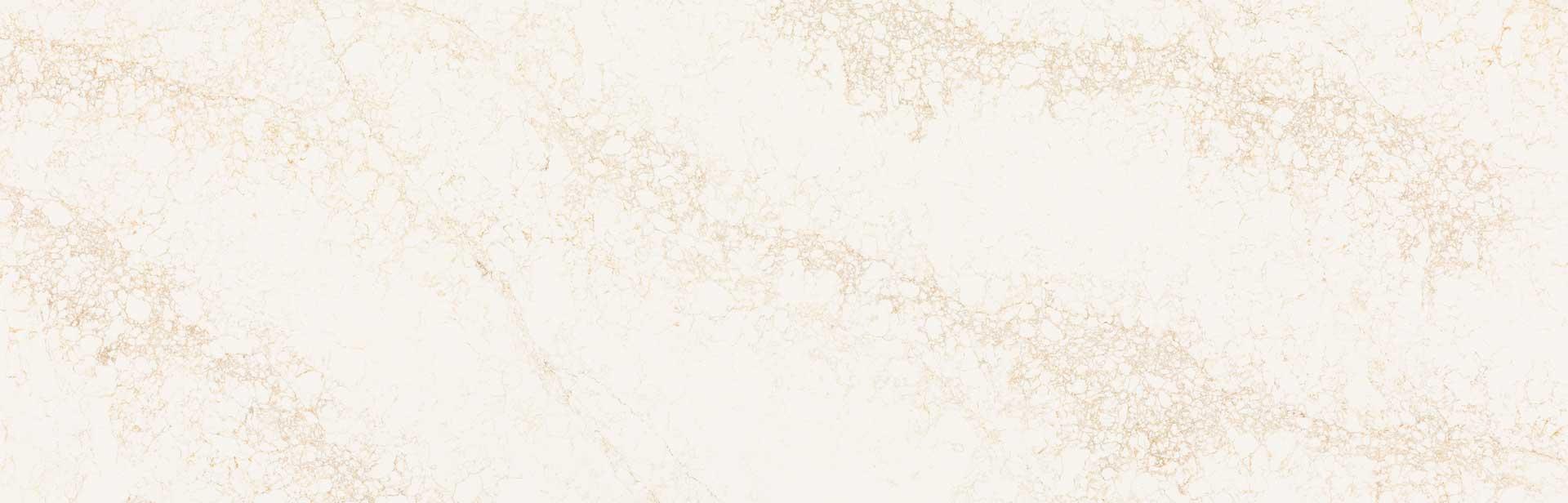
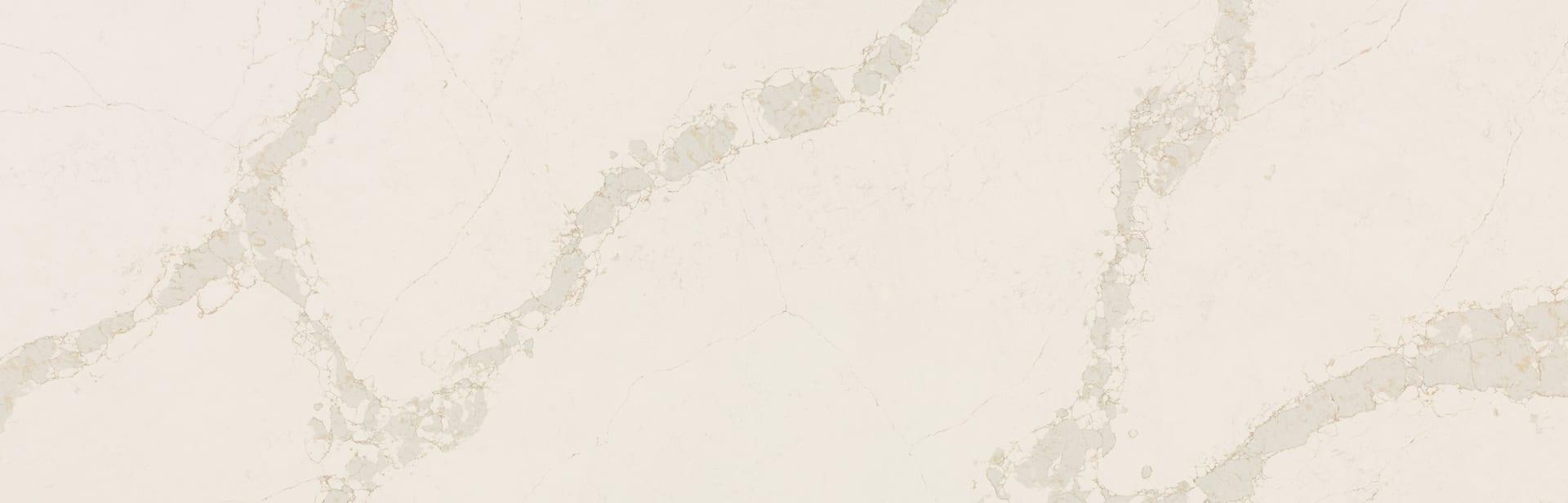
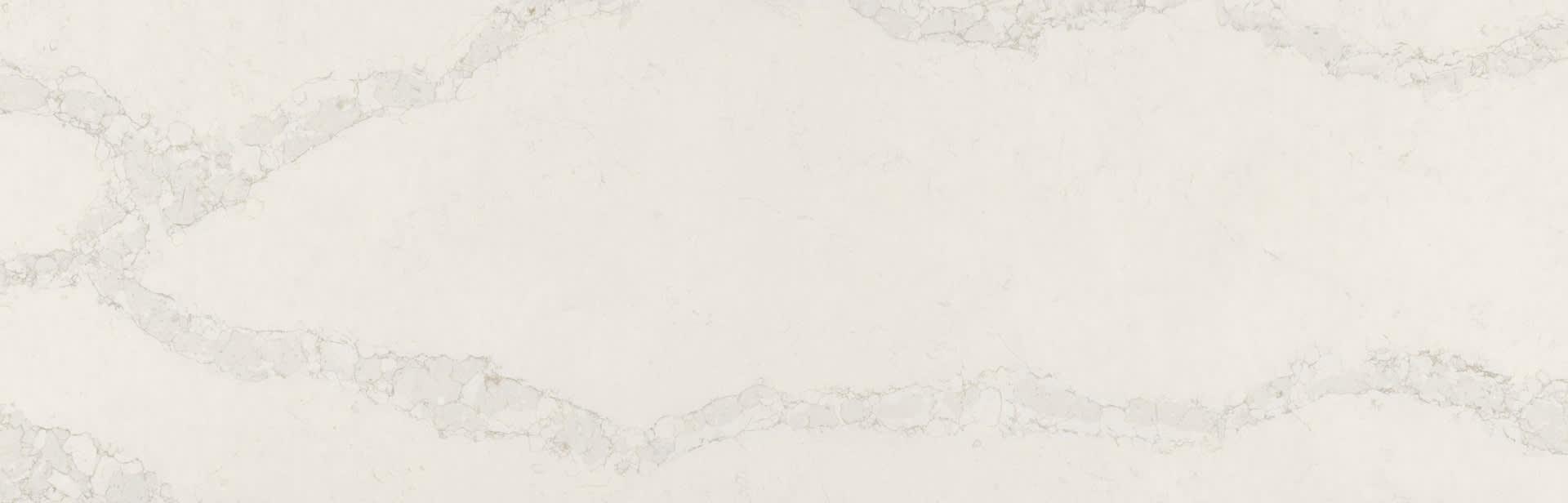
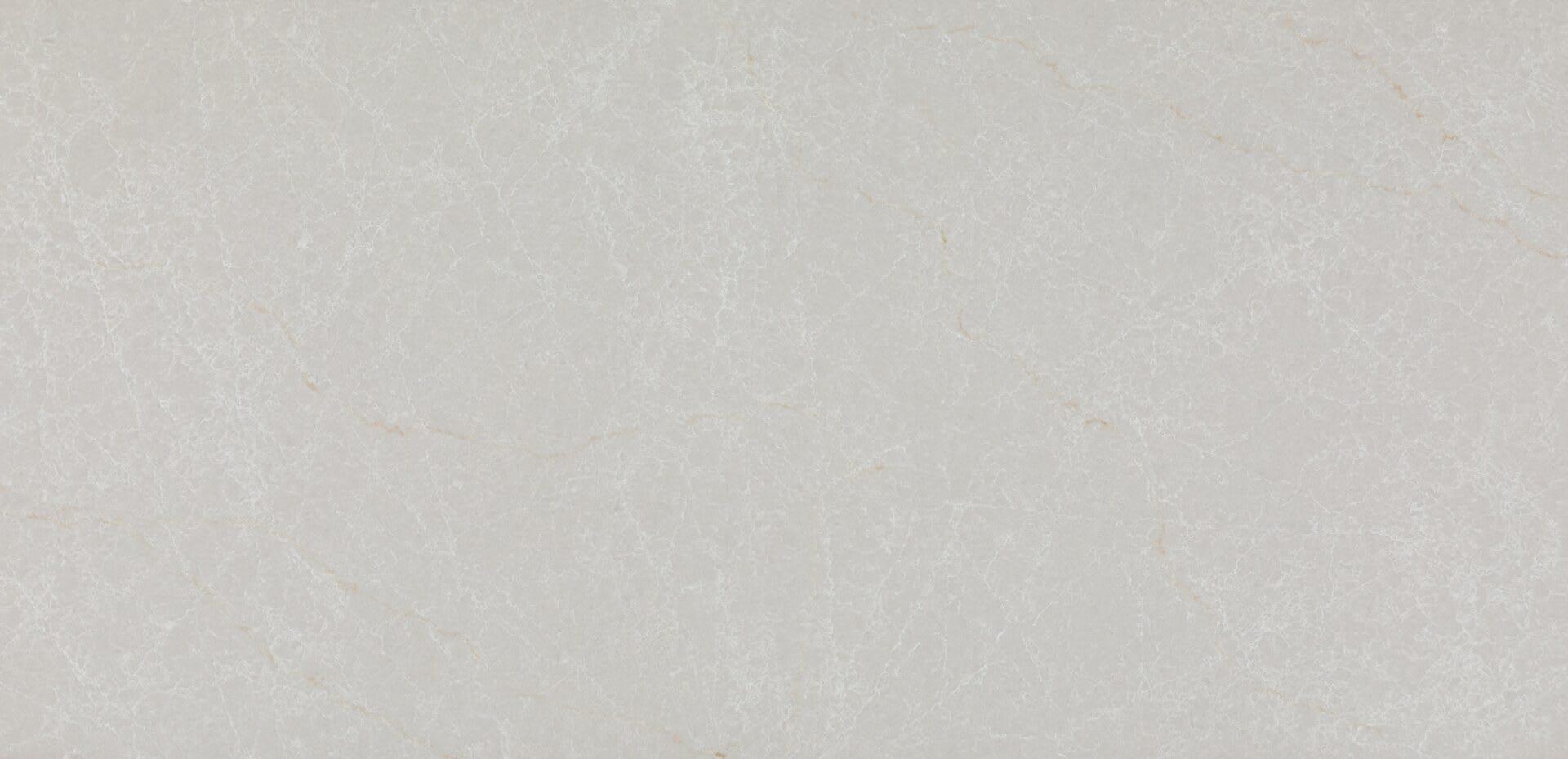


















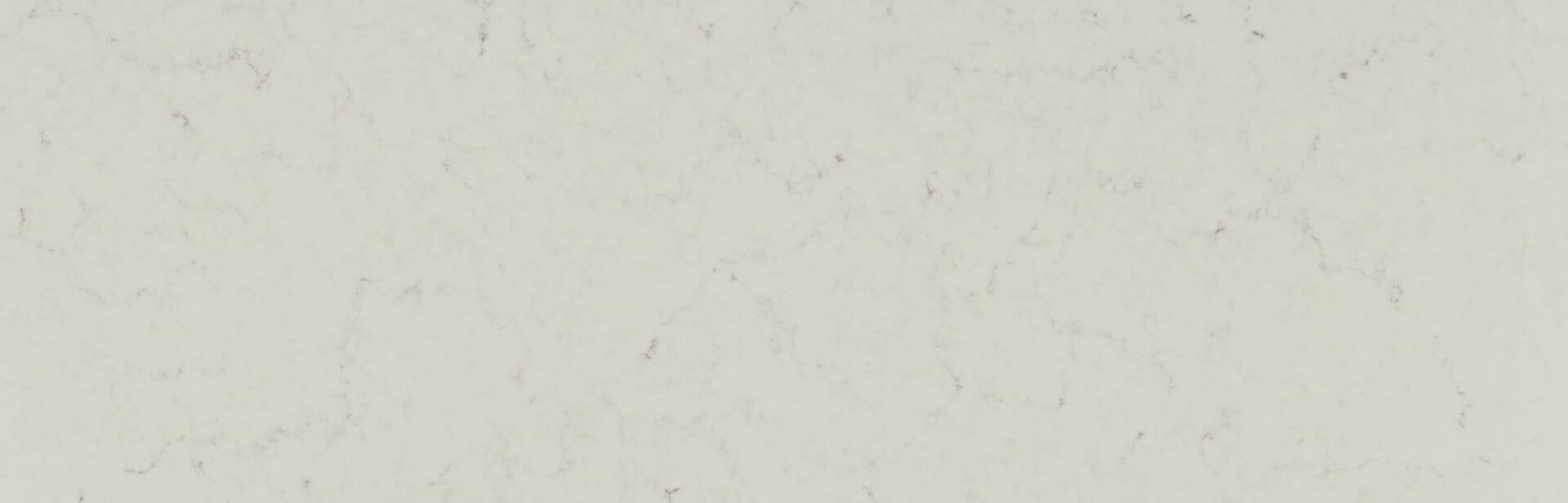




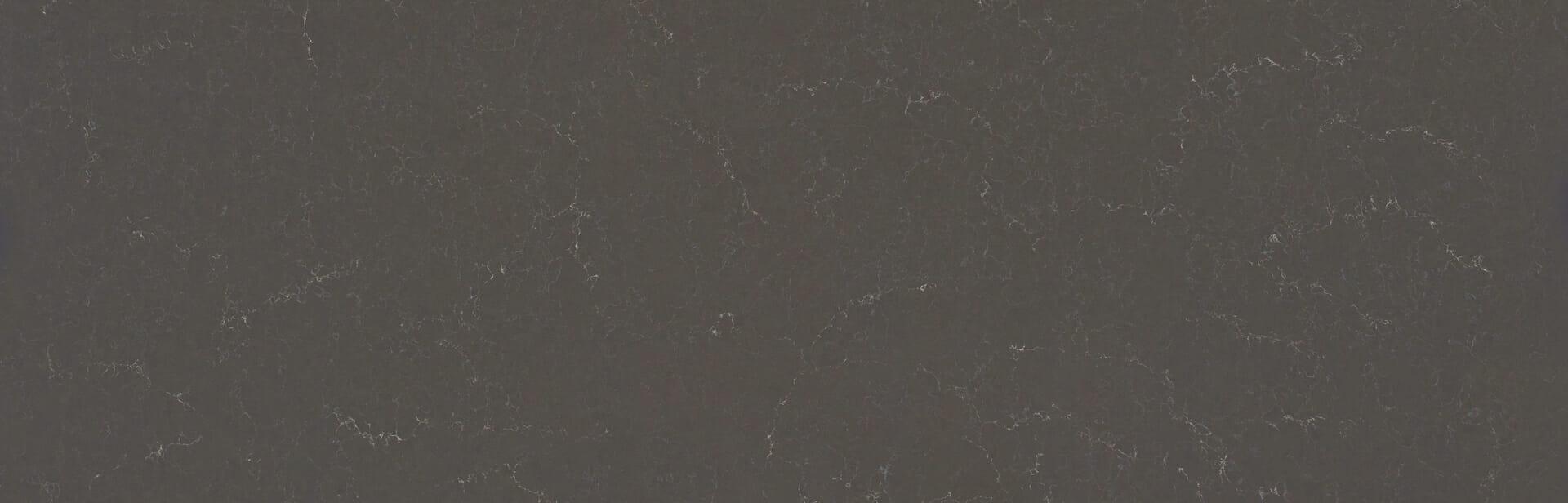



Silestone by Cosentino: Process Innovation, Texture, and Ecosystem
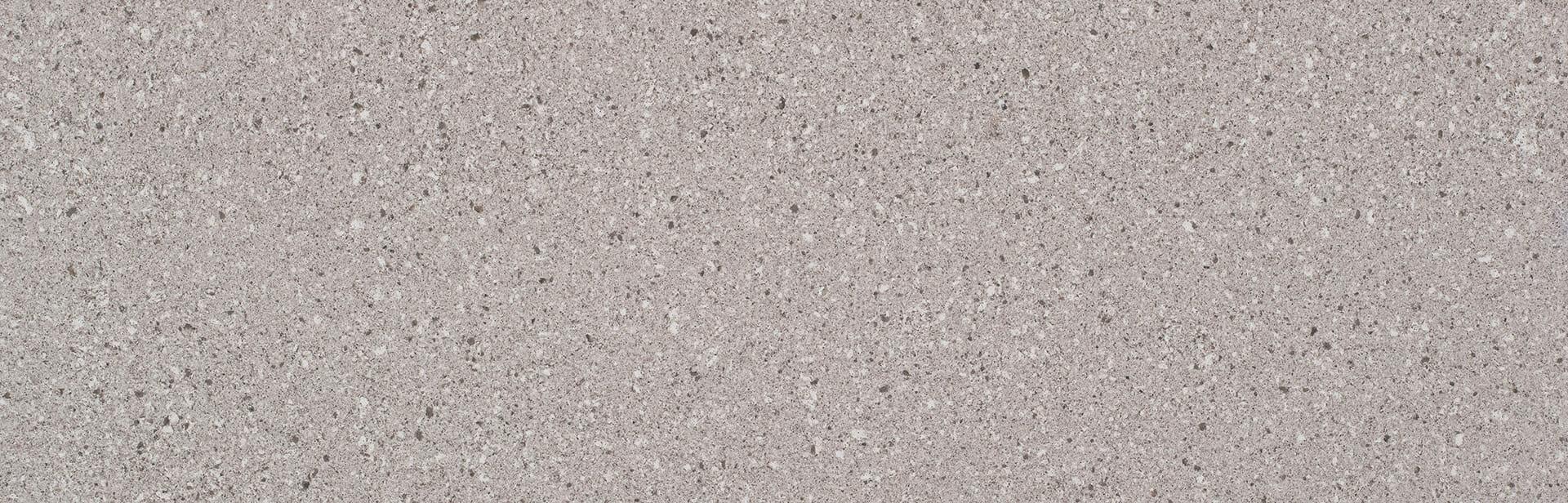
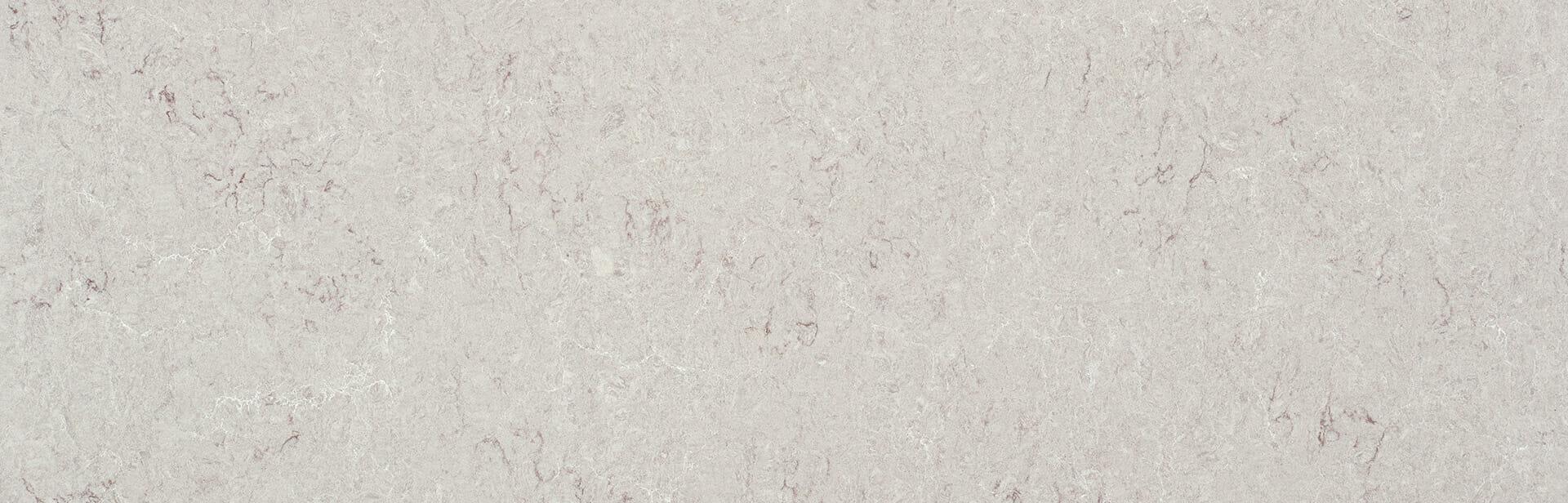
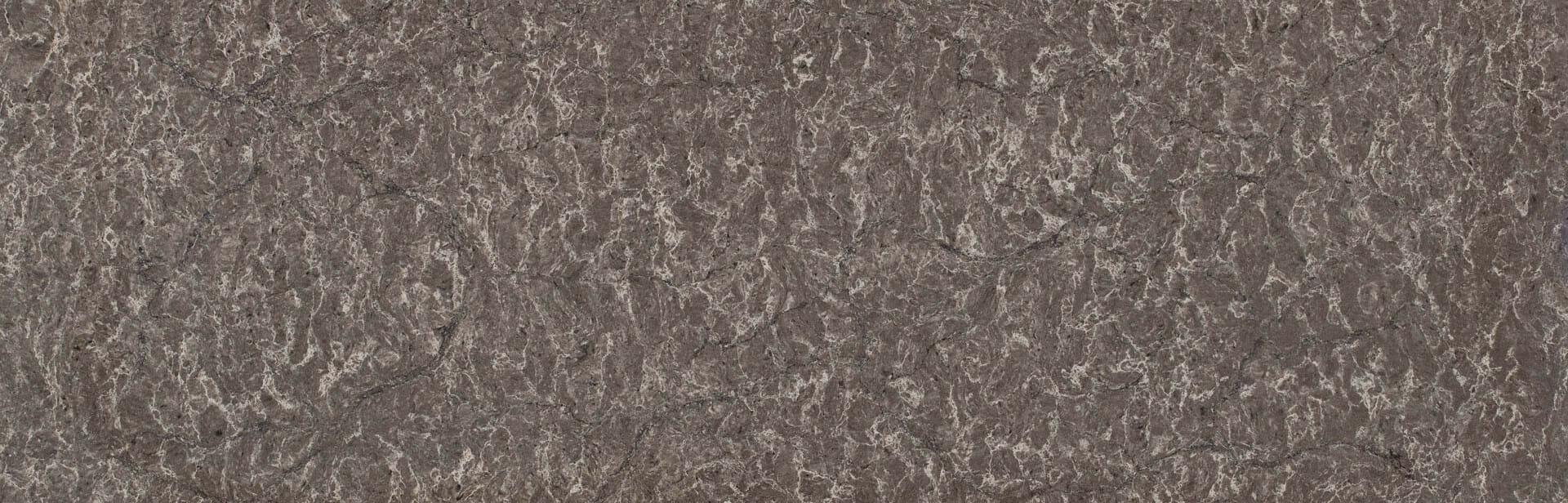
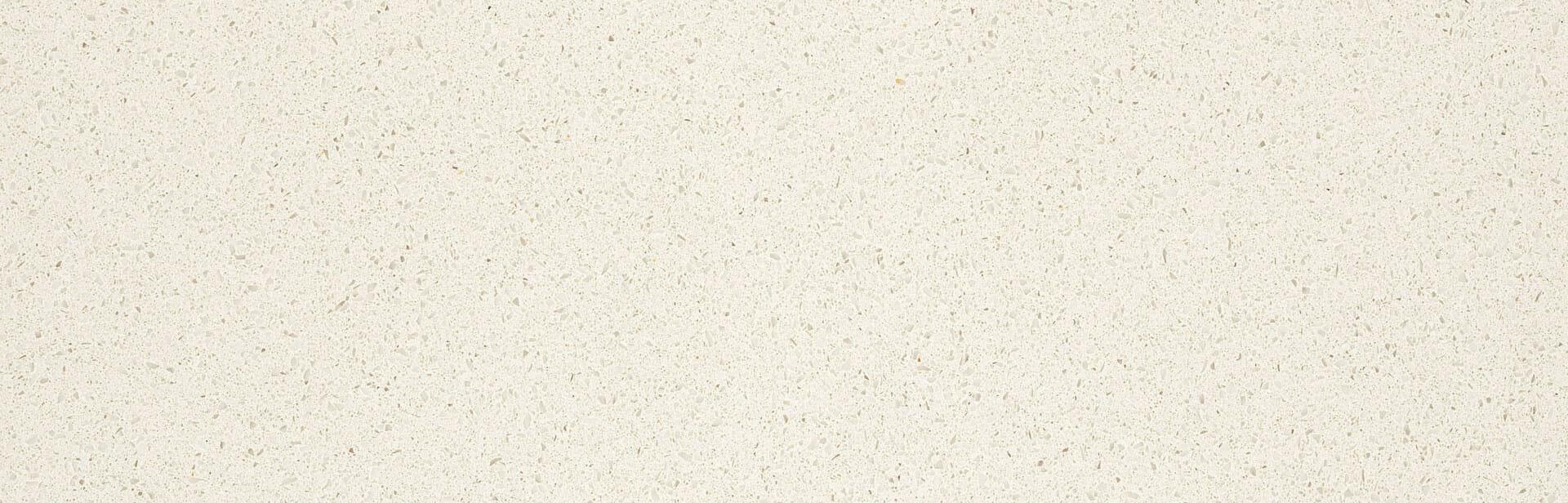
Silestone is produced by Cosentino in Spain and sits inside a broader surfaces platform that also includes Dekton (ultracompact) — Scalea (natural stone) — and Sensa (protected natural stone). For designers who already specify Cosentino elsewhere — Silestone is often the indoor quartz counterpart that keeps samples — reps — and documentation in one family.
HybriQ+ and sustainability
Cosentino's HybriQ / HybriQ+ messaging is the clearest process story in mainstream quartz: recycled water use — high renewable electricity share — recycled mineral content thresholds on HybriQ+ products — and reduced crystalline silica relative to older formulations. Exact percentages are collection-specific. Treat marketing claims as directional until you pull the current EPD / tech sheet for the SKU on the bid. For multifamily and corporate interiors with ESG scoring — that documentation package frequently puts Silestone on the shortlist.
N-Boost and daily performance
N-Boost is Cosentino's surface modification story: improved liquid repellency — richer color read — and easier wipe-down. In practice — all three brands clean well with pH-neutral soap. Silestone's edge is finish options (especially suede) plus the stain-resistance narrative clients already see in Cosentino showrooms.
Suede, matte, and finish strategy
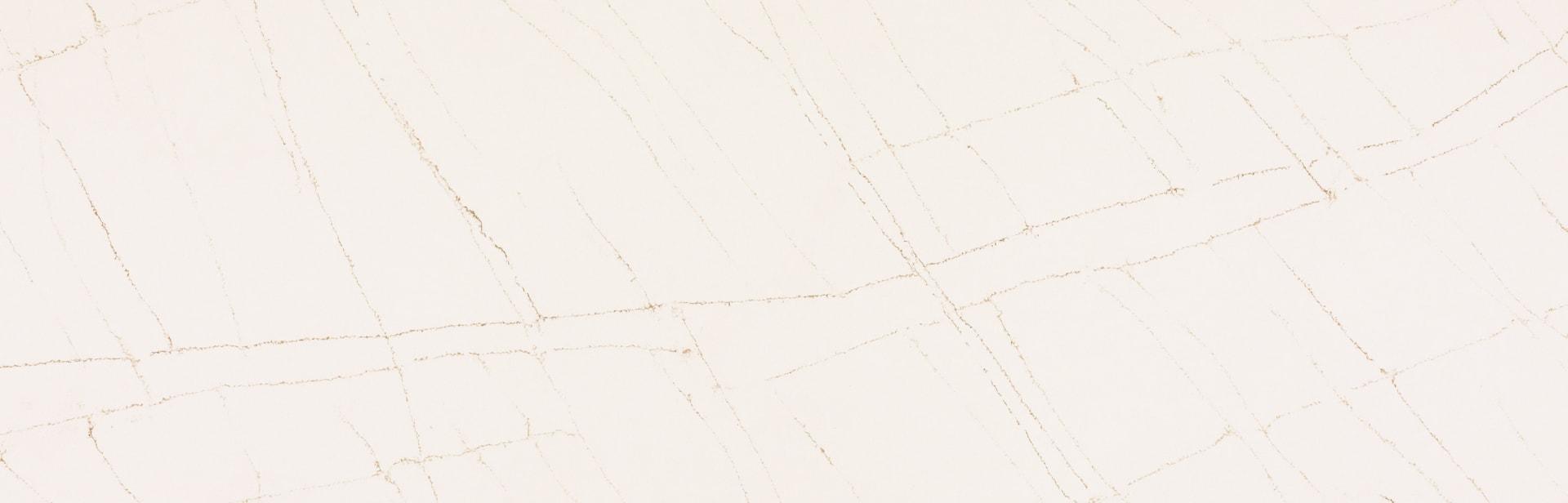
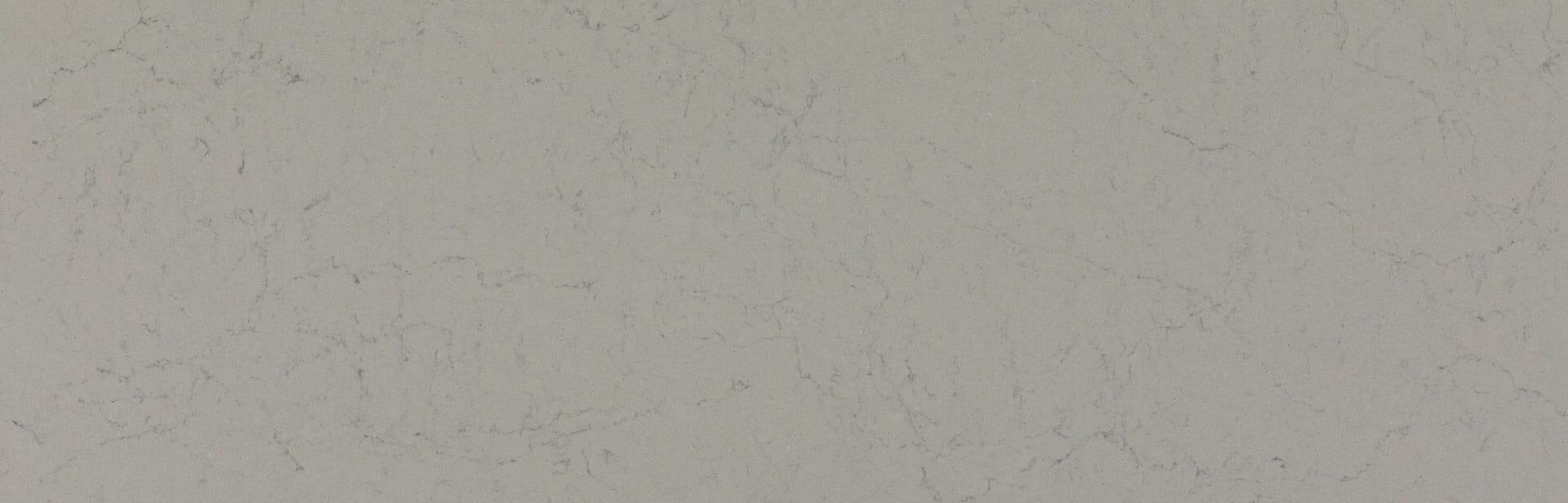
Polished quartz still dominates many markets — but matte and suede are no longer niche. Silestone's suede finish is a frequent differentiator: less glare under kitchen LEDs — more tactile depth — a look closer to natural stone honed finishes. Trade-off: matte shows some metal marks and needs a slightly different maintenance script.
Where Silestone is the right call
- Projects already in the Cosentino ecosystem (or open to Dekton on other elevations)
- Specs that score recycled content / low-silica process claims
- Kitchens and baths that want suede or advanced matte as the primary finish
- Designers who want marble-look and modern neutrals with strong retail brand recognition
Where Silestone is a weaker fit
- RFPs that mandate U.S.-only manufacturing
- Clients who want Cambria-level vein drama as the primary criterion
- Exterior applications better served by Dekton or granite


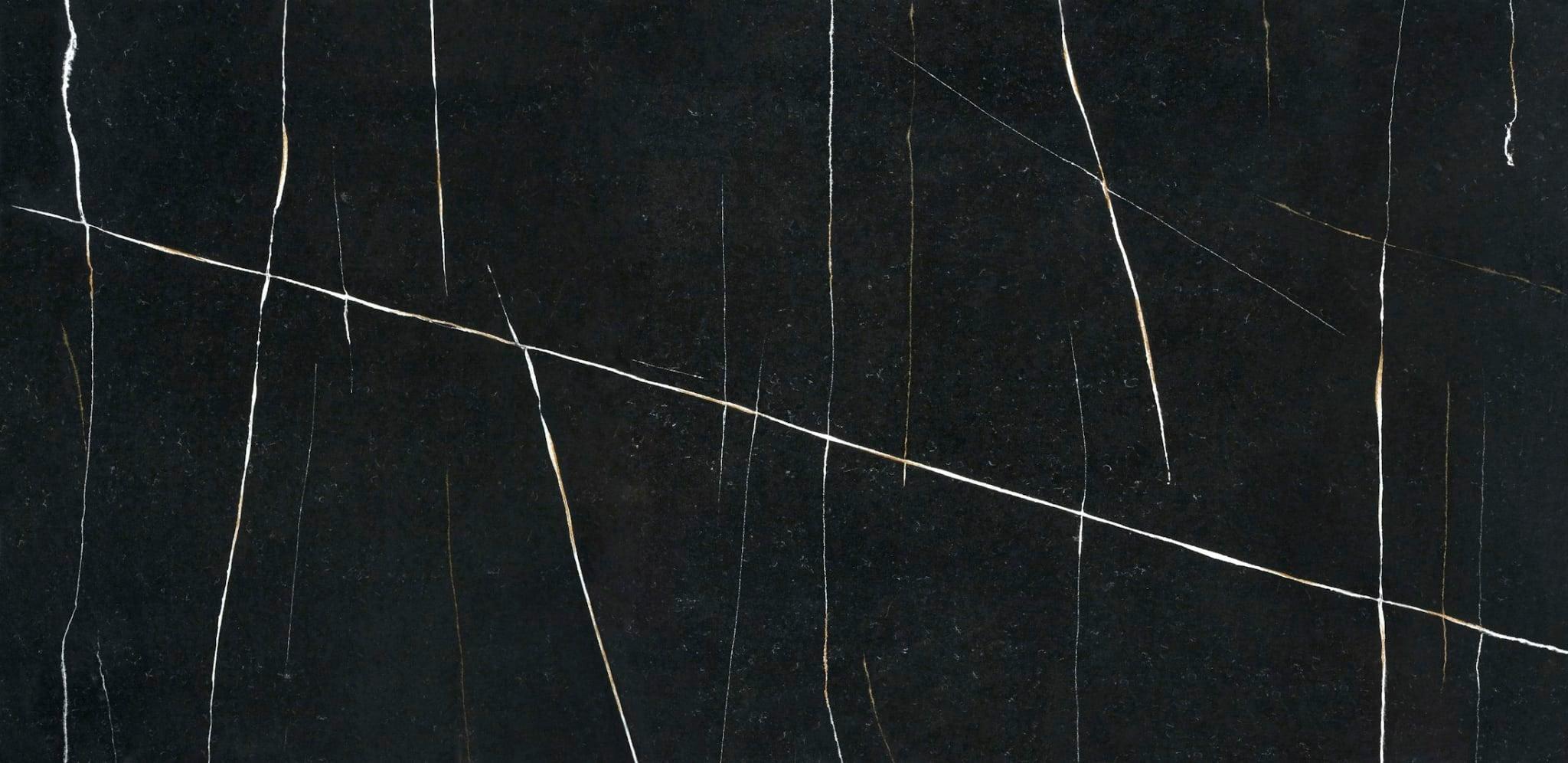


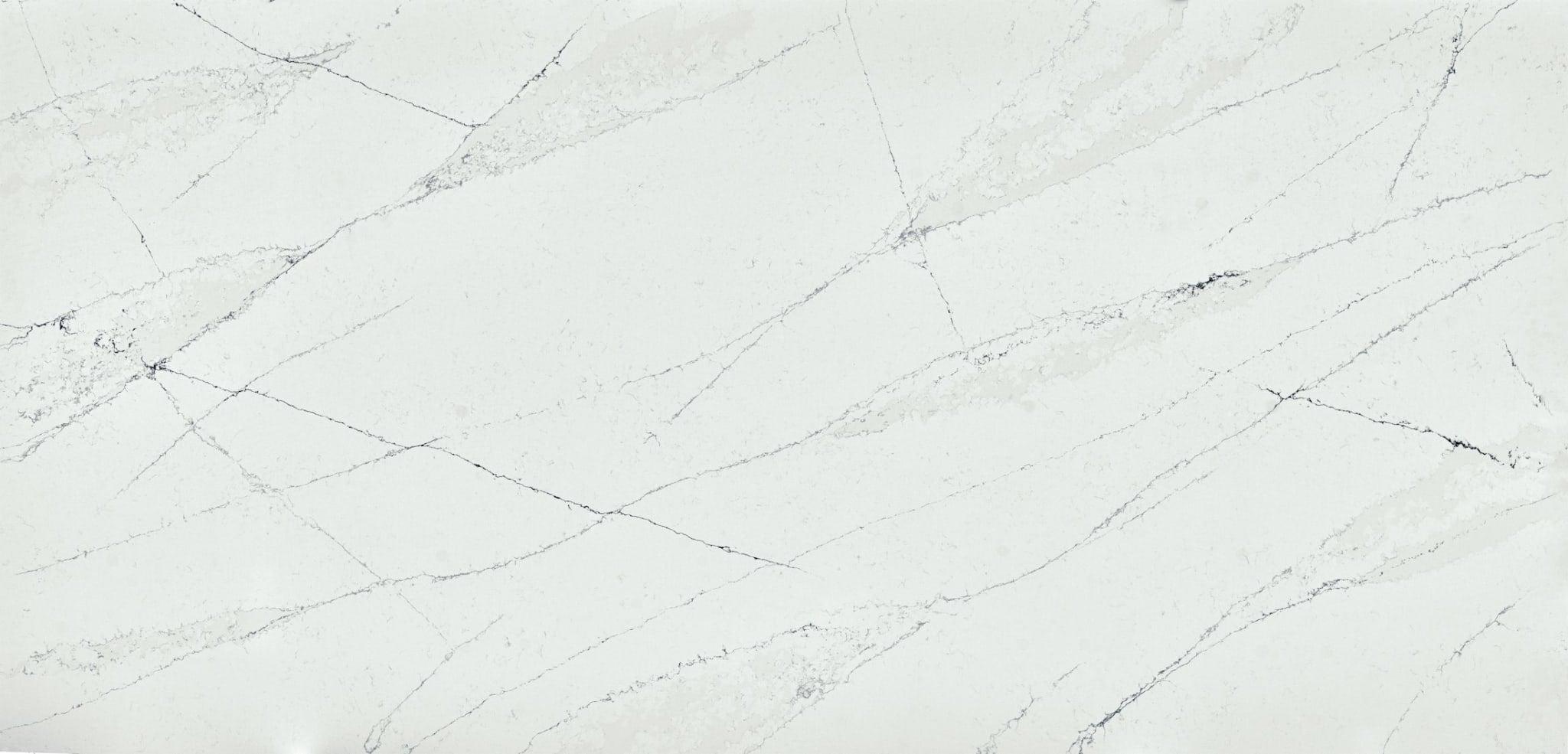


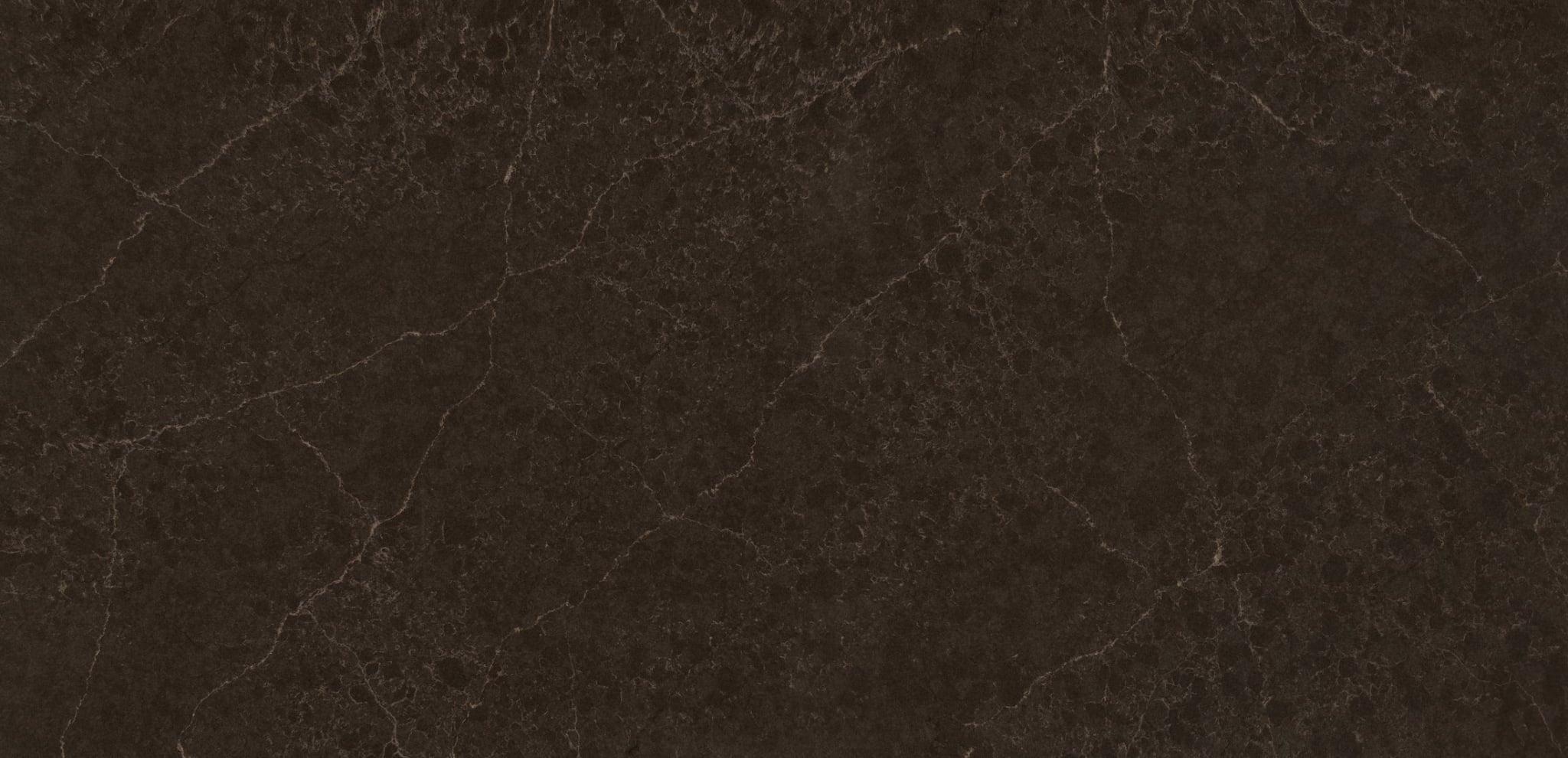


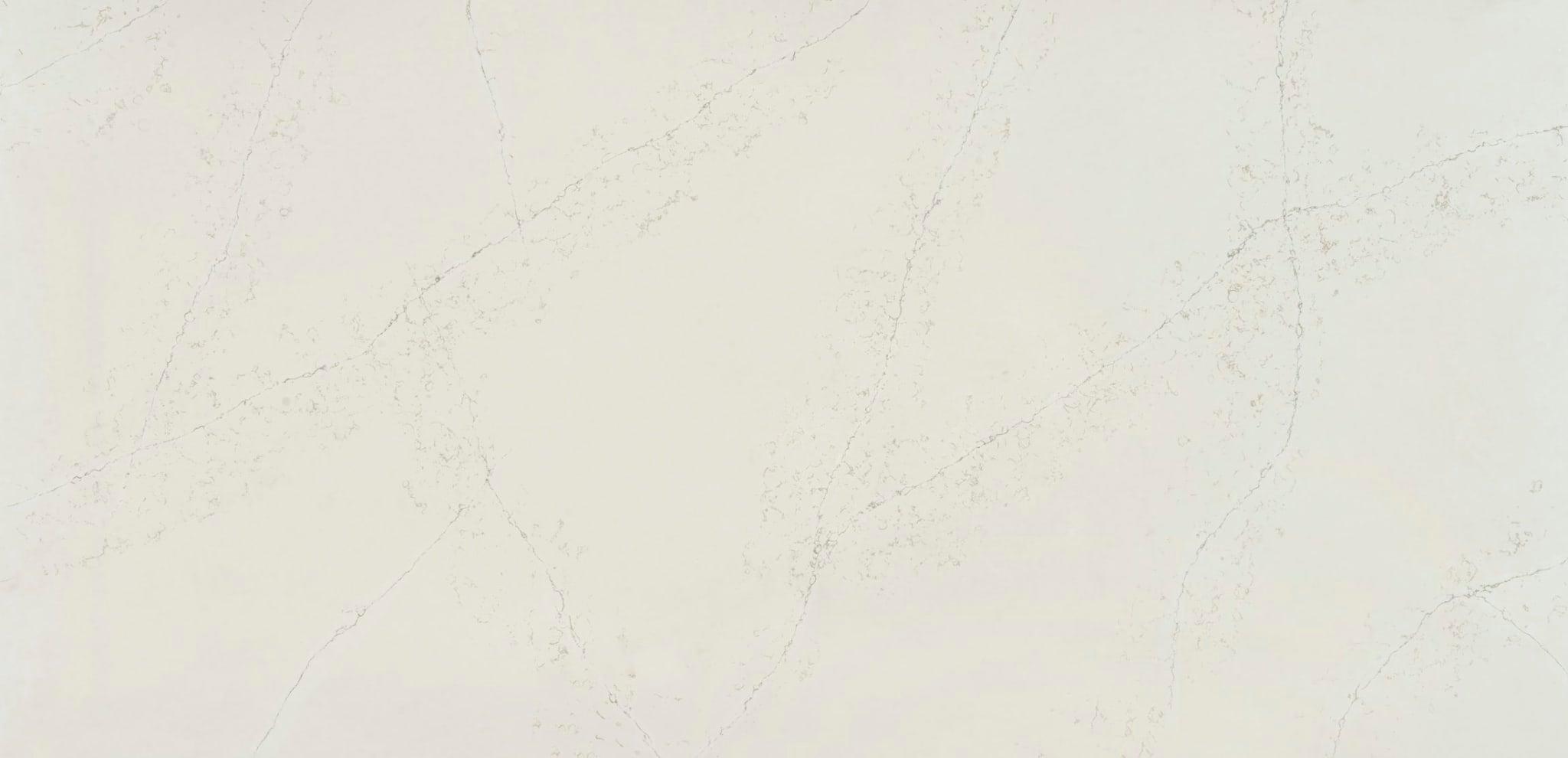


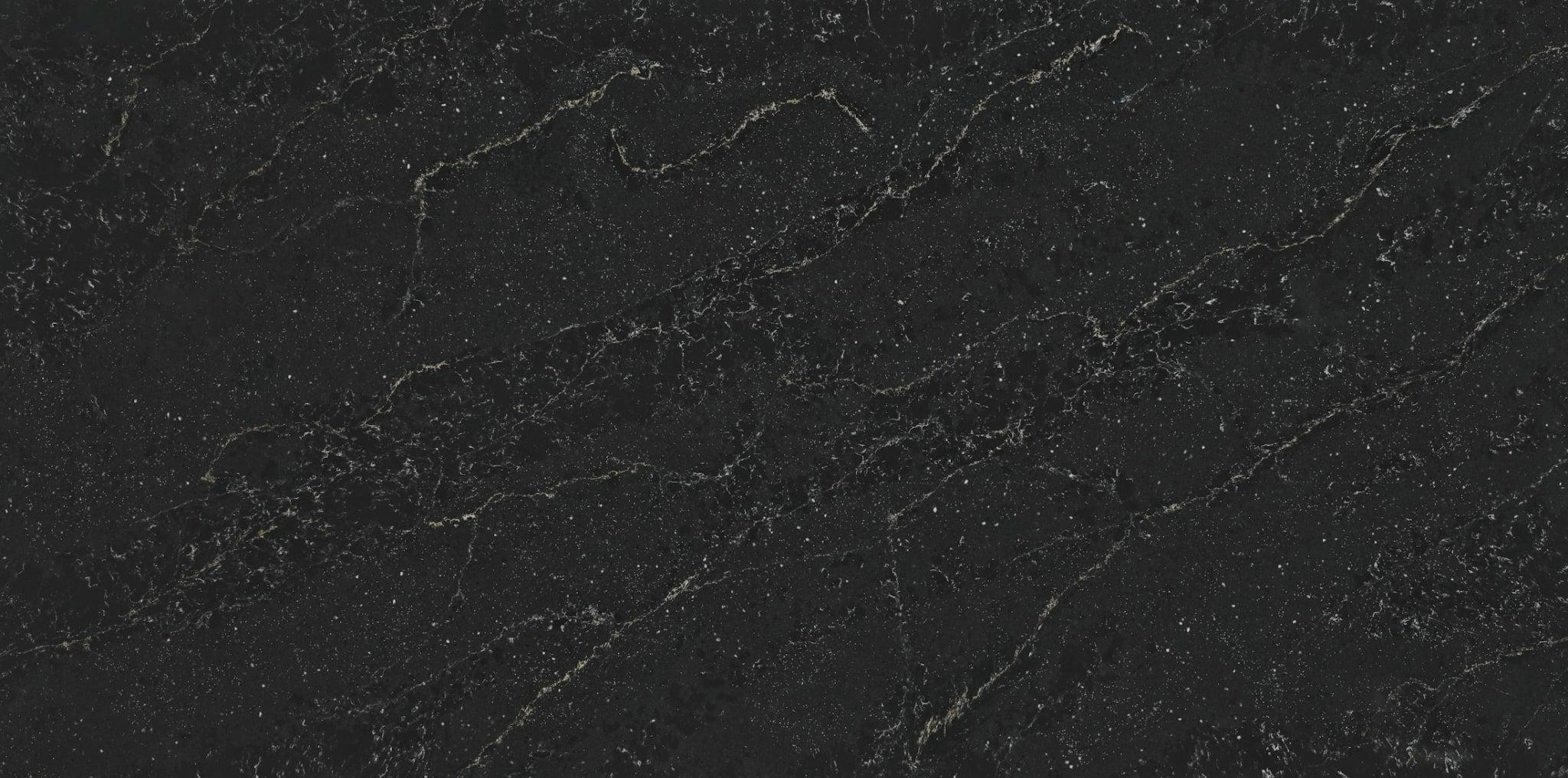

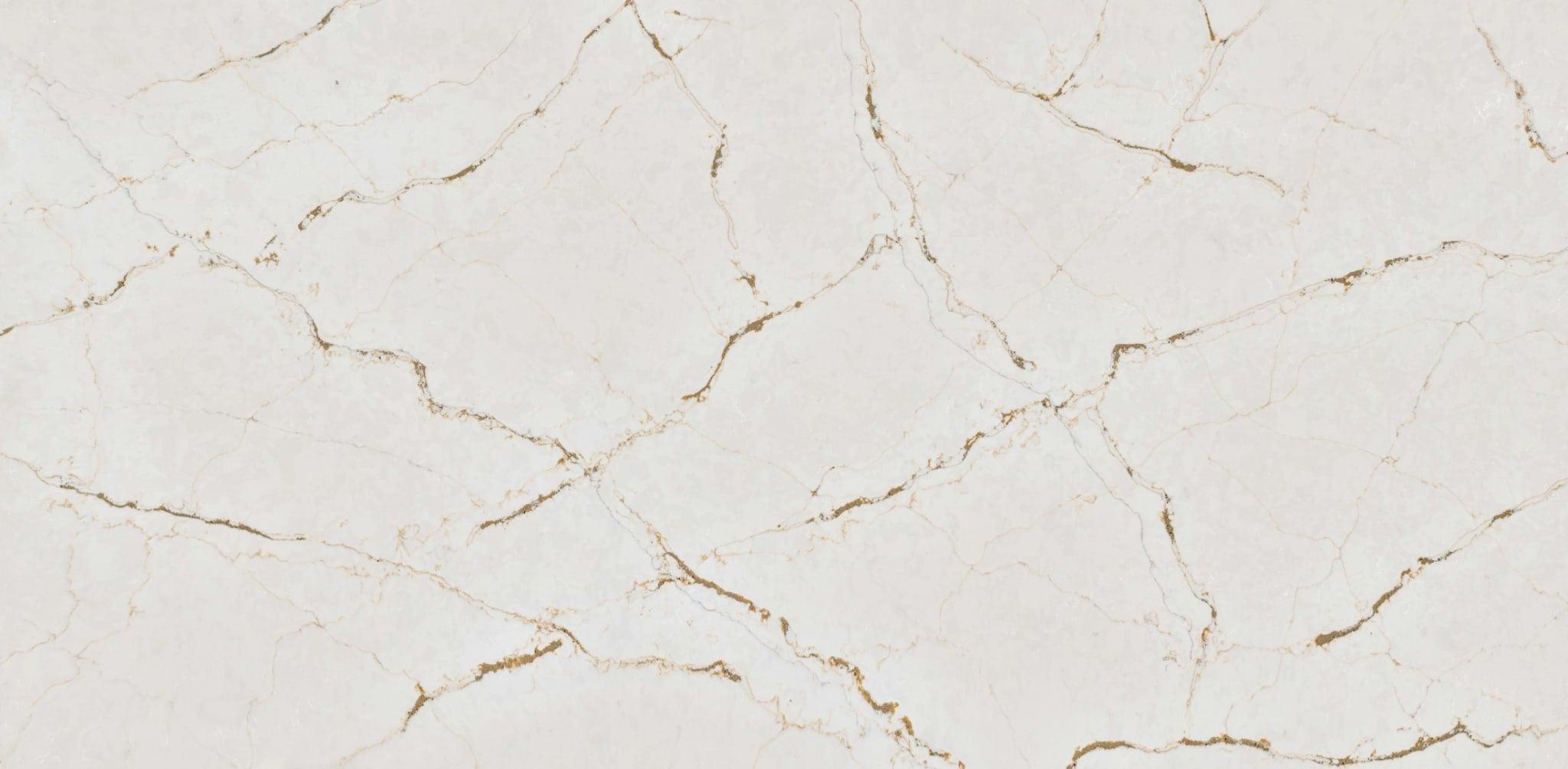








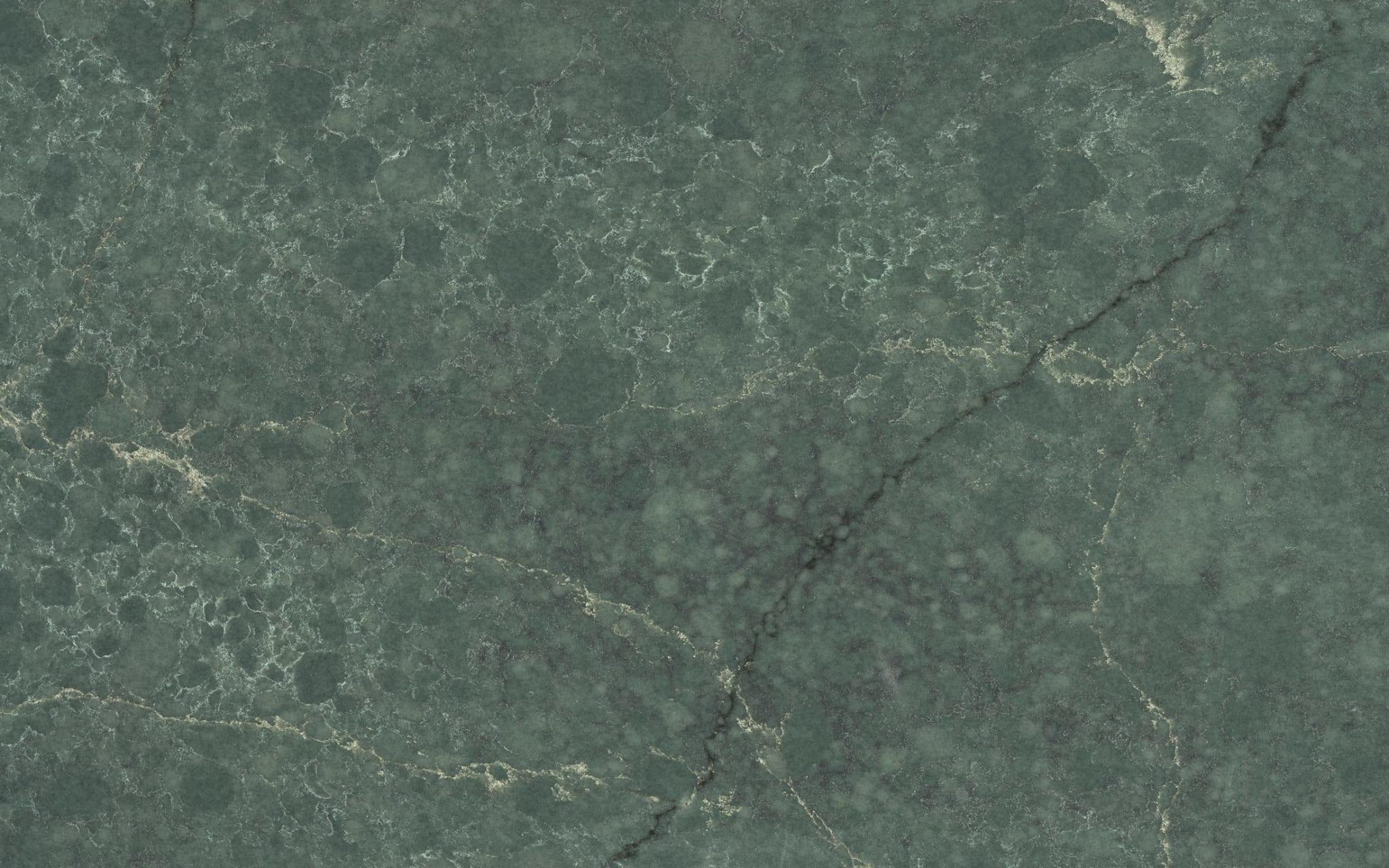
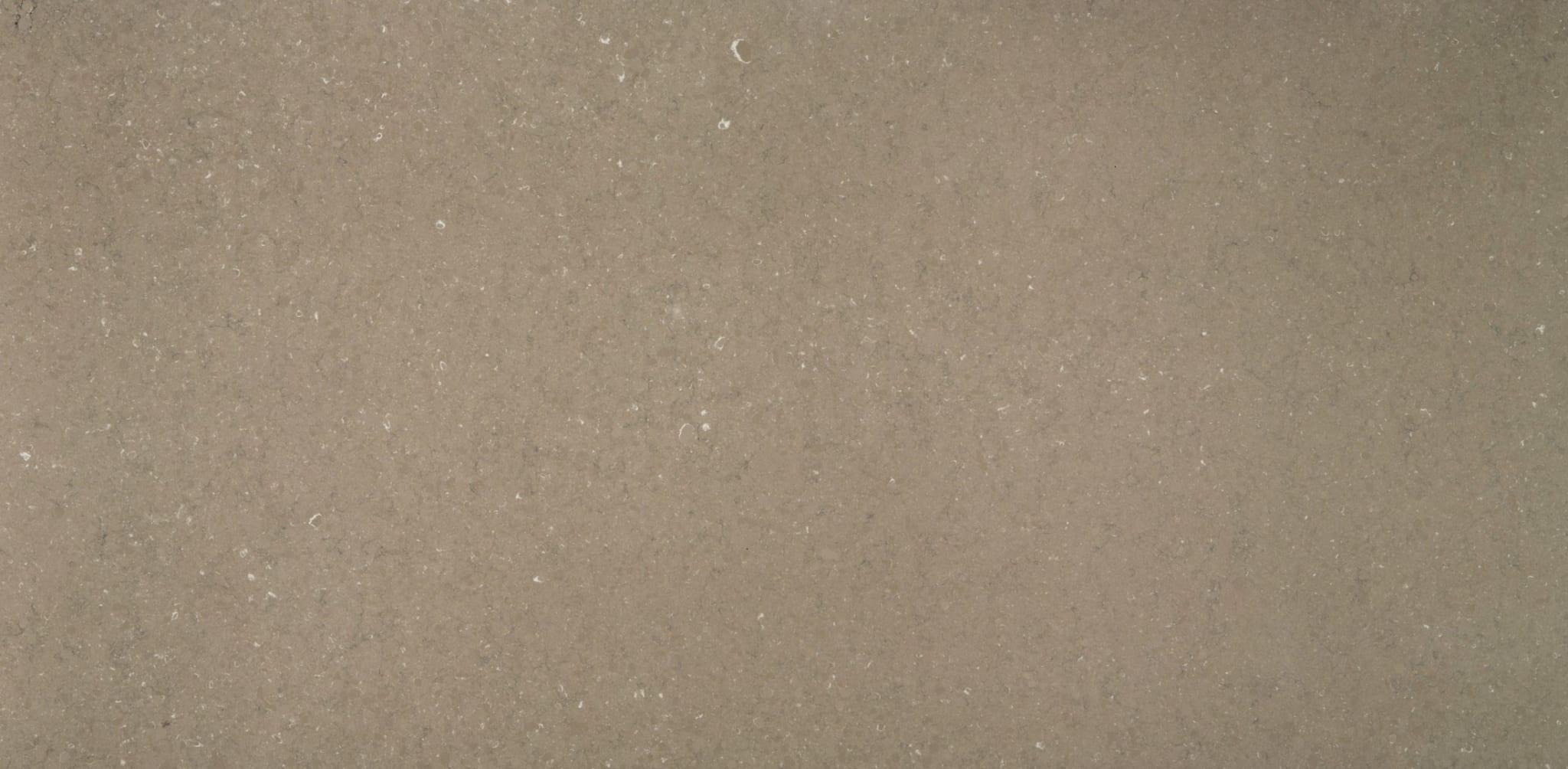
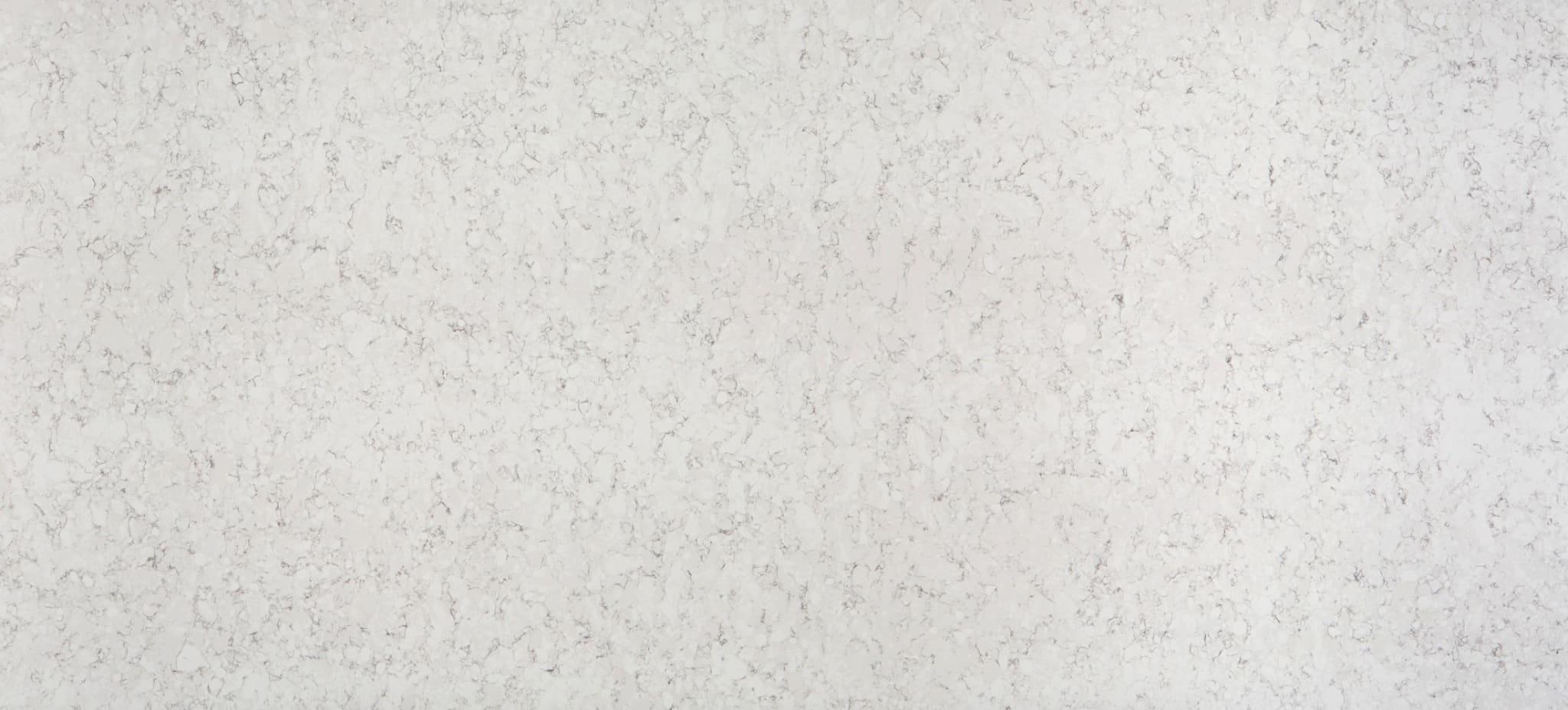

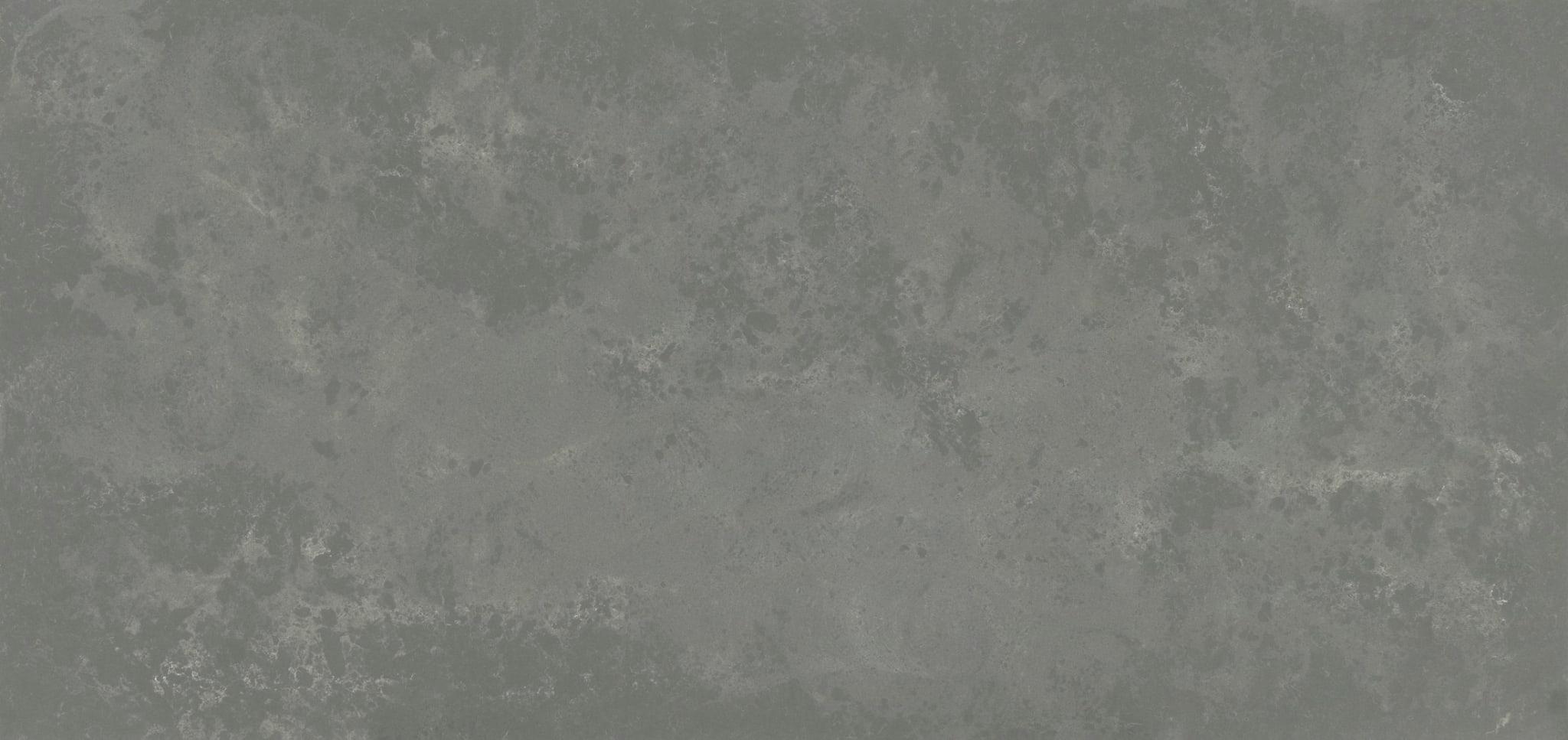
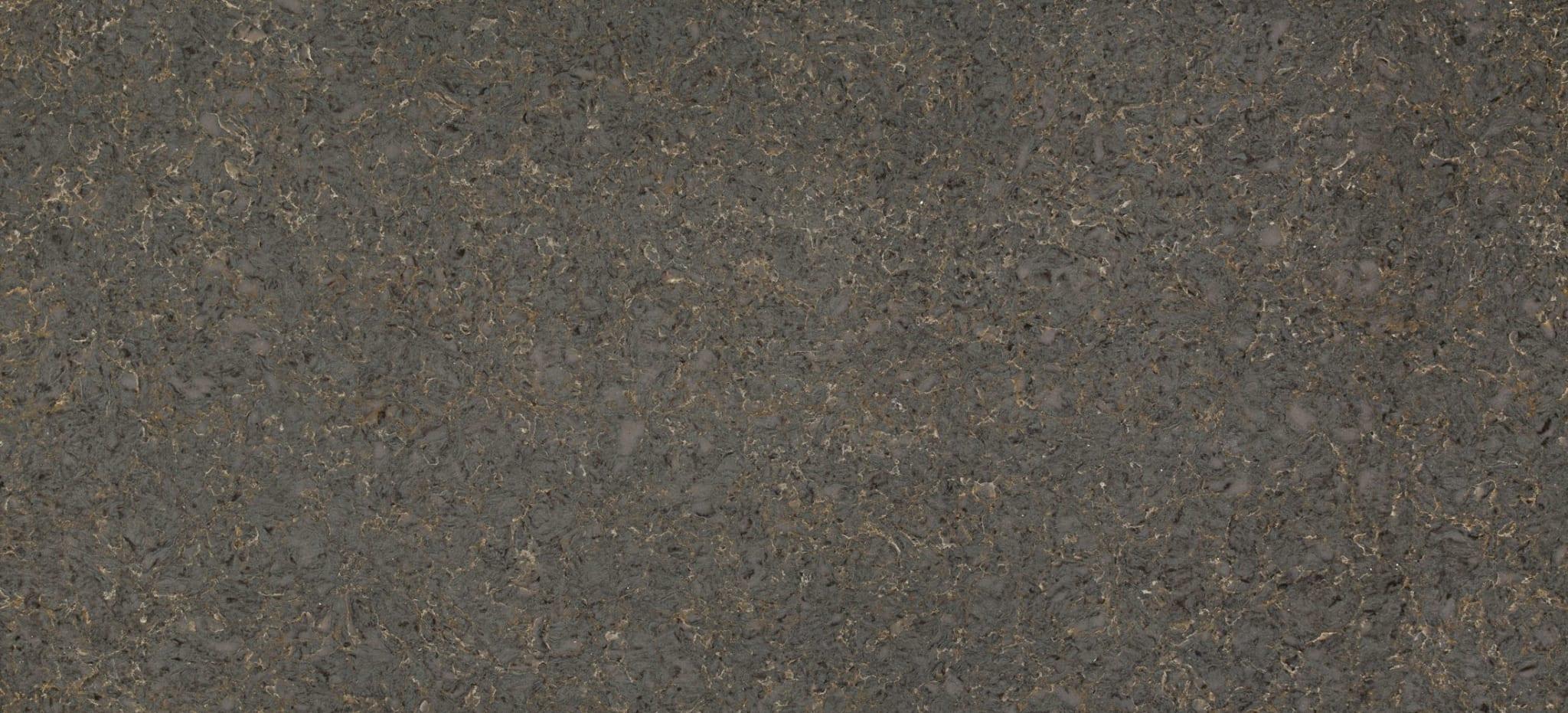



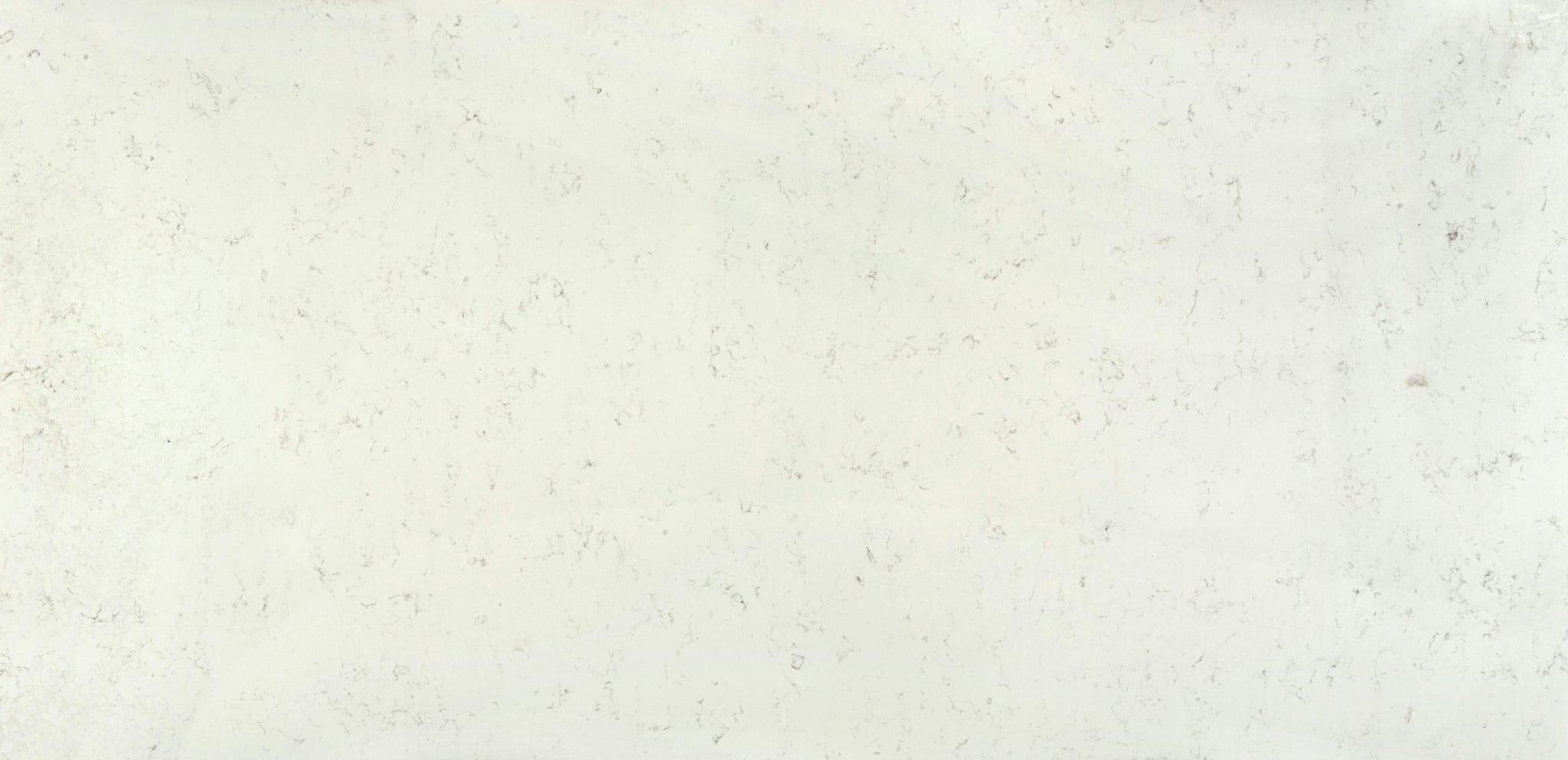
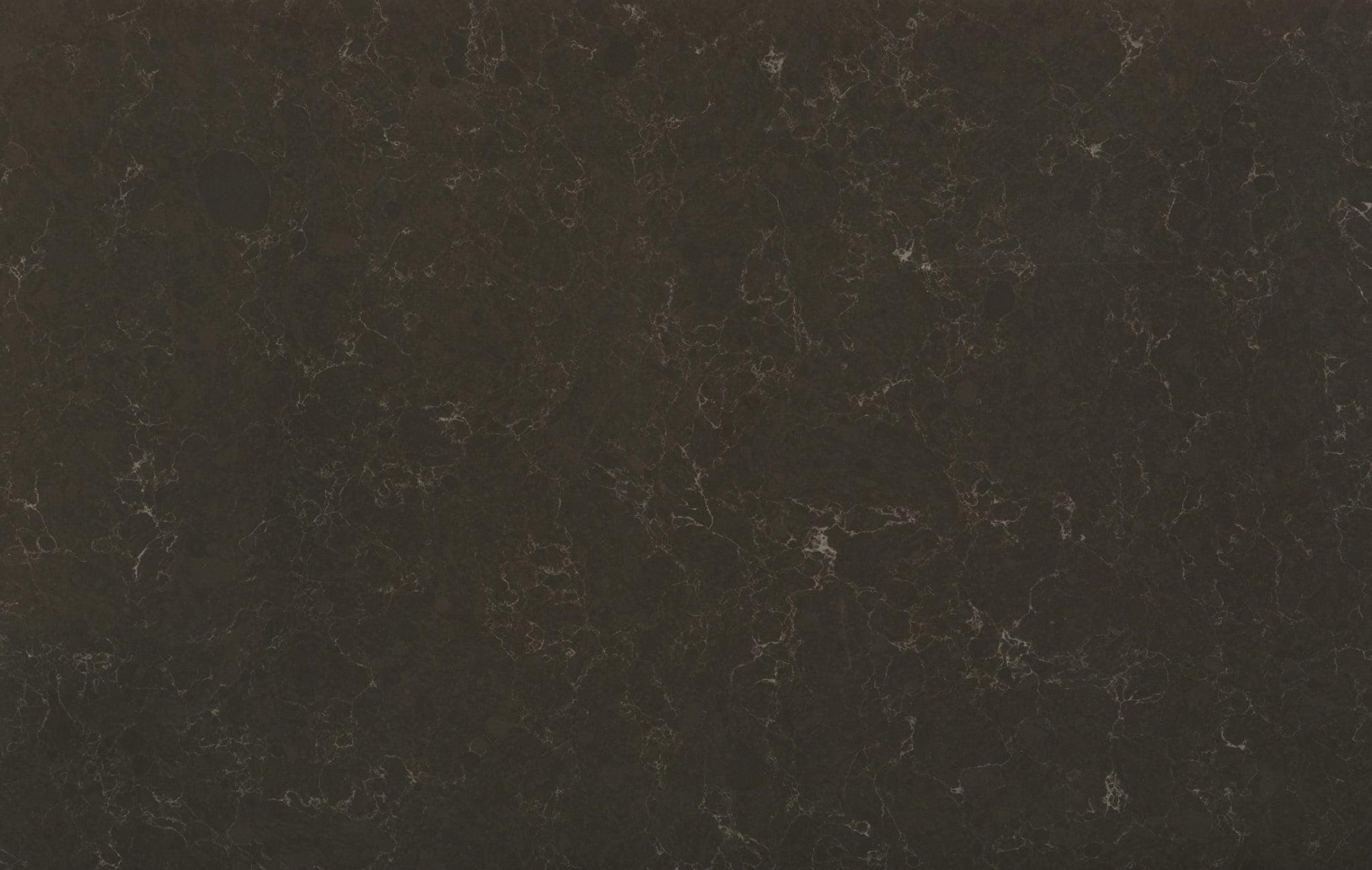




Design Guide: Matching Brand to Aesthetic
Bold Marble / Calacatta Energy
Start with Cambria — then check Caesarstone Supernatural-style whites and Silestone marble-look collections for price or finish alternatives.
Soft White Kitchens
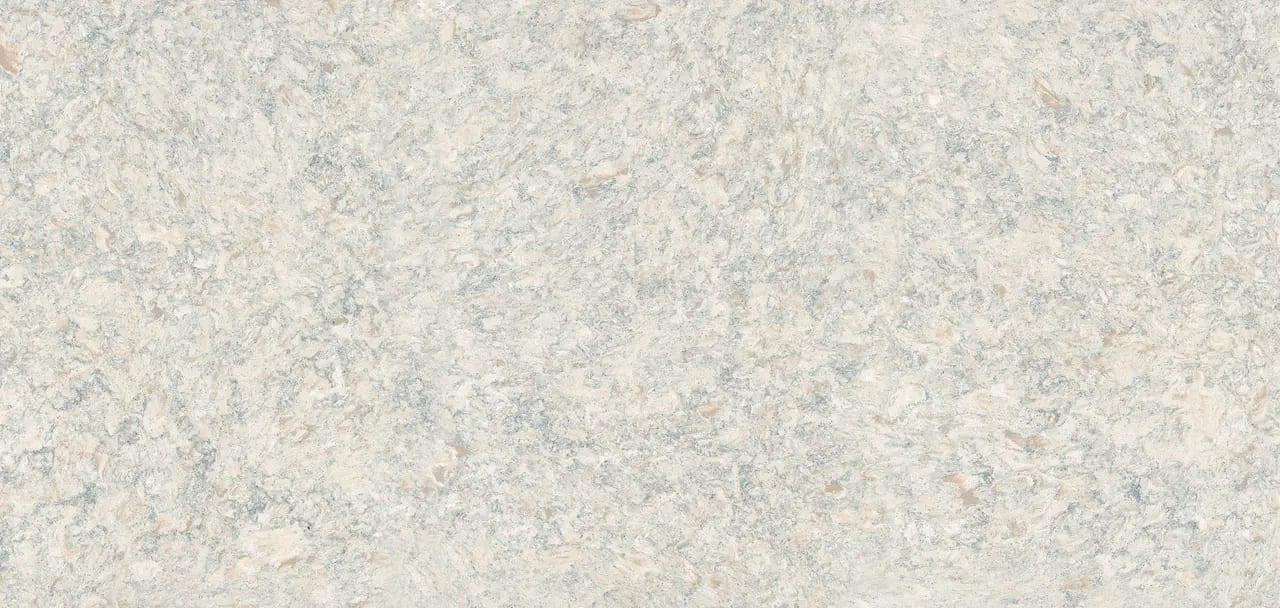
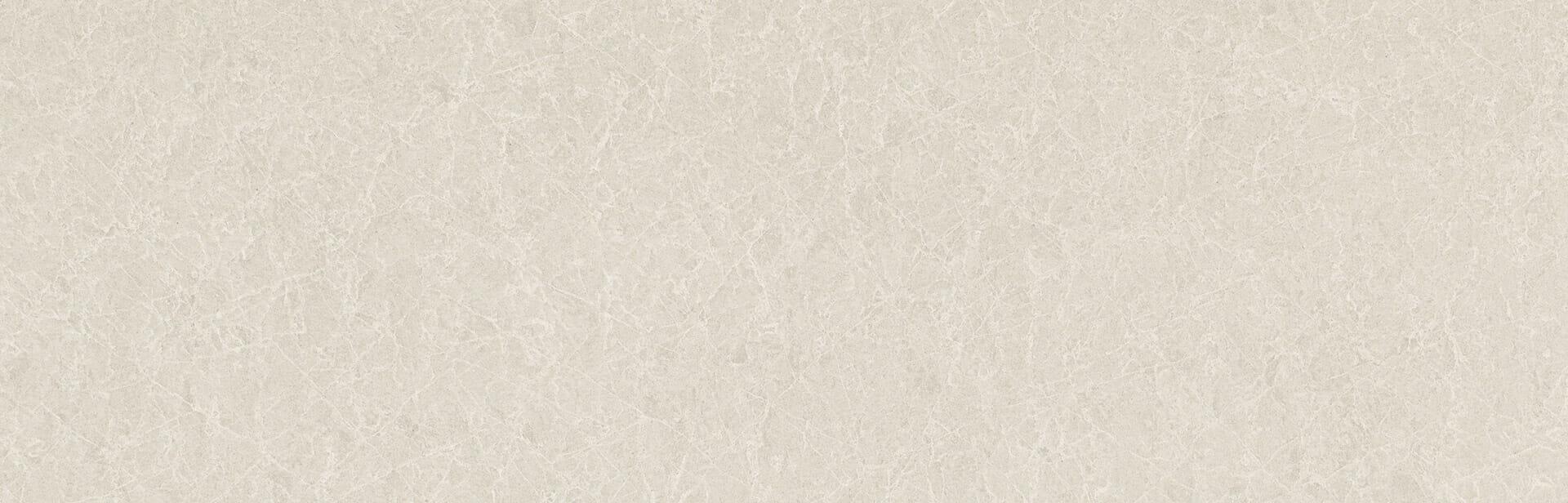
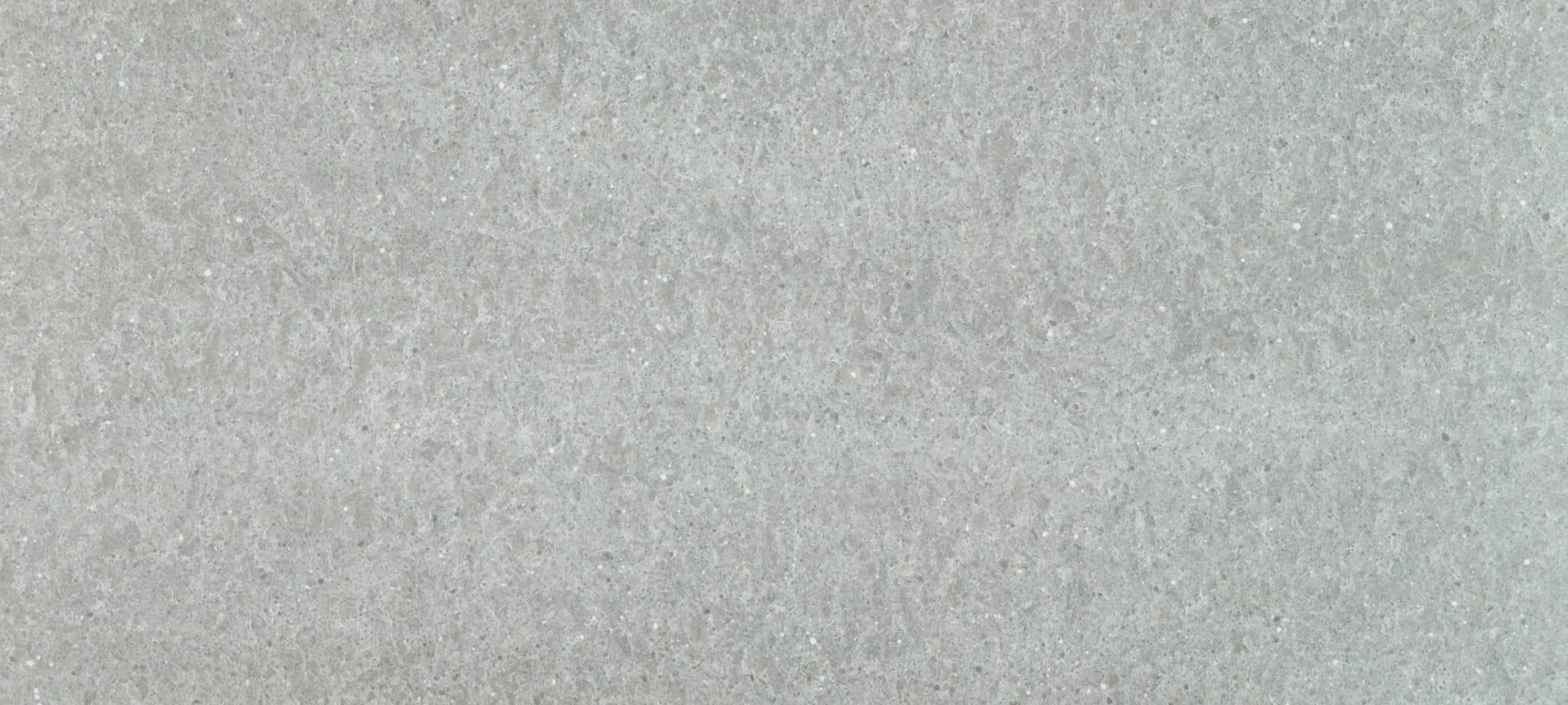
Caesarstone and Silestone both excel. Compare crisp architectural whites versus slightly more organic variation or a suede finish.
Warm Wood, Brass & 2026 Layered Interiors
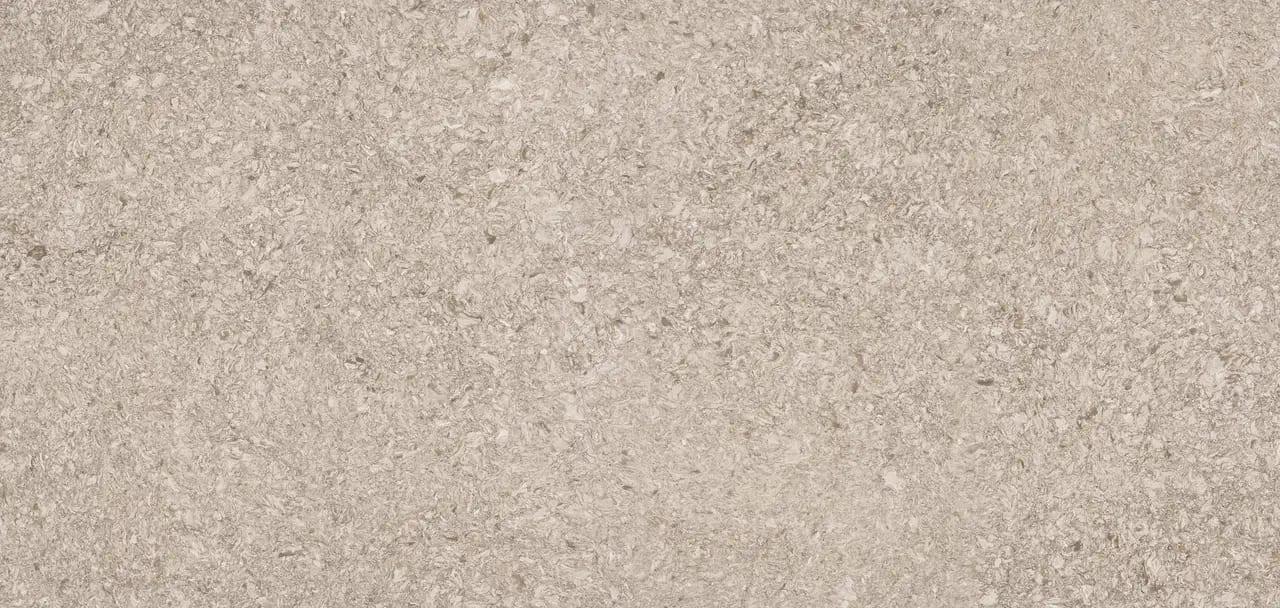
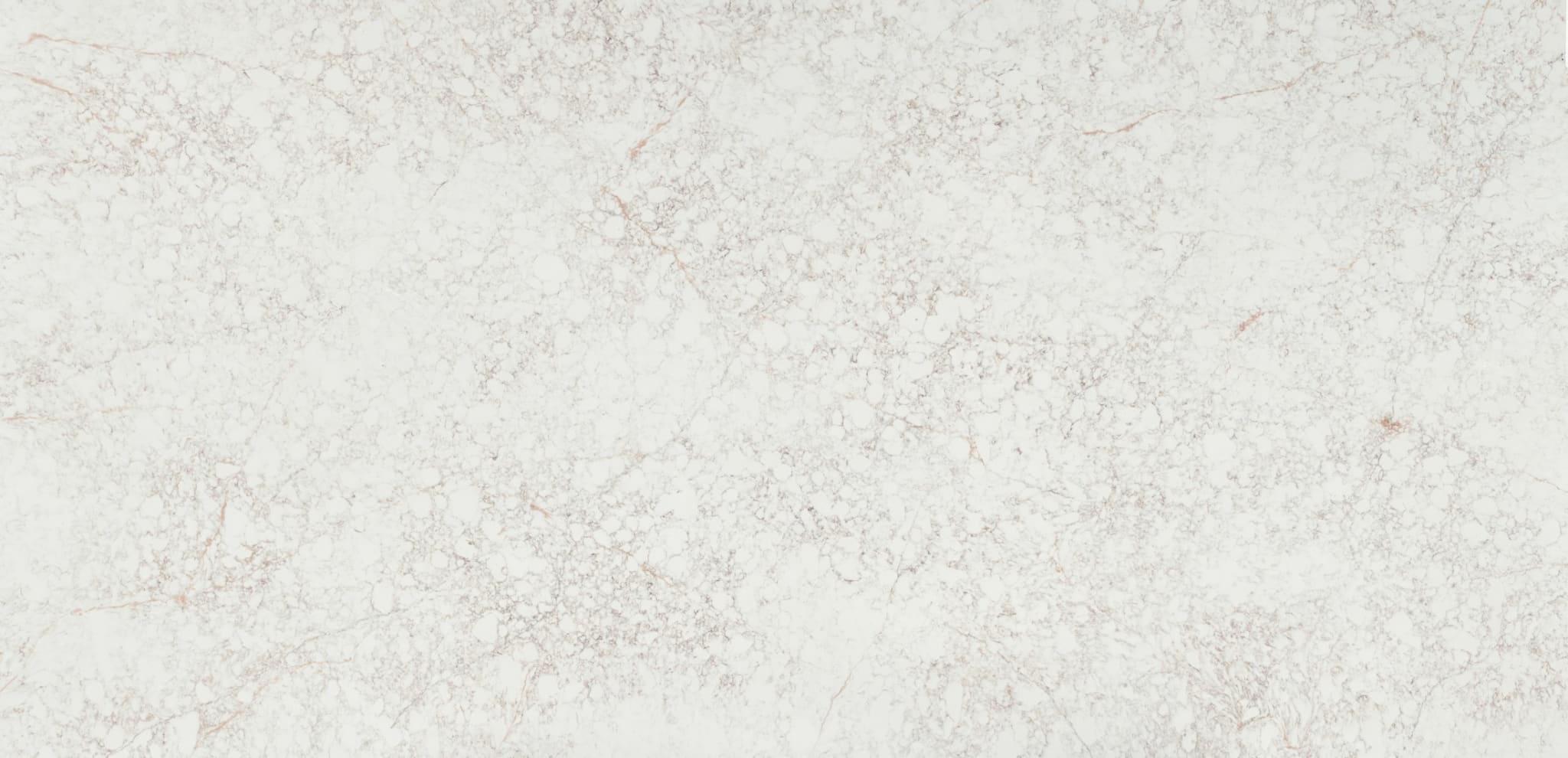
Warm-vein Cambria and warmer Caesarstone / Silestone marble looks beat icy blue-white quartz. Undertone mismatch is still the #1 reason a kitchen feels "off" in photos.
Industrial Loft, Concrete & Commercial Lobby
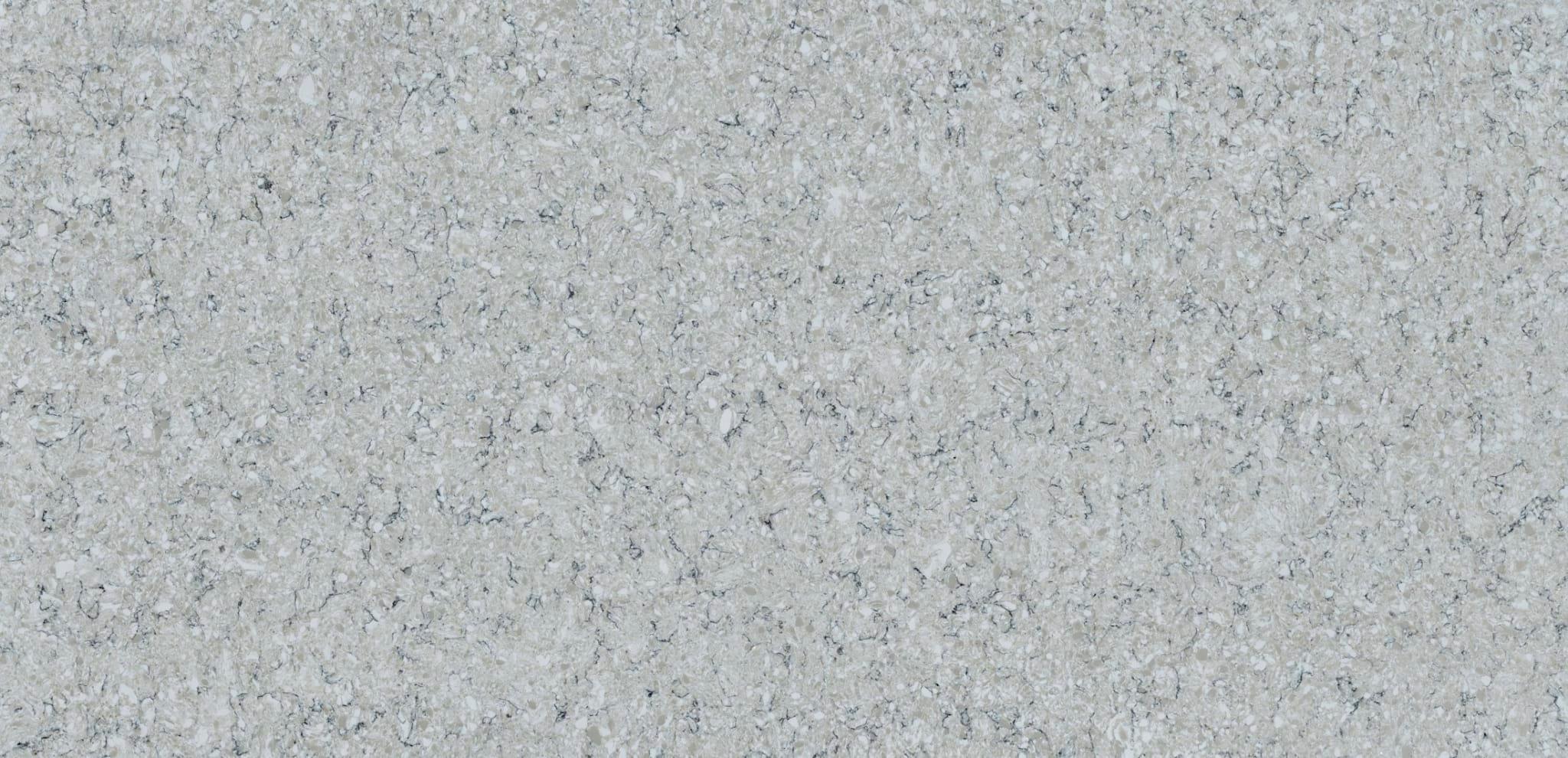
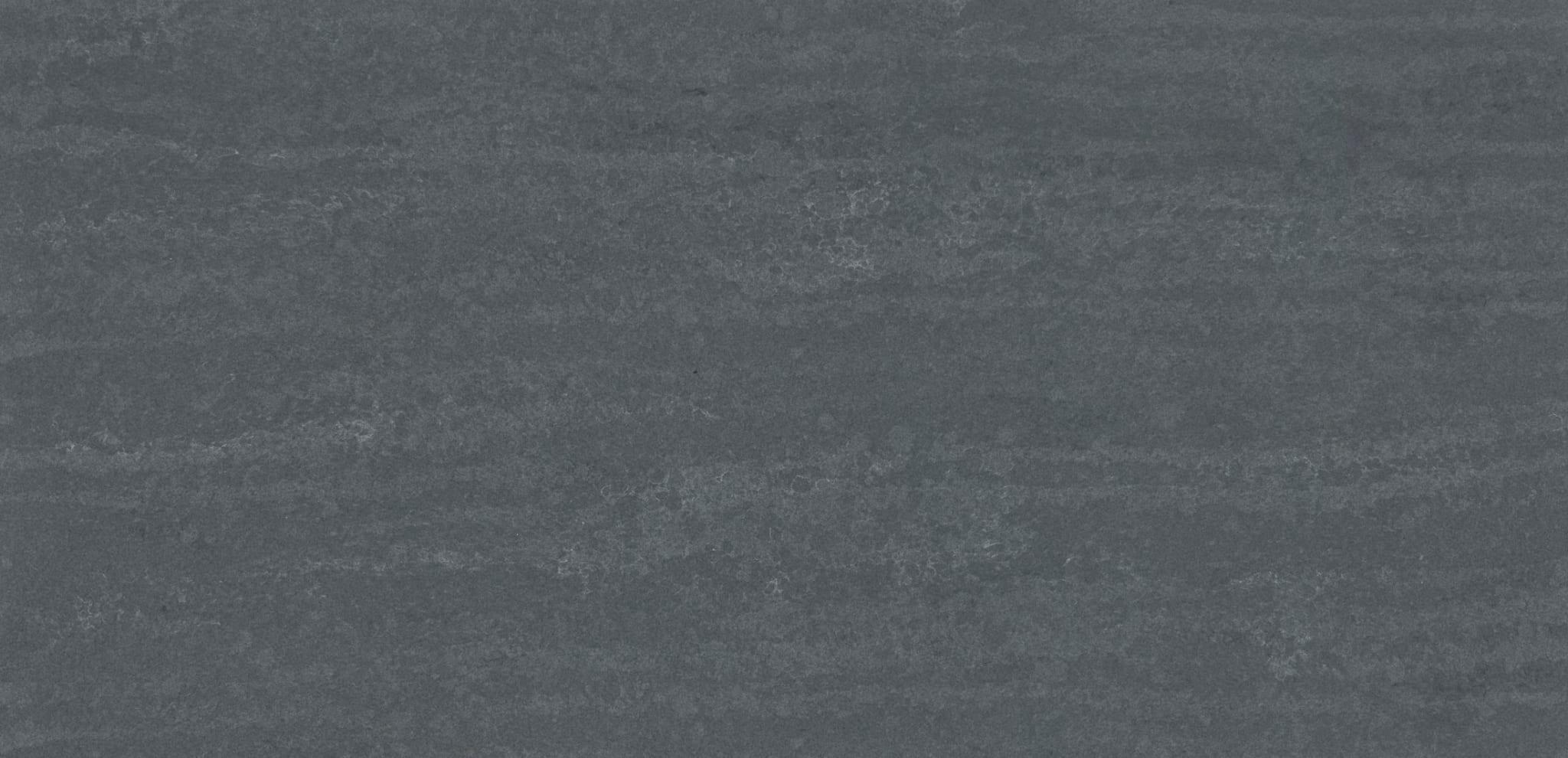
Caesarstone concrete and gray architectural colors remain the reference set. Silestone grays and textures are strong runners-up.
Dark Drama (Noir, High Contrast)
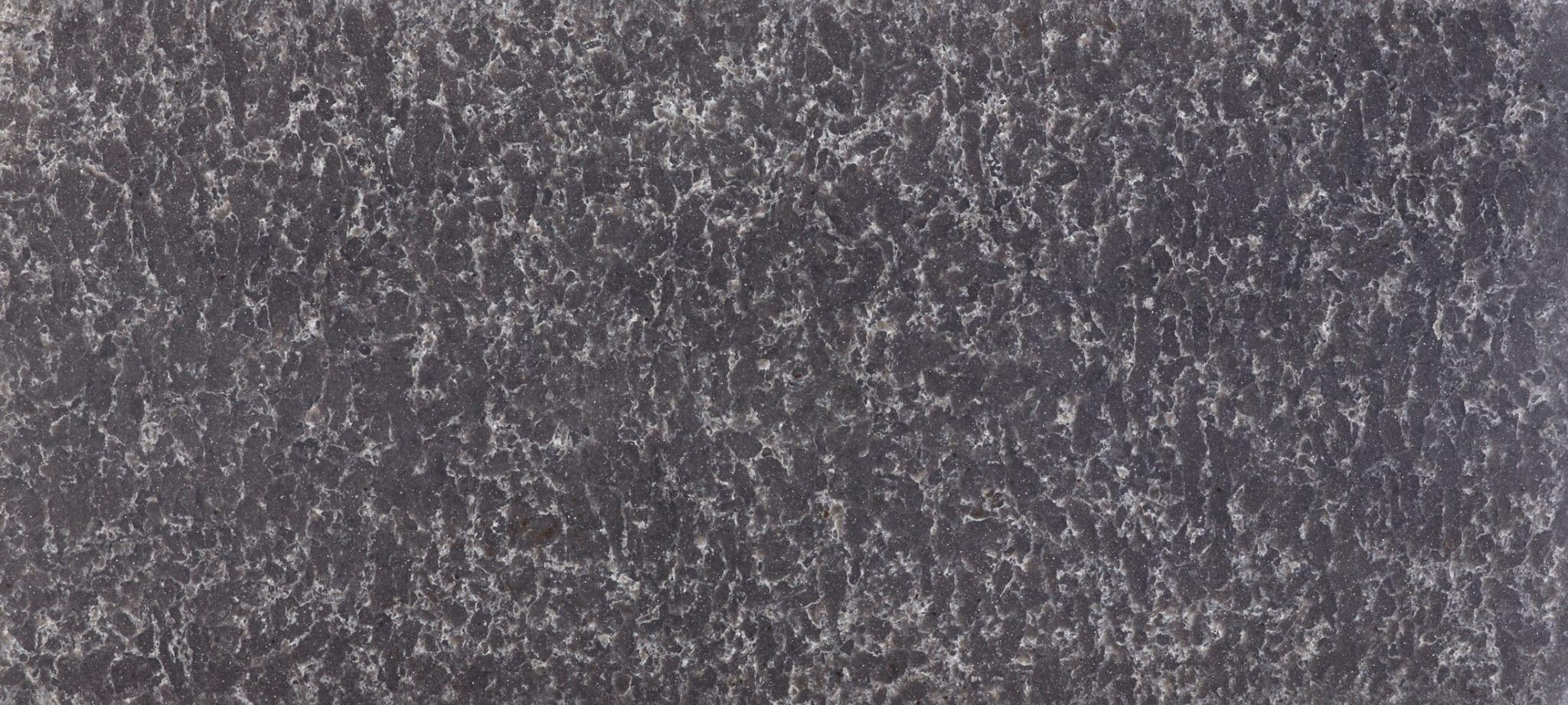
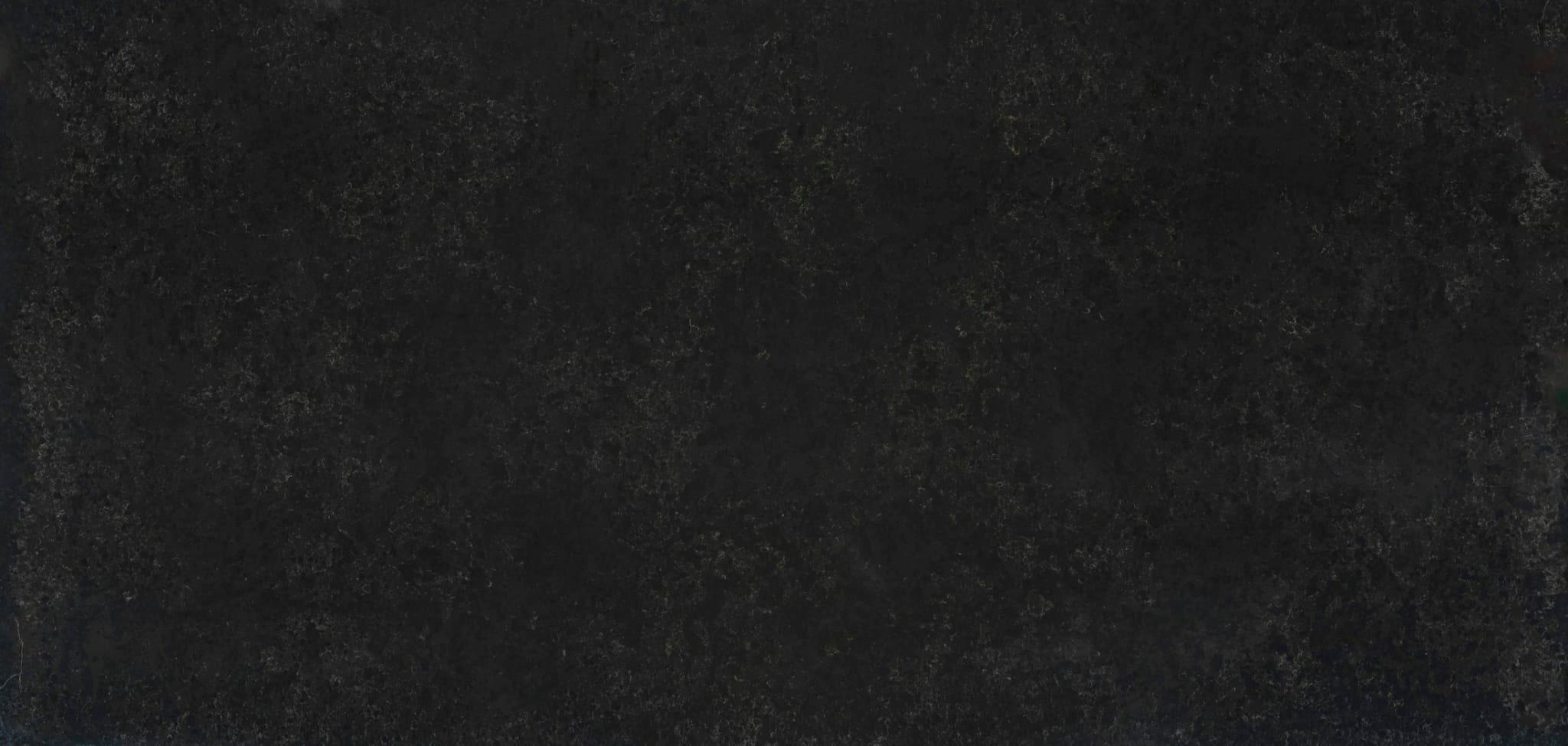
Caesarstone Vanilla Noir-type directions read tailored; darker Cambria movements read more geological. Always sample under project LED temperature.
Multifamily Unit Turns
Prioritize shade consistency — reorderability — and wholesale price. Caesarstone and Silestone often win packages; reserve Cambria for premium/owner suites.
Material Performance: Stain, Heat, Scratch, and UV
Stain Resistance
All three are nonporous when fabricated correctly. Wine, oil, and coffee are routine wipe-ups if addressed in a normal household timeframe. Silestone + N-Boost has the strongest marketing demo for liquid beading, but Cambria and Caesarstone deliver excellent real-world performance with neutral cleaners.
AVOID: Oven cleaner, high-pH degreasers, and abrasive powders on polished faces.
Heat limits
Resin is the limiting factor for all engineered quartz. Direct transfer from a pan off a hot range is a risk on every brand. For clients who refuse trivets — do not "solve" it with a different quartz logo. Move the cook zone to sintered stone, porcelain slab, or a stainless landing pad.
Scratch & Metal Marking
Polished finishes hide light scuffs better in daily kitchens. Matte, concrete, and suede can show aluminum or cast-iron transfer that looks like a scratch until cleaned with the brand-approved method. Train clients at walkthrough so punch lists do not turn into false warranty claims.
UV & Exterior
None of these three should be your default exterior cladding or uncovered outdoor kitchen top. Keep quartz indoors; use Dekton, Neolith, or suitable granite outside.
Edge Performance & Impact
Quartz chips on sharp external edges under impact. That is a fabrication and edge-profile issue more than a brand issue. Softer edge profiles and site protection matter more than switching logos after a chip event.


Slab Size, Thickness, and Yield
| Project need | Practical move |
|---|---|
| Island 9-11 ft, no center seam | Prefer Cambria or Caesarstone jumbo; verify usable length after factory edge trim |
| Full-height shower, few seams | Jumbo + careful vein planning; dry-lay photos before cut |
| Weight-limited wall cladding | 1-1.3cm programs; confirm substrate and adhesive system |
| Standard U.S. residential L kitchen | 3cm for structure; 2cm + mitered edge for thick look with less weight |
| Multi-unit package | Lock lot numbers early; order attic stock for future unit turns |
Waste math still wins jobs. A cheaper per-sq.ft slab that forces an extra sheet because of short length is not cheaper. Run a cutlist against jumbo vs standard before you congratulate yourself on unit price.
Pricing: Retail vs Wholesale
| Tier | Retail (typical) | GoSource wholesale | What sits in the tier |
|---|---|---|---|
| Entry / quiet neutrals | $60–$75/sq.ft | $48–$58/sq.ft | Solid and low-movement whites/grays |
| Mid marble-look | $75–$110/sq.ft | $58–$85/sq.ft | Most residential Calacatta-style demand |
| Premium / exotic movement | $110–$150+/sq.ft | $85–$118/sq.ft | Highest contrast, newest collections, specialty finishes |
Installed projects still land roughly $70–$150+/sq.ft all-in once fabrication — edges — cutouts — templating — and labor are included. Regional labor often swings more than which logo is on the label.
What moves price inside a brand
- Pattern complexity and collection tier
- Finish (suede/specialty can price above basic polish)
- Thickness and jumbo format
- Regional freight and stocking
- Distributor vs marketplace channel
Trade math example
On a 60 sq.ft kitchen package at a mid-tier marble-look: retail material at $95/sq.ft = $5,700; wholesale at ~18% less (~$78/sq.ft) = $4,680; material delta = $1,020 per kitchen. Across a 20-unit interior package — that is low-five-figures of material margin before labor productivity.


Warranty, Claims, and Spec Language
| Topic | What to put in the bid |
|---|---|
| Residential coverage | State brand + "see attached warranty PDF"; do not paraphrase exclusions from memory |
| Transferability | Call out if marketing to resale-focused custom home clients |
| Heat, chips, abuse | Align client expectations in writing; top claim categories brands fight |
| Commercial | Confirm project qualifies; many lifetime stories are residential-only |
| Finish | Photo-document slab lot and finish at delivery to prevent wrong-sheen disputes |
Cambria and Caesarstone are widely marketed with strong residential lifetime stories; Silestone commonly leads with a long transferable term (often 25 years on qualifying products). Treat all of that as directional until the PDF for that SKU says otherwise.
Decision Framework: Pick in Under Two Minutes
Choose Cambria when the client wants maximum marble movement — U.S. manufacturing messaging — jumbo seam control — and a lifetime-warranty story on a signature residential kitchen.
Choose Caesarstone when the project is architectural — multi-unit — or hospitality; when neutrals/concrete textures lead the board; and when brand familiarity plus documentation speed approval.
Choose Silestone when Cosentino ecosystem — HybriQ+/low-silica process narrative — N-Boost cleanability story — or suede/matte finish is central to the design or ESG scorecard.
Choose none of them (yet) when the application is exterior — the client refuses heat discipline — or the real need is natural stone uniqueness. Step to granite — quartzite — marble — or sintered slab instead.
Common Project Scenarios
A, Custom single-family, 11 ft waterfall island
Prioritize jumbo yield and vein drama → Cambria first — Caesarstone jumbo marble-look second if the client wants quieter movement.
B, 120-unit multifamily, two elevation packages
Prioritize reorderability and neutral consistency → Caesarstone or Silestone package pricing; hold attic stock.
C, Design-forward townhome with matte everywhere
Prioritize suede/matte depth → Silestone finish story; sample Caesarstone concrete textures as alternate.
D, Client obsessed with "no stains ever" demos
All three perform; lean on Silestone N-Boost demos for the showroom moment — while training real-world habits (wipe spills — no dye kits — no oven cleaner).
E, Outdoor kitchen + indoor scullery
Split the spec: sintered or granite outside — any of the three quartz brands inside. Do not force one material to do both jobs.
How Trade Buyers Source All Three on GoSource
GoSource is built for fabricators — builders — and designers who need branded slabs without a separate pricing circus for every manufacturer.
Compare retail vs wholesale directly on the product card to protect your project profitability.
Pull Cambria and Caesarstone SKUs alongside other quartz lines for seamless side-by-side presentations.
Use Cosentino category pages when the job mixes quartz with ultracompact or natural stone.

