Granite Slab Buying Guide: TL;DR
Granite slab material costs run $15–$70/sq.ft at retail across standard to premium grades, with installed project costs averaging $3,000–$5,000 for a typical kitchen. Wholesale buyers on GoSource pay 13–20% below retail on the same branded slabs. Granite's key advantages over engineered stone are heat resistance, natural uniqueness, outdoor suitability, and the broadest price range of any countertop material — from budget renovations to high-end exotic installs. For multi-unit projects, its slab-to-slab variation is worth planning around.
What Is a Granite Slab?
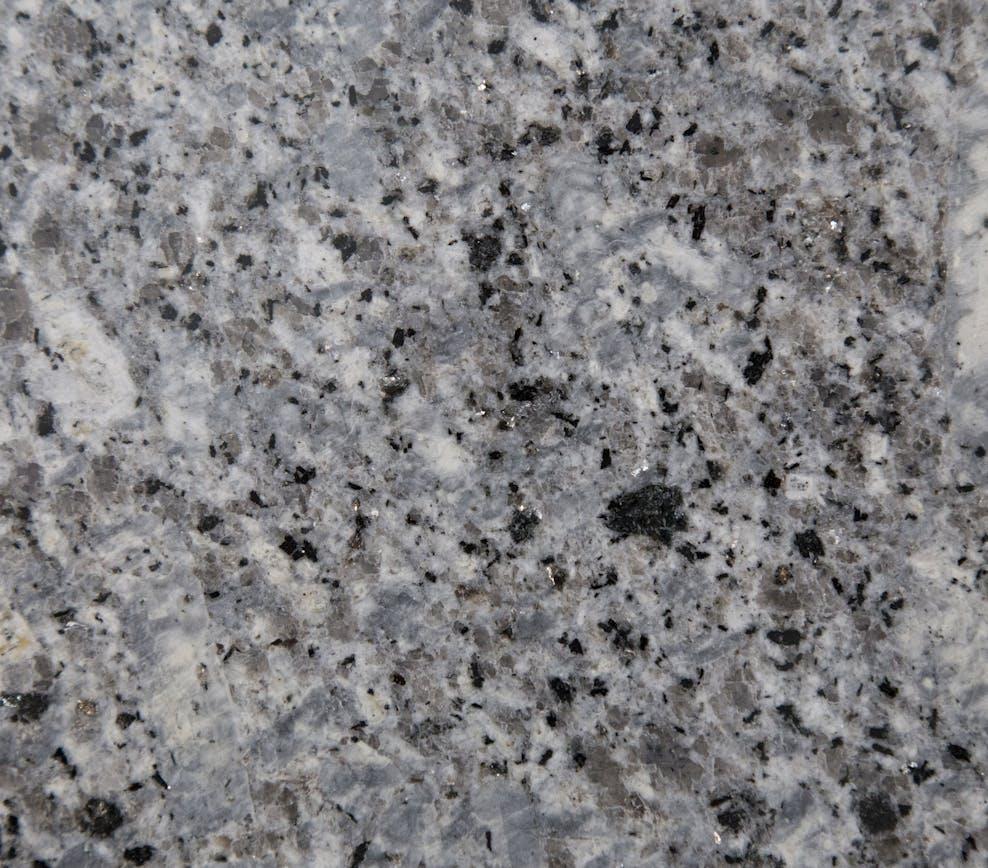
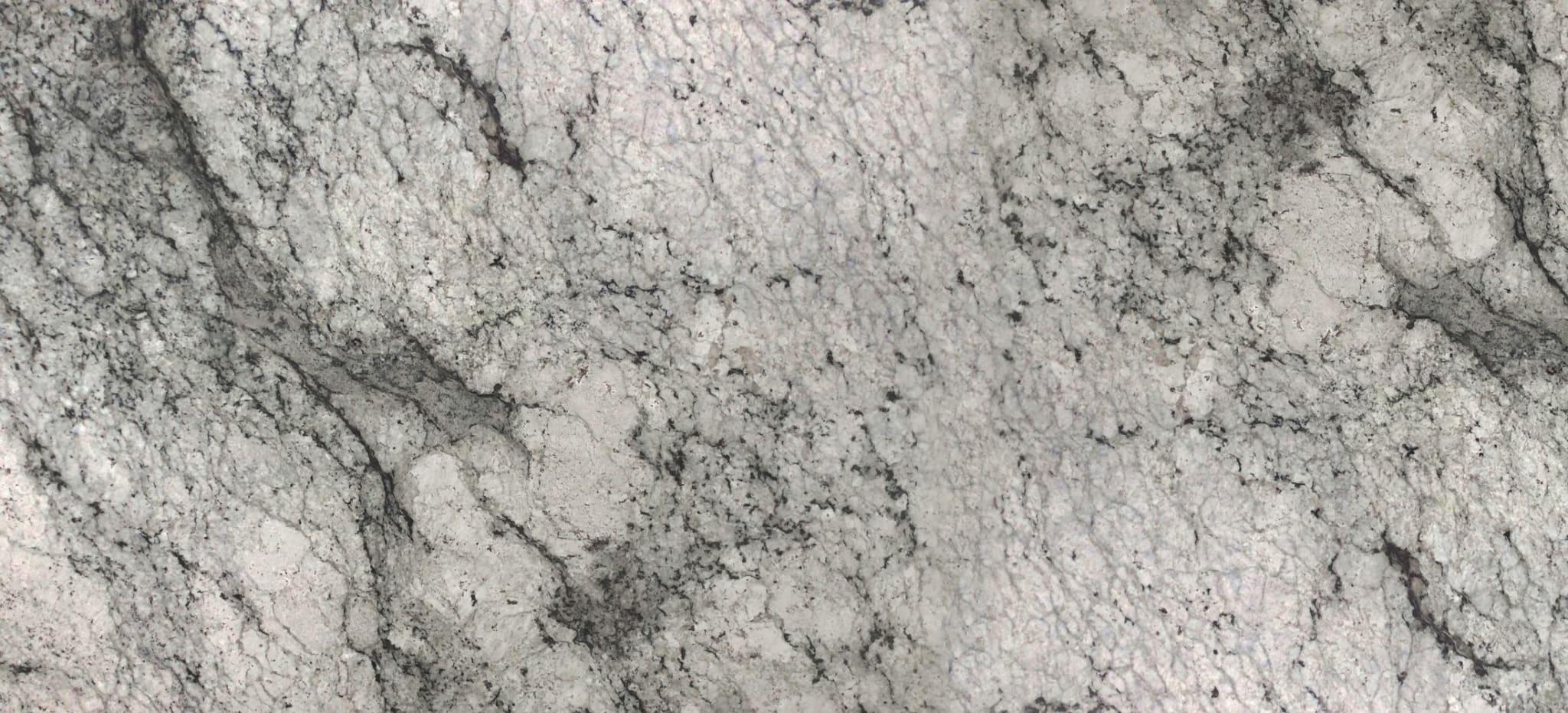
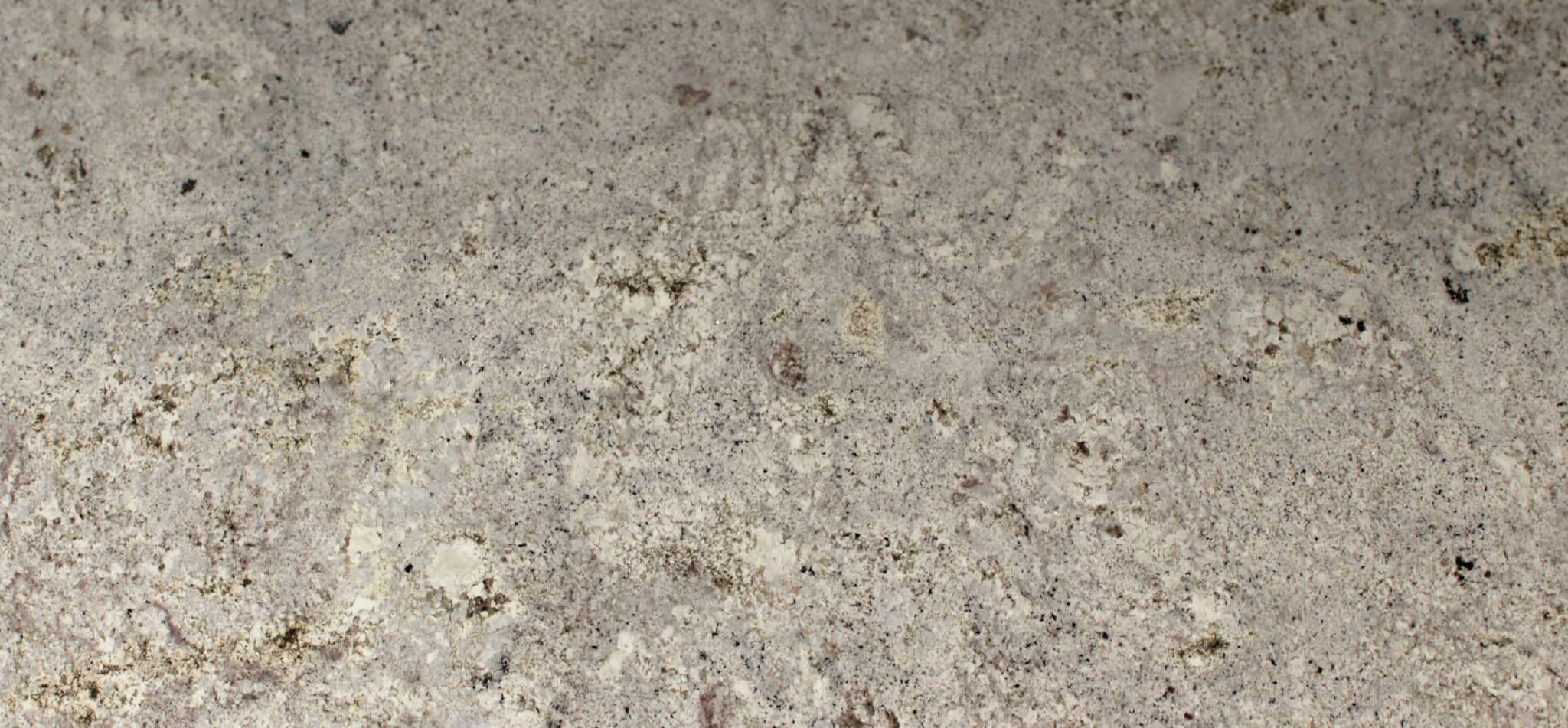
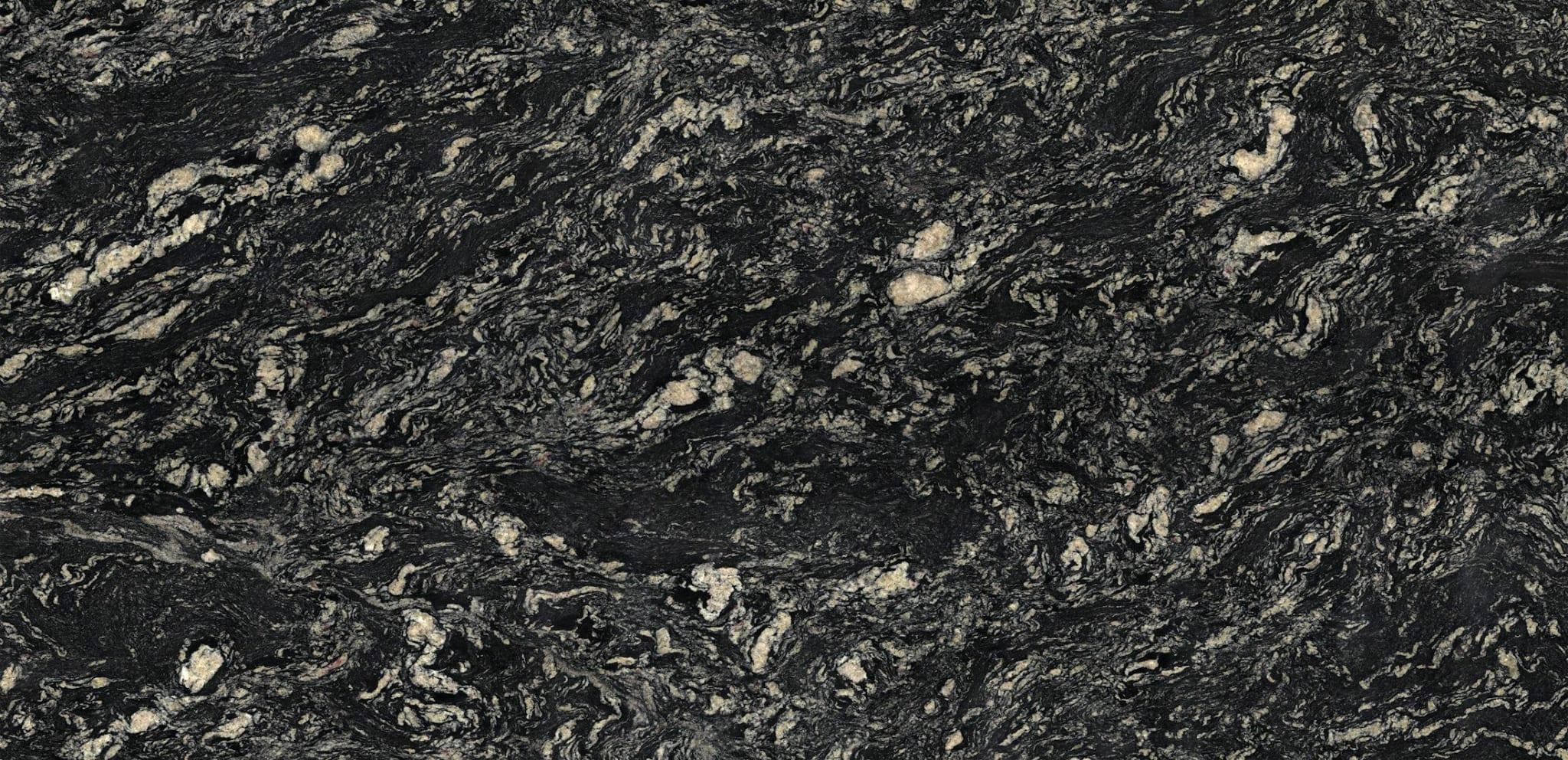
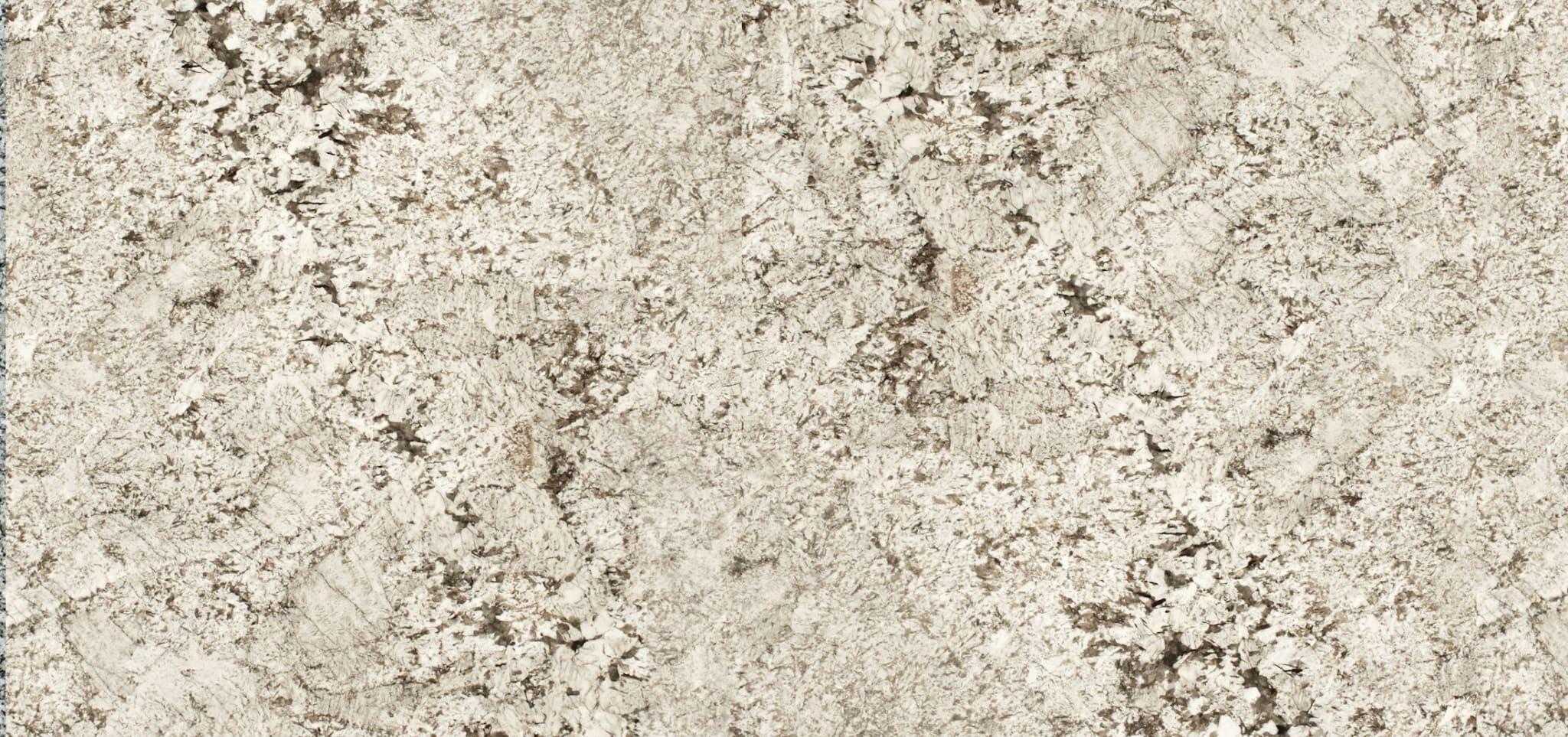
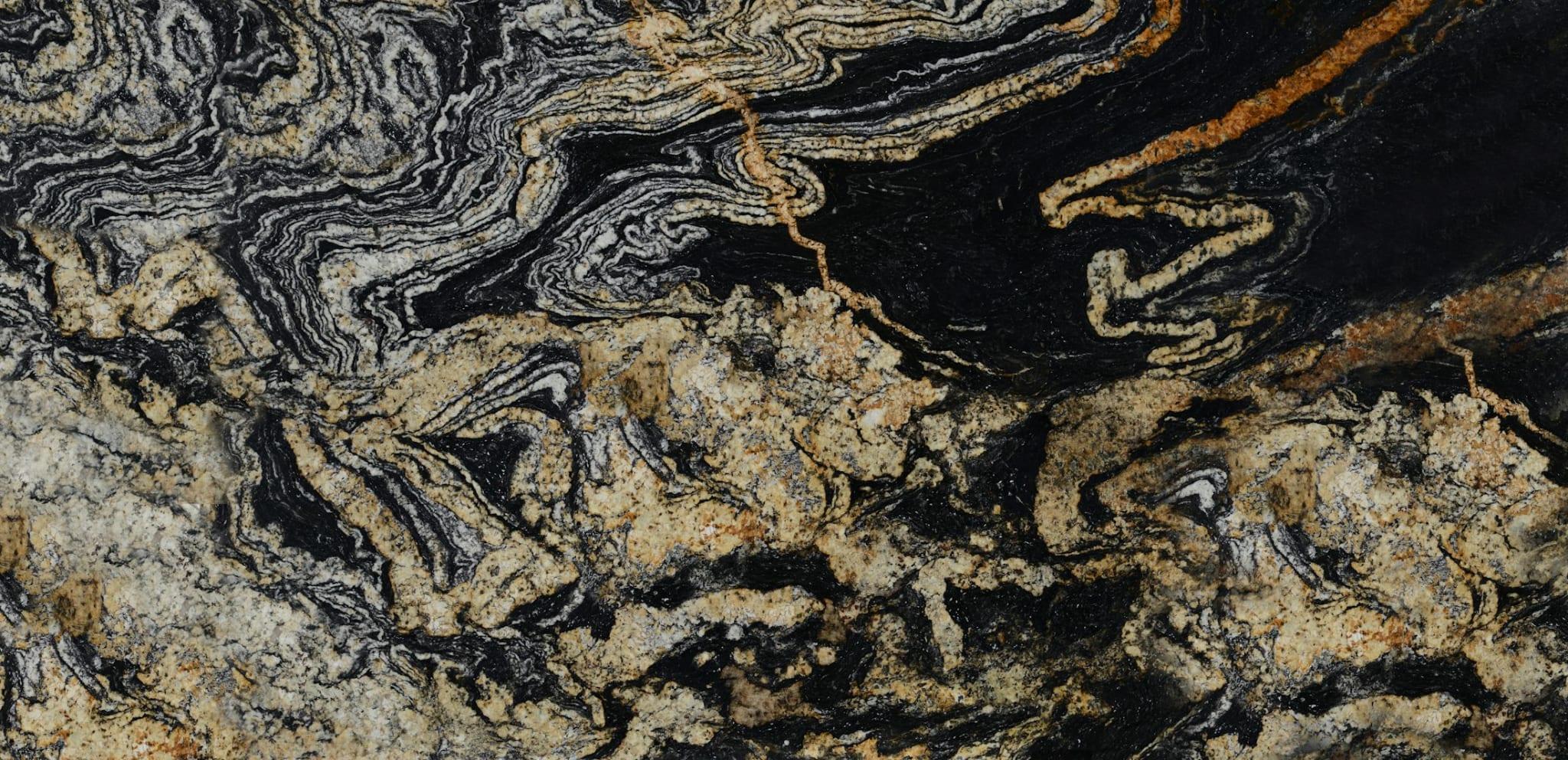
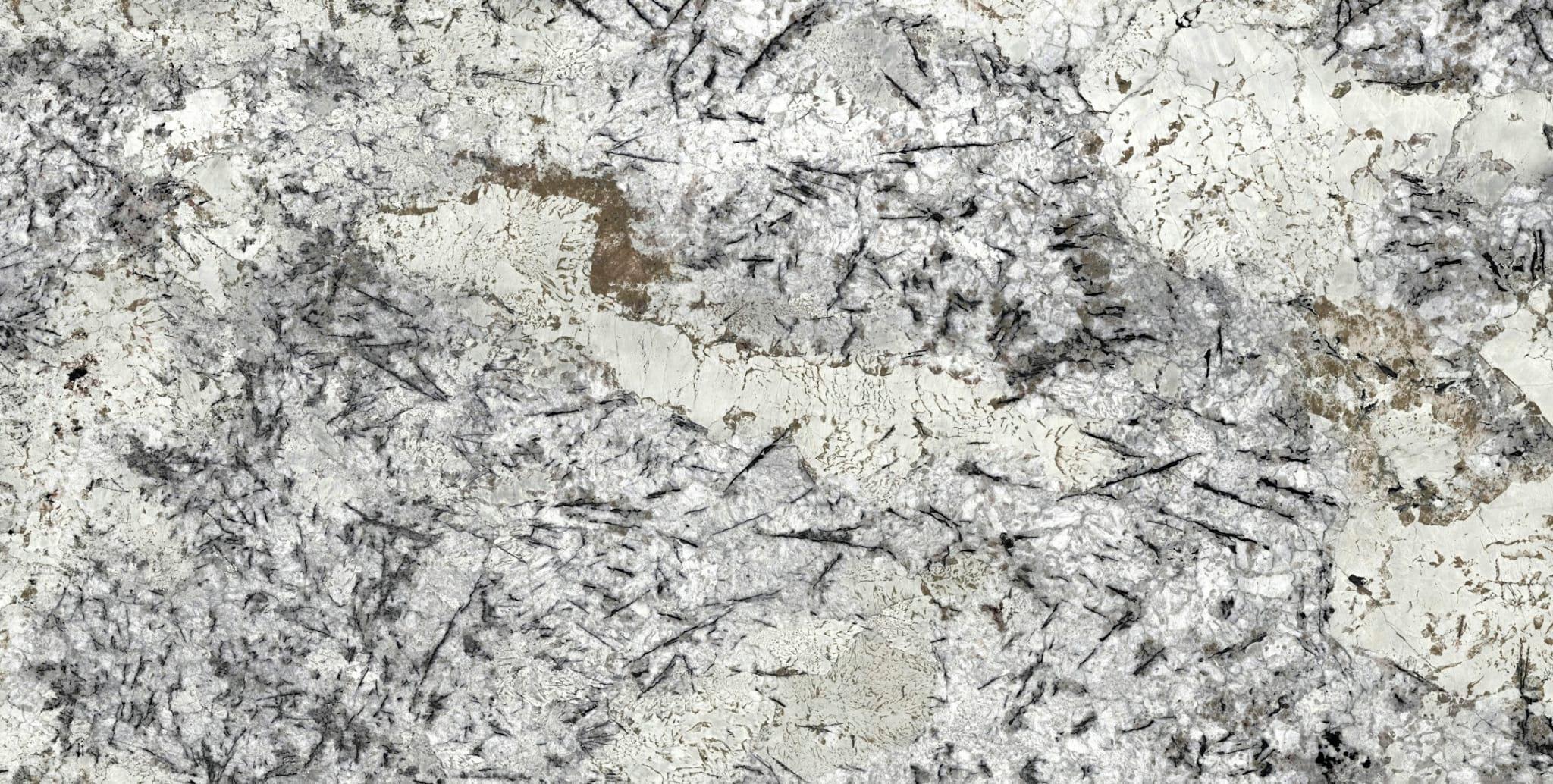
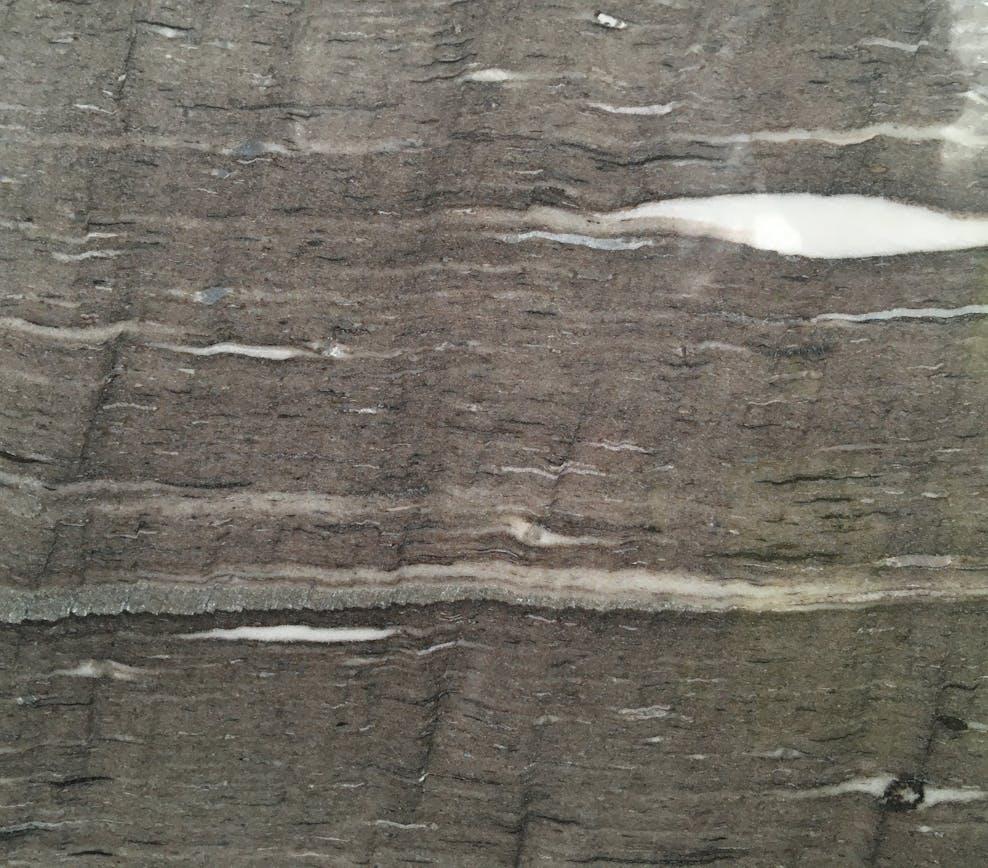
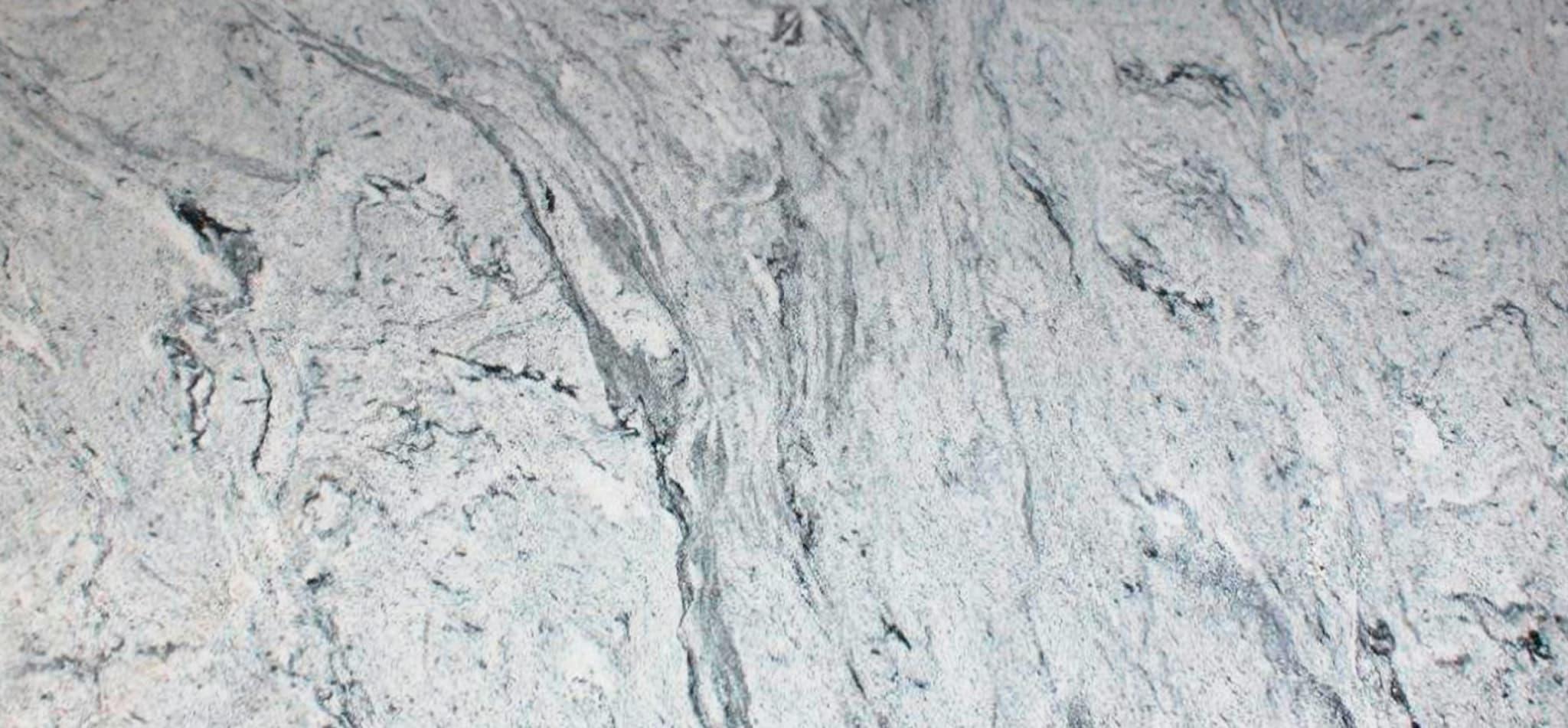
Granite is an igneous rock formed from the slow crystallization of magma deep beneath the earth's surface. That process — which takes millions of years — creates the interlocking mineral structure of quartz, feldspar, and mica that gives granite its characteristic speckled appearance, hardness, and variation. Every slab that comes out of a quarry is genuinely unique. No two pieces share identical veining, color distribution, or mineral pattern.
Standard granite slab sizes follow the same formats as quartz: 63×126 inches for the most common residential format, with jumbo slabs at 65×130 for large islands and commercial runs. Thickness options are 2cm (standard) and 3cm (premium, structural). Unlike engineered stone, granite slabs are cut directly from quarried blocks, which means the color and pattern a fabricator receives may vary slightly from the display sample — a factor worth communicating to clients on design-driven projects.
Granite is quarried globally — Brazil, India, Italy, China, and Norway are among the major sources — and origin directly affects cost, availability, and aesthetic character.
How Much Do Granite Slabs Cost?
Granite has the widest price range of any common countertop material. That is one of its core advantages: the same material type can serve a budget renovation and a luxury custom kitchen, at completely different price points.
Material Cost (uninstalled slab, retail)
| Grade | Retail Price Range | Wholesale on GoSource | Typical Applications |
|---|---|---|---|
| Entry (Level 1) | $15–$30/sq.ft | $12–$25/sq.ft | Rental units · Budget residential · High-volume turns |
| Mid (Level 2) | $30–$55/sq.ft | $25–$46/sq.ft | Standard residential kitchens · Spec builds |
| Premium (Level 3+) | $55–$175+/sq.ft | $46–$148+/sq.ft | Luxury residential · Exotic imports · Commercial |


Installed Cost (material + fabrication + labor)
Installed granite countertops range at $45–$100/sq.ft for most residential work. For a full kitchen project, most buyers land between $3,000 and $5,000 total, with a national average of $3,250.
That figure includes:
- The slab material
- Fabricator cutting, edging, and polishing
- Professional installation
- Sink and appliance cutouts
For trade professionals sourcing slabs directly, the material is the controllable cost variable. On a 20-unit multifamily turn using mid-grade granite, a 15% wholesale discount versus retail translates to significant savings per unit across the full project scope.
Granite Grades: What Levels 1, 2, and 3 Actually Mean
Granite suppliers and distributors use a leveling system — Level 1, Level 2, Level 3 (or higher) — to tier slabs by complexity, origin, and rarity. The levels are not a universal industry standard, so two different suppliers may use the term slightly differently. Here is what they generally reflect:
Level 1 — Entry
Straightforward patterns, typically solid or lightly speckled, often domestically sourced or produced at high volume from consistent quarries. Thinner (often 2cm). Widely stocked, shortest lead times, lowest fabrication complexity. The right call for budget-sensitive residential projects, rental units, and high-volume multifamily turns where cost per unit matters more than uniqueness.
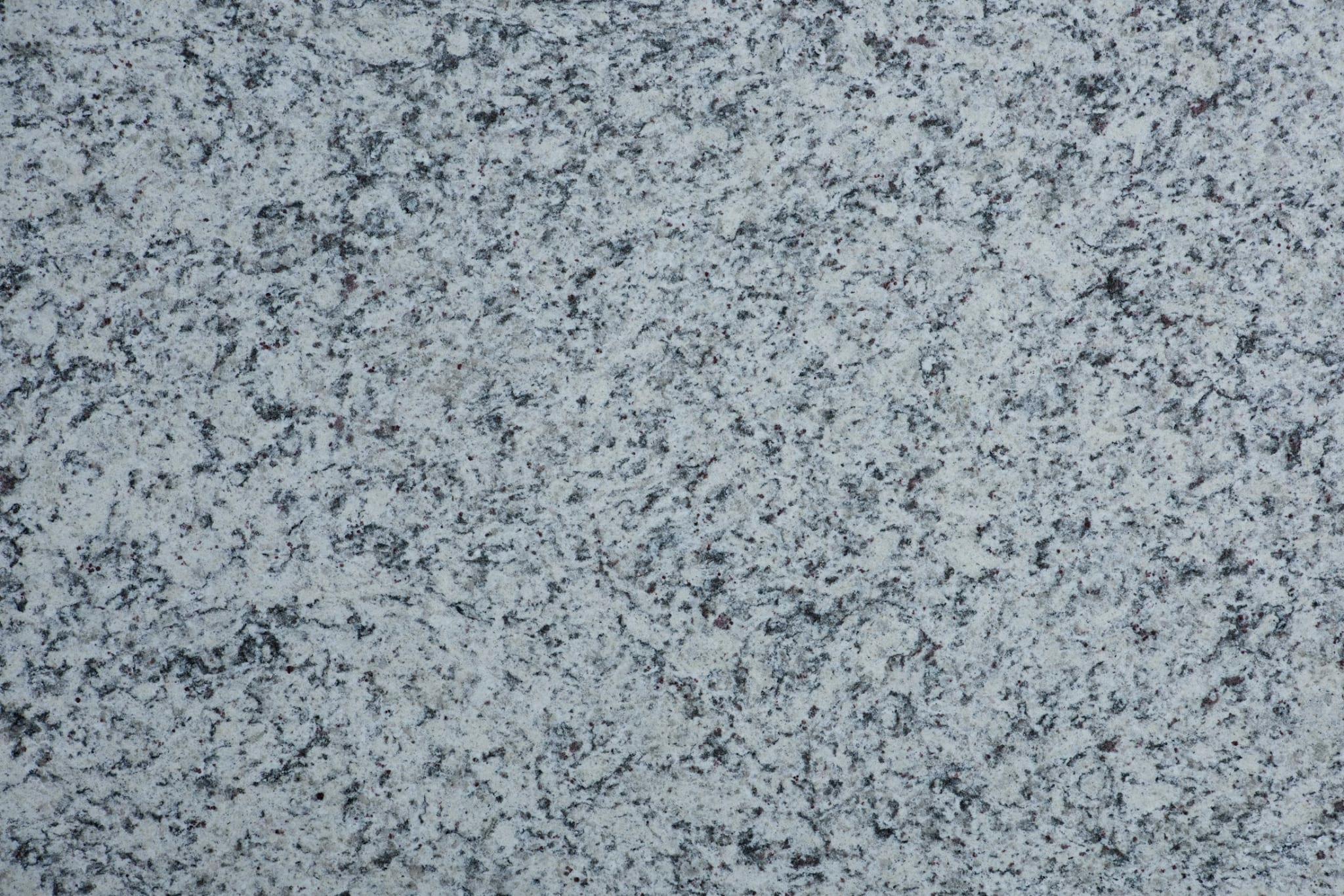
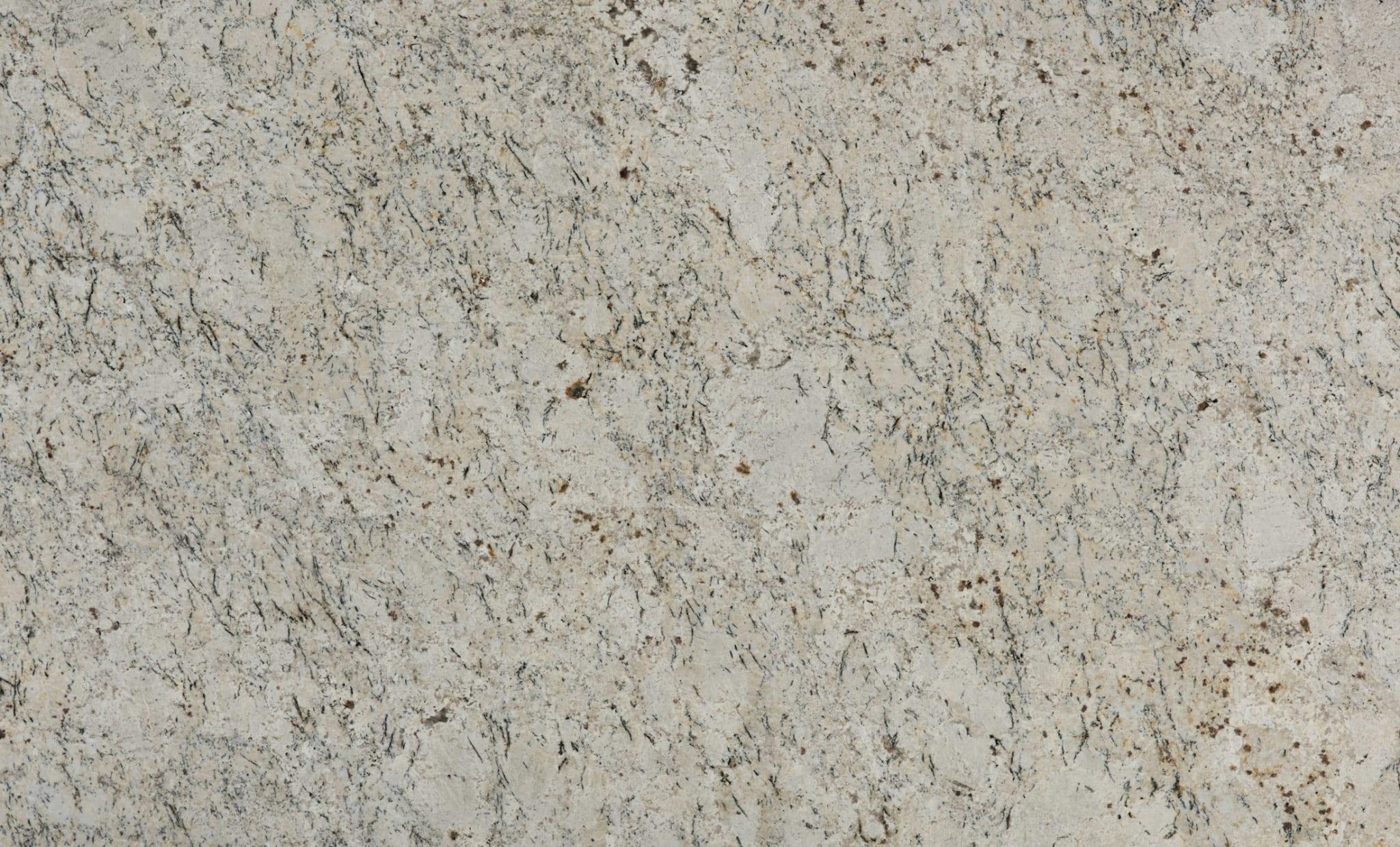
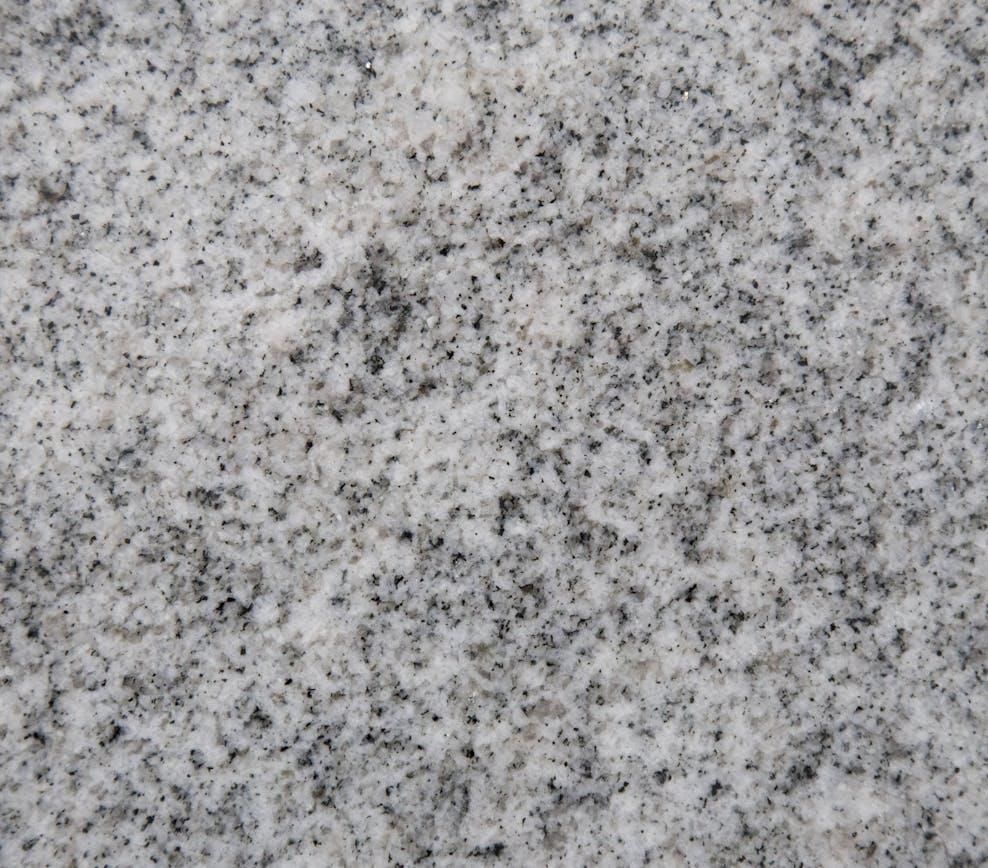
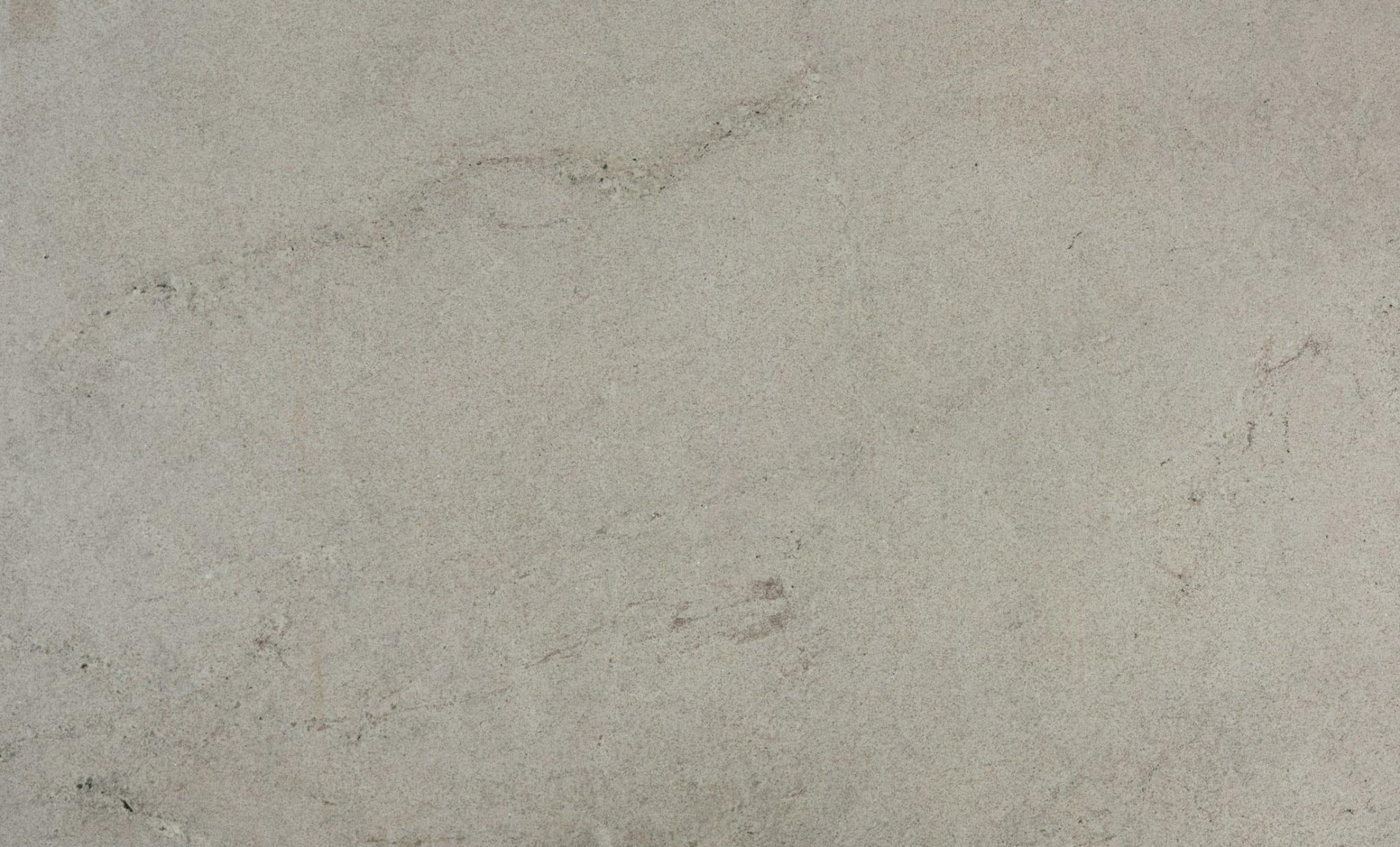
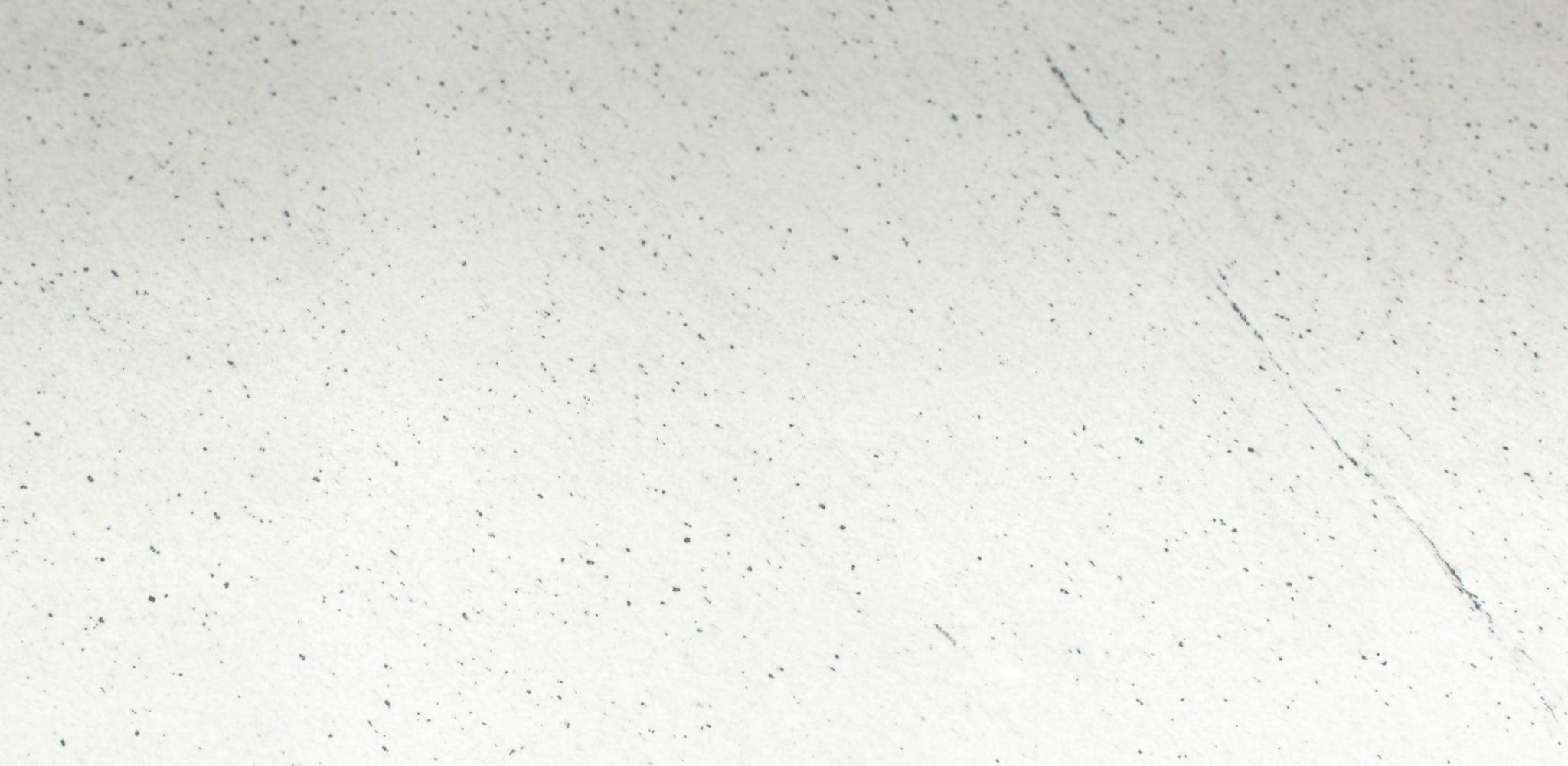
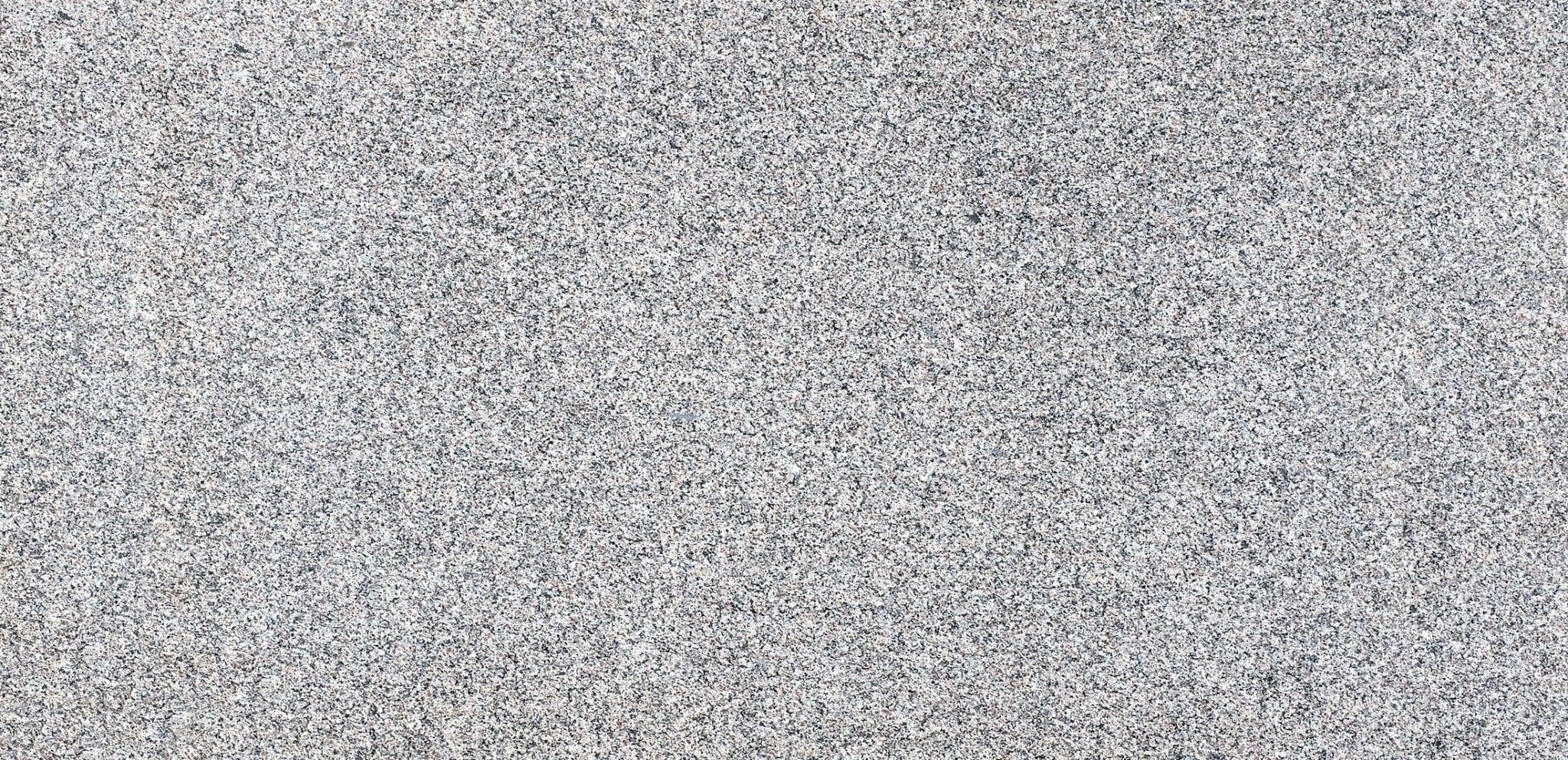
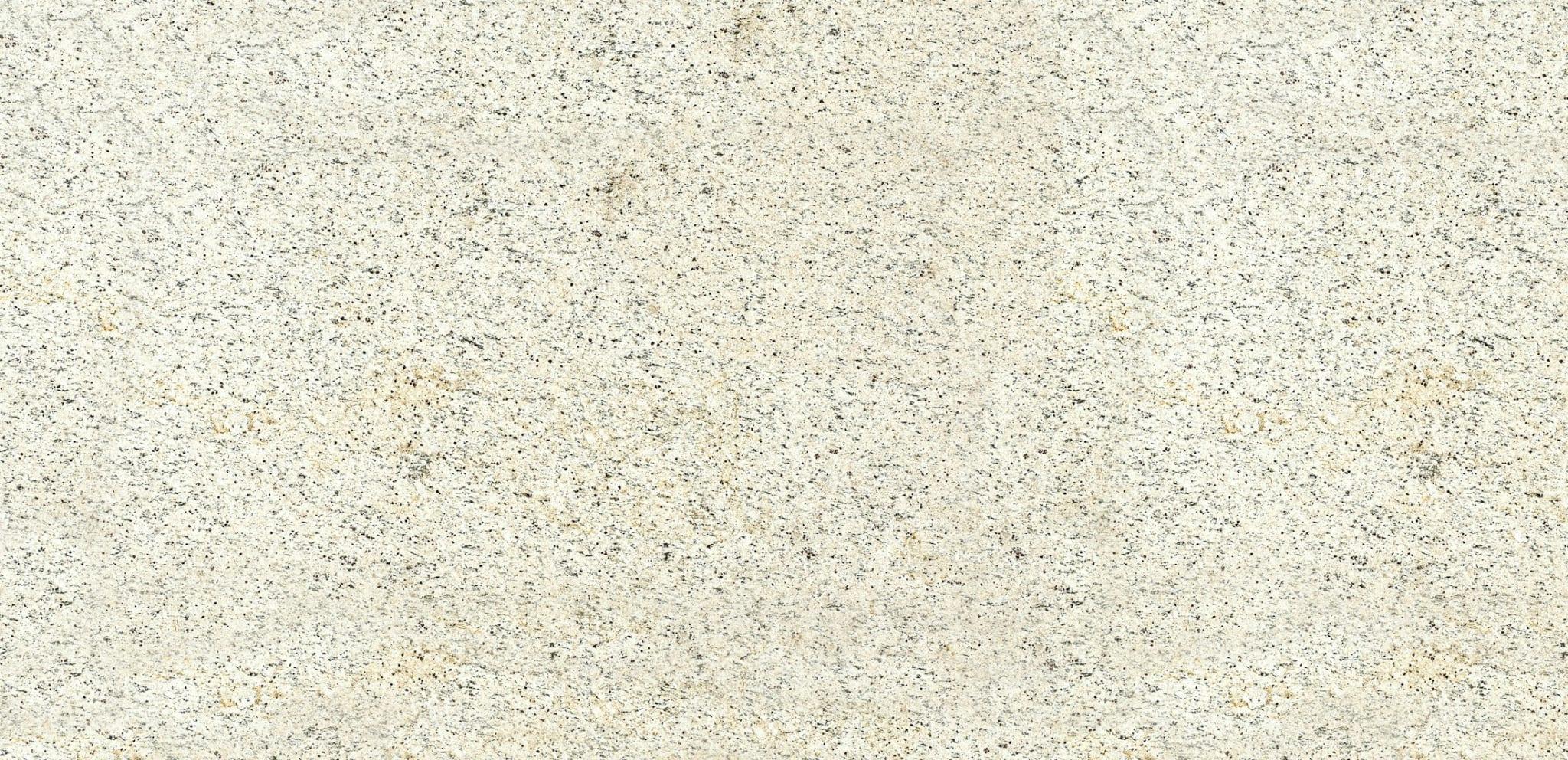
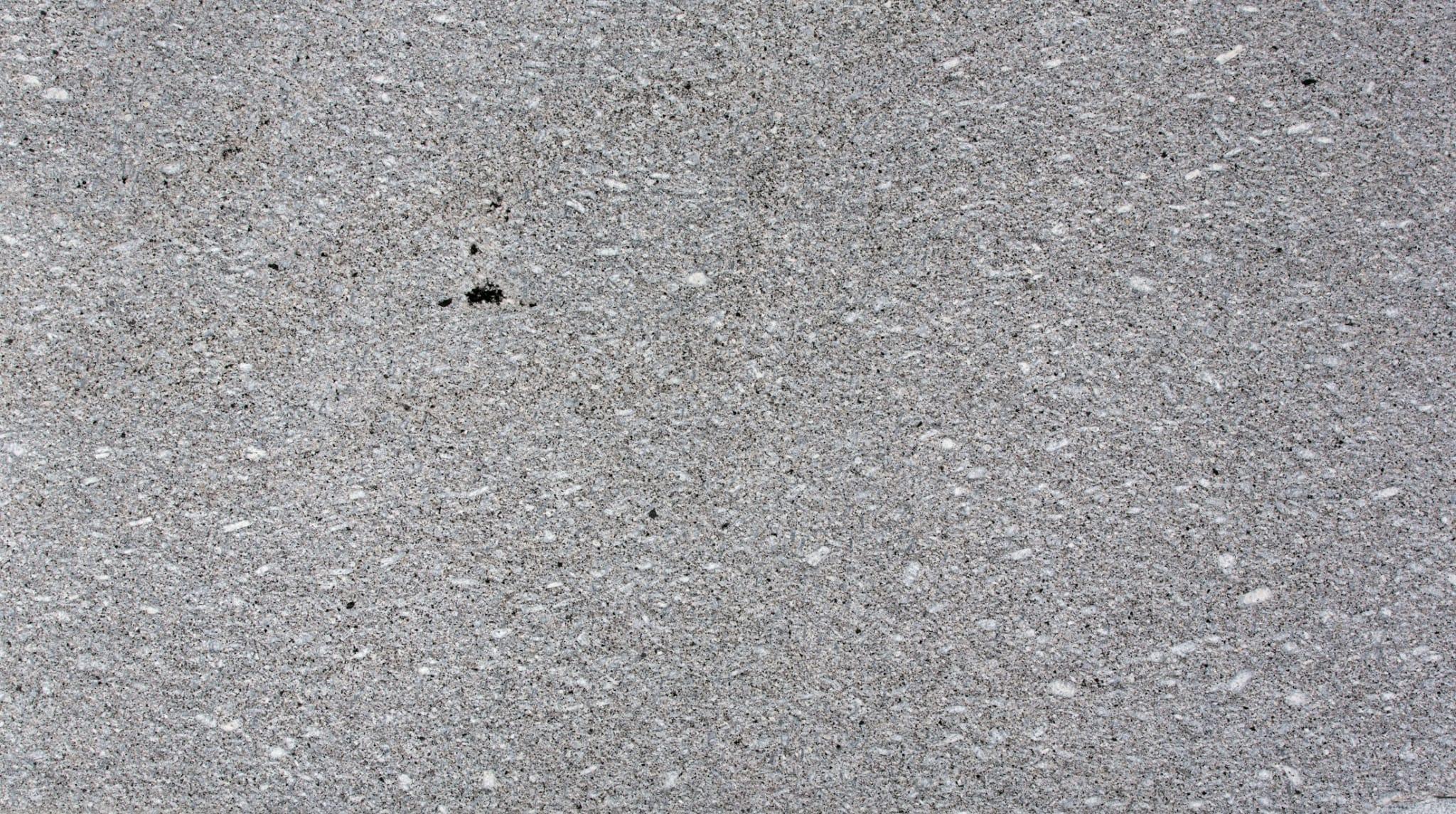
GoSource examples: Aspen White, Silver Cloud, Arctic Sand (By MSI)
Level 2 — Mid-Range
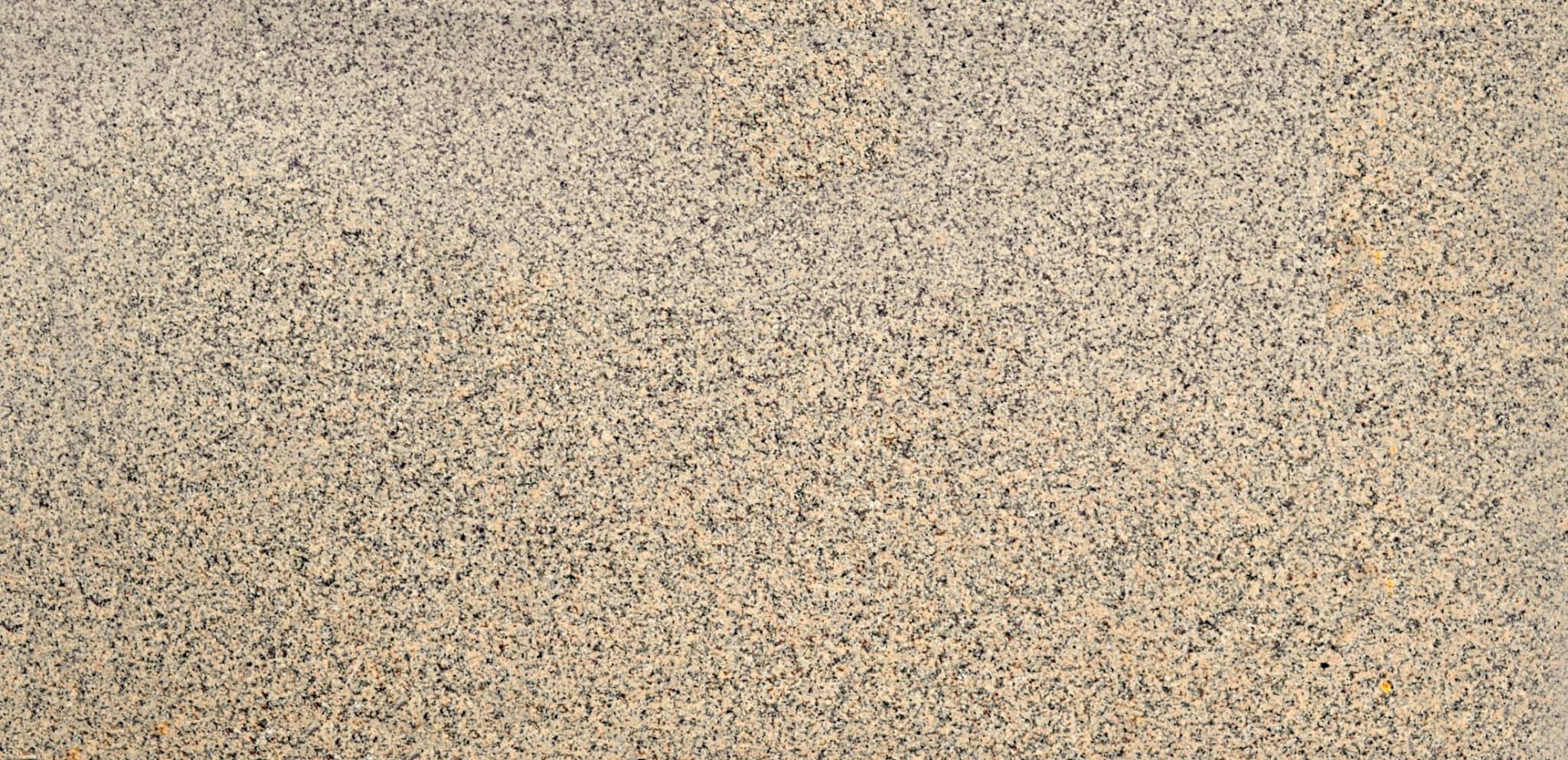
More color variation, movement, and visual interest. Often imported (Brazil, India). Requires slightly more fabrication attention for matching across seams. This is the most popular tier for standard residential kitchens — it delivers a high-end look at an accessible price and covers the broadest range of design preferences.
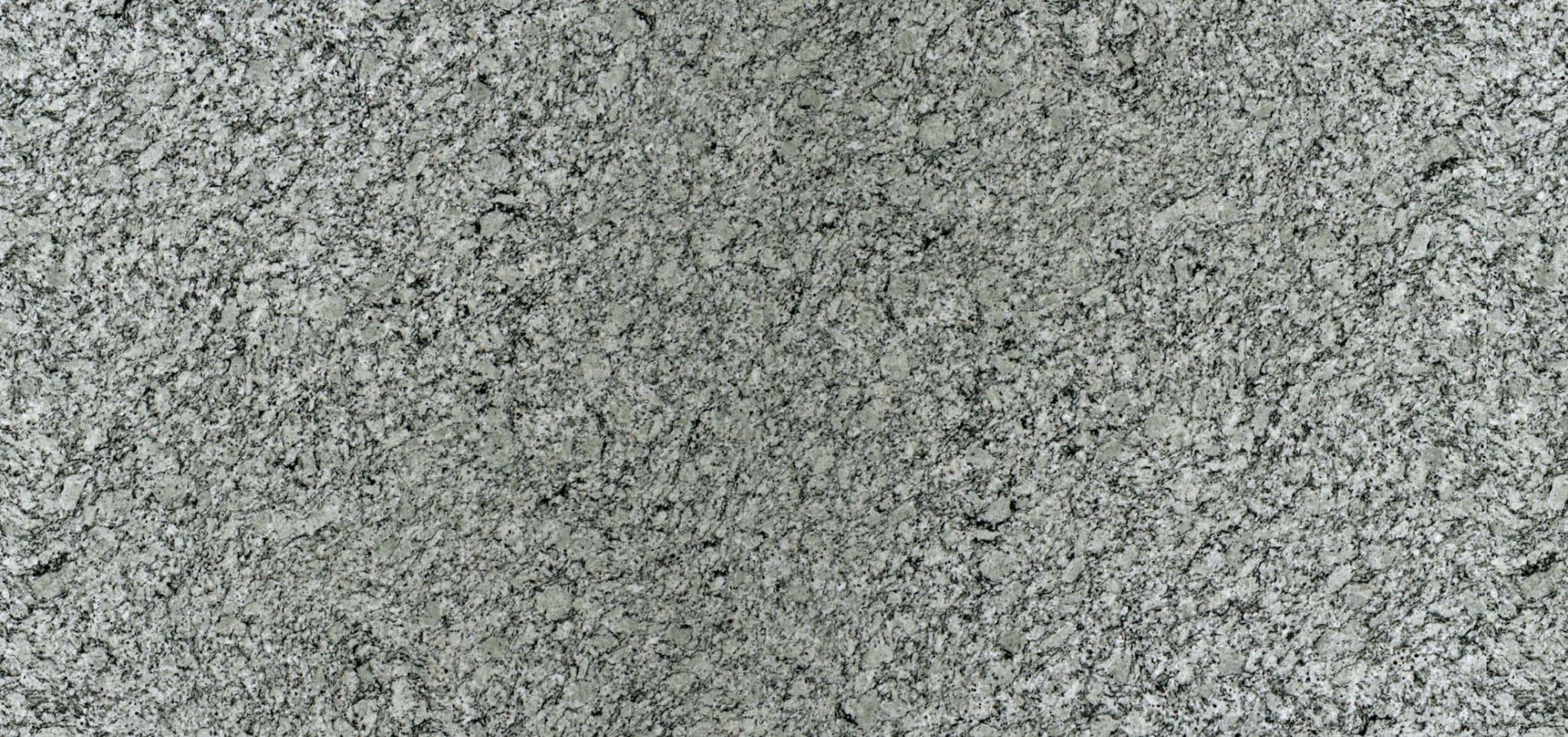
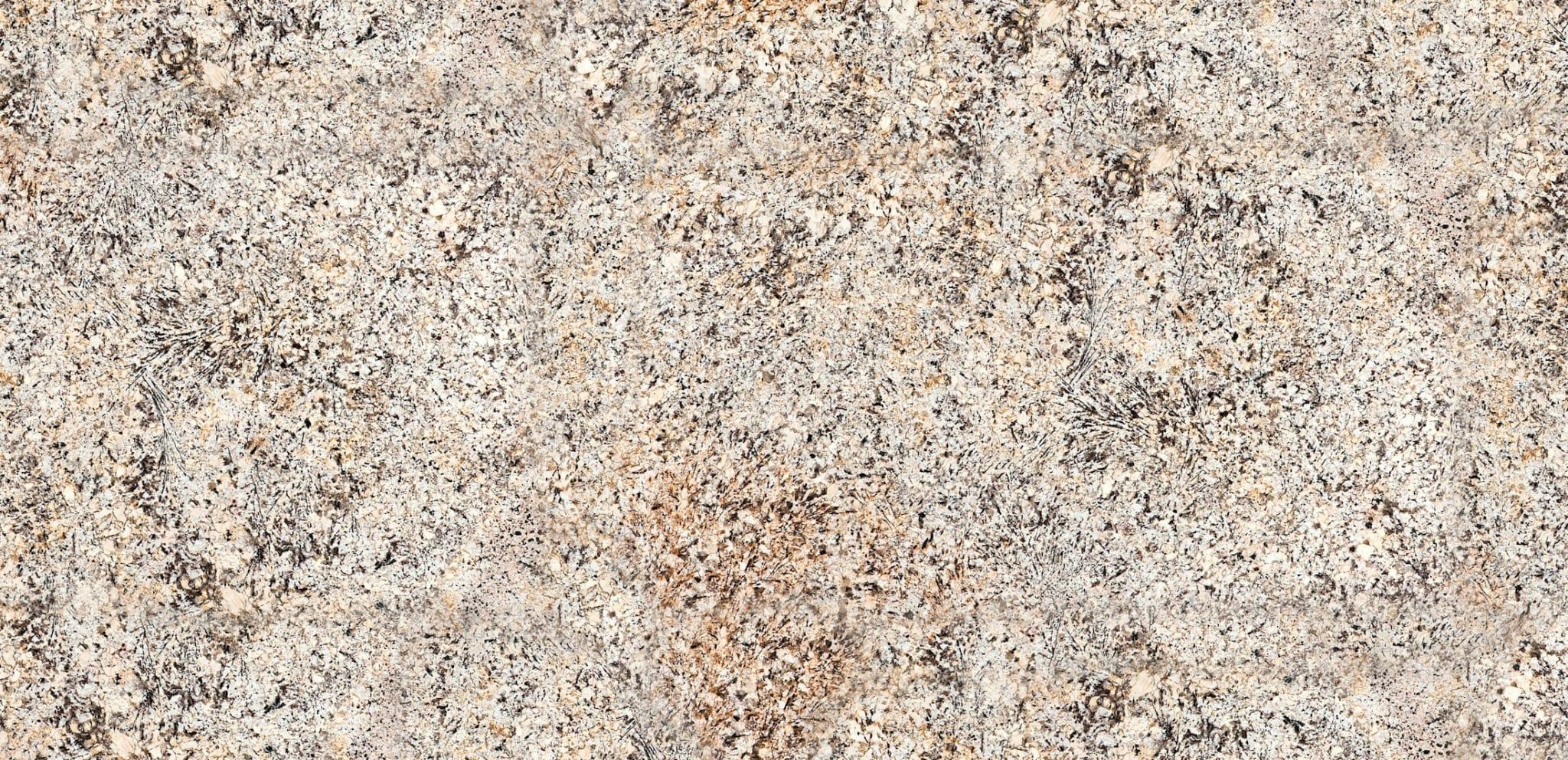
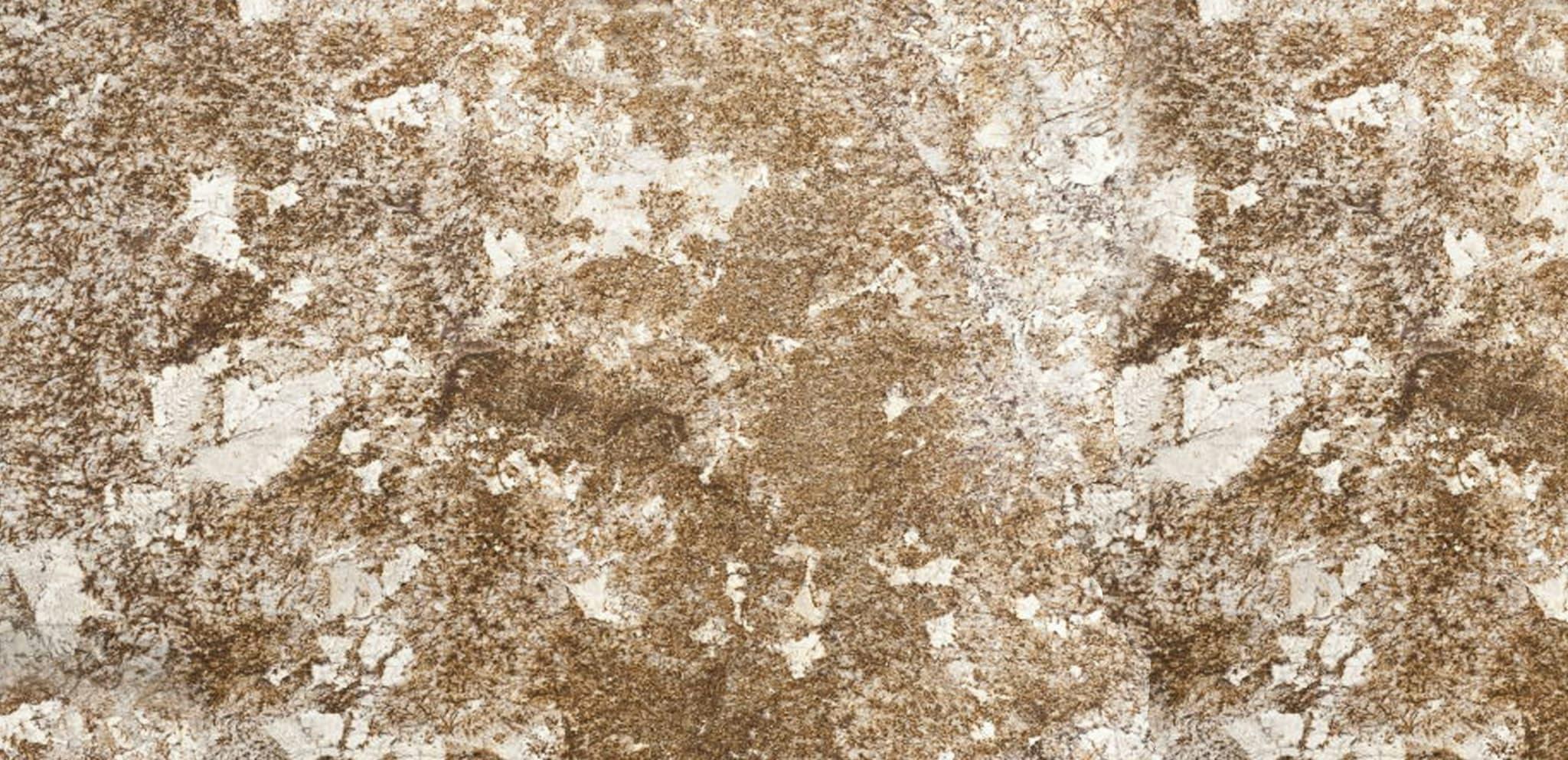
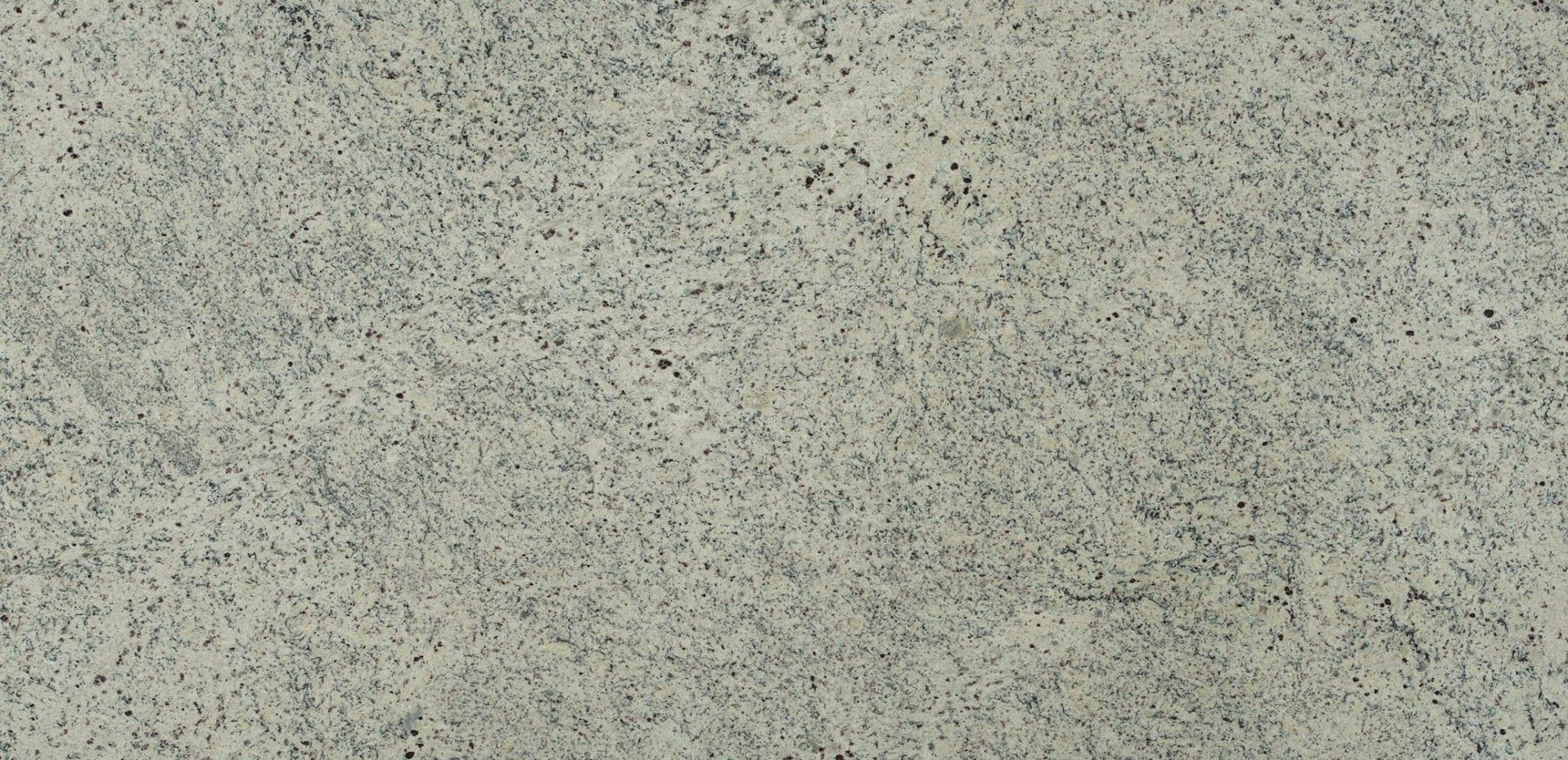
GoSource examples: Sunset Canyon, Mirage White, Desert Dream, Silver Waves
Level 3+ — Premium and Exotic
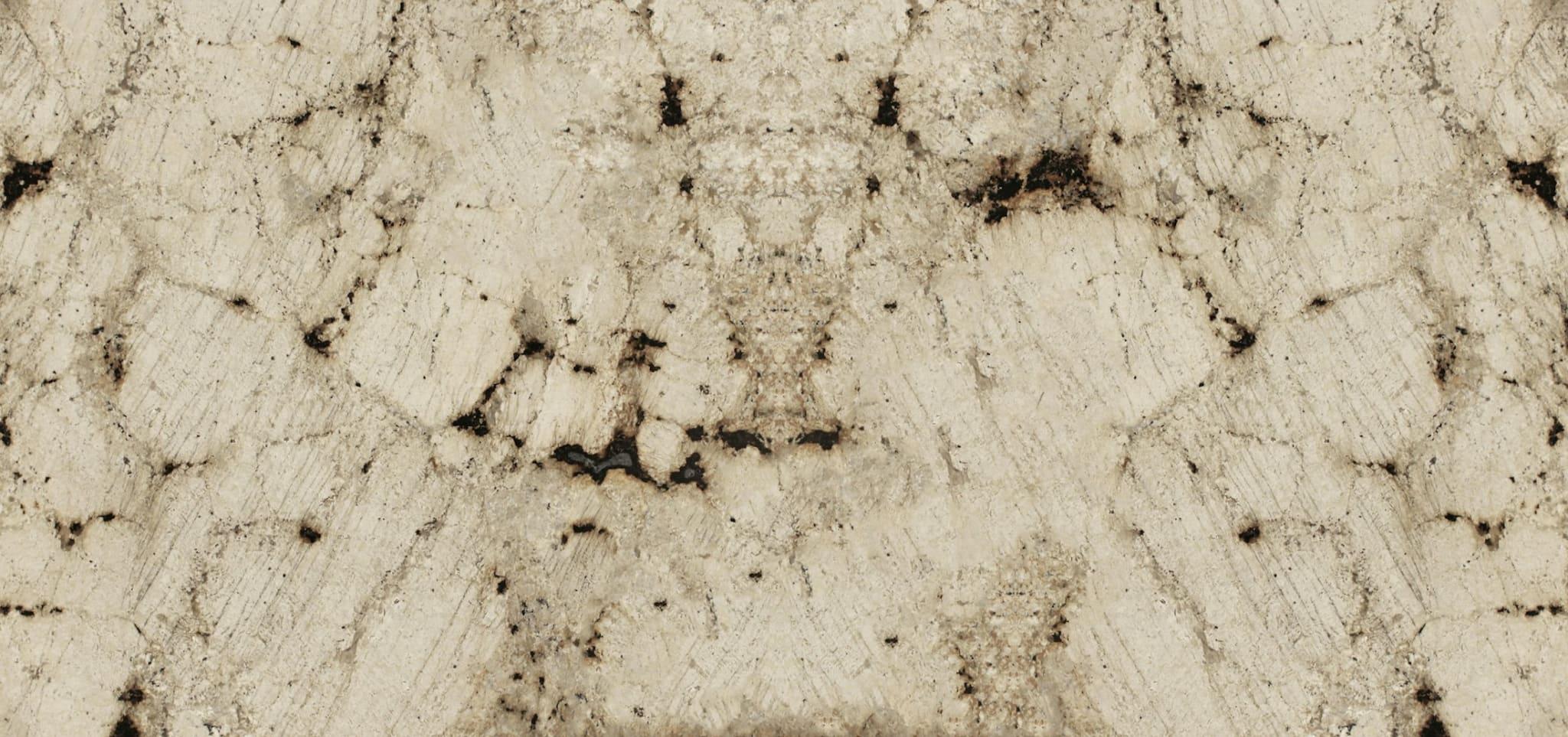
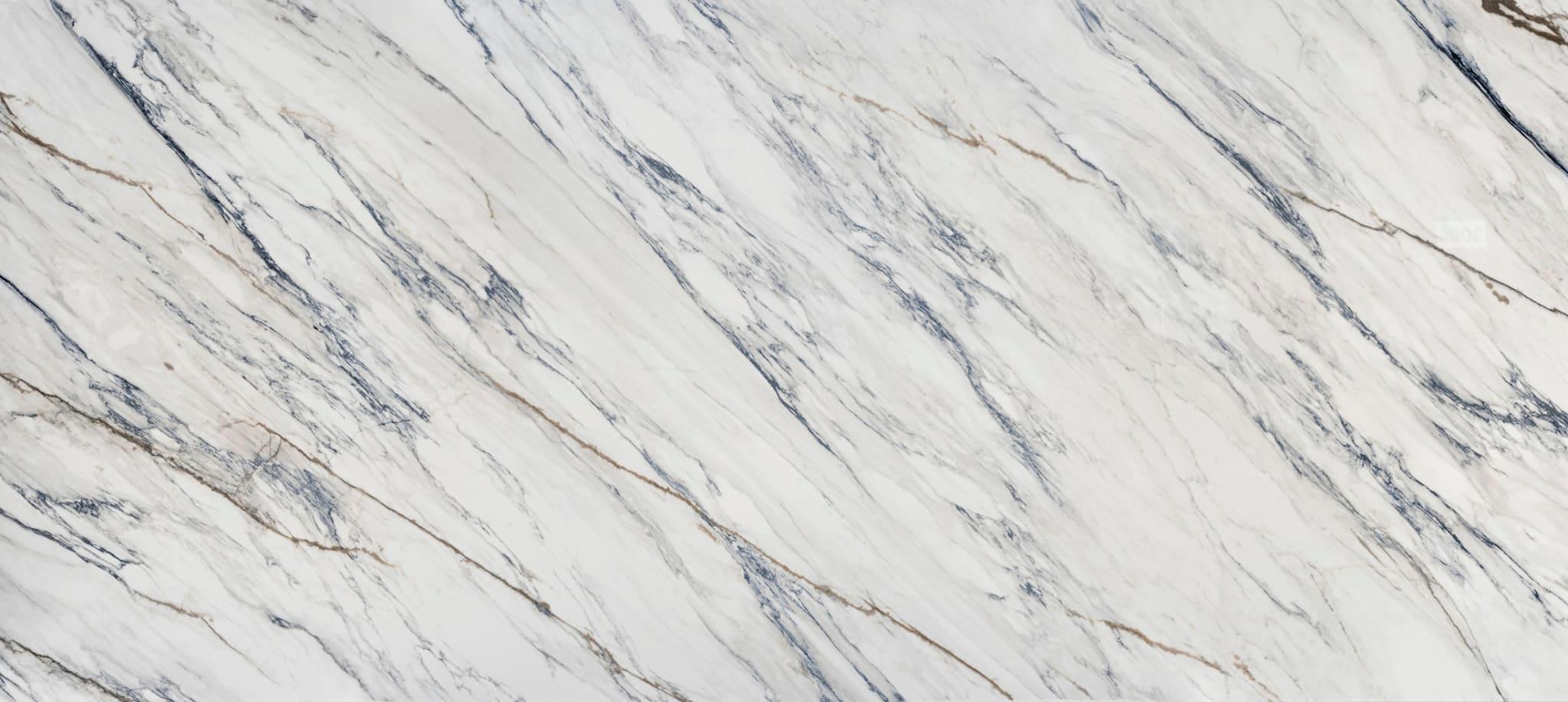
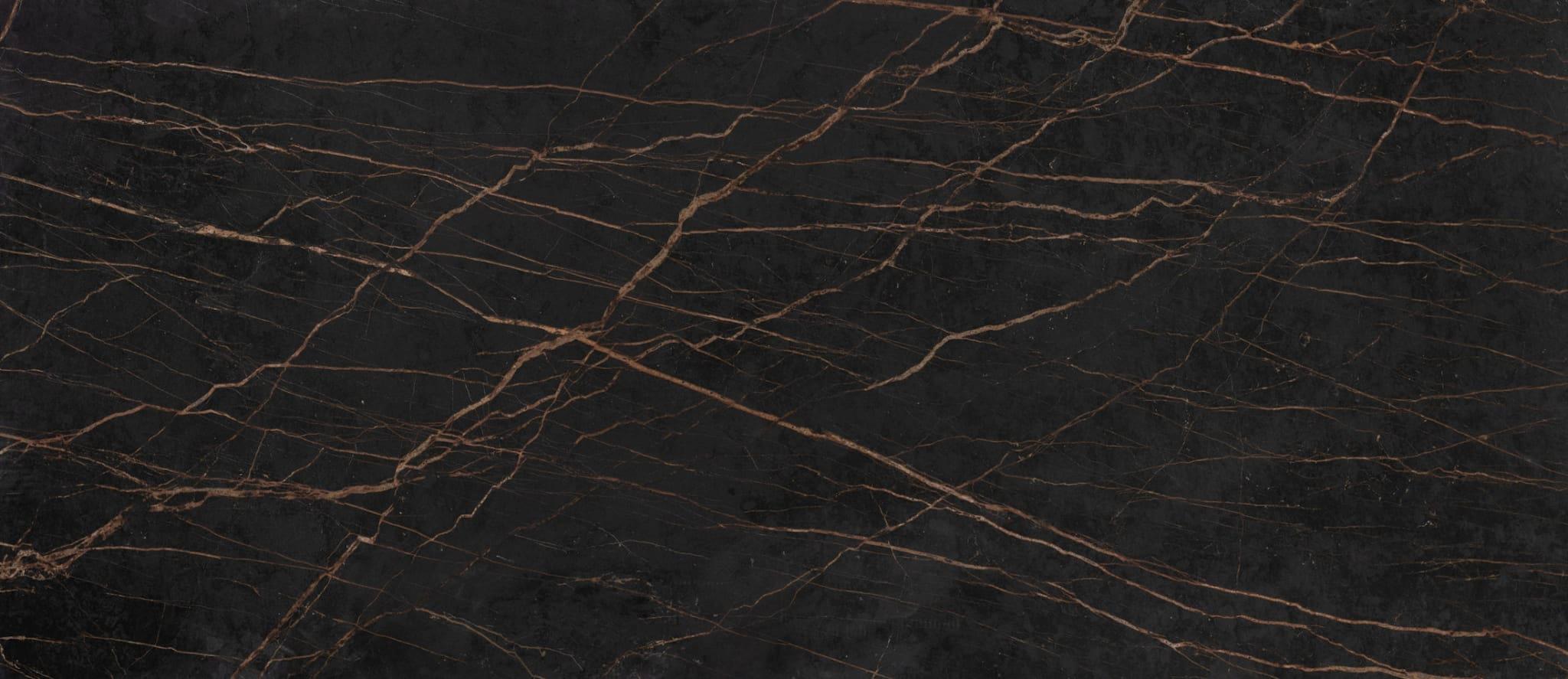
Rare quarry origins, dramatic veining, uncommon color combinations (blues, greens, golds), or near-unique patterns. Some exotic slabs — Blue Pearl from Norway, Lennon from Brazil, Azurite — have no close substitute in appearance. These slabs command premium pricing because quarry availability is limited, transport costs are higher, and fabrication requires more skill to handle variation across a run.
GoSource examples: Azurite, Blue Jeans, African Rainbow, Orinoco (By Sensa)
What Drives Granite Slab Pricing?
Unlike engineered quartz, where manufacturing controls consistency and cost is largely brand-driven, granite pricing reflects natural supply factors that can shift quarter to quarter.
Quarry origin and rarity. A common gray granite from a high-volume Brazilian quarry costs a fraction of a rare Nordic blue or an Indian exotic. Origin is the single largest pricing variable at the premium end.
Color and pattern. White and gray granites are the most in-demand and therefore the most consistently stocked. Unusual colors (blue, green, deep red) are rarer in quarry output and carry a premium.
Slab size. Jumbo format slabs (65×130) carry a higher base cost but reduce seaming on large countertop runs, which can save fabrication time and labor.
Thickness. 3cm costs more than 2cm in both material and installation labor due to weight. For structural spans over 24 inches without full cabinet support, 3cm is typically required.
Finish. Polished (the standard) is the baseline price. Honed and leathered finishes require additional processing and add cost — though both have grown significantly in popularity for contemporary kitchen design. See our leathered Granite collection.
Unlike a commodity, every slab's value is tied to its specific origin, rarity, and the journey from quarry to showroom. That's why pricing "feels like a black box" at retail — and why wholesale access through a single platform like GoSource, with transparent pricing across hundreds of slabs, removes a significant sourcing friction for trade buyers.
Choosing Granite by Color Family
Granite's natural color range is wider than any engineered material. Here is how the main color families play in practice:
White and Light Granite
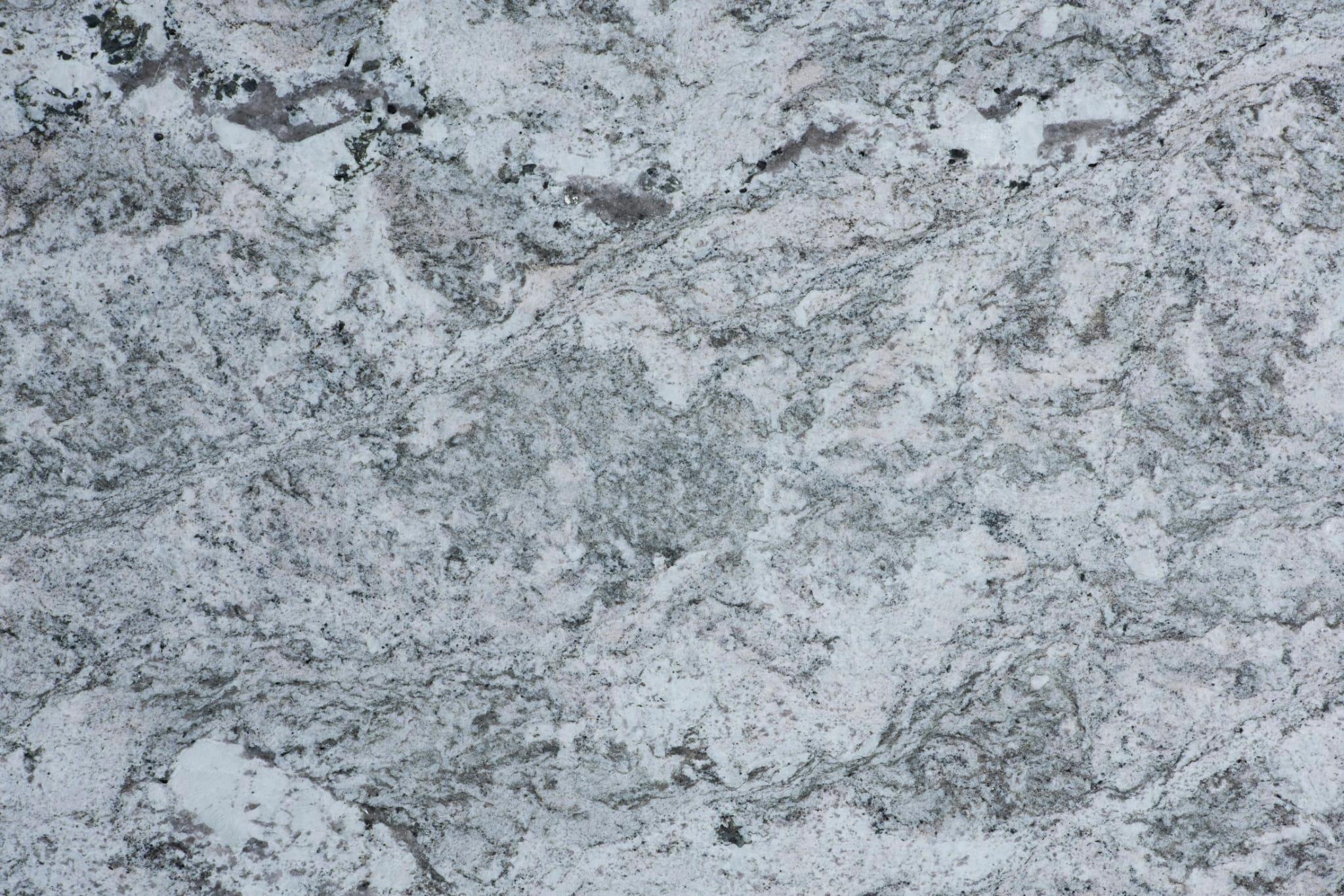
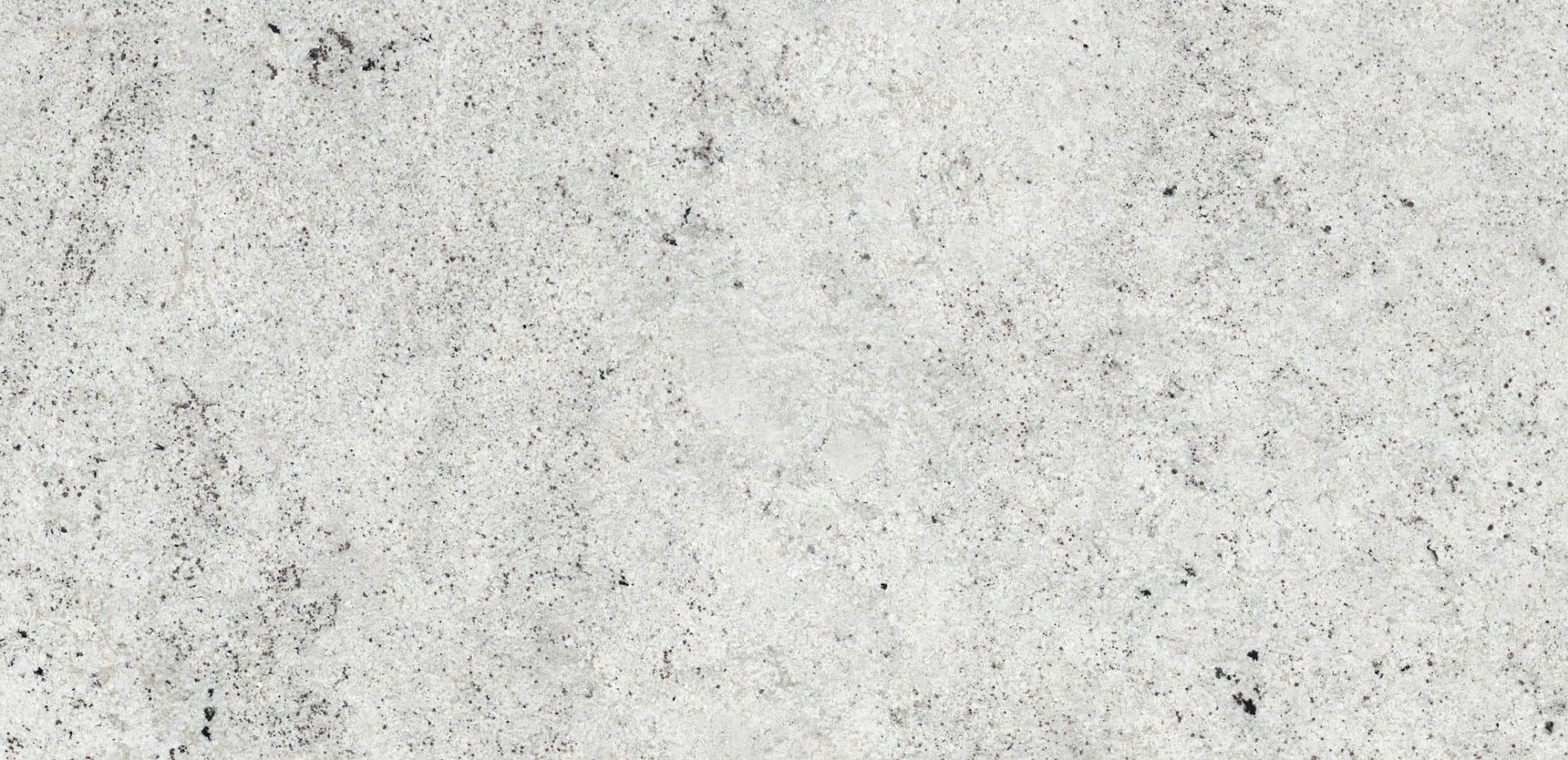
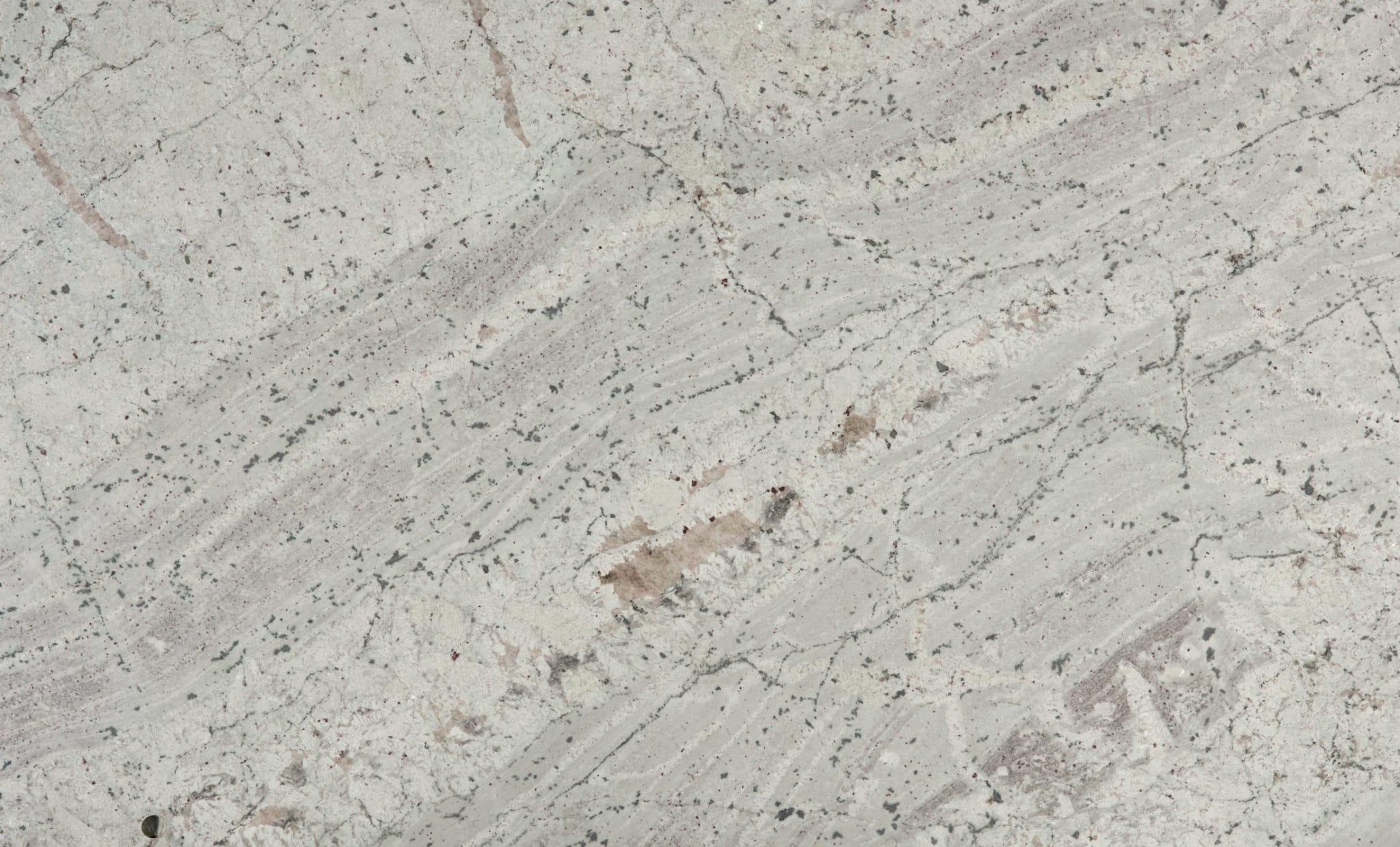
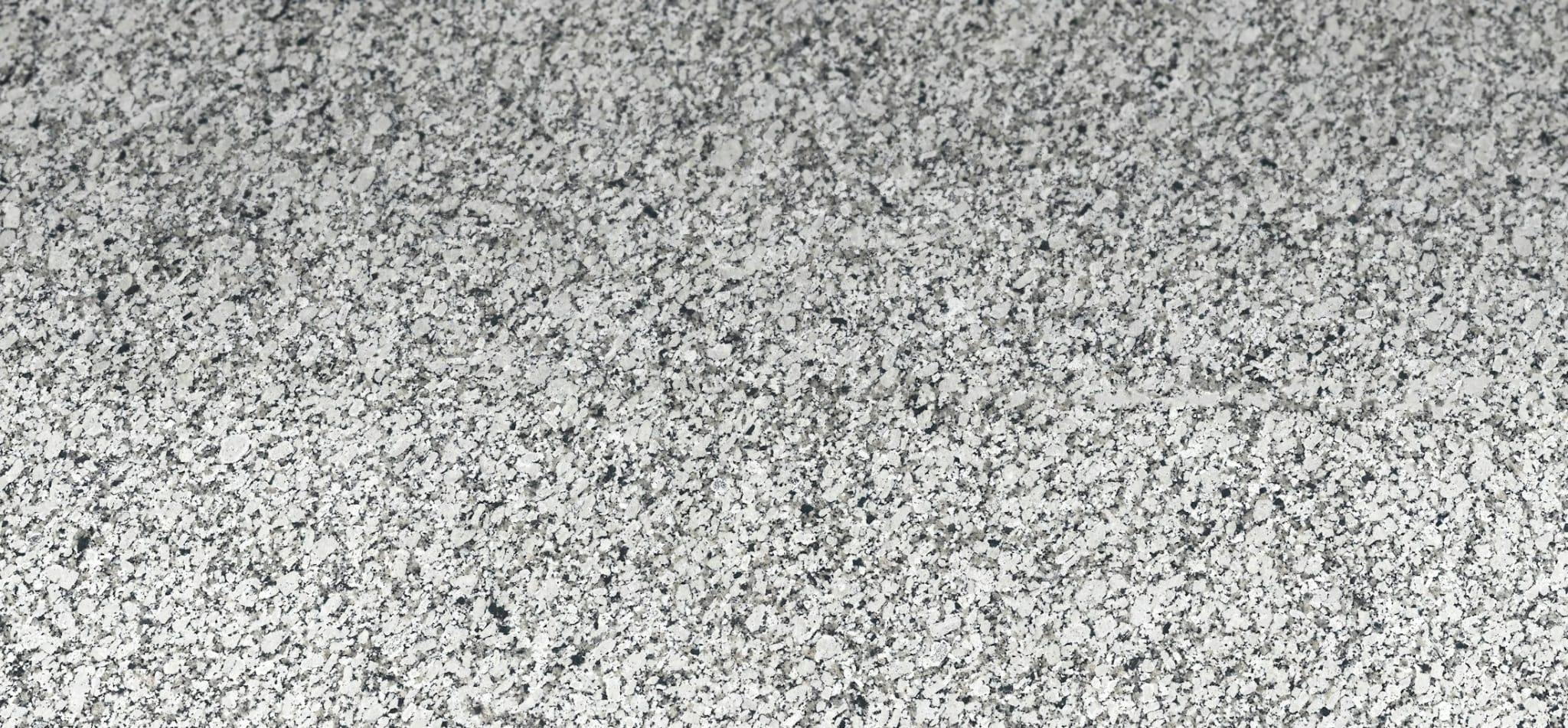
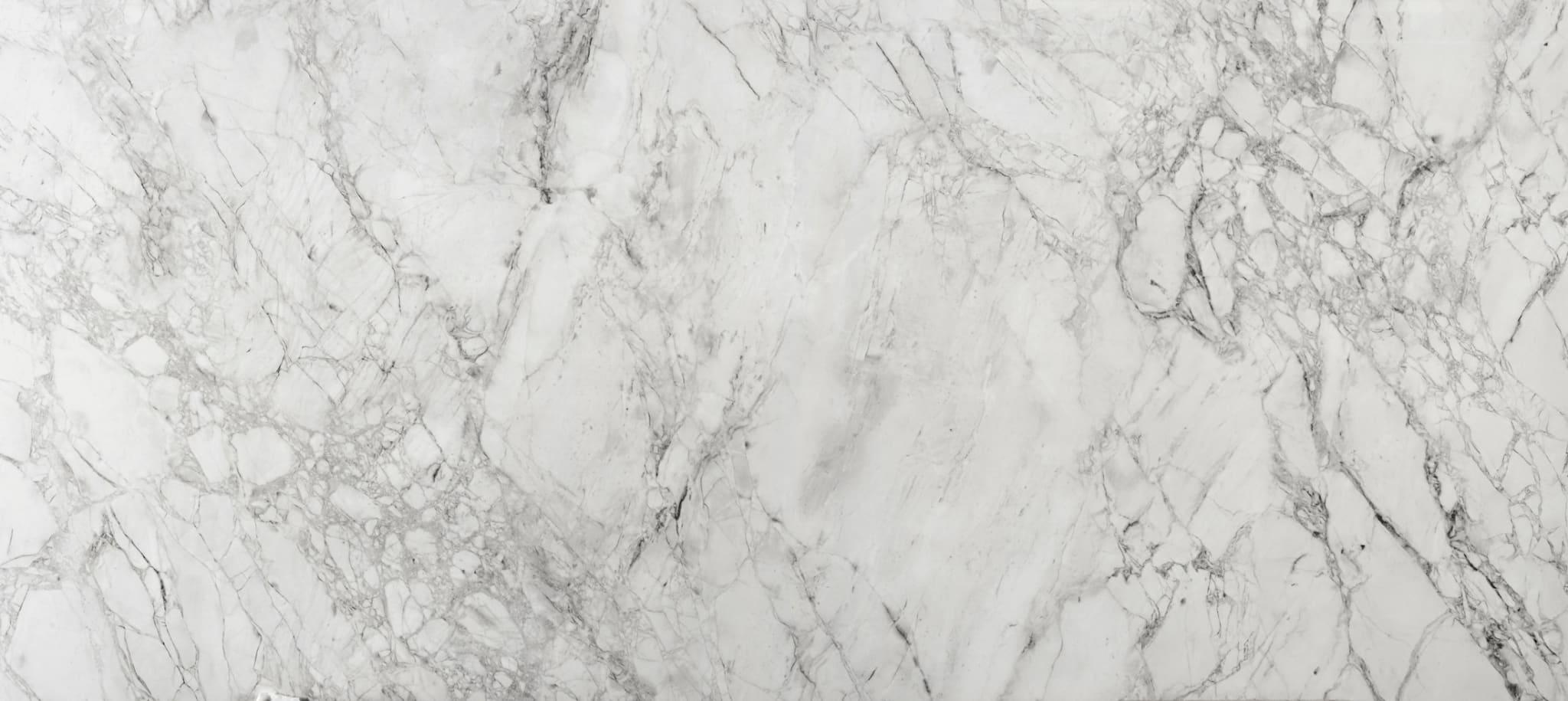
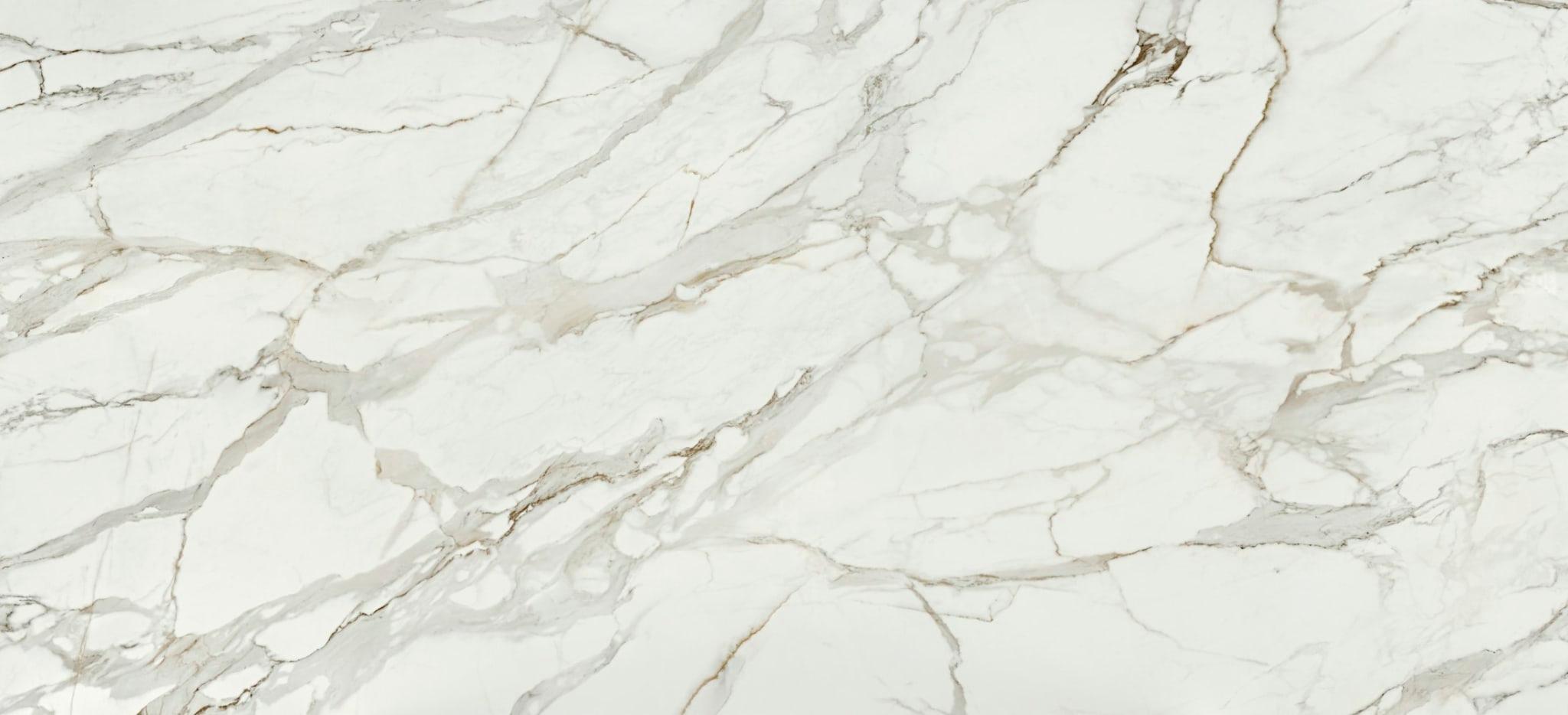
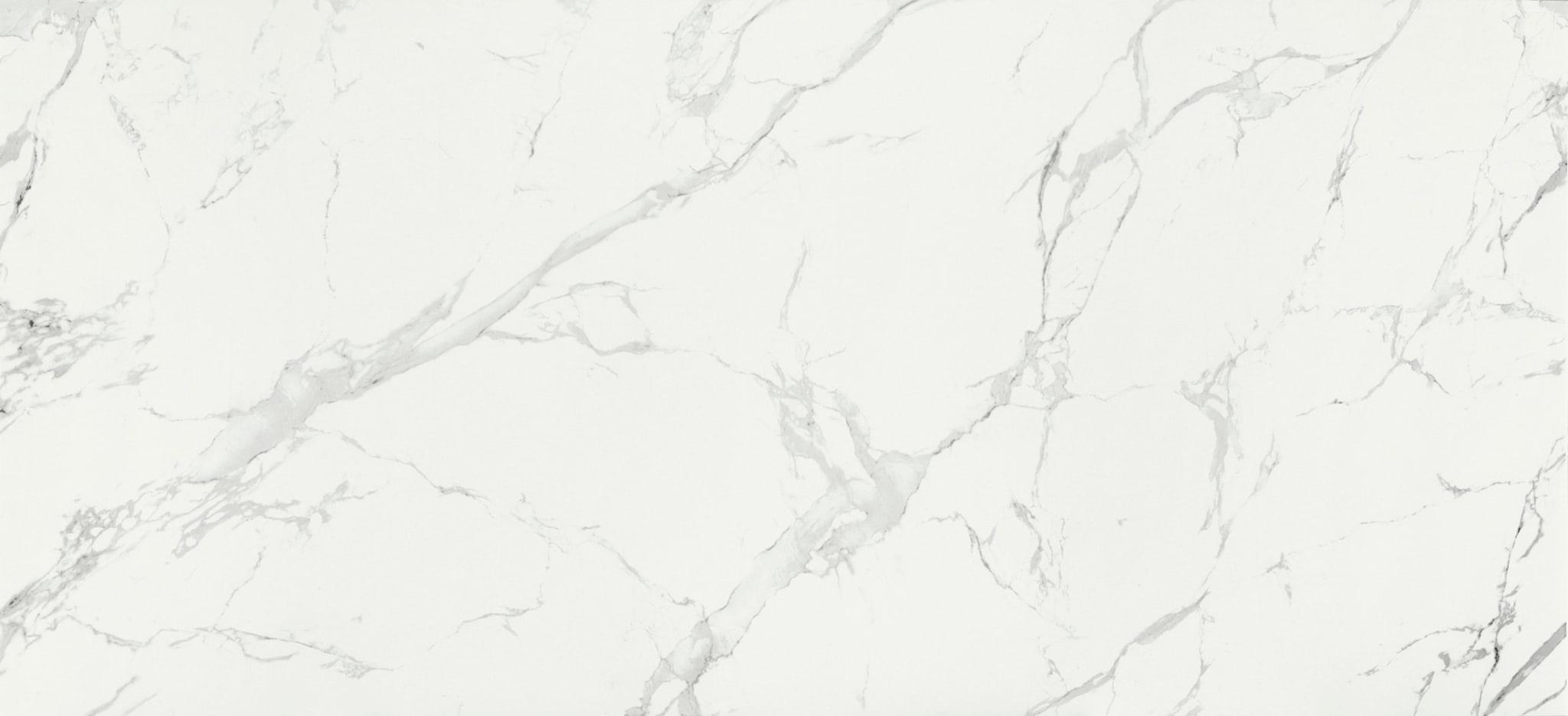
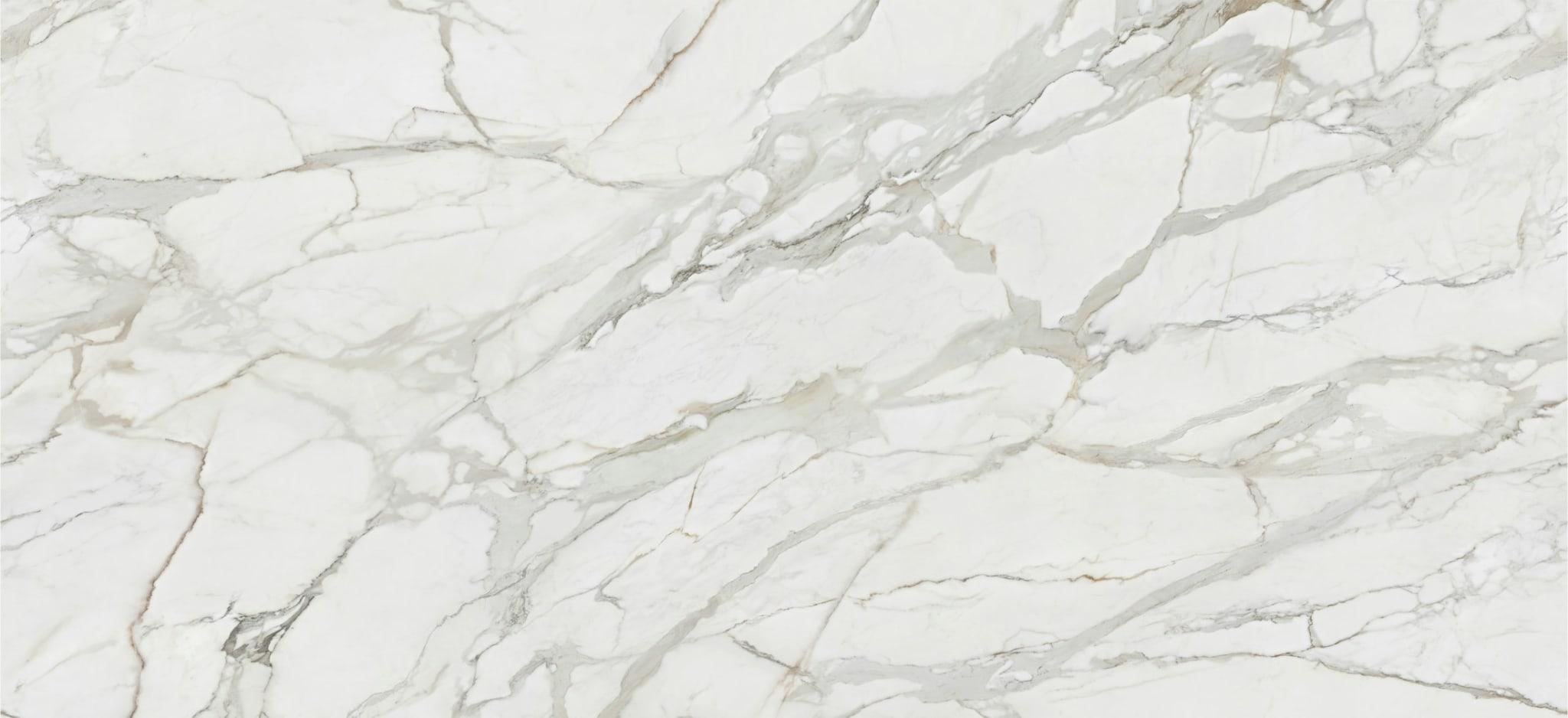
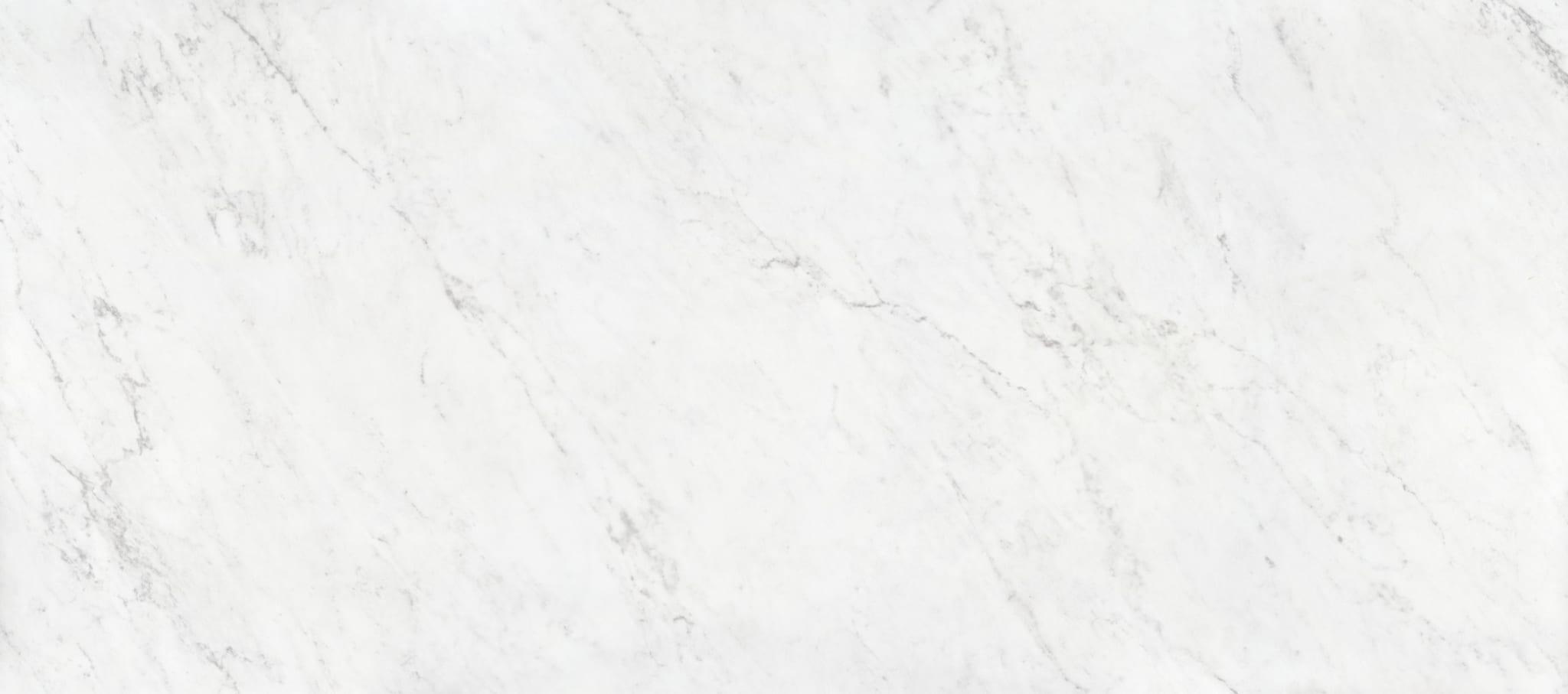
The most popular category — Aspen White, Arctic White, Moon White, Snowfall — suits contemporary and transitional kitchens, pairs with any cabinet color, and reflects light well in smaller spaces. Consistent demand keeps stock levels reliable and pricing stable. See our White Granite collection.
Gray Granite
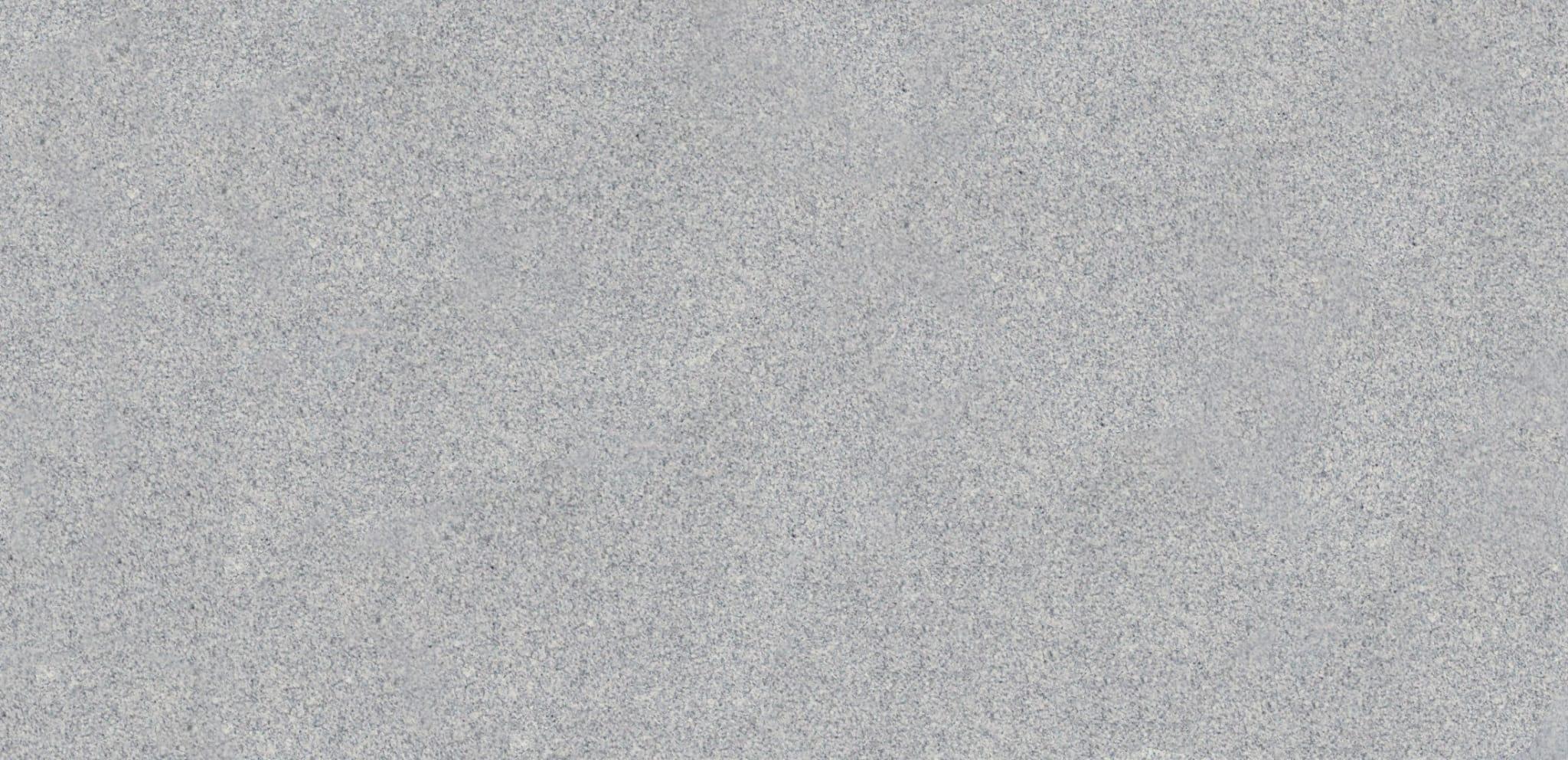
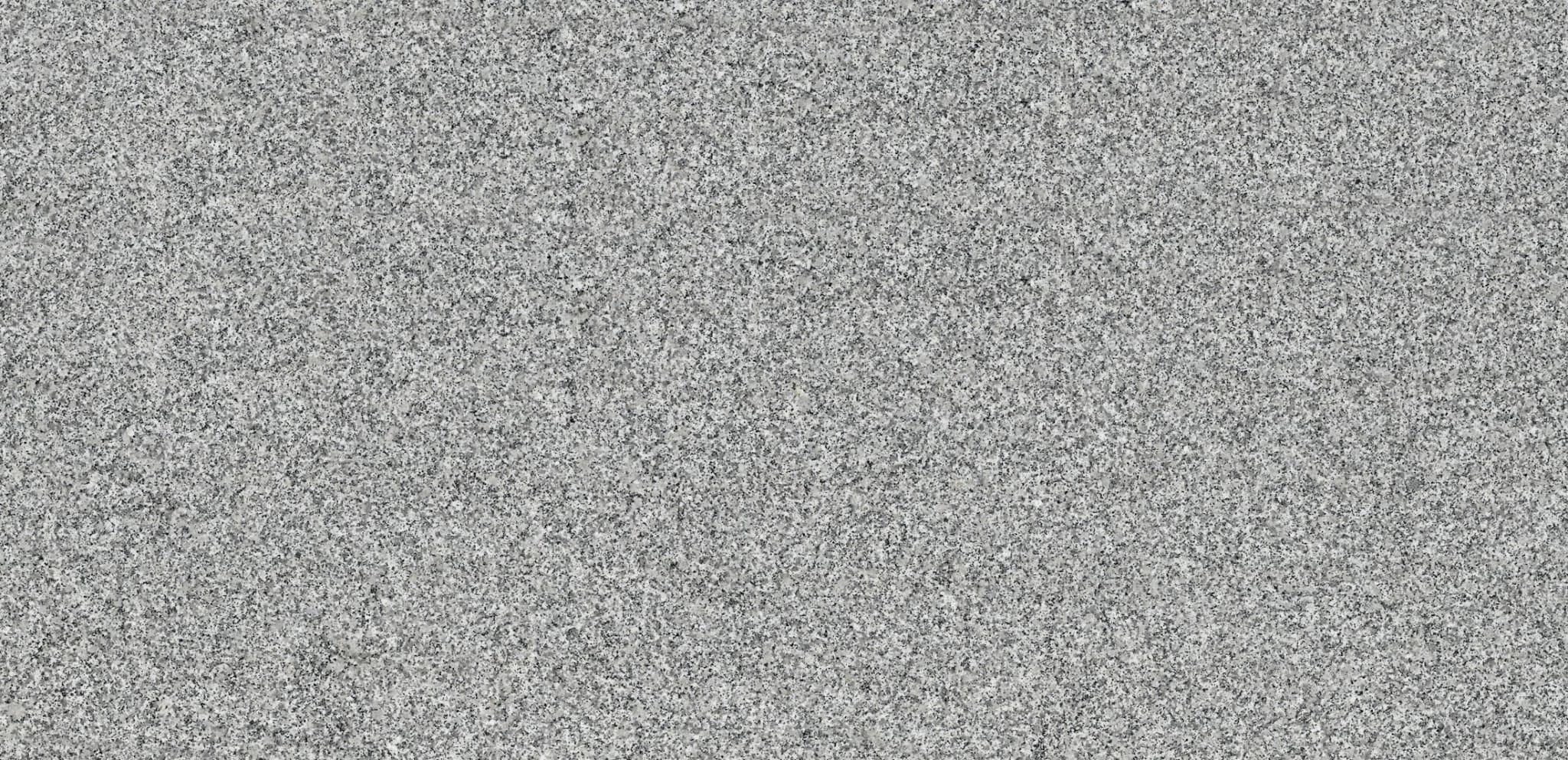
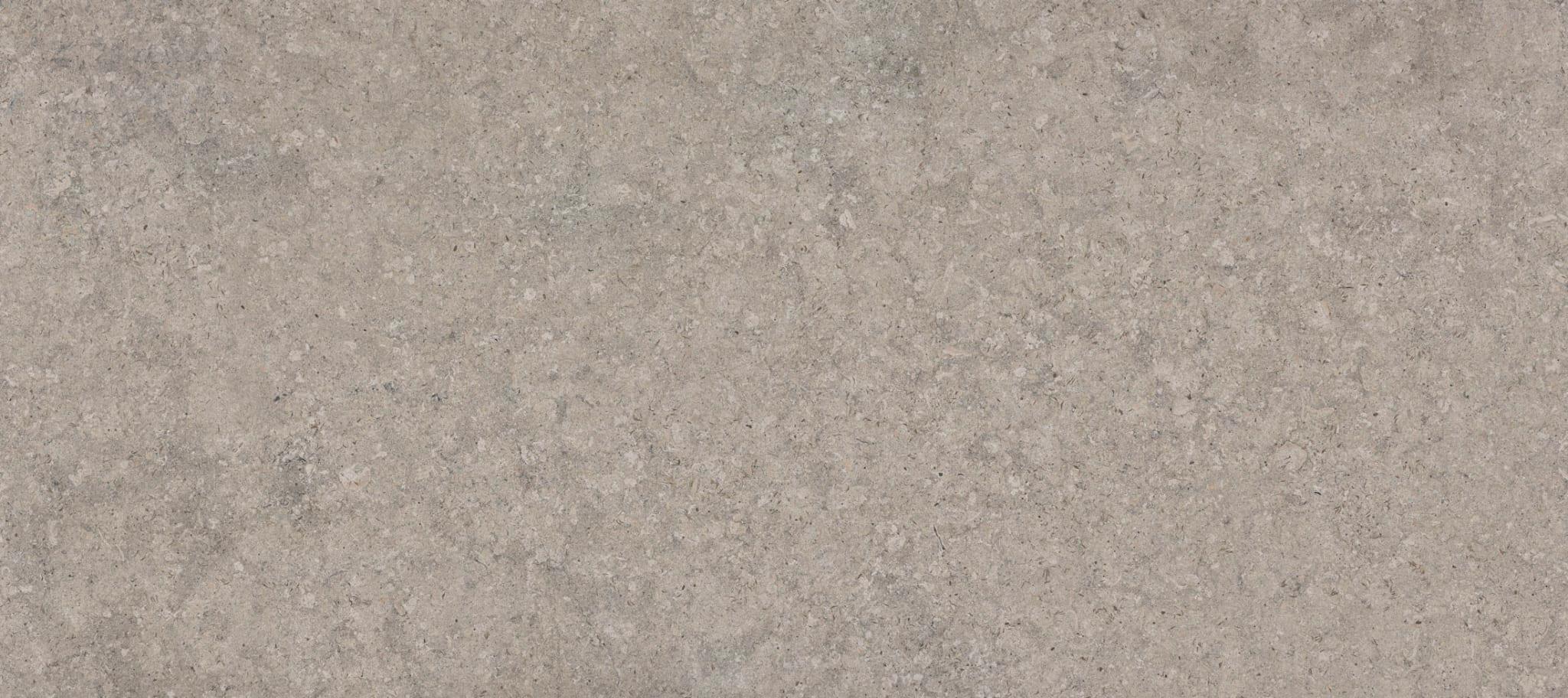
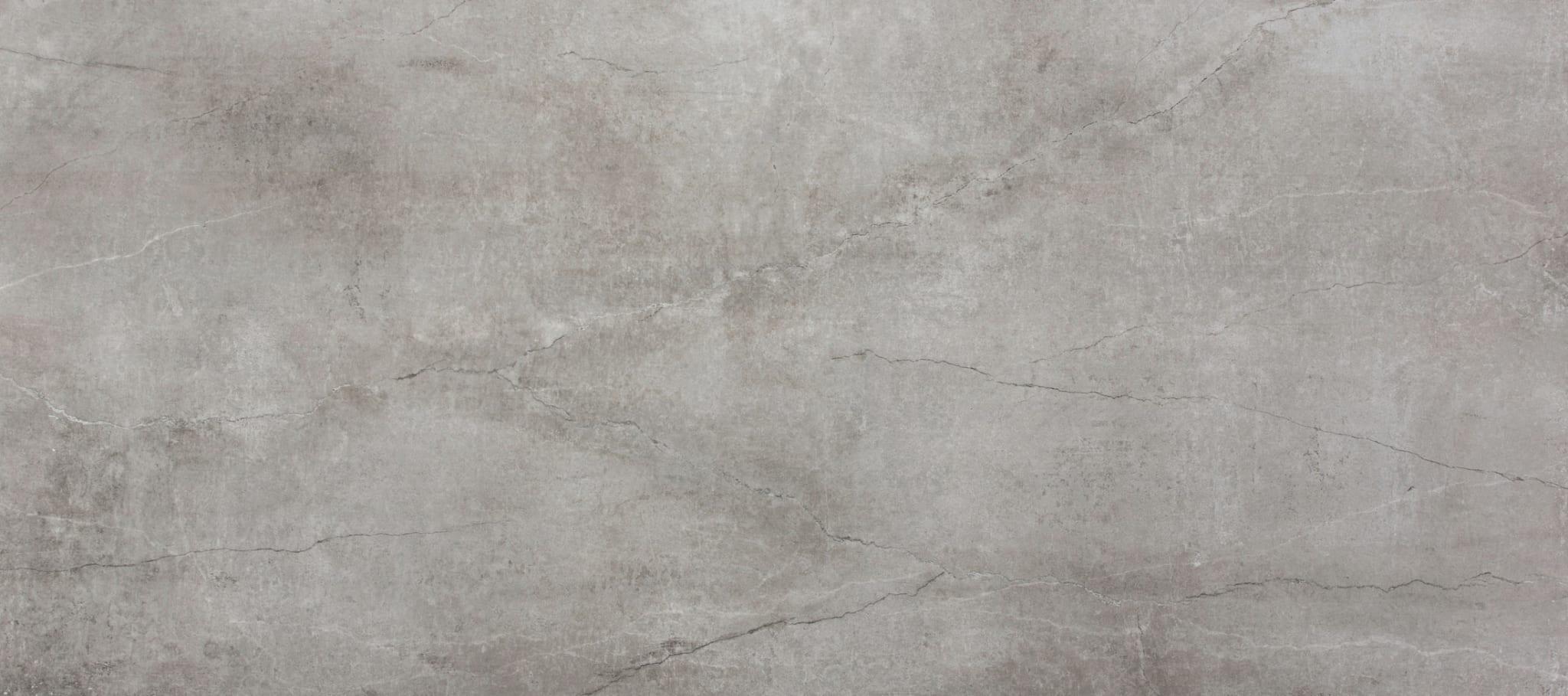
Steel Grey, Silver Cloud, Silver Waves, Antico Silver — a versatile group that bridges warm and cool palettes. Gray granite has held strong in multifamily and spec builds for the past decade because it reads as neutral without being generic.
Black Granite
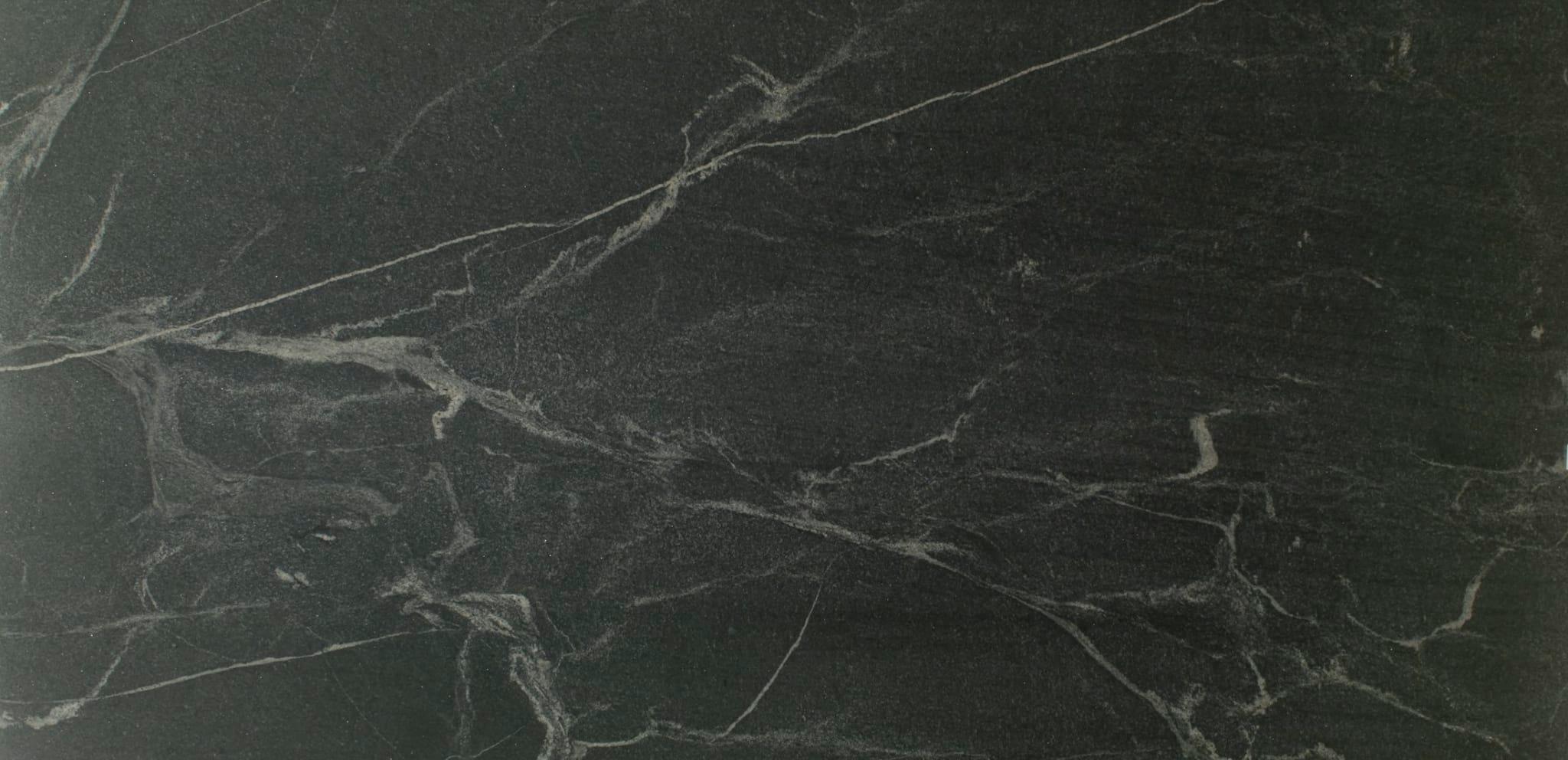
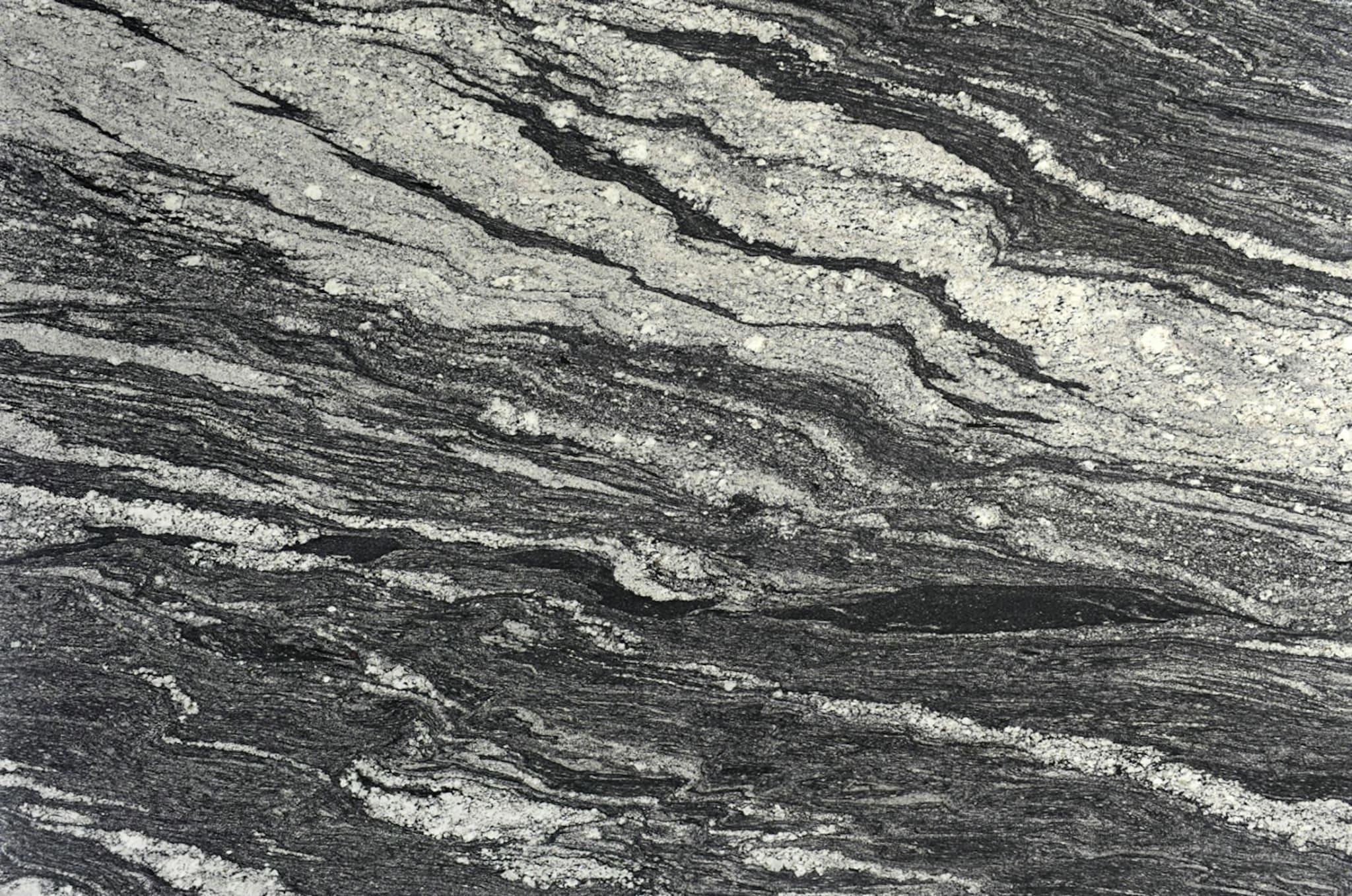
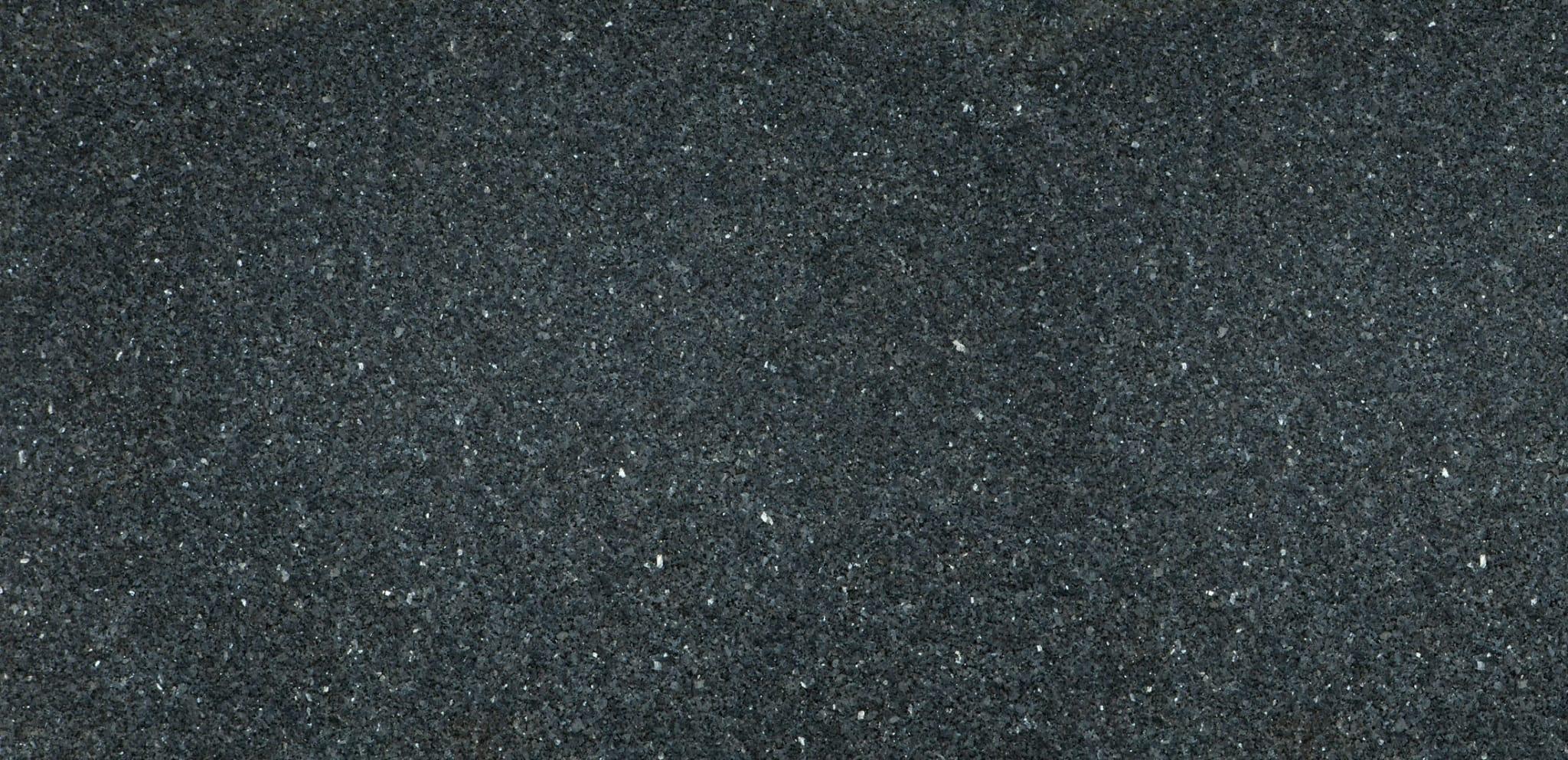
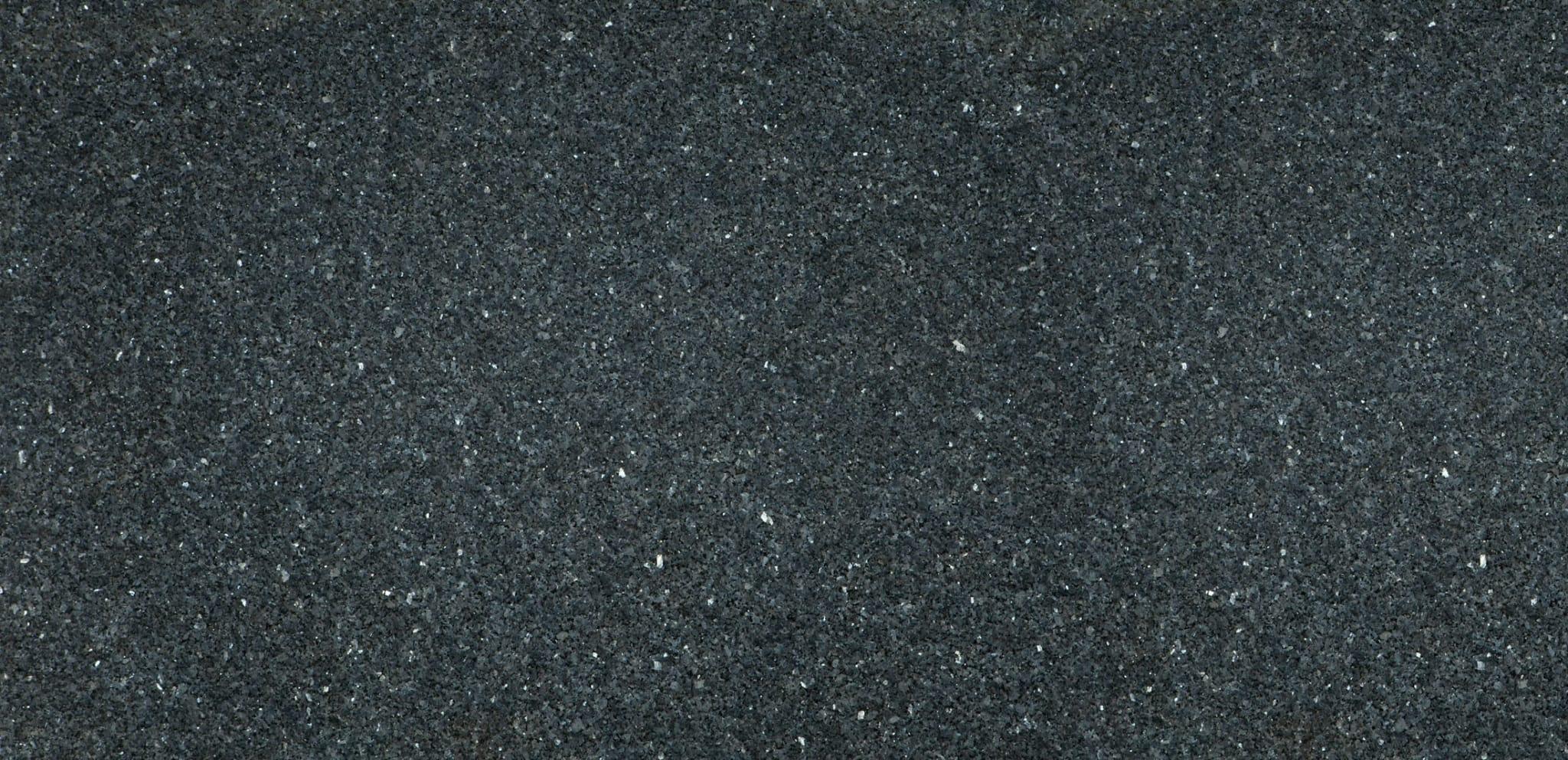
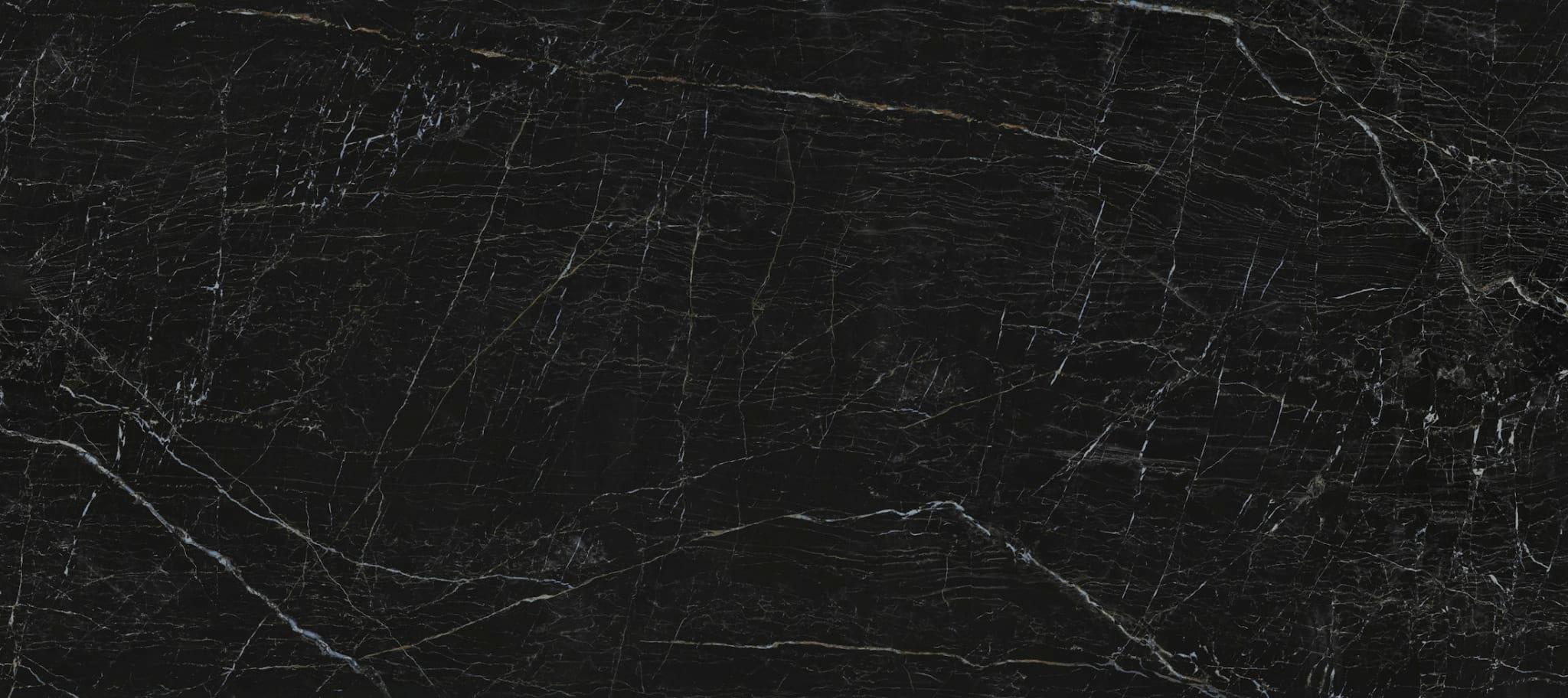
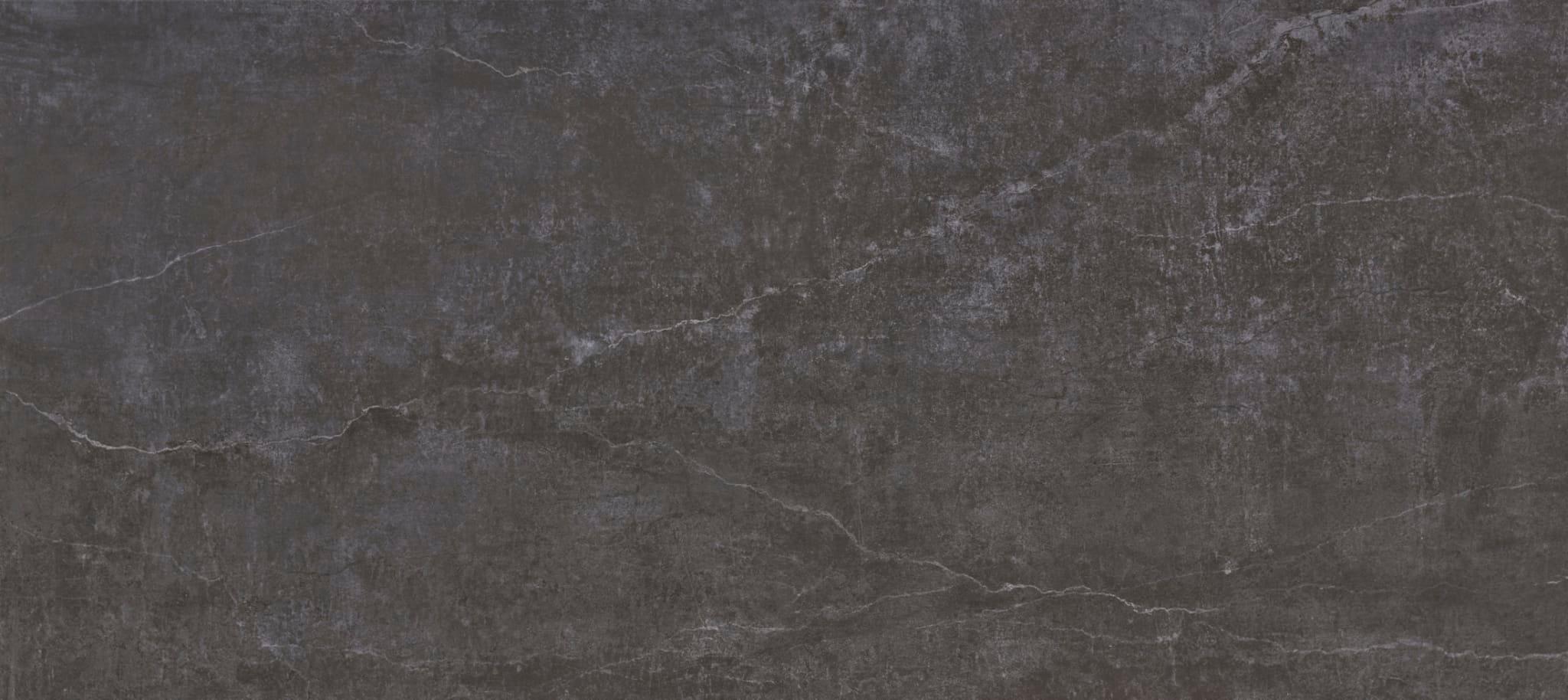
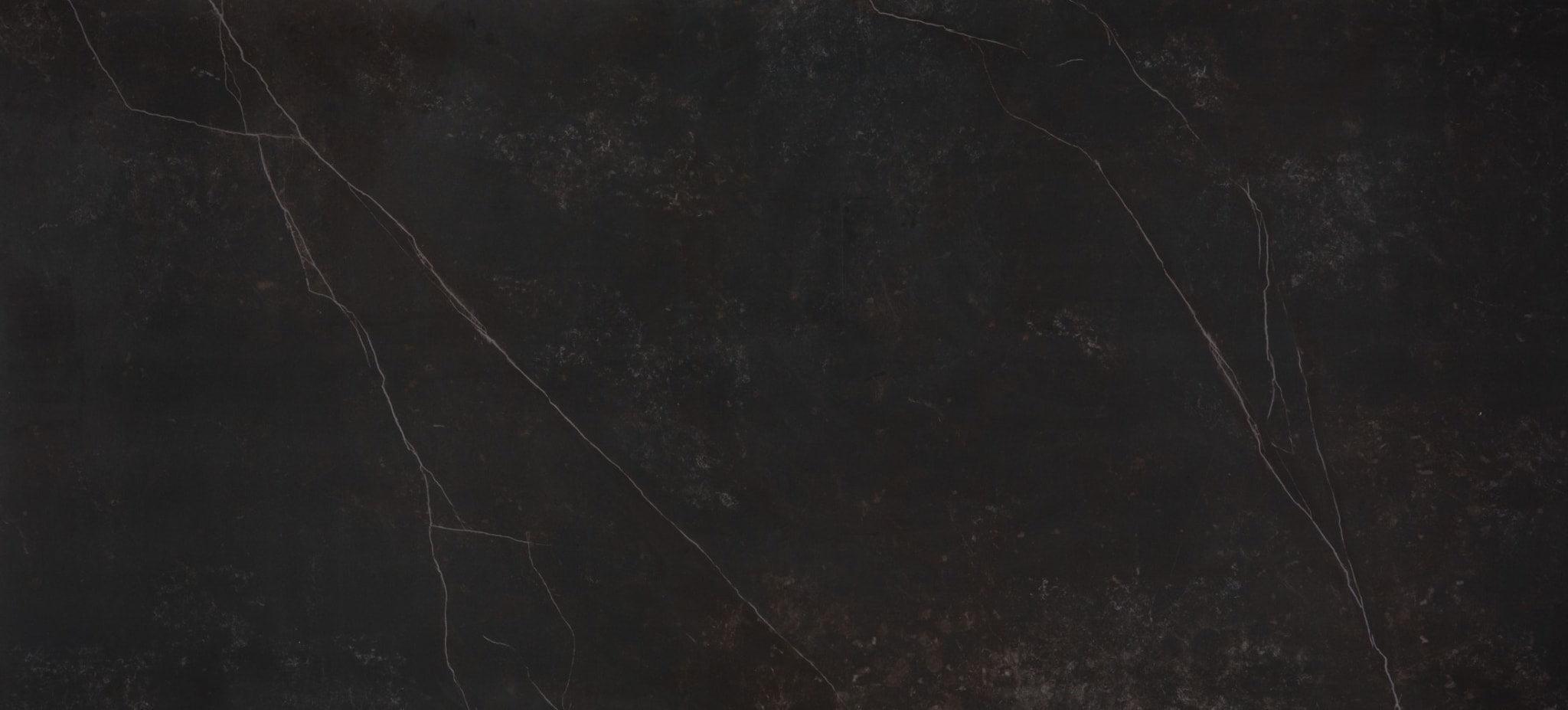
Agatha Black and similar deep blacks make a bold statement in both modern and traditional kitchens. Practically: shows water spots and fingerprints more than lighter options, which is worth noting during client handoff. See our Black Granite collection.
Brown, Gold, and Beige Granite
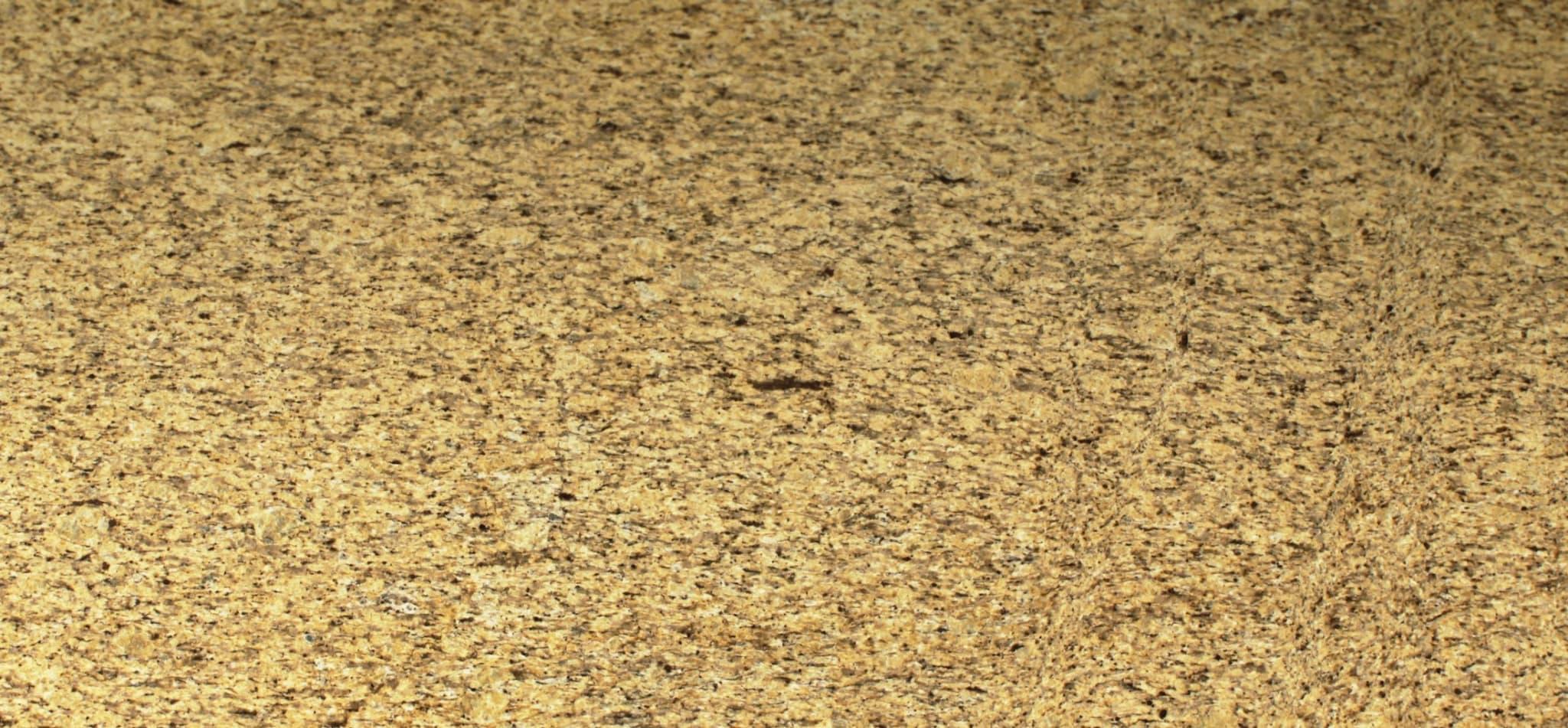
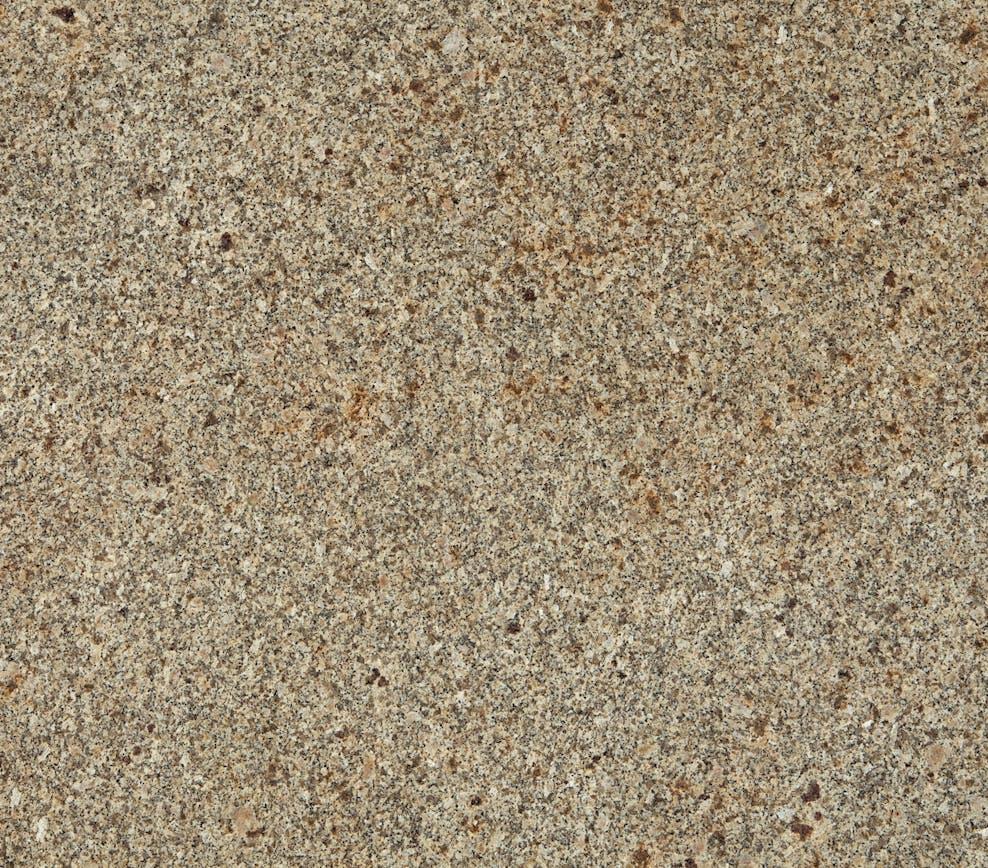
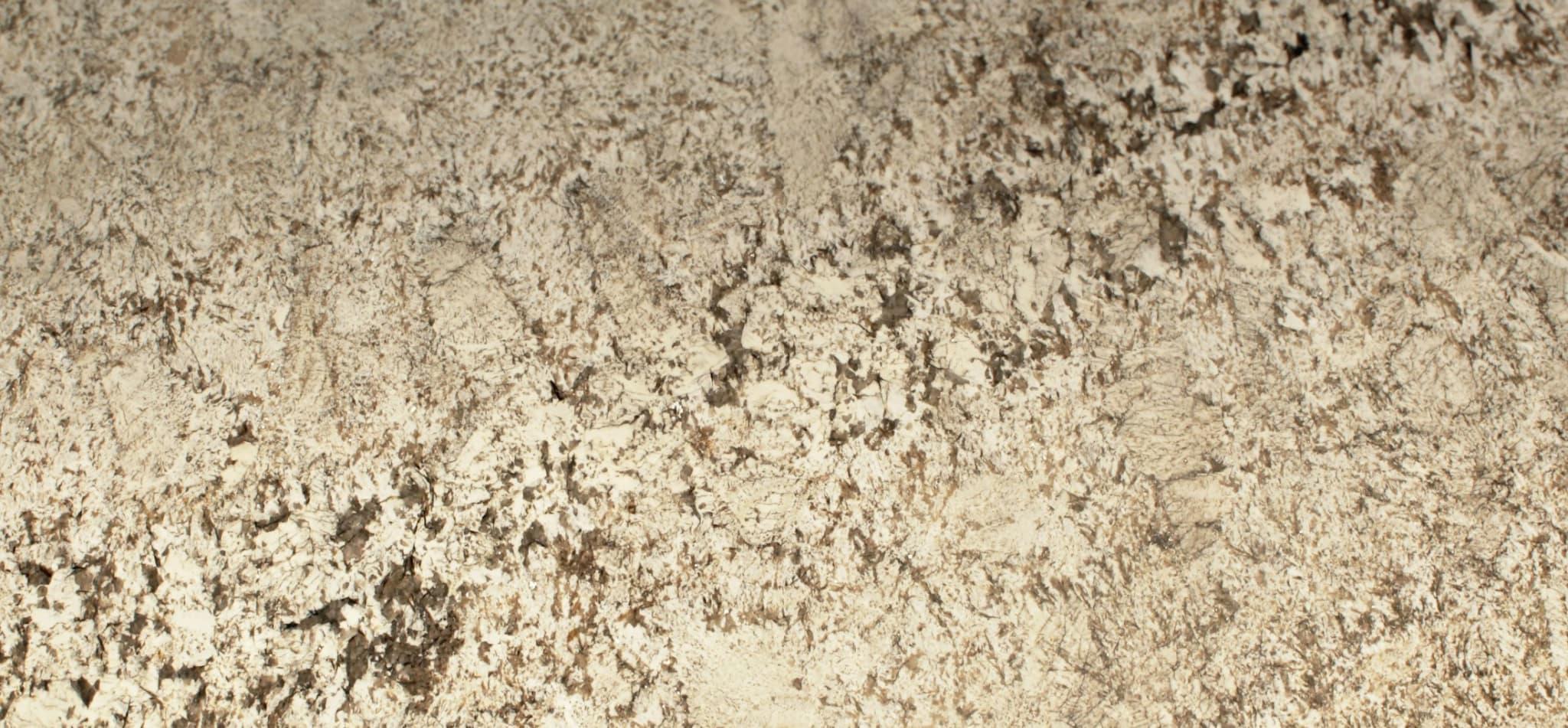
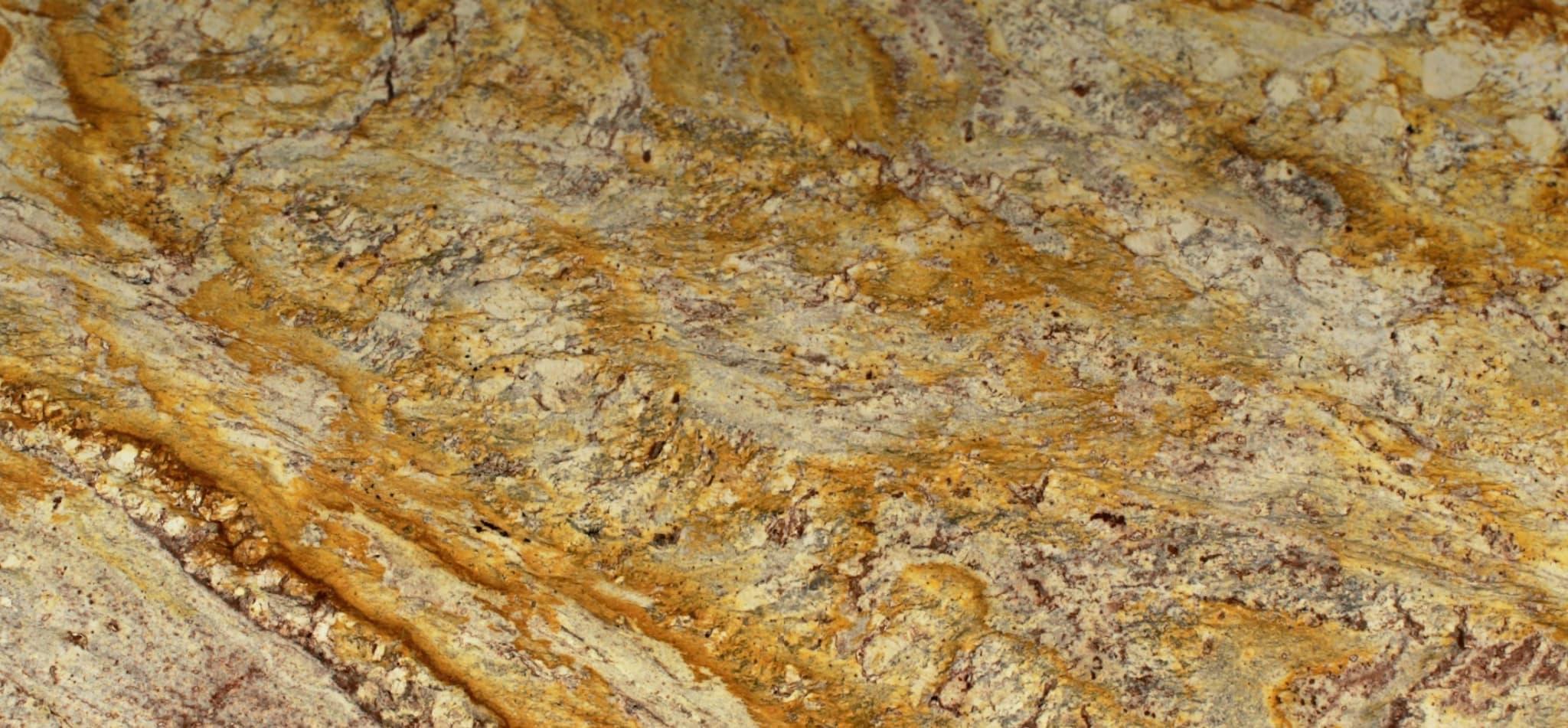
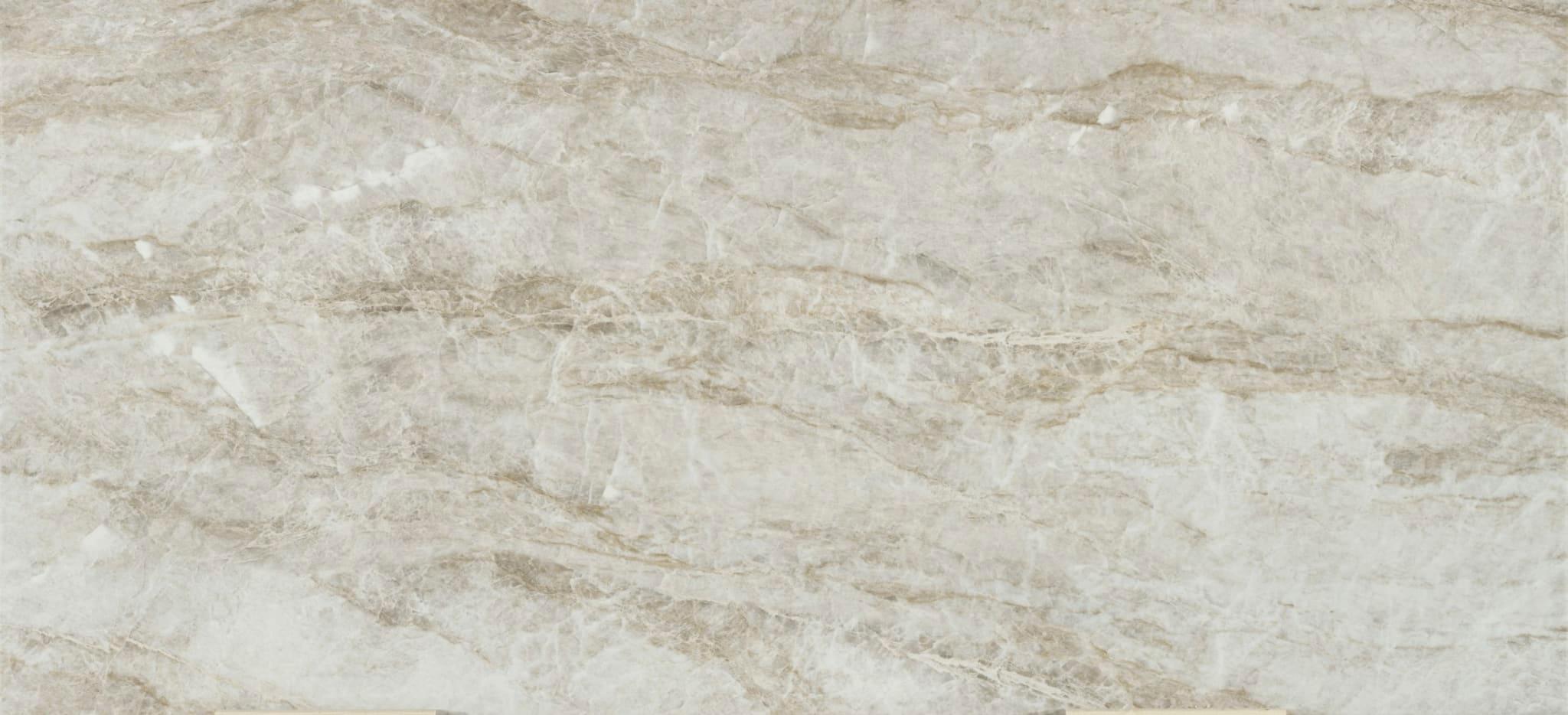
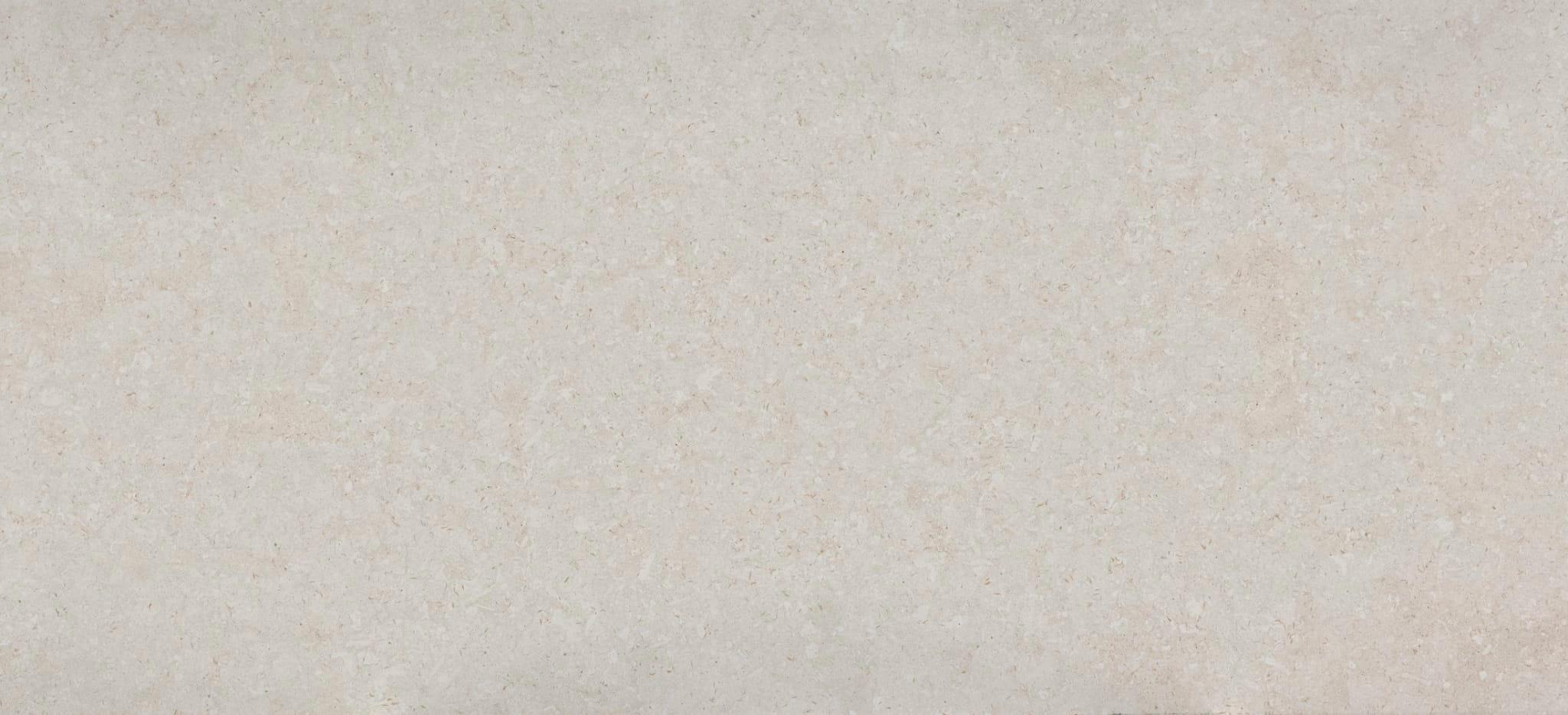
Colonial Gold, Venetian Gold, Sunset Canyon — warmer tones that pair naturally with wood cabinetry and earth-tone tile. Popular in traditional and transitional residential design, and seeing a resurgence driven by the broader trend toward warm, grounded interiors.
Exotic Granite Colors (Blue, Green, Multi-Color)
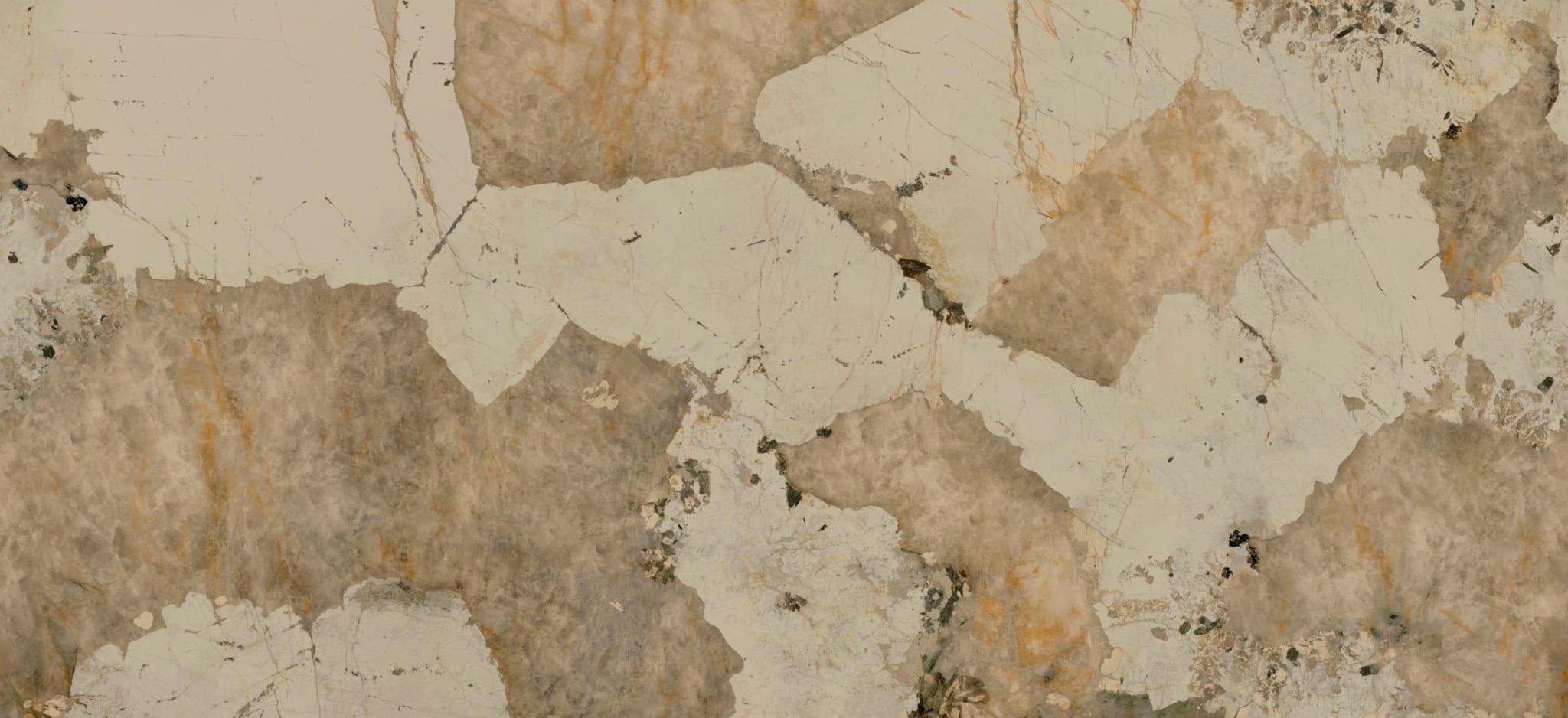
Azurite, African Rainbow, Lennon — these are statement slabs. No close substitutes exist in engineered stone. The right application is a feature island or a design-driven project where the slab is the focal point of the room. Expect higher per-sq.ft cost and longer lead times.
Where Granite Outperforms Other Materials
Granite's performance profile is distinct from engineered quartz, and trade buyers should know where those differences matter in the field.
Heat resistance. Granite handles direct heat from cookware better than quartz, which can discolor or crack at resin binder points under prolonged heat exposure. For clients who cook heavily, or for outdoor kitchen applications, granite is the more durable long-term choice.
Natural uniqueness. Each granite slab is genuinely one-of-a-kind. For design-driven clients who want a countertop that cannot be replicated, that is a selling point quartz cannot match. Exotic slabs in particular have no engineered equivalent.
Outdoor suitability. Granite handles UV exposure and temperature cycling better than quartz. For outdoor kitchens, grill stations, and covered exterior spaces, granite is the reliable specification.
Price floor. Entry-level granite starts below most comparable quartz. For budget-sensitive projects that still require natural stone aesthetics, Level 1 granite often undercuts quartz on material cost.
The consideration to communicate to clients: granite is porous. Unlike quartz, it requires sealing at installation and resealing every one to three years depending on use and stone density. Proper sealing eliminates most staining risk, but it is an ongoing maintenance step that quartz does not require. Set that expectation upfront and it rarely becomes a problem post-install.
Granite vs. Quartz: The Short Version
Both are excellent countertop materials. The right choice depends on the project, not a universal ranking.
- Choose granite when heat resistance matters, when the client wants natural-stone uniqueness, for outdoor applications, or when the budget favors the entry-level natural stone tier.
- Choose quartz when design consistency across a multi-slab run is critical, when zero maintenance is a priority, or when the client wants Calacatta-style marble aesthetics with engineered predictability.
For a full side-by-side comparison of quartz, quartzite, and granite across durability, maintenance, cost, and application — including a spec-at-a-glance table — see GoSource's complete material comparison guide →
















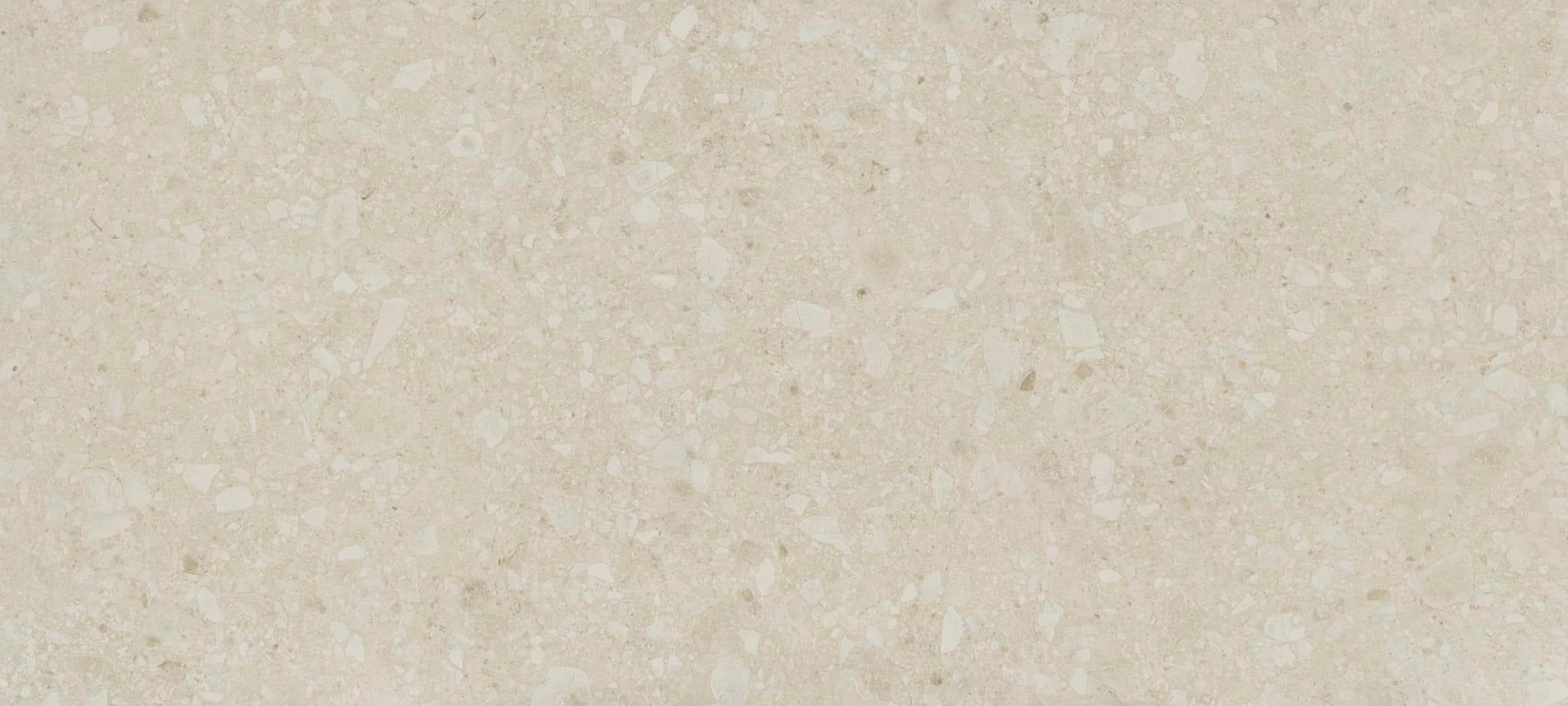

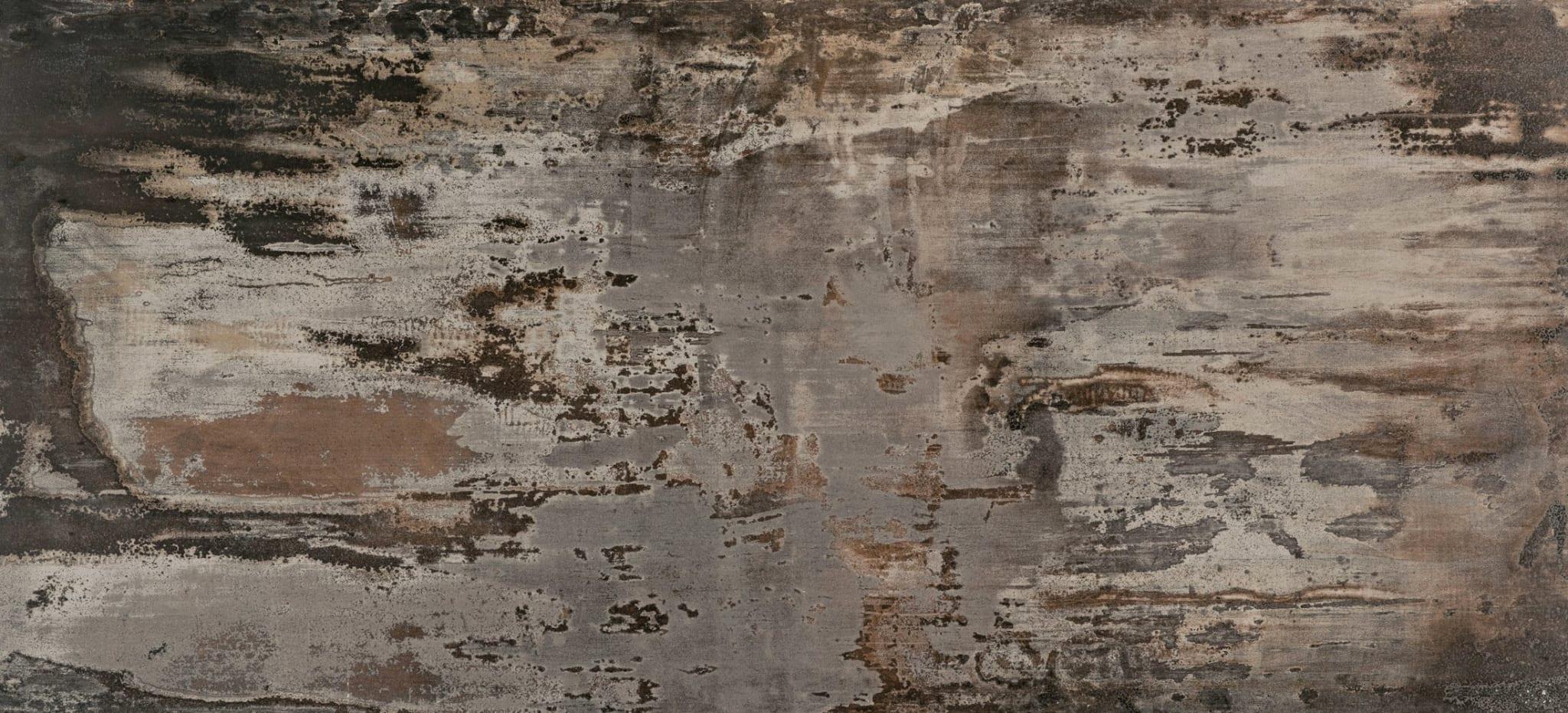

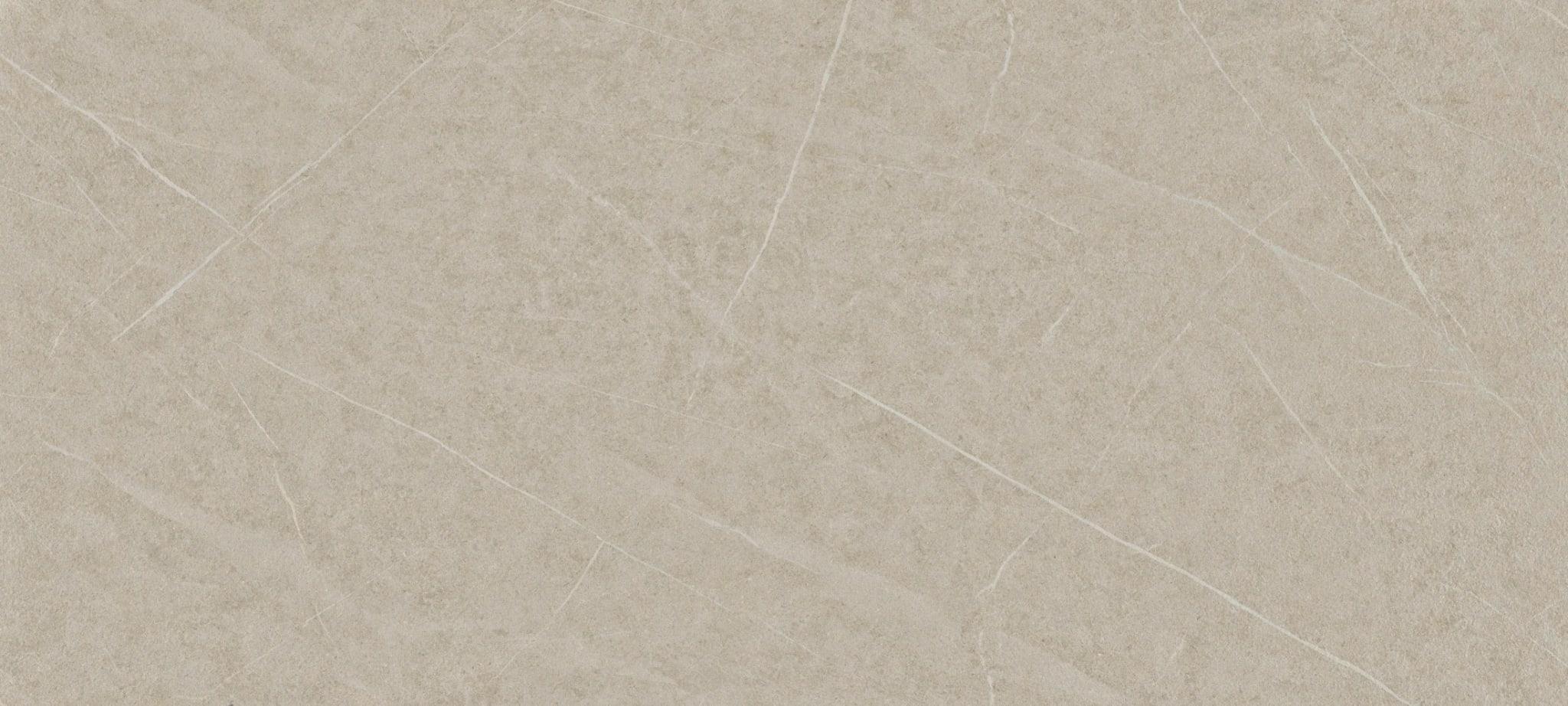
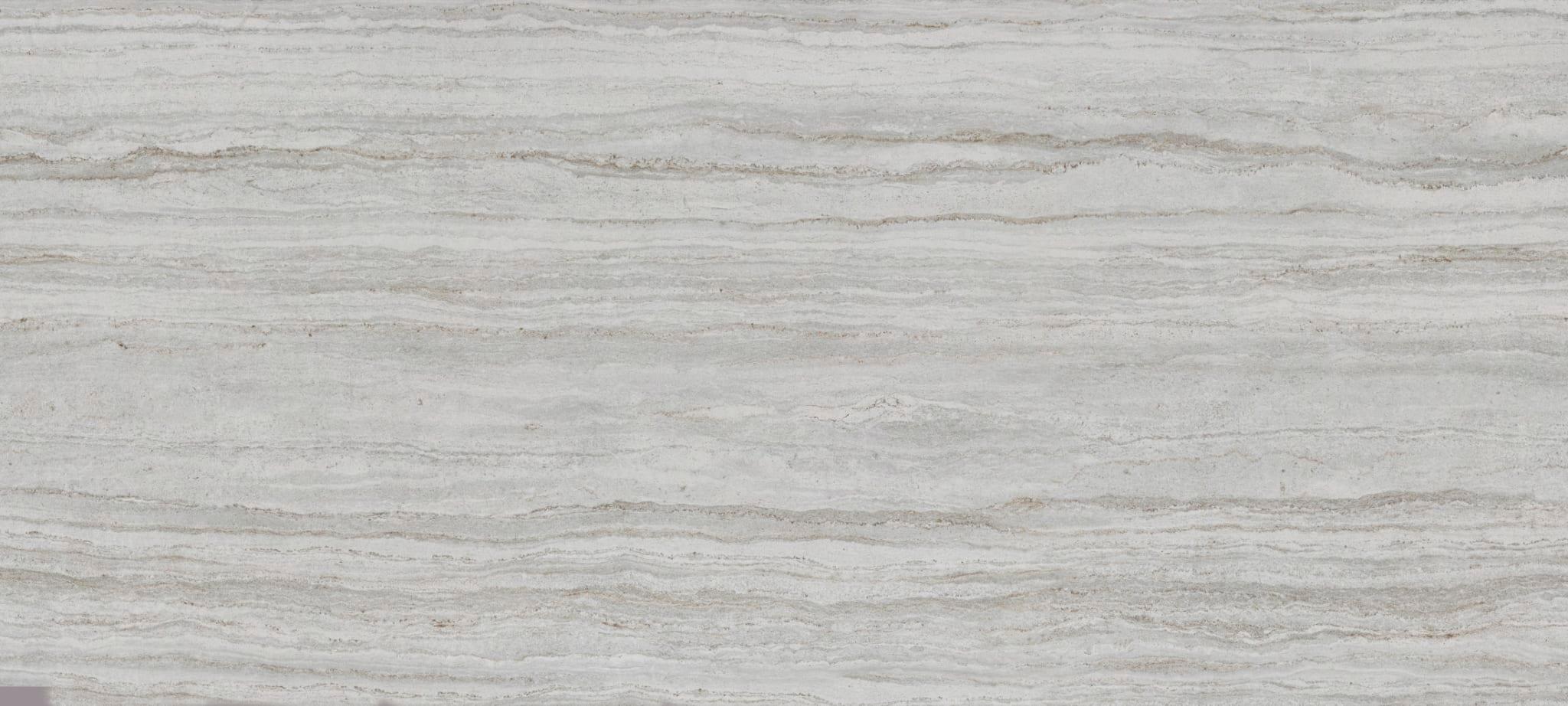



How to Buy Granite Slabs at Wholesale Prices
The traditional sourcing path for granite runs through local stone yards and distributors — each adding margin to the same branded slabs. For fabricators, builders, and designers buying regularly, that margin compounds across every project.
GoSource is a nationwide B2B marketplace that sources directly from leading granite suppliers — MSI, Scalea, and others — and passes wholesale pricing to members. Fabricators, contractors, builders, architects, and designers access granite slabs at 13–20% below retail on every order, with no minimum and no per-order negotiation. Pricing is transparent and visible immediately after sign-in.
Members also earn GoCash cashback on every granite order through GoClub — a loyalty structure built specifically for repeat trade buyers. For a team sourcing granite across 20 or 50 units per quarter, that cashback adds a meaningful line item to project profitability.

The Bottom Line
Granite earns its place in every serious fabricator's and builder's sourcing mix. The broadest price range of any natural stone, genuine slab-to-slab uniqueness, top-tier heat resistance, and outdoor suitability cover applications that quartz and porcelain cannot. The maintenance requirement — periodic sealing — is the one thing to communicate clearly upfront. Everything else is a strength.
For standard residential work, Level 2 granite in white, gray, or warm tones covers most client briefs at an accessible price. For premium and exotic installs, GoSource stocks Azurite, Lennon, African Rainbow, and other statement slabs that have no engineered equivalent.