
Interior designers lose more time to material sourcing than almost any other task in a project, especially when juggling multiple vendors and shifting lead times. With a clear workflow and the right tools, material sourcing can shift from a bottleneck to a genuine competitive advantage.
Why Material Sourcing Slows Interior Design Projects
Material sourcing for interior design is complex by nature: multiple stakeholders, hundreds of similar SKUs, and timelines that shift with every backorder. The result is that even beautifully designed projects stall in procurement.
The biggest time-wasters typically look like this:
- Jumping between dozens of supplier sites to find one specific slab or tile.
- Waiting days for quotes from different vendors, only to learn an item is out of stock.
- Chasing basic details (finish, thickness, size, lead time) over endless email threads.
- Re-specifying materials when prices jump or collections are discontinued mid-project.
A streamlined material-sourcing interior design workflow, plus a single sourcing engine like GoSource, reduces friction by centralizing search, pricing, and procurement for slabs, tiles, and flooring.
Step 1: Build a Standard Sourcing Brief
Before you open a catalog, create a sourcing brief you can reuse on every project. This brief becomes your starting point for any material-sourcing interior design work, rather than starting from a blank page.
For each surface package (kitchen, bath, flooring, feature walls), define:
- Space and use: traffic level, moisture, and maintenance expectations.
- Material range: quartz, quartzite, marble, porcelain slabs, tiles, or LVP, based on performance needs.
- Visual direction: color family, veining intensity, and finish (polished, honed, matte).
- Budget band: realistic cost per SF so options are viable from the start.
- Must-haves and no-gos: certifications, slip resistance, brand preferences, or sustainability targets.
Once this brief exists, you can plug it directly into GoSource’s AI-native search instead of rebuilding requirements every time.
Step 2: Use One Sourcing Engine, Not Ten Supplier Sites
Traditional material sourcing in interior design often means hopping across manufacturer sites, showrooms, local distributors, and big-box stores to patch together a spec. GoSource replaces that chaos with a single AI sourcing partner focused on surfaces for trade professionals.
Key advantages for designers include:
- Broad, trade-focused catalog: natural stone, engineered stone, porcelain slabs, tiles, and flooring from top brands, in one place.
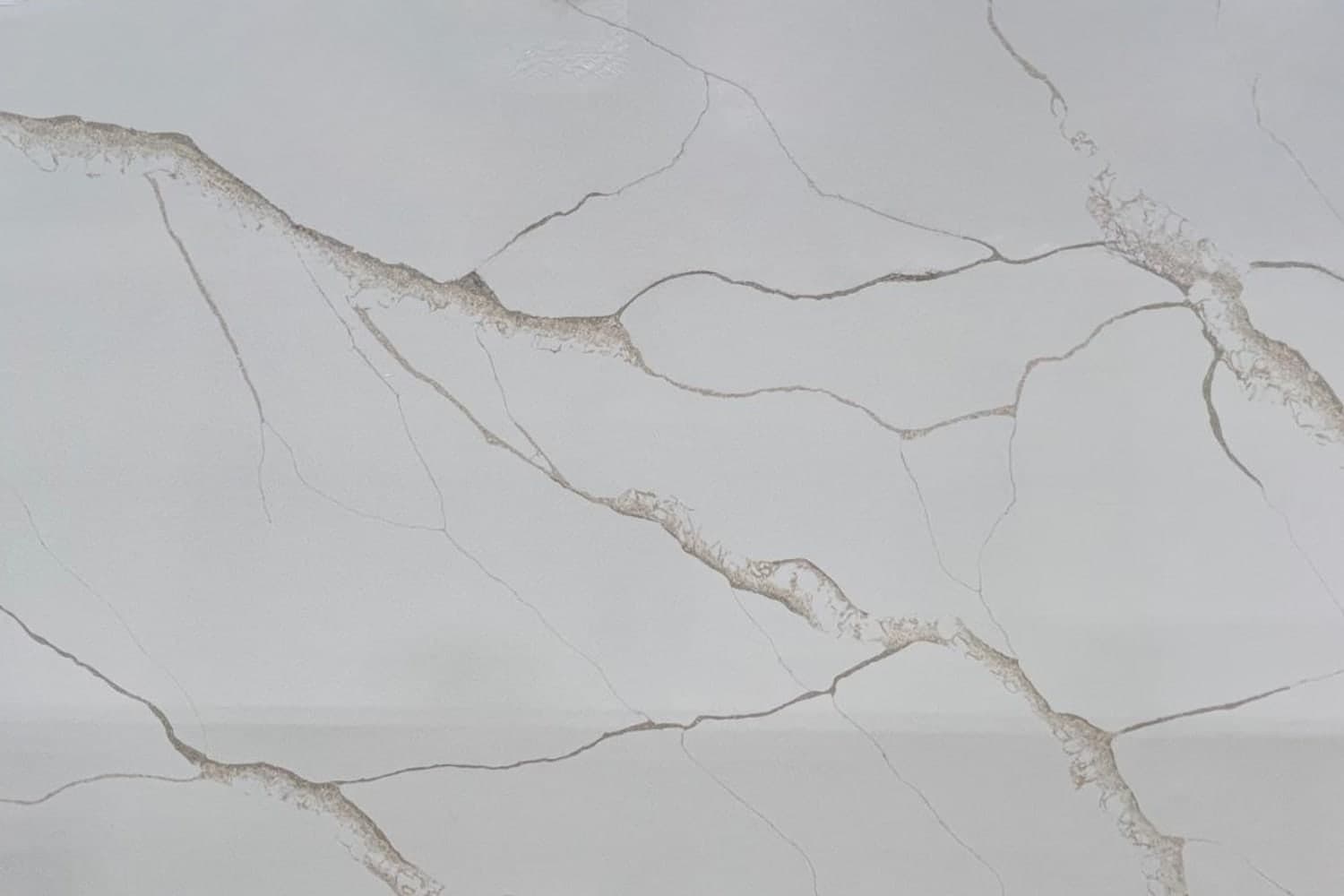
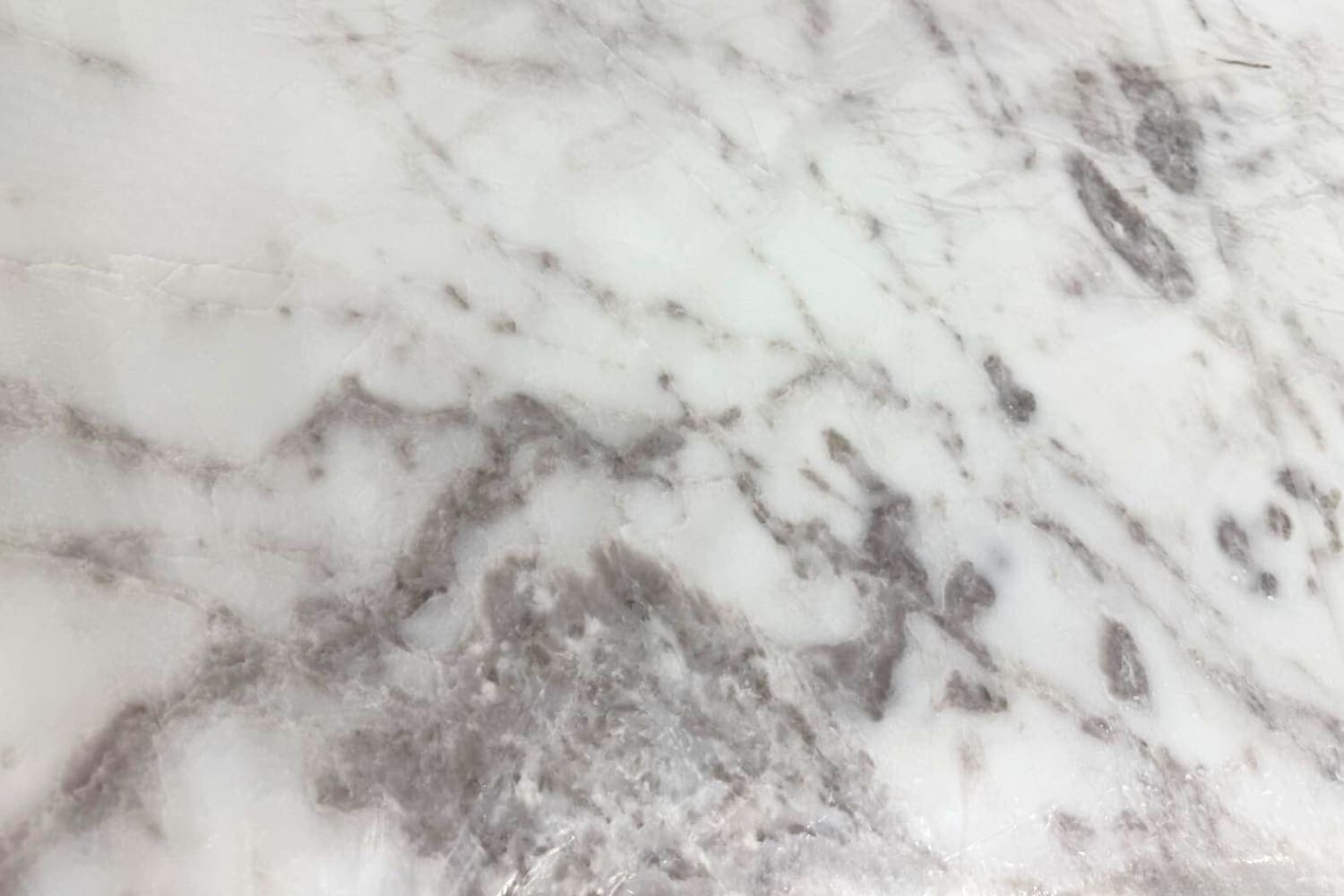
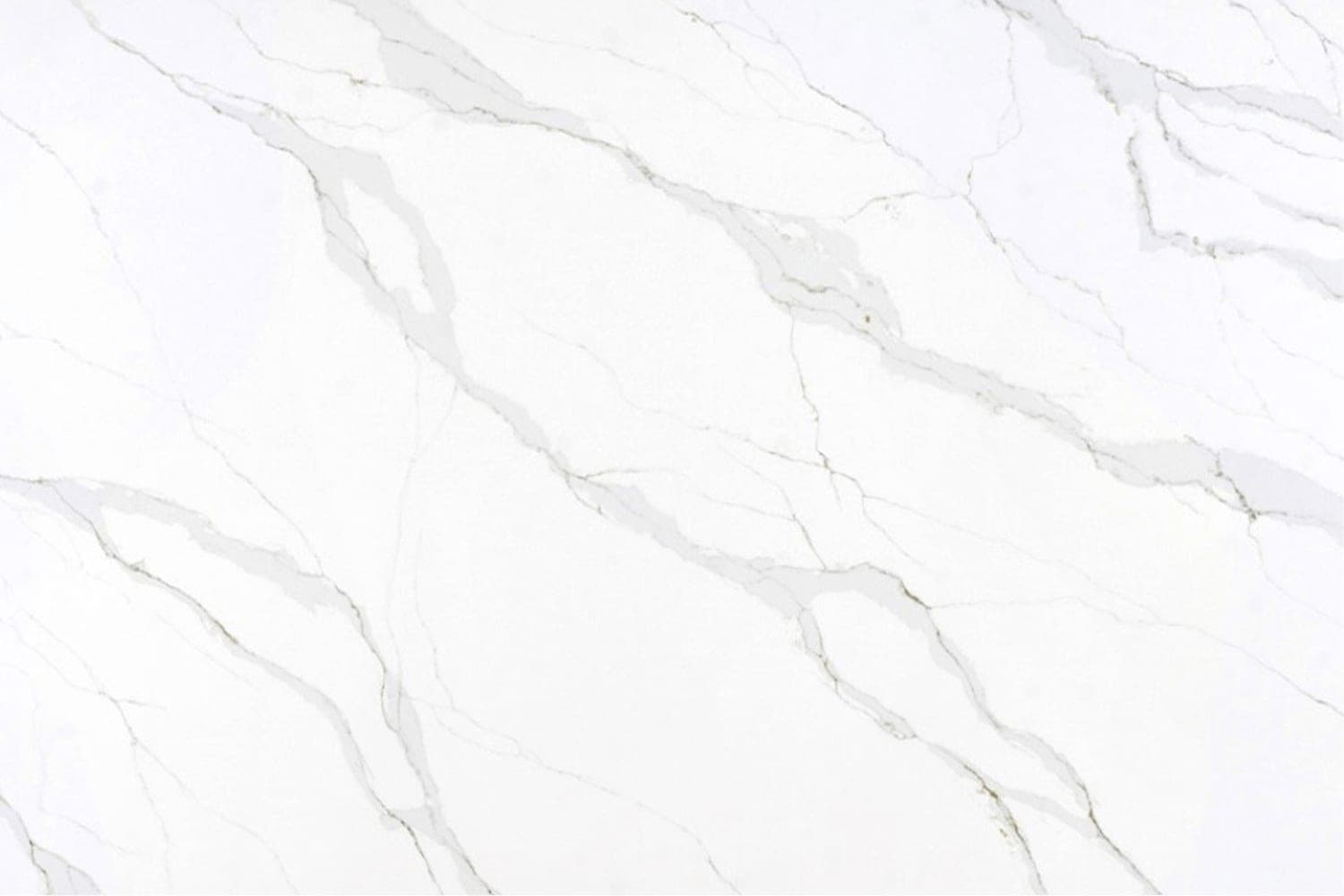
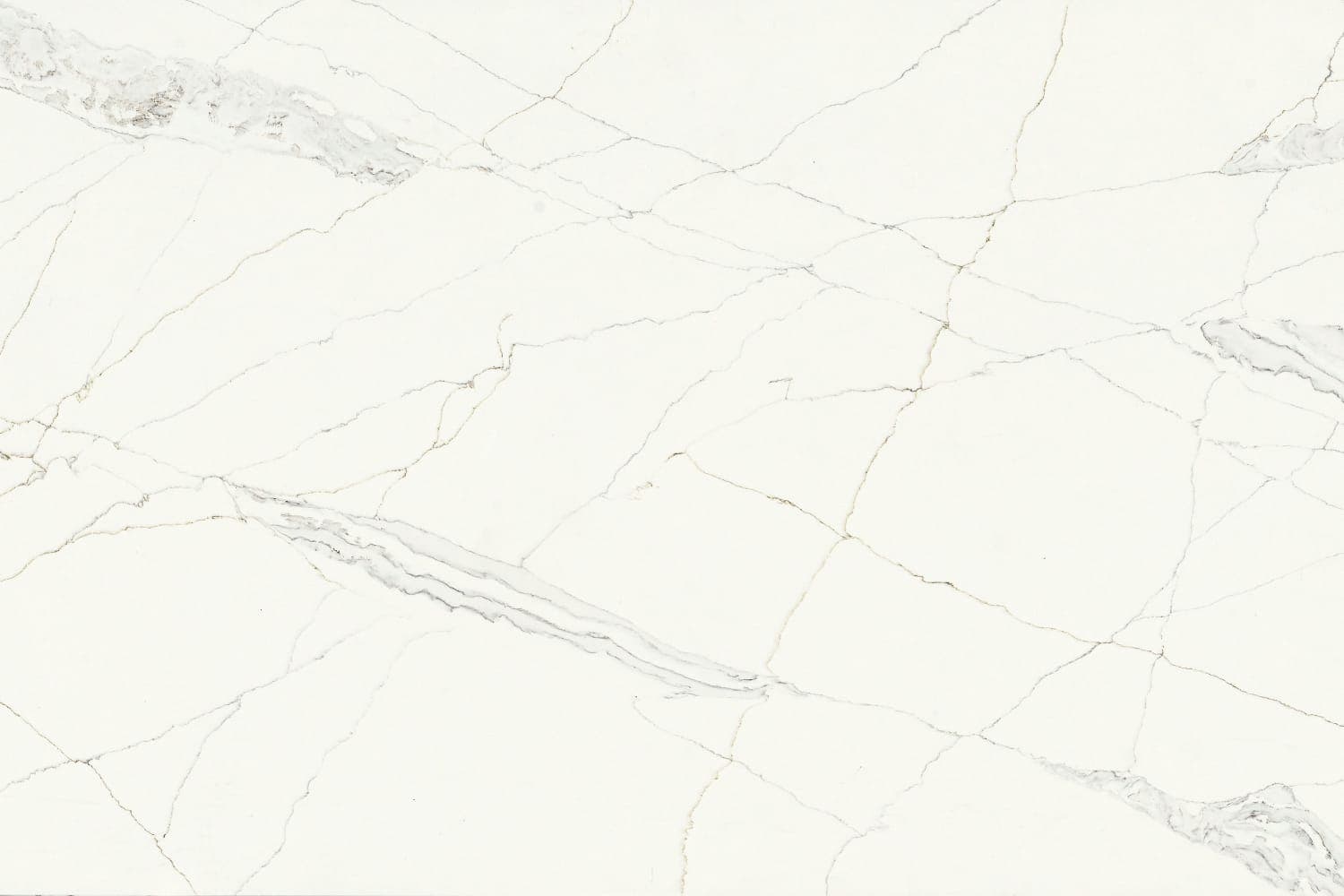
- AI Mode search: type “warm Calacatta-look quartz, 3 cm, matte, mid-range budget” and see real, sourceable options instead of generic inspiration.
- Classic Mode filters: when you know exactly what you want, refine your search by thickness, finish, brand, and price, like a traditional wholesale catalog.
Because you are sourcing through a single platform rather than a dozen vendors, you get faster comparisons, consistent data, and fewer surprises late in the project.
Step 3: Make Slab Selection Visual and Fast
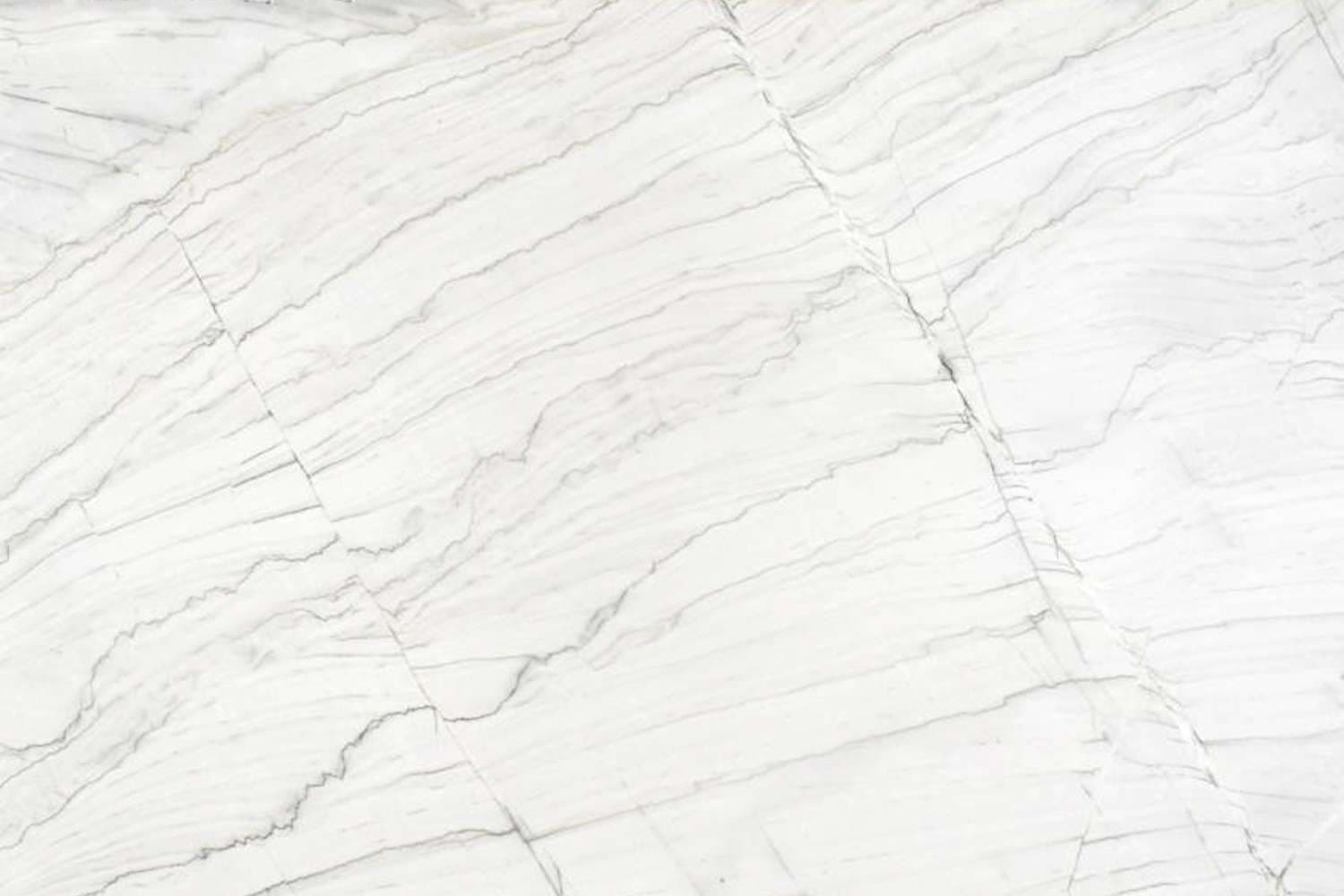
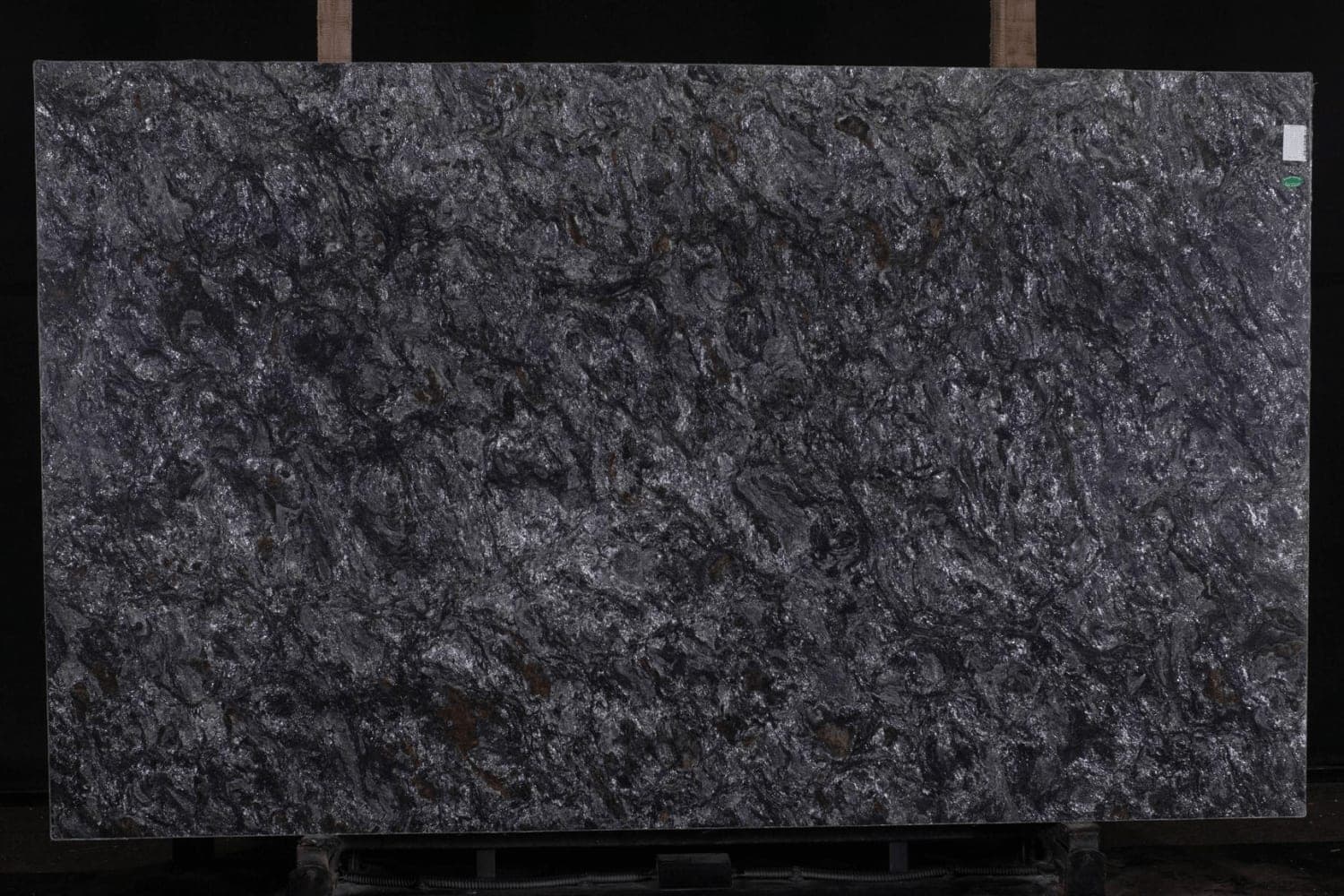
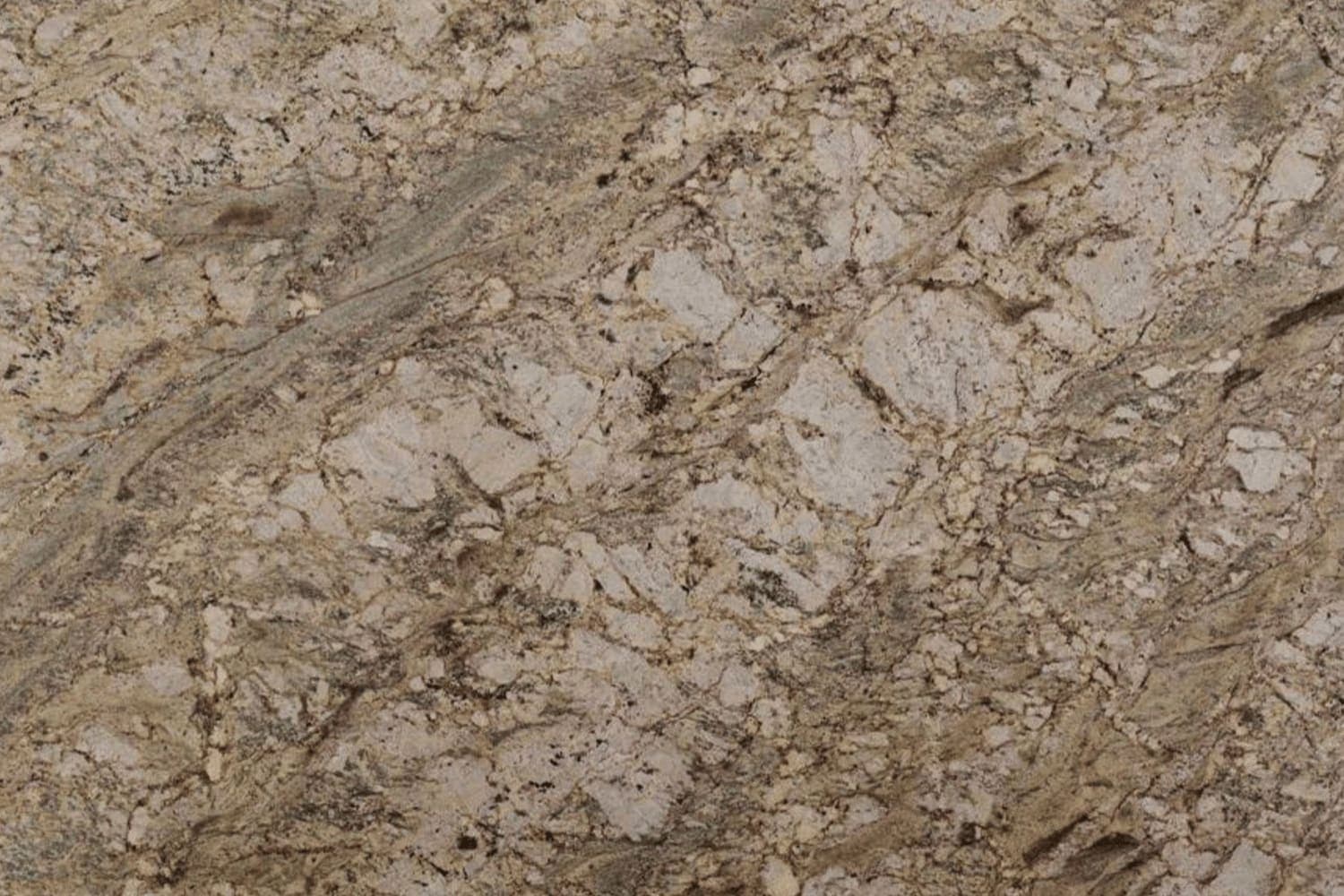
Slab selection is often the most emotional and time-sensitive material decision in interior design projects. Designers need to honor the client’s vision while staying within budget and lead time.
GoSource gives you tools to tighten that process:
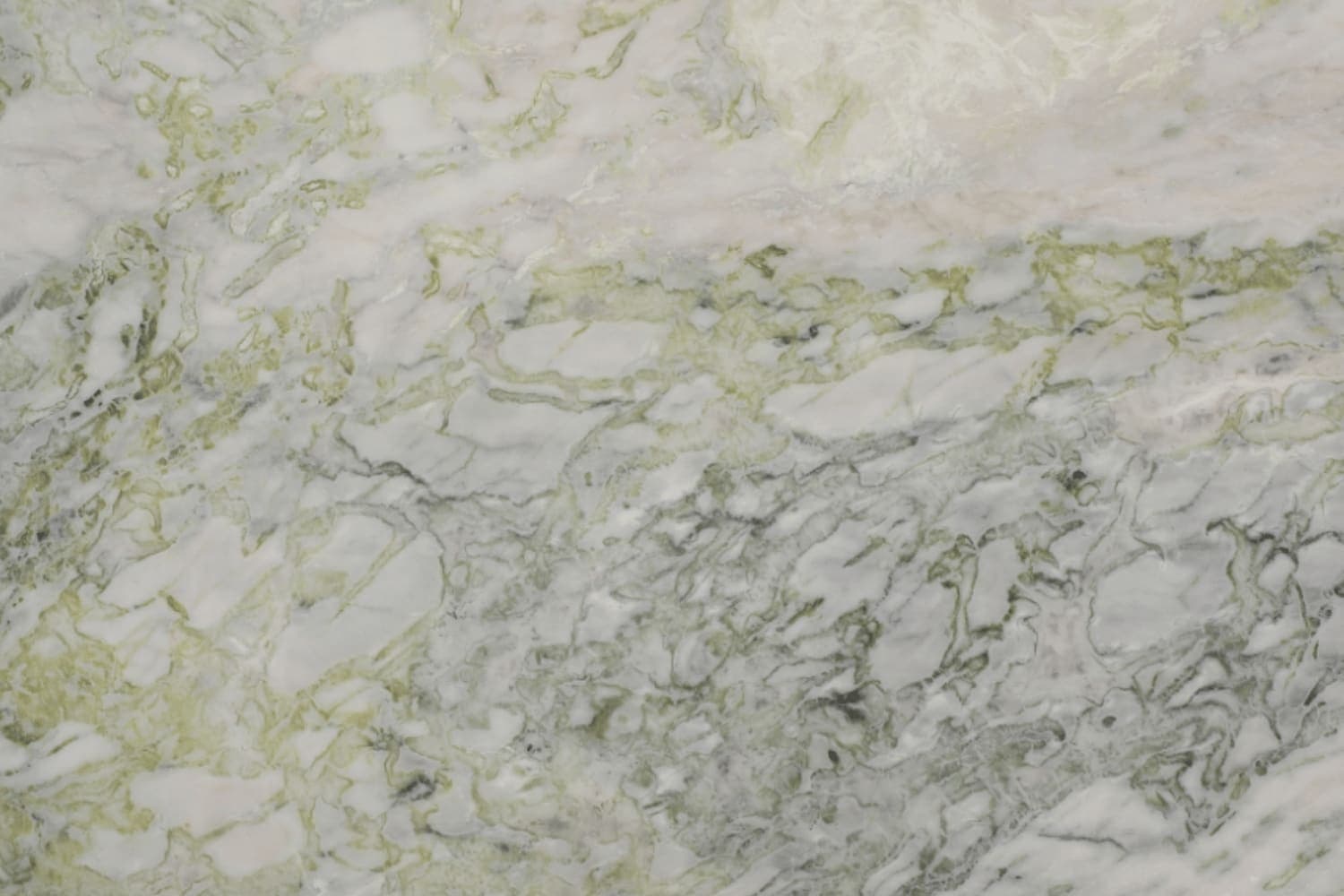
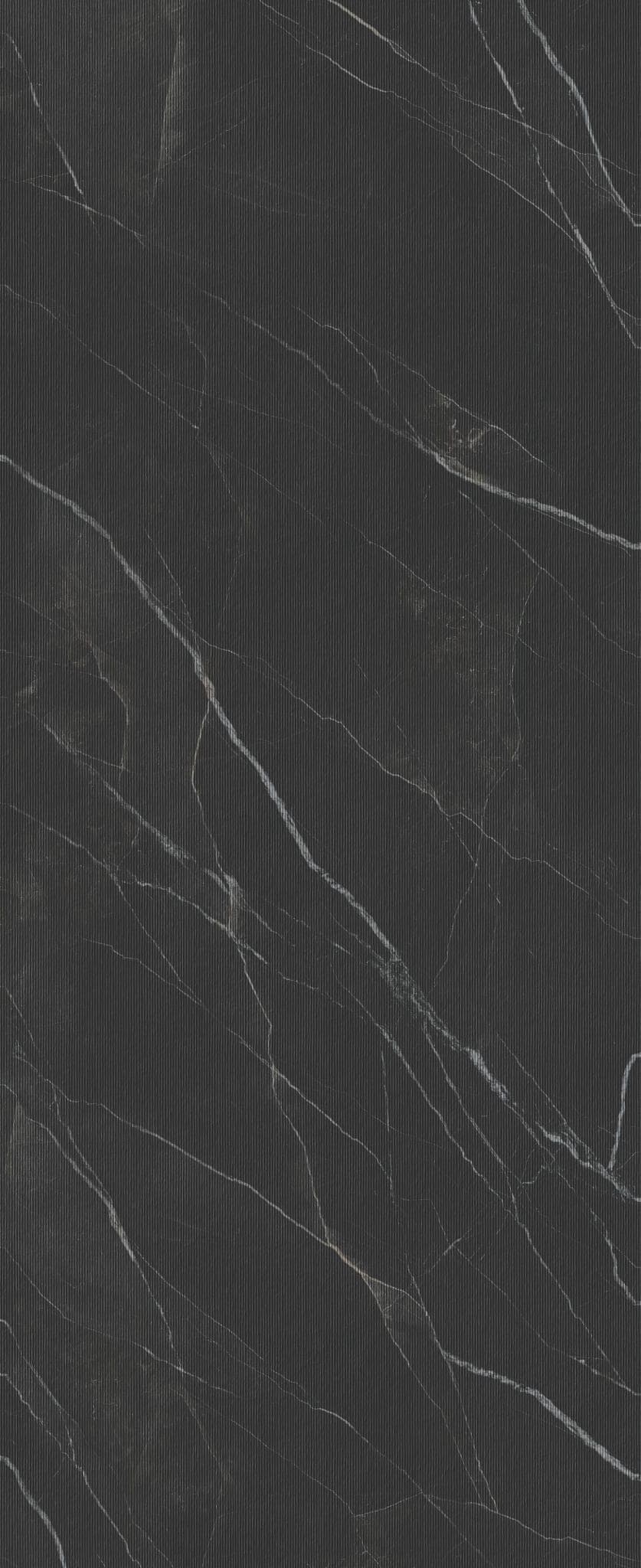
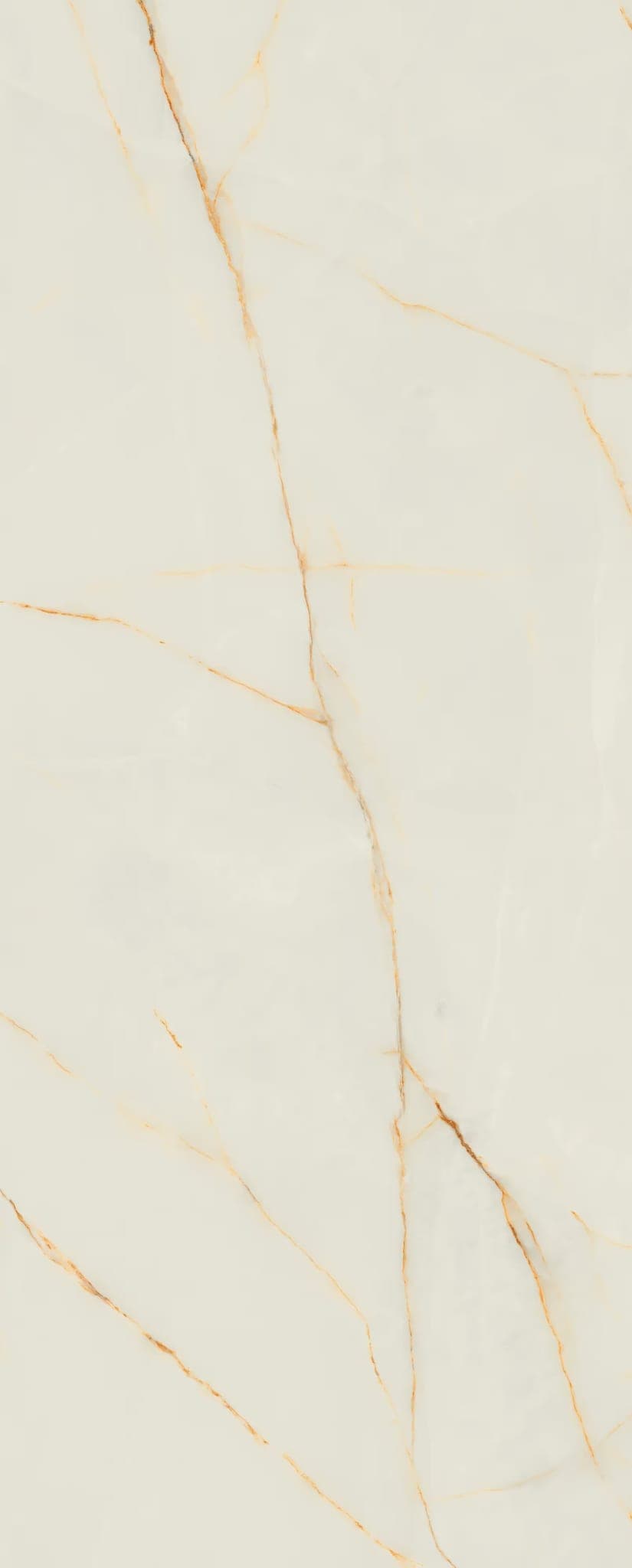
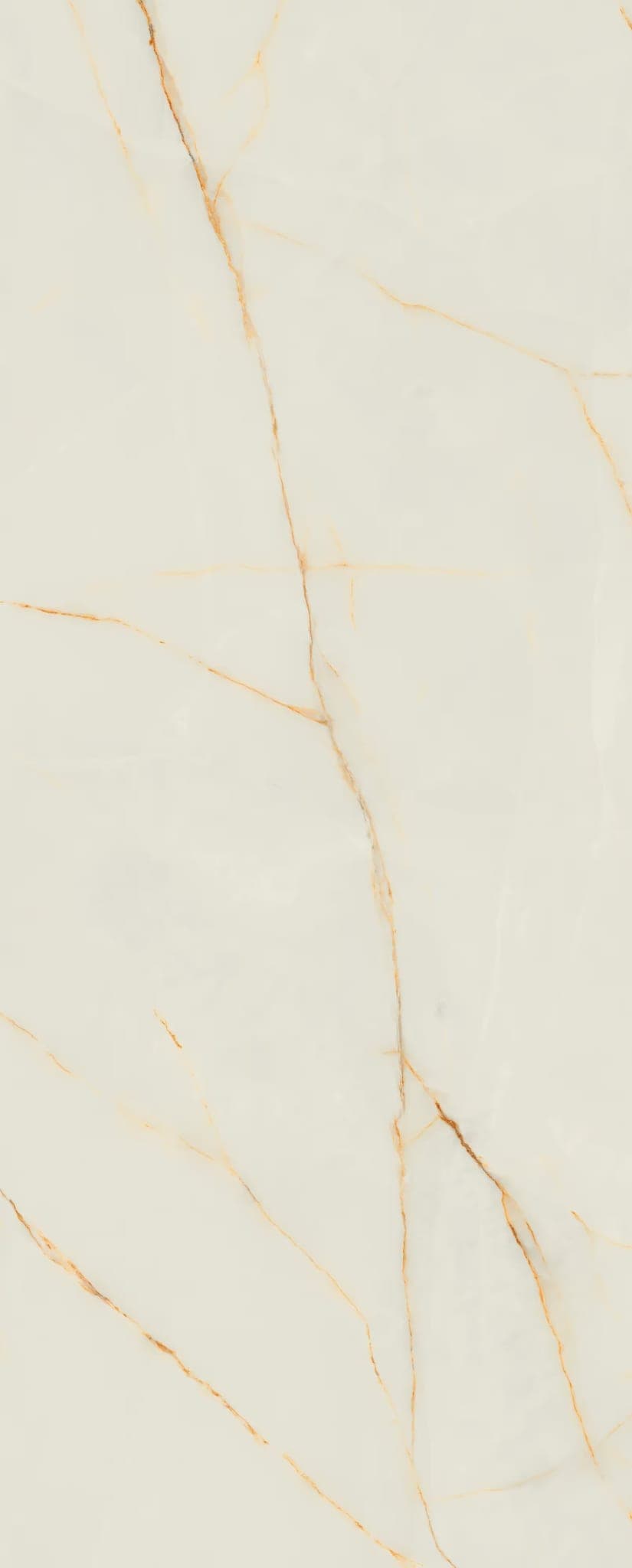
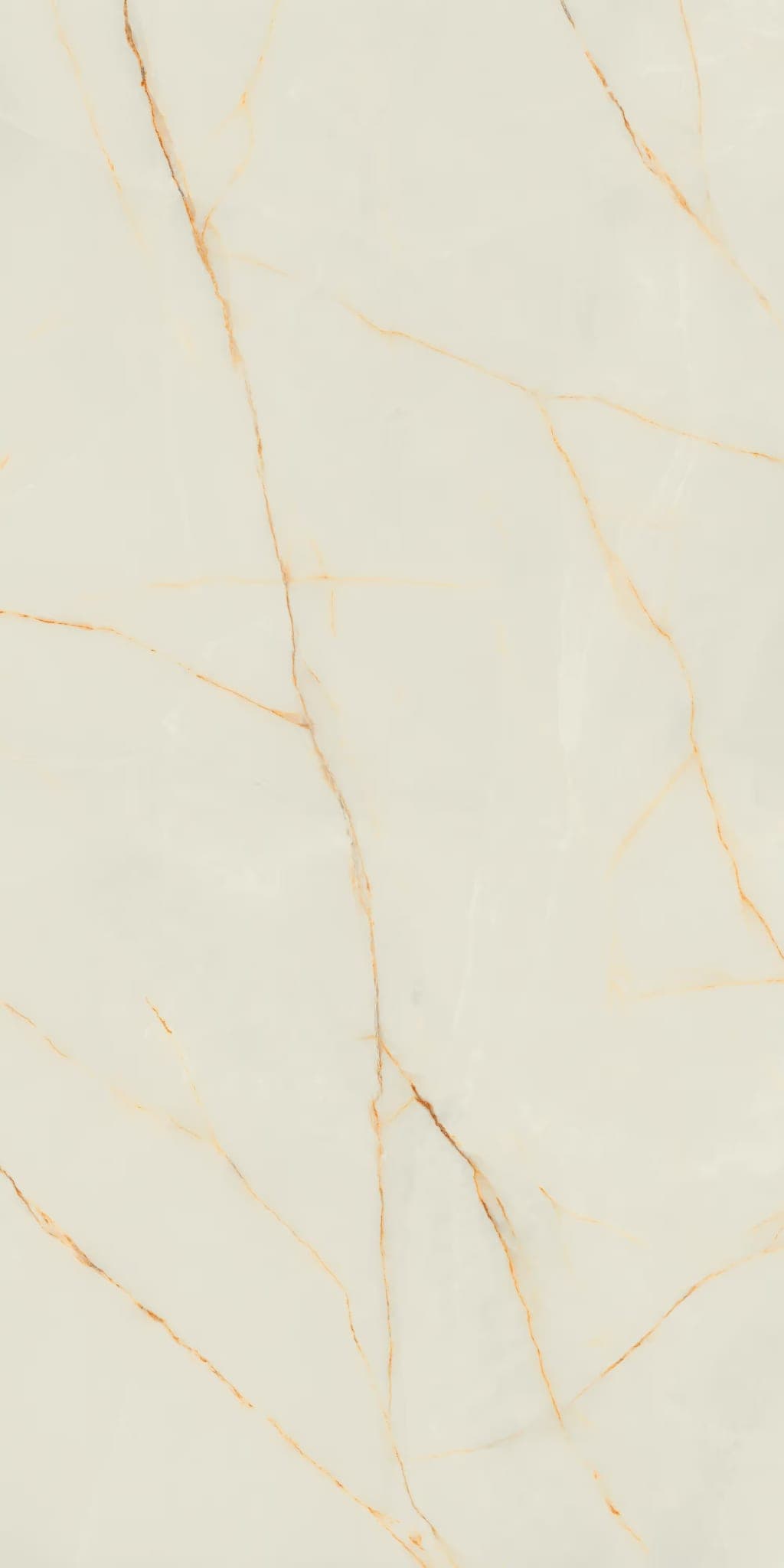
- Snap.Match.Done. visual search: upload a client screenshot, inspo image, or site photo and instantly see matching or similar slabs from the GoSource catalog.
- Application-aware filtering: narrow to slabs suitable for countertops, vanities, or wall cladding, with thickness and finish pre-sorted.
- Curated shortlists: build 3–5 candidate slabs per space instead of overwhelming clients with a giant gallery.
This lets you move from “mood board” to “real, orderable slab” in a single workflow, keeping choices aligned with price and availability.
Step 4: Turn Selections Into Clean Specifications
When your material choices exist only as scattered links and screenshots, details can get lost as projects move from concept to construction. Once you have a working direction, convert design picks into structured specifications.
Within GoSource, designers can:
- Convert shortlisted slabs and tiles into project specs with quantities, sizes, and finishes.
- Organize specs by room or package ("Kitchen Surfaces," "Primary Bath," "Entry Flooring") so GCs and fabricators can easily reference them.
- Keep specs in a single source of truth that your client, builder, and stone fabricator can all access.
Clean specs are the foundation of accurate pricing, fewer change orders, and smoother installs.
Step 5: Centralize Quotes, Pricing, and Lead Times
Requesting and comparing quotes is where many material sourcing interior design workflows grind to a halt. Designers end up chasing multiple reps just to get numbers on paper.
GoSource’s AI concierge and quoting engine are built to fix that:
- Submit your complete spec once and receive pricing from verified vendors through the platform.
- Compare options side by side — material cost, lead times, and availability — without rebuilding your spec each time.
- Tap into wholesale pricing and GoClub loyalty rewards as a frequent buyer, stacking savings across projects.
You get realistic numbers and timelines early, which makes client approvals faster and coordination with fabricators far more predictable.
































Step 6: Treat Your Account Manager as Part of the Design Team
GoSource does not just give you a catalog. We back it with concierge-level support for trade professionals. For busy designers, that is the difference between doing all the sourcing legwork yourself and having a dedicated partner.
A dedicated account manager can help you:
- Track down hard-to-find materials or propose alternatives when items are discontinued or over budget.
- Value-engineer surface packages without compromising the design intent, especially on multi-room or multi-unit projects.
- Coordinate with fabricators, builders, or GCs on quantities and timelines, so you’re not the only one bridging the gap.
Loop your account manager in at schematic design, not after final boards. They can flag lead-time risk and pricing issues before you present options to clients.
Step 7: Systematize Sample Ordering and Approvals
Samples are essential, but they do not have to derail schedules. The key is to tie sample requests directly to the SKUs you plan to specify within the same workflow.
With GoSource, a streamlined sample process looks like:
- Requesting samples from within your project instead of through separate supplier portals or emails.
- Organizing samples by room or concept set so you can present cohesive options (countertop, backsplash, flooring) in one client meeting.
- Logging approvals in the same workspace as your specs, so there is never a gap between what the client chose and what is ordered.
Because samples are linked to real inventory and current pricing, you reduce the risk of approving a material that you can’t actually procure at scale.
Step 8: Turn Your Sourcing Workflow Into a Playbook
Once you have run a few projects through a unified sourcing engine, you can start turning ad-hoc steps into a repeatable playbook. That is when timelines reliably shorten, not just on the straightforward jobs.
Use GoSource and your internal tools to:
- Save repeatable collections for specific project types—multifamily kitchens, boutique hospitality baths, cost-conscious rentals.
- Reuse sourcing briefs and spec templates instead of reinventing them on each project.
- Track which materials and brands consistently deliver on quality, lead times, and price so they become your first-line recommendations.
Source Smarter With GoSource
When you treat material sourcing as a repeatable system rather than a one-off scramble, projects move faster, specs stay tighter, and clients see you as a designer who delivers on time, every time.
GoSource is built for exactly that workflow: one platform for search, selection, specs, quotes, and support, so sourcing stops being the part of your project that slows everything else down. Create your account and start your first sourcing brief today.

