
In commercial work, surface decisions are not isolated. They affect traffic flow, maintenance budgets, slip resistance, branding, and how the space will photograph for the next decade. Across hospitality, retail, workplace, and healthcare, large-format porcelain slabs are increasingly specified alongside granite, marble, and quartzite. The question is less “which one is better” and more “which one is the right product for this specific project?”
Here is a practical way to make that choice for clients and project teams, grounded in current porcelain slab trends and real-world commercial constraints.
What large-format porcelain brings to the table
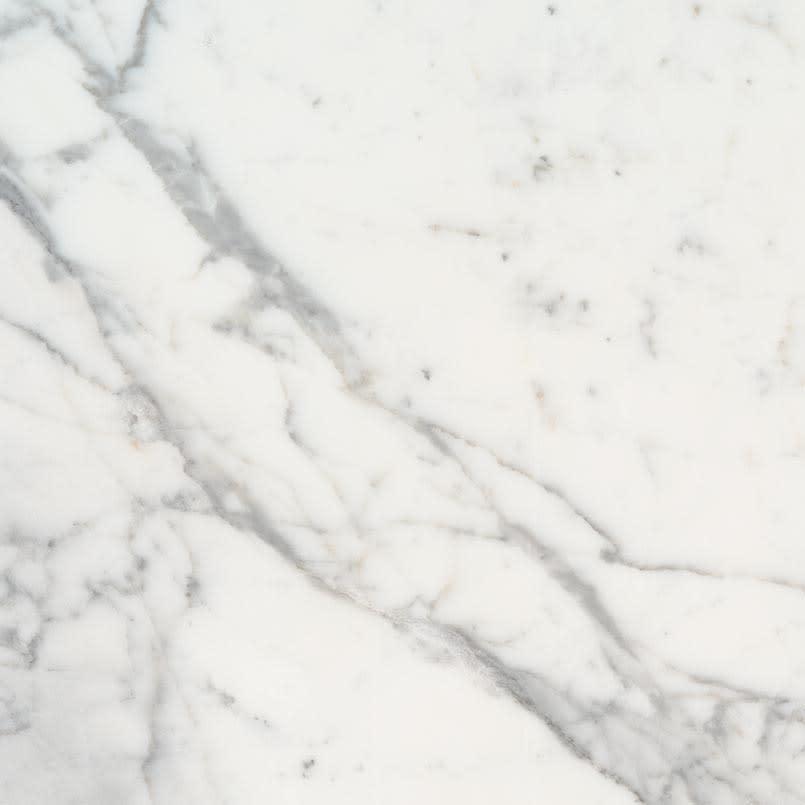
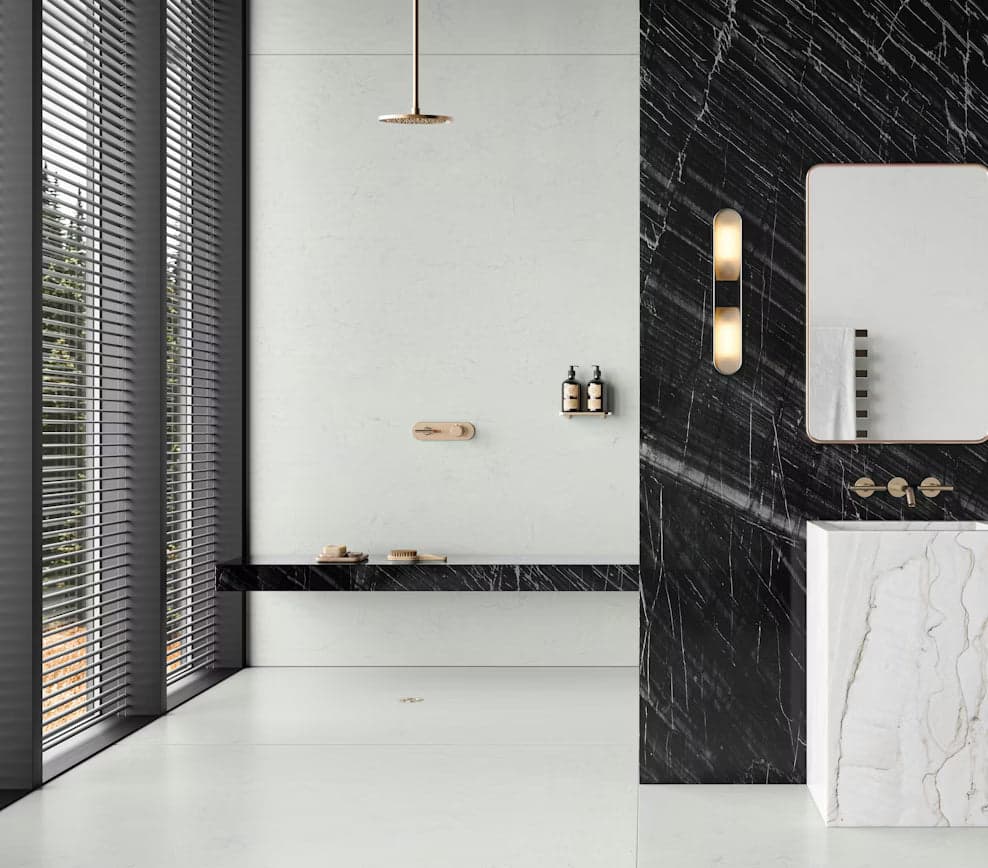
The rise of large-format porcelain slabs is not accidental. Manufacturers have improved digital printing, body composition, and slab sizing. Manufacturers have improved digital printing, body composition, and slab sizing, making porcelain a serious contender for continuous, low-maintenance surfaces that can withstand heavy use. Sizes in the five-by-ten-foot range and beyond allow you to minimize grout lines on floors and walls. You can wrap columns or elevator cores cleanly and create monolithic bar fronts and reception desks with very controlled veining.
From a performance standpoint, porcelain offers high stain resistance, color stability under UV exposure, and very low porosity. In busy lobbies, restrooms, food courts, or back-of-house corridors, that translates into easier cleaning and fewer worries about etching from acidic cleaners or food spills. For brands that refresh interiors every 7 to 10 years, porcelain can be an attractive way to achieve a “natural stone” look while keeping day-to-day maintenance simple for the facilities team.


Where natural stone still leads
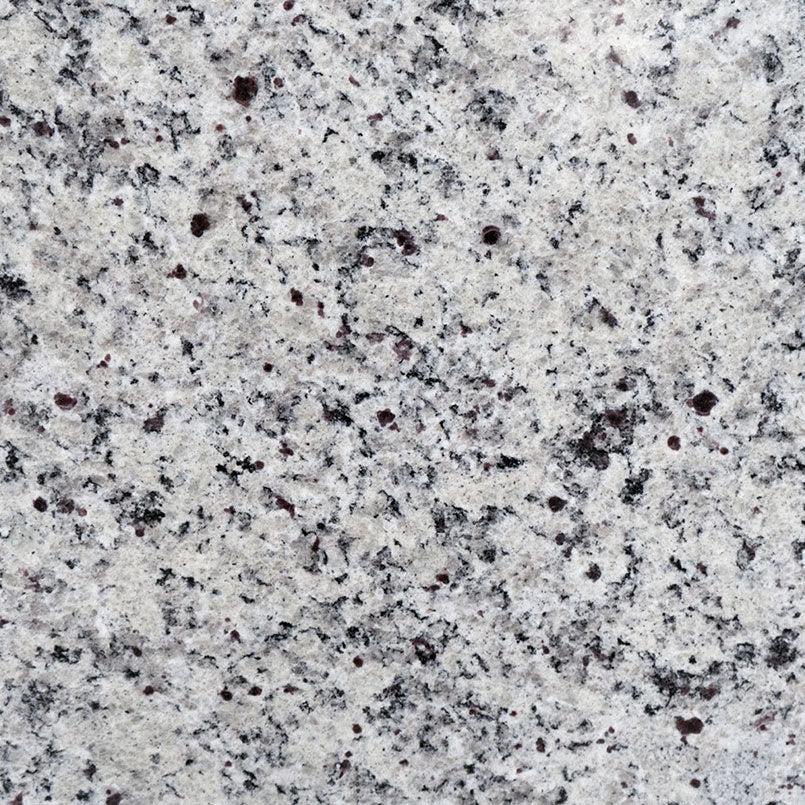
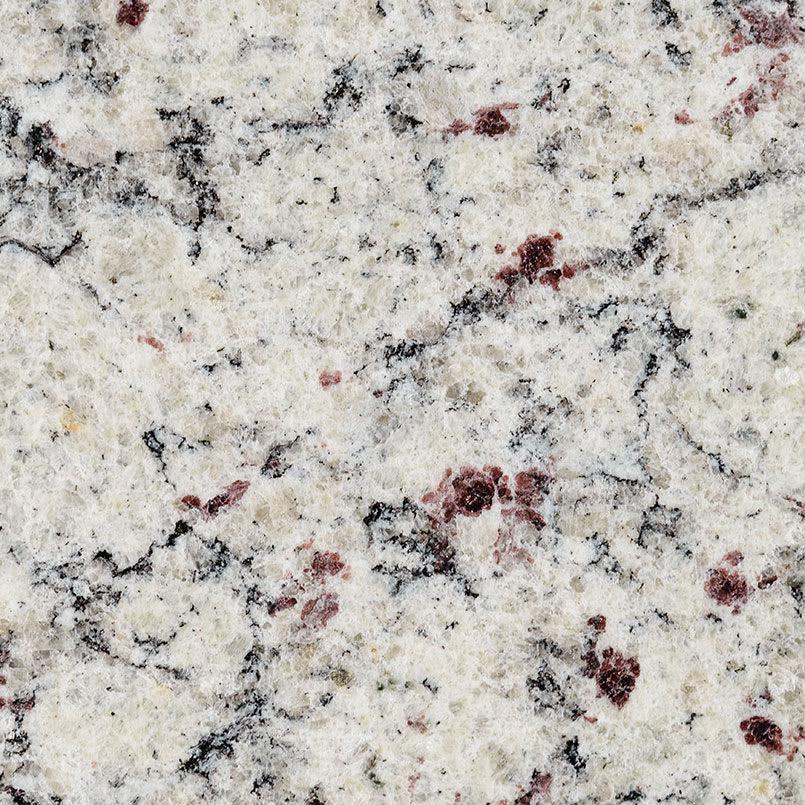
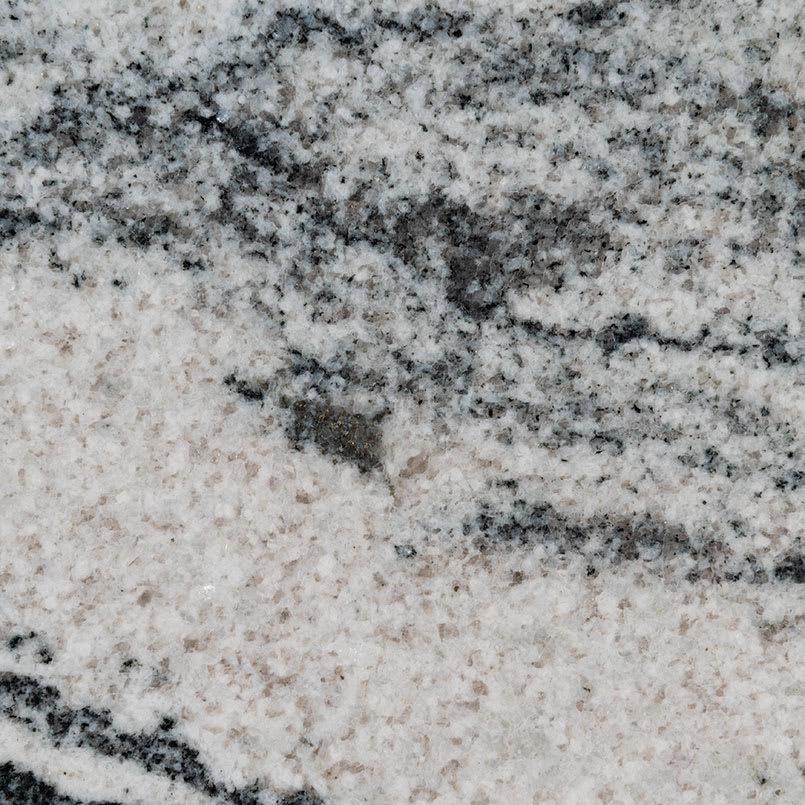
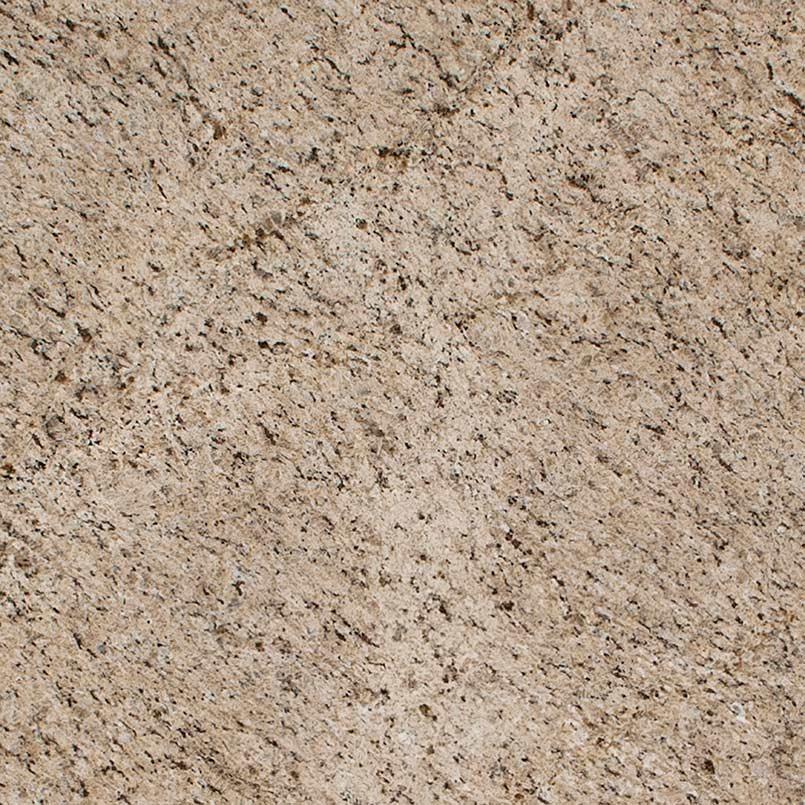
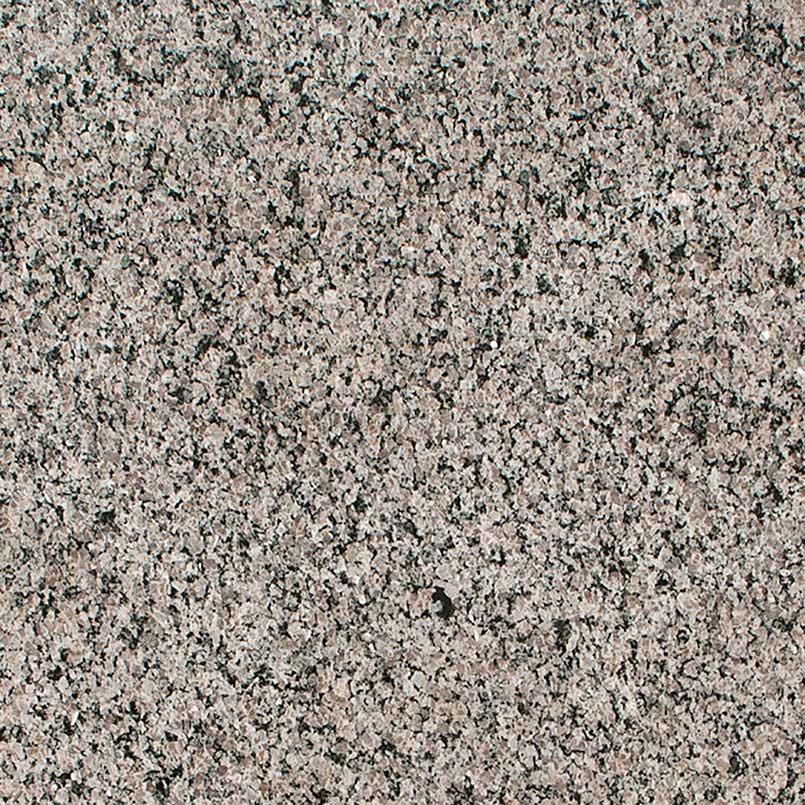
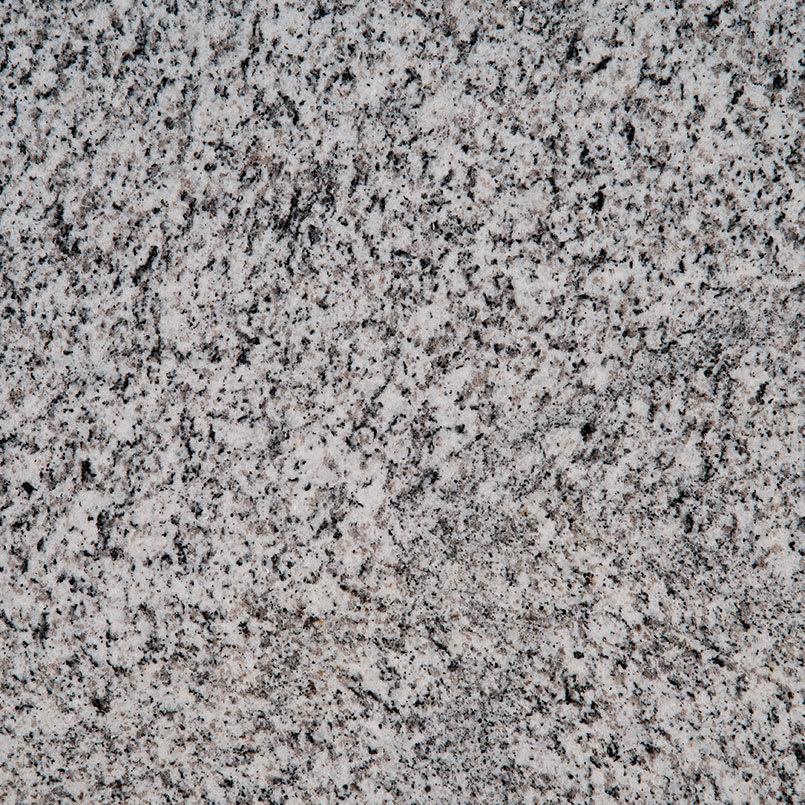
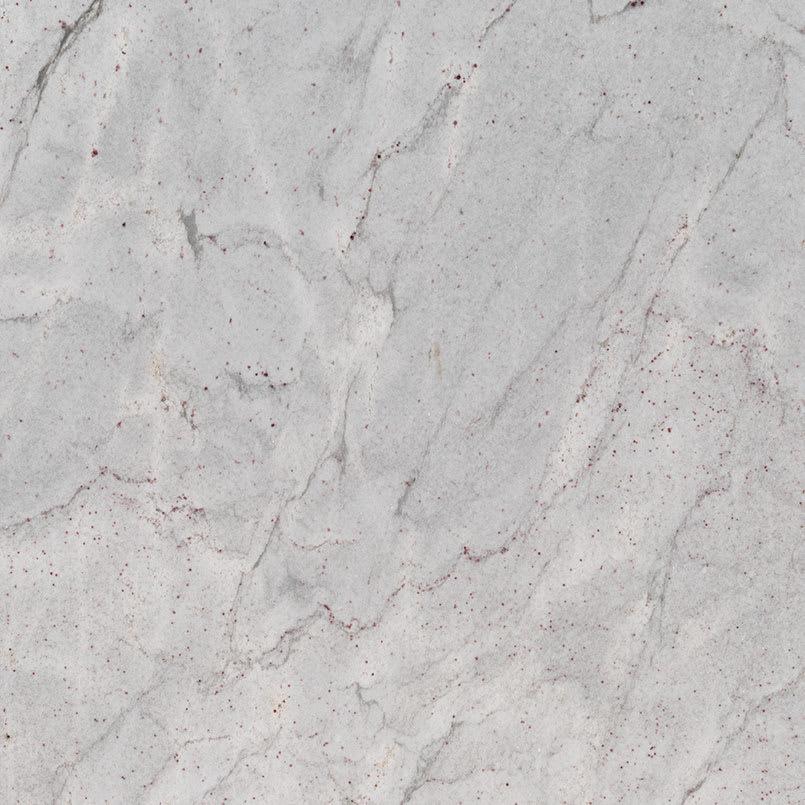
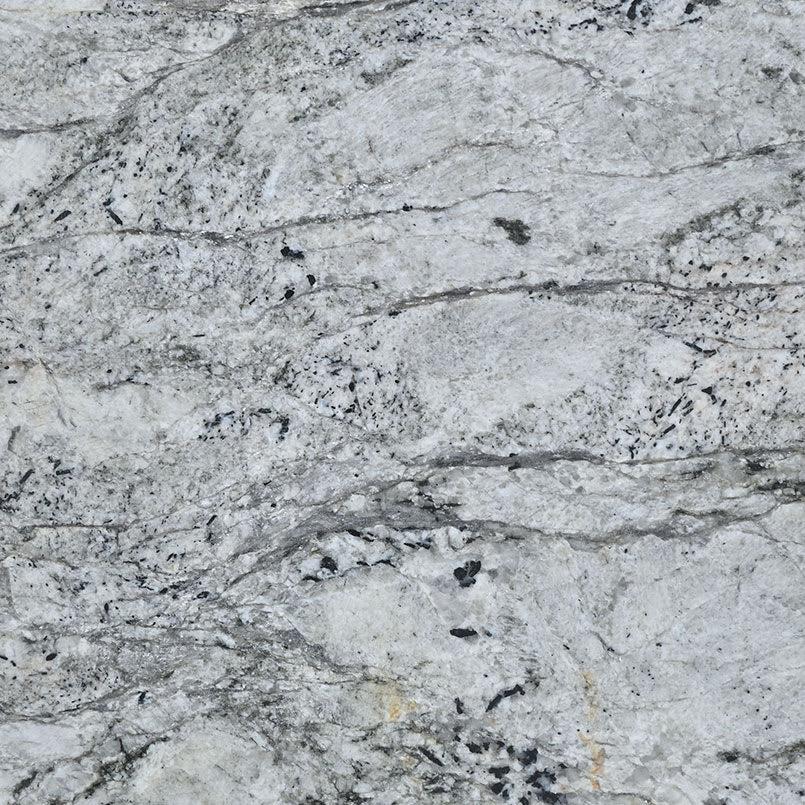
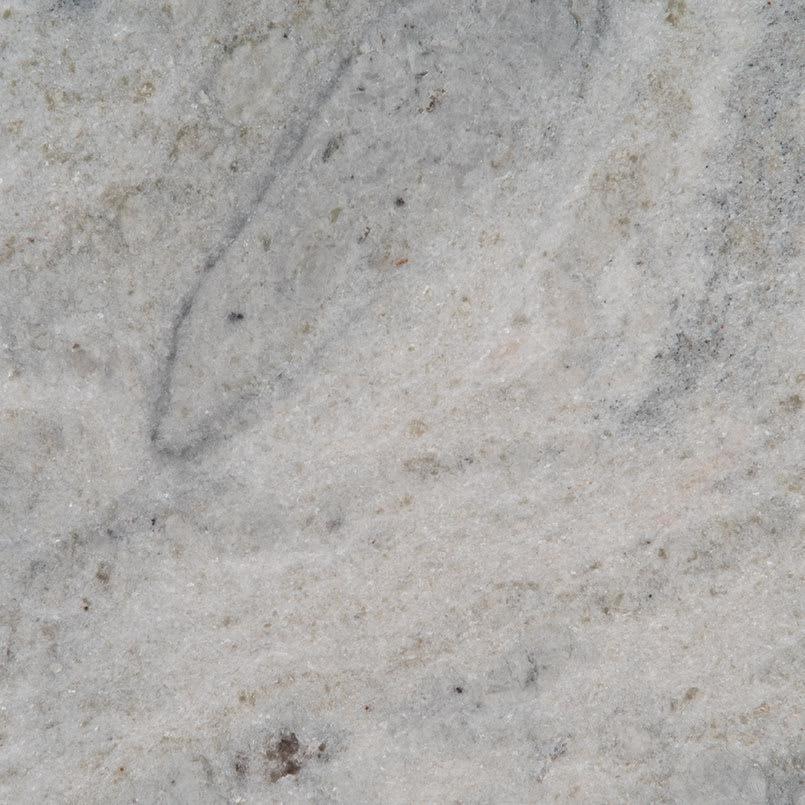
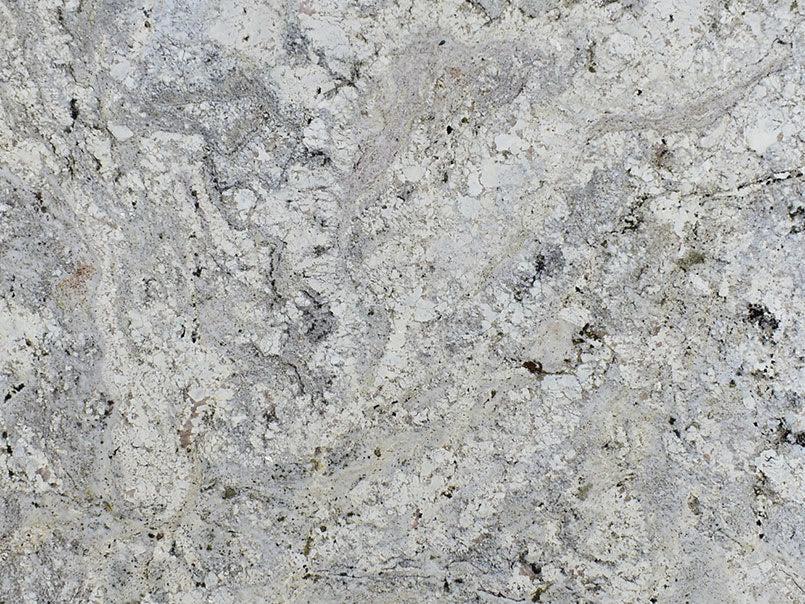
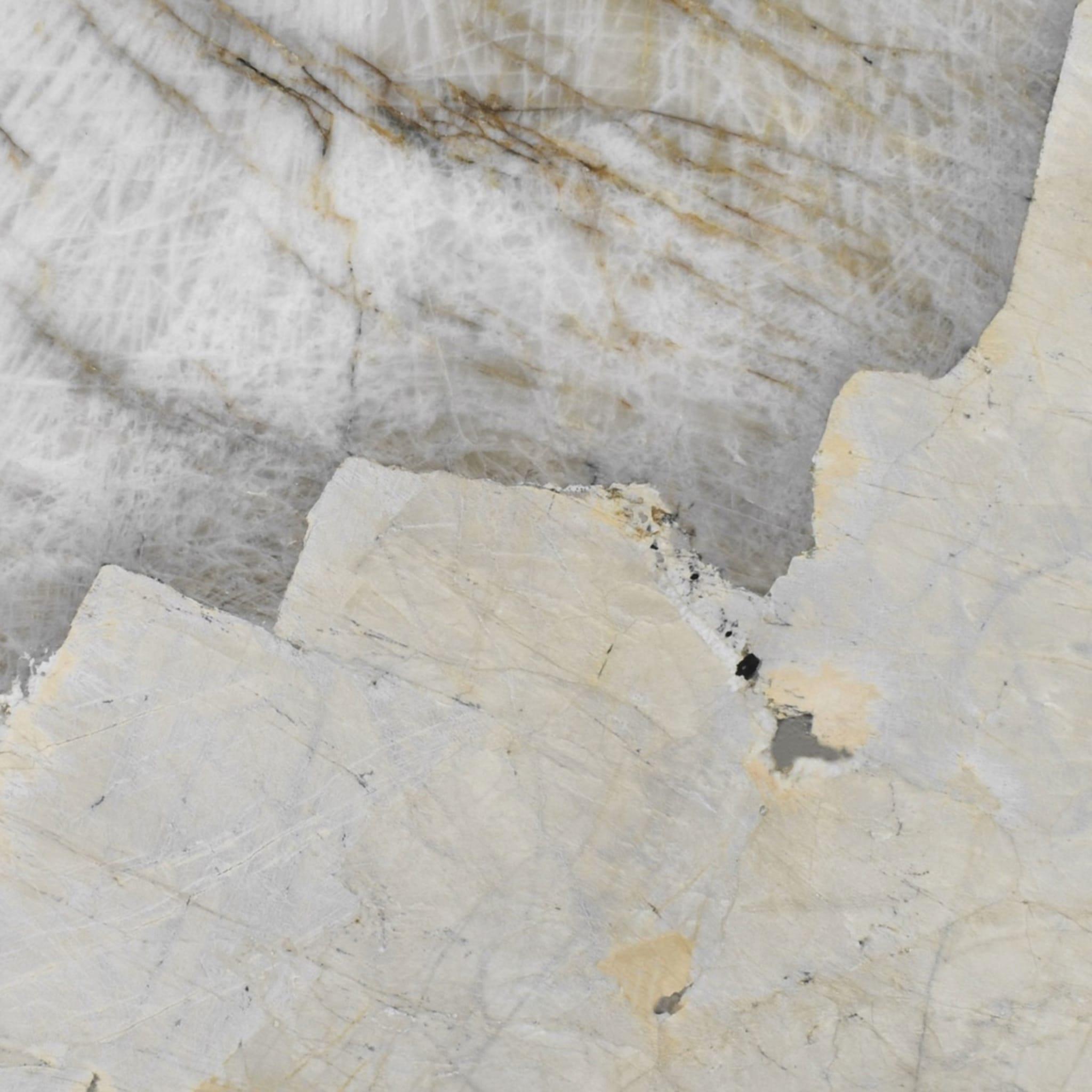
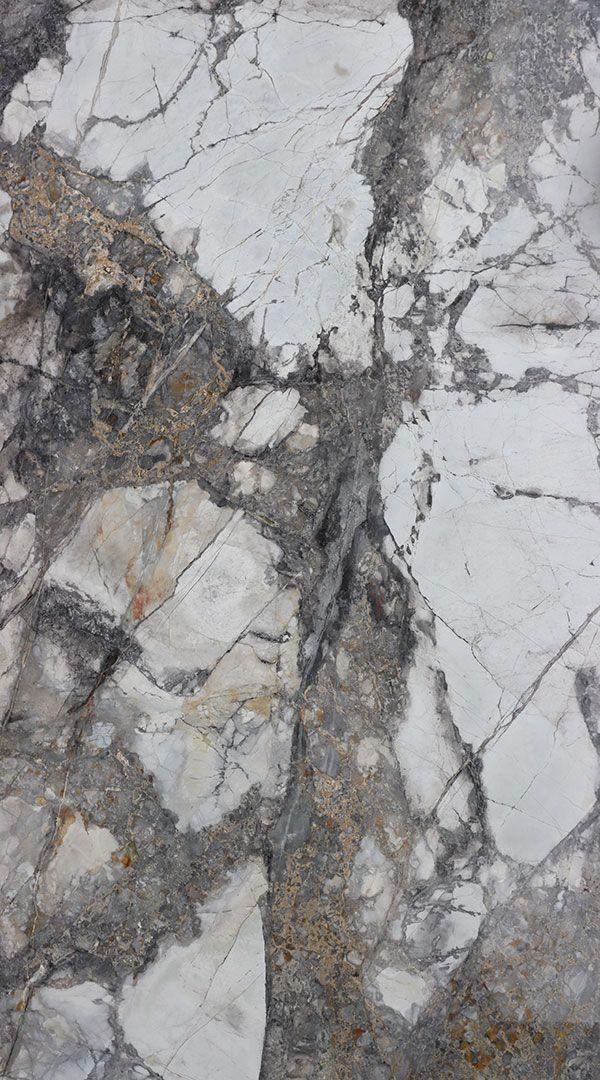
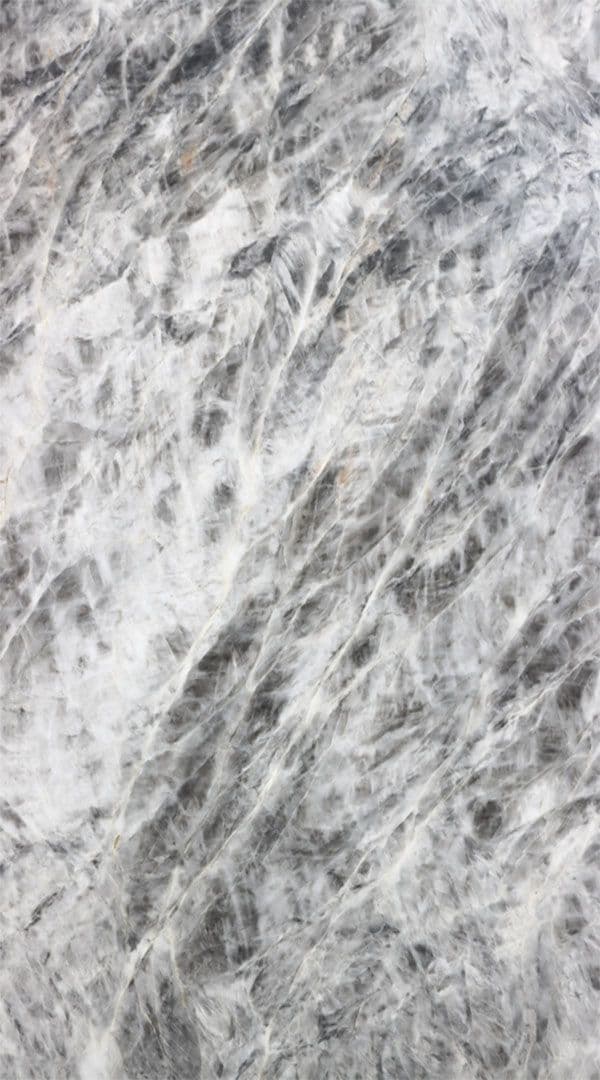
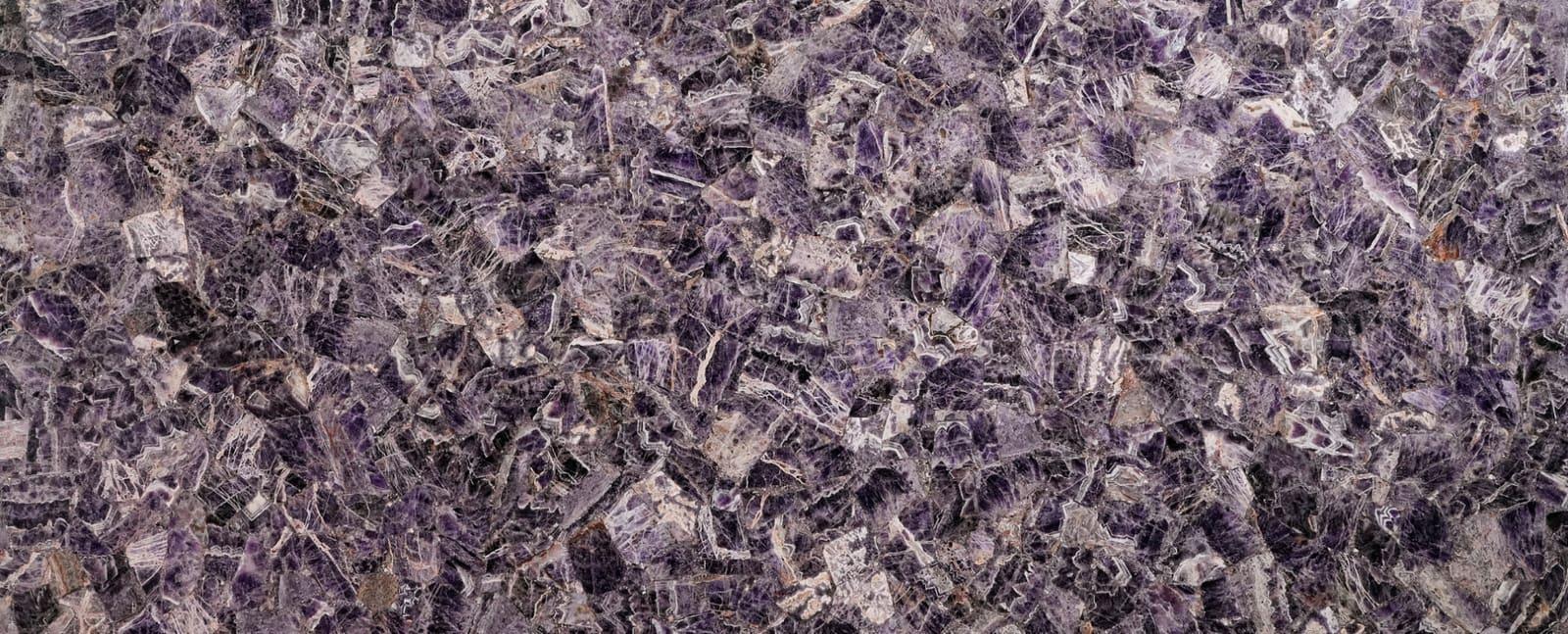
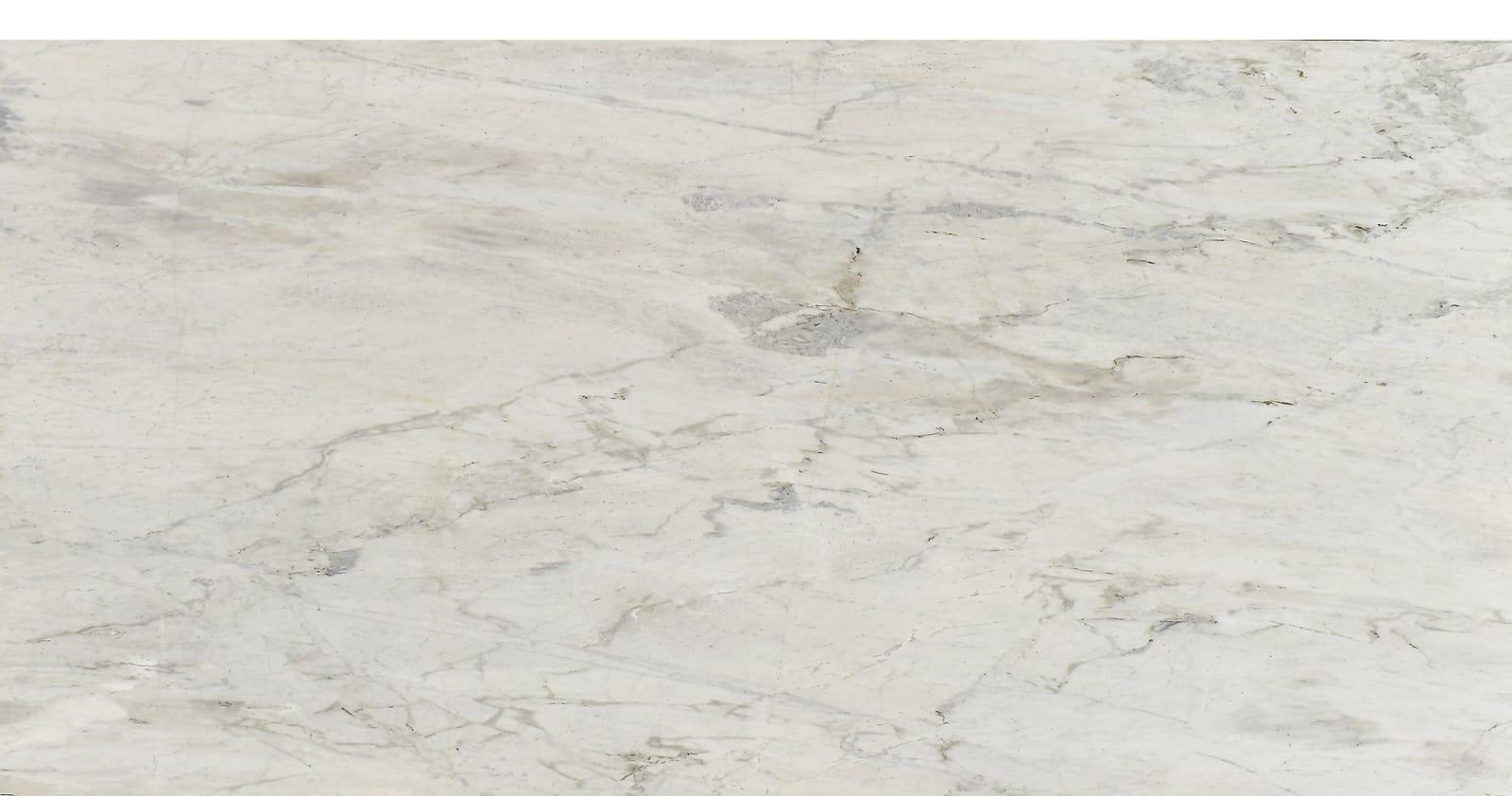
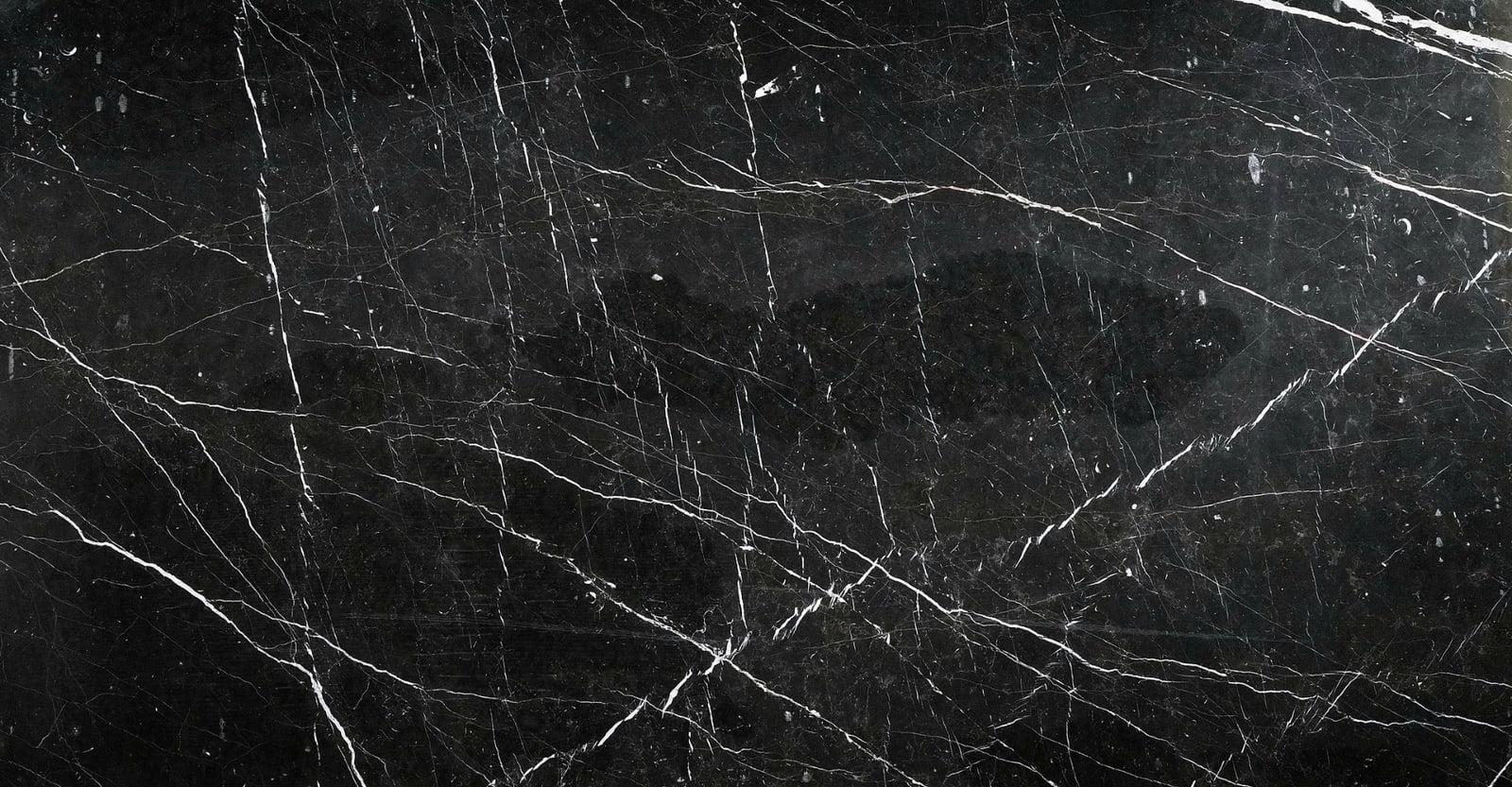
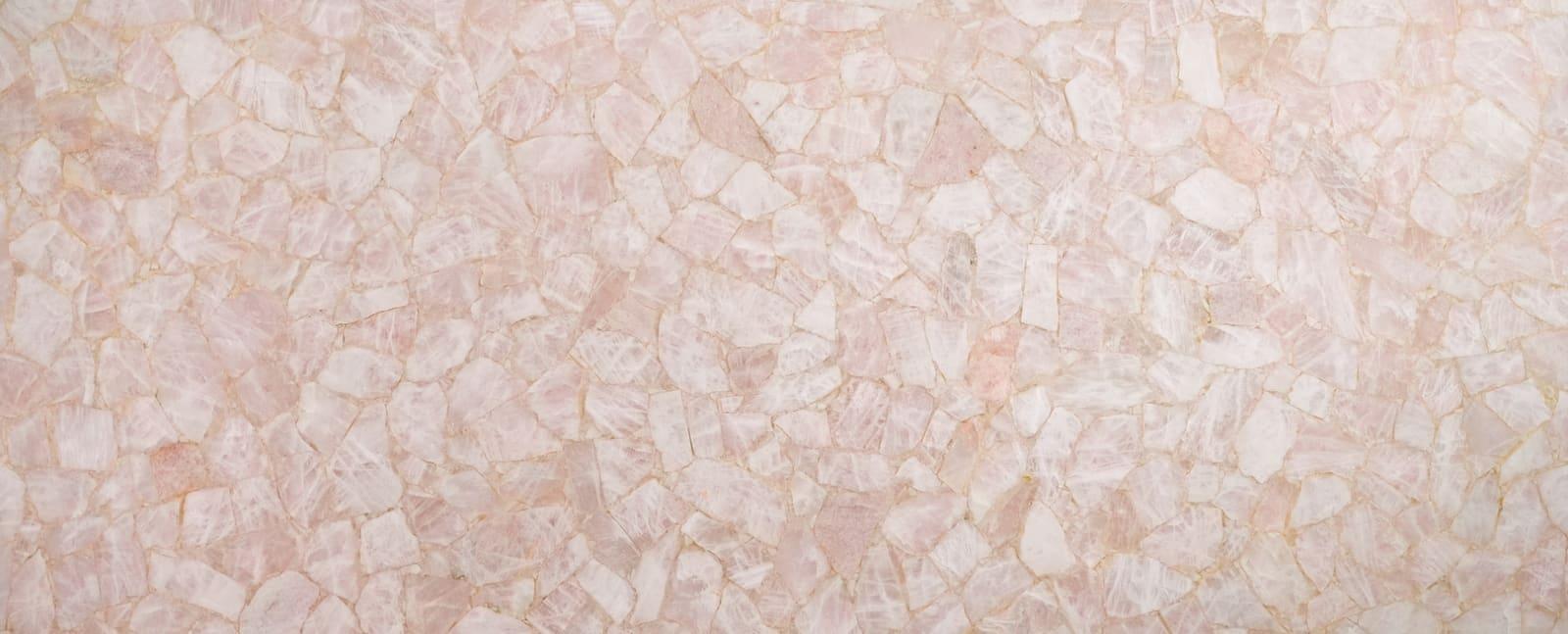
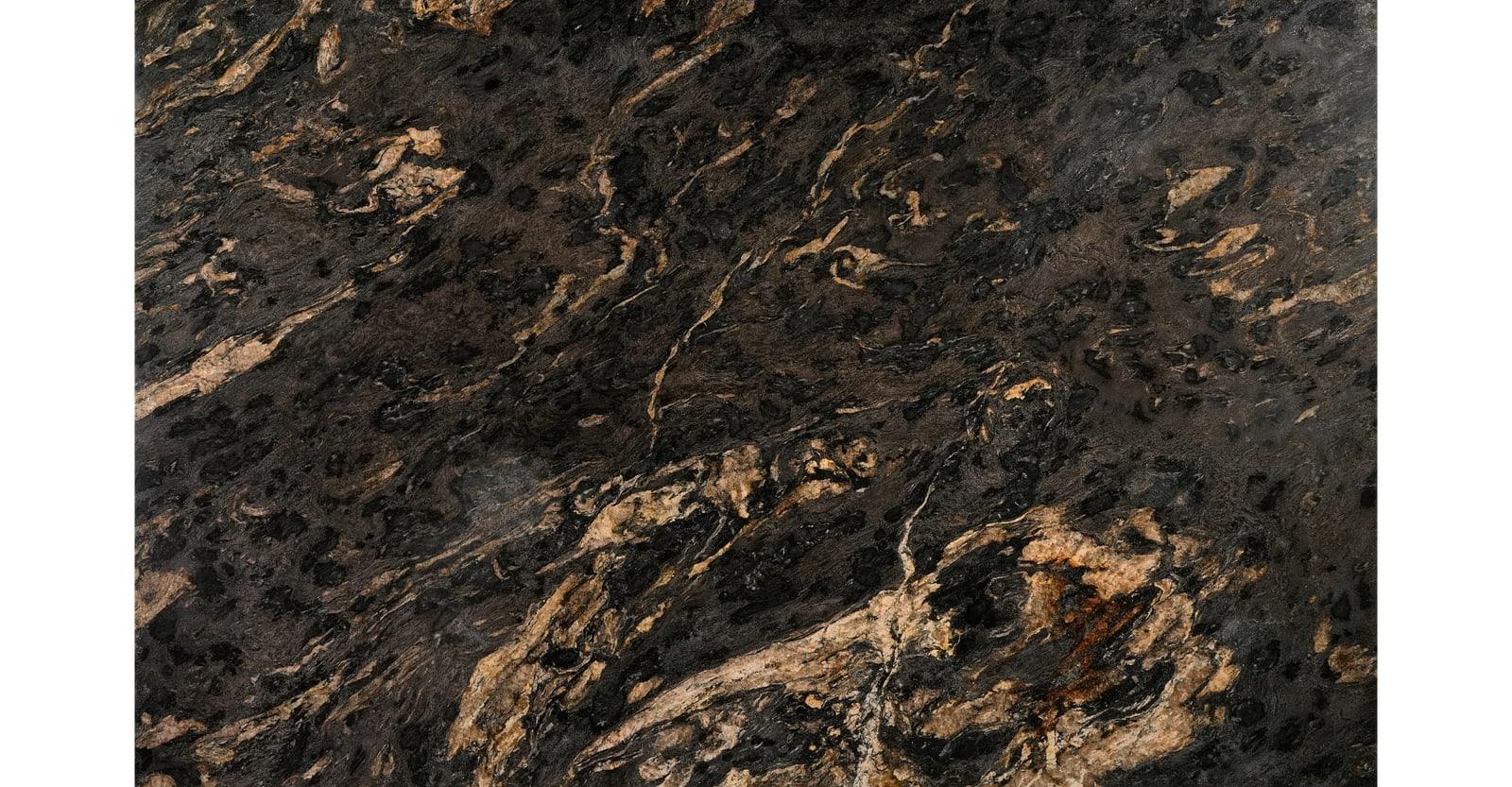
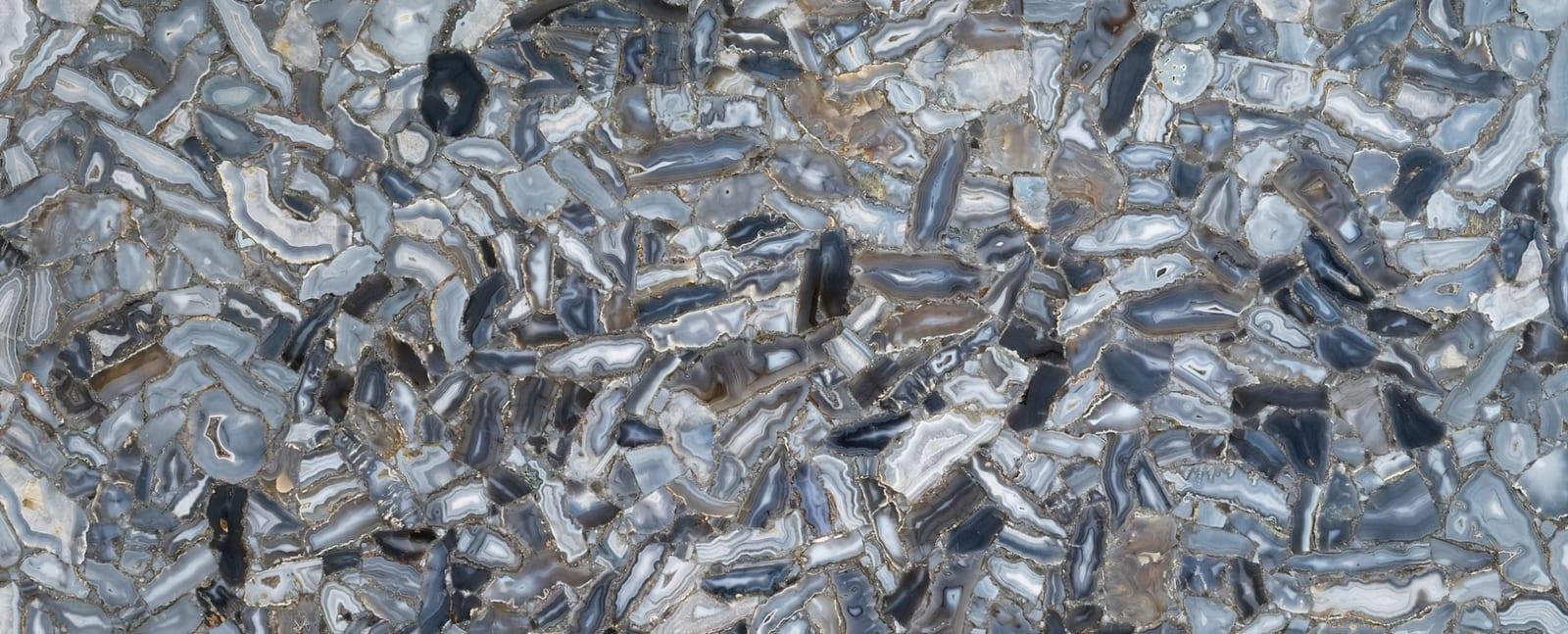
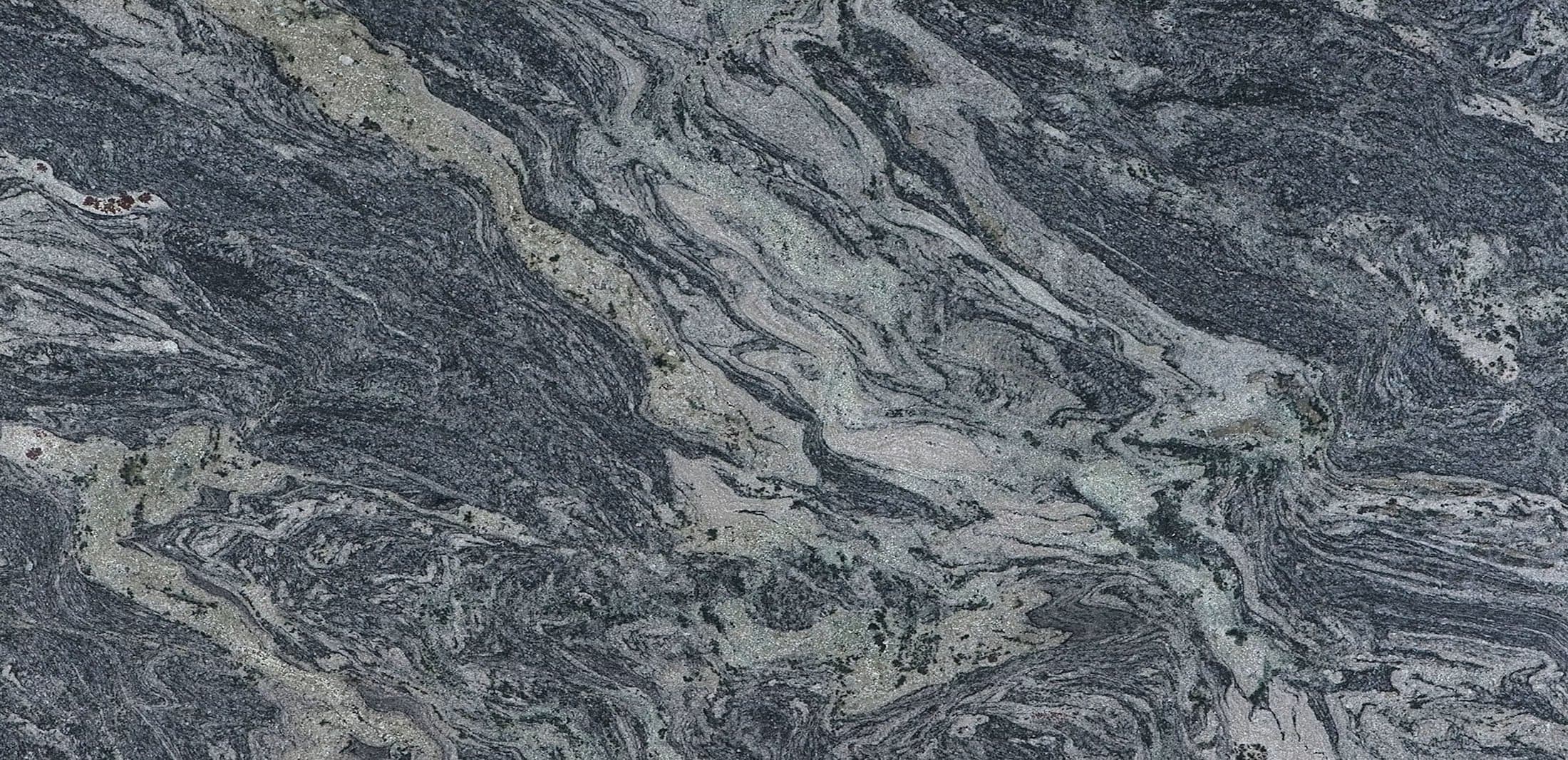
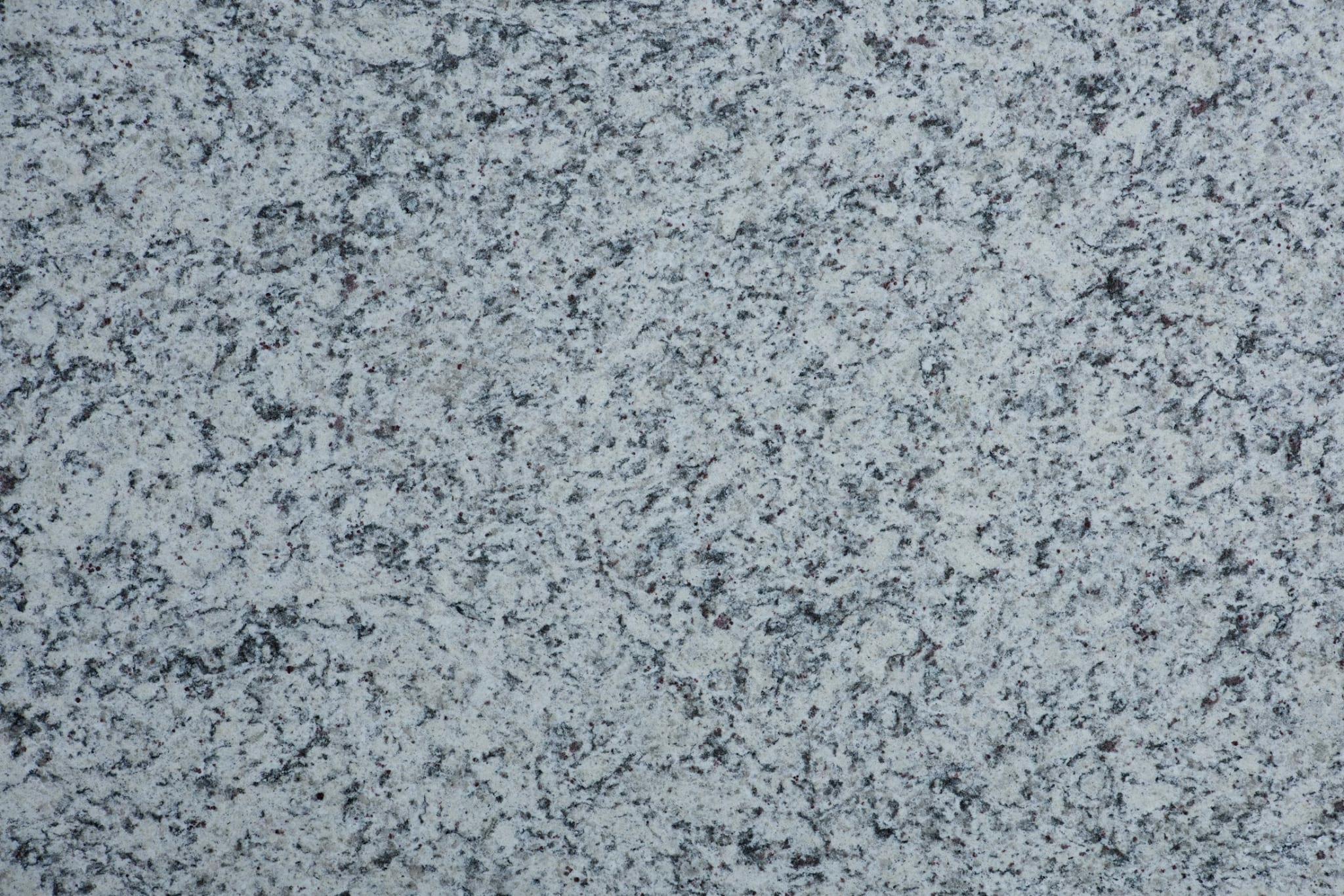
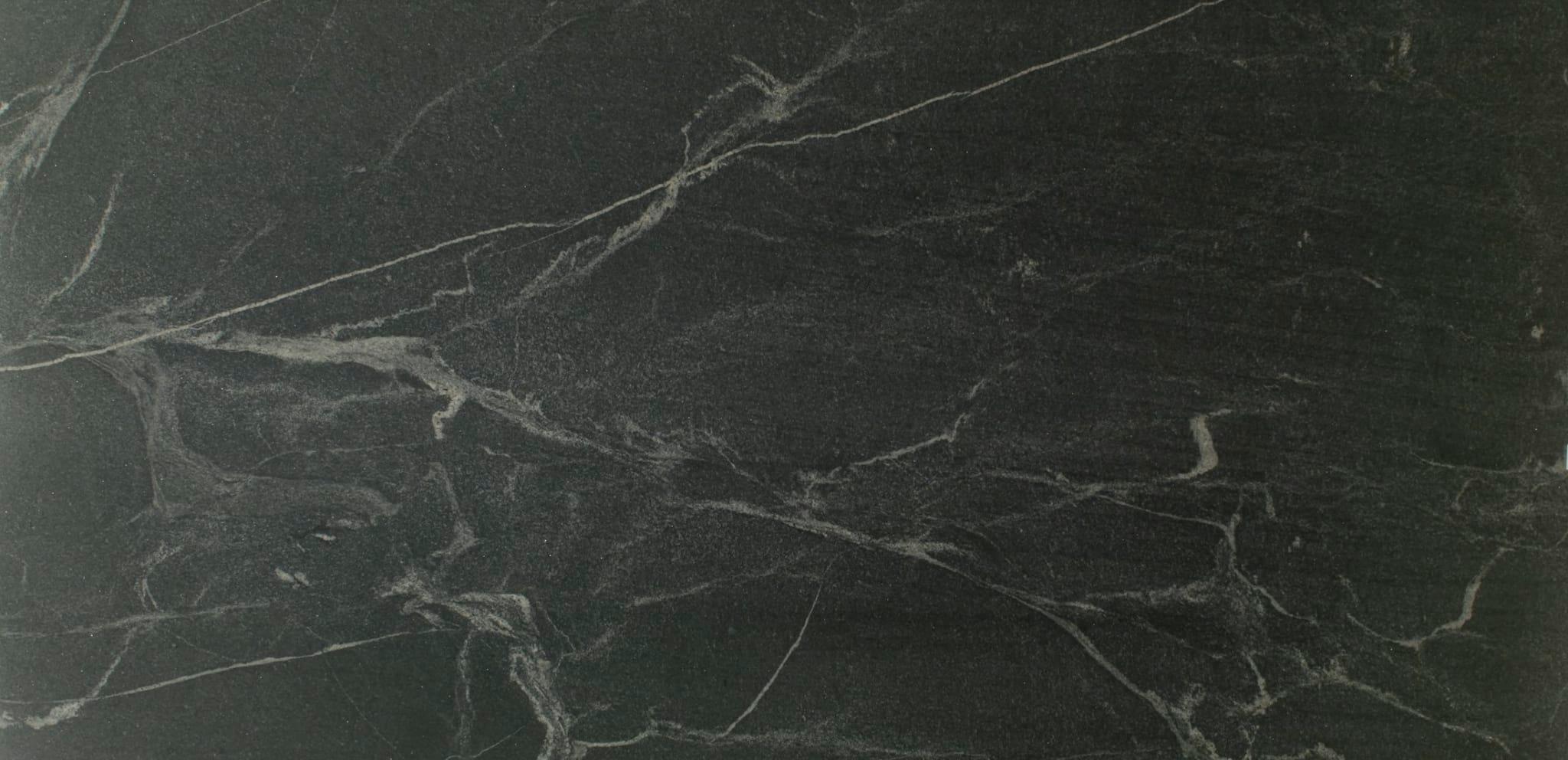
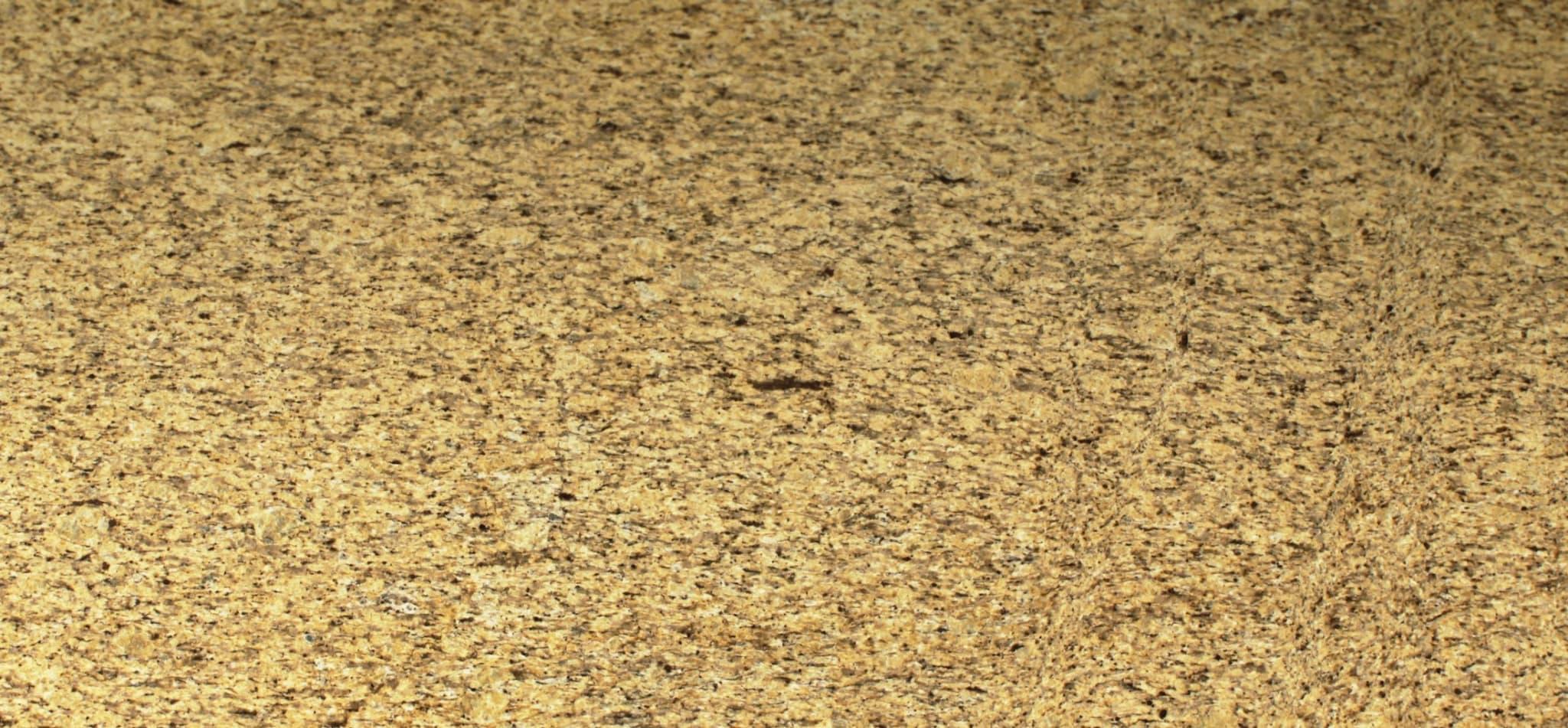
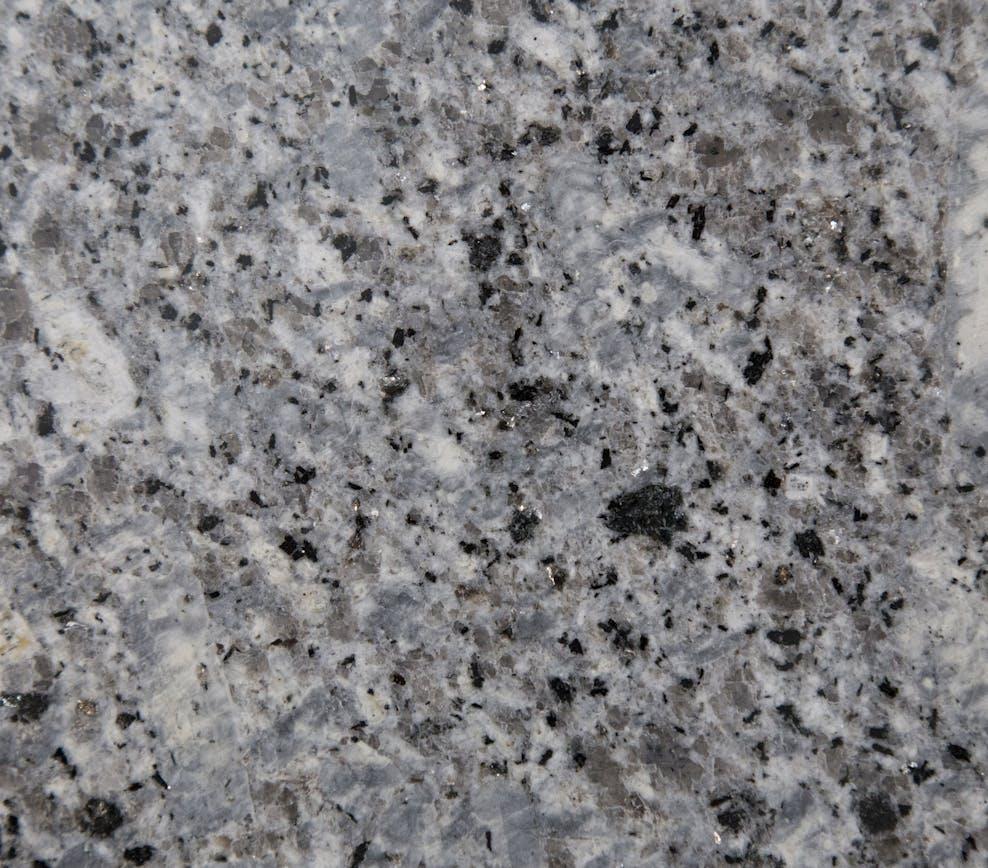
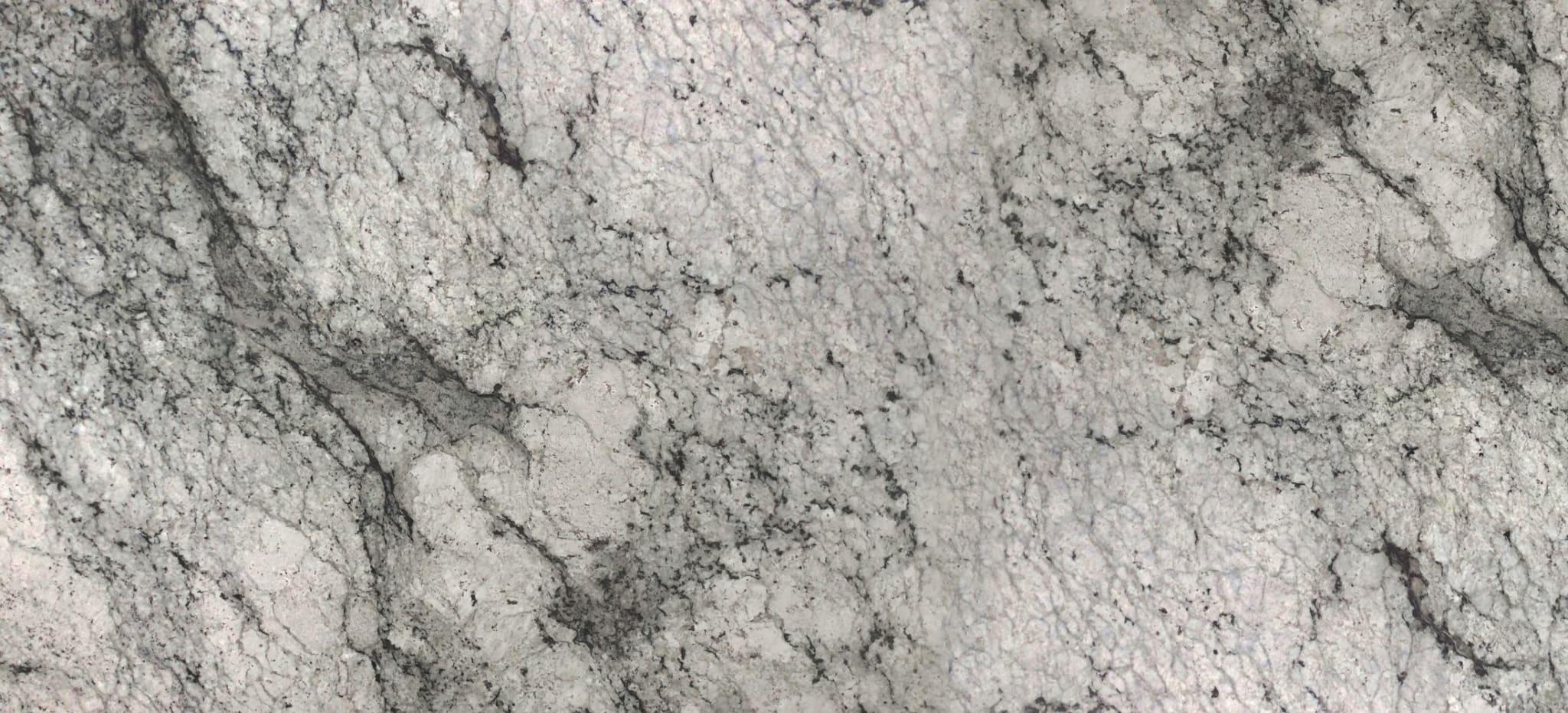
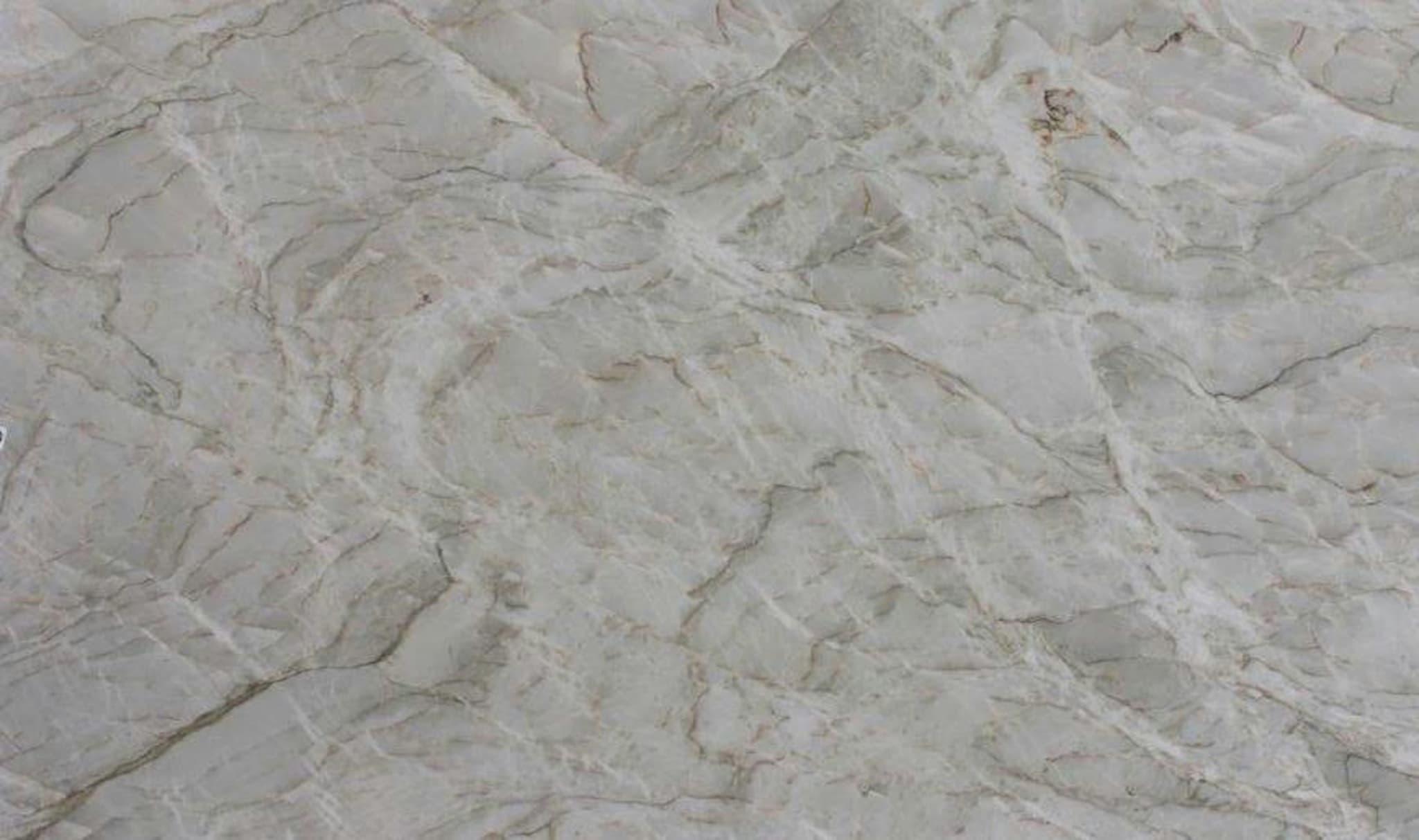
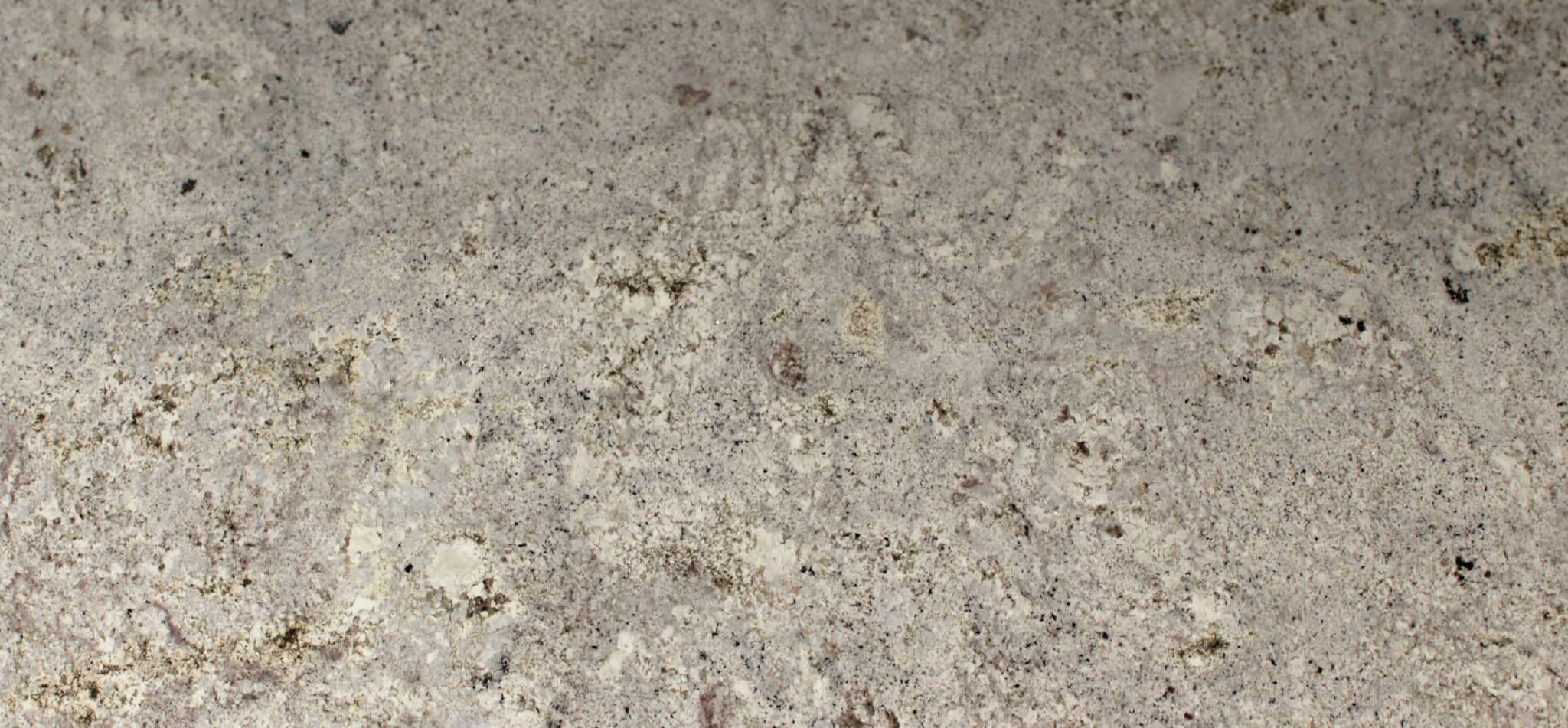
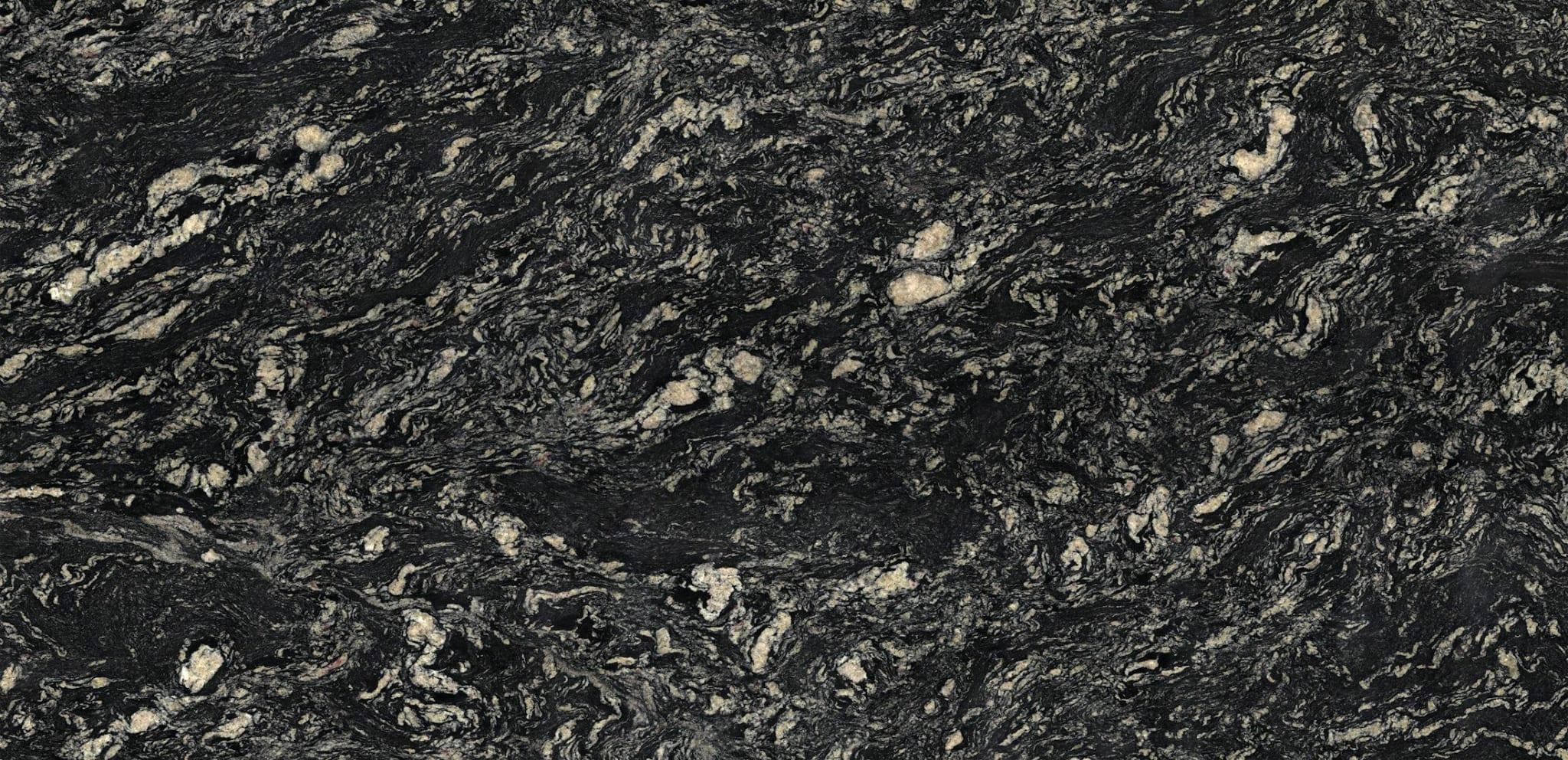
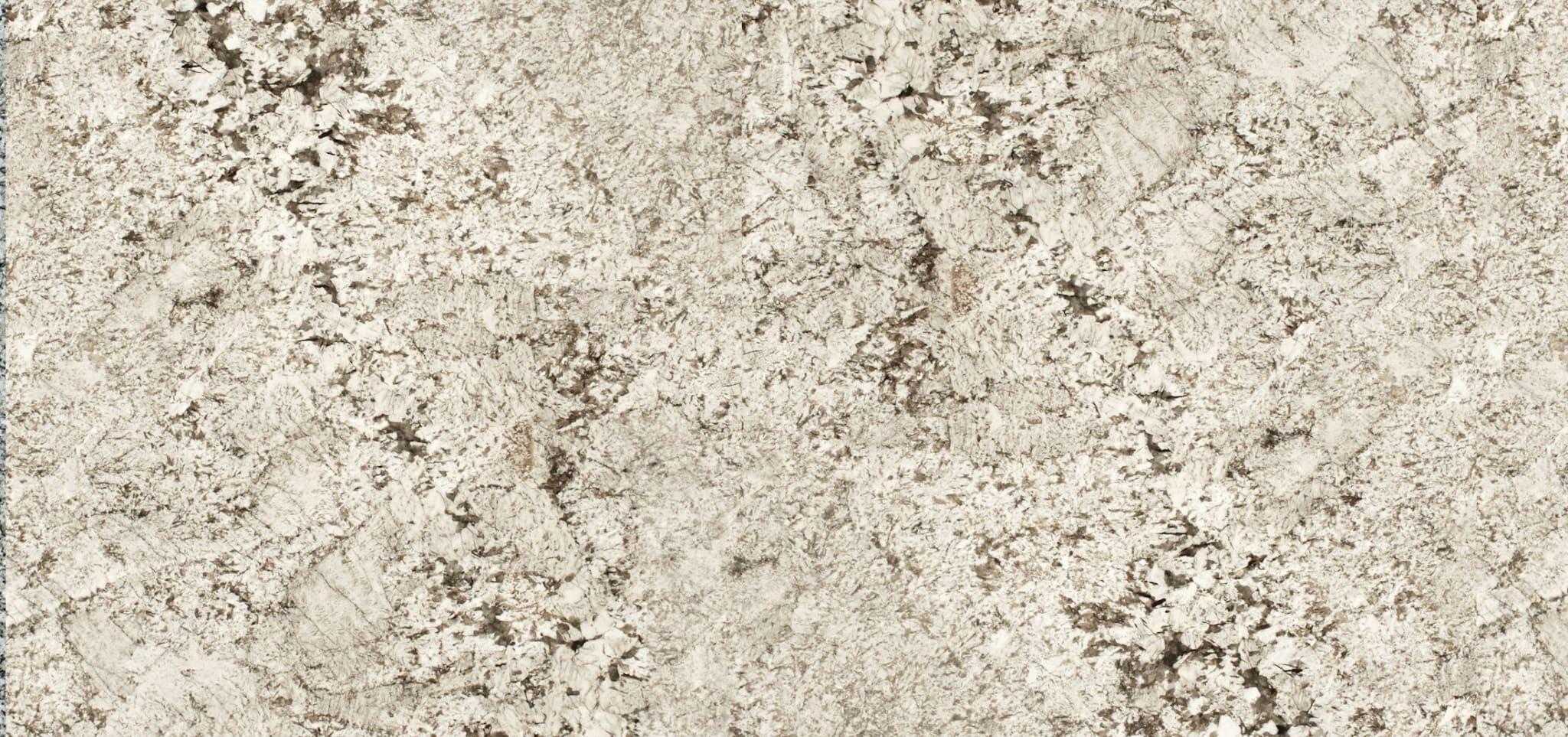
Natural stone continues to be the material of choice when authenticity, tactility, and long-term character are the priority. Slight differences from slab to slab create a sense of luxury and uniqueness that many clients value — something premium natural stone slabs deliver in a way engineered surfaces cannot replicate.
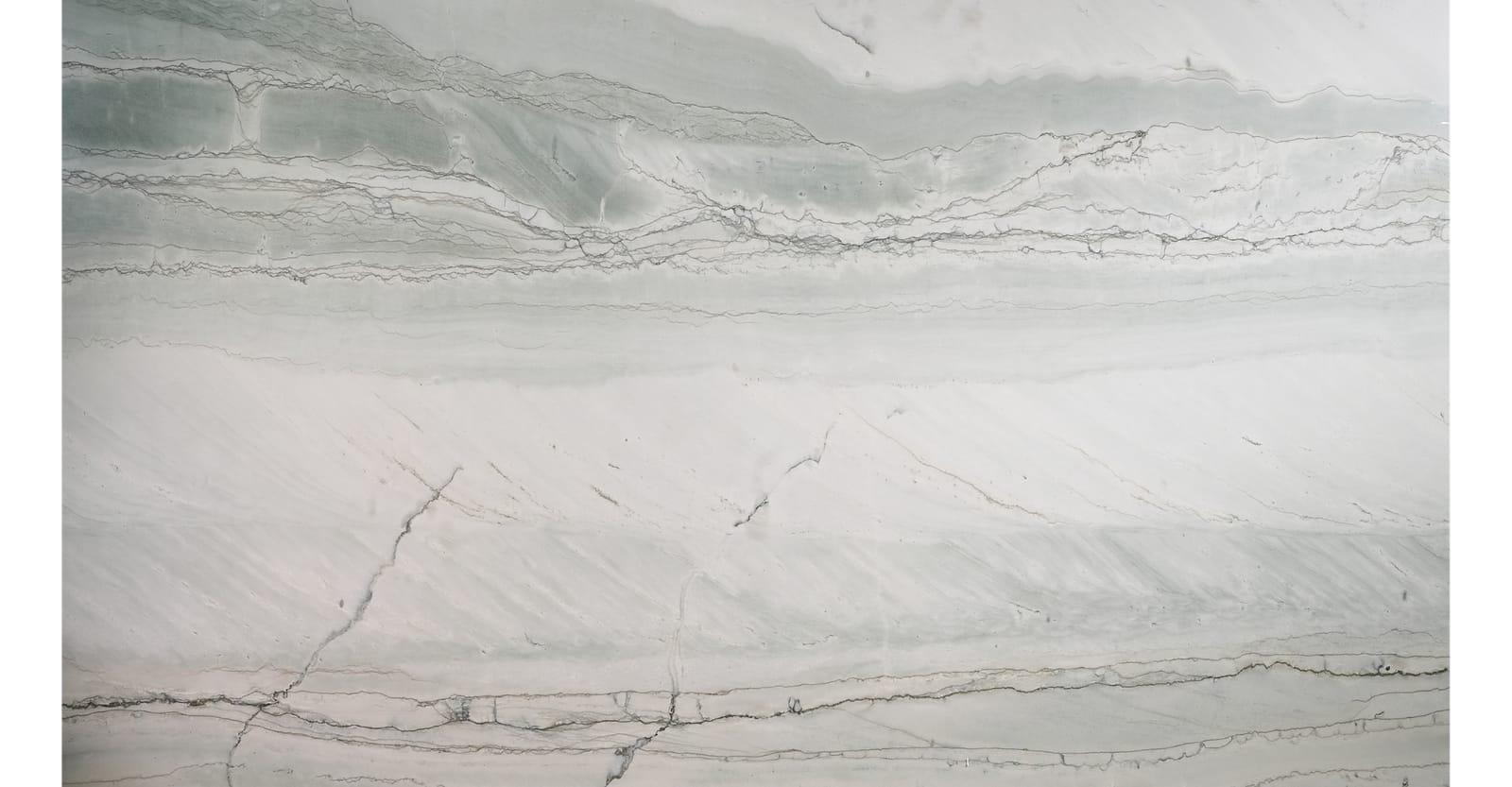
In terms of performance, harder stones, such as many quartzites and some granites, can withstand heavy foot traffic when properly specified and maintained. They also age in a way that some clients value: a subtle patina over time rather than a surface that looks the same on day one and day three thousand. When you need a sense of permanence and gravitas in a law office lobby or a civic building, natural stone still sends that signal more clearly than almost anything else.
Durability and risk management in high traffic zones
When you compare porcelain and natural stone for commercial work, most clients are asking how each material will look and perform under daily use.
Large-format porcelain vs natural stone
| Aspect | Large-format porcelain slabs | Natural stone (granite, marble, quartzite) |
|---|---|---|
| Look and variation | Very consistent, controlled veining, easy to repeat across sites. | Natural variation, unique slabs, more visual depth and character. |
| Sheet size | Extra-large panels, fewer joints and grout lines. | Slab sizes vary; more seams in large fields. |
| Stain resistance | Very low porosity, highly stain resistant. | Depends on stone; many need sealing and careful maintenance. |
| Scratch resistance | Good, though edges can chip under hard impact. | Quartzite and many granites resist scratching very well. |
| Chemical resistance | Handles many commercial cleaners without etching. | Acids and harsh cleaners can etch or dull some stones. |
| Aesthetic “story” | Ideal for consistent brand rollouts across many locations. | Ideal for one-off, high-end “real stone” statements. |
| Installation | Needs specialized handling and layout for large panels. | Familiar to many fabricators and installers; traditional workflow. |
| Life cycle focus | Strong on low maintenance and easy cleaning. | Strong on long-term patina and sense of permanence. |
In spaces where traffic is more controlled and cleaning protocols are gentler, natural stone may be entirely appropriate. Think executive lounge floors, elevator lobbies above level two, or feature walls out of reach of daily wear. Here, stone delivers a deeper, more layered visual effect without being exposed to the worst abuse. The key is to match each material to the areas where it will perform best.
Cost, installation, and long term maintenance
Cost conversations with commercial clients are rarely about material alone. Installation complexity, labor availability, and ongoing maintenance all feed into the decision. Large-format porcelain often requires specialized handling and installation expertise. Installers need the right substrates and setting materials. They must coordinate cuts carefully to maintain vein flow across multiple panels. That can increase labor costs on the front end but may reduce life cycle costs by keeping maintenance simple and minimizing future refinishing.
Natural stone presents a different profile. Slab pricing can vary significantly by species and origin, and you may also encounter greater variation, additional fabrication steps, and a more intensive sealing and maintenance regime. For some clients, particularly in luxury sectors, that is an acceptable trade for the visual and branding payoff. For others, especially multi-site retail and franchise environments, porcelain’s consistent pricing and predictable performance make it easier to roll out a standard design package across dozens of locations.


How to talk clients through the choice
When clients are undecided, architects and designers can add significant value with a few simple questions.
- What is the abuse level of the space, and how disciplined is the maintenance program likely to be?
- How important is authenticity versus flexibility?
- Does the brand benefit more from true stone or from a surface that can be replicated exactly across multiple properties?
- What are the expectations around patina and aging?
- Should the material look identical in ten years, or is a bit of character acceptable or even desirable?
Once you have answers, it becomes easier to recommend where porcelain slabs are the primary solution and where natural stone earns its keep. Often, the best approach is a hybrid one, where porcelain is used in back-of-house and high-traffic public areas, while stone is reserved for the most visible, client-facing areas.







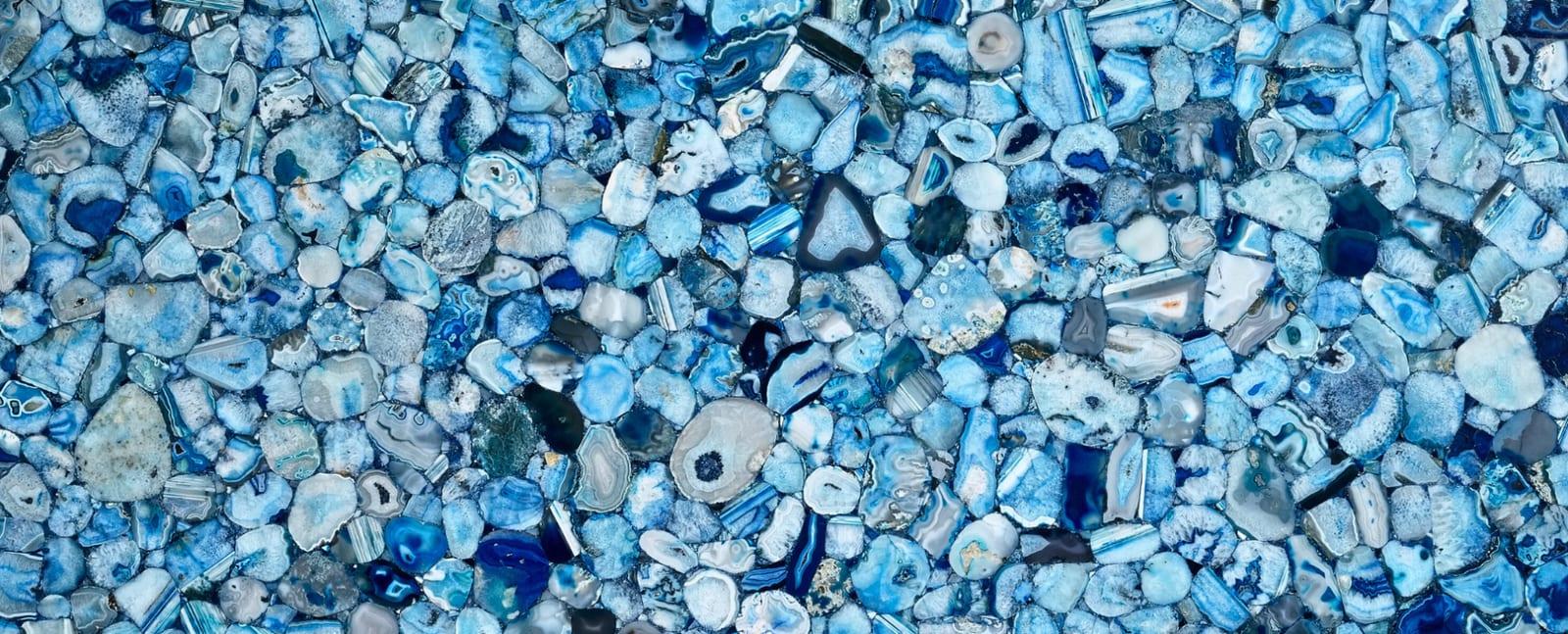
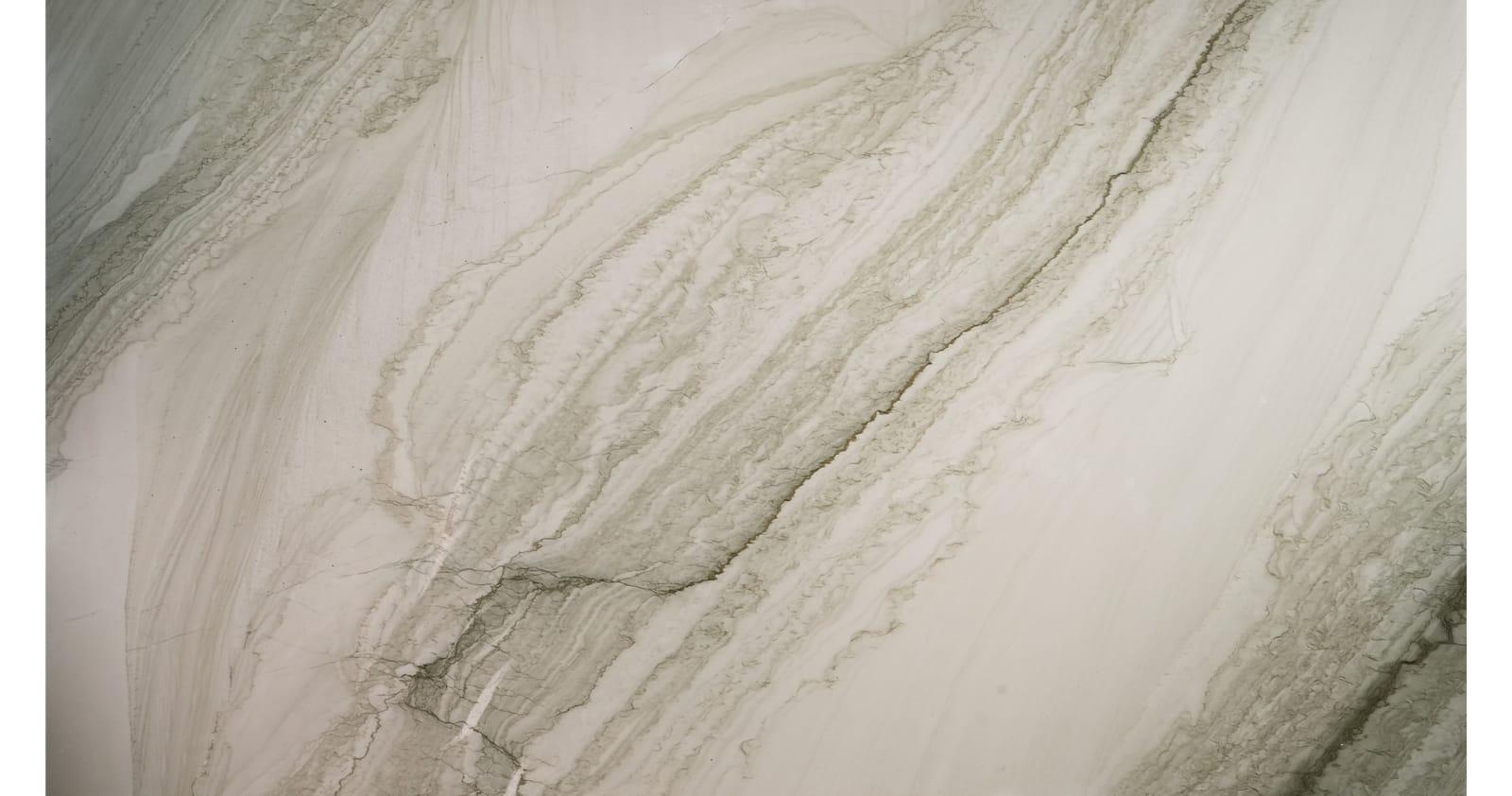
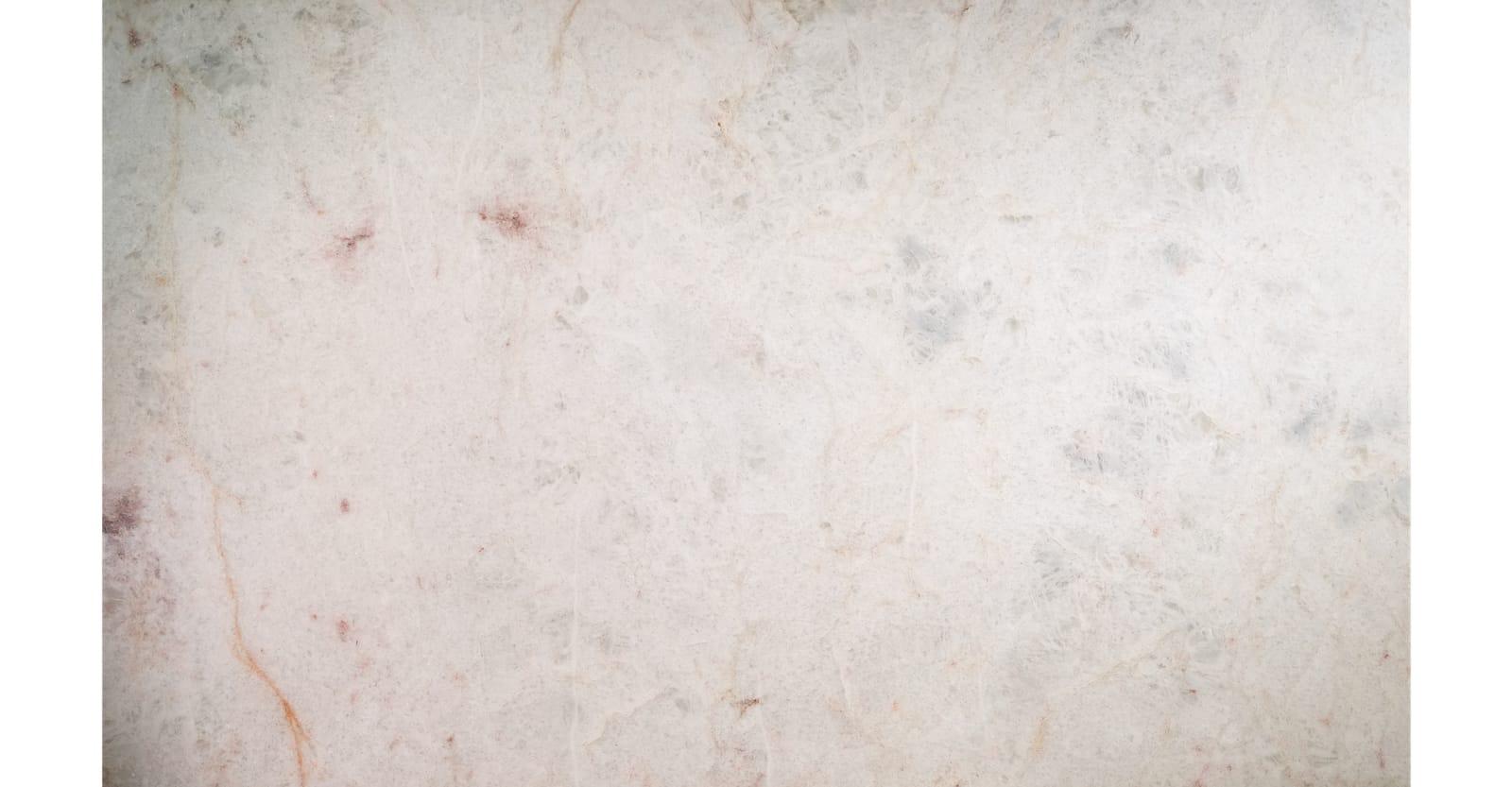
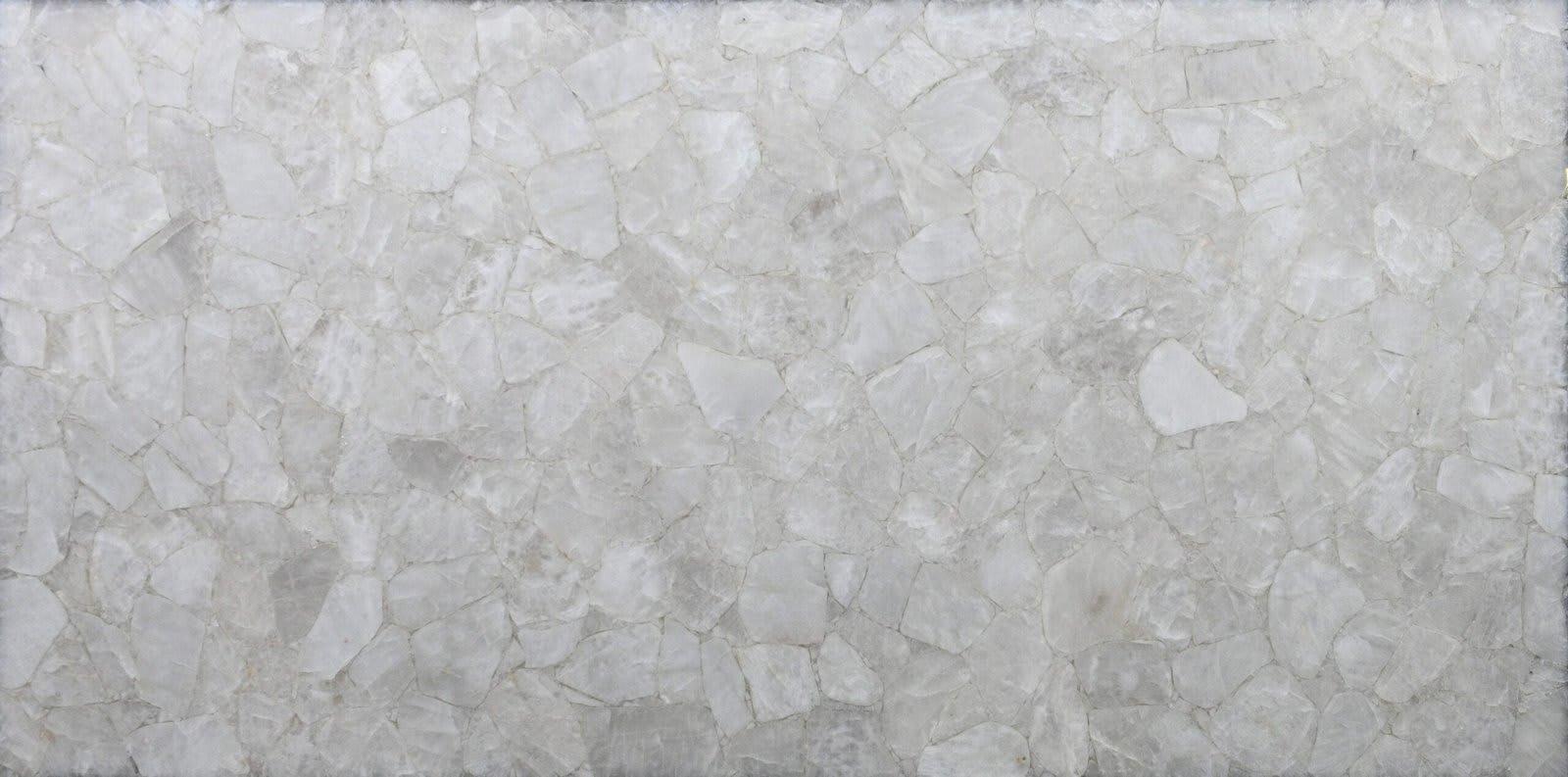






GoSource: Your Commercial Surface Partner
For architects and designers who work across multiple commercial project types, GoSource offers an efficient way to explore large-format porcelain and natural stone options in one place. The marketplace brings together a broad selection of porcelain slabs alongside quartzite, granite, and other natural materials, so you can align durability, cost, and aesthetics without juggling multiple vendors. With wholesale level pricing, trade-focused support, and a team that understands the realities of commercial schedules, GoSource helps you move from concept boards to coordinated, buildable specifications with fewer surprises during bidding and construction.
Surface decisions in commercial work carry long-term consequences for maintenance, branding, and project budget. GoSource makes it easier to spec the right material, whether porcelain or natural stone, with the right pricing and support behind every order.
For architects and designers who source often, GoClub turns repeat specifications into cashback rewards, price protection, and faster support across multiple jobs.

