
Porcelain Tile Buying Guide: TL;DR
Porcelain tile material costs run $3–$25/sq.ft at retail across standard to premium collections, with installed project costs averaging $8–$20/sq.ft depending on format and application. Wholesale buyers on GoSource pay up to 70% below retail on the same collections from trusted brands like MSI. Porcelain's core advantage is near-zero water absorption combined with the widest design range of any hard surface — wood-look, stone-look, and large-format slab porcelain now cover floors, walls, countertops, and building facades. For trade buyers, PEI rating and water absorption class are the two specs that actually determine whether a tile is fit for the application.
What Is a Porcelain Tile?
Porcelain tile is a type of ceramic tile made from a denser, more refined clay body — typically kaolin clay mixed with feldspar and quartz sand — and fired at higher temperatures (typically 2,200–2,500°F) than standard ceramic tile. That higher firing temperature vitrifies the clay body almost completely, producing a tile with water absorption below 0.5%, versus 3–7% for standard ceramic. The result is a harder, denser, more freeze-resistant material that performs in applications ceramic tile cannot handle.
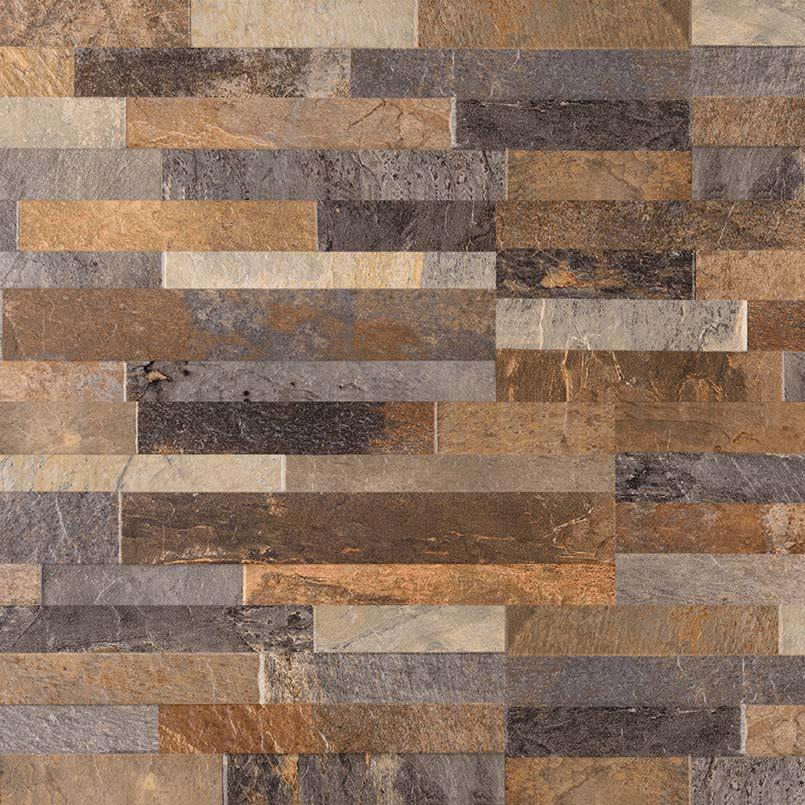
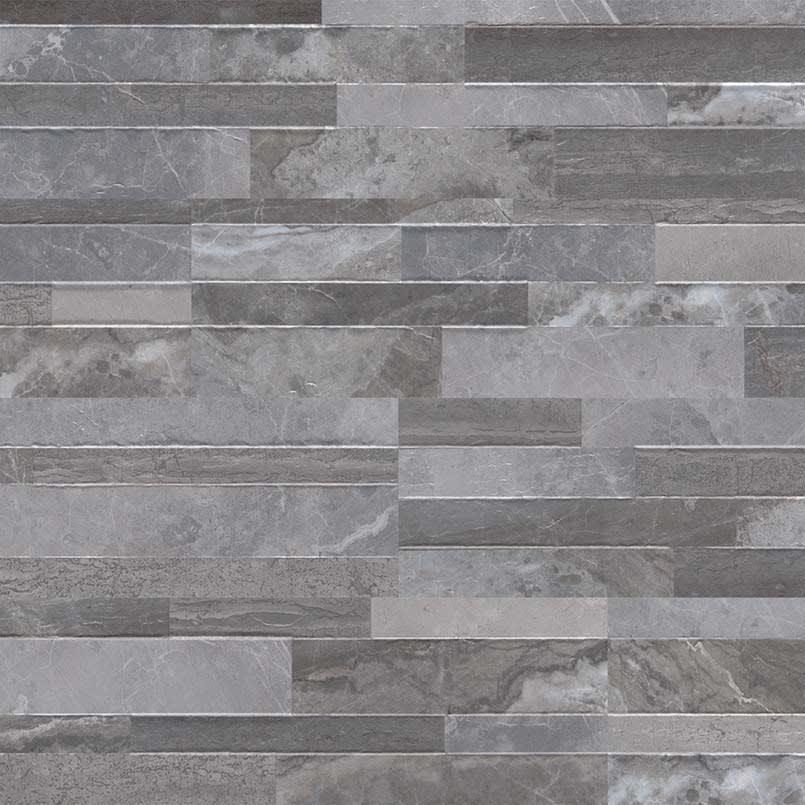
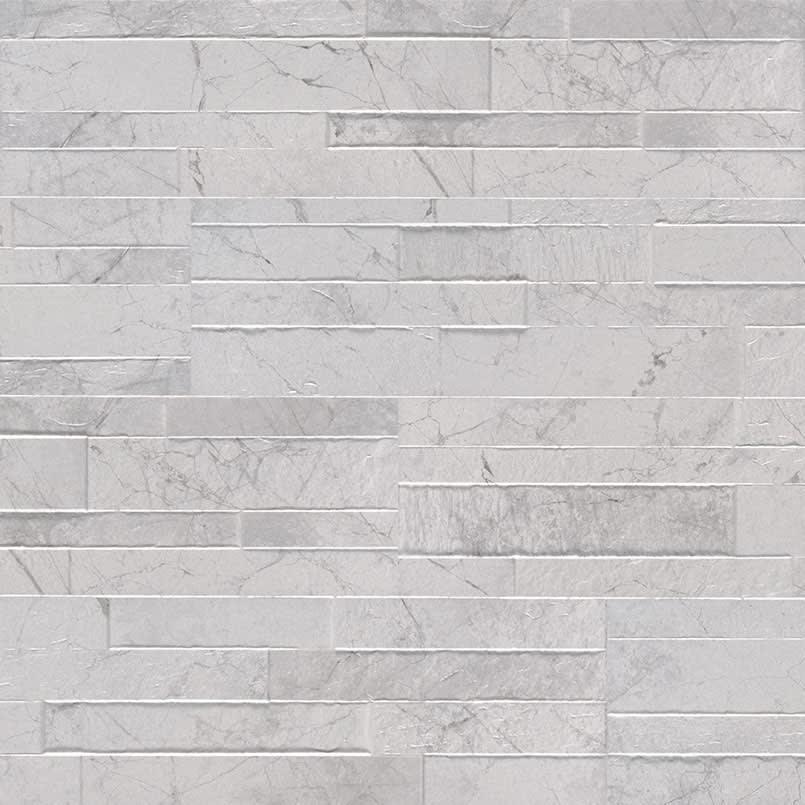
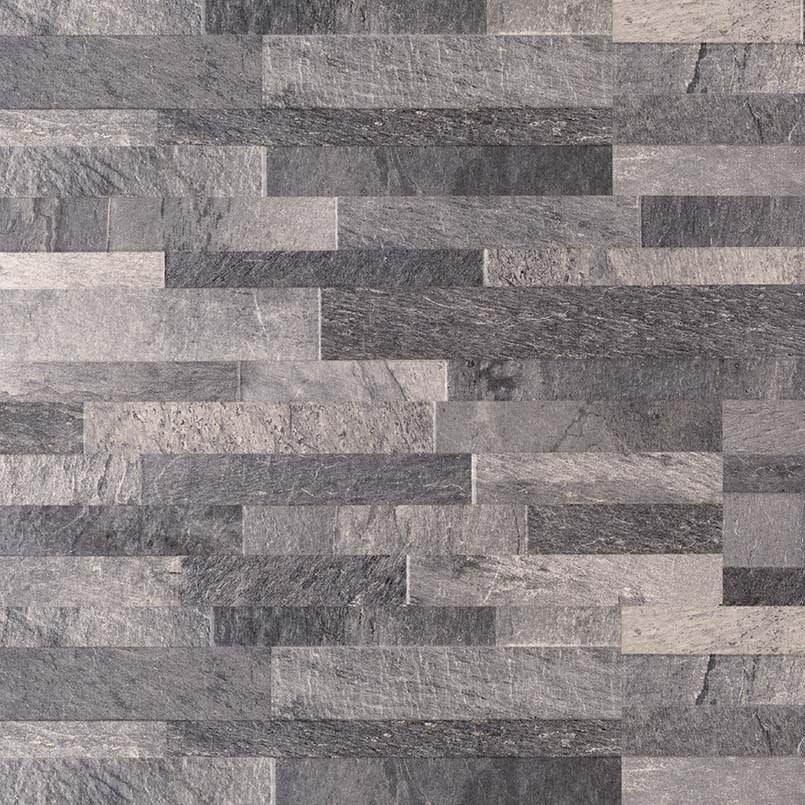
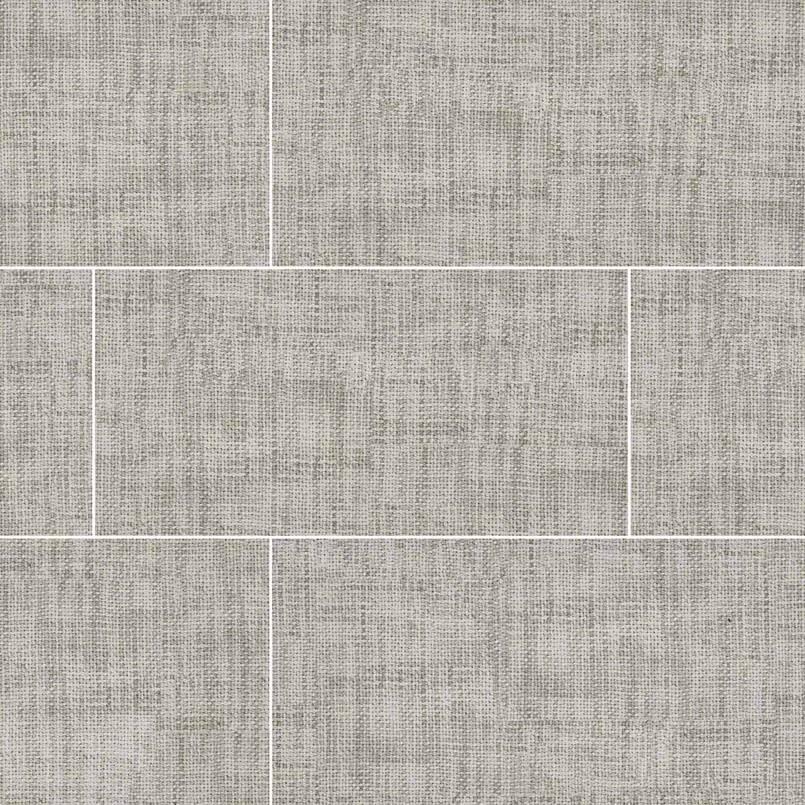
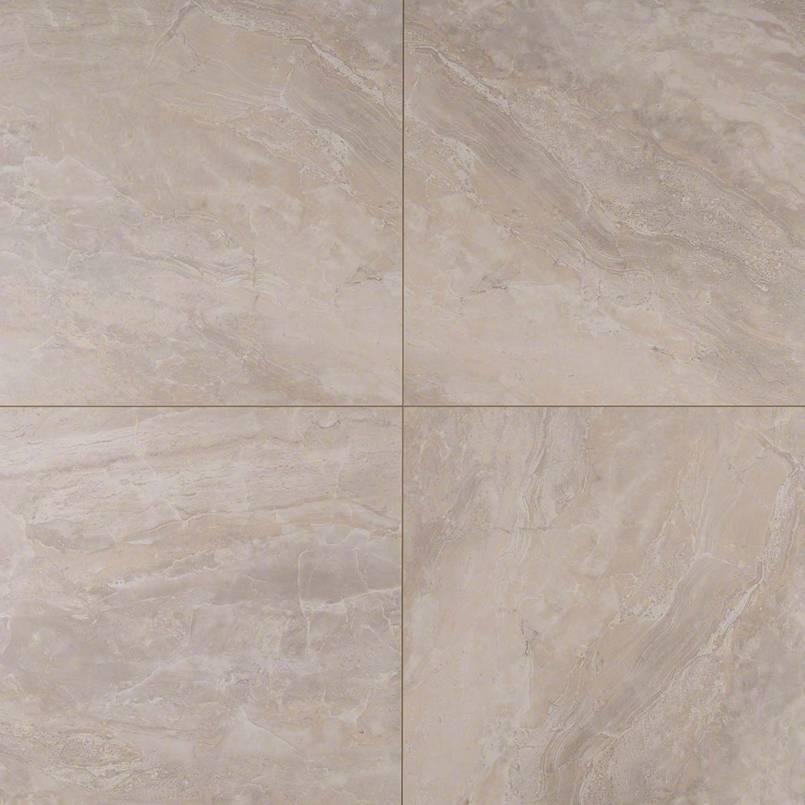
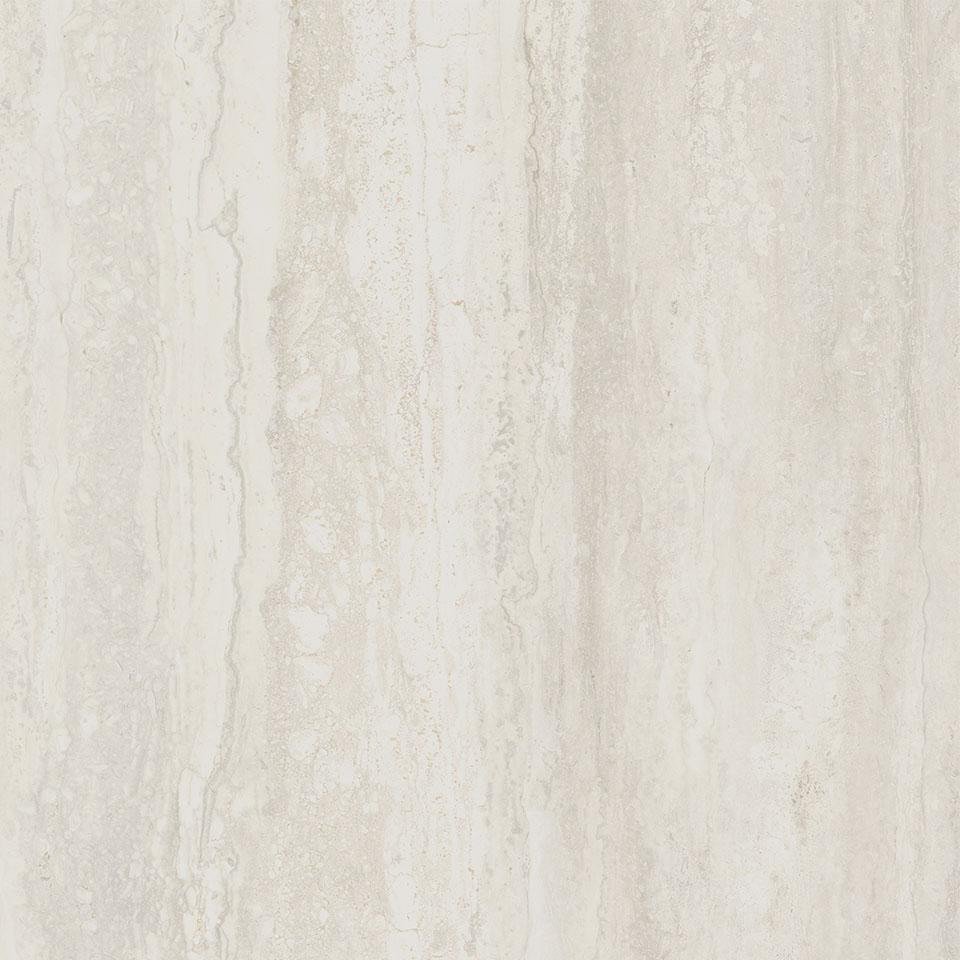
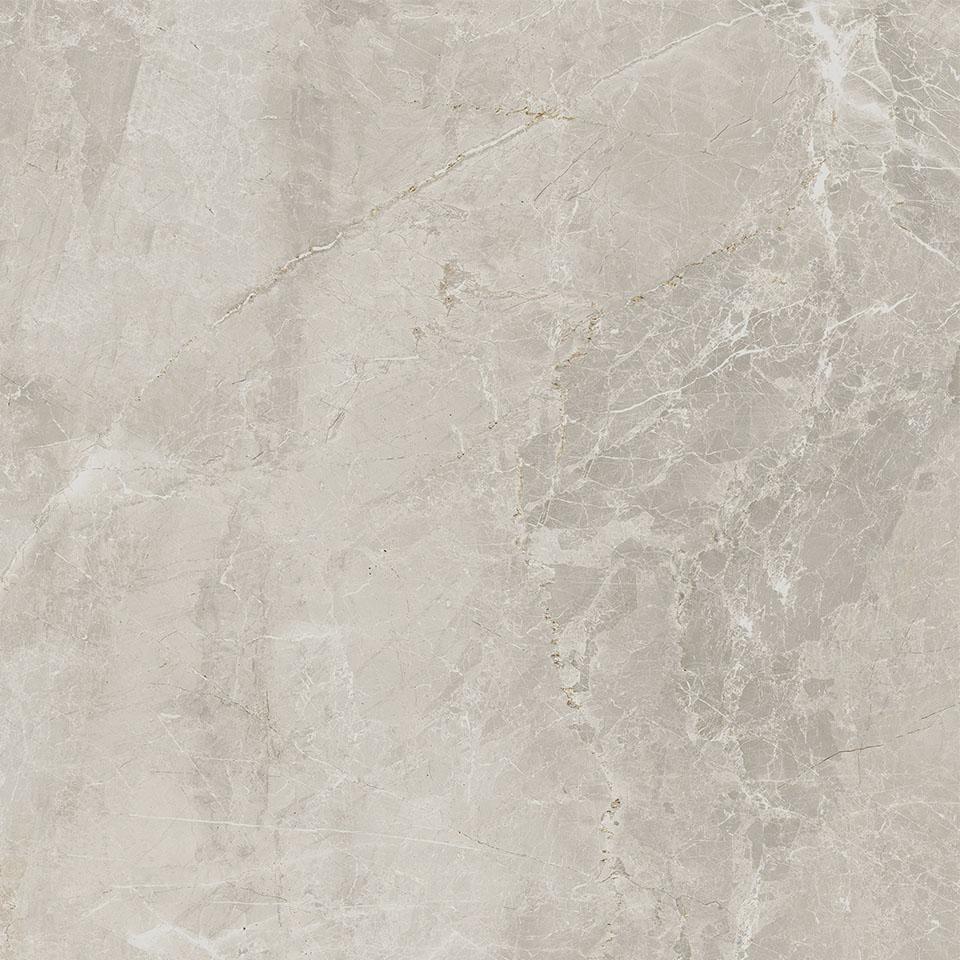
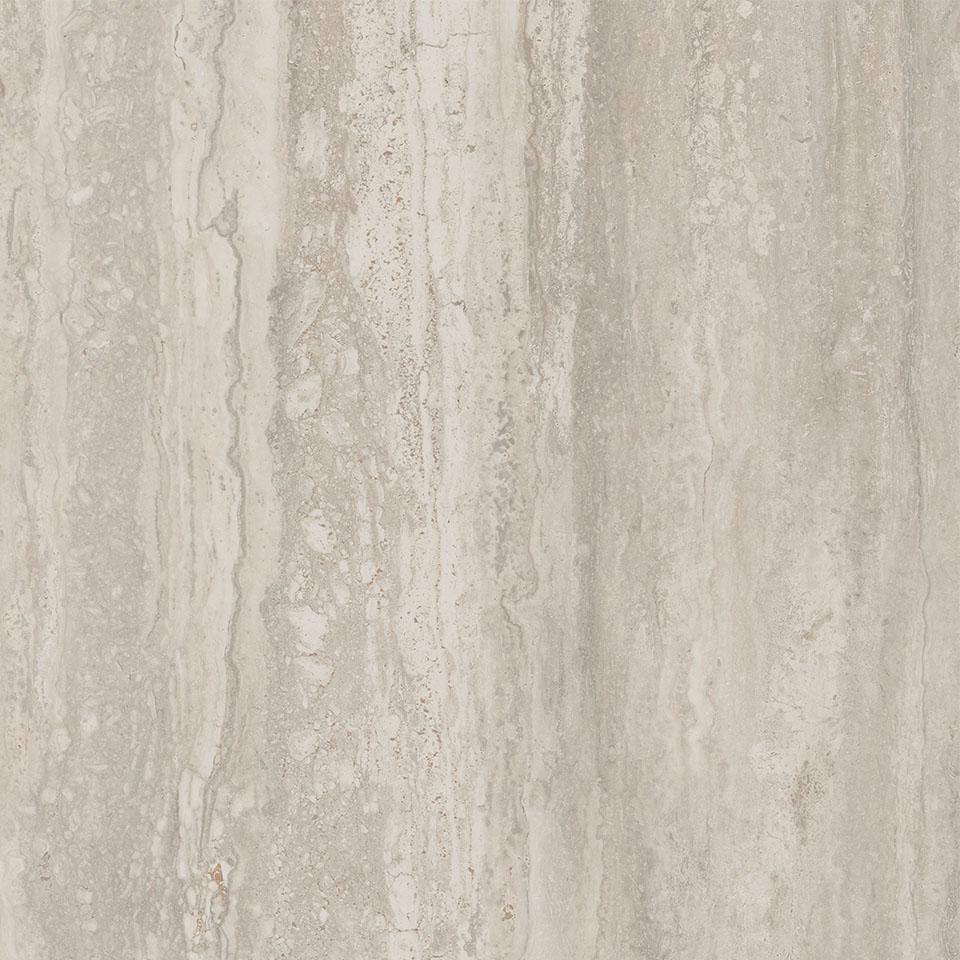
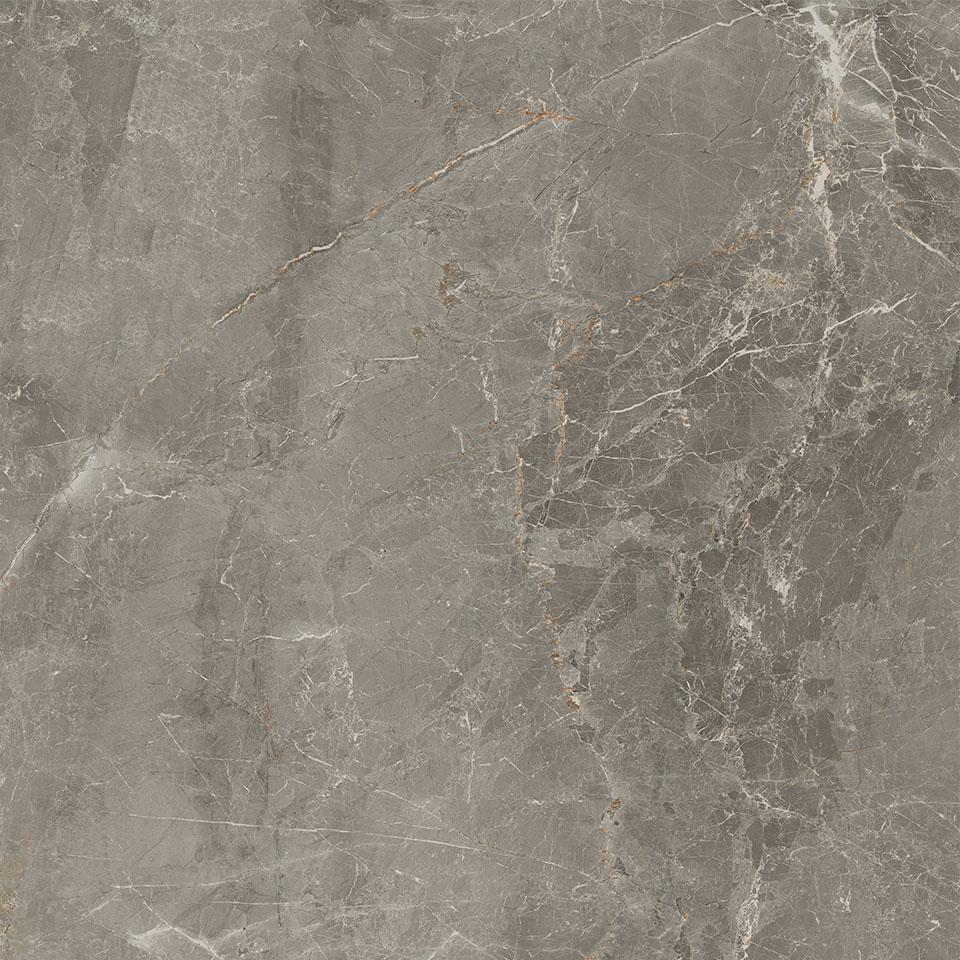
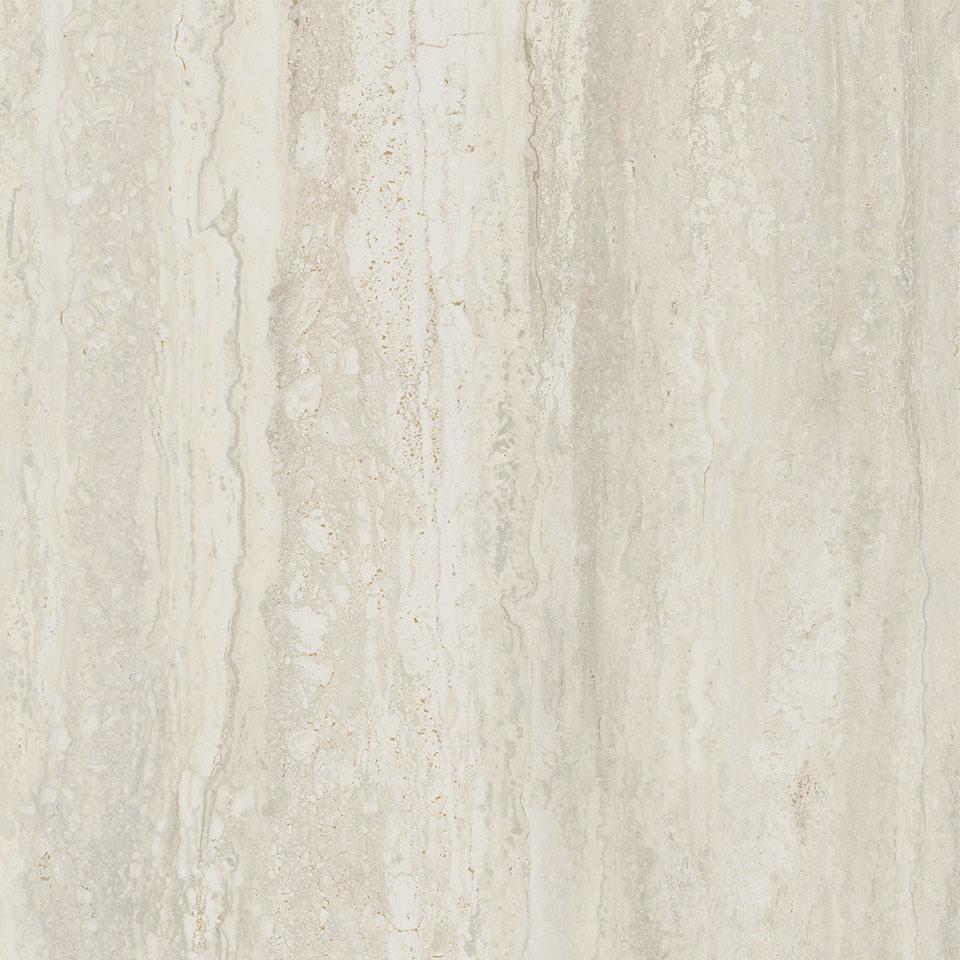
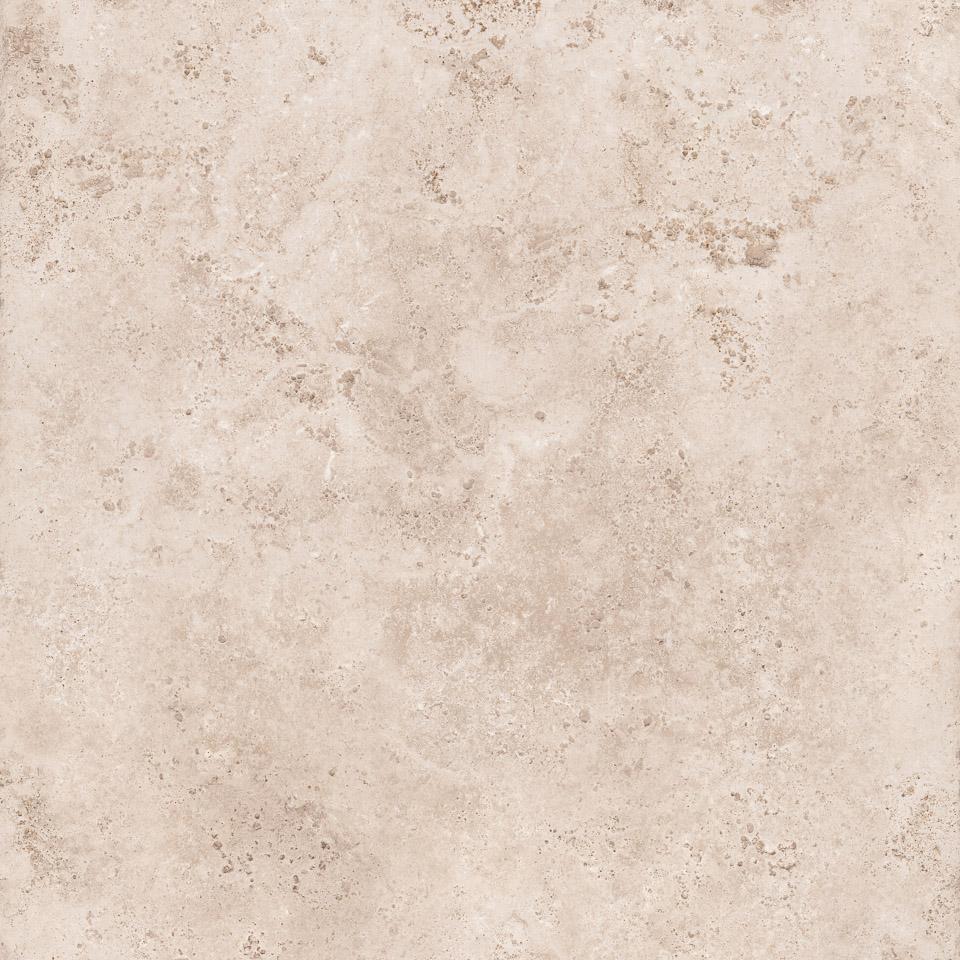
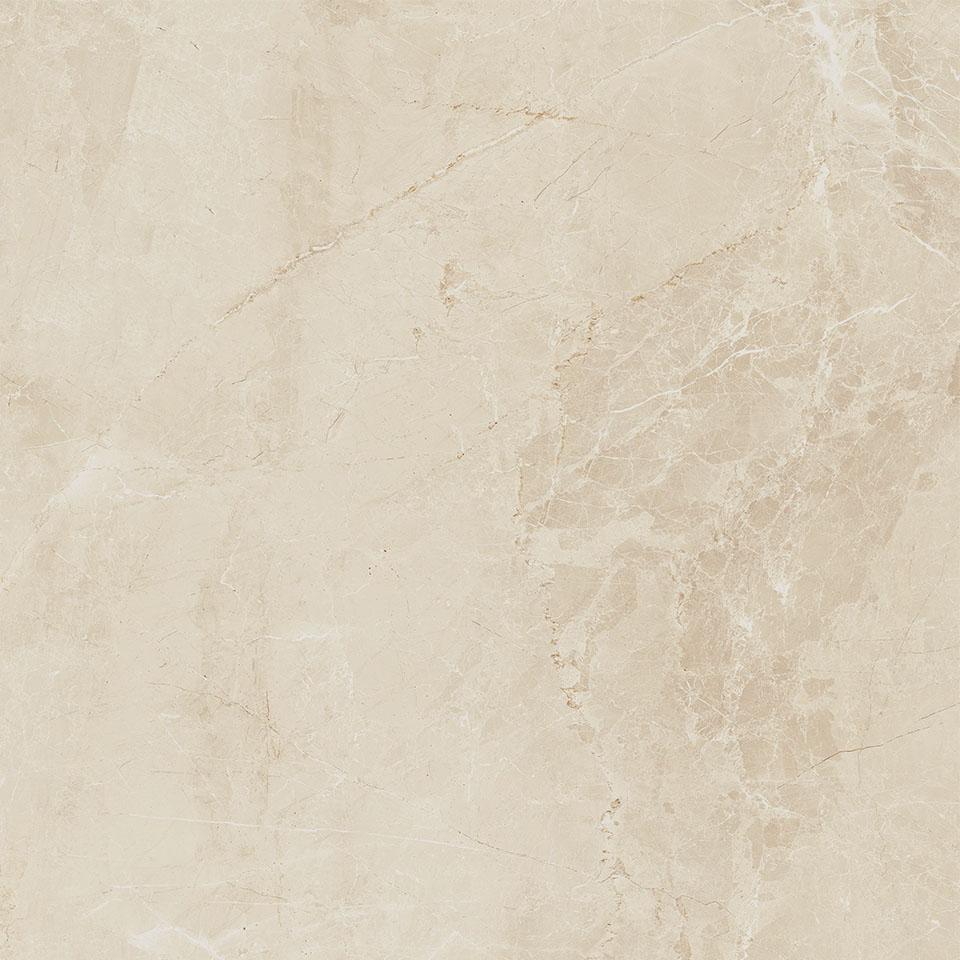
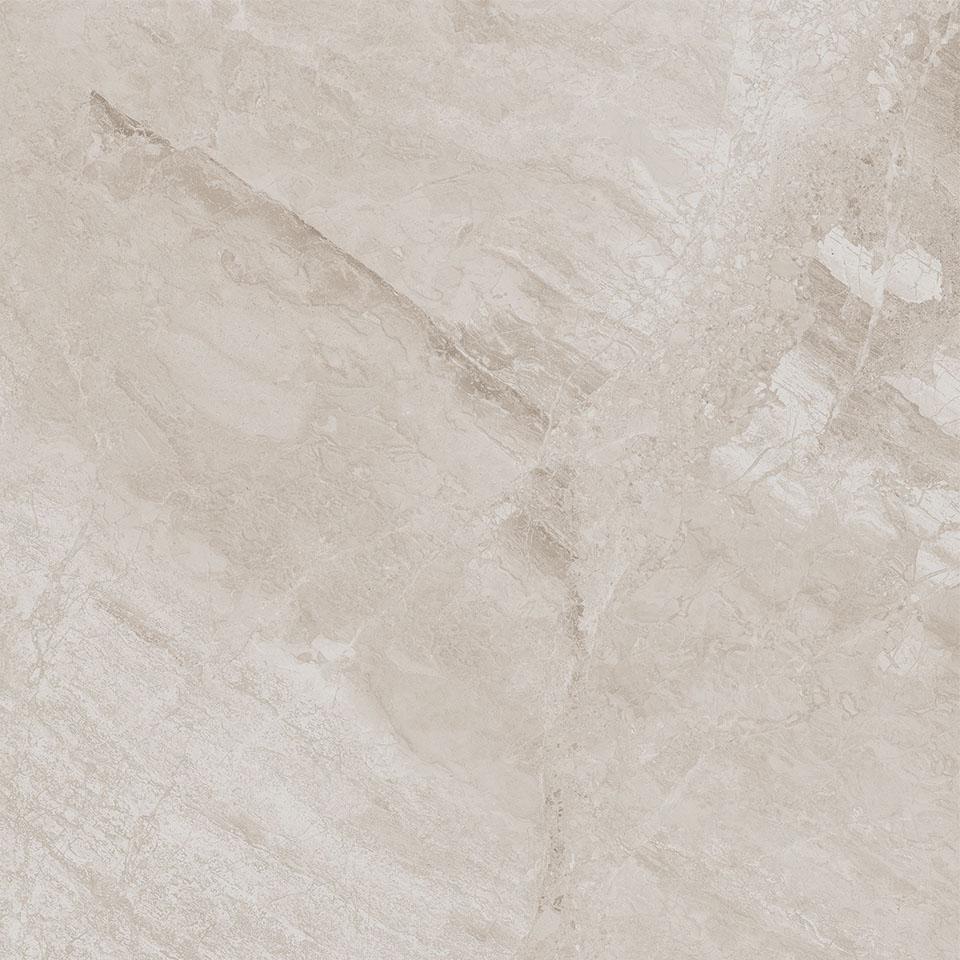
Porcelain is manufactured, not quarried, which means color, pattern, and thickness are far more consistent from piece to piece than natural stone. Modern digital printing technology allows manufacturers to replicate the look of marble, wood, concrete, and natural stone with striking accuracy — porcelain is now the default specification when a client wants a stone or wood aesthetic with better durability and a lower price point.
Formats range from standard 12×24-inch and 24×24-inch floor tiles to large-format planks (8×48 inches) and gauged porcelain slabs up to 63×126 inches at 6mm–12mm thickness — thin enough for countertops, wall cladding, and even furniture fabrication. Thickness options for tile applications typically run 3/8-inch (standard floor/wall) up to 3/4-inch (2cm) for exterior pavers set on pedestals.
How Much Do Porcelain Tile Cost?
Porcelain tile spans one of the widest price ranges of any surface category — a basic 12×24 floor tile and a large-format porcelain slab countertop can differ by 10x per square foot, even though both are technically "porcelain."
Material Cost (uninstalled slab, retail)
| Category | Retail Price Range | Wholesale on GoSource | Typical Applications |
|---|---|---|---|
| Standard floor/wall tile | $3–$8/sq.ft | $1–$6/sq.ft | Residential floors · Bathroom walls · Rental turns |
| Wood-look & stone-look plank | $5–$12/sq.ft | $4–$10/sq.ft | Residential & light commercial floors |
| Large-format porcelain slab | $10–$25+/sq.ft | $8–$21+/sq.ft | Countertops · Wall cladding · Facades · Commercial |

Installed Cost (material + fabrication + labor)
Installed porcelain tile runs $8–$20/sq.ft for most residential and light commercial work, with large-format slabs and intricate patterns pushing toward the higher end due to specialized handling and cutting equipment. For a typical bathroom or kitchen floor project, most buyers land between $1,500 and $4,500 total.
That figure includes:
- The tile material
- Substrate prep and waterproofing (wet areas)
- Professional layout and installation
- Grout and sealing where applicable
For trade professionals sourcing directly, large-format slab installation requires fabricators with the right suction cups, slab carts, and CNC cutting equipment — that labor premium is separate from the material cost and worth flagging early in a bid.
Porcelain Tile Ratings: PEI Class and Water Absorption
Unlike natural stone, porcelain performance is governed by two standardized ratings that trade buyers should check before specifying: PEI (Porcelain Enamel Institute) abrasion class, and water absorption category. These determine where a tile can and cannot go — not the finish or color.
PEI Class 1–2
Light foot traffic only. Suitable for residential bathroom walls and light-use vertical surfaces. Not rated for any floor application.
PEI Class 3
Suitable for all residential floors, including kitchens. The baseline rating for most residential floor tile projects.
GoSource examples: Urbano Graphite 3D Mix, Lagom Natural
PEI Class 4
Rated for medium commercial and residential traffic — restaurants, retail floors, and high-traffic residential entries. The standard specification for light commercial work.
PEI Class 5
Rated for heavy and extra-heavy commercial and industrial traffic — airports, malls, hospital corridors. Overkill for most residential jobs but the right call for high-traffic commercial floors.
Water Absorption Classes
Impervious (0–0.5% absorption) is true porcelain and the only class rated for exterior and freeze-thaw applications. Vitreous (0.5–3%) and semi-vitreous (3–7%) tiles are typically standard ceramic and should be limited to interior, non-freezing applications. For any outdoor patio, pool deck, or facade project, confirm the tile is certified impervious/porcelain — not just marketed as "porcelain-look."
What Drives Porcelain Tile Pricing?
Format and size. Standard 12×24 tiles are the most cost-efficient format due to high-volume manufacturing. Large-format planks and gauged porcelain slabs cost significantly more per square foot because they require more advanced kiln and pressing technology, and yield lower per production run.
Design complexity. Basic solid-color or simple stone-look tiles cost less than tiles with sophisticated digital-print veining (marble-look, exotic stone-look) or textured 3D surface finishes, which require additional print passes and tooling.
Rectification. Rectified tiles (precision-cut edges for minimal grout lines) cost more than pressed-edge tiles but deliver a cleaner, more modern look — increasingly the default spec for contemporary residential and commercial floors.
Thickness. Standard tile (3/8-inch) is the baseline. 2cm exterior pavers and 12mm+ slab-format porcelain cost more due to material volume and specialized manufacturing.
Finish. Matte and textured finishes are typically at parity with polished. Anti-slip rated finishes for wet areas or exterior use can carry a modest premium due to additional surface treatment.
Brand and origin. Italian and Spanish porcelain manufacturers command a premium for design leadership and quality consistency. Domestic and other imported lines (including MSI's in-house collections) offer strong quality at a more accessible price point.
Choosing Porcelain by Look and Application
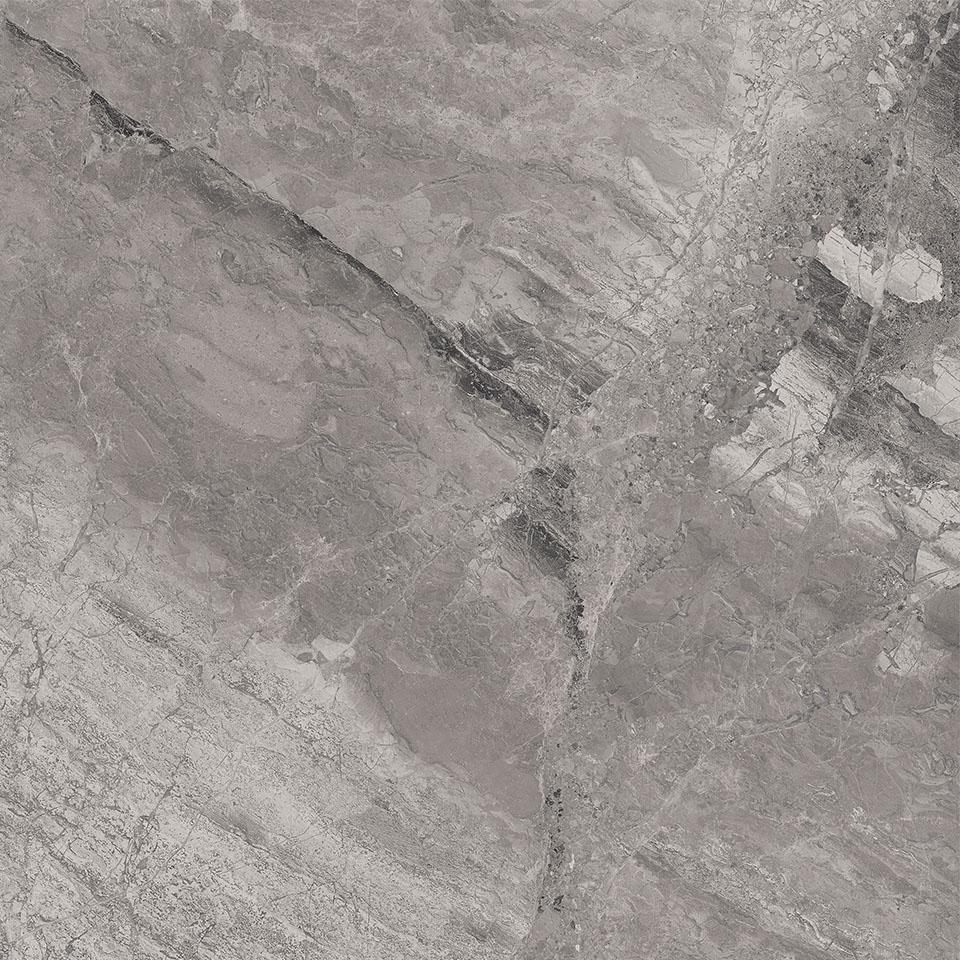
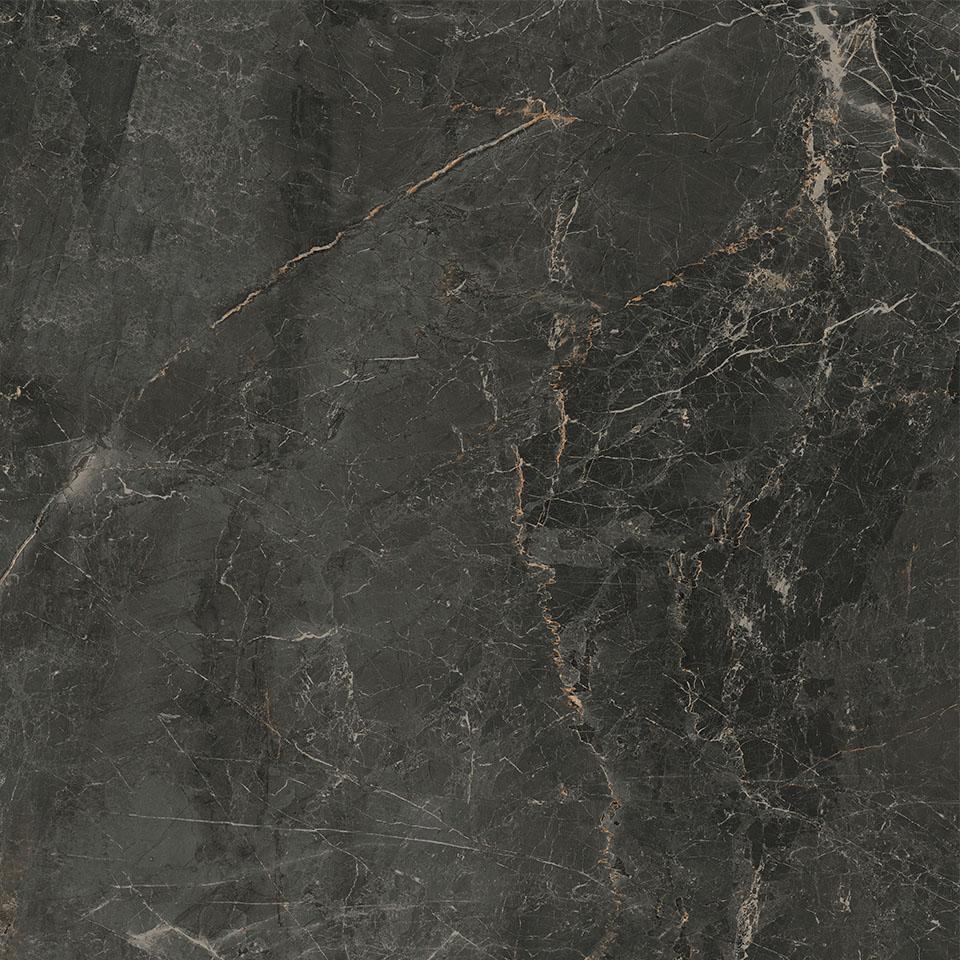
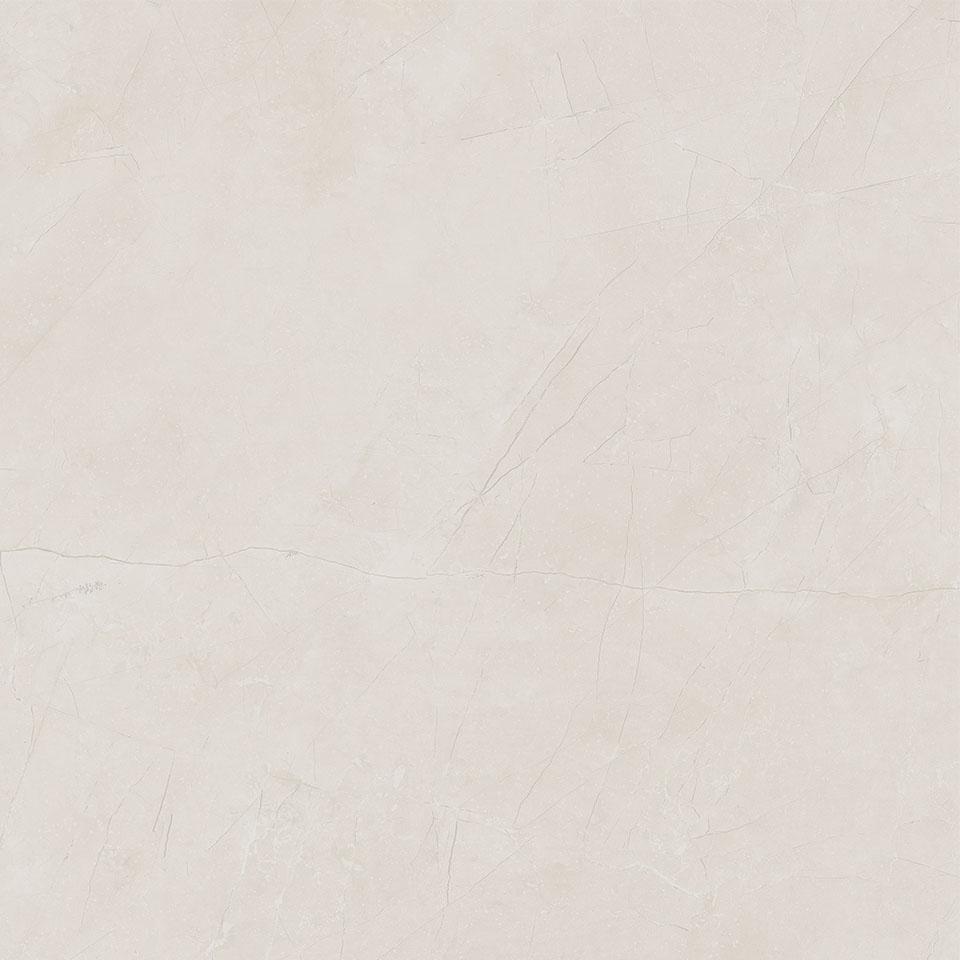
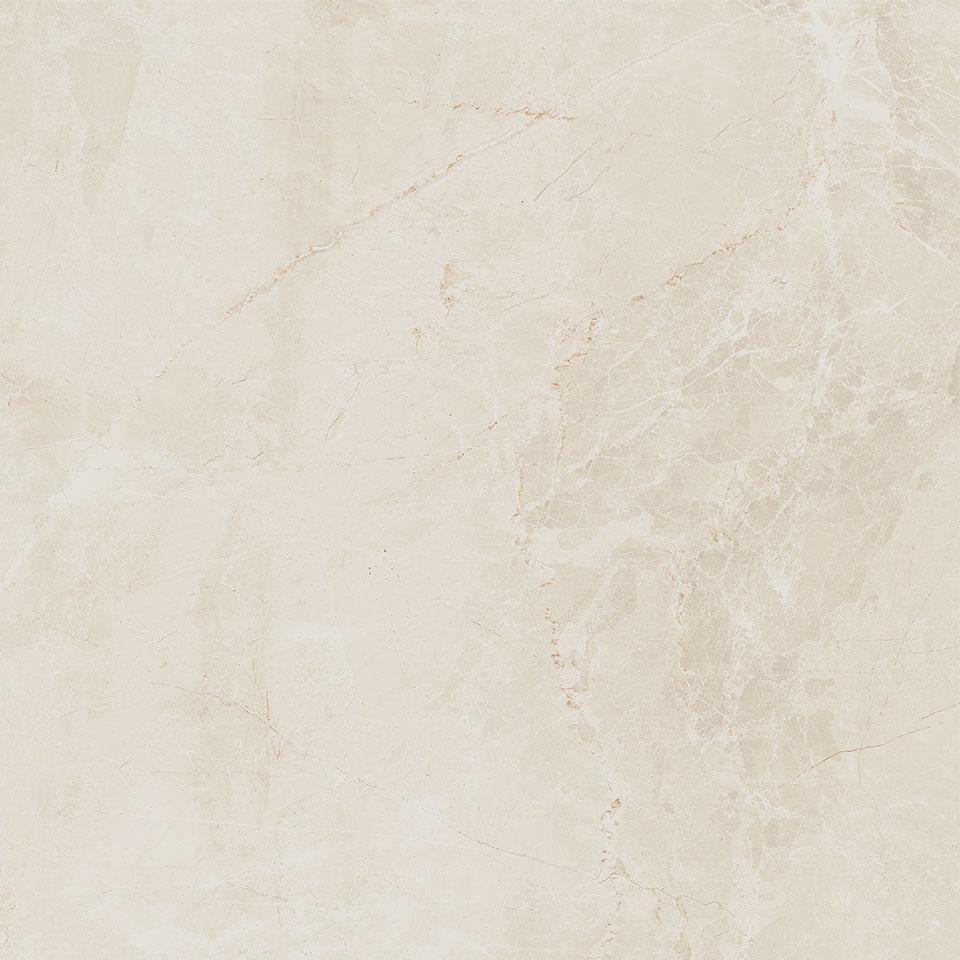
Marble's natural color palette is centered on white and gray, but the range extends into black, cream,
green, and warm-toned exotics.
Wood-Look Porcelain
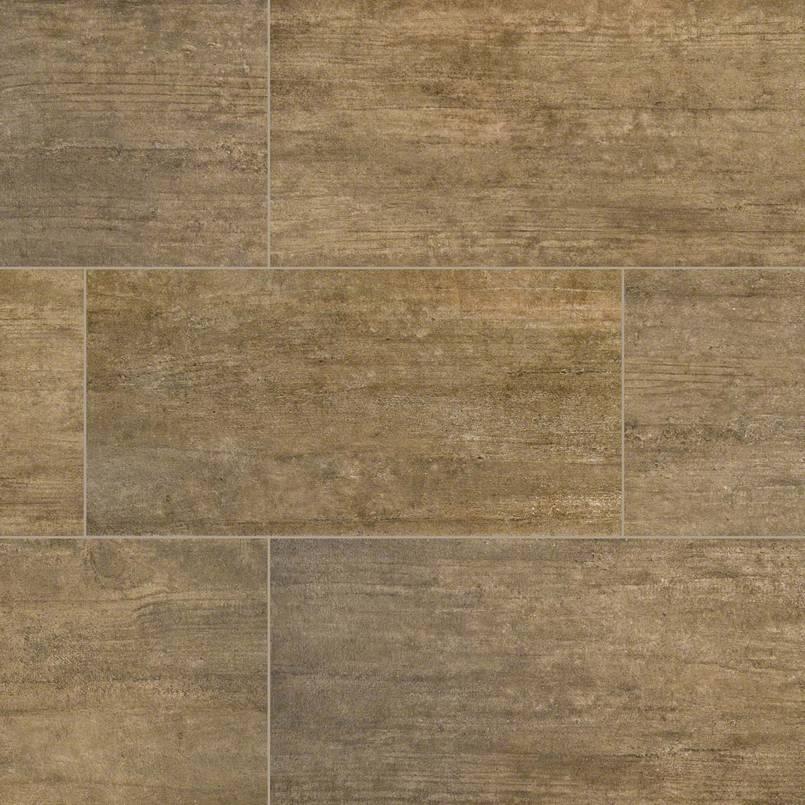
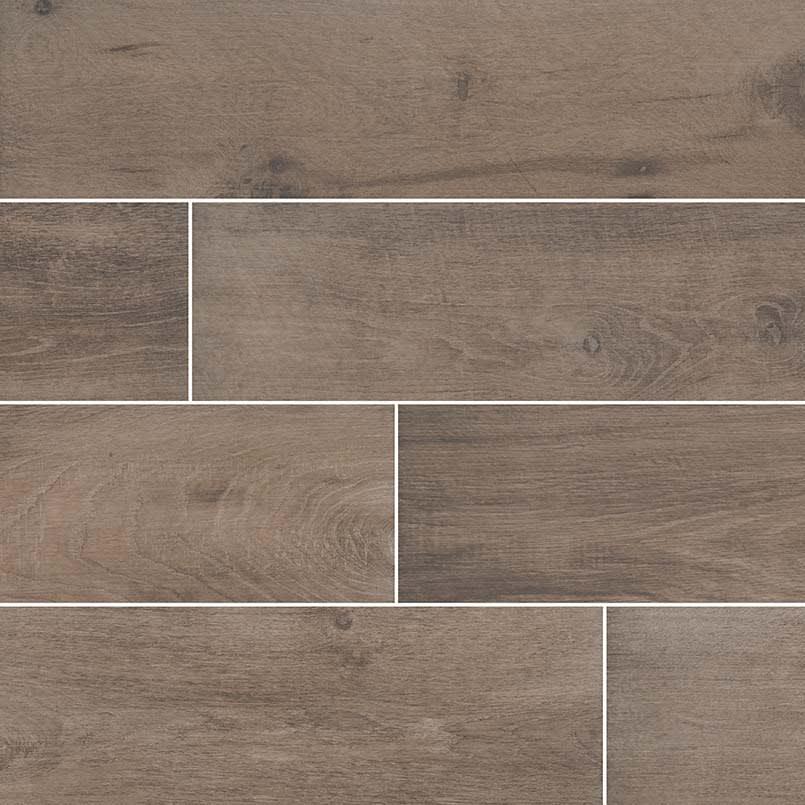
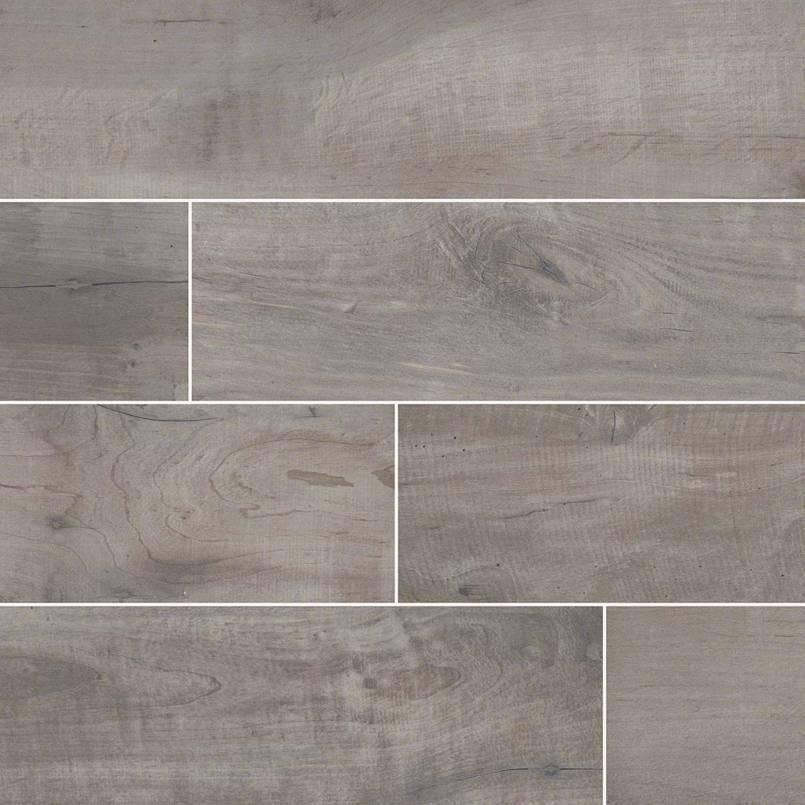
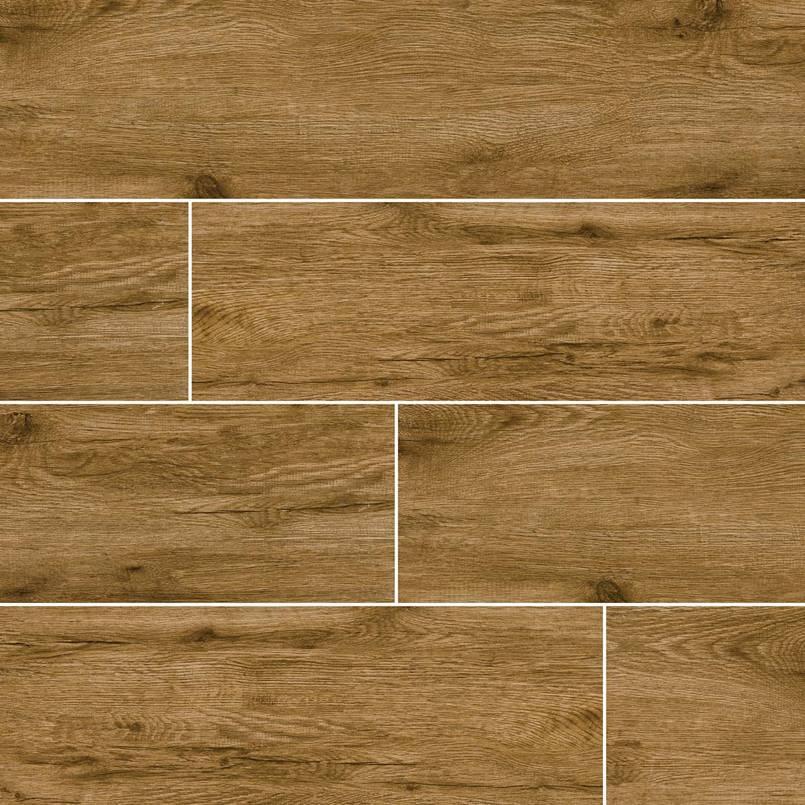
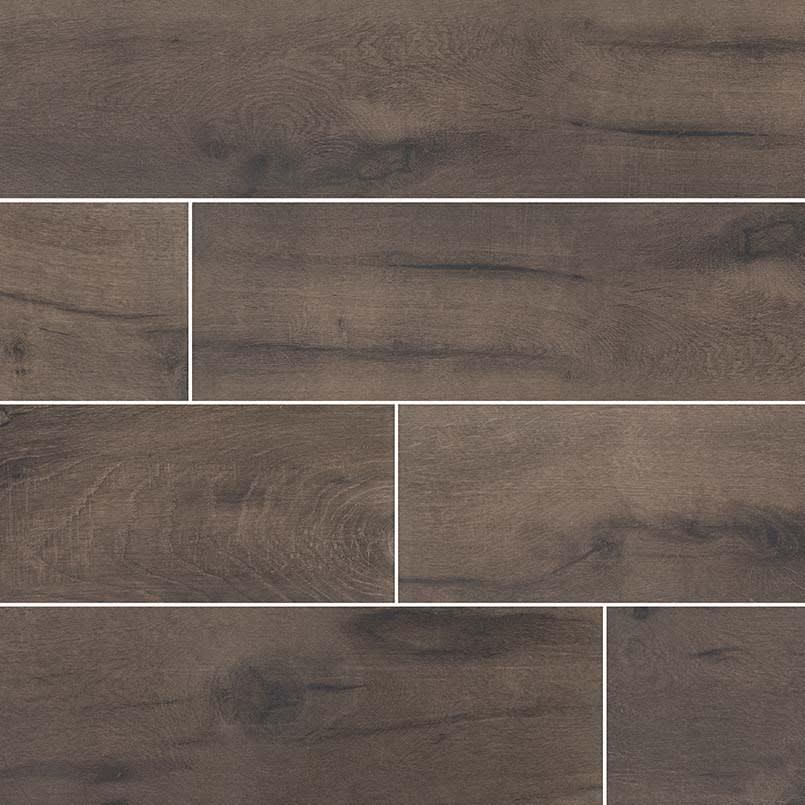
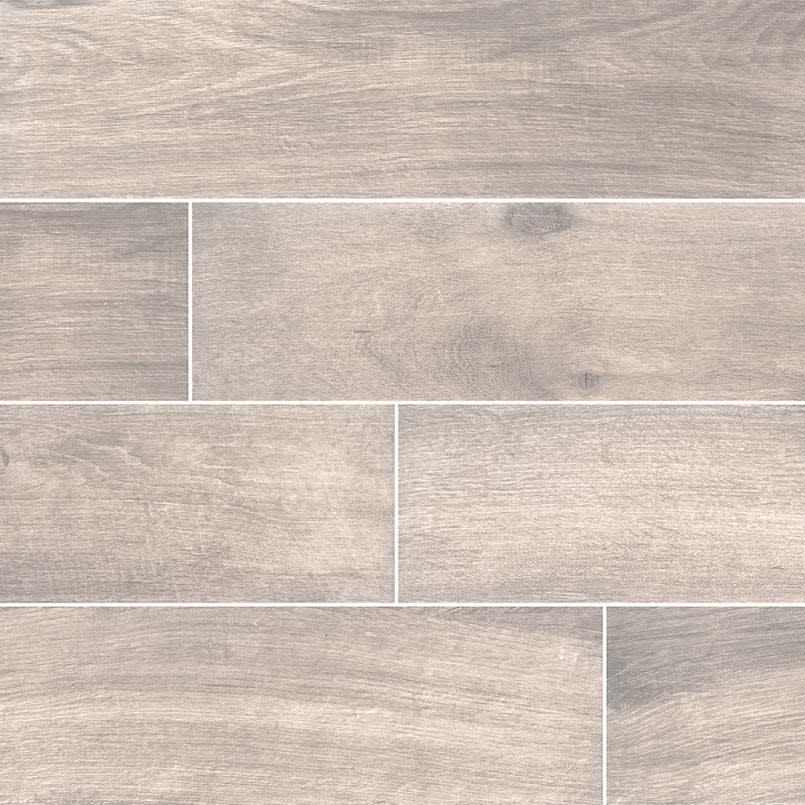
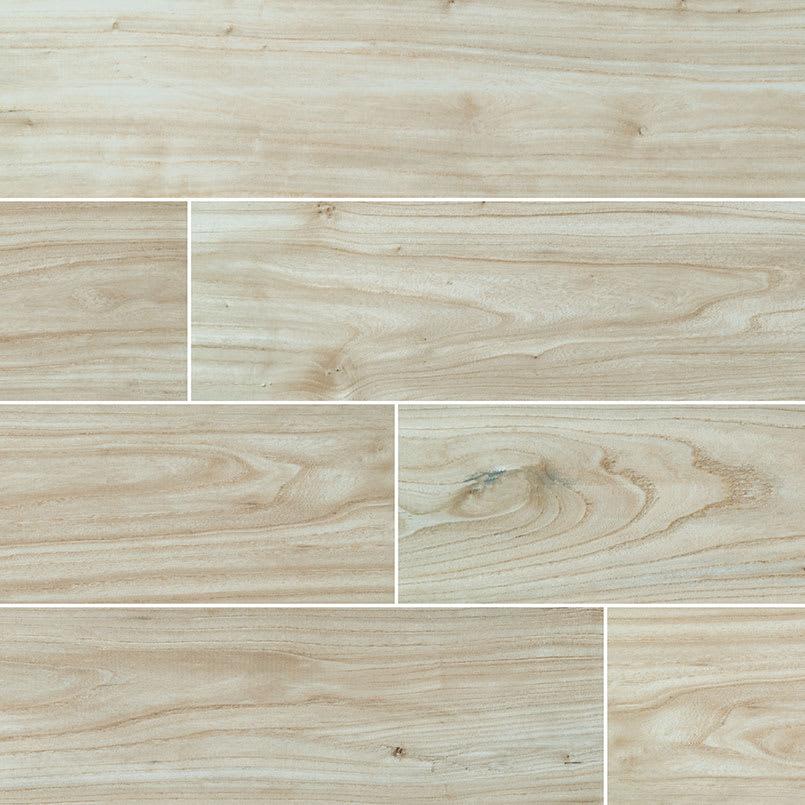
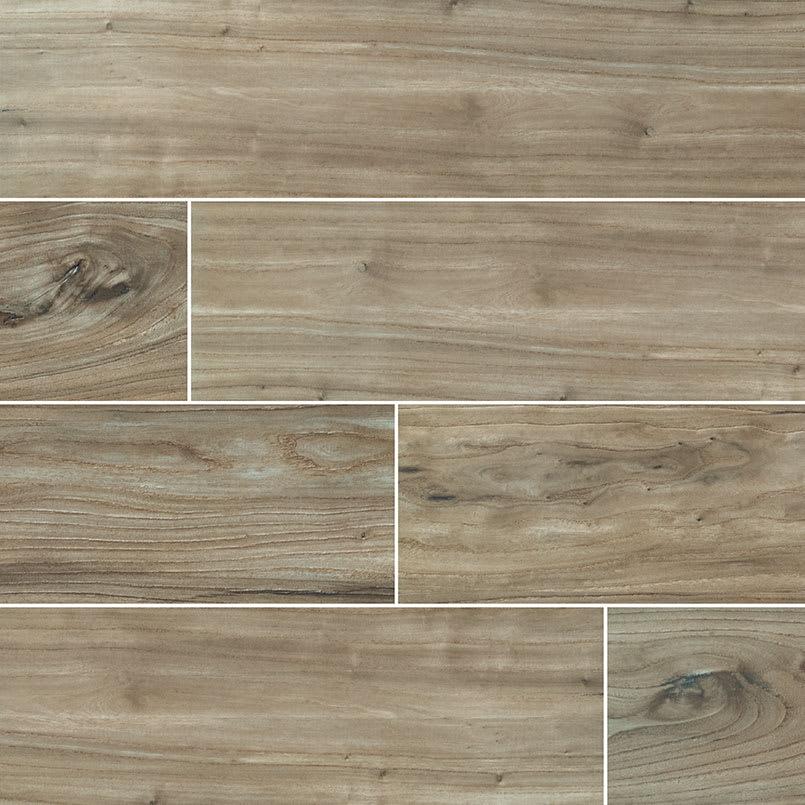
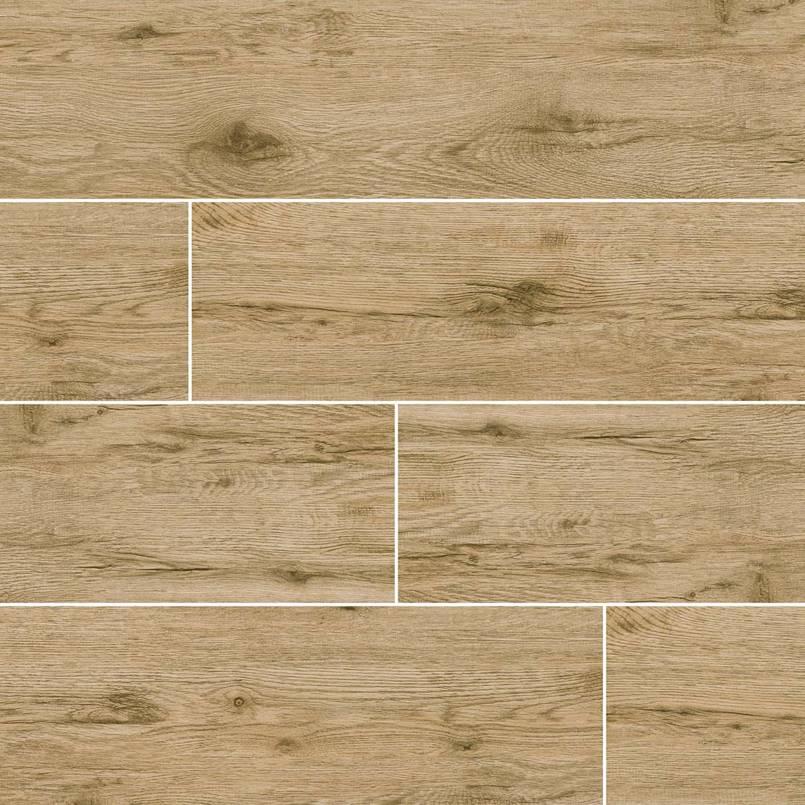
Digitally printed plank porcelain that replicates hardwood grain and tone with far better water and scratch resistance. The default specification for kitchens, bathrooms, and basements where real hardwood is impractical. Available in a full range of wood tones from light oak to dark walnut.
Marble-Look & Stone-Look Porcelain
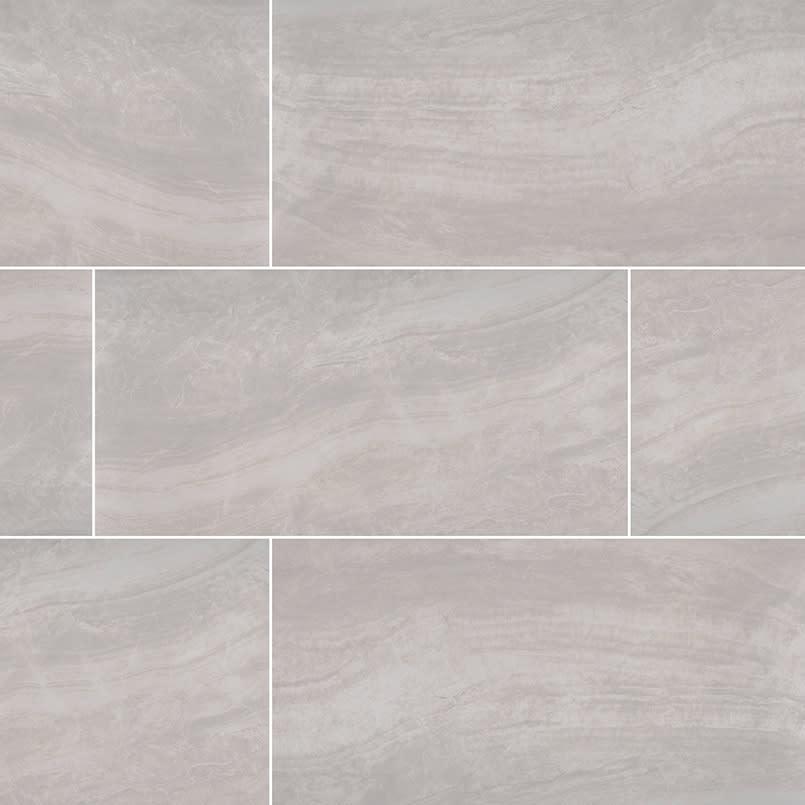
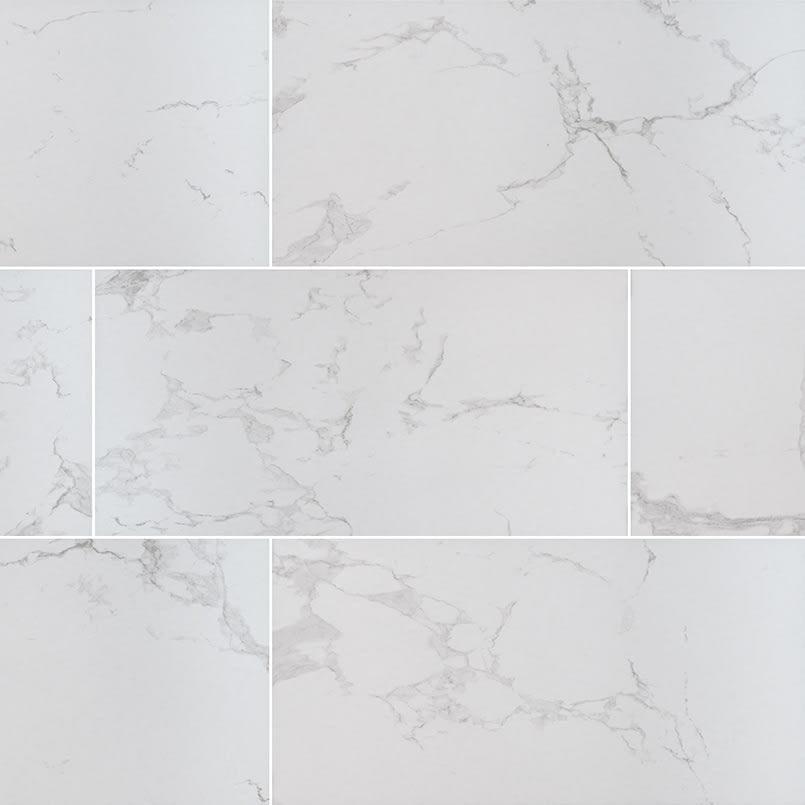
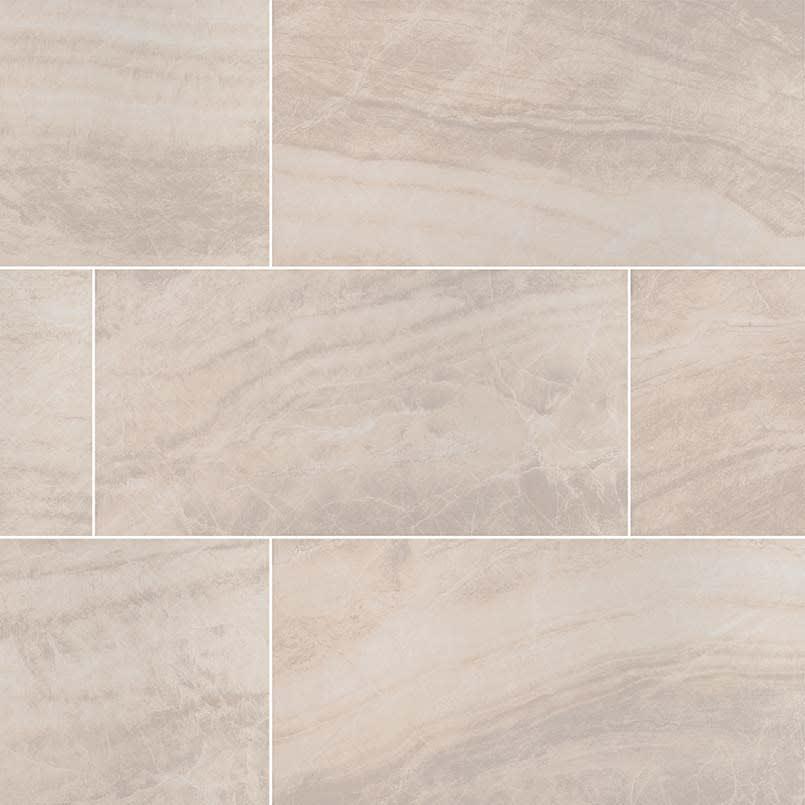
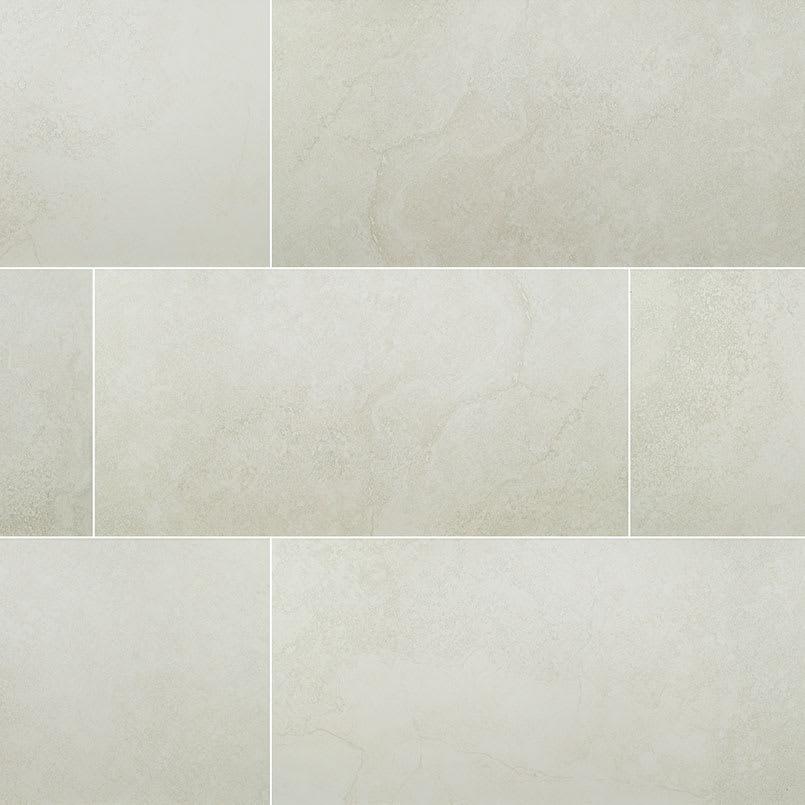
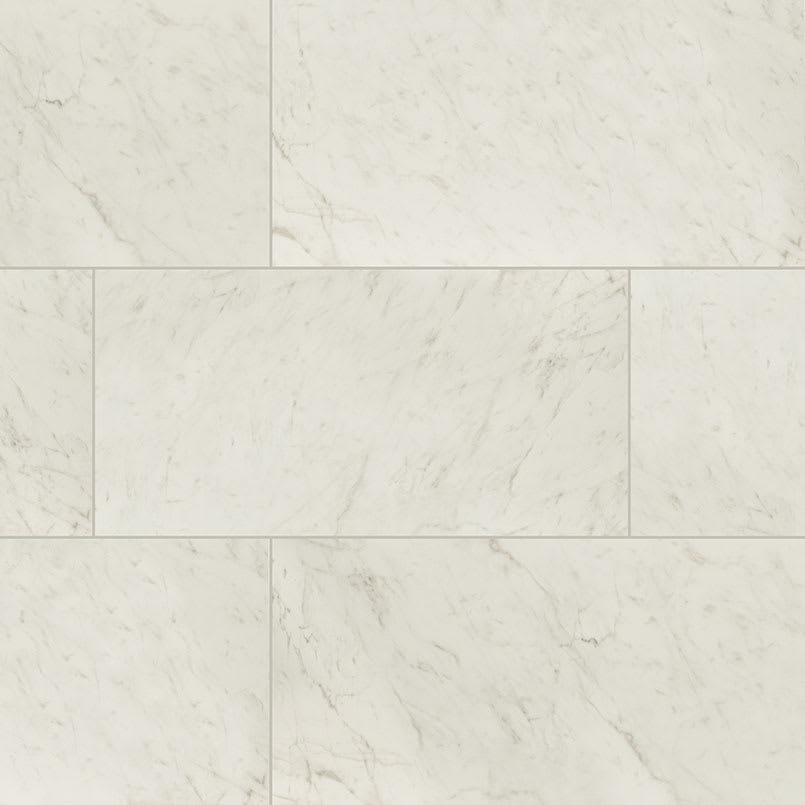
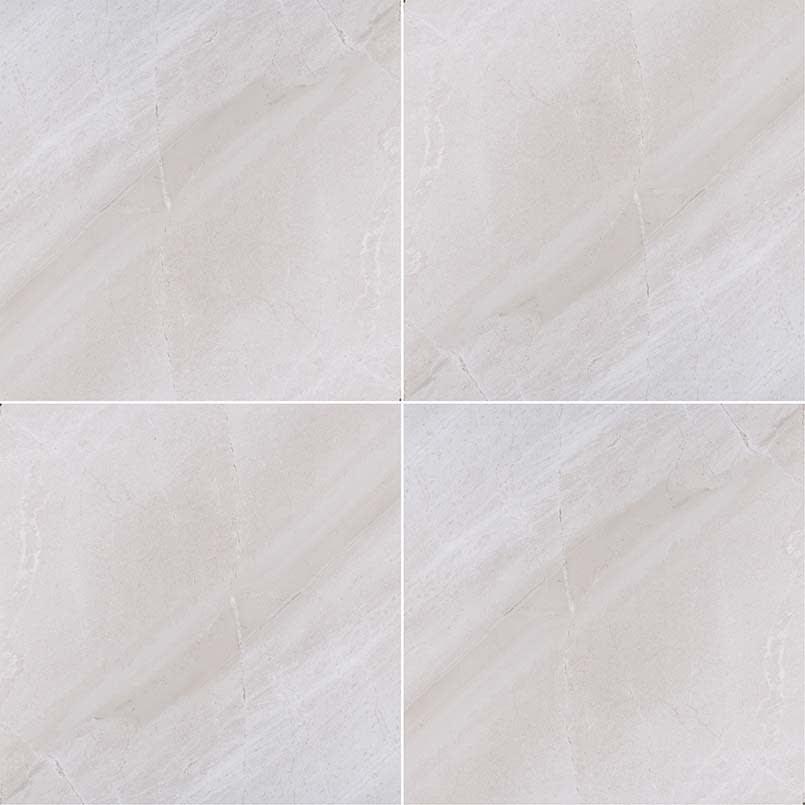
Large-format porcelain slabs and tiles that replicate Calacatta, Carrara, and other marble veining patterns at a fraction of natural stone's cost and with zero etching or sealing requirements. Increasingly specified for kitchen countertops and waterfall islands where clients want the marble look without the maintenance.
Concrete-Look Porcelain
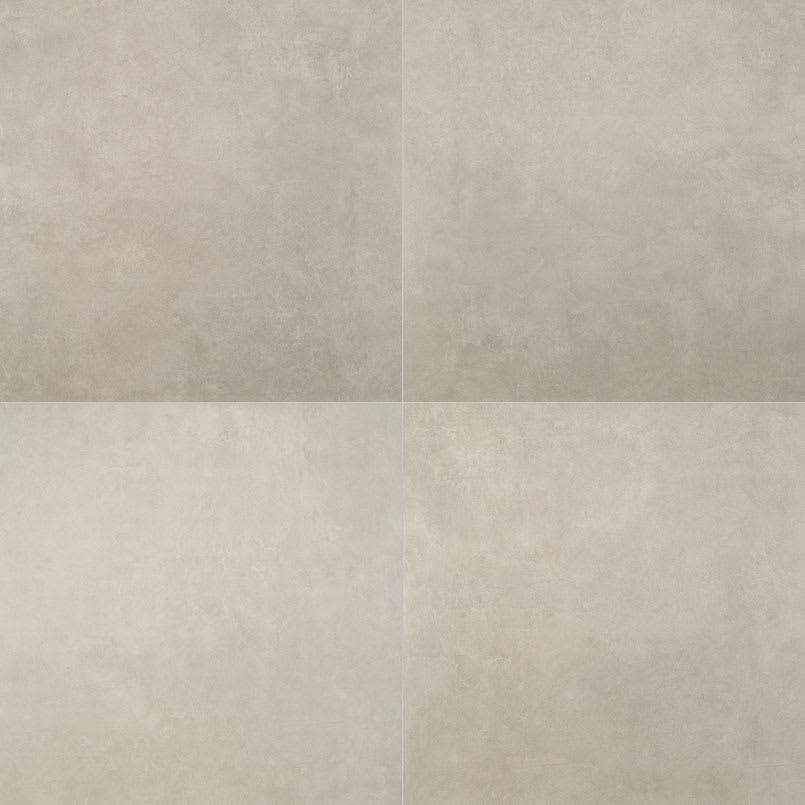
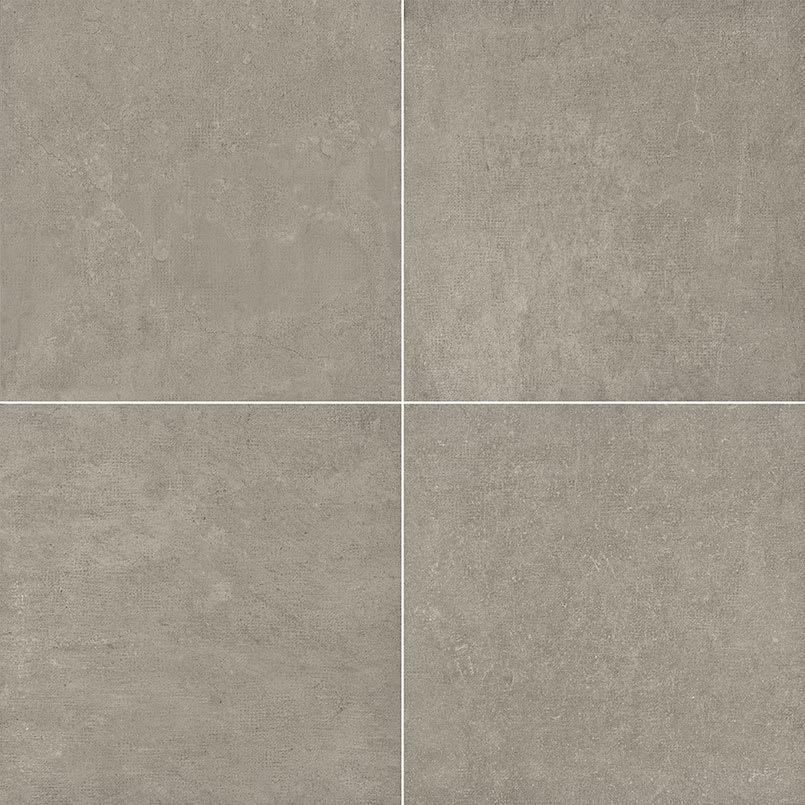
Matte, minimal-pattern tiles that replicate poured concrete or micro-cement. Popular in modern and industrial-style residential and commercial interiors, particularly for large open floor plans.
Solid Color & Textured Porcelain
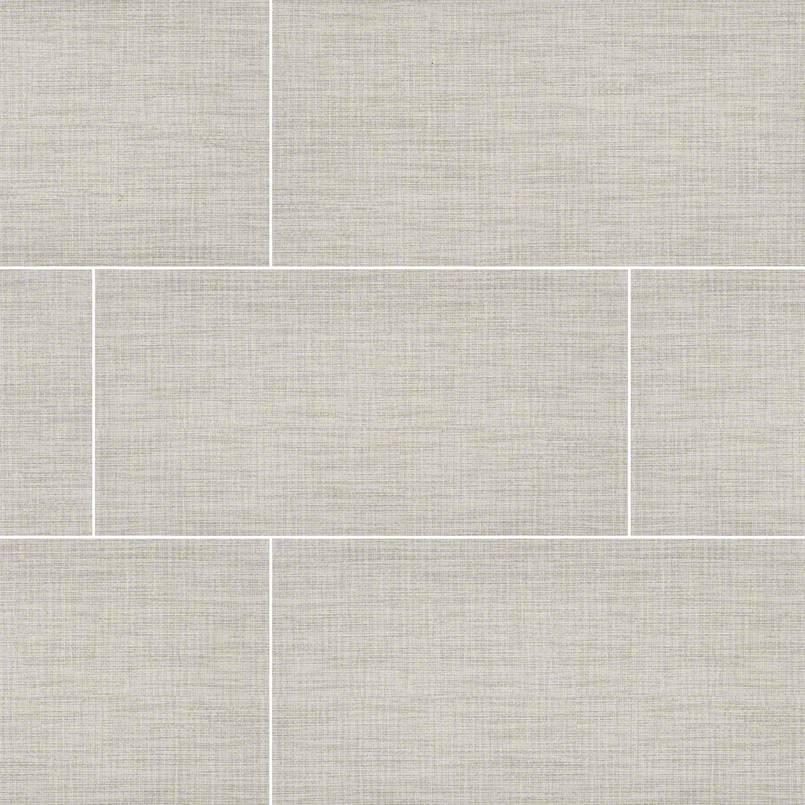
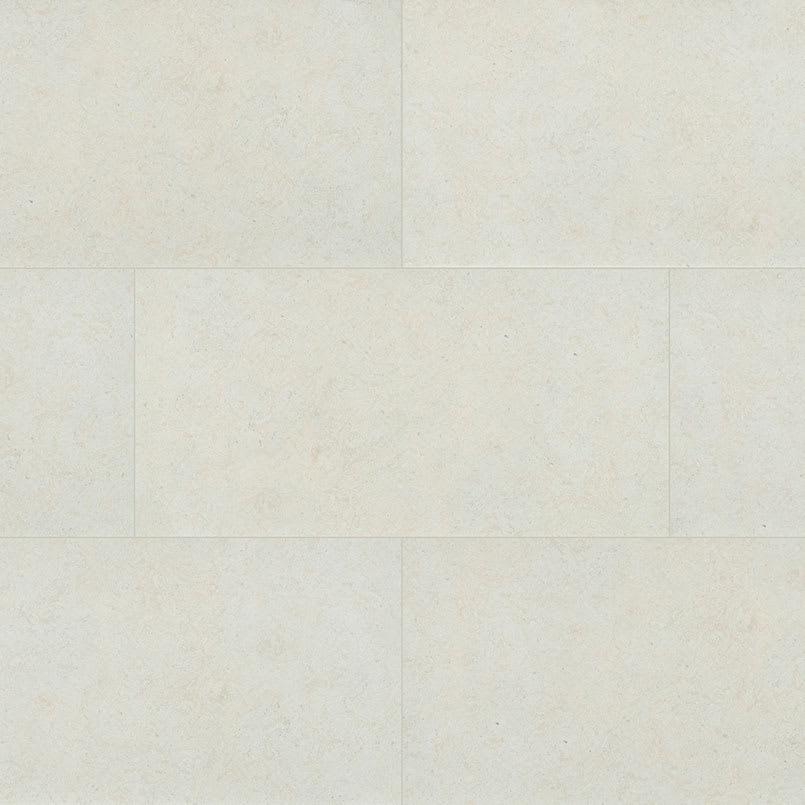
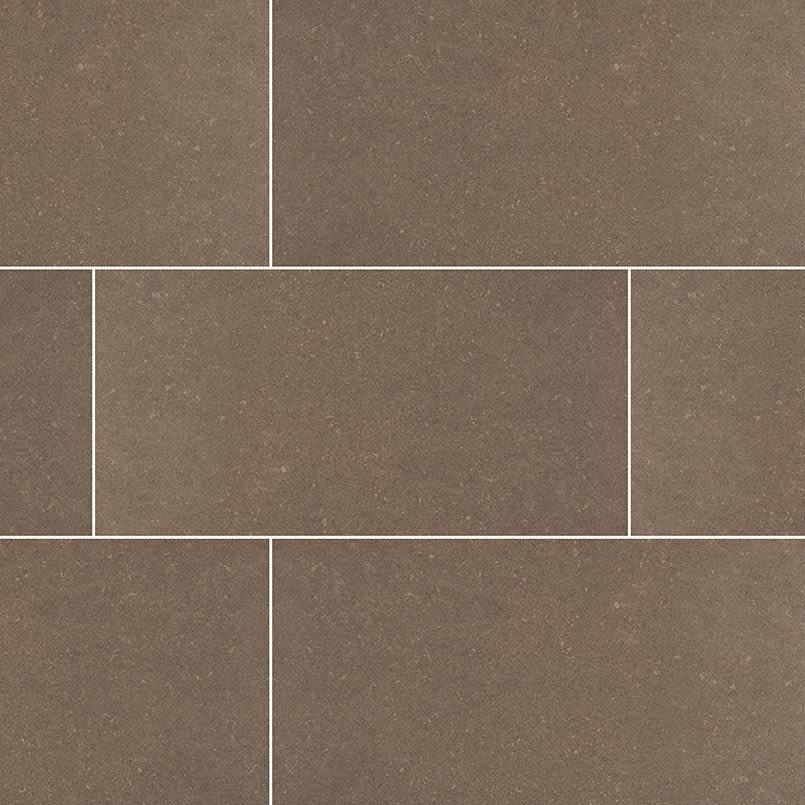
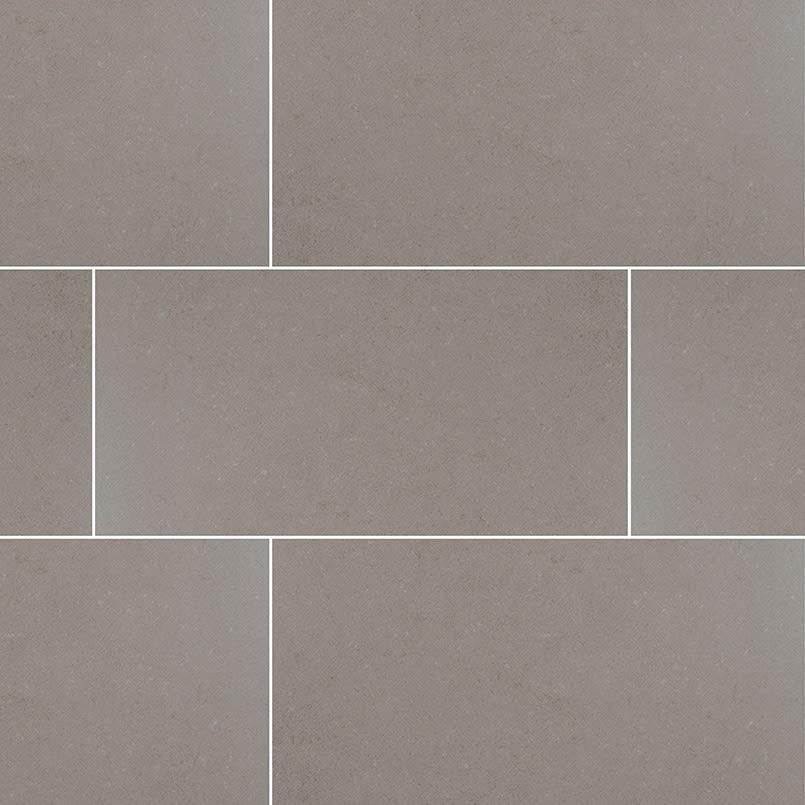
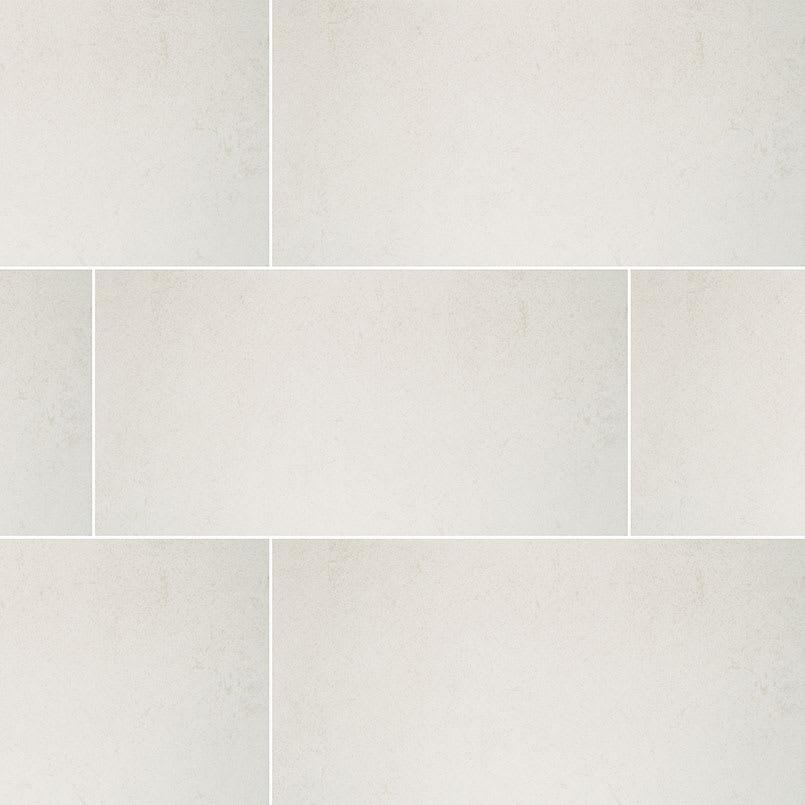
Simple, consistent-tone tiles in matte or textured finishes. The workhorse category for bathroom walls, shower surrounds, and commercial spaces where a clean, uniform backdrop is the goal.
Exterior & Paver Porcelain
2cm-thick porcelain pavers rated for frost resistance and slip resistance, designed for pool decks, patios, and roof terraces. Can be installed on pedestal systems for elevated decks or set in sand/mortar for ground-level patios.
Where Porcelain Outperforms Other Materials
Water and stain resistance. True porcelain's near-zero absorption means it will not stain, does not require sealing, and holds up in wet environments — showers, pool decks, kitchen backsplashes — better than any natural stone.
Scratch and wear resistance. High-PEI porcelain resists scratching and wear better than most natural stone finishes, making it the reliable choice for high-traffic commercial floors and busy family kitchens.
Design consistency. Because it is manufactured, porcelain delivers predictable, repeatable color and pattern across an entire order — critical for large commercial floor and wall installations where slab-to-slab variation in natural stone would be a liability.
Price-to-performance ratio. Porcelain consistently delivers the stone or wood look at a lower price point than the natural material it replicates, with less ongoing maintenance.
Outdoor and freeze-thaw performance. Impervious-rated porcelain pavers handle freeze-thaw cycling better than most natural stone, making them the standard specification for northern-climate outdoor living spaces.
The consideration to communicate to clients: porcelain is harder than natural stone in some cases, which makes fabrication more demanding — cutting large-format slabs requires specialized equipment and experienced installers, and improper handling can chip edges. Brittleness under point-load impact (a dropped heavy pot on an unsupported edge) is also worth flagging for countertop applications. Choosing an experienced fabricator for slab-format porcelain avoids most of these issues.
Porcelain vs. Natural Stone: The Short Version
Both deliver a premium look. The difference is manufacturing consistency versus natural uniqueness, and maintenance versus authenticity.
- Choose porcelain when the client wants the marble, wood, or concrete look with zero sealing, zero etching risk, and predictable consistency across a large order — especially for commercial floors, wet areas, and exterior applications.
- Choose natural stone (marble, granite, quartzite) when the client specifically wants authentic, one-of-a-kind material character and is prepared for the associated maintenance routine.
For a full side-by-side comparison of quartz, quartzite, and granite across durability, maintenance, cost, and application — see GoSource's complete material comparison guide






How Trade Buyers Access Wholesale Porcelain Pricing
GoSource carries porcelain tile and slab collections from MSI and other trusted manufacturers — covering wood-look, stone-look, concrete-look, and exterior paver lines — at savings of up to 70% below retail. Access is free with a GoSource account, with no minimum order requirements and transparent pricing visible upfront.
For fabricators and builders running volume flooring or countertop programs, wholesale porcelain pricing compounds meaningfully across a project season — particularly on large-format slab work where material cost is a bigger share of the total project budget than on standard tile jobs.
Browse porcelain tile and access wholesale pricing →

The Bottom Line
Porcelain earns its place at the top of almost every trade sourcing list. Near-zero water absorption, PEI-rated durability up to heavy commercial traffic, and zero sealing or etching risk make it the safer spec for wet areas, high-traffic floors, and exterior applications where natural stone can't compete. Add in digital printing that replicates marble, wood, and concrete with striking accuracy, and porcelain covers nearly every aesthetic brief at a fraction of the cost — and maintenance burden — of the material it's mimicking.
The one thing worth flagging to clients: large-format slab porcelain is unforgiving to fabricate. It demands experienced installers with the right equipment, and edges can chip under improper handling or a hard point-load impact. Beyond that, it's about matching PEI class and water absorption rating to the application — get those two specs right, and porcelain performs.
For standard residential floors and walls, Grade A-B tile in 12×24 or large-format planks covers most briefs. For countertops, feature walls, and facades, gauged porcelain slabs deliver the marble or concrete look with none of the ongoing care.

