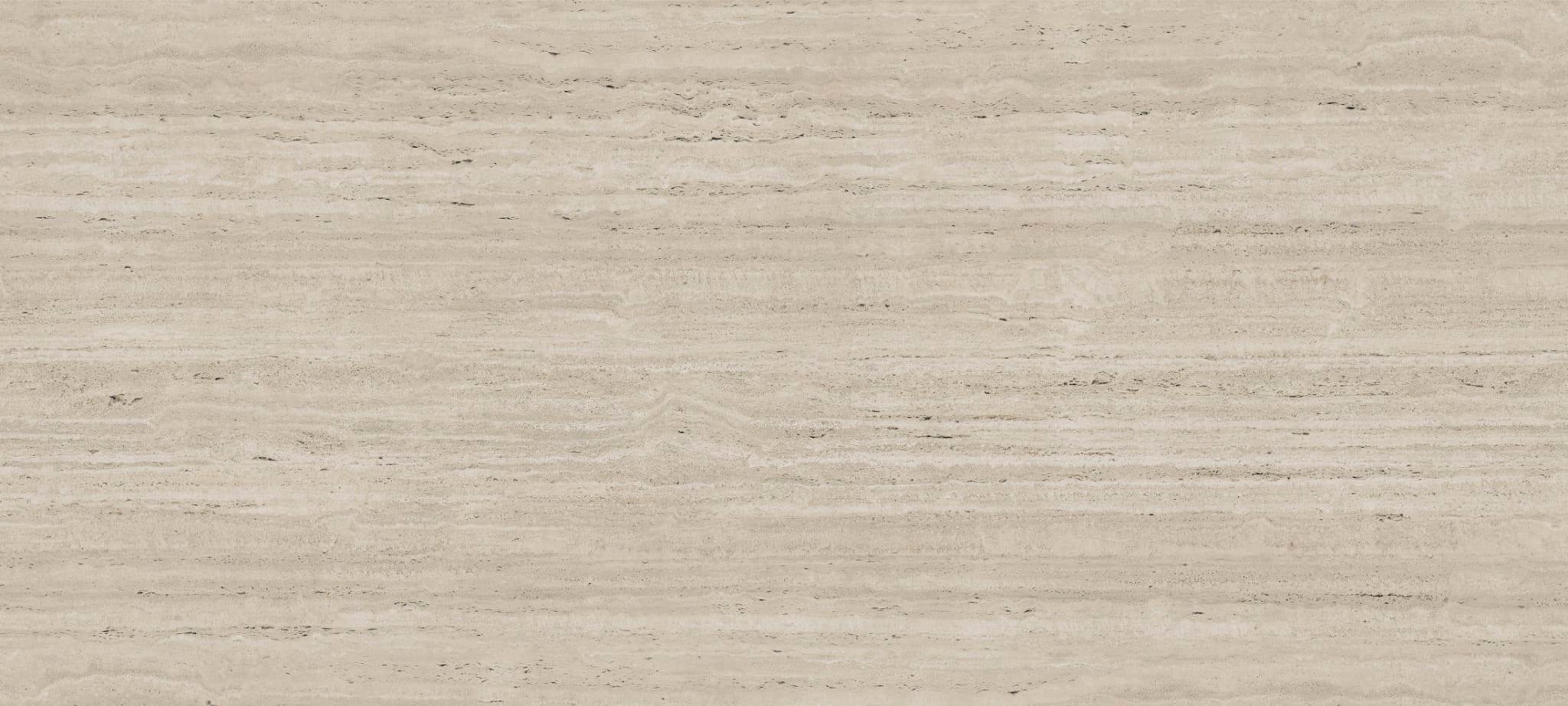
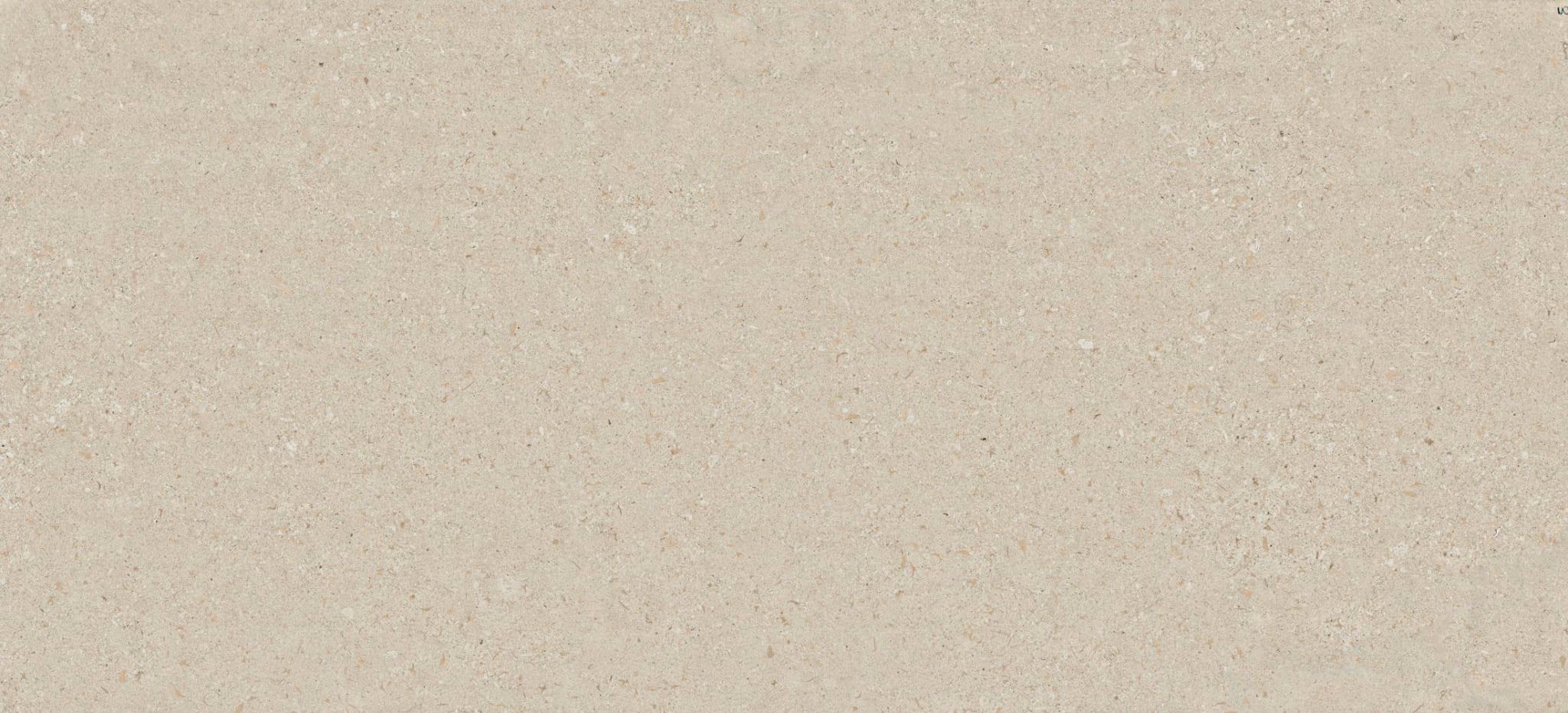
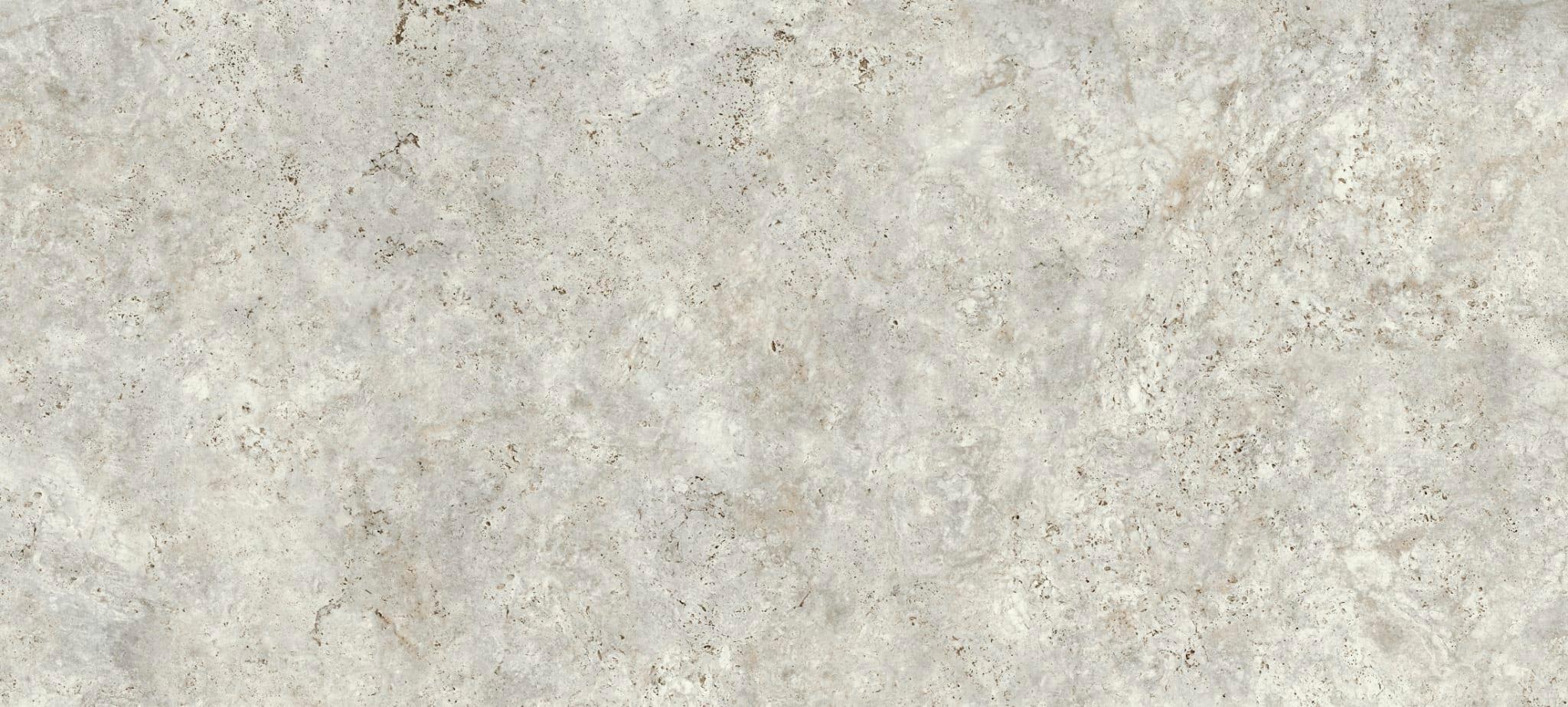
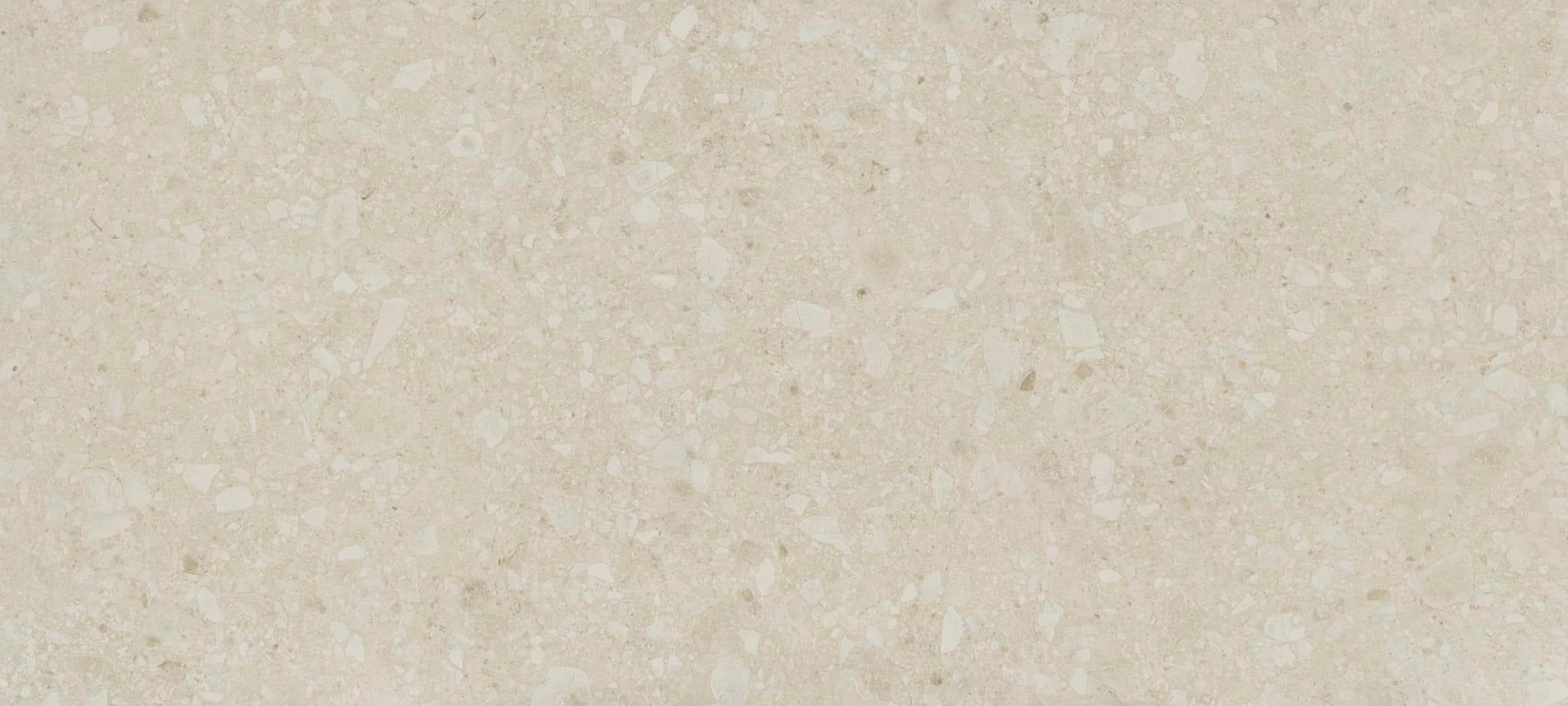
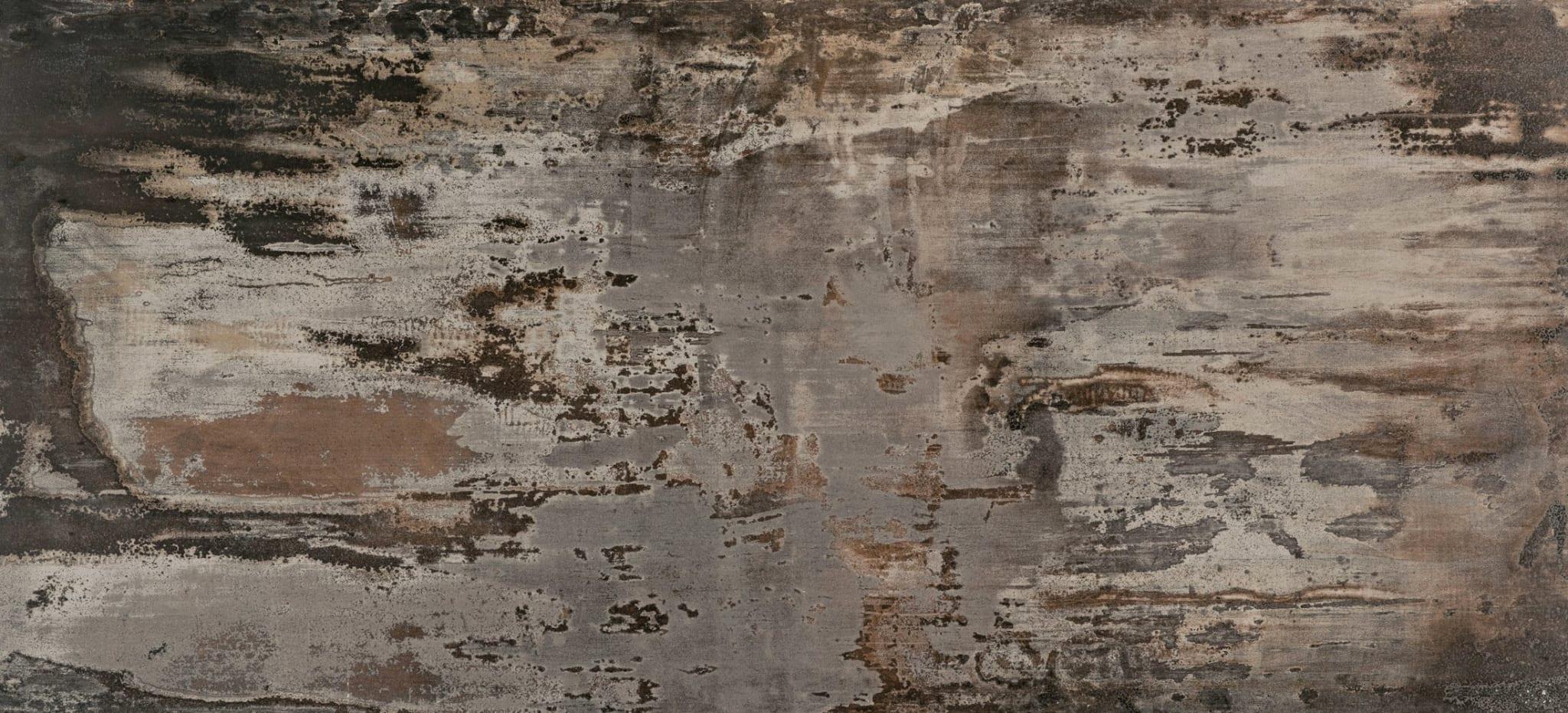
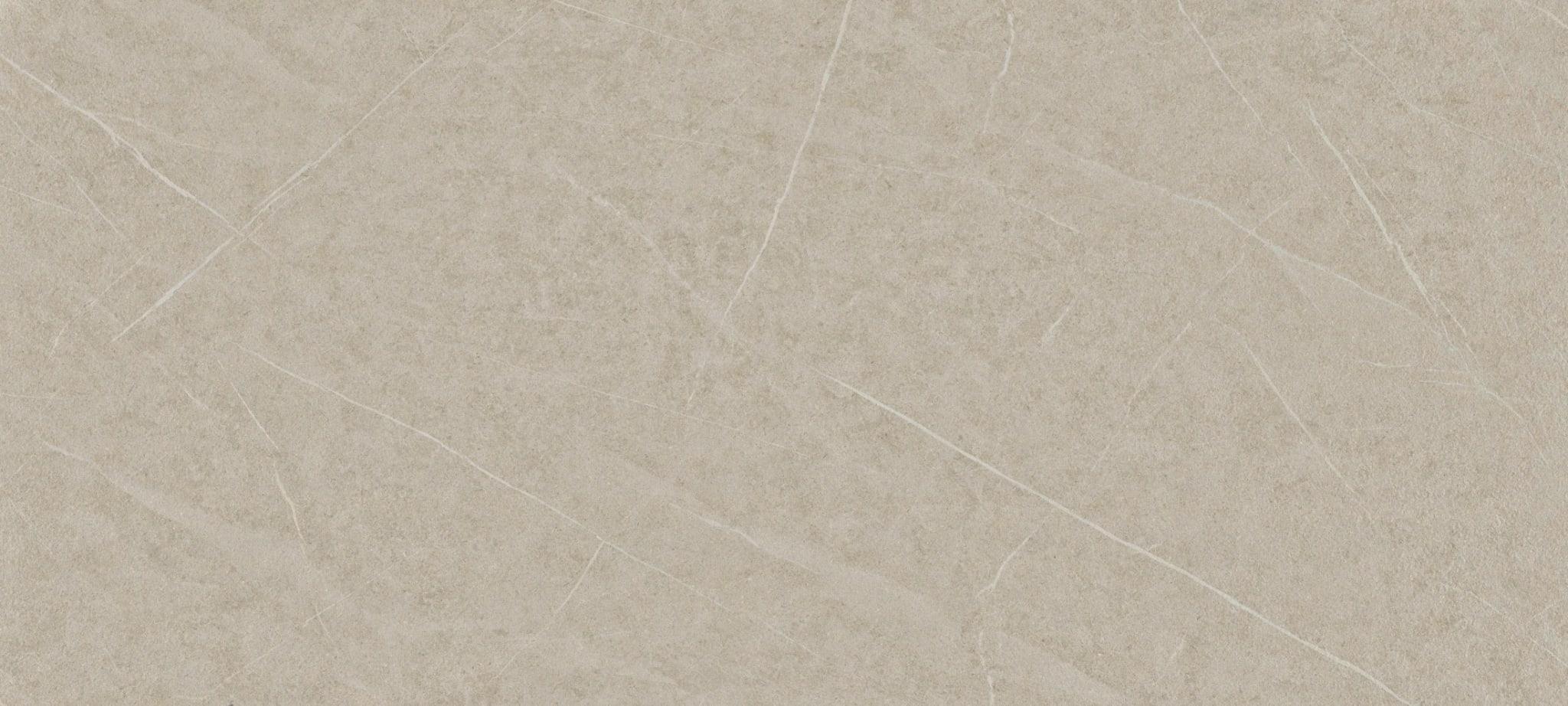
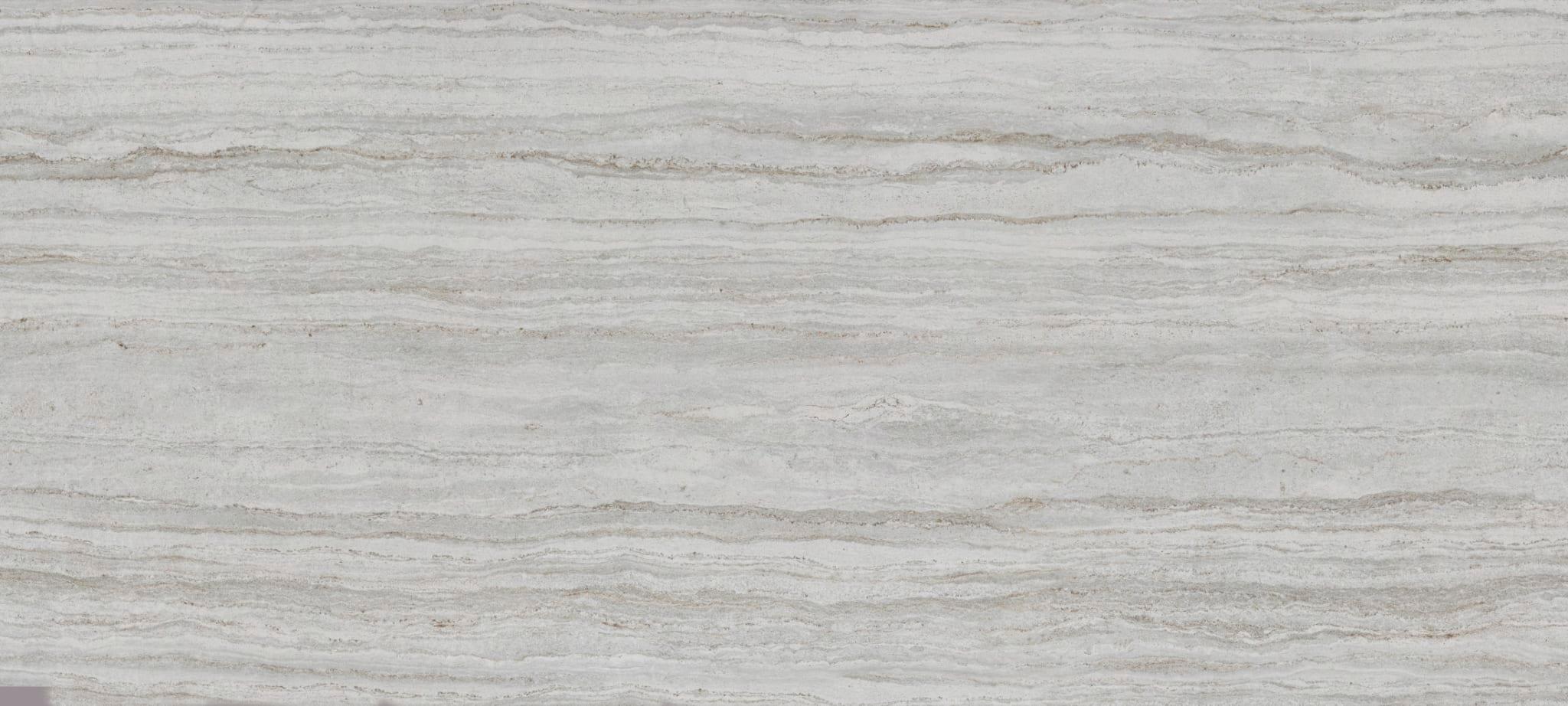
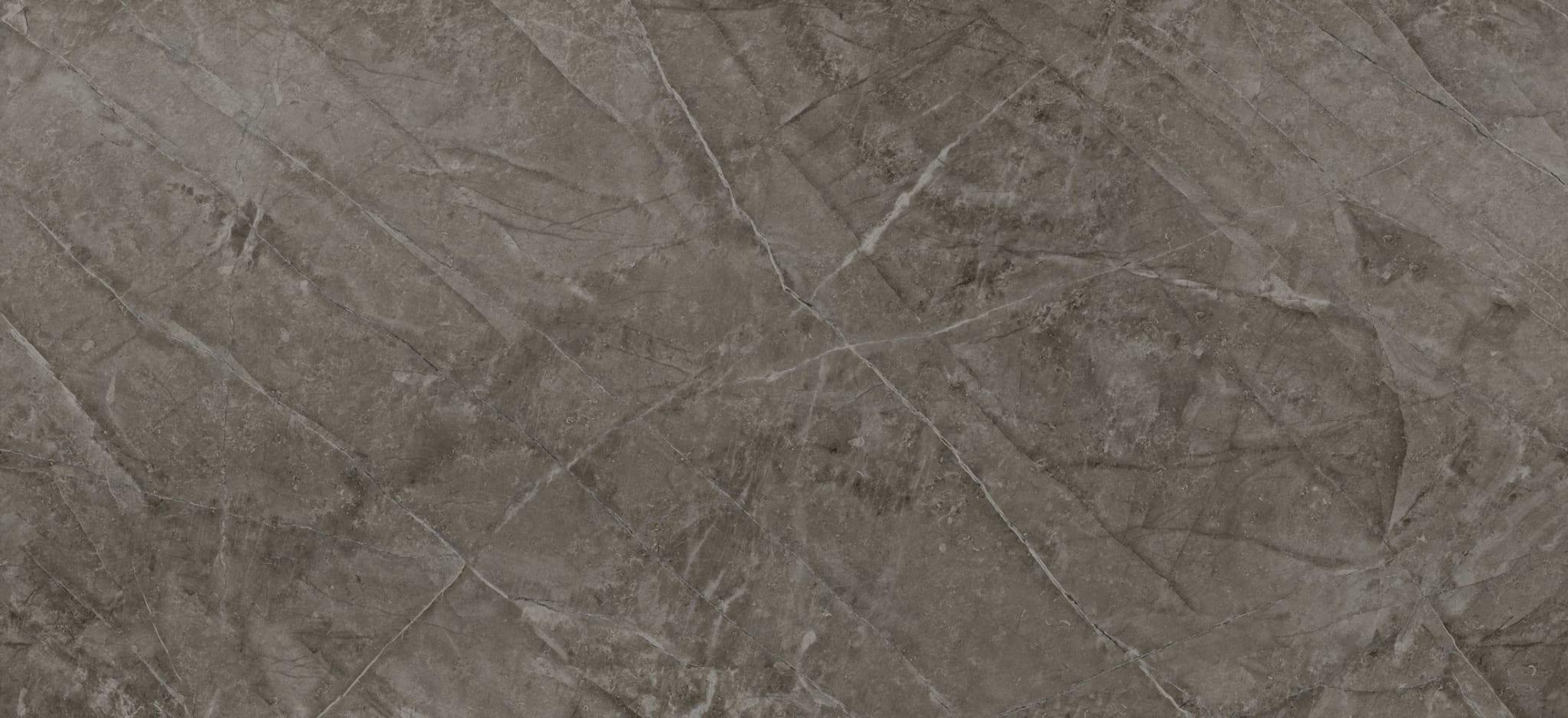
Silestone is a premium engineered quartz surface by Cosentino, available in 80+ colors with a 25-year warranty. This complete 2026 guide covers composition, HybriQ+ technology, pricing, fabrication tips, and how Silestone compares to Caesarstone and Cambria.
Silestone Countertops: The Complete 2026 Guide for Fabricators and Designers
TL;DR
- Silestone is an engineered quartz surface by Cosentino, the Spanish company that also makes Dekton.
- Since 2020, all Silestone is produced with HybriQ+ technology, which significantly reduces crystalline silica content — a meaningful health and compliance consideration for fabrication shops.
- Material cost runs $50–$100/sq ft; installed cost ranges from $60–$140/sq ft, with a typical kitchen project landing between $1,800 and $5,600.
- Silestone carries a 25-year limited warranty and ships in standard (120" x 55") and jumbo (128" x 63") slab formats.
- Fabrication is standard quartz workflow — no sintered stone tooling or labor premium required.
- 80+ colors across multiple collections, with bacteriostatic Microban treatment built into the surface.
What Is Silestone?
SSilestone is a premium engineered quartz surface manufactured by Cosentino, the Spanish company behind Dekton sintered stone. It has been in production for over 30 years and is sold in more than 100 countries, making it one of the most widely specified quartz brands in the world.
Like all engineered quartz, Silestone combines natural quartz crystals with binding agents and pigments under controlled pressure and heat. What separates it from generic quartz brands is its proprietary composition technology, its bacteriostatic surface treatment (via Microban), and its 25-year manufacturer's warranty — a commitment most competitors do not match.
Silestone sits firmly in the premium quartz tier, positioned above commodity engineered stone but below ultra-compact sintered surfaces like Dekton in both price and performance ceiling. For fabricators and designers, that positioning matters: Silestone behaves like standard quartz on the shop floor, requires no specialized tooling, and delivers a premium installed result that clients are willing to pay for.
HybriQ+ Technology: What Changed in 2020
In 2020, Cosentino reformulated Silestone with what it calls HybriQ+ technology. The change was significant enough that Cosentino now markets Silestone as a "mineral hybrid surface" rather than a conventional quartz product.
Three things changed:
1. Reduced crystalline silica content. Conventional engineered quartz contains approximately 90–95% crystalline silica. HybriQ+ dramatically reduces that percentage by substituting recycled glass, mirror, and other non-silica mineral materials. This matters for fabrication shops where silica dust exposure is a documented occupational health hazard. While appropriate dust control and PPE remain required regardless of material, lower silica content reduces cumulative exposure risk.
2. Recycled material input. HybriQ+ Silestone incorporates recycled raw materials as a portion of its mineral composition. Cosentino reports that the manufacturing process also runs on 100% renewable electric energy at its production facilities.
3. Third-party certifications. Current Silestone carries certifications from UL, Eurofins, DNV, GREENGUARD, NSF, and LGA Qualitest — a certification stack that supports specification in commercial and healthcare environments where material documentation is required. Source: Cosentino
For designers specifying surfaces in LEED-tracked or sustainability-reporting projects, HybriQ+ documentation is available directly from Cosentino and provides a defensible sustainability narrative that commodity quartz cannot offer.


Silestone Collections and Colors
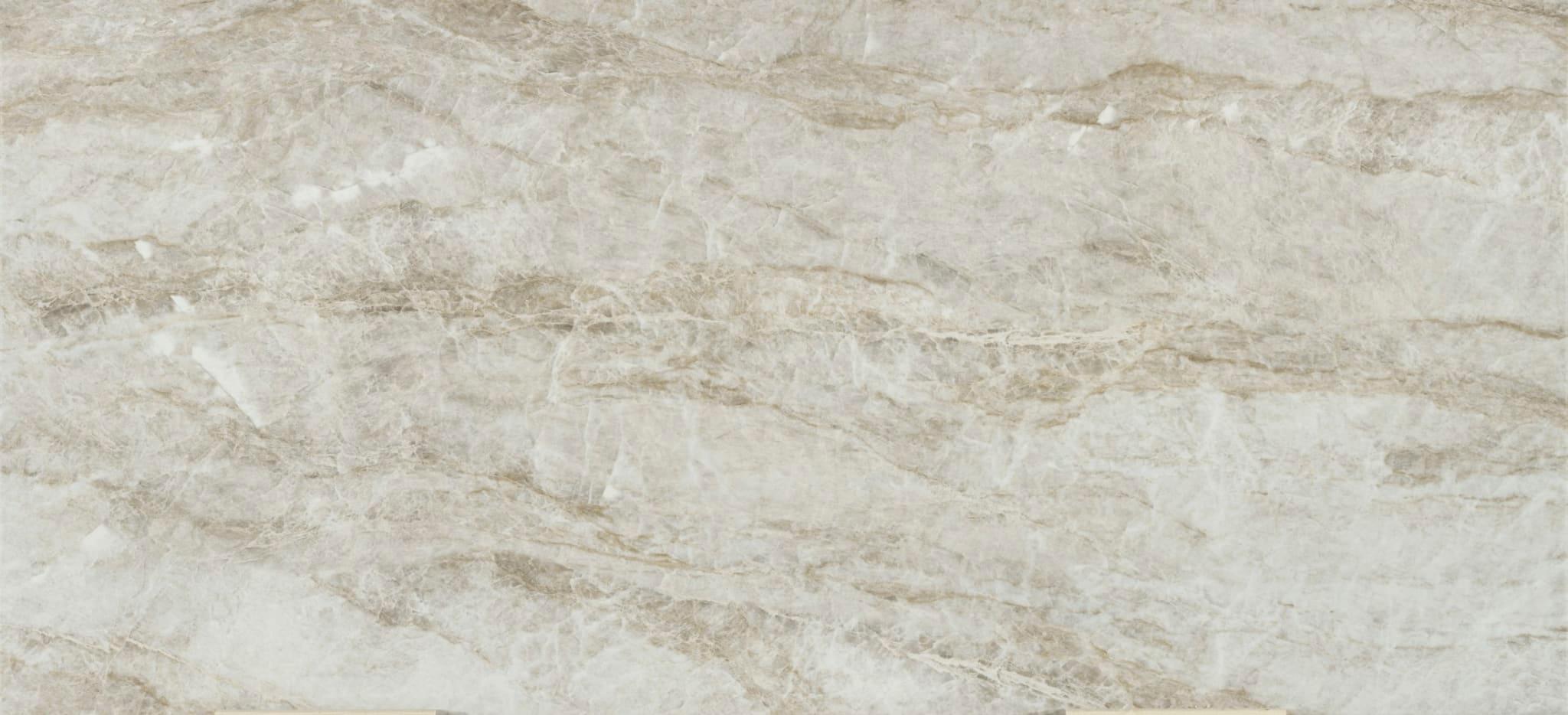
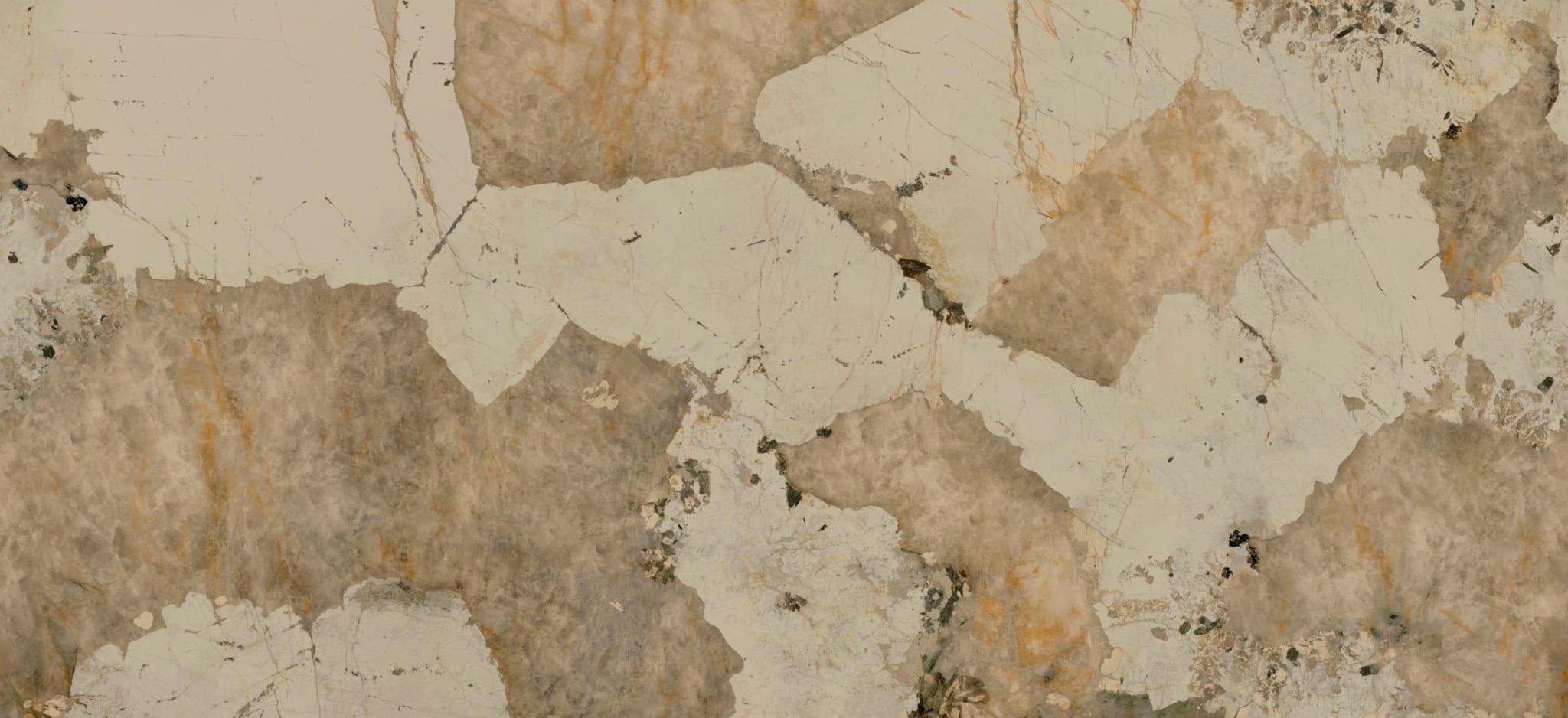
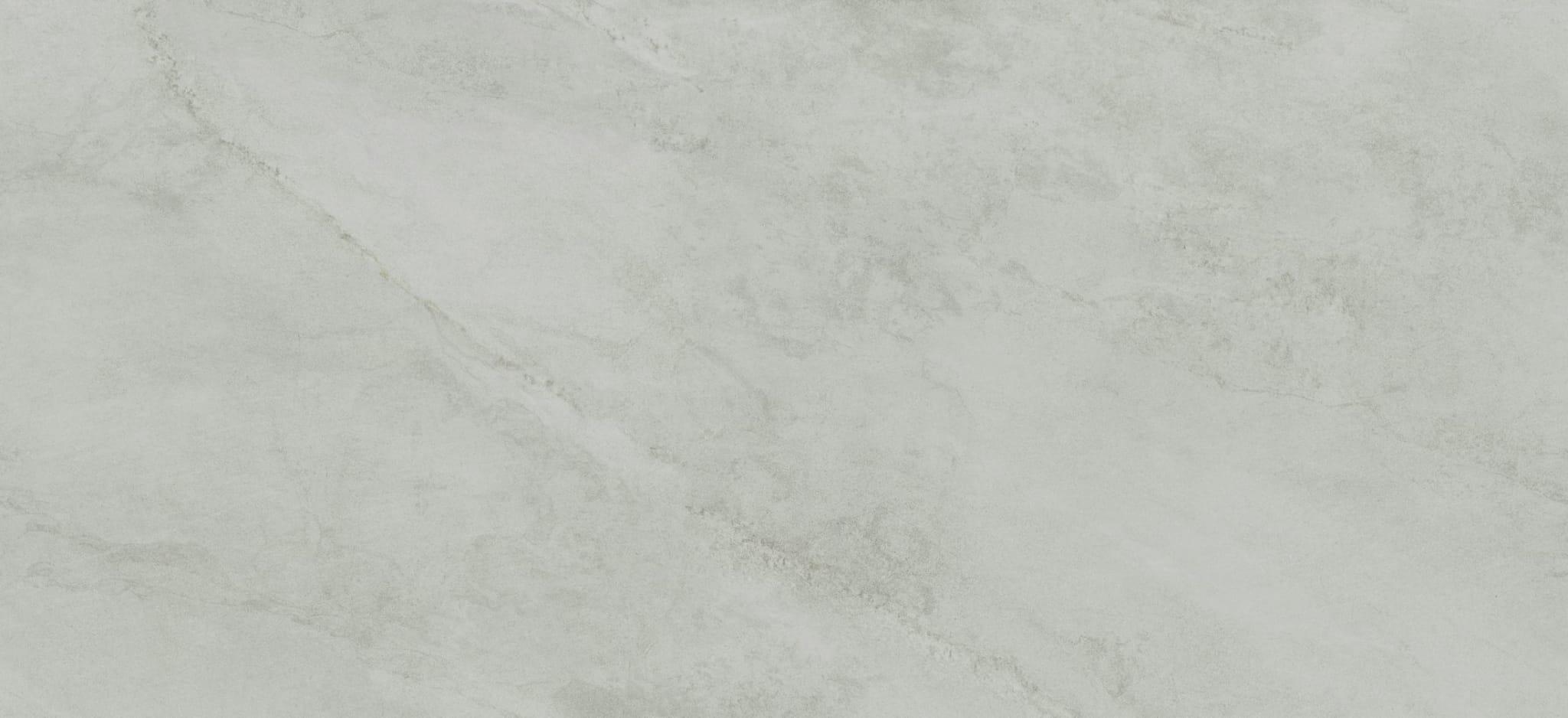
Silestone currently offers 80+ colors organized across several design collections. The range covers:
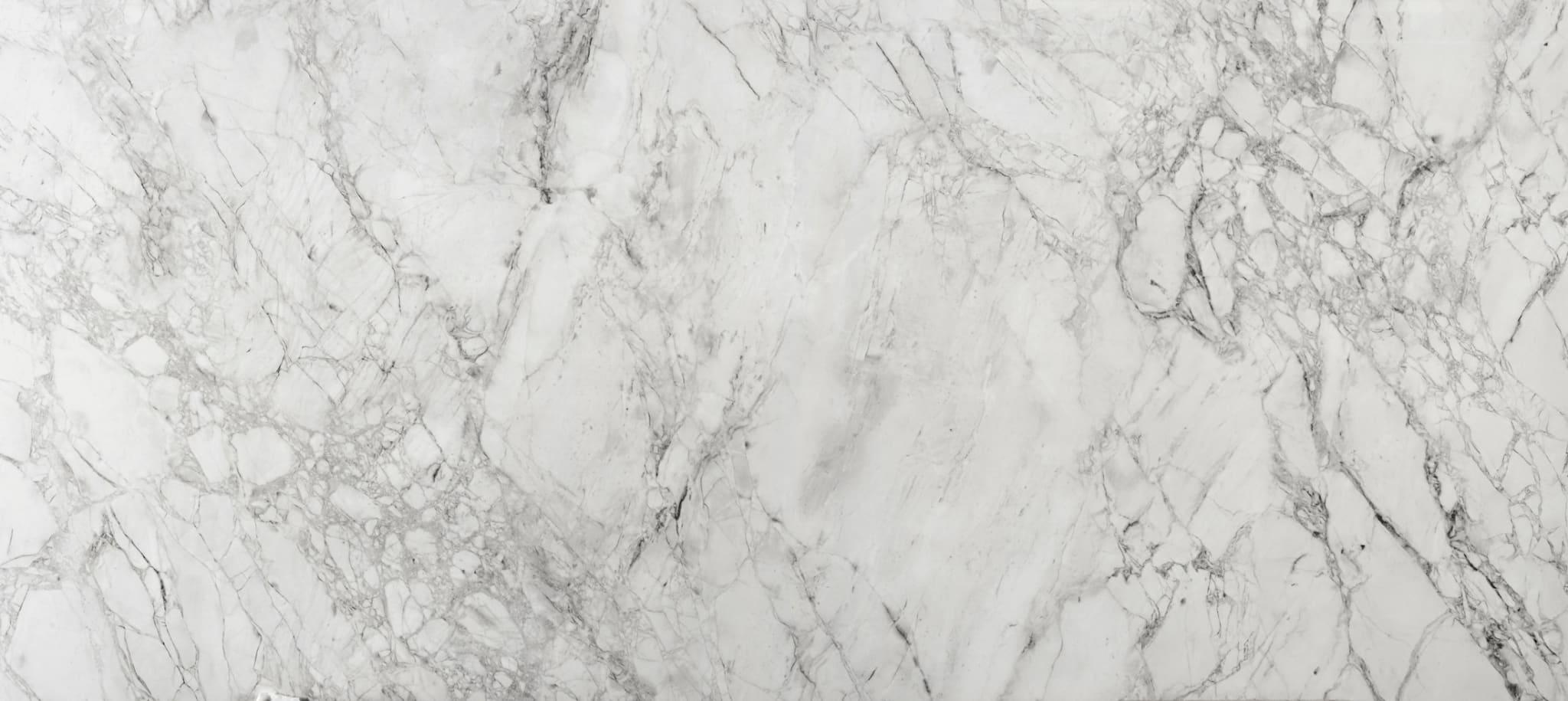
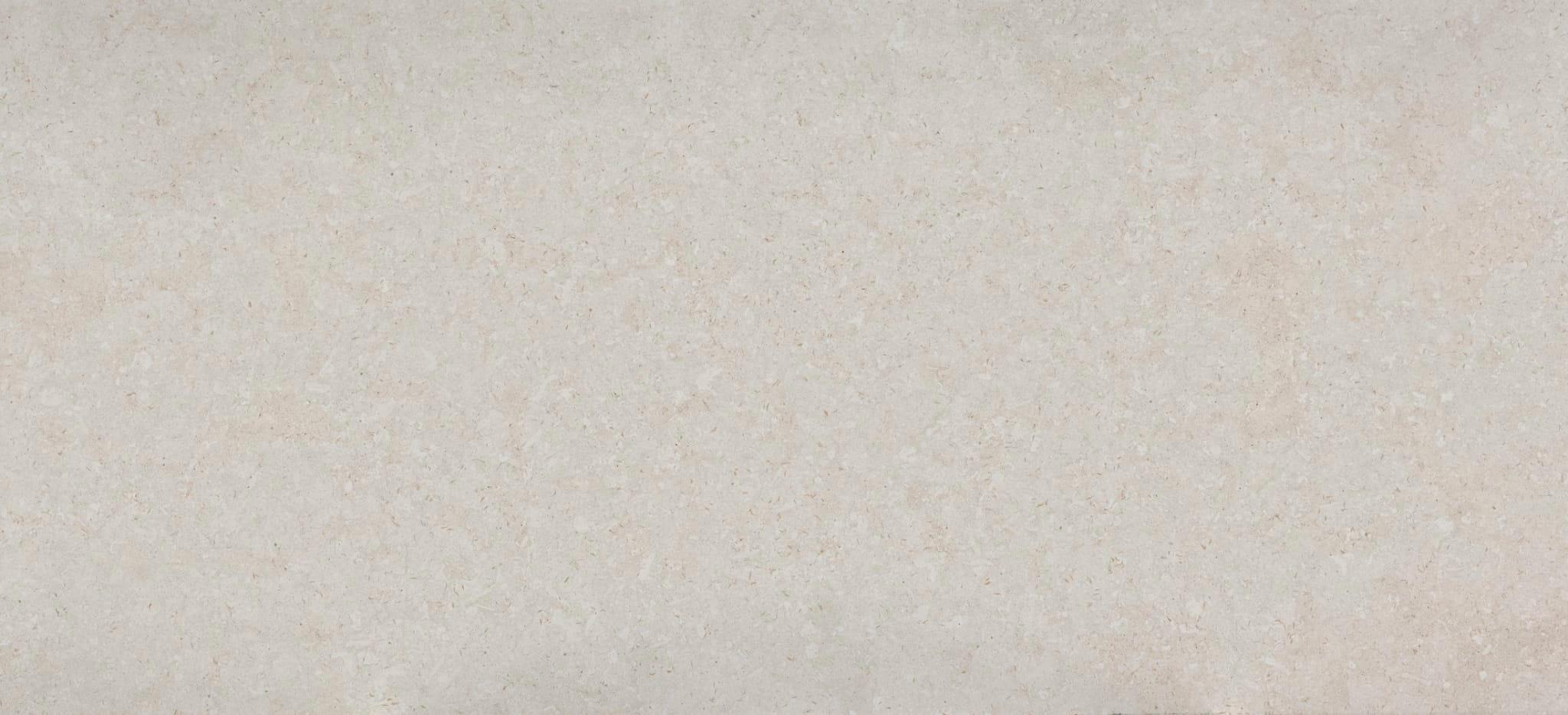
- Classic whites and creams — clean backgrounds for contemporary and transitional kitchens (Alpina White, Blanco Norte, White Zeus)
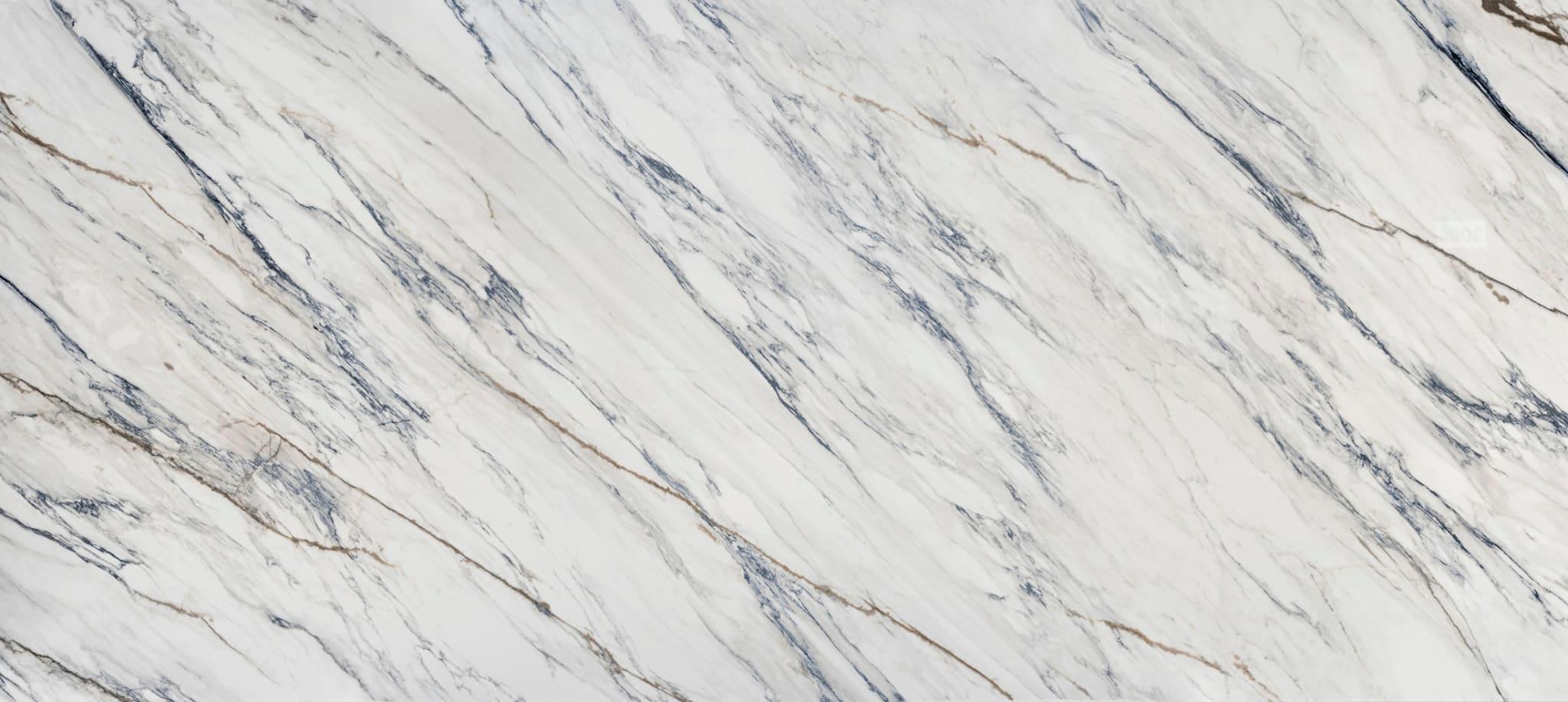
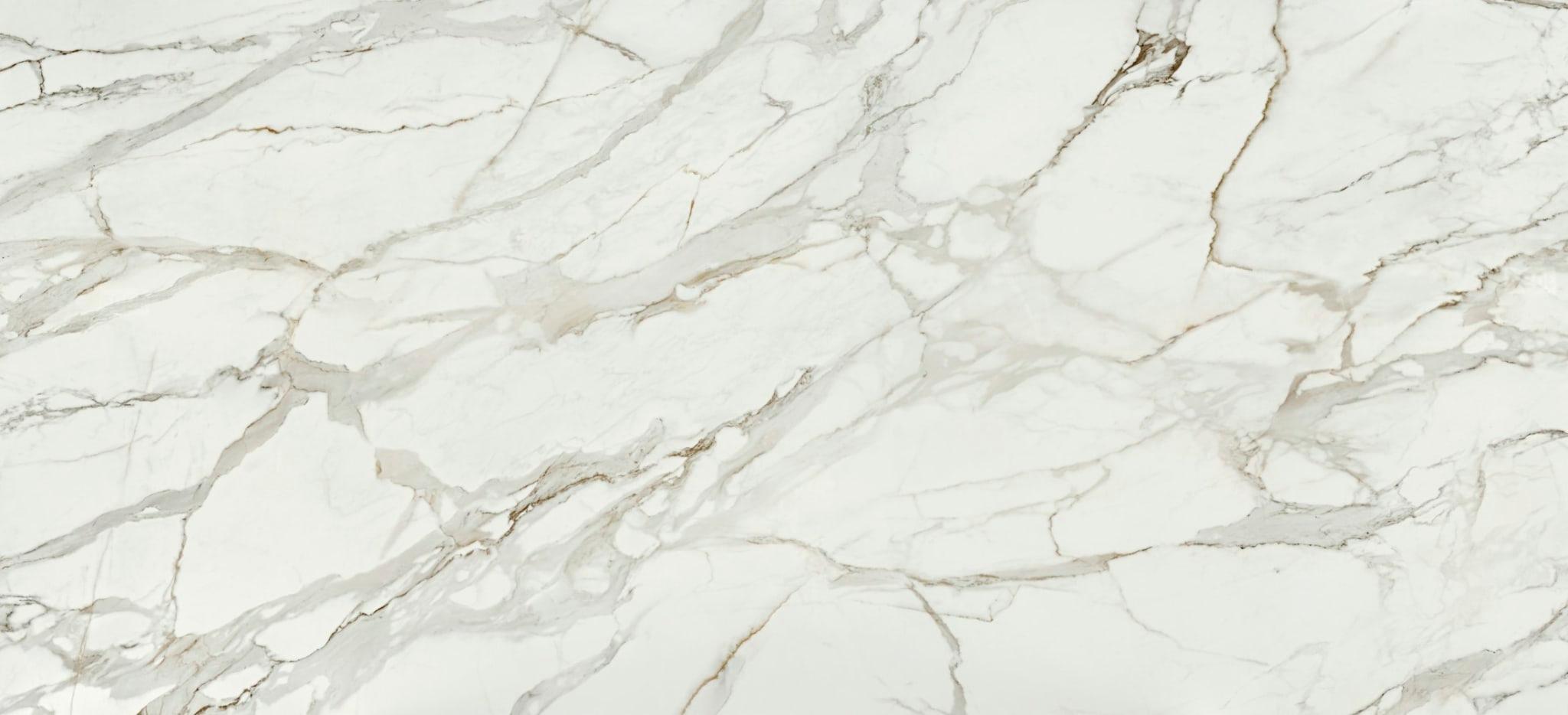
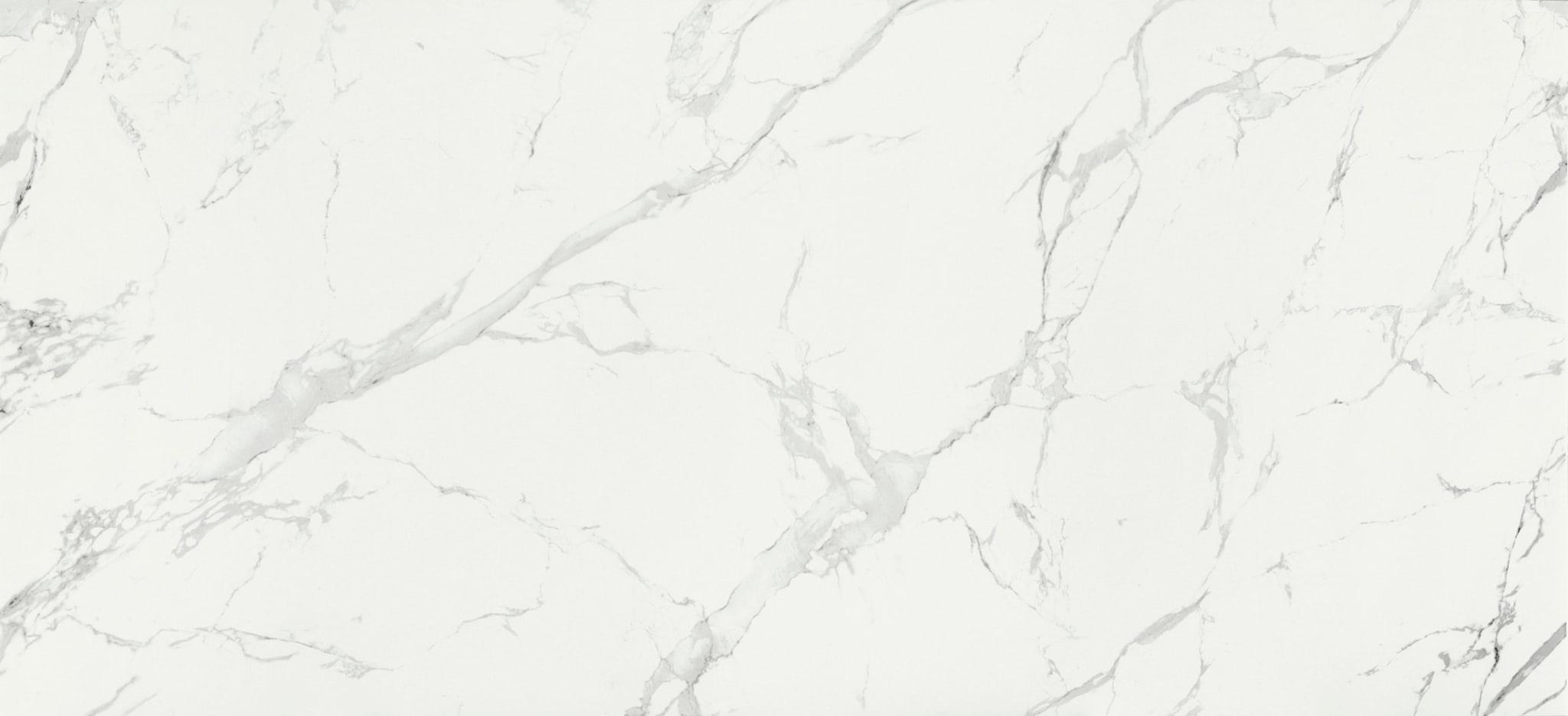
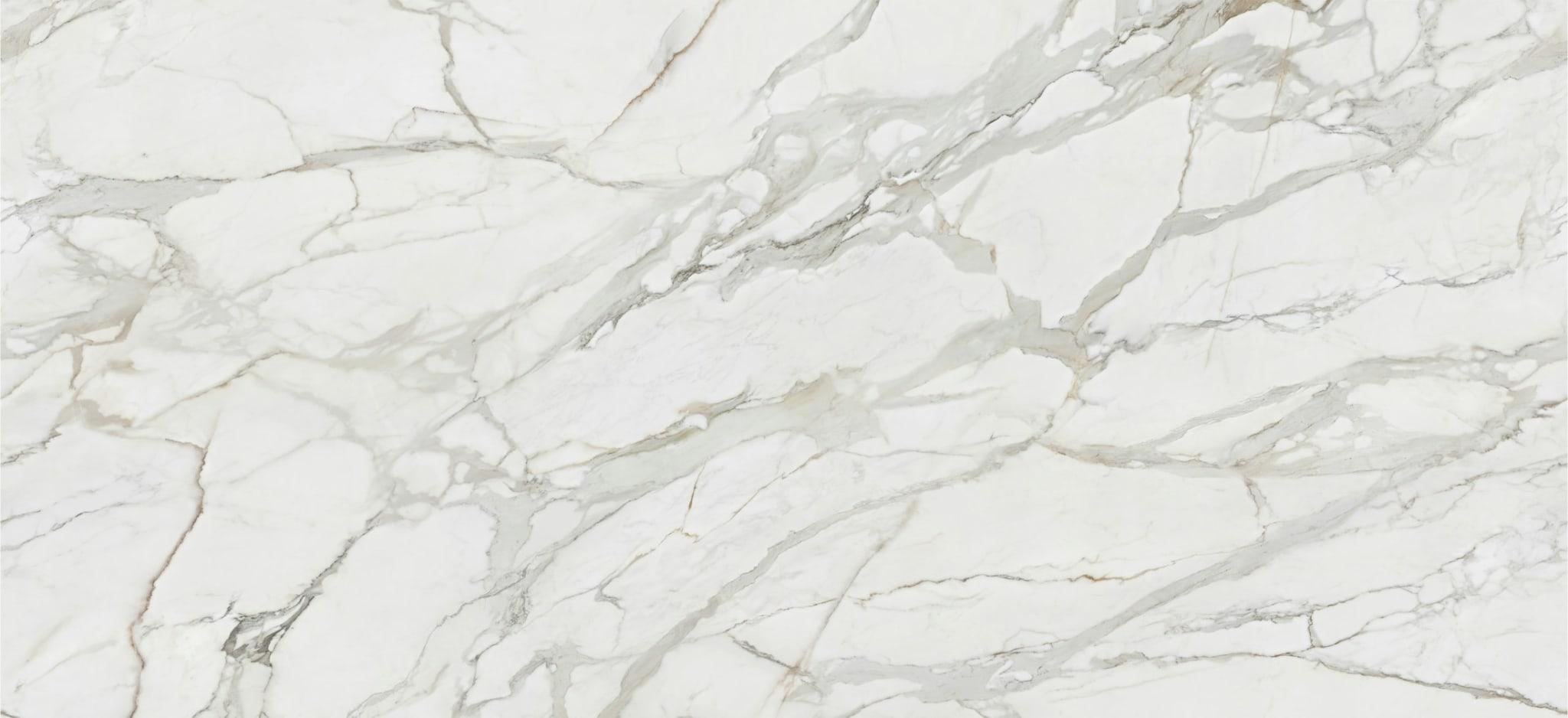
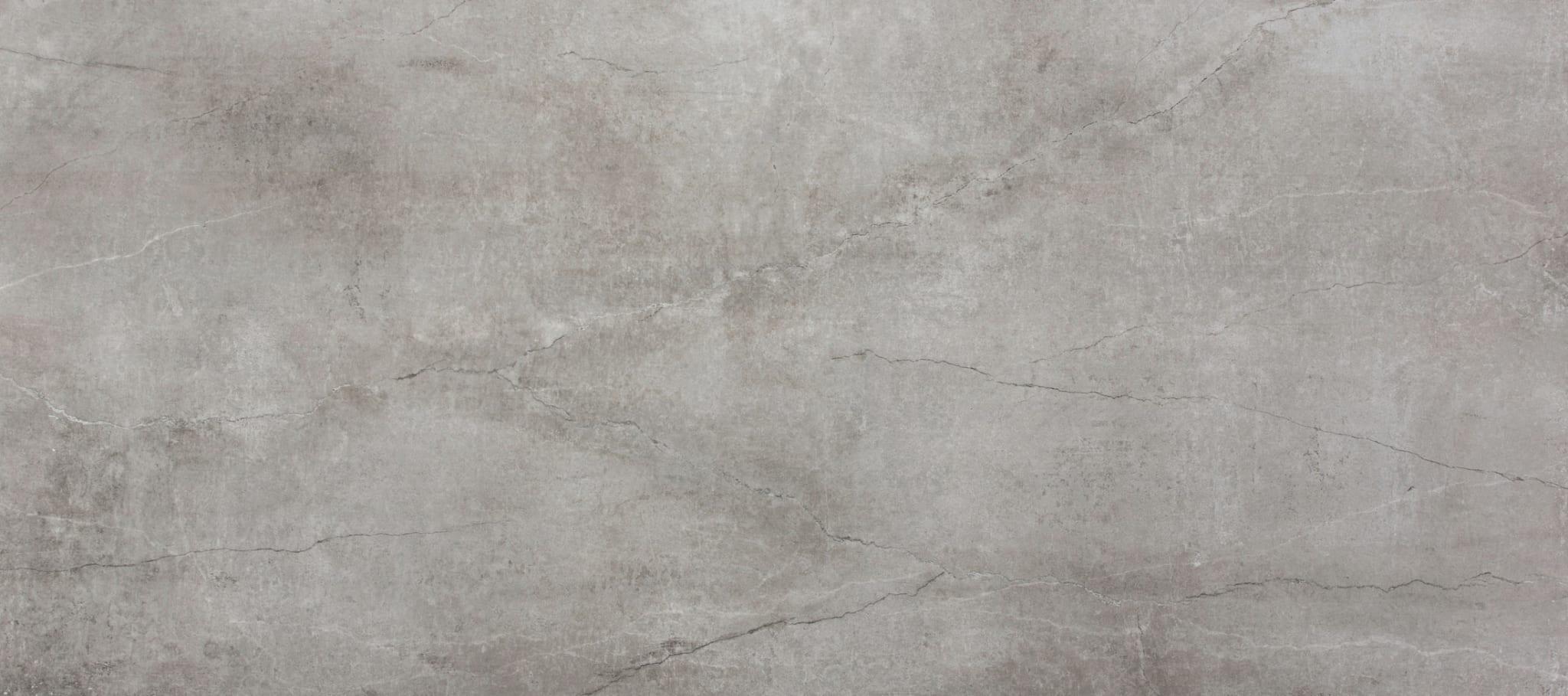
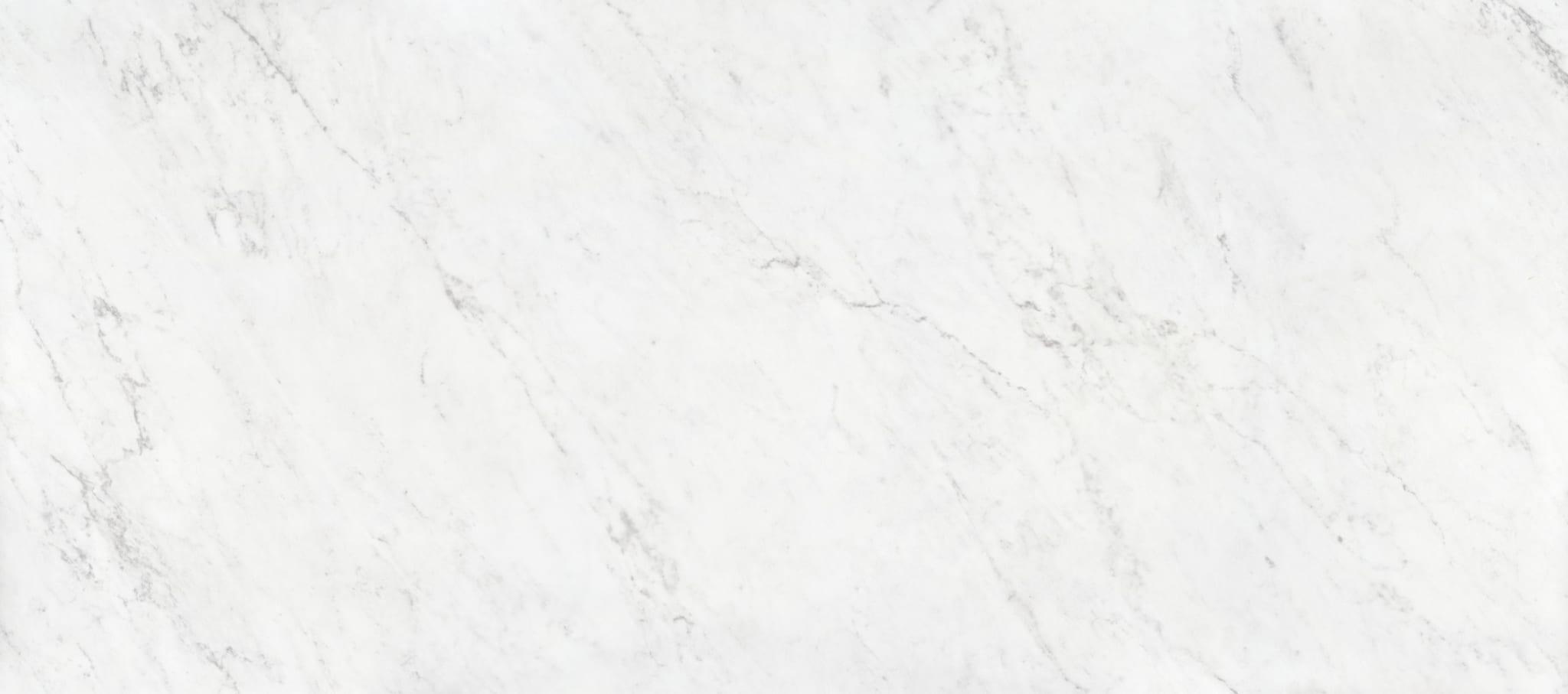
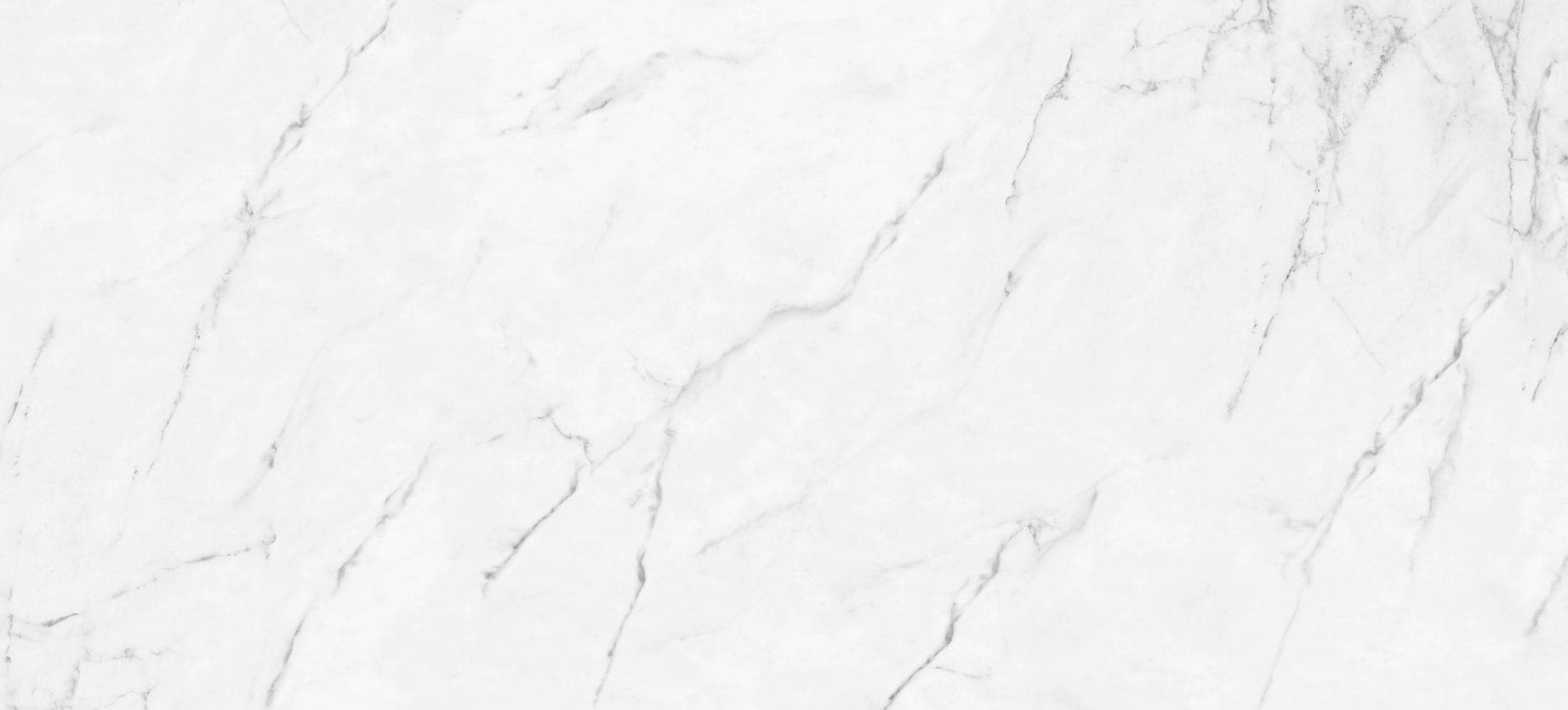
- Calacatta and Carrara looks — marble-veined designs without natural stone maintenance requirements (Calacatta Classic, Calacatta Gold, Helix)
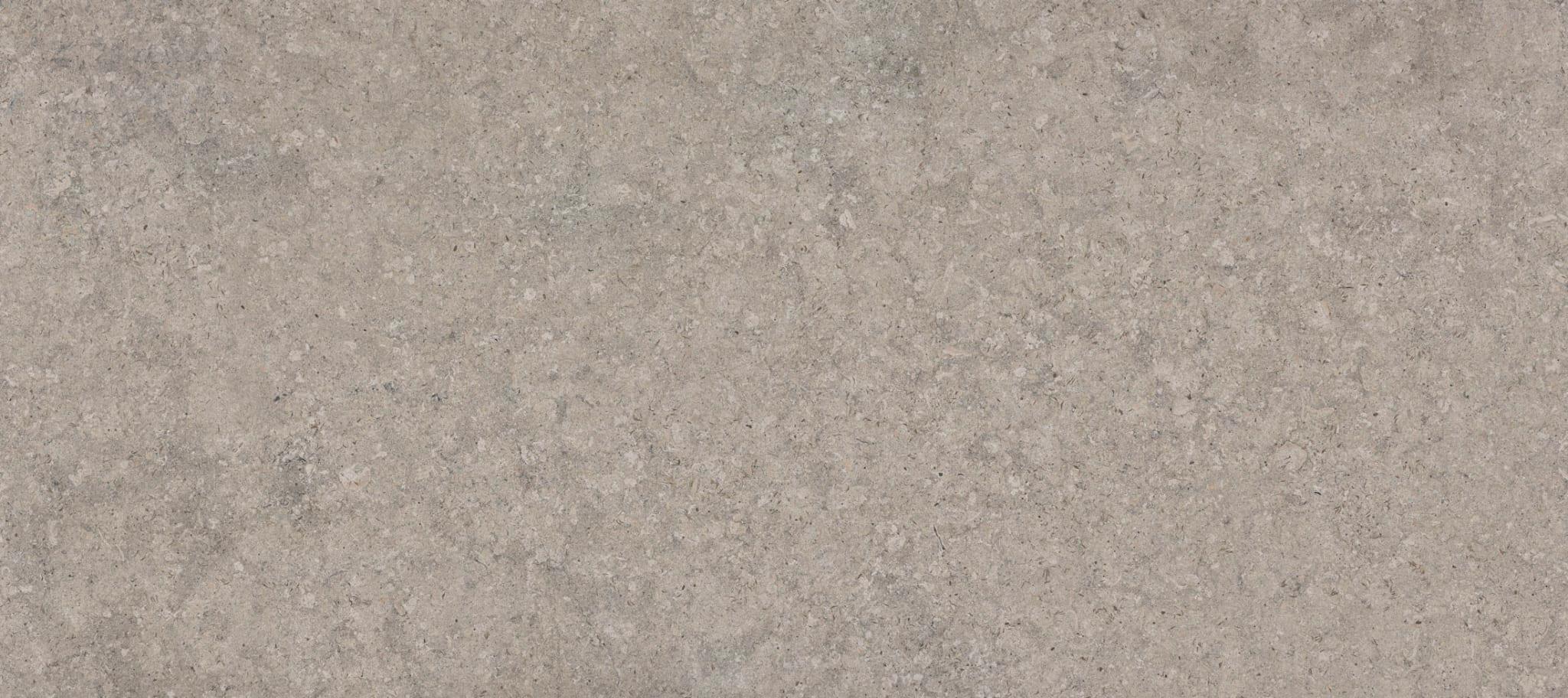
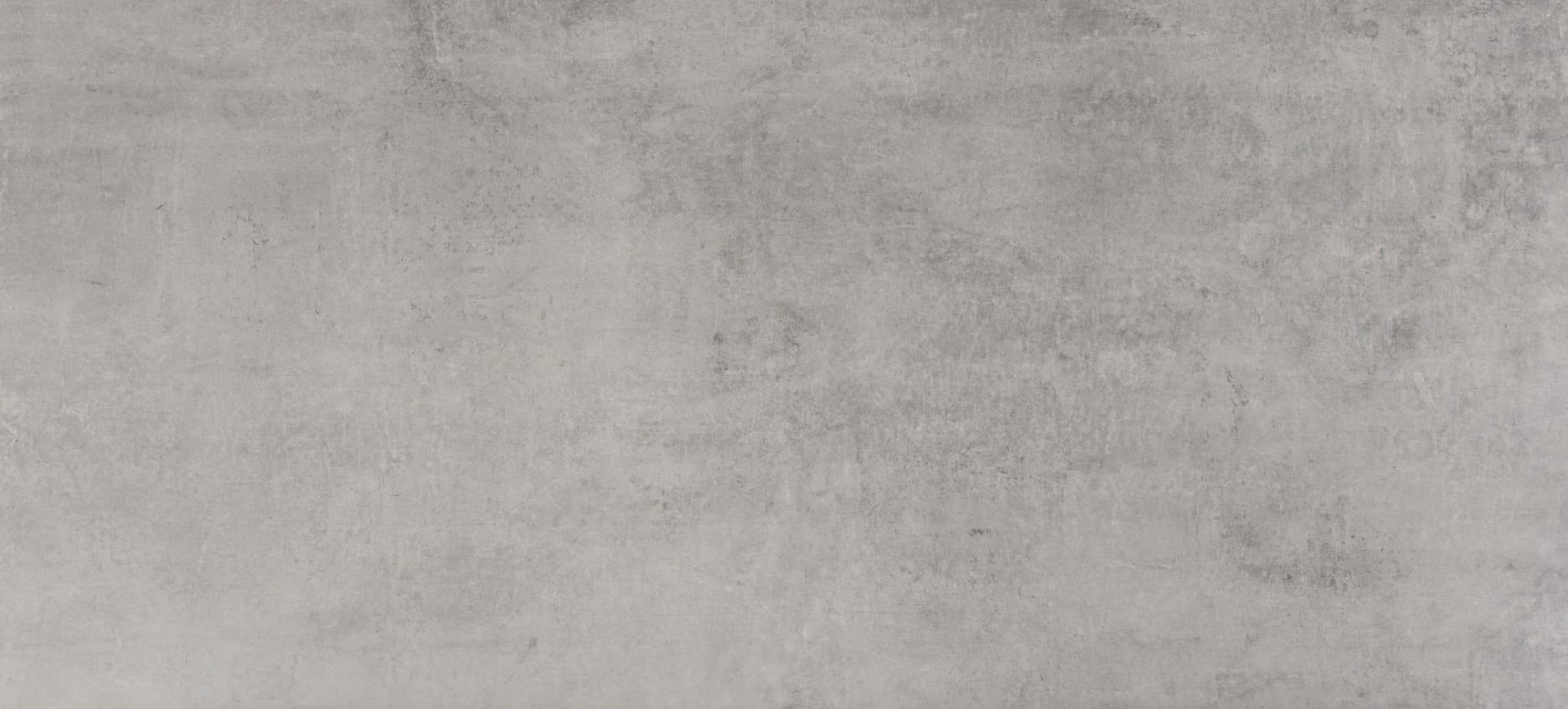
- Concrete and urban textures — matte-finish designs for industrial and modern commercial spaces (Kensho, Eternal Serena)
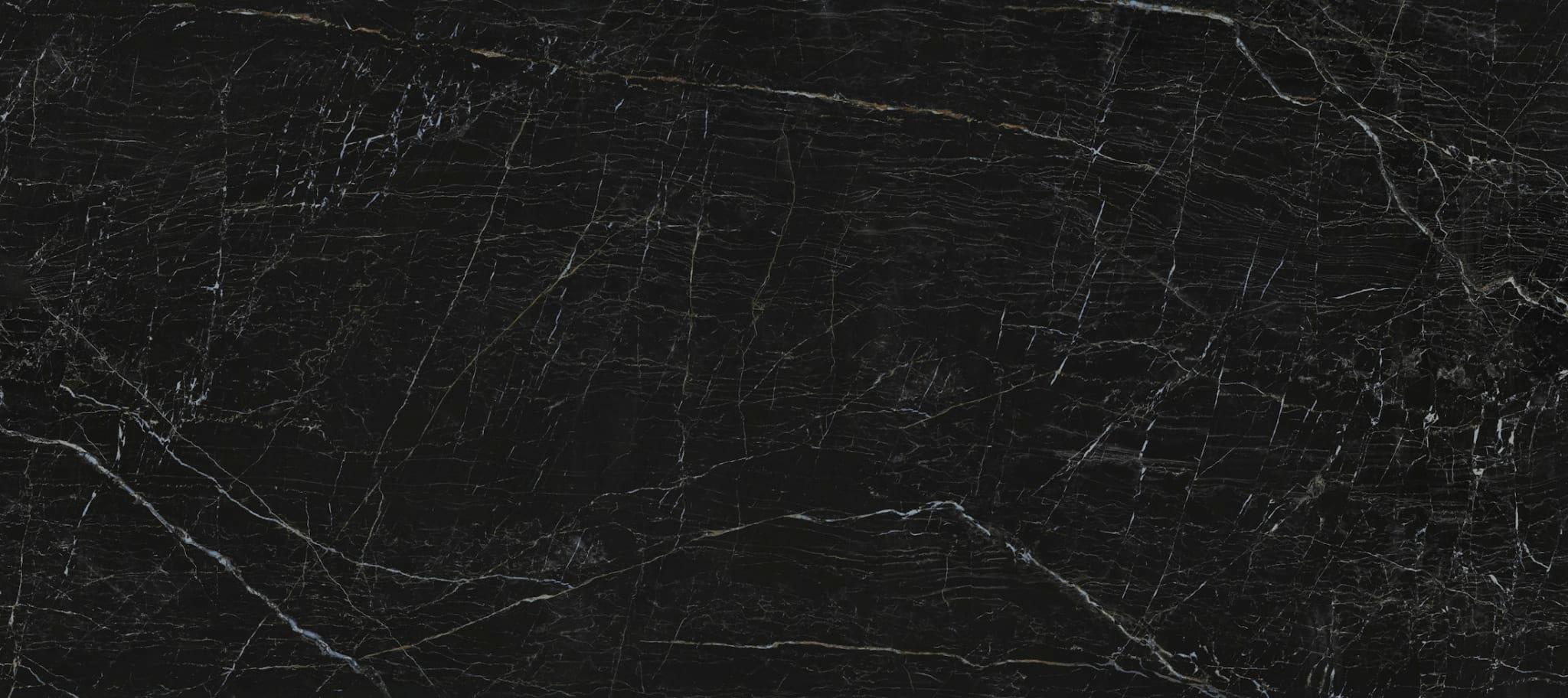
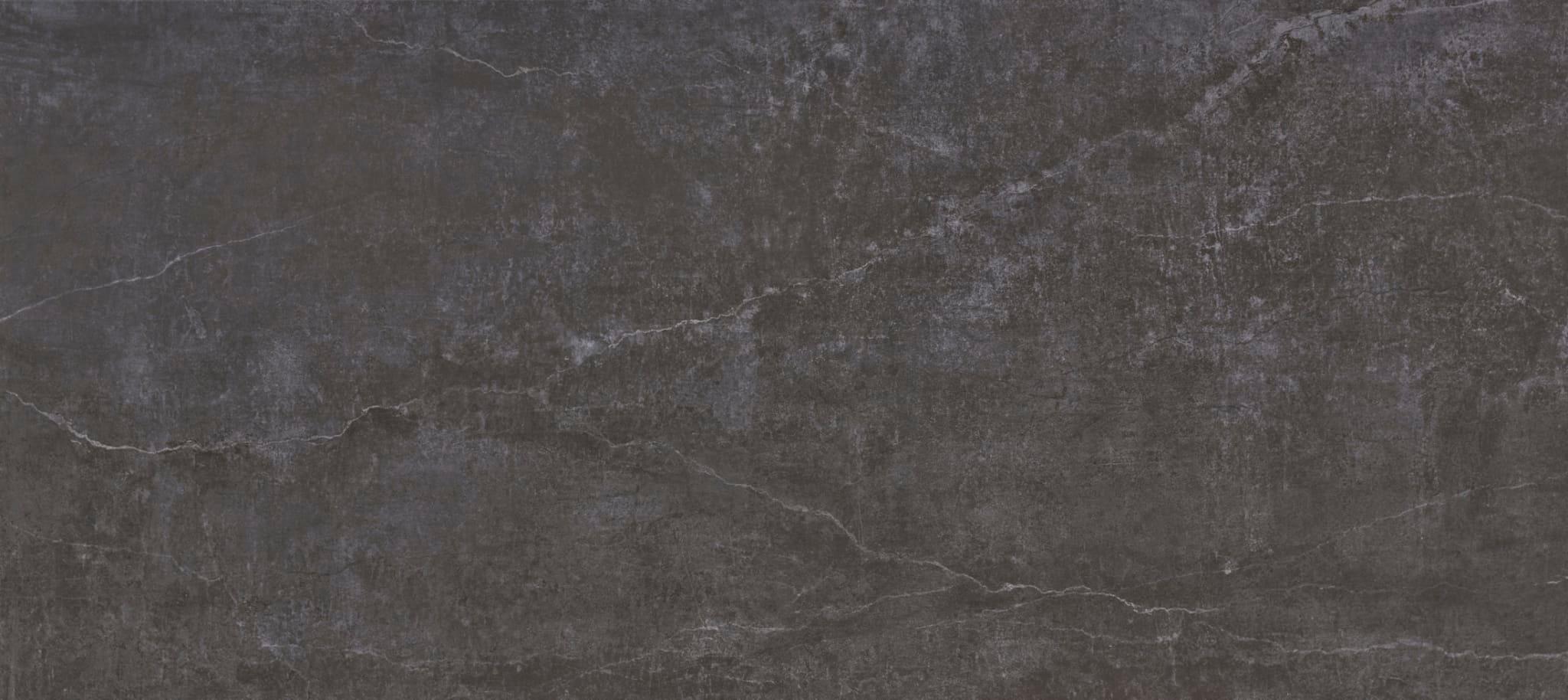
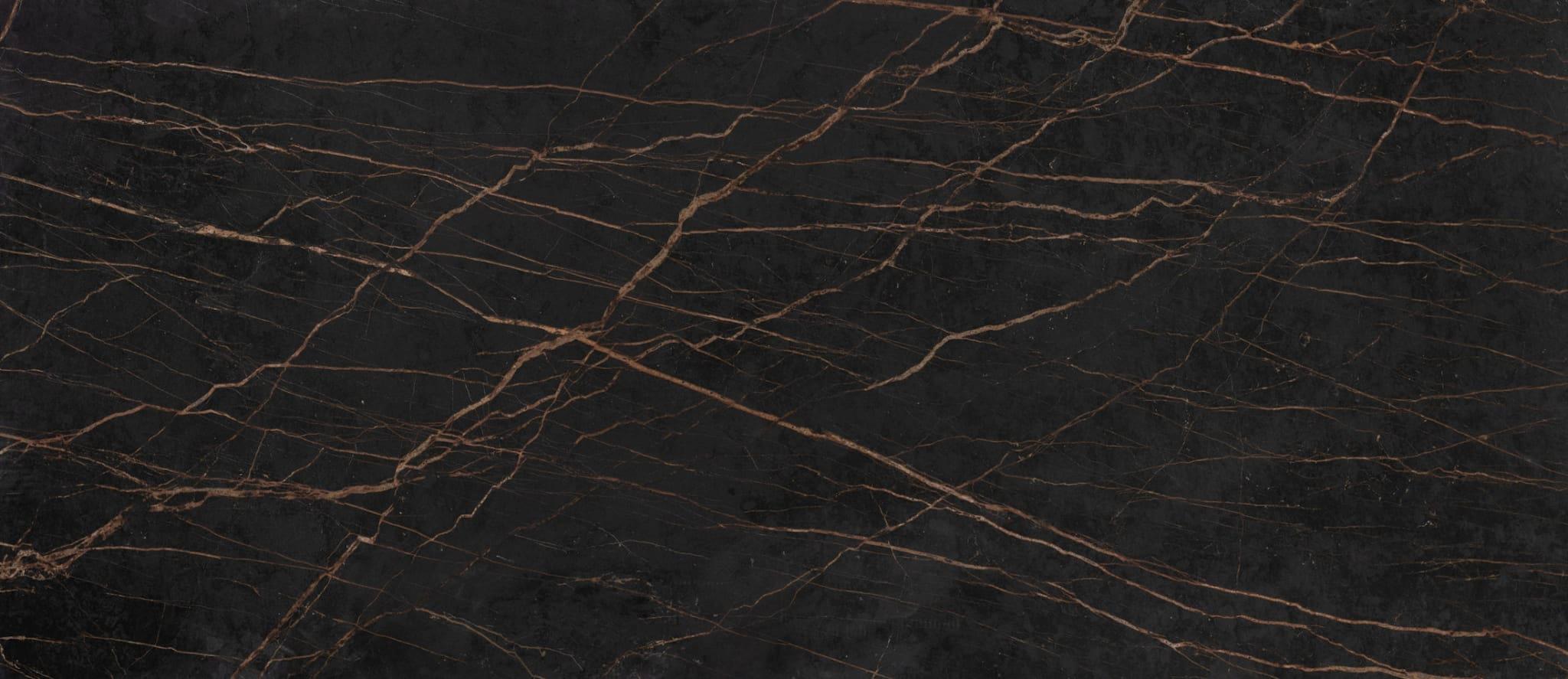
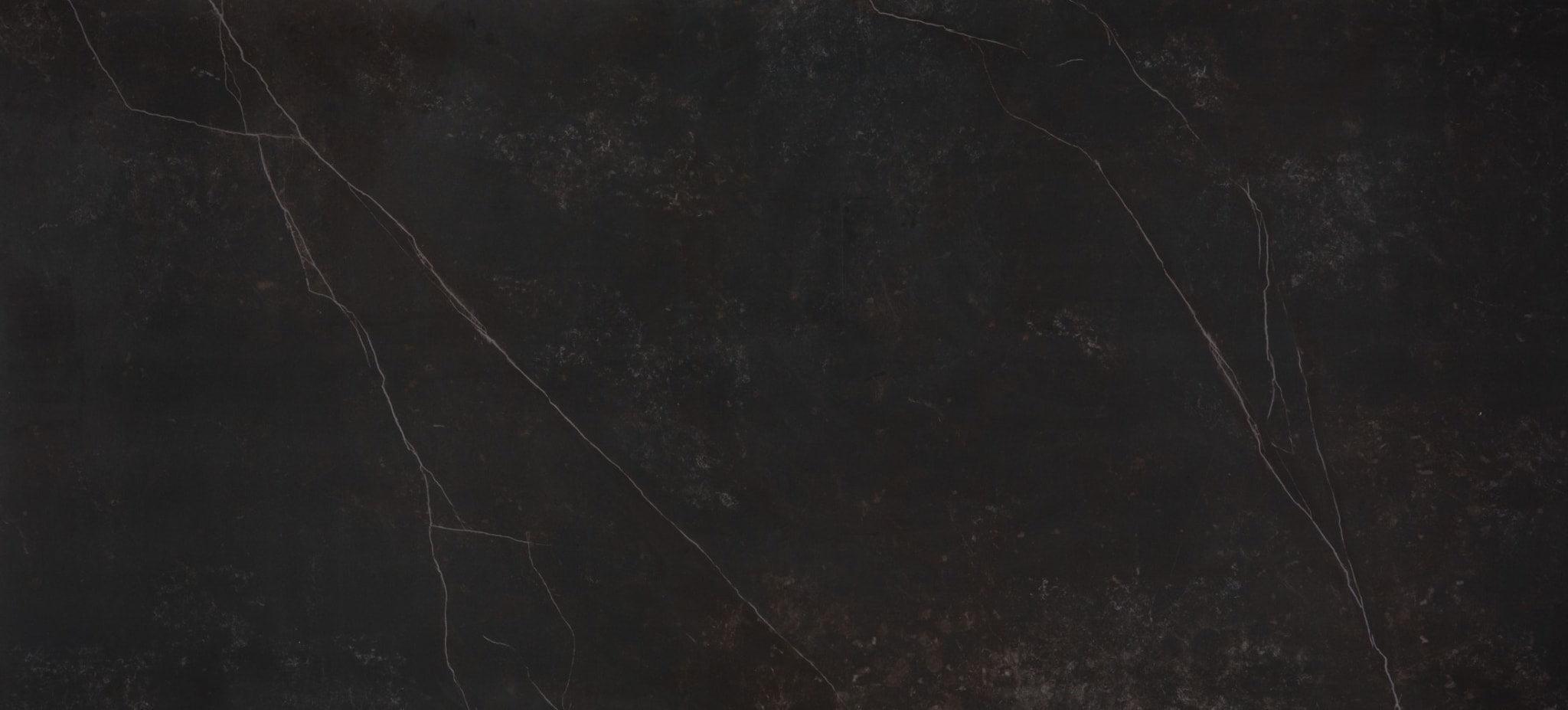
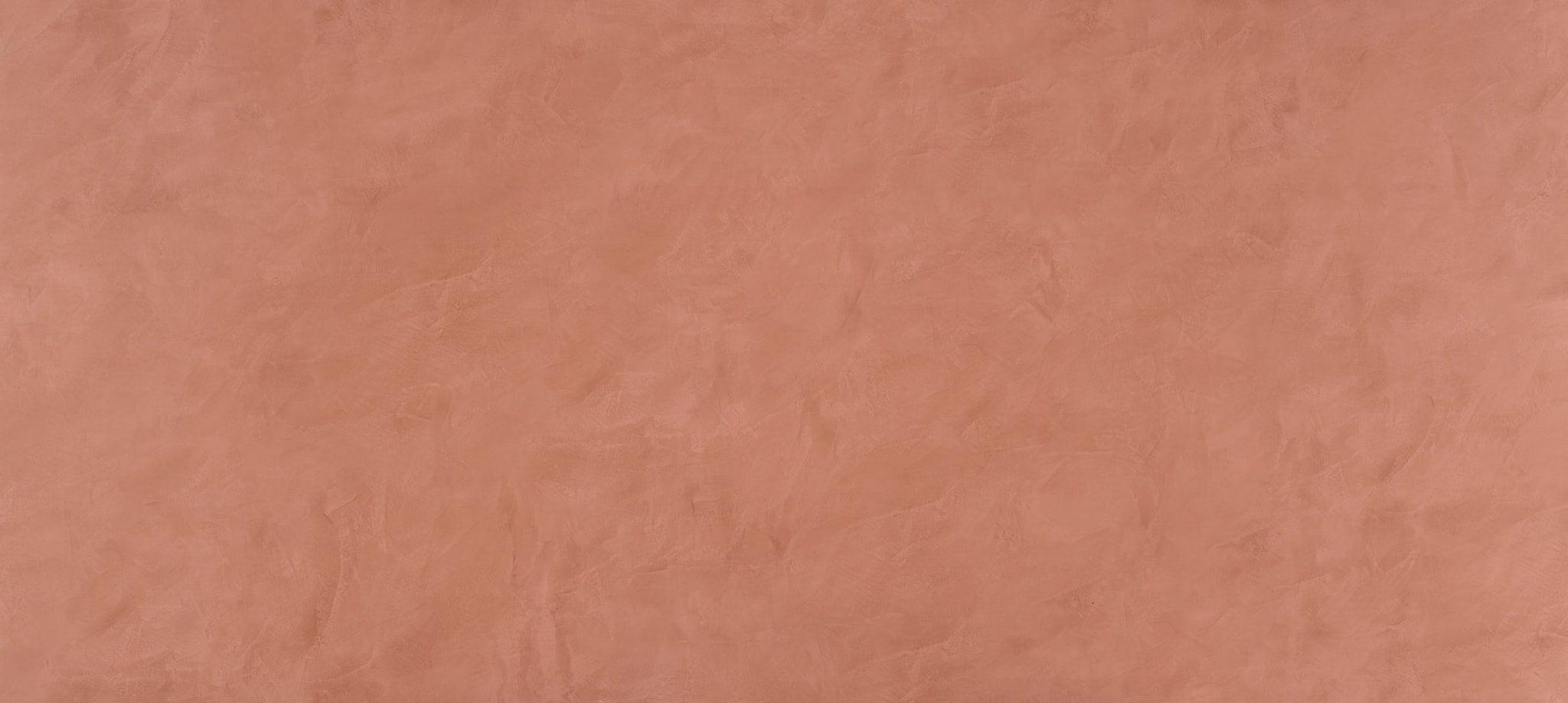
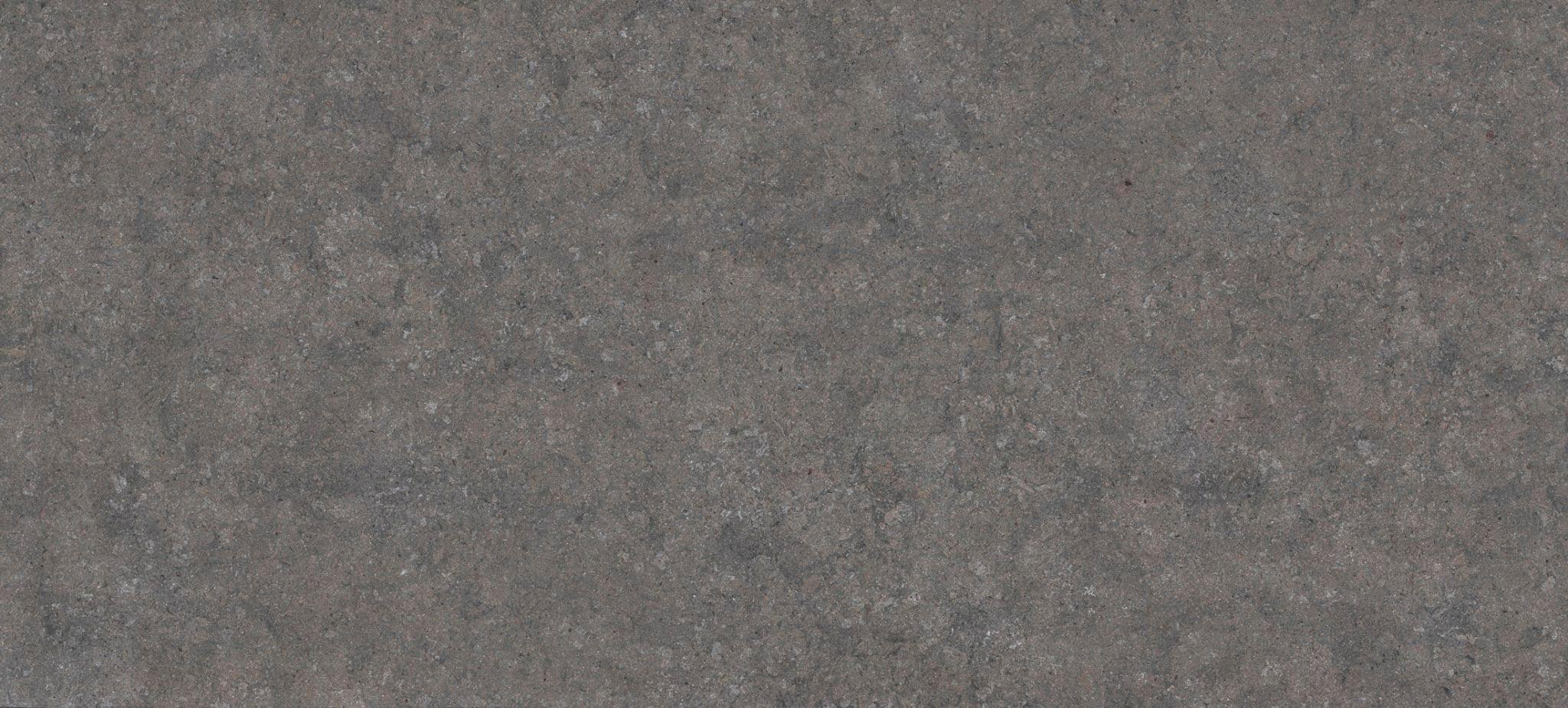
- Bold and moody tones — deep charcoals, blacks, and warm neutrals increasingly specified in high-end residential projects (Negro Tebas, Charcoal Soapstone, Copper Mist)
Available finishes: Polished, Suede (matte with subtle texture), and Volcano (rough, tactile surface). Finish selection affects both aesthetic outcome and maintenance — Volcano and Suede finishes show fewer water spots and fingerprints in daily use, which makes them a strong specification for client households with heavy kitchen traffic.
Slab formats:
| Format | Dimensions |
|---|---|
| Standard | 120" x 55" (approx. 3,060 x 1,400 mm) |
| Jumbo | 128" x 63" (approx. 3,250 x 1,590 mm) |
Available thicknesses: 12mm, 20mm, and 30mm. The 12mm and 20mm options cover the vast majority of countertop applications. The 30mm option supports thicker edge profiles and island applications without laminating.
Silestone Pricing in 2026
| Cost Element | Range |
|---|---|
| Material only (per sq ft) | $50–$100 |
| Installed (per sq ft) | $60–$140 |
| Typical kitchen project (30–40 sq ft) | $1,800–$5,600 |
| Decorative edge upgrades | $15–$40 per linear ft |
| Waterfall edge | $60–$150 per sq ft additional |
Material cost varies by collection tier and slab format. Entry-level Silestone collections (whites, solids) typically run $50–$65/sq ft for material. Premium collections with complex veining or rare colorways reach $85–$100/sq ft. Source: Angi, 2026
Labor rates run $10–$40/sq ft for standard countertop installation — identical to standard quartz, not the 40–60% premium that sintered stone commands. For fabricators, this is a material that prices at premium levels without requiring premium shop investment.
GoSource members access Silestone slabs at below-market rates through GoSource's bulk purchasing relationship with Cosentino. For shops running volume, member pricing meaningfully improves per-project margins. Browse GoSource's Silestone collection →
Fabrication Guide for Silestone
Silestone fabricates on standard quartz workflow. No sintered stone tooling or adapted technique is required, which makes it accessible for any shop already set up for engineered quartz. That said, a few specifics are worth noting:
Blade selection: Use a continuous-rim or turbo-rim diamond blade rated for quartz. Segmented blades cause chip-out on the polished face. Ensure blades are in good condition before starting — worn blades on quartz generate heat and edge defects.
Cutting table: The table must be flat and fully supported. Any flex or unevenness in the cutting surface transfers to the slab and increases fracture risk, particularly on large jumbo-format pieces.
Water cooling: Maintain consistent water flow during all cutting and grinding operations. Silestone is less sensitive to dry cutting than sintered stone, but inadequate cooling still degrades blade life and surface quality.
Sink cutouts: Use core drill bits for corner radii — minimum 1/2" radius recommended, larger where layout permits. A plunge-cut approach with proper radius entry dramatically reduces chip-out risk compared to direct grinding into corners.
Multi-slab jobs: Silestone slabs carry a reference number on the specifications label. For any project requiring more than one slab, verify reference numbers match and inspect slabs together before fabrication — batch variation exists, and discovering it after cutting is costly.
Dust control: HybriQ+ reduces silica content, but OSHA silica dust controls remain required during dry cutting and dry grinding. Wet methods, local exhaust ventilation, and appropriate RPE are non-negotiable regardless of the material's silica reduction. Source: Cosentino Professional Manual
Edge profiles: Standard profiles — eased, beveled, bullnose, mitered, ogee — are achievable with 20mm and 30mm thicknesses. At 12mm, complex decorative profiles carry higher chip-out risk and typically require laminating for robust results.
Silestone vs. Caesarstone vs. Cambria
These three brands represent the premium quartz tier that fabricators and designers encounter most frequently. Here is how they differ across the dimensions that matter for specification.
| Silestone | Caesarstone | Cambria | |
|---|---|---|---|
| Origin | Spain (Cosentino) | Israel | USA (Minnesota) |
| Silica content | Reduced (HybriQ+) | Standard quartz (~93%) | Standard quartz (~93%) |
| Colors | 80+ | 40+ | 150+ |
| Slab size | Up to 128" x 63" | Up to 128" x 65" | Up to 132" x 65" |
| Warranty | 25 years | Lifetime | Lifetime |
| Bacteriostatic | Yes (Microban) | No | No |
| Sustainability certifications | GREENGUARD · NSF · DNV | GREENGUARD | GREENGUARD |
| Price tier | Premium | Premium | Premium–Ultra Premium |
| Made in USA | No | No | Yes |


Silestone's strengths: HybriQ+ silica reduction, bacteriostatic surface treatment, and broadest international availability through Cosentino's distribution network. The 25-year warranty is shorter than the lifetime warranties Caesarstone and Cambria offer, but the bacteriostatic treatment and sustainability certification stack are differentiators neither competitor matches.
Caesarstone's strengths: Consistent quality, strong warranty, and wide fabricator familiarity globally. Less design variety than Silestone or Cambria. No bacteriostatic treatment.
Cambria's strengths: Made in the USA (relevant for domestic sourcing specifications), lifetime warranty, and the deepest color catalog of the three — over 150 designs. Cambria commands a price premium and is typically positioned in ultra-premium residential projects. Source: Distinctive Countertops
For a broader comparison of premium quartz brands including MSI and Caesarstone pricing benchmarks, see GoSource's MSI vs. Caesarstone vs. Cosentino breakdown.
Is Silestone the Right Spec?
Silestone is the right specification when:
- The client is health or sustainability-conscious — HybriQ+ documentation and bacteriostatic surface treatment support that conversation in a way commodity quartz cannot.
- The project is in a kitchen, bathroom, or commercial food-prep environment — the non-porous, bacteriostatic surface is a credible selling point in these applications.
- The project requires a premium quartz aesthetic without sintered stone complexity — Silestone delivers high-end visual results on a standard fabrication workflow and standard labor pricing.
- Commercial or institutional documentation is required — the certification stack (GREENGUARD, NSF, DNV, Eurofins) supports specification in environments that require material documentation.
If the project involves outdoor installation, heavy thermal exposure (outdoor kitchen, fireside), or extreme durability requirements, sintered stone (Dekton or Neolith) is a stronger specification. See the full Dekton vs. Neolith comparison for those use cases.
GoSource members access Silestone slabs at below-market rates through bulk purchasing agreements with Cosentino. Browse the full Silestone collection →