
Taj Mahal quartzite is one of those surfaces that keeps showing up on specs and mood boards, and for good reason. It delivers what clients care about: beauty, durability, and strong resale value. It also delivers what trade professionals need: reliable availability, proven performance, and room for margin.
What Is Taj Mahal Quartzite (And Why Do Pros Trust It)?
Taj Mahal is a genuine quartzite, a hard, dense natural stone that behaves more like granite than marble in busy kitchens. It typically scores around 6.5–7 on the Mohs scale, placing it in the same hardness range as many granites.
For your projects, that means:
- A surface that handles intense everyday use without quickly showing wear.
- Better resistance to etching and staining than marble, while conveying the elegant, natural aesthetic your clients are after.
This balance of performance and aesthetics is why the Taj Mahal appears so often in your clients’ inspiration photos and specs.


The Look Clients Are Asking For This Year
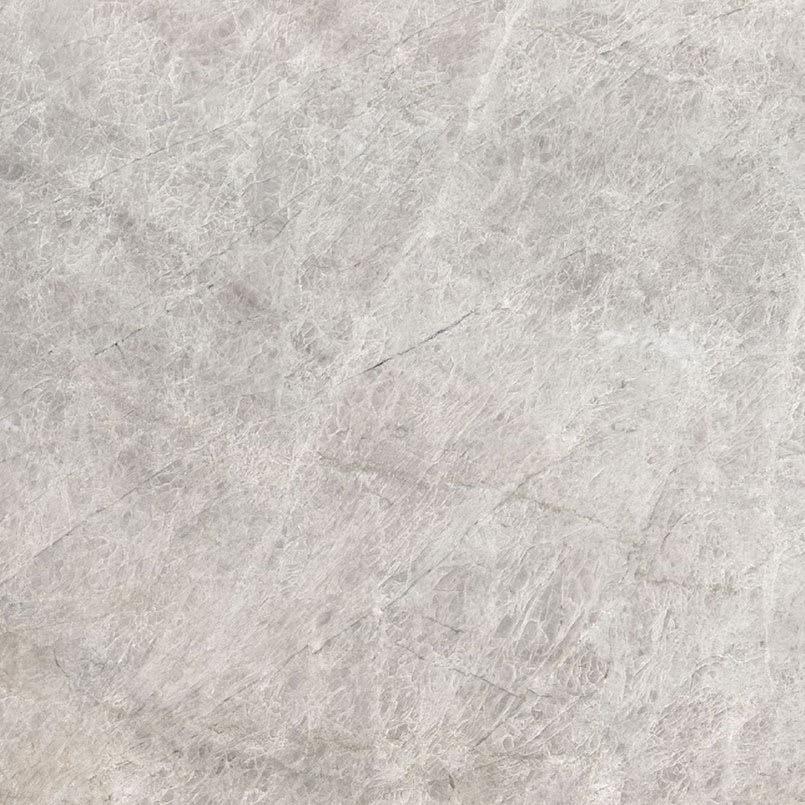
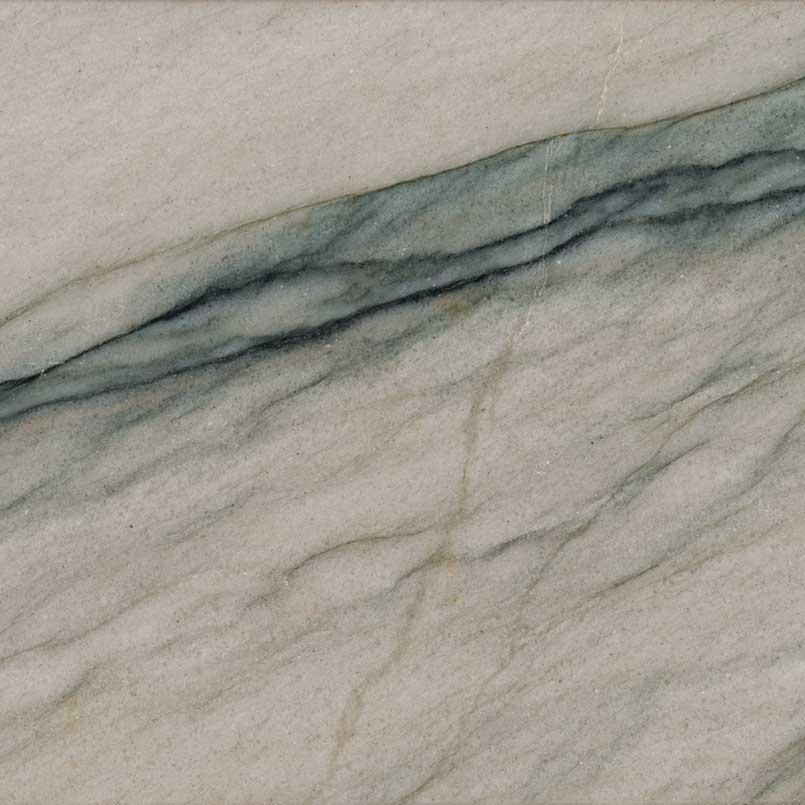
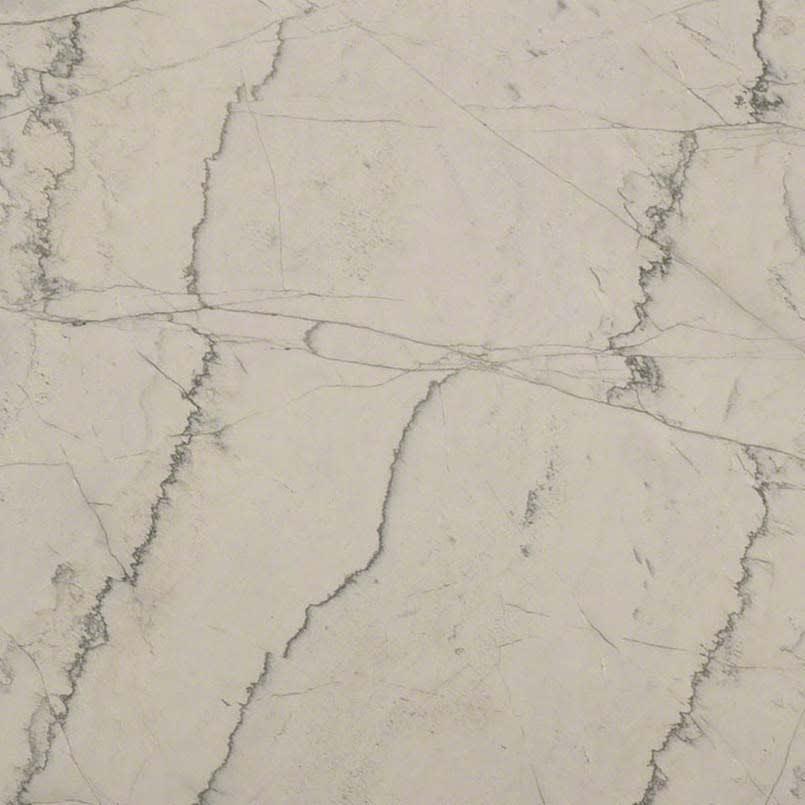
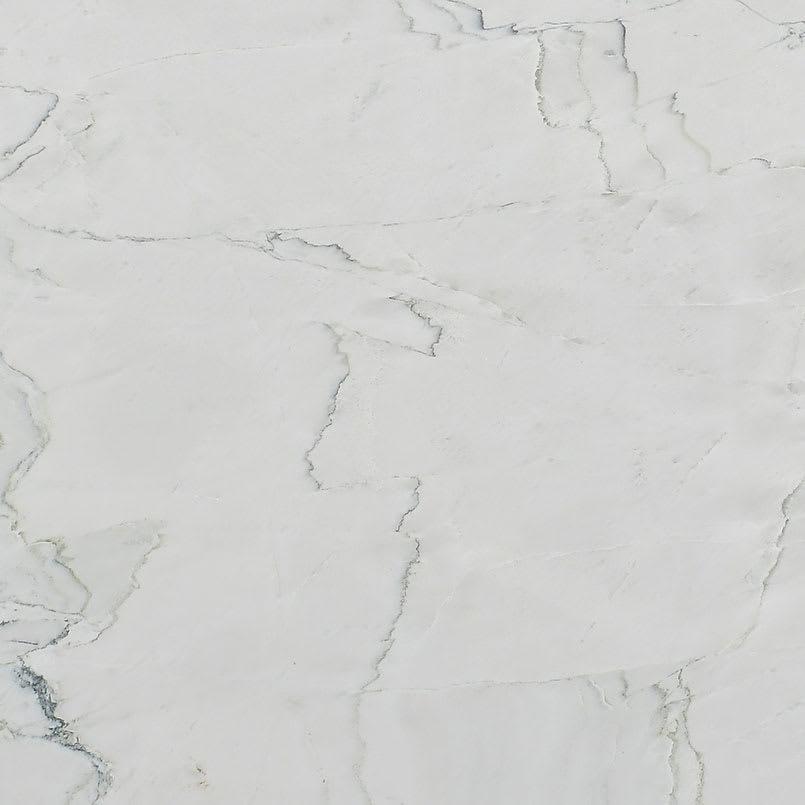
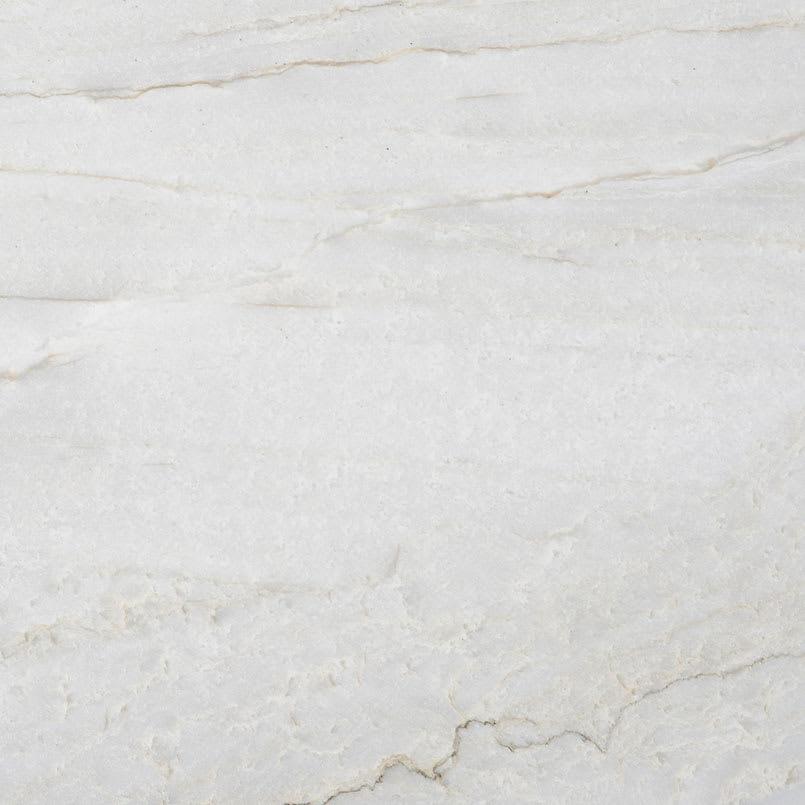
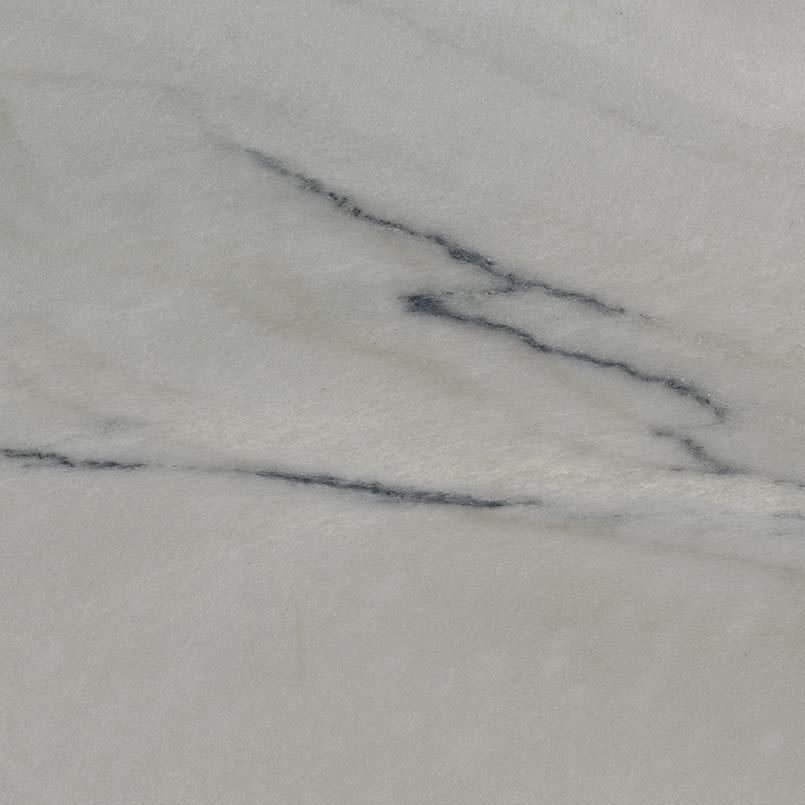
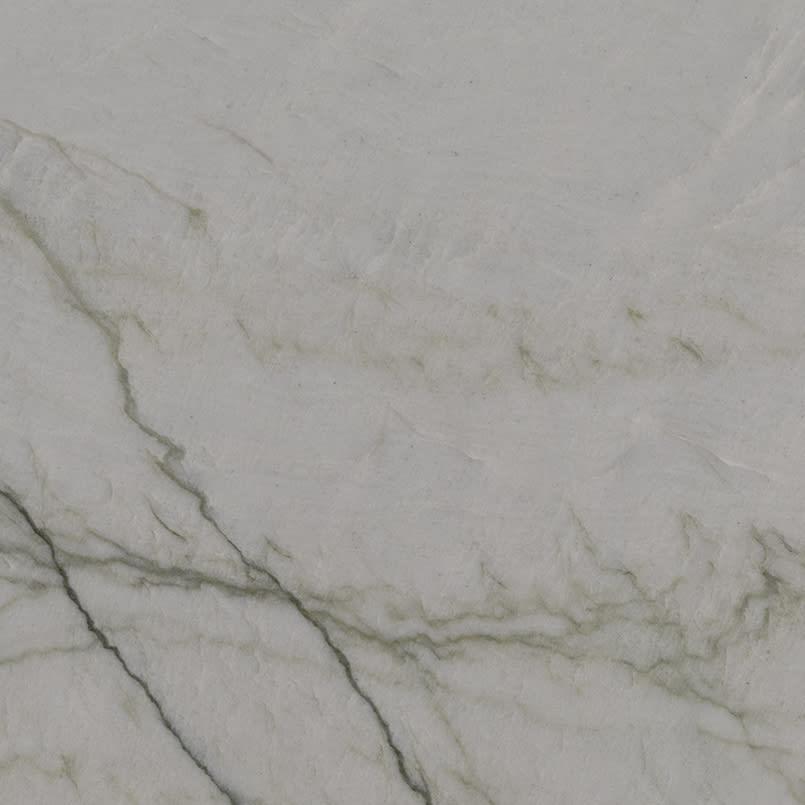
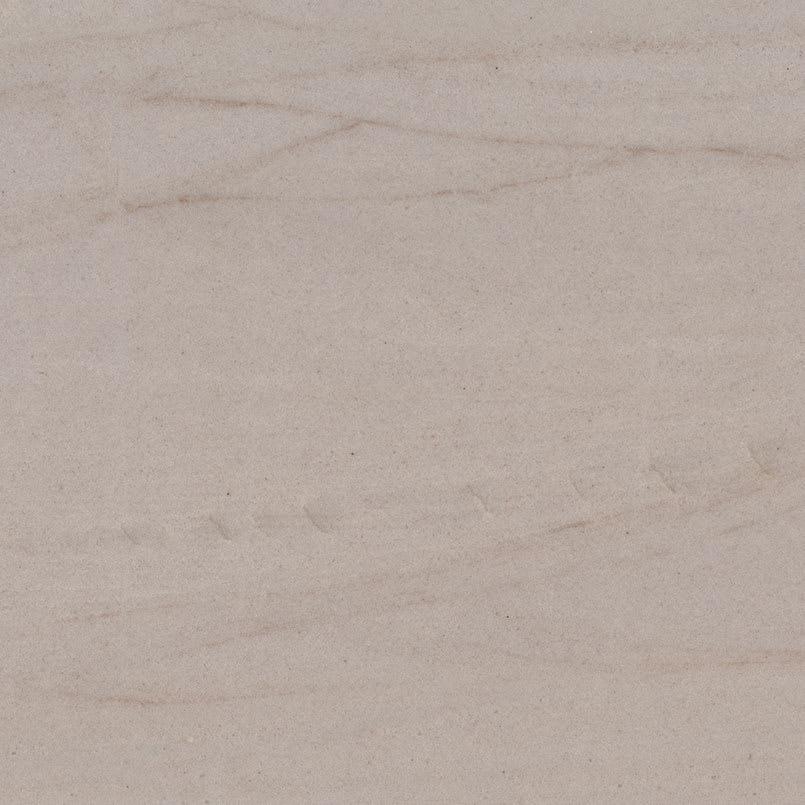
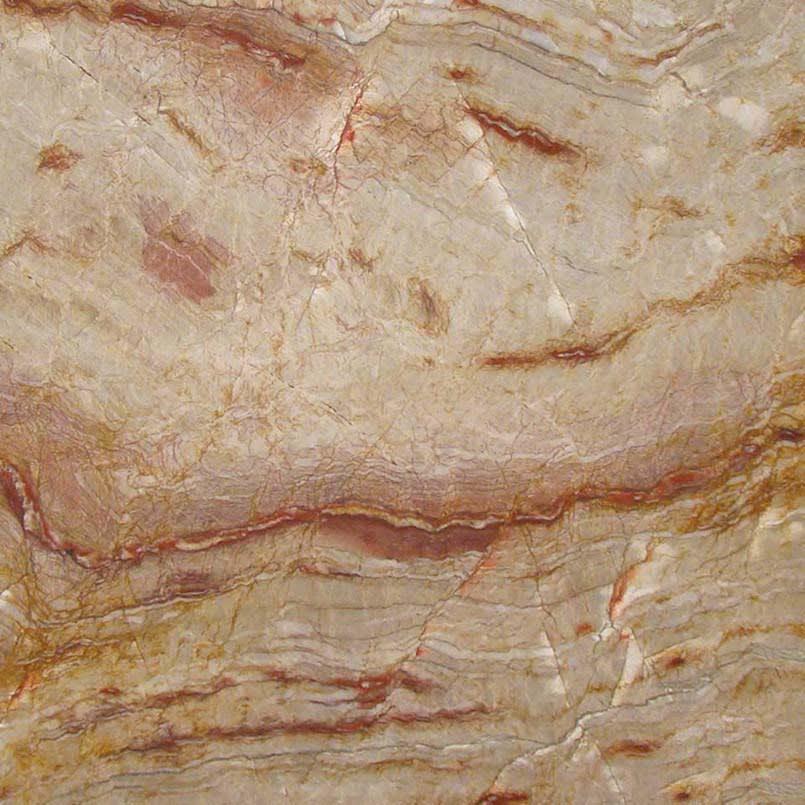
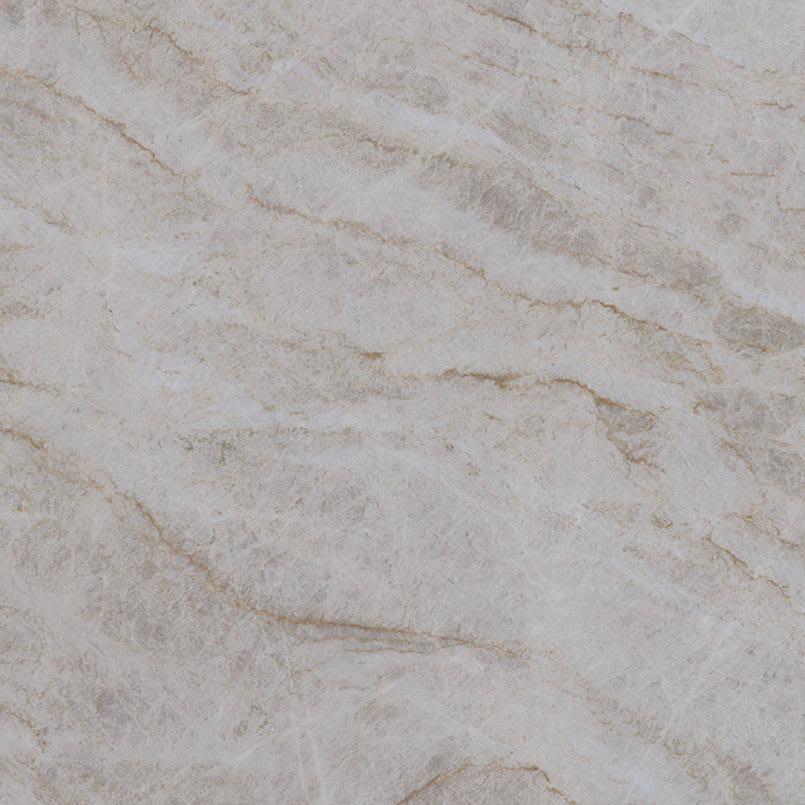
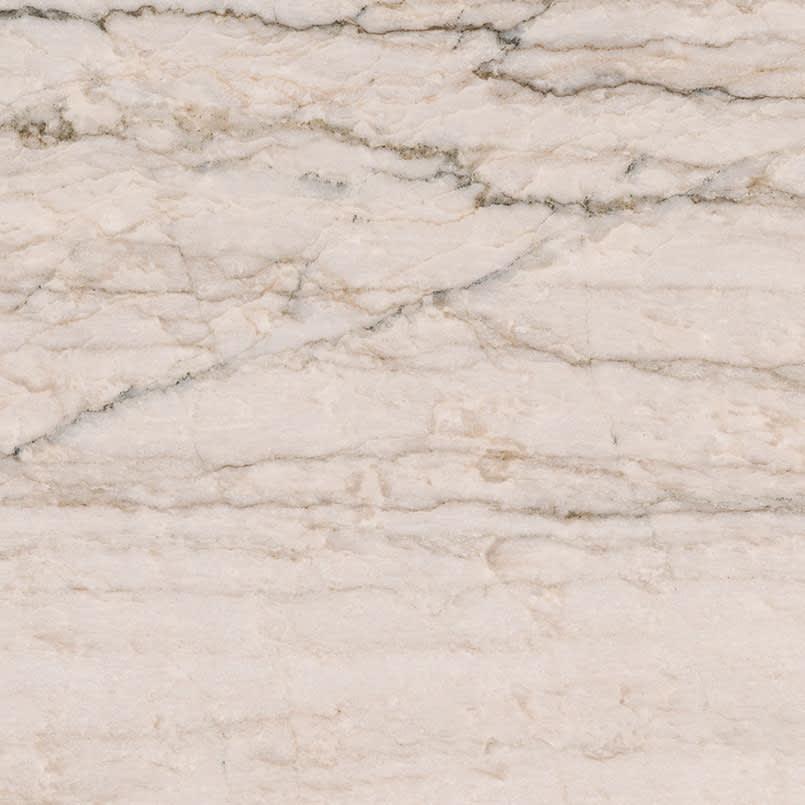
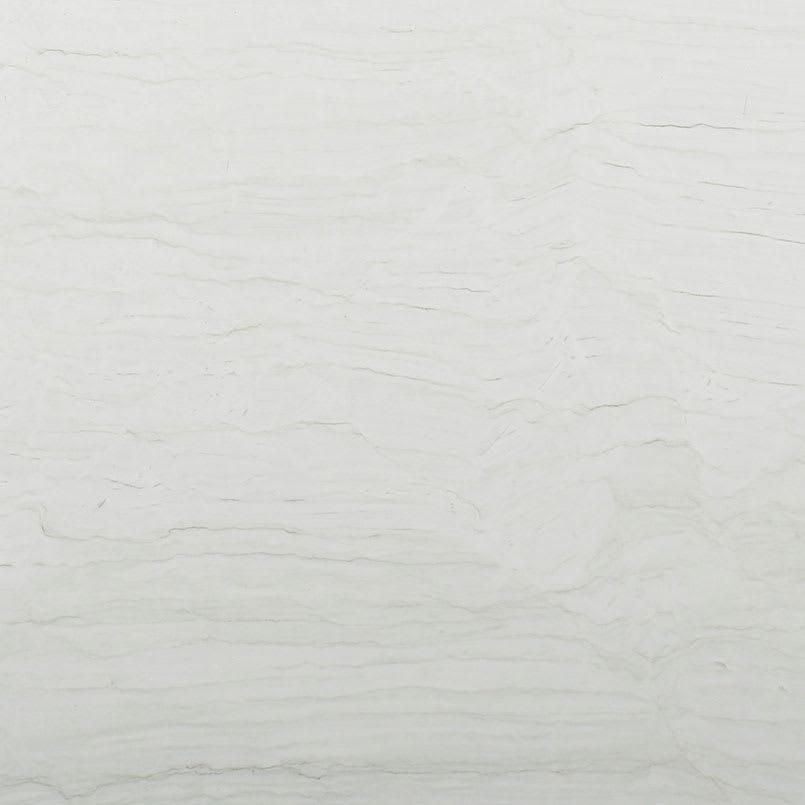
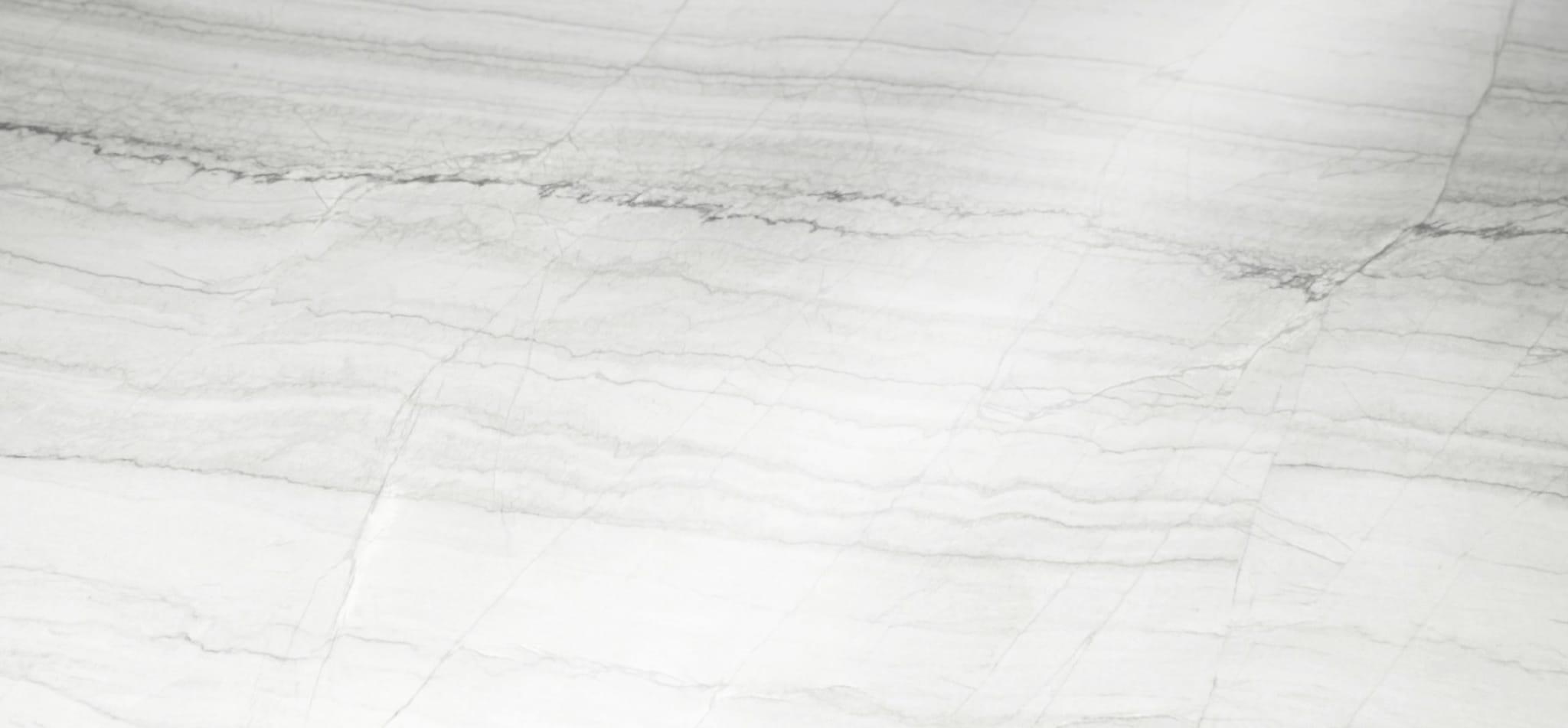
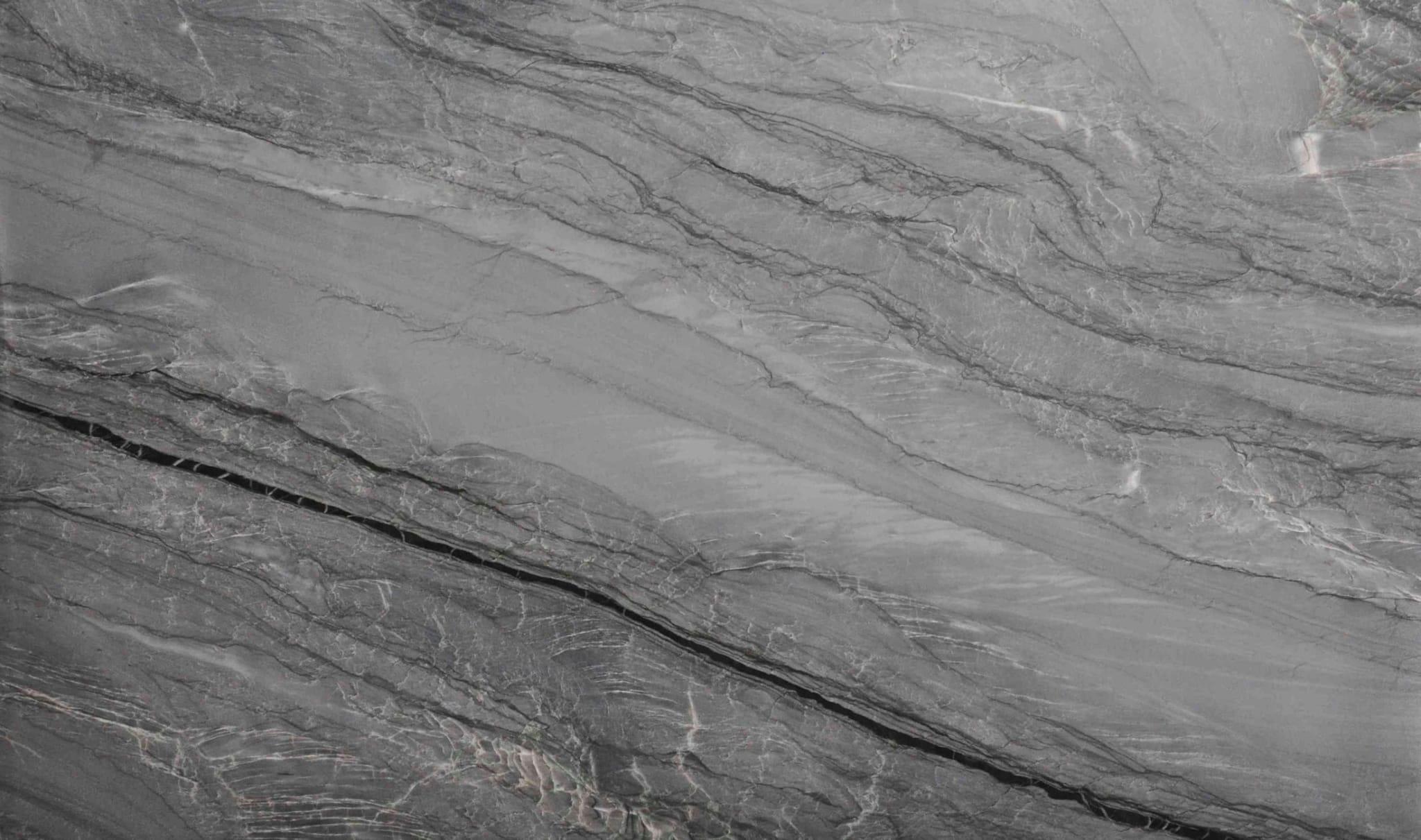
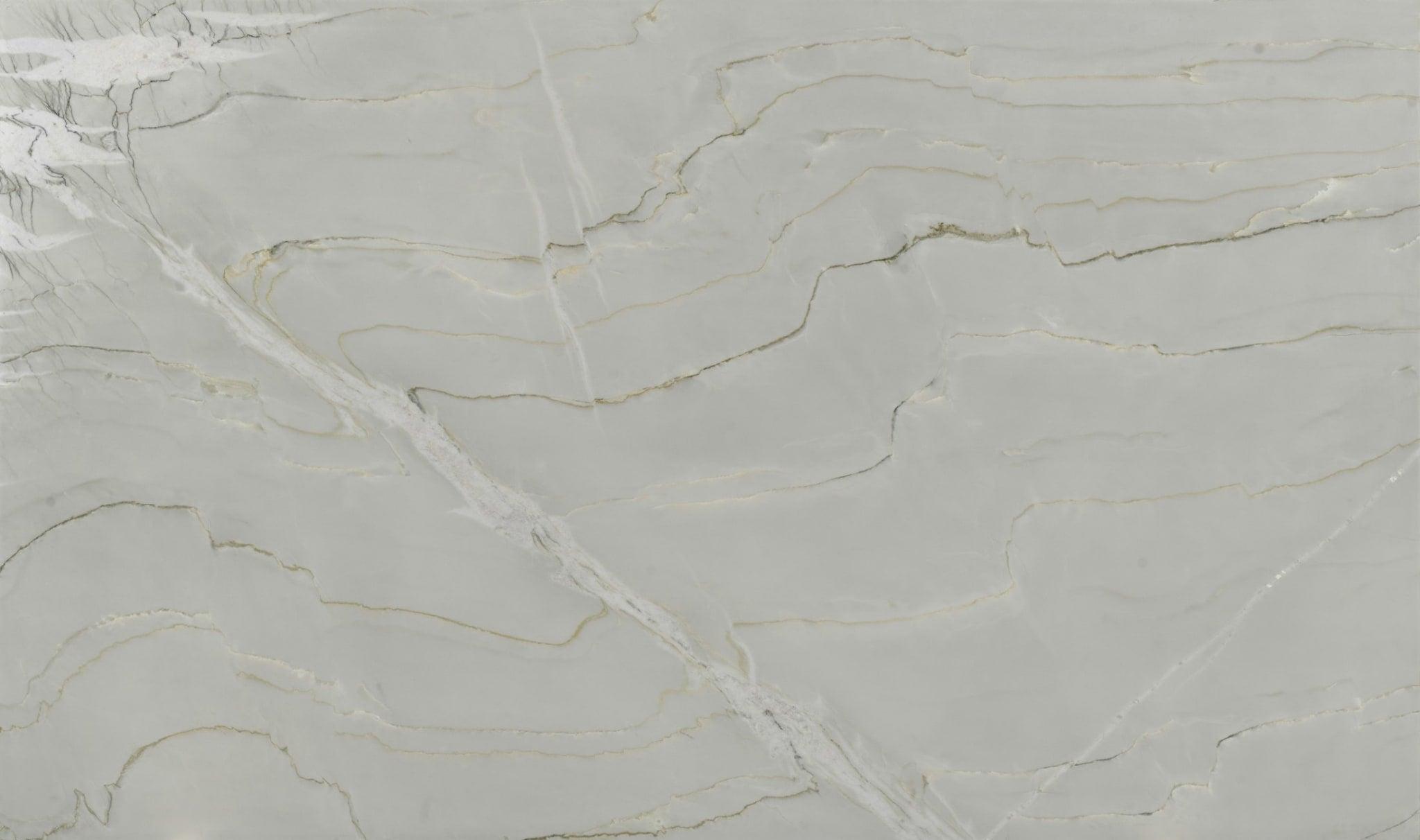
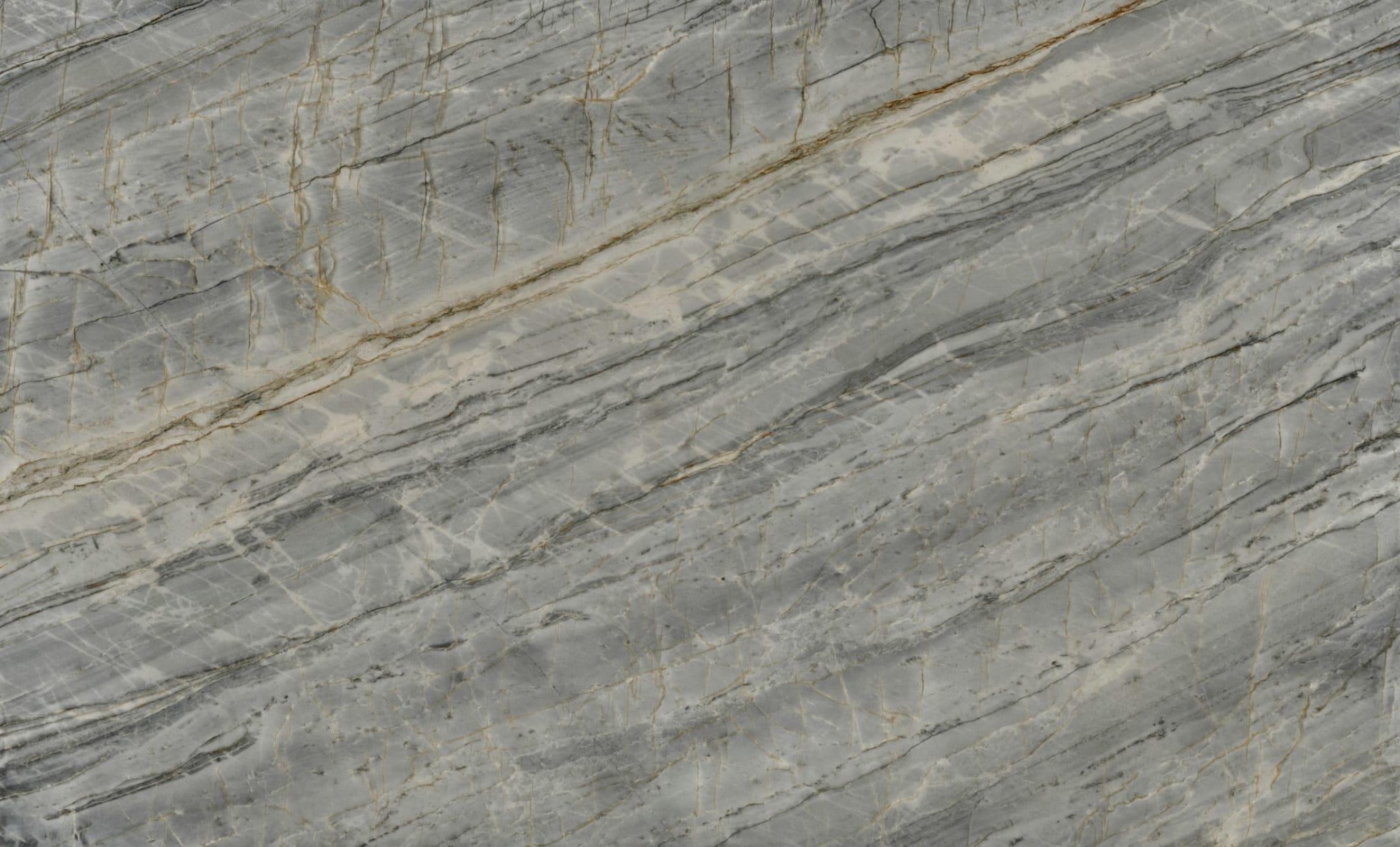
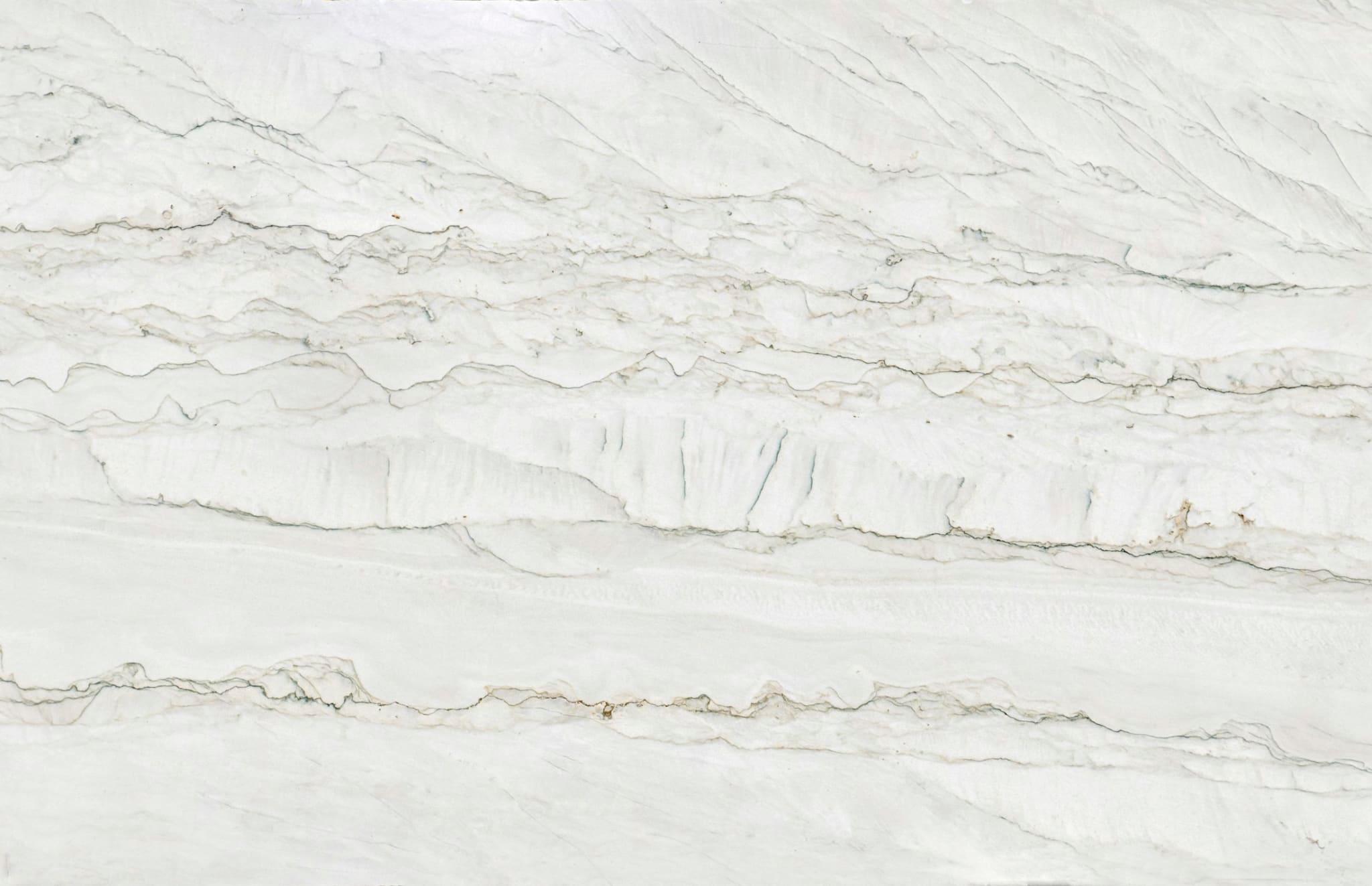
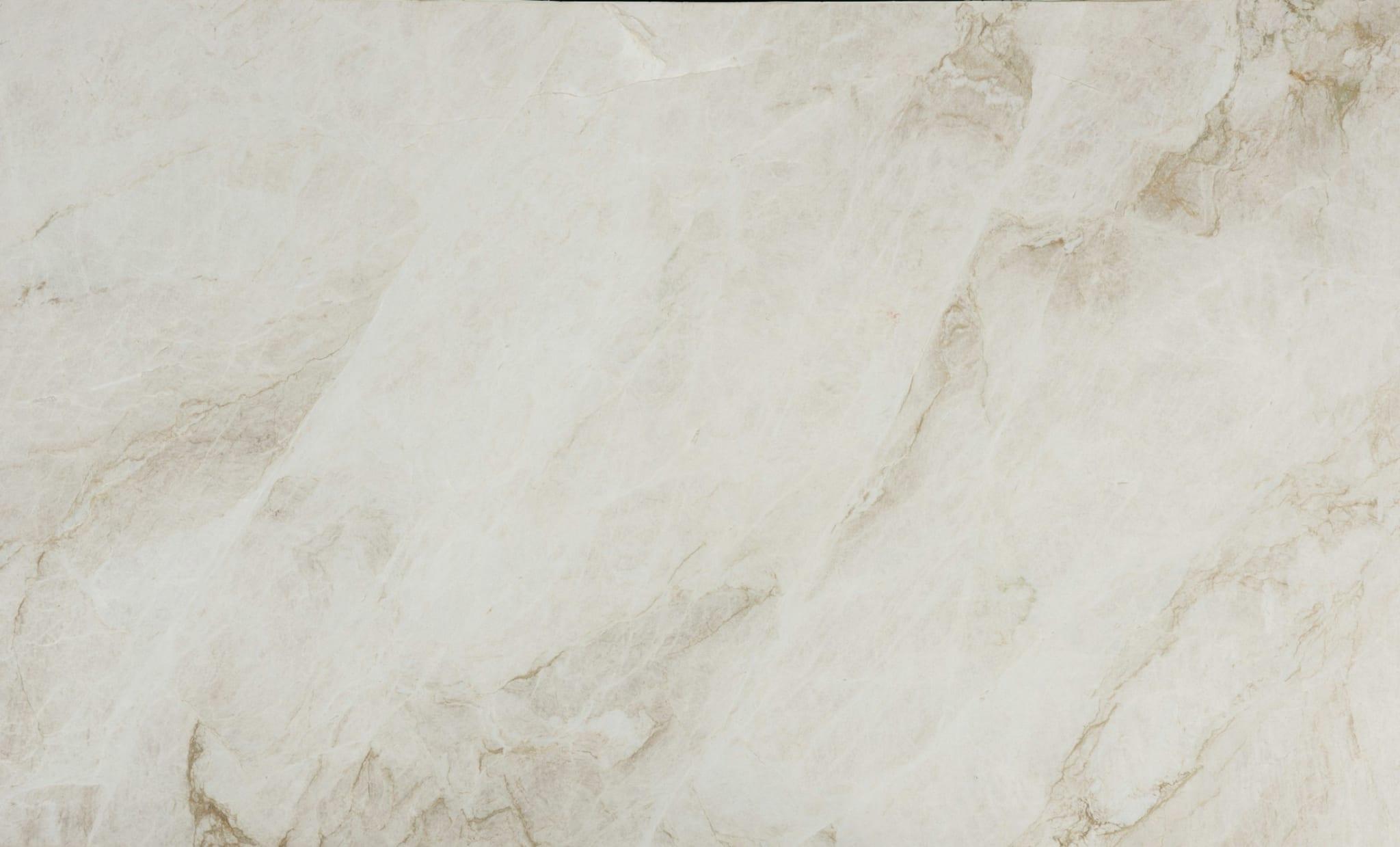
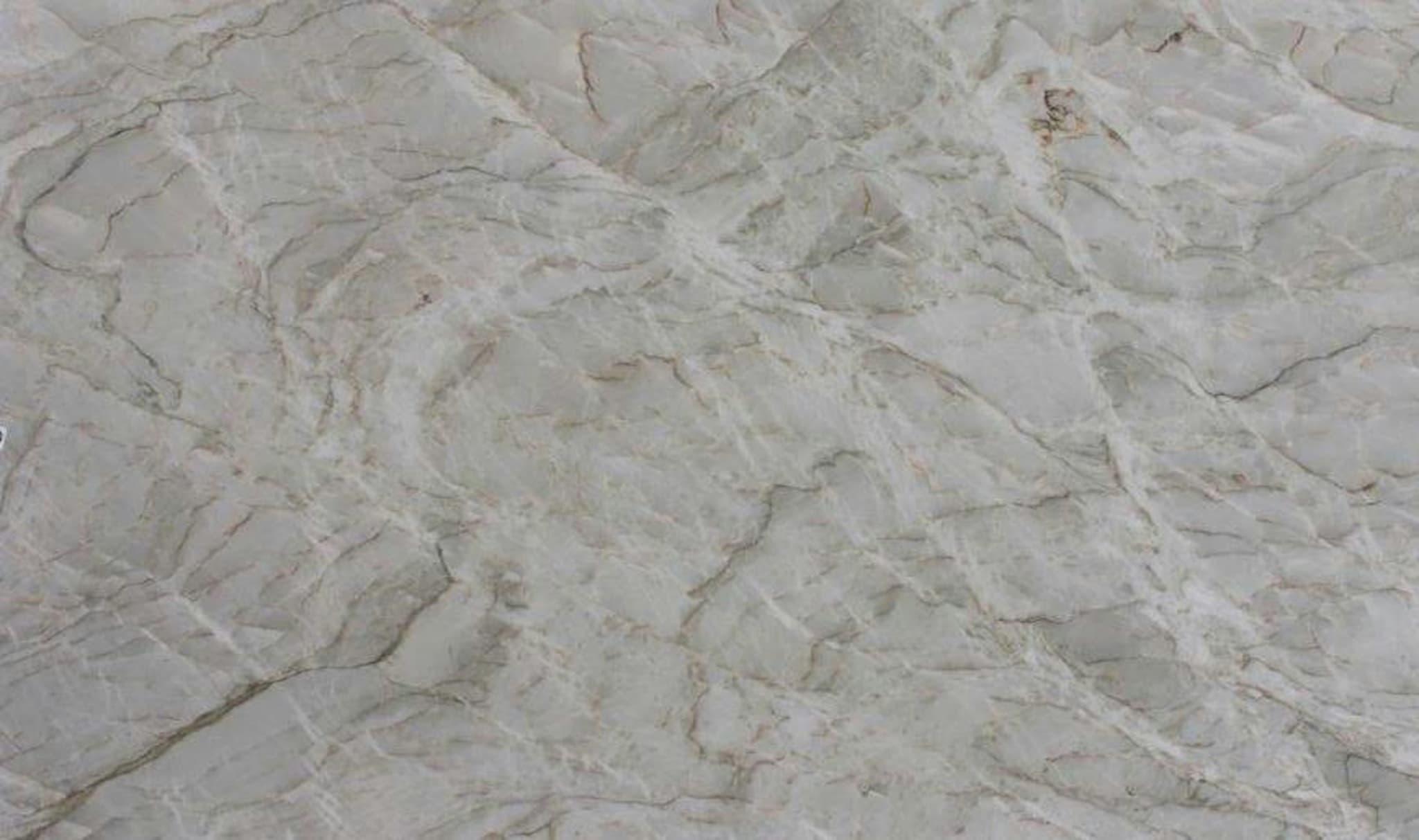
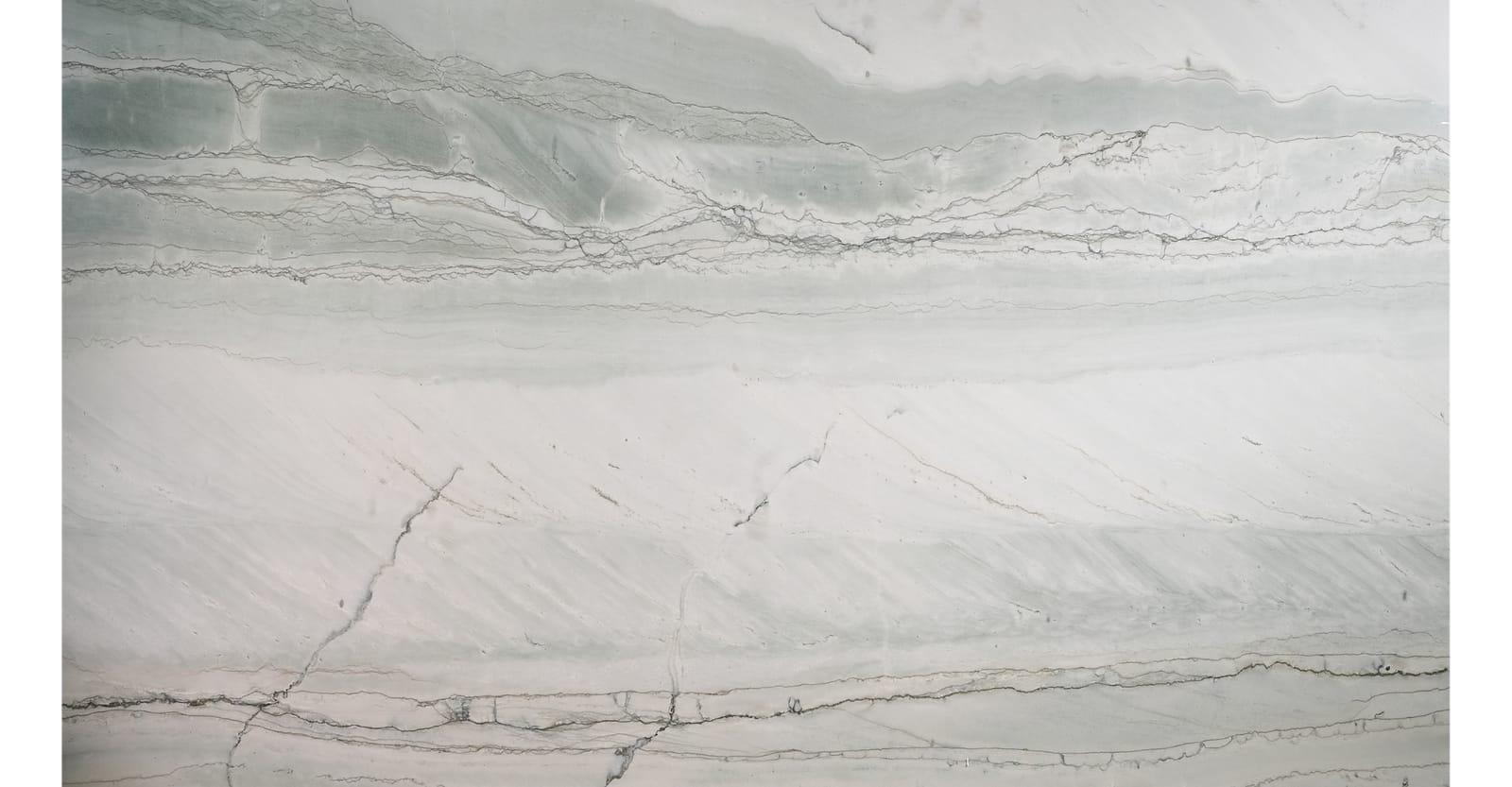
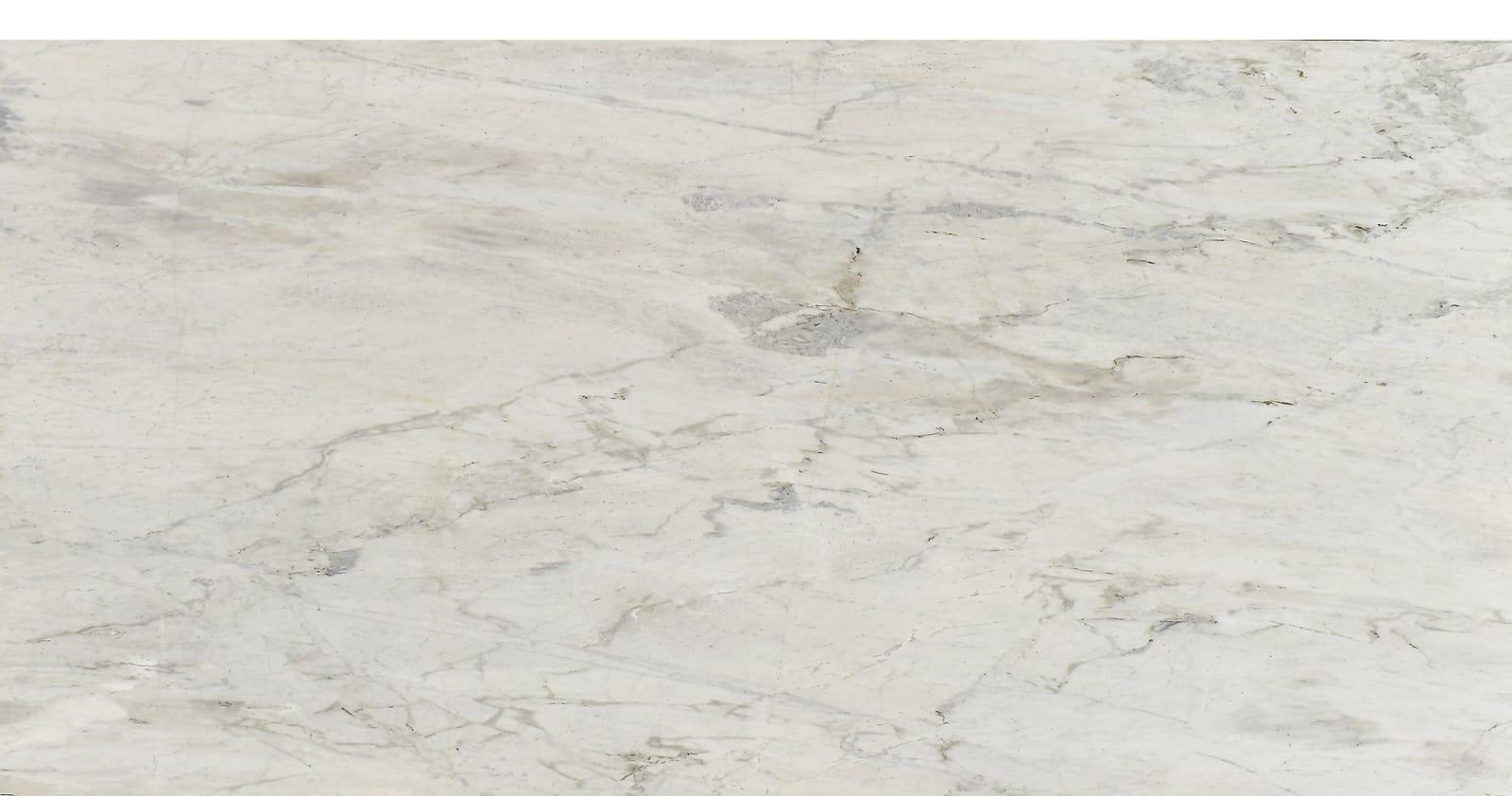
Design-wise, Taj Mahal quartzite is firmly in the “quiet luxury” trend. It typically features a soft cream-to-warm-white background with subtle beige and gold veining, which feels upscale without being busy.
It photographs beautifully, which matters in a world where most clients make decisions based on renderings, Pinterest boards, and Instagram feeds.
Why it’s becoming a default recommendation:
- Complements the dominant palettes: white oak, warm neutrals, greige, soft whites, and mixed metals all pair easily with Taj Mahal.
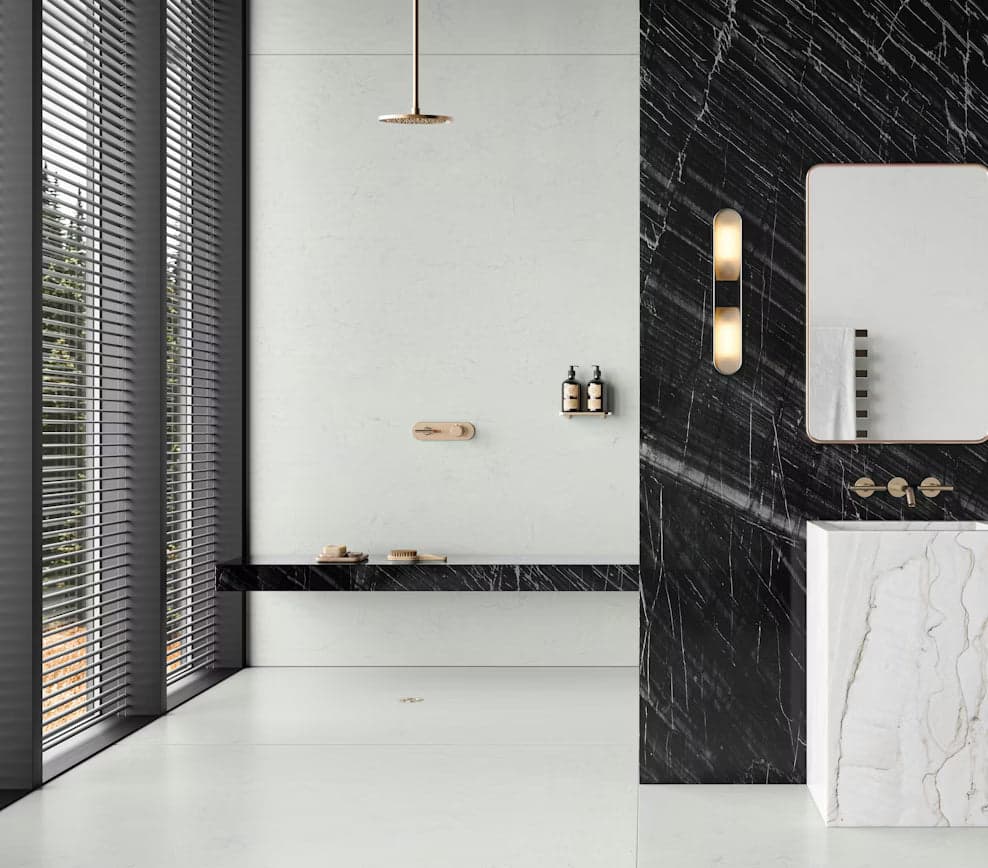
- Plays nicely with other surfaces: it complements popular Calacatta-look quartz, porcelain slabs, and large-format flooring, so you can keep kitchens and open spaces cohesive across multiple materials.
- Feels custom without being risky: each slab is unique, but the overall tone and movement remain consistent enough for large islands and perimeter runs.
For trade professionals, that means fewer redesign rounds. Once clients see a Taj Mahal slab in the yard or a finished project photo, the decision usually comes quickly.
Performance: What Fabricators and Installers Need to Know
From a shop and jobsite perspective, Taj Mahal is a hard, dense natural stone that rewards good tooling and process. It is tougher on blades and tooling than standard quartz, but that hardness is exactly what makes it so durable in service.
Key performance points:
- High scratch resistance in normal residential use, thanks to its dense quartzite structure.
- Excellent heat tolerance compared with many engineered products (normal cooking and occasional hot items are less of an issue when clients still use trivets).
- Lower porosity than many marbles and limestones, which supports better stain resistance when properly sealed and maintained.
You’ll want sharp blades, adequate water, and realistic shop times, but once installed, Taj Mahal tends to be a low-complaint surface compared with marble and softer stones.
What Clients Need to Know
Taj Mahal's maintenance profile is a significant reason it wins specs. You can position it confidently as a real-stone, real-kitchen surface, not a showpiece reserved for low-traffic spaces.
Clear, simple talking points for clients:
- Day to day: Use mild dish soap or a pH-neutral stone cleaner with a soft cloth; avoid abrasive pads and harsh, acidic cleaners.
- Sealing: Apply a high-quality penetrating sealer at install, then recheck annually with a water-drop test and reseal roughly every 12–18 months as needed.
- Realistic expectations: Although it is far more forgiving than marble, it is not invincible. Cutting boards, trivets, and quick cleanups are still best practice.
For you, that translates into fewer callbacks and fewer difficult “etching vs. staining” conversations that often come with marble jobs.


Why It’s the Most Requested Countertop Material This Year
The surge in Taj Mahal requests comes down to three things converging at once: design trend, proven durability, and perceived value.
What’s driving the surge in requests:
- Warm, soft kitchens are trending: Clients are moving away from stark whites toward warmer, layered neutrals. Taj Mahal fits that palette exactly and delivers the marble look many clients want, without the maintenance risk in a busy family kitchen.
- A stronger value story than the alternatives: Compared to marble, Taj Mahal offers better durability and fewer long-term service issues while still looking and feeling like a premium natural stone. Compared to quartz, it brings unique natural variation and strong heat resistance for clients willing to invest in something more distinctive.
- Built-in name recognition: "Taj Mahal quartzite" appears regularly in design blogs, project galleries, and editorial features, so clients often arrive already familiar with the name and confident in the choice.
For trade professionals, that means it’s easier to upsell into Taj Mahal: the demand is already there, and you can back it up with a solid performance and maintenance story.








How GoSource Supports Your Taj Mahal Jobs
GoSource is built for trade professionals, stone fabricators, GCs, remodelers, architects, and designers, who need the right surface at the right price, on time, with real support.
When you’re sourcing Taj Mahal quartzite and complementary materials, GoSource helps you:
- Centralize purchasing: Access slabs, tiles, and flooring from top brands in one marketplace instead of chasing multiple distributors. Save time on quoting and availability checks so your team stays focused on fabrication and installation.
- Protect margins: Get wholesale-level pricing on premium stones like Taj Mahal and everyday surfaces, so your full volume works harder across every project.
- Concierge-level support: Work with a dedicated account manager who understands lead times, holds, remnant use, and project sequencing. GoSource coordinates logistics to get materials to your shop, warehouse, or job site.
- Earn rewards as you buy: Join GoClub and earn GoCash cash-back on qualifying purchases, putting real dollars back into your business over time.
Taj Mahal quartzite is already one of the most requested stones of 2026. GoSource helps you source it at wholesale pricing, with the support and logistics to keep every project on time and on margin.

