Marble Slab Buying Guide: TL;DR
Marble slab material costs run $40–$120/sq.ft at retail across standard to premium grades, with
installed project costs averaging $5,000–$12,000 for a typical kitchen. Wholesale buyers on
GoSource pay 10–25% below retail on the same slabs from verified suppliers. Marble's core
advantage over every other countertop material is aesthetic: no engineered stone, granite, or
quartzite produces the same luminous, veined look that Carrara, Calacatta and Statuario marble
deliver. The practical tradeoff is maintenance — marble etches from acids and requires sealing. For
trade buyers who know how to set client expectations, it is one of the most commercially durable
specifications you can recommend.
What Is a Marble Slab?
Marble is a metamorphic rock formed when limestone is subjected to extreme heat and pressure deep
within the earth's crust. That transformation recrystallizes the calcium carbonate into interlocking calcite
crystals, producing marble's characteristic translucency, smooth texture, and the veining patterns that form as minerals migrate through the stone during metamorphism. Every slab is a record of that geological
event — which is why no two pieces share identical veining, tone, or movement.
Standard marble slab sizes follow the same formats as other natural stone: 63×126 inches for the most
common residential format, with jumbo slabs at 65×130 for large islands, commercial feature walls, and
continuous book-matched runs. Thickness options are 2cm and 3cm, with 3cm preferred for structural
countertop spans over 24 inches without full cabinet support.
Marble has been quarried for thousands of years. Italy — specifically the Carrara, Apuan Alps region —
remains the most recognized source, producing Carrara, Calacatta, and Statuario marble that set the
benchmark for the category globally. Other major origins include Turkey, Greece, Spain, Portugal, and
Brazil, each contributing distinct color profiles and veining characteristics. Origin directly affects both
pricing and aesthetics.
How Much Do Marble Slabs Cost?
Marble sits at a higher price point than granite or entry-level quartz, reflecting the quarrying complexity,
import logistics, and enduring design demand that keeps premium Italian stone consistently priced.
Material Cost (uninstalled slab, retail)
| Grade | Retail Price Range | Wholesale on GoSource | Typical Applications |
|---|---|---|---|
| Entry (Grade B-C) | $40–$70/sq.ft | $33–$59/sq.ft | Flooring · Feature walls · Budget residential |
| Mid (Grade A-B) | $70–$120/sq.ft | $58–$100/sq.ft | Residential countertops · Spec builds · Hospitality |
| Premium (Grade A, Italian) | $120–$250+/sq.ft | $100–$212+/sq.ft | Luxury residential · Custom kitchens · High-end commercial |

Installed Cost (material + fabrication + labor)
Installed marble countertops typically run $75–$150/sq.ft for most residential work. For a full kitchen
project, most buyers land between $5,000 and $12,000 total, depending on slab grade, edge profile
complexity, and regional labor rates.
That figure includes:
• The slab material
• Fabricator cutting, edging, and polishing
• Professional installation
• Sink and appliance cutouts
For trade professionals sourcing slabs directly, the material cost is the controllable variable. On a boutique
hotel lobby or high-end multifamily amenity floor where marble is specified, accessing wholesale pricing
through GoSource removes the distributor margin without compromising supplier relationships or lead
times.
Marble Grades: What A, B, C, and D Actually Mean
The marble trade uses a lettered grading system — A through D — to classify slabs based on the
presence of natural fissures, fills, voids, and veining consistency. Unlike granite's level system, marble
grading reflects geological characteristics that affect both fabrication complexity and long-term
performance.
Grade A
Minimal natural fissures, no fills required, consistent background tone with clean veining. The most
fabrication-friendly grade and the right specification for countertops, kitchen islands, and any surface
where visual uniformity and structural integrity matter. Higher cost reflects quarry selectivity.
GoSource examples: Calacatta Fantasy, Calacatta Cielo, Calacatta Santa Maria
Grade B
Light surface fissures present, limited filling, slight color variation across the slab. Still performs well as a
countertop material in most residential and commercial applications. The most common grade for
mid-range residential kitchen projects.
GoSource examples: Carrara White, Statuario Classic, Bianco Lasa
Grade C
More pronounced natural fissures and movement, filling typically required during fabrication. Best suited
for flooring, decorative wall panels, and lower-visibility surfaces.
Grade D
Maximum variation, significant filling, structural reinforcement mesh backing on some slabs. Primarily
decorative applications — feature walls, accent panels, mosaic work. Not recommended for countertop
use in high-traffic kitchens.
What Drives Marble Slab Pricing?
Marble pricing reflects both natural supply factors and a global design market that consistently values
Italian stone above all alternatives.
Origin. A Calacatta marble quarried in the Apuan Alps of Carrara, Italy, commands a significant premium
over a Turkish or Chinese marble with a similar color profile. Italian quarries are finite, production is tightly
controlled, and the material has decades of design heritage behind it. Origin is the single largest pricing
variable at the premium end.
Style and veining character. Within Italian marble, Calacatta commands a higher price than Carrara
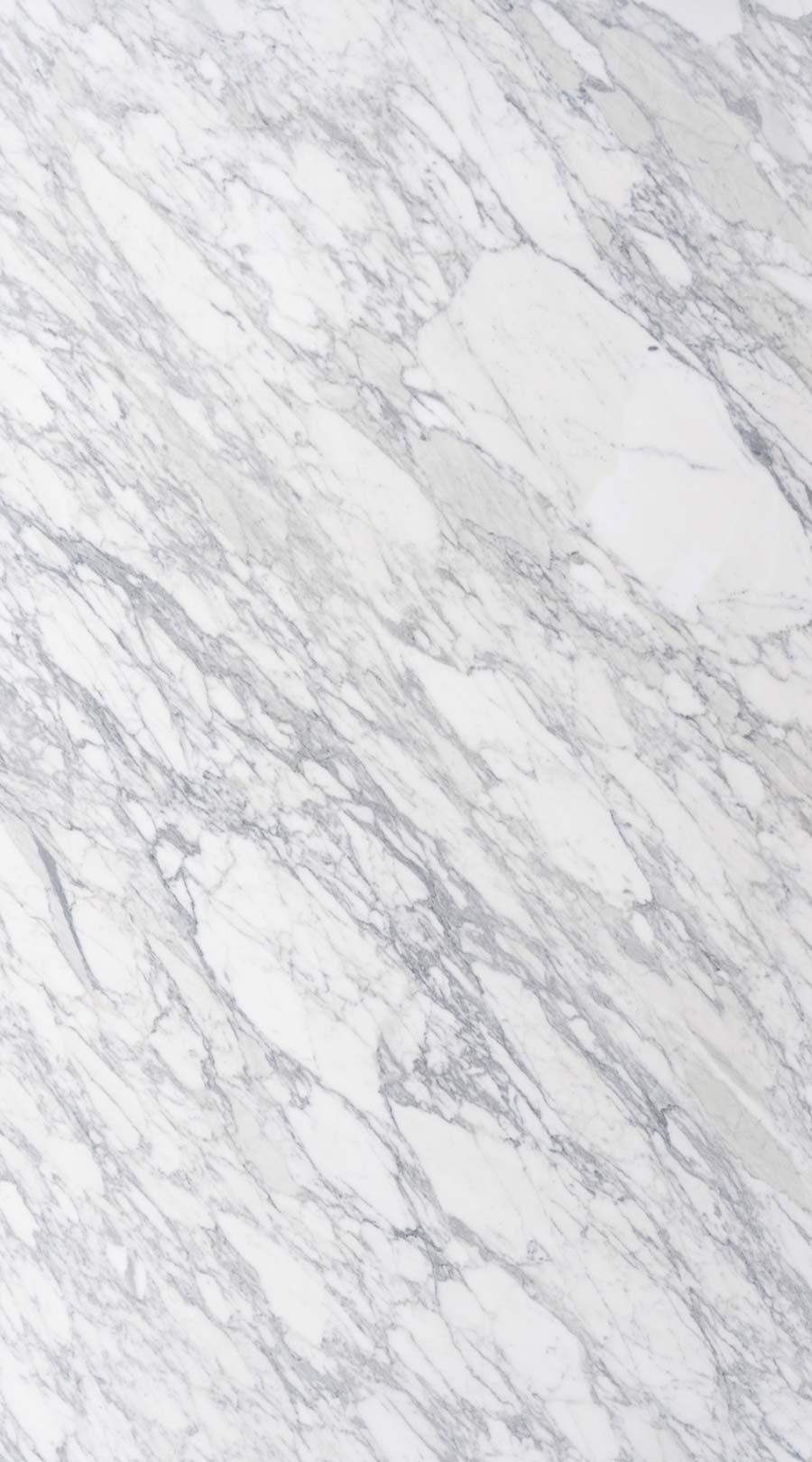
because Calacatta quarries are less prolific and demand is intense. Statuario, with its distinctive gray
veining on pure white, sits between the two on price and above both on rarity.
Slab consistency and book matching potential. Slabs with consistent, symmetrical veining patterns that
support book matched layouts carry a premium because quarry selection and matching require additional
time and expertise.
Finish. Polished marble is the standard and baseline price. Honed and brushed finishes require additional
processing and add cost — and both have strong current demand in contemporary residential and hospitality design. Honed marble also hides etching more effectively than polished.
Thickness. 3cm carries a higher cost than 2cm in both material and fabrication, with the additional weight
factor affecting installation complexity on upper cabinets and vertical cladding.
Slab size. Jumbo format slabs cost more upfront but reduce seaming on large countertop runs, feature
walls, and shower surrounds — which can save fabrication time and dramatically improve the visual result
on design-driven projects.
Choosing Marble by Color Family
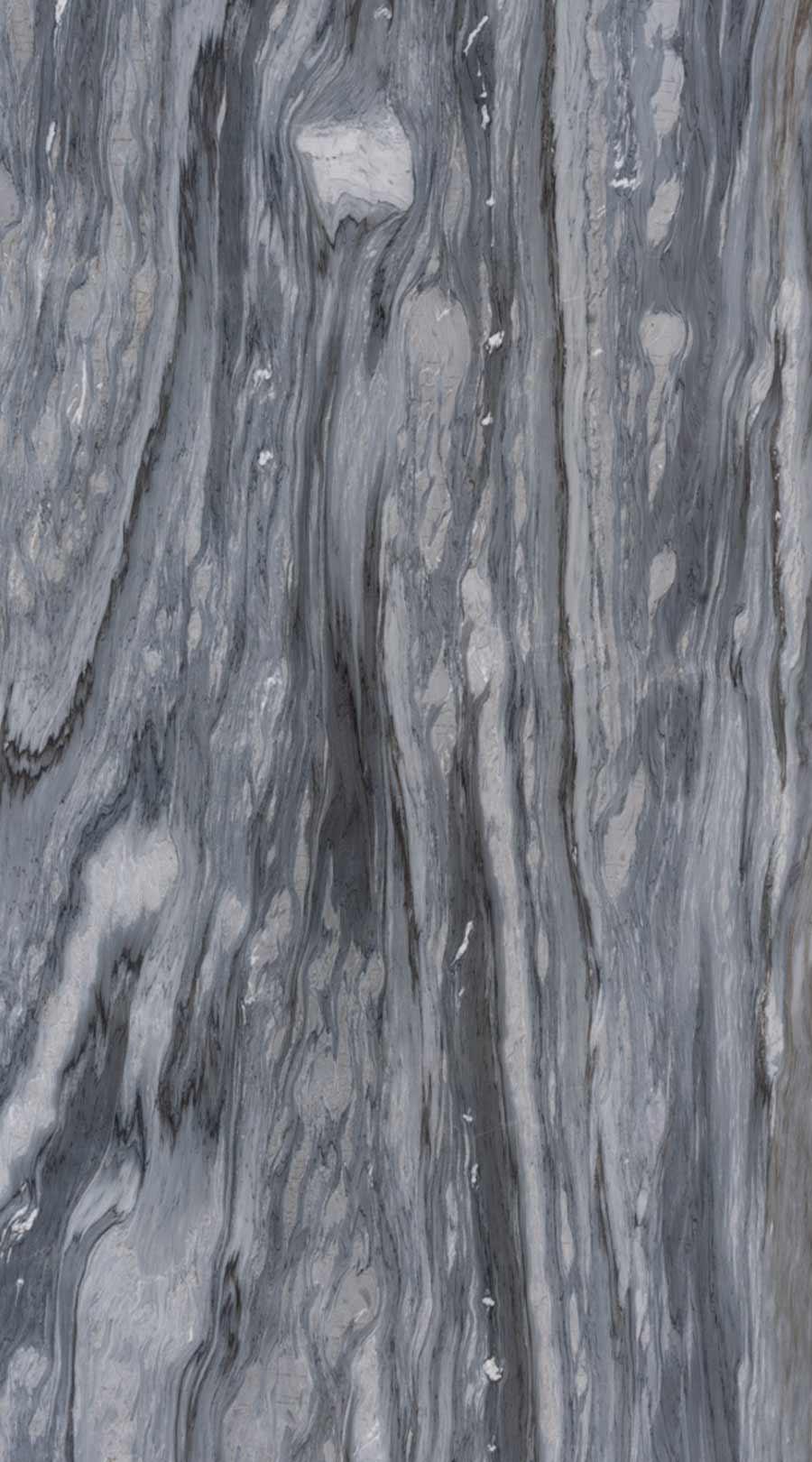
Marble's natural color palette is centered on white and gray, but the range extends into black, cream,
green, and warm-toned exotics.
Browse Black marble slabs and access wholesale pricing
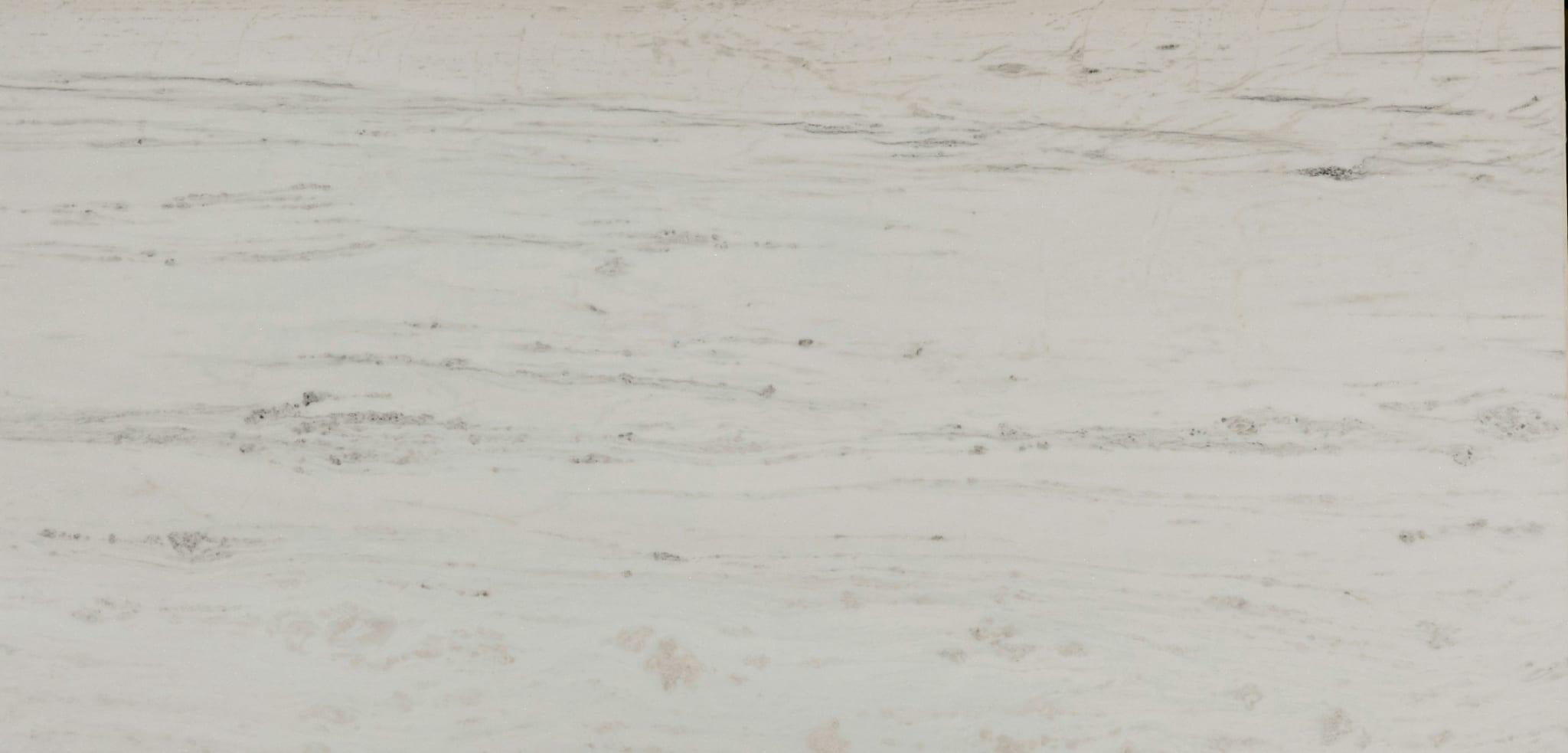
White and Carrara Marble
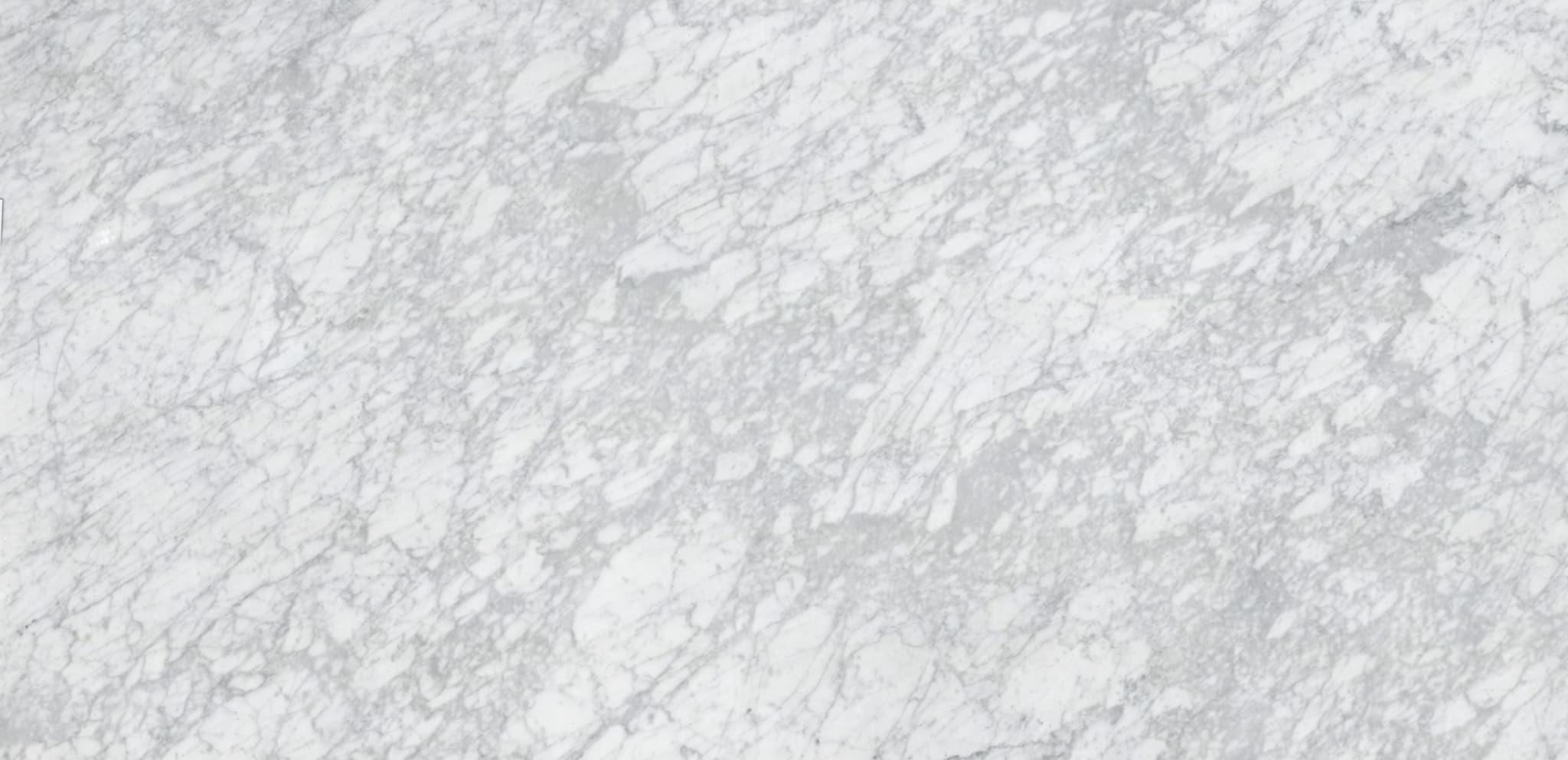
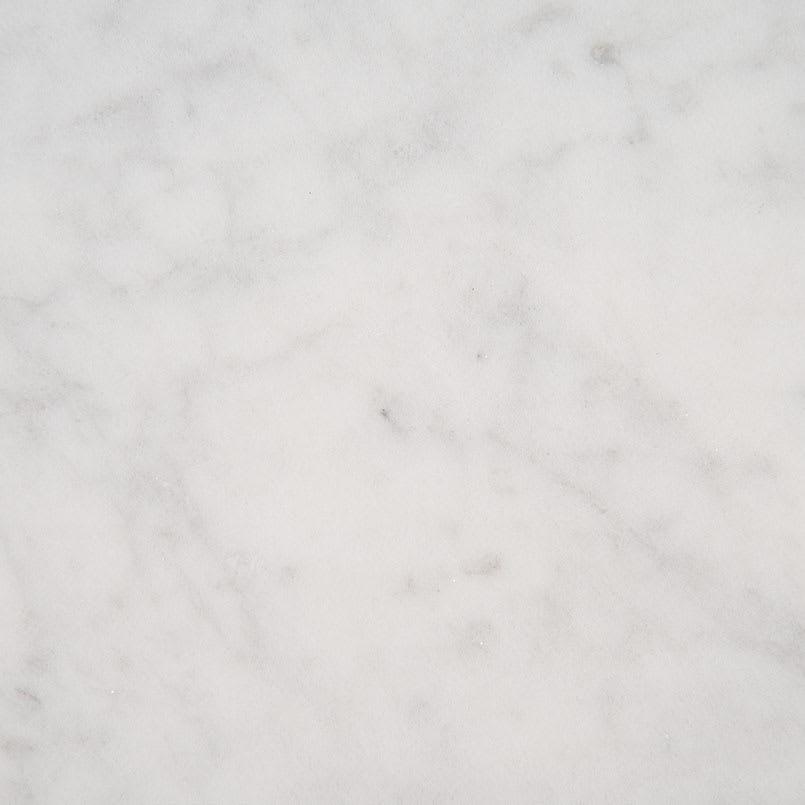
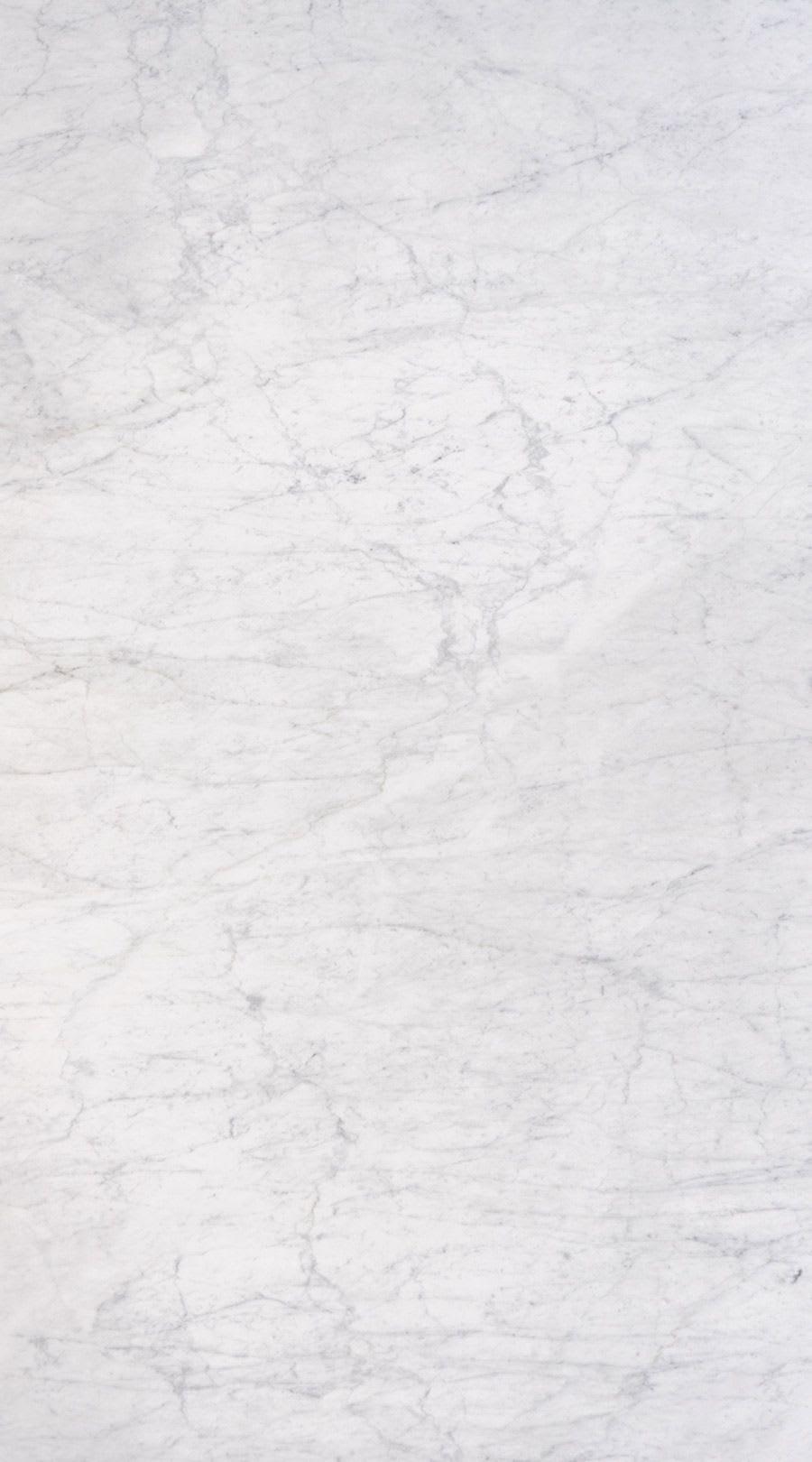
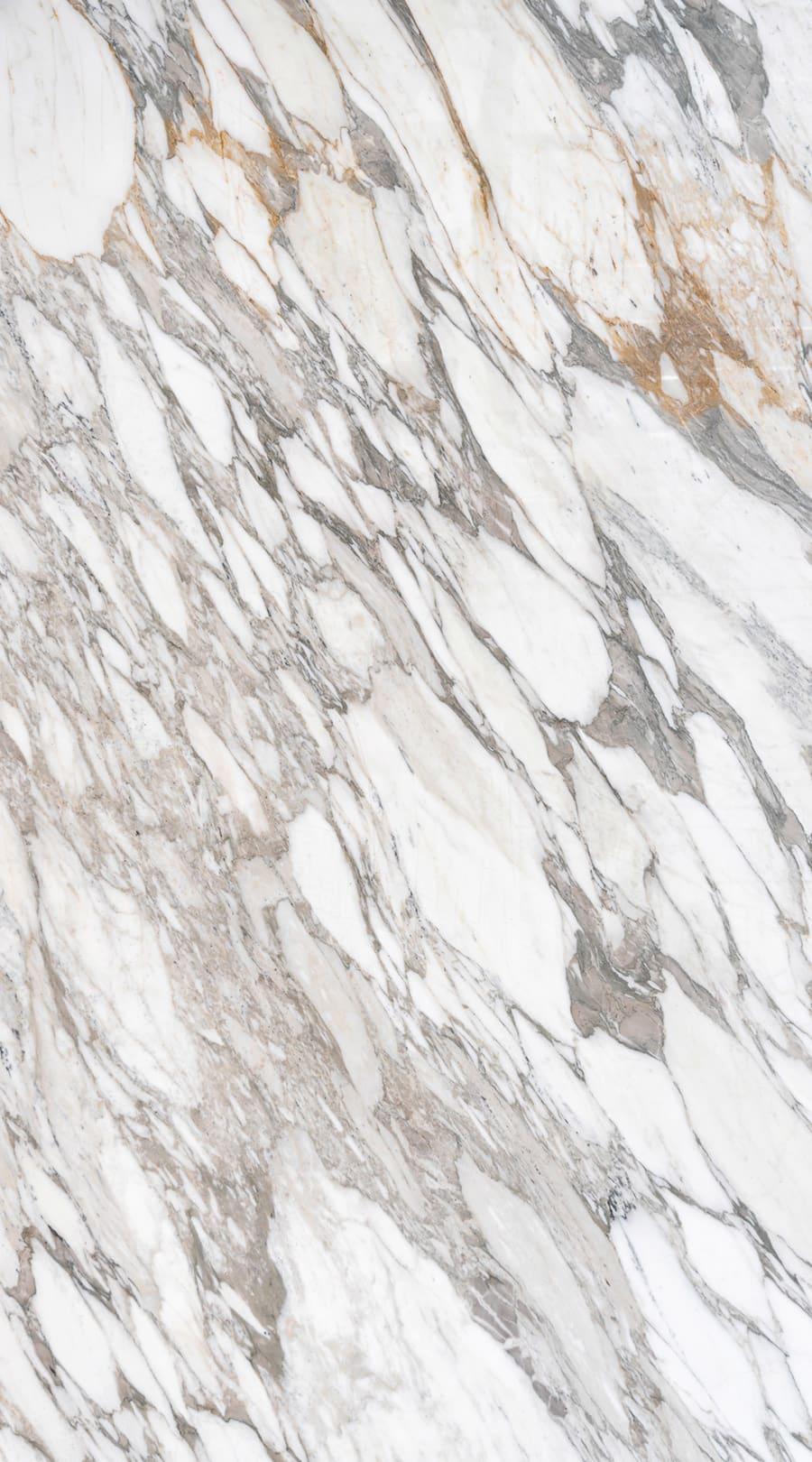
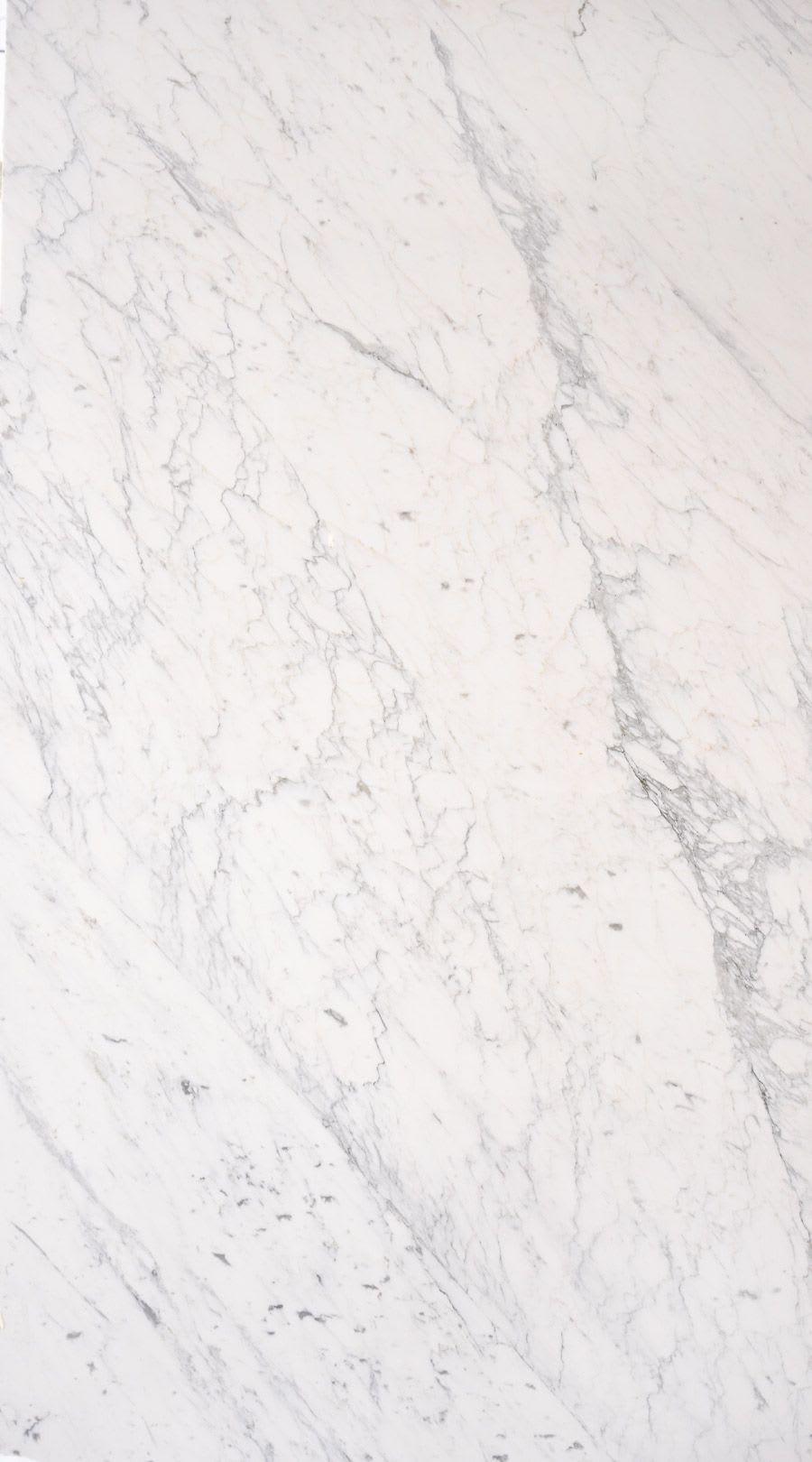
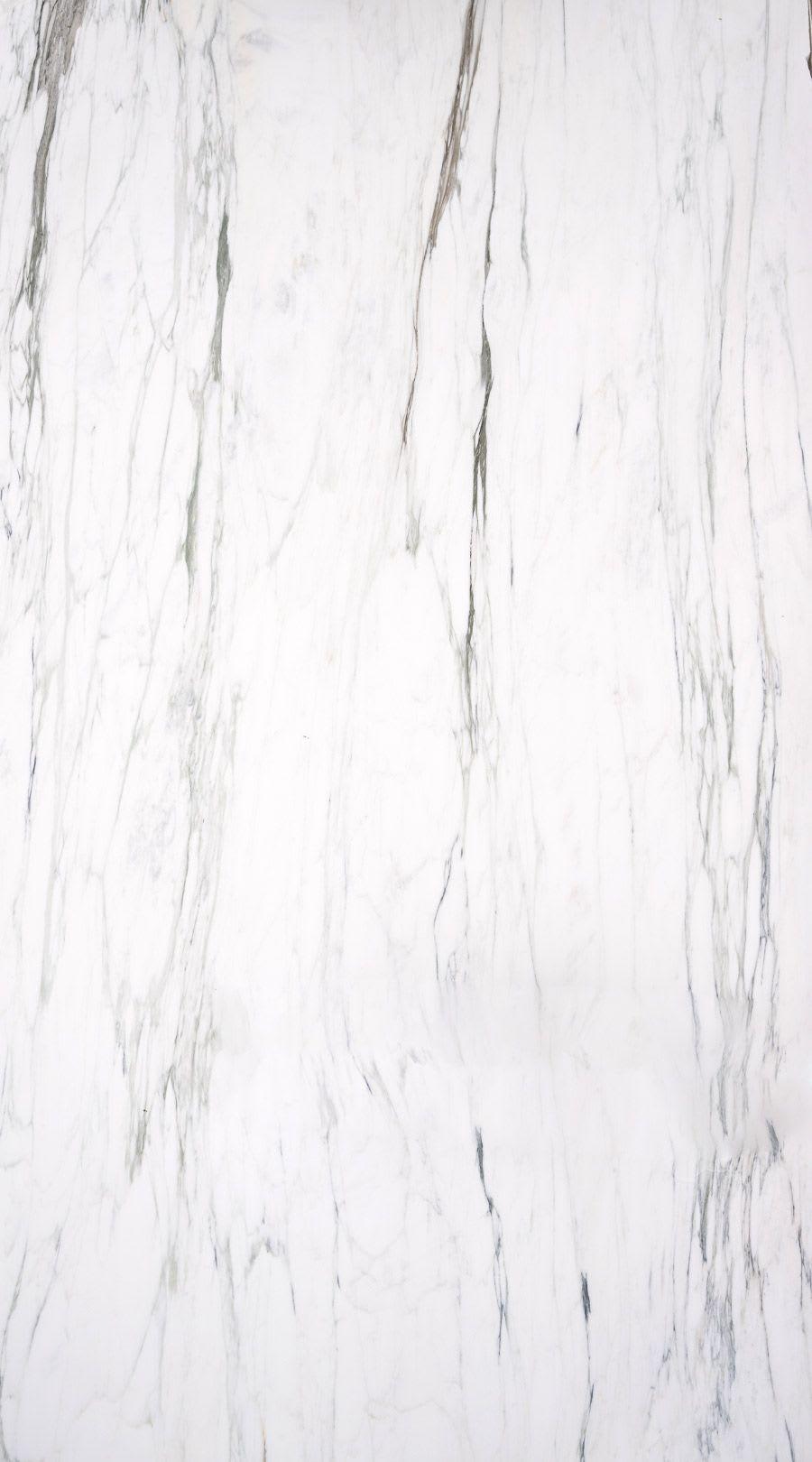
Carrara is the most accessible and widely stocked white marble — a cool, soft white background with delicate gray veining. It is the default specification for white marble in residential kitchens, bathrooms, and retail interiors. Consistent supply from Italian quarries keeps availability stable. For fabricators running volume residential work, Carrara is the reliable white marble workhorse.
Browse white marble slabs and access wholesale pricing
Calacatta Marble
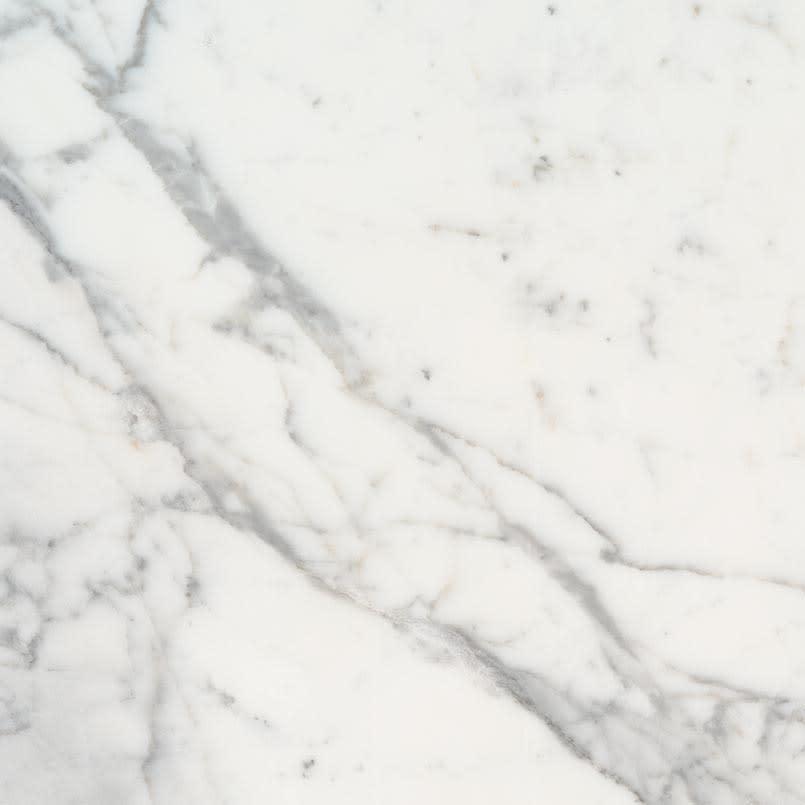
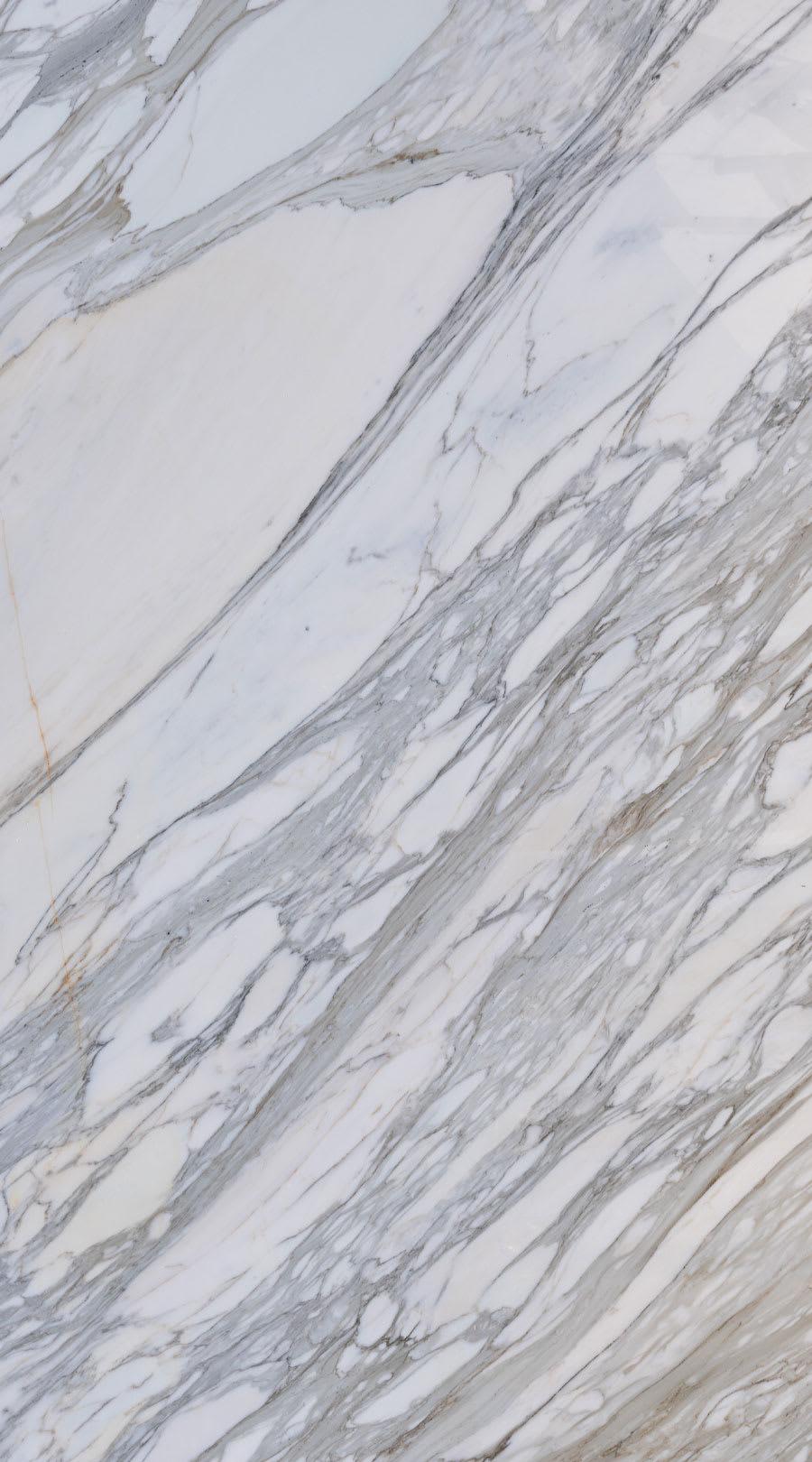
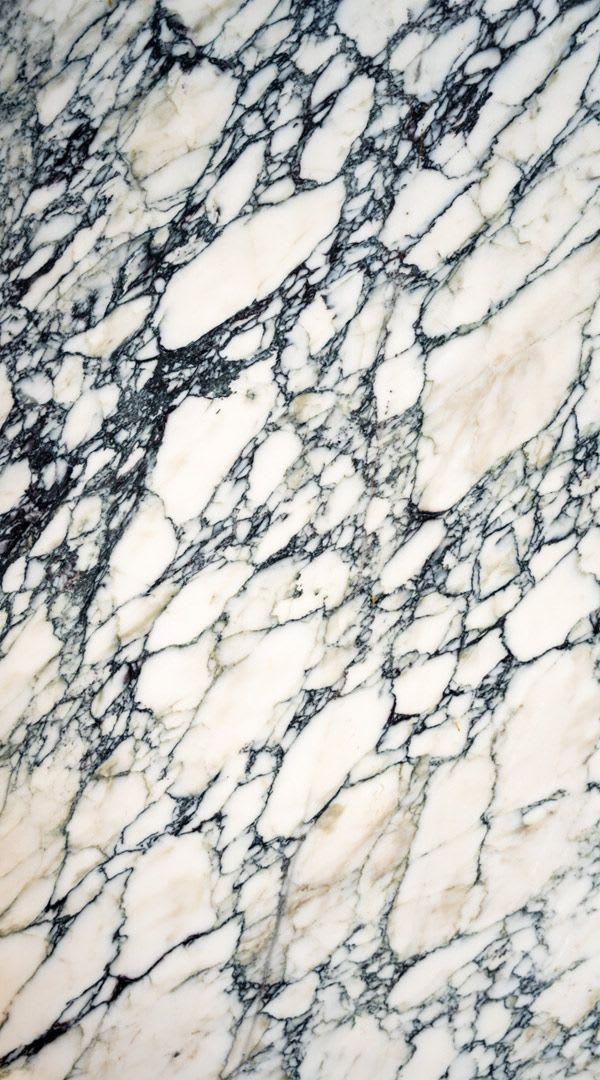
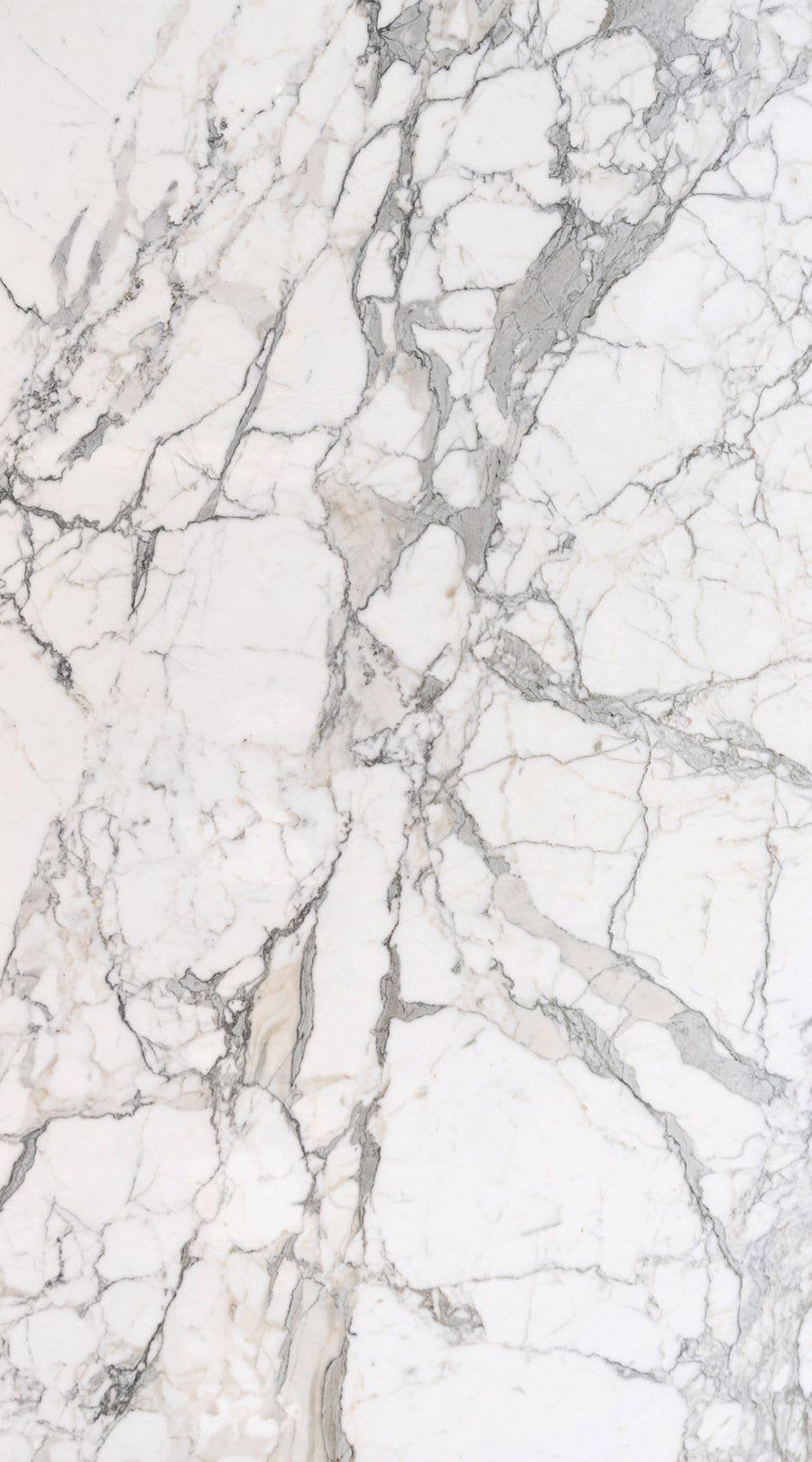
Calacatta delivers a brighter, whiter background than Carrara with bolder, more dramatic veining — typically in warm gold or deep gray. It is one of the most requested materials in high-end residential design and hospitality. Calacatta slabs vary more slab-to-slab than Carrara, so lot selection matters more on large projects. GoSource examples: Calacatta Fantasy, Calacatta Cielo Polished, Calacatta Santa Maria.
Statuario Marble
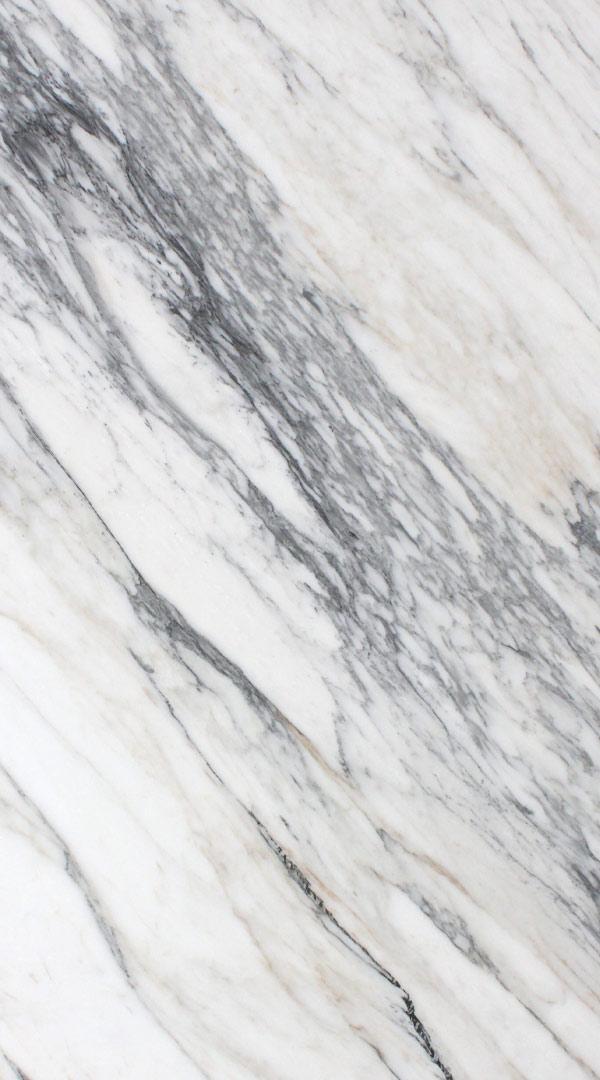
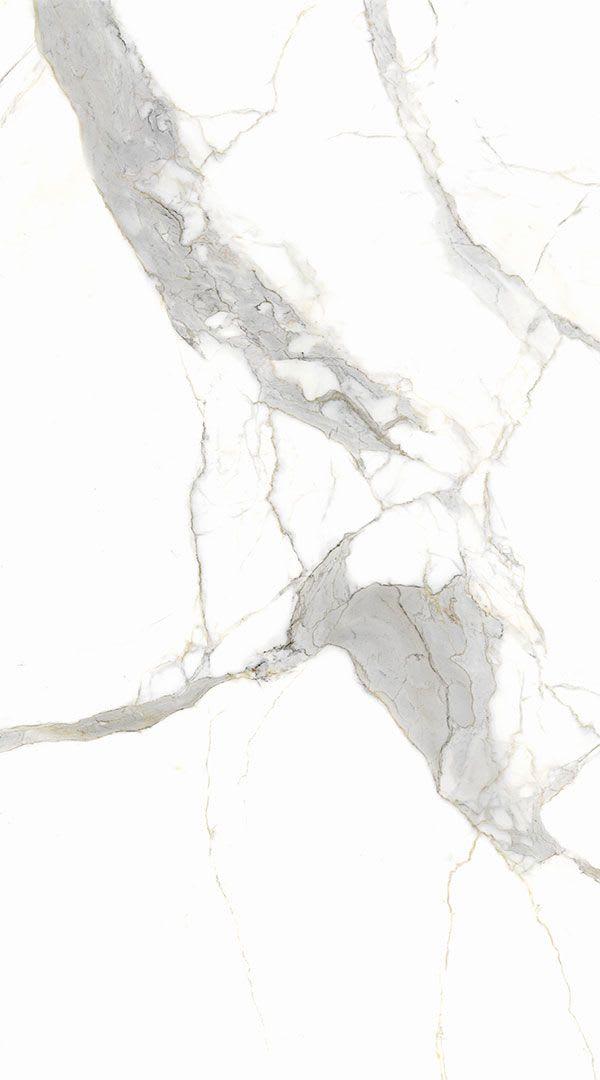
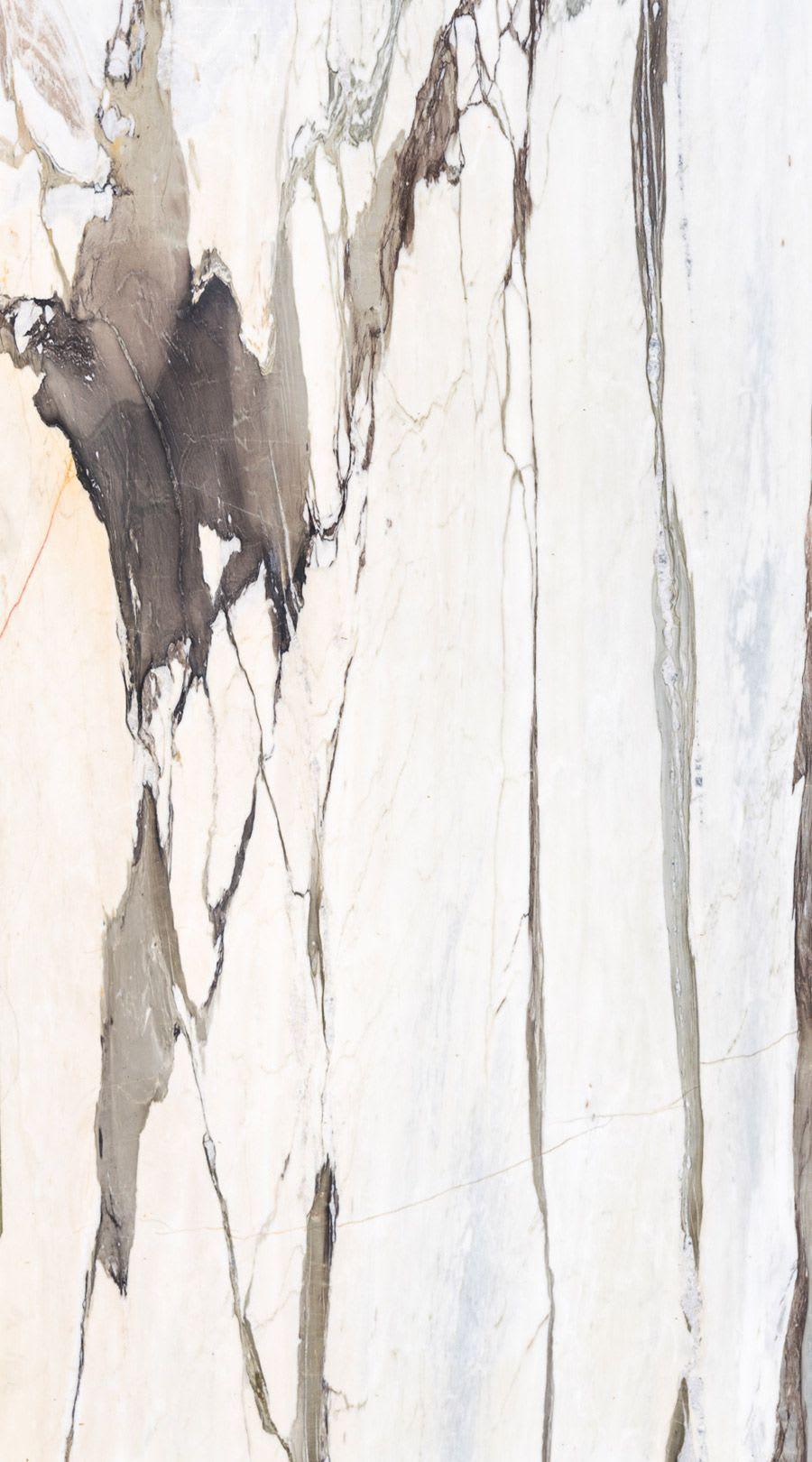
Statuario marble has a pure white background with dramatic, irregular gray veining that runs in bold strokes across the slab. It is among the rarest and most expensive Italian marbles. The right specification for feature islands, luxury bathroom vanities, and statement commercial surfaces. Expect longer lead times and more active lot selection.
Cream, Beige, and Warm Marble
Crema Marfil, Jerusalem Stone, and similar warm-toned marbles suit traditional and Mediterranean design schemes and pair naturally with wood cabinetry and terracotta tile. Strong in hospitality and high-end multifamily flooring. More forgiving on etching visibility than white marble, a practical advantage in high-traffic areas.
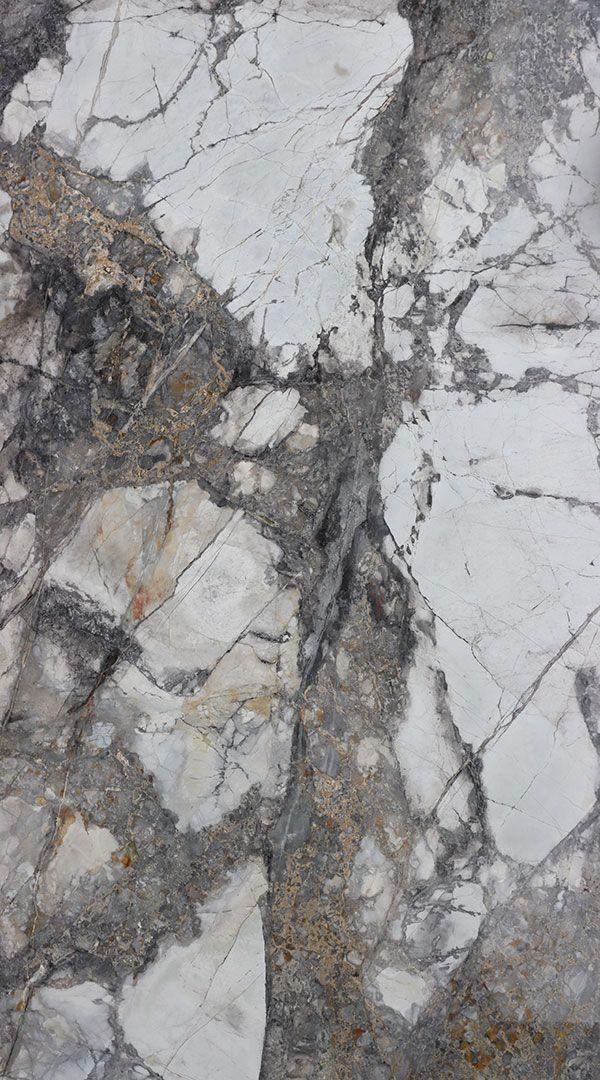
Exotic and Colored Marble
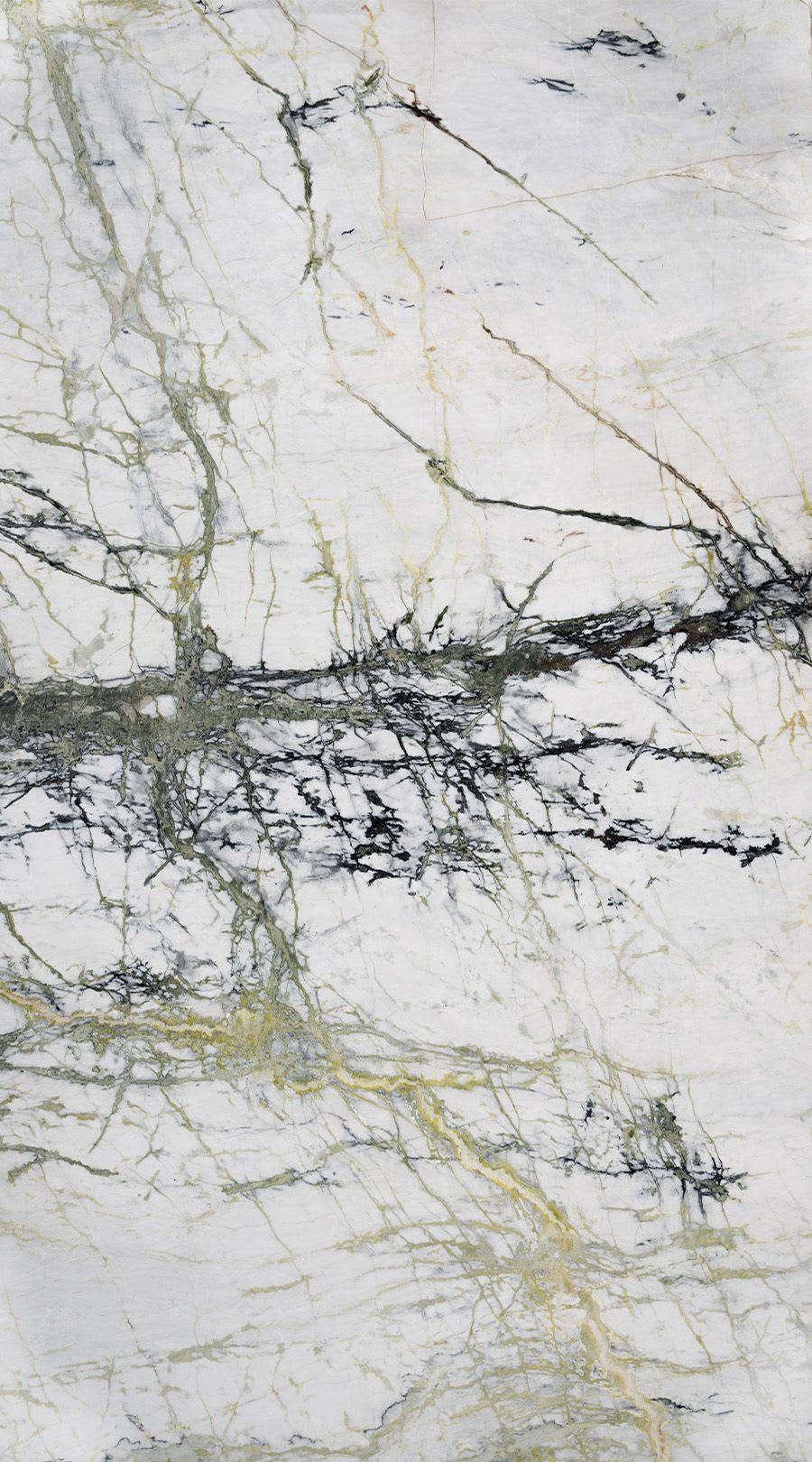
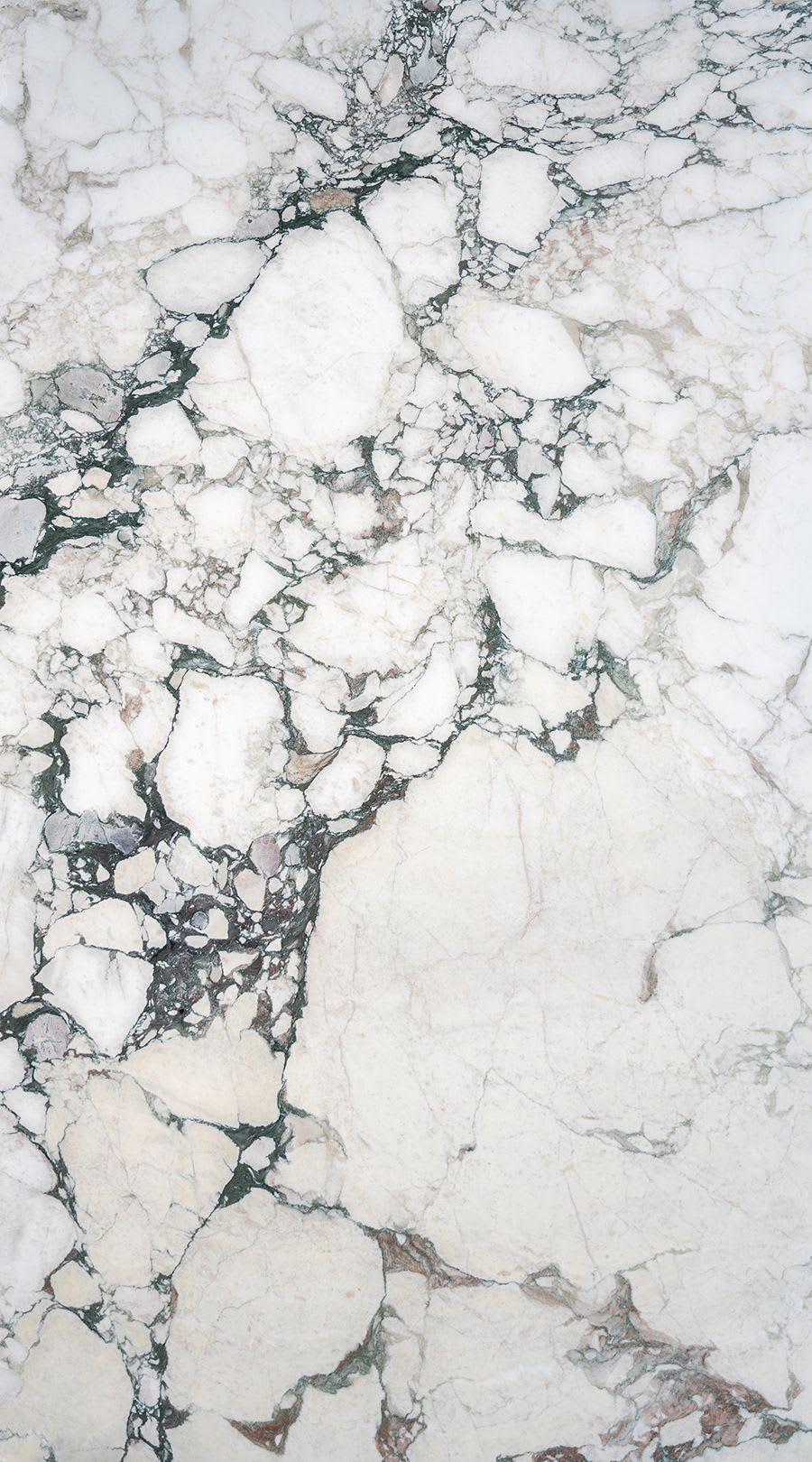
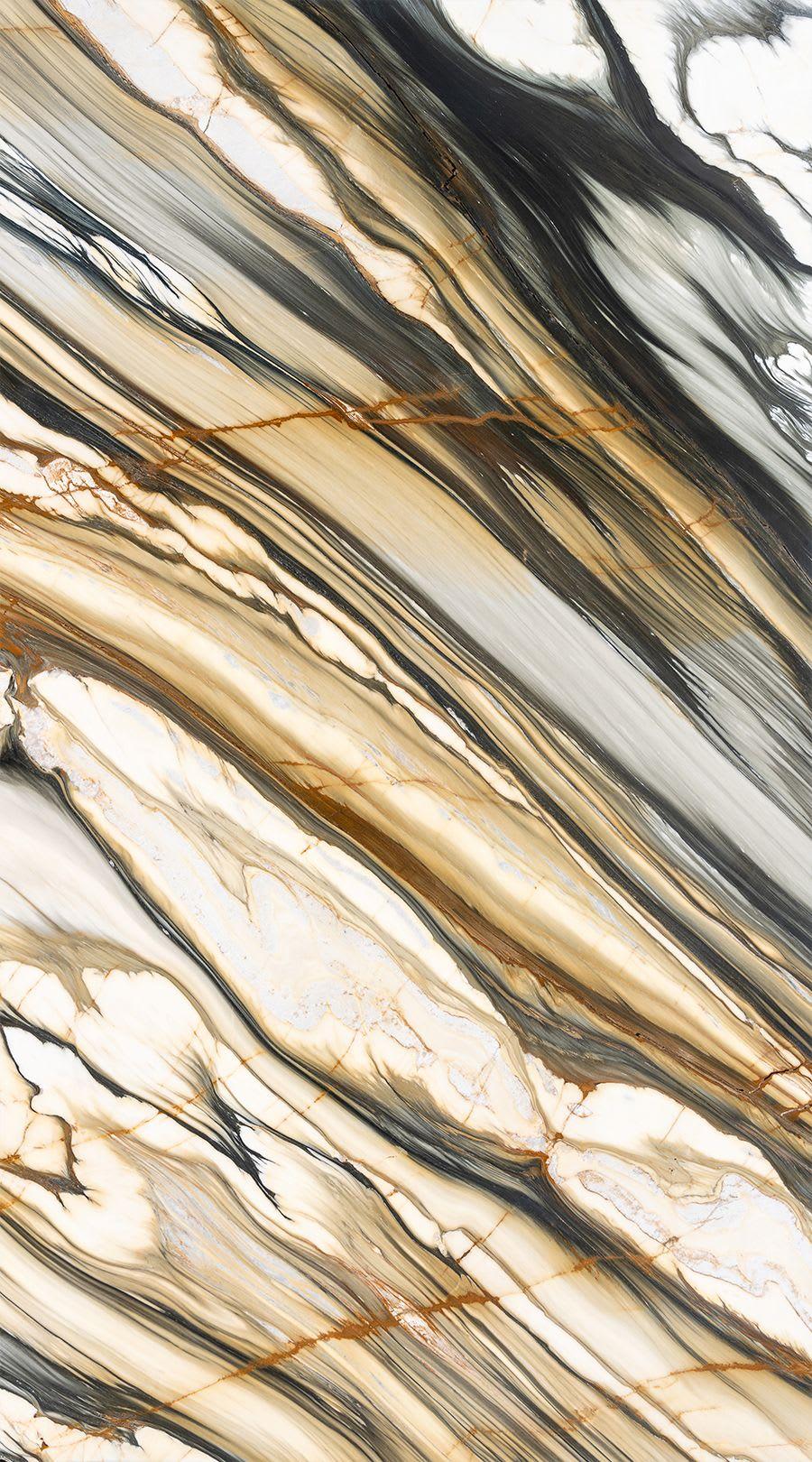
Verde Guatemala (deep green), Rosa Aurora (pink-blush), and Rosso Alicante (deep red with white veining) are statement materials with no engineered equivalent. Specified for feature walls, reception desks, and accent surfaces. Expect premium pricing, limited availability, and longer sourcing timelines.
Where Marble Outperforms Other Materials
Marble's performance profile is distinct from engineered quartz, granite, and quartzite. Trade buyers need
to know where those differences matter when helping clients make material decisions.
Aesthetic superiority. No surface category matches marble for design prestige. The luminosity, natural
veining depth, and tactile quality of Italian marble are benchmark specifications in luxury residential,
boutique hospitality, and institutional design.
Natural uniqueness. Each marble slab is one-of-a-kind. For design-driven clients who want a kitchen or
bathroom that cannot be replicated, marble delivers that in a way quartz simply cannot.
Thermal feel. Marble stays cool to the touch, a genuine comfort advantage in bathroom applications —
flooring, shower walls, and vanity surfaces.
Design heritage and resale value. Marble countertops and flooring remain a top-value feature in
residential real estate appraisals. For luxury renovations, marble is a specification that holds perceived
value better than most alternatives.
The considerations to communicate to clients: marble is softer than granite and quartzite (rating 3–4
on the Mohs hardness scale vs. 6–7 for granite). It etches — meaning acidic substances like lemon juice,
wine, and vinegar leave dull marks on polished surfaces on contact. It requires sealing at installation and
resealing annually for countertop use. Honed finishes reduce visible etching significantly, worth raising as
an option for kitchen clients who prioritize low maintenance. Set these expectations clearly upfront, and
they rarely become problems post-install.
Marble vs. Quartzite: The Short Version
Both are natural stone. Both deliver the white, veined look that drives marble demand. The difference is in
hardness, maintenance, and where you source them.
• Choose marble when the client wants true Italian heritage stone, when the design brief calls for
Calacatta or Statuario specifically, for bathroom applications where etching is less of a concern, or for
feature walls and vertical surfaces where maintenance is not a factor.
• Choose quartzite when the client wants the marble look on a kitchen countertop with better acid
and scratch resistance and lower maintenance requirements. Quartzite is harder than marble, does
not etch, and still carries the natural-stone character that engineered quartz cannot replicate.
For a full side-by-side comparison of quartz, quartzite, and granite across durability, maintenance, cost,
and application — see GoSource's complete material comparison guide

How Trade Buyers Access Wholesale Marble Pricing
GoSource carries marble slabs from MSI, Scalea, Daltile, Raphael Stone, and additional verified suppliers
— covering Carrara, Calacatta, Statuario, Black marble, and exotic varieties, all at 10–25% below retail.
Access is free with a GoSource account. There are no minimum order requirements, no commitment, and
pricing is visible upfront without a quote request.
For fabricators running volume residential or commercial work, the math compounds across a project
season. A 15% discount on $80/sq.ft marble across 50 kitchen projects is a material difference in margin
— without switching suppliers or compromising on brand.

The Bottom Line
Marble earns its place in every serious fabricator's and builder's sourcing mix. Unmatched classic elegance, distinctive natural veining, naturally cool surface temperatures, and undeniable luxury appeal elevate interiors in ways that quartz and porcelain cannot. The maintenance requirement — susceptibility to etching and periodic sealing — is the one thing to communicate clearly upfront. Everything else is pure timelessness.
For classic residential work, traditional marbles in white, gray, or warm tones cover most luxury client briefs with iconic style. For premium and unique installs, GoSource stocks Arabescus White, Antique River, Roman Coliseum, and other statement slabs that have no engineered equivalent.